Introduction / Hook
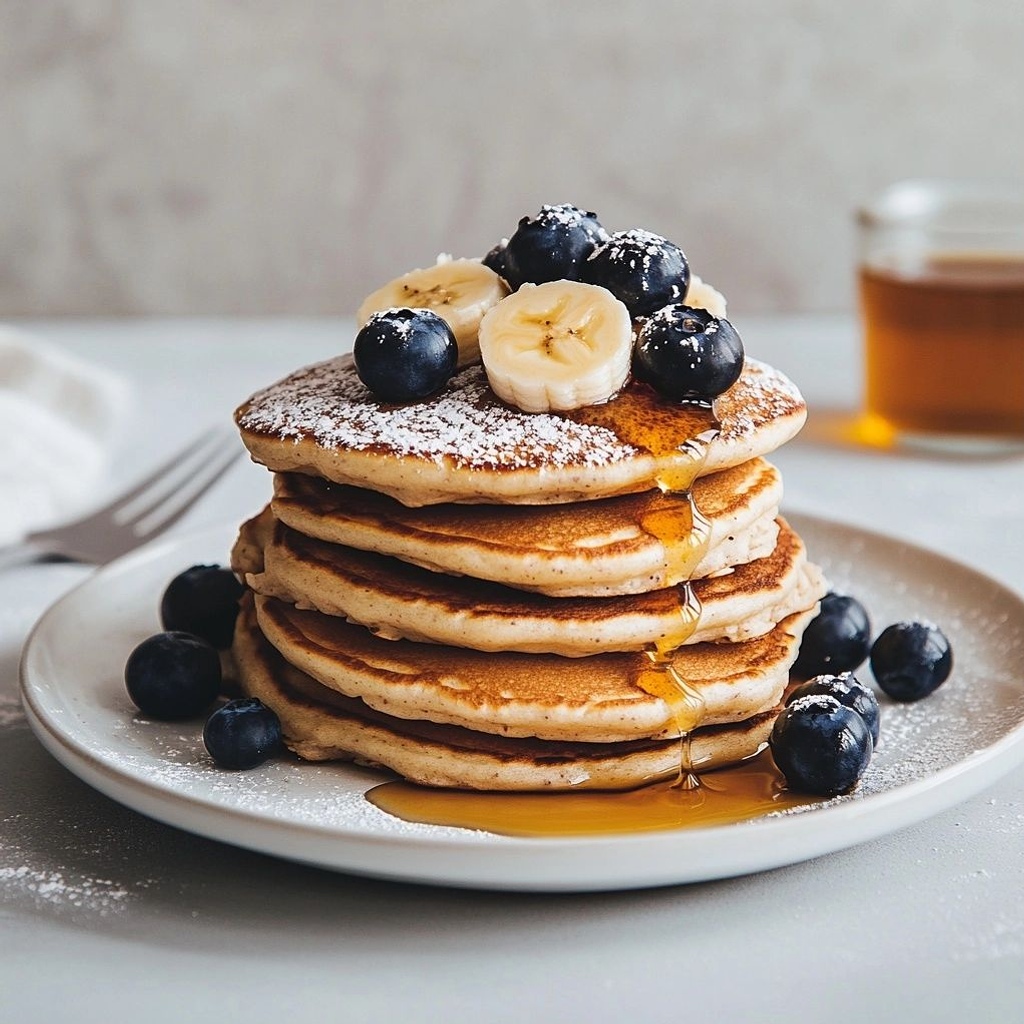
Imagine a stack of warm, cloud-soft pancakes that carry a secret: each bite delivers a comforting hug of protein, so you feel satisfied and energized long after breakfast. Protein pancakes aren’t just a clever way to sneak nutrition into your morning; they’re a small ritual of joy—light and airy, with a delicate sweetness that doesn’t overwhelm. The sizzle of batter meeting a hot pan, the first flip releasing a tiny puff of steam, and the aroma that lingers like a grateful reminder that nourishment can feel indulgent. This isn’t your average weekday pancake; it’s a versatile canvas that adapts to your cravings, your dietary needs, and your schedule. Whether you’re fueling a workout, chasing steady energy through a busy morning, or simply treating yourself to a weekend brunch that tastes like a moment of wellness, protein pancakes offer a satisfying balance: protein, flavor, and comfort all in one delectable package.
The Story Behind the Dish
Pancakes are a universal symbol of morning rituals—recipes passed down through generations, each family’s version whispering of home. The protein pancake trend grew from the intersection of fitness culture and home cooking, where athletes, busy parents, and mindful eaters sought a way to combine the brightness of a classic breakfast with the practical benefits of higher protein content. The idea is simple: replace some of the traditional flour with protein-rich ingredients like whey or plant-based proteins, yogurt, or cottage cheese, without sacrificing the light, tender crumb that makes pancakes so irresistible. Over time, cooks discovered that with a careful balance of ingredients, you could preserve that signature pancake lift while adding staying-power nutrients. The result is a dish that carries the spirit of breakfast traditions while embracing modern nutritional wisdom. The origin story isn’t about a single grand moment; it’s about a shared evolution—the moment when someone thought, “What if we can have pancakes that support our goals without compromising joy?” and then kept refining until the batter delivered both texture and nourishment in equal measure.
In many homes around the world, breakfast is the small daily ceremony that sets the tone for the day. Protein pancakes fit beautifully into this ritual because they respect the morning’s tempo: quick to mix, quick to cook, and quick to serve. They’ve traveled across kitchens—from sunlit urban condos to sun-dappled countryside kitchens—carrying with them a promise of consistency: a reliable, nourishing start that tastes like a treat. The cultural undertones are simple and universal: food that fuels, flavor that delights, and a sense of accomplishment that comes with mastering a simple technique that yields a breakfast you’re proud to share with family or friends.
Why You’ll Love This Recipe
- High-Protein Goodness: A satisfying protein boost helps support muscle recovery, appetite control, and steady energy, making mornings feel more balanced and less crash-prone.
- Light, Fluffy Texture: The batter, when done right, yields pancakes that are tender inside with a delicate exterior—like a soft, edible soufflé you can stack high.
- Versatile Sweetness: You control the sweetness—whether you prefer a gentle hint of vanilla and a kiss of maple, or a more robust, chocolatey twist with cocoa powder or chips.
- Customizable to Diets: Easily adaptable to dairy-free, gluten-free, low-carb, or vegan lifestyles with smart substitutions, so everyone at the table can enjoy.
- Make-Ahead Friendly: The batter or cooked pancakes can be prepared in advance and reheated, turning busy mornings into minute-to-serve breakfasts.
- Pairing Potential: A neutral, satisfying base that welcomes a parade of toppings—from fresh berries to yogurt, nut butter, sliced banana, or a drizzle of fruit compote.
- Kid- and Adult-Approved: The familiar pancake concept makes it approachable for kids, while the protein kick keeps adults satisfied and energized through the morning.
Flavor Profile & Texture
Protein pancakes deliver a nuanced flavor that sits somewhere between a classic pancake and a light, airy cake. The flavor largely depends on the base ingredients you choose, but there are common notes you can expect. A well-balanced batter often features a gentle sweetness with hints of vanilla, a touch of salt to enhance overall savoriness, and a whisper of dairy tang if yogurt or buttermilk is involved. When cooked, the surface adopts a pale to golden crust that offers a subtle caramelized snap, giving way to a soft, almost custardy center. The texture should be resilient enough to hold toppings without collapsing, yet tender enough to melt in your mouth—a contrast that makes each bite feel satisfying and comforting at the same time. The protein element influences the mouthfeel too: some blends yield a slightly denser crumb, while others mimic the airy lift of traditional pancakes. The key is balance—enough structure to carry toppings and maintain height, but not so much density that the pancakes feel heavy or dry. Aromas range from warm vanilla and lightly toasted flour to the inviting scent of cinnamon, cocoa, or nutmeg, depending on the flavor pathway you choose. The end result is a breakfast that tastes familiar and comforting, yet feels modern and nourishing in a way that can support an active lifestyle without demanding a compromise on taste.
Texture Dynamics: A Deeper Look
- Exterior: A light, slightly crisp edge with a gentle browning that signals caramelization and flavor development.
- Interior: A tender, moist crumb that stays fluffy rather than crumbly, thanks to moisture-rich ingredients like yogurt, cottage cheese, or mashed banana.
- Crumb Structure: The protein component helps create small air pockets, producing a cushiony bite that is easy to chew and comfortable to swallow.
- Finish: A smooth, lingeringly pleasant finish that doesn’t leave you with a dry aftertaste, especially when topped with a silky fruit compote or a dollop of yogurt.
Occasions & Pairings
Protein pancakes are remarkably versatile. They shine as a weekend brunch centerpiece, a post-workout recovery meal that still feels celebratory, or a make-ahead option for busy weekdays. Here are some ideas to elevate serving moments:
- Weekday mornings: Assemble the batter the night before and refrigerate. In the morning, heat the pan and cook a quick stack for a protein-packed start to the day.
- Brunch gatherings: Create a toppings bar with fresh berries, sliced banana, toasted nuts, maple syrup, nut butters, yogurt, and a dusting of cinnamon for a customizable pancake buffet.
- Post-workout recovery: Pair with a smoothie or a glass of milk (dairy or fortified plant-based), offering a balanced mix of protein and carbohydrates to replenish energy and support muscle repair.
- Kid-friendly breakfasts: Add fun toppings like chocolate chips, confetti sprinkles, or a swirl of fruit sauce to make the dish exciting for younger eaters while still maintaining a nutritional edge.
Pairing suggestions to complete the meal include:
- Yogurt or skyr for a tangy contrast and extra protein.
- Fresh fruit or a berry compote that brings bright acidity to balance richness.
- A light drizzle of pure maple syrup or honey for subtle sweetness without overpowering the flavors.
- A spread of almond or peanut butter to add healthy fats and a creamy texture.
- A beverage option such as a glass of cold almond milk, a latte, or a citrusy smoothie.
Tips, Variations & Substitutions
One of the joys of protein pancakes is their adaptability. Here are practical tips, variations, and substitutions to suit different diets and flavor preferences:
- Protein options: Use whey, casein, or plant-based proteins (pea, soy, or rice) as a base. Start with slightly less liquid if your protein powder is very absorbent, then adjust as needed.
- Flour substitutes: For a gluten-free version, use a gluten-free all-purpose blend or oat flour. Coconut flour is more absorbent; if you use it, increase liquid and consider blending with other flours for better texture.
- Dairy-free / vegan: Replace dairy with almond milk or oat milk and use a vegan yogurt or silken tofu to add moisture and protein. For flavor, a teaspoon of apple cider vinegar with your plant milk can mimic the tang of yogurt in some recipes.
- Low-carb option: Use almond flour or a low-carb protein powder mix with additional eggs or milk to maintain moisture and lift. Expect a slightly denser crumb, but still delicious.
- Flavor twists: Add spices like cinnamon, nutmeg, or cardamom; mix in cocoa powder for chocolate pancakes; fold in blueberries or mini chocolate chips for texture and bursts of sweetness; or stir in finely grated orange zest for brightness.
- Texture tweaks: A bit of Greek yogurt or cottage cheese can increase moisture and creaminess. If the batter seems too thick, a splash of milk or water will loosen it; if it’s too thin, a touch more protein powder or a spoonful of yogurt helps.
- Make-ahead variations: The batter can be prepared the night before and kept refrigerated; pancakes reheat well in a skillet or toaster oven. Alternatively, portion the cooked pancakes and freeze for fast future breakfasts—reheat in a toaster, skillet, or microwave.
Storage & Make-Ahead Ideas
Storing and planning ahead can make protein pancakes an even more practical staple in your weekly routine. Here are strategies to maximize freshness and flavor:
- Raw batter: If you plan to bake or fry later, you can refrigerate the batter for up to 24 hours. Stir gently before cooking, as some ingredients may settle. Keep it covered to prevent absorbing odors from the fridge.
- Cooked pancakes: Store cooled pancakes in an airtight container in the fridge for 3–4 days. Reheat gently in a skillet with a little butter or oil, or in a toaster oven for a crisp edge. You can also stack with parchment between layers to prevent sticking.
- Freezing: Layer cooled pancakes with parchment between them, place in a freezer-safe bag or container, and freeze for up to 2–3 months. Reheat directly from frozen in a skillet or toaster oven until steaming hot.
- Make-ahead toppings: Prepare fruit compotes, yogurt-based toppings, or nut butter sauces in advance and store in the fridge for quick assembly at serving time.
- Batch cooking: Make a big batch of batter and portion it into airtight jars or containers. In the morning, just give the batter a quick stir and cook as needed, saving precious minutes on busy days.
Fun Facts & Trivia (Optional)
Protein pancakes are more than a breakfast option; they’re a small culinary phenomenon that reflects how modern cooking often blends nutrition with comfort. Here are a few fun tidbits to savor while you preheat the pan:
- Some chefs use cottage cheese blended until smooth as a protein-rich ingredient that also adds creaminess, almost like a built-in ricotta solution for pancakes.
- Plant-based protein pancakes can be an excellent vehicle for flavor exploration—think vanilla bean with mashed banana, or cocoa with espresso for a morning pick-me-up that tastes like dessert but behaves like a balanced meal.
- In certain fitness communities, protein pancakes became a weekend ritual rather than a duty—an occasion to celebrate nutrition without compromising on the joy of a stack you can photograph and share with friends and family.
- Historically, pancakes show up in many cultures as everyday nourishment in a simple form: a batter fried on a hot surface, then topped with regional sweet or savory accouterments. The modern protein pancake is a respectful nod to that tradition, reimagined with contemporary dietary awareness in mind.
Seasonal & Thematic Variations
While the core idea remains the same, you can tailor protein pancakes to different seasons or themes without losing the essence of the dish:
- Winter: A hint of peppermint or orange zest with dark chocolate chips creates a festive, dessert-like feel that still satisfies a healthy breakfast craving.
- Spring/Summer: Fresh lemon zest, blueberries, and a drizzle of honey capture bright, sunny flavors reminiscent of fruit-forward mornings.
- Kids’ Specials: Introduce rainbow sprinkles or mini chocolate chips and offer a yogurt-based frosting for a playful, celebratory vibe.
Conclusion: A Breakfast That Feels Like a Treat
Protein pancakes stand at a delightful crossroads where nourishment meets indulgence, practicality meets pleasure, and routine meets something worth savoring. They’re a reminder that you don’t have to choose between health and happiness in the morning; you can have both. With the right balance of protein, moisture, and a touch of imagination, a simple pancake becomes a nourishing ritual that supports your day from the very first bite. Whether you’re cooking for yourself, your partner, or your whole family, this recipe invites you to slow down, savor the moment, and celebrate the start of a new day with something that looks as good as it tastes. As you flip those pancakes, you’re not just making breakfast—you’re crafting a small, daily act of care that can set a positive tone for hours to come. So preheat the pan, whisk your batter, and stack your way into a morning that feels nourishing, satisfying, and wonderfully yours.
Ingredients
- Muffin Base
– 1 cup rolled oats (certified gluten-free if needed) blended into flour
→ The oats provide structure and a hearty, wholesome base when ground into a flour-like consistency. Blending them ensures even distribution and a light crumb without relying on all-purpose flour. If you don’t blend them fine enough, the batter may feel grainy; pulse until it resembles a coarse flour.– 1 scoop protein powder (vanilla flavor)
→ Adds high-quality protein to the pancakes, boosting satiety and nutrition. Choose whey, soy, or pea protein depending on dietary needs. If your protein powder is very absorbent, you may need extra liquid; if it’s foamy, whisk well to avoid lumps.– 2 large eggs
→ Eggs act as a binder and leavening component, helping the pancakes hold together and rise slightly. For a dairy-free option, substitute with two flax eggs (2 tablespoons ground flaxseed + 6 tablespoons water, thickened 5–10 minutes) per egg. Whisk until smooth before adding to the batter.– 1/2 cup milk (dairy or non-dairy)
→ Provides moisture and helps adjust batter consistency. If using dairy-free milk, choose an unsweetened variety to control sweetness. For thicker batter, use less milk; for fluffier pancakes, a touch more.– 1/2 cup plain Greek yogurt (or dairy-free yogurt)
→ Increases protein, tenderness, and moisture, yielding a creamier crumb. If using a dairy-free option, ensure it’s unsweetened and stir well to avoid separation. You can skip for a lighter batter, but the texture will be less rich.– 1/2 teaspoon baking powder
→ Provides light lift to the pancakes, preventing them from being dense. Do not substitute baking soda here unless you add an acidic liquid; otherwise, the texture may be off.– 1/4 teaspoon baking soda
→ Works with yogurt and banana to increase rise and create a softer interior. If your yogurt is very thick or you omit yogurt, you can reduce or omit this to avoid overly porous pancakes.– 1 ripe banana, mashed (optional but recommended)
→ Adds natural sweetness, moisture, and tenderness, helping to bind the batter and replace some sugar. Use a very ripe banana with brown speckles for maximum flavor. Mash until smooth to avoid lumps.– 1/2 teaspoon ground cinnamon (optional)
→ Offers a warm depth that pairs well with the protein and banana. Use fresh ground for the strongest aroma; adjust to taste or omit if you prefer a plain pancake.– 1/2 teaspoon vanilla extract
→ Enhances overall flavor and sweetness perception without adding extra sugar. Use pure vanilla for best aroma; imitation vanilla can work in a pinch but may not deliver the same depth.– Pinch of salt
→ Balances sweetness and heightens other flavors. Even a small amount helps to round out the flavors and improve the overall taste of the pancake.– 1 tablespoon neutral oil (for batter) or additional cooking oil as needed
→ Helps prevent sticking and contributes moisture to the batter. You can replace with melted butter for a richer flavor, or leave out if you prefer a lighter profile. Whisk into the batter to ensure even distribution.
– Optional Add-ins
– 1/2 cup fresh or frozen blueberries or chocolate chips
→ Adds bursts of sweetness and texture. If using frozen berries, don’t thaw to keep the batter from turning blue-purple and leaking color; fold in gently to maintain distribution. Chocolate chips offer pockets of melty sweetness and pair nicely with vanilla protein.
– Maple syrup or honey, for serving
→ Provides a natural, syrupy sweetness at serving time. If using in batter to adjust sweetness, start with 1–2 teaspoons and taste; too much can thin the batter.
– Extra toppings (optional)
– Fresh fruit, nuts, or yogurt dollops
→ Enhances the pancake experience with added texture, color, and protein. Place toppings after cooking for better control over texture; you can also mix a few into the batter for added variety.
Instructions
- Blend the rolled oats in a high-speed blender or coffee grinder until they resemble a coarse, flour-like texture; transfer to a bowl to ensure an even distribution and a light crumb in the final pancake batter.
→ Ground oats provide the structure and a gluten-free base; pulverizing them ensures consistent texture and prevents grainy bites in the finished pancakes. - Whisk together the 1 cup oat flour, 1 scoop vanilla protein powder, 1/2 teaspoon baking powder, 1/4 teaspoon baking soda, and a pinch of salt in a large mixing bowl until the dry ingredients are thoroughly combined and any clumps are broken up.
→ A uniform dry mix avoids pockets of leavening that could cause uneven rise; sifting or whisking minimizes lumps and yields a smoother batter. - In a separate bowl, beat the 2 large eggs until smooth and slightly aerated, then whisk in the 1/2 cup milk, 1/2 cup yogurt, 1/2 teaspoon vanilla extract, and 1/2 teaspoon ground cinnamon (if using) until fully incorporated and the mixture looks glossy.
→ Whisking introduces air for tenderness and ensures the eggs emulsify with dairy, providing a cohesive batter that traps minimal air for a uniform pancake texture. - Add the mashed ripe banana to the wet mixture and whisk until completely smooth, ensuring no visible lumps remain; this also helps to evenly distribute sweetness and moisture.
→ Banana acts as a natural sweetener, moisture source, and binder; mashing fully prevents pockets of banana that can create uneven texture during cooking. - Fold the dry mixture into the wet mixture just until combined and no dry streaks remain; do not overmix, as this can develop gluten-free batter toughness and yield dense pancakes.
→ Gentle folding preserves tenderness and produces a lighter crumb; overmixing releases too much moisture and can make the batter stiff. - Whisk in the 1 tablespoon neutral oil into the batter until the mixture is smooth and cohesive, then rest the batter for 5 minutes to hydrate the oats and allow bubbles to settle; this improves texture and ease of scooping.
→ Resting relaxes the batter, helps the oats absorb liquid, and reduces spattering when cooking while ensuring consistent pancake thickness. - If using optional add-ins, gently fold in 1/2 cup blueberries or chocolate chips just until evenly distributed without overworking the batter.
→ Add-ins provide bursts of flavor; folding them in at the end avoids tearing the batter and ensures even distribution without weighing it down. - Preheat a nonstick skillet or cast-iron pan over medium-low to medium heat and lightly grease with additional oil; you should be able to see a slight shimmer and a thin film of oil on the surface.
→ Proper preheating ensures consistent browning and prevents sticking; too cold and pancakes will spread, too hot and they will burn before cooking through. - Scoop about 1/4 cup of batter per pancake onto the hot pan, spacing at least 1 inch apart, and cook until small bubbles form on the surface and the edges appear set, approximately 2 to 3 minutes.
→ Using a measured amount creates uniform pancakes; waiting for bubbles and set edges signals proper internal structure and prevents premature flipping that can break the cakes. - Flip each pancake carefully with a thin spatula and cook for an additional 2 to 3 minutes on the other side, until golden brown and cooked through; adjust the heat as needed to avoid scorching.
→ Proper flipping seals in moisture and completes the Maillard reaction for flavor; if the pan is too hot, reduce heat after the first batch to maintain tenderness. - Transfer the cooked pancakes to a warm plate and repeat with the remaining batter, wiping the pan if necessary and re-greasing lightly to maintain nonstick performance; continue until all batter is used.
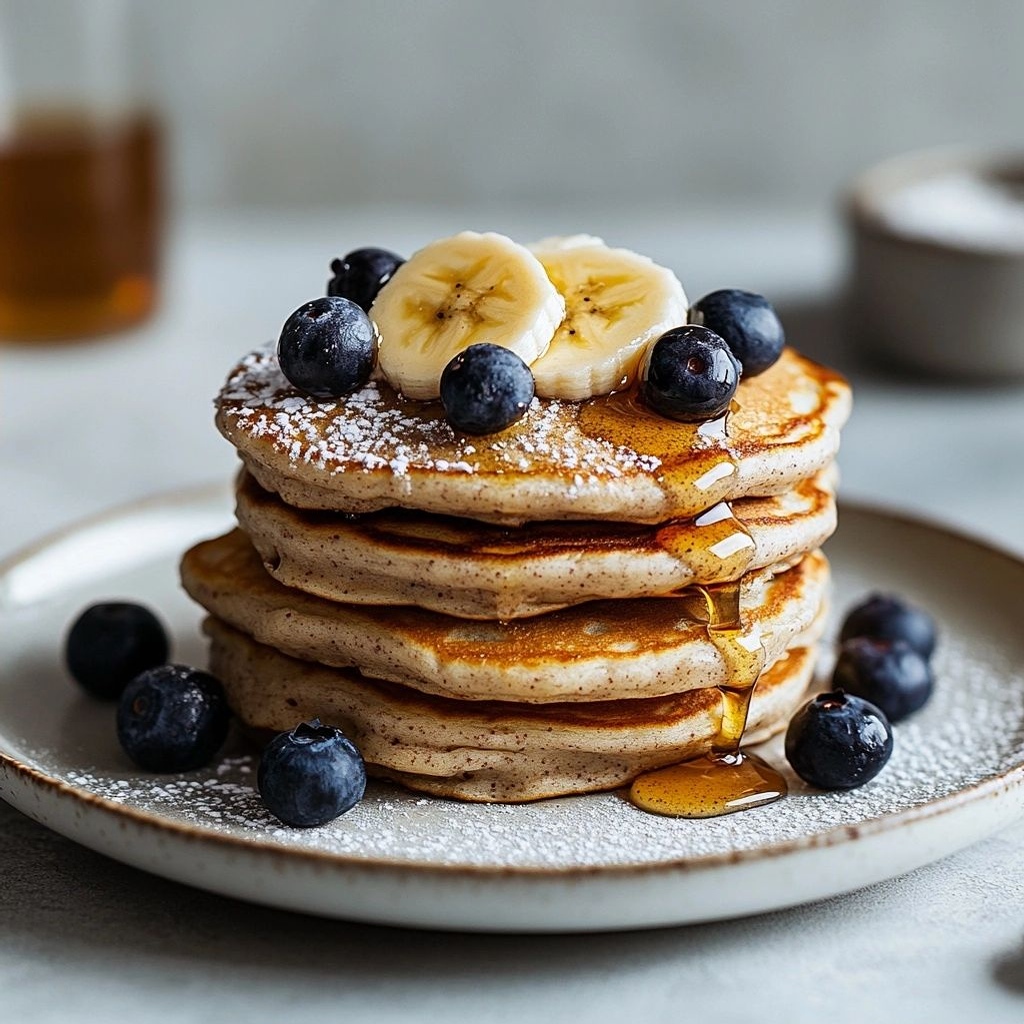
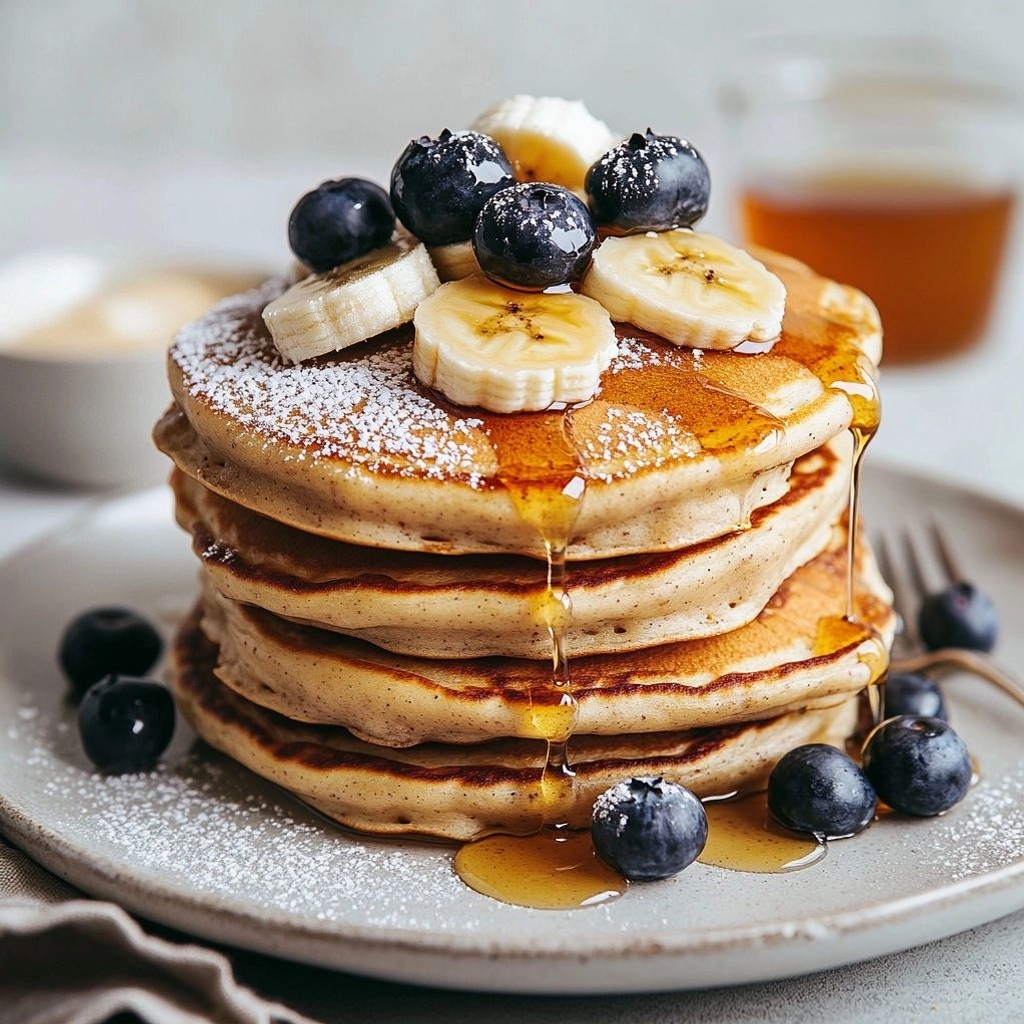
→ Maintaining a clean, lightly oiled surface prevents sticking and ensures each pancake flips cleanly without tearing, while keeping them warm ensures optimal texture at serving time. - Serve the protein pancakes with maple syrup or honey to taste, and finish with optional extra toppings such as fresh fruit or yogurt dollops for added texture and protein; present immediately for best texture.
→ Warm toppings enhance aroma and sweetness perception; toppings add contrast in texture and color, elevating the dish from simple to plated-worthy.
Notes
“These protein pancakes are a balanced, high-protein breakfast option built on a base of blended oats, eggs, and yogurt for structure and moisture. To ensure a light crumb, blend the oats until they resemble a coarse flour and whisk the batter until smooth, avoiding overmixing which can make the pancakes tough. If you’re dairy-free, substitute dairy-free yogurt and use flax eggs (2 tablespoons ground flaxseed + 6 tablespoons water per egg) to mimic the binding power of eggs. Adjust the batter with milk to reach your preferred thickness: a thicker batter yields fluffier centers, while a thinner batter spreads more like traditional pancakes. For extra richness, swap yogurt for a dairy-free yogurt with a higher fat content or fold in a tablespoon of melted butter or oil for a crisper edge. Don’t skip the banana if you have it; it adds natural sweetness and tenderness, and using a very ripe banana will help with moisture and flavor. Optional add-ins like blueberries or chocolate chips turn these into a personalized treat—stir them in after the batter comes together and avoid thawing frozen berries to keep the batter from discoloration. These pancakes freeze well; refrigerate or freeze the cooked pancakes and reheat in a skillet, toaster, or microwave for a quick breakfast. Serve with a drizzle of maple syrup, a dollop of yogurt, and fresh fruit or nuts for added texture and protein. Always choose unsweetened yogurt and plain protein powder to control sweetness and flavor, and tailor the liquid amount to your preferred batter consistency.”
Tips
Tips for Perfect Protein Pancakes
- Make the oat flour extra fine: pulse the oats until they resemble a light, powdery flour to prevent grainy bites.
- Whisk the wet ingredients separately first (eggs, milk, yogurt, vanilla, oil) before combining with the dry mix to avoid lumps.
- If using protein powder that clumps, sift it or whisk vigorously with a splash of milk before adding to the batter.
- Banana ripeness matters: very ripe bananas add sweetness and moisture; mash until completely smooth to avoid banana chunks in the pancakes.
- Adjust thickness: for thinner pancakes, add a little more milk a tablespoon at a time; for thicker, less milk. The batter should pour slowly but spread easily on the pan.
- Let the batter rest 5–10 minutes after mixing. This gives the oats time to hydrate and the leaveners to activate for fluffier results.
- Preheat the pan to medium-low and lightly oil it. A non-stick skillet helps you avoid sticking without needing to flip multiple times.
- Cook low and slow: flip once bubbles form on the surface and the edges look set. Second side should take about 1–2 minutes.
- To keep pancakes warm without drying, place cooked pancakes on a plate in a warm oven (about 200°F / 95°C) while finishing the rest.
- For dairy-free options, substitute yogurt with an unsweetened dairy-free yogurt and ensure the protein powder is dairy-free. Keep an eye on batter thickness, as some plant-based milks absorb differently.
- Flavor boosters: if you skip the banana, add a pinch more cinnamon or a splash of maple extract for depth without adding extra sugar.
- Healthy add-ins: fold in 1/4 cup chopped nuts or a teaspoon of chia seeds for extra texture and protein.
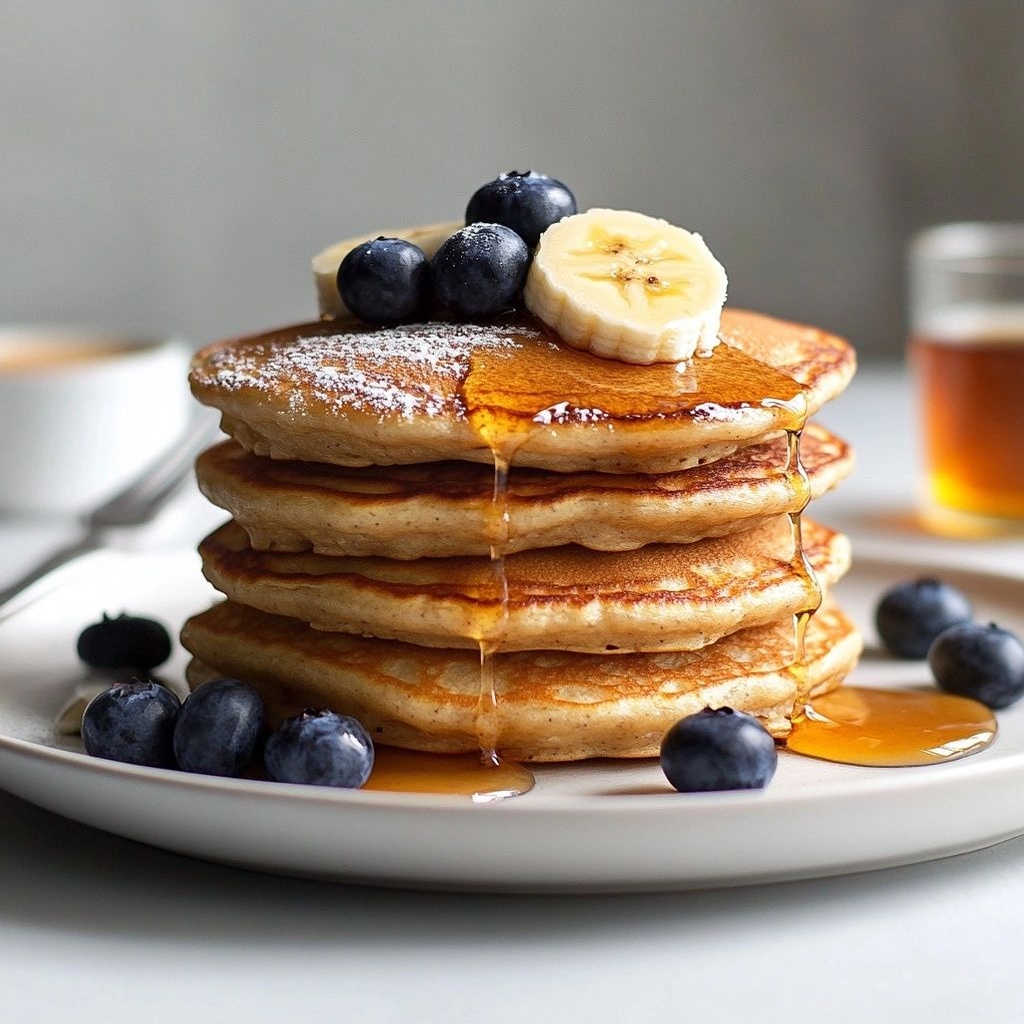
- Serving idea: stack with fresh fruit and a drizzle of maple syrup. For a richer vibe, top with a dollop of yogurt or nut butter.
FAQ
What are protein pancakes?
Protein pancakes are pancakes boosted with additional protein (such as whey, casein, or plant-based protein powders) to increase their protein content per serving. They’re typically fluffy, quick to make, and great for post-workout or breakfast.
What ingredients do I need for basic protein pancakes?
Common basics: 1 cup all-purpose or gluten-free flour, 1 scoop (about 20–30 g) protein powder, 1 cup milk (dairy or non-dairy), 1 large egg, 1 teaspoon baking powder, 1 tablespoon sweetener (optional), pinch of salt. Variations may replace flour with oats or banana for more fiber.
How do I adjust the batter for different protein sources?
Whey and casein powders can make the batter thicken; add ¼–½ cup more milk to loosen. Plant-based proteins (pea, soy, rice) may require a bit more liquid and sometimes an extra egg or ¼ cup yogurt. Start with the recipe and tweak for consistency until pourable but not runny.
How many calories and protein do these pancakes provide?
Calories and protein vary by ingredients. A typical serving with 1 scoop protein powder and 1 cup milk yields about 350–450 calories and roughly 25–35 g of protein. Using higher protein flour or Greek yogurt can increase protein content further.
Can I make them gluten-free?
Yes. Use gluten-free flour blends or ground oats. You can also replace the flour with almond flour (note it’s higher in fat and may require more liquid) or ½ cup oats blended into flour for a gluten-free, higher-fiber option.
How should I cook protein pancakes for best fluffiness?
Cook on medium-low heat to prevent burning while the inside sets. Let batter rest 5 minutes to thicken, lightly oil the pan, and flip when bubbles appear and edges look dry. Don’t overmix the batter to keep them light.
What toppings pair well with protein pancakes?
Fresh fruit (berries, banana), nut butter, yogurt, maple syrup, honey, chopped nuts, chia or flax seeds, sugar-free syrups, or a dollop of cottage cheese. For flavor variety, try cinnamon, vanilla, or cocoa powder in the batter.
How can I store leftover protein pancakes?
Store cooled pancakes in an airtight container in the fridge for 2–3 days or freeze for up to 1–2 months. Reheat in a toaster oven or skillet, or microwave in 15–20 second intervals until warm.
Can I make these dairy-free or vegan?
Yes. Use non-dairy milk (almond, soy, oat, etc.) and a plant-based protein powder (pea, soy, or brown rice). Replace eggs with flaxseed or chia eggs (1 tablespoon ground seeds mixed with 3 tablespoons water per egg) or use a commercial vegan egg replacer.
Are protein pancakes suitable for meal prep?
Absolutely. They store well in the fridge or freezer. Make a batch, then reheat individual portions. Consider adding toppings after reheating to prevent sogginess. You can also freeze batter in portions for quick breakfasts.