
Introduction / Hook
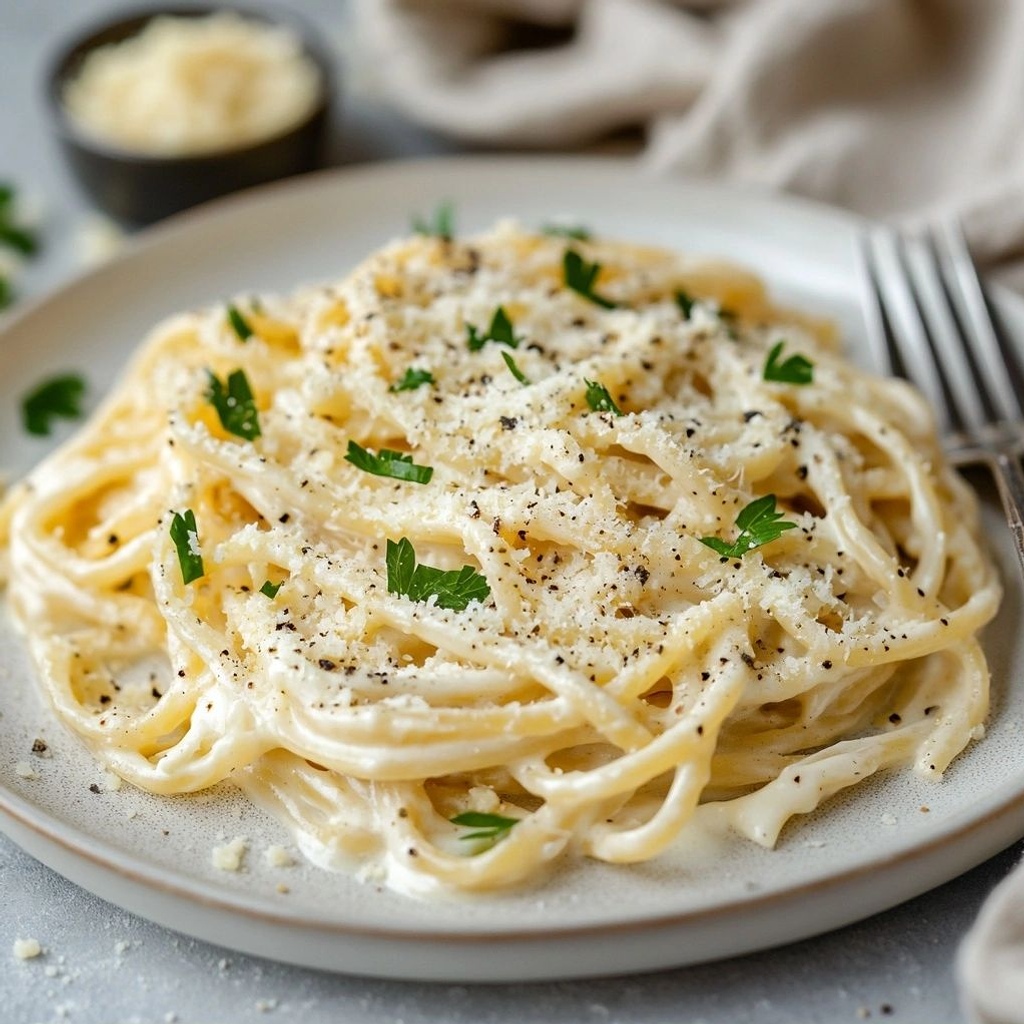
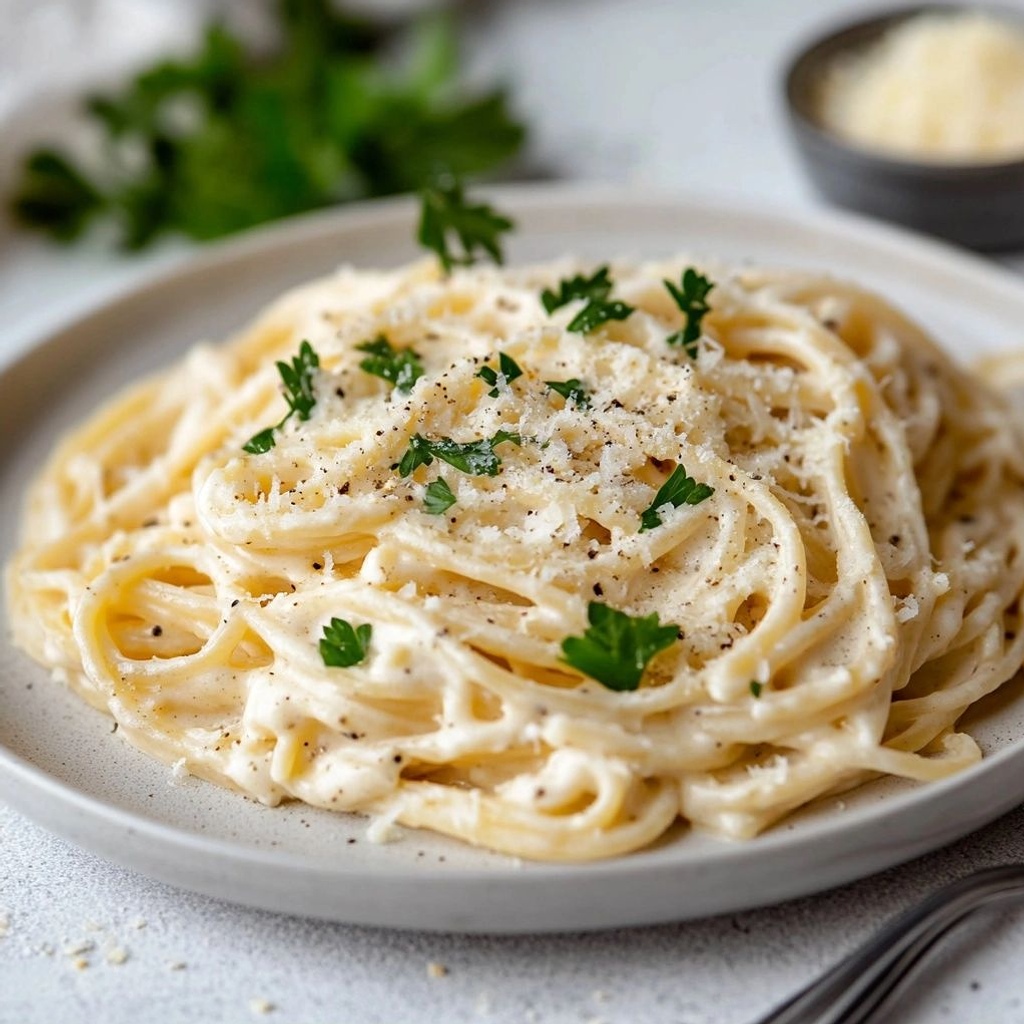
Imagine a bowl of silky, cloud-like pasta ribbons coated in a velvety parmesan-cream sauce, each strand glistening with a glossy sheen that invites you to twirl. Spaghetti Alfredo is a dish that whispers comfort from the very first aroma—watch the richness melt on your tongue as the cheese stretches into creamy ribbons, punctuated by a hint of garlic and a whisper of nutty butter. It’s the kind of plate that turns an ordinary weeknight into a small celebration and elevates a casual dinner into a memory. The beauty of this classic is its simplicity: a handful of pantry staples transformed into something luxurious, satisfying, and wonderfully indulgent. In just a short time, you’ll be savoring a dish that feels both timeless and contemporary—easy enough for busy days, yet elegant enough for a special occasion.
For many, Spaghetti Alfredo is a hug on a plate. The fragrance of melted butter meeting warm cream, the tang of finely grated parmesan, and the subtle kiss of garlic creates an aroma that fills the kitchen with nostalgia. It’s a recipe that invites conversation, improvisation, and personal tweaks—the kind of dish that becomes a family favorite not through complexity, but through consistency: every bite delivering the same comforting, luxurious experience.
The Story Behind the Dish
The origins of Alfredo sauce are rooted in mid-20th-century Rome, where the kitchens of Italian families have long celebrated the art of transforming simple ingredients into something spectacular. The classic Alfredo sauce—creamy, buttery, and parmesan-rich—gained worldwide fame when it crossed the Atlantic. In the United States, the dish evolved through restaurants, home cooks, and even bold culinary experiments, sometimes adopting cream as a primary component to achieve that lush texture. While some purists argue for a minimalist approach—just butter, parmesan, and starchy pasta—most modern renditions embrace cream to create that satin-smooth coating that clings to every strand.
There’s a fond memory embedded in this dish for many: a family Sunday supper, a hurried weeknight meal, or a cozy date night where the sauce sings. Alfredo’s story is also a reminder of how food travels and adapts. The essence of the dish—wealthy velvet, a gentle kiss of garlic, and the umami depth of aged cheese—speaks a universal language: comfort without sacrificing elegance. This particular interpretation of Spaghetti Alfredo honors that history while inviting you to make it your own—whether you’re keeping it faithful to tradition, or adding a modern twist with herbs, pepper, or a dash of white wine.
Why You’ll Love This Recipe
- Instant comfort: A luxurious sauce that feels indulgent yet surprisingly quick to prepare.
- Silky texture: A glossy, creamy coating that clings to every strand of pasta for a satisfying bite.
- Versatile and forgiving: Works with a variety of pasta shapes, and the sauce adapts to substitutions without losing charm.
- Meal-perfect for all occasions: Ideal for weeknights, date nights, family gatherings, or party-friendly plated dishes.
- Ingredient-friendly: Uses pantry staples—pasta, butter, cream, and parmesan—yet feels luxurious and restaurant-worthy.
- Customizable: Easy to tweak with garlic, pepper, parsley, nutmeg, or lemon zest to fit your mood or season.
- Kids and adults agree: A crowd-pleaser that balances richness with a comforting, familiar flavor profile.
Flavor Profile & Texture
Spaghetti Alfredo is a study in contrast and harmony. The sauce begins with butter melting gently, releasing a toasty, nutty aroma that signals the soul of the dish. Cream follows, bringing lushness and body that coats the mouth with every mouthful. The parmesan—aged, granular, and fragrant—adds a sharp, savory backbone that brightens against the dairy sweetness. A pinch of salt and a crack of black pepper heighten the cheese’s umami or, for a brighter note, a whisper of nutmeg can be added to echo the warmth of the dish.
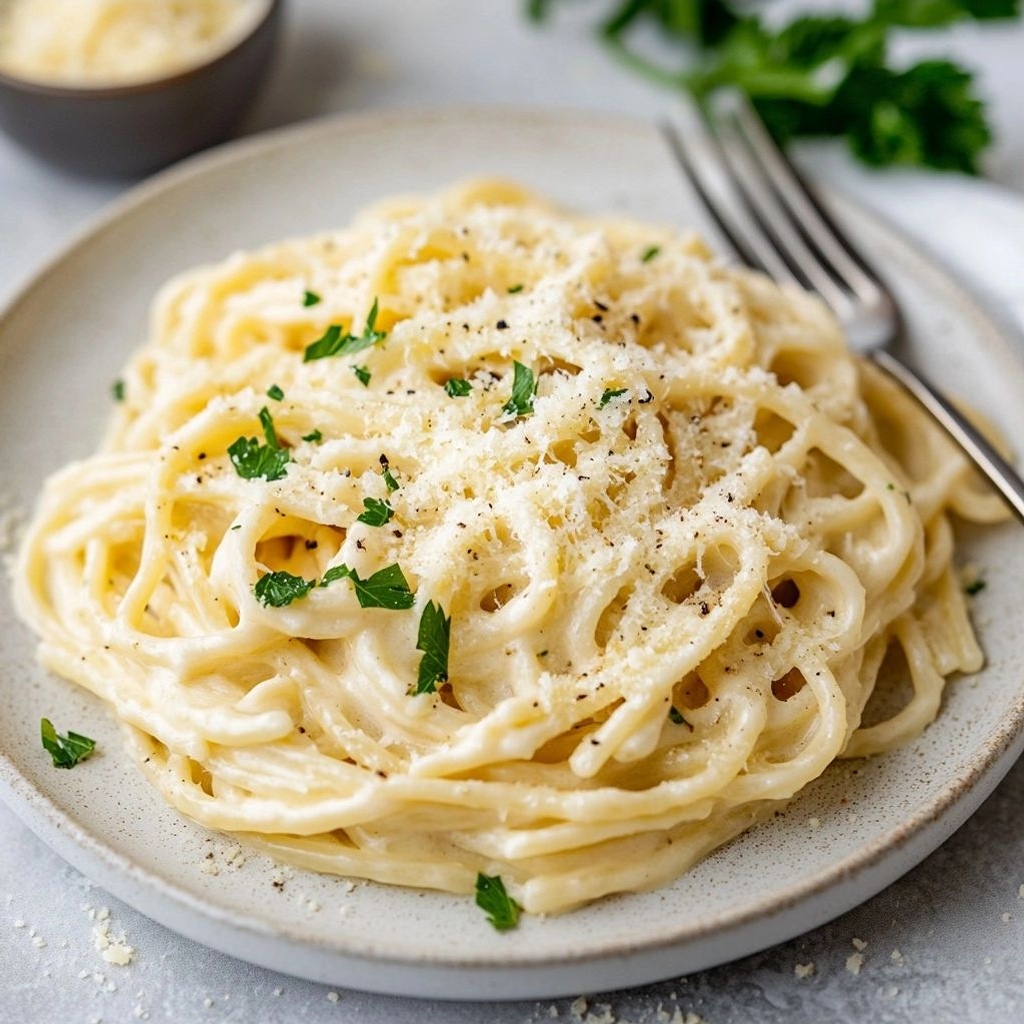
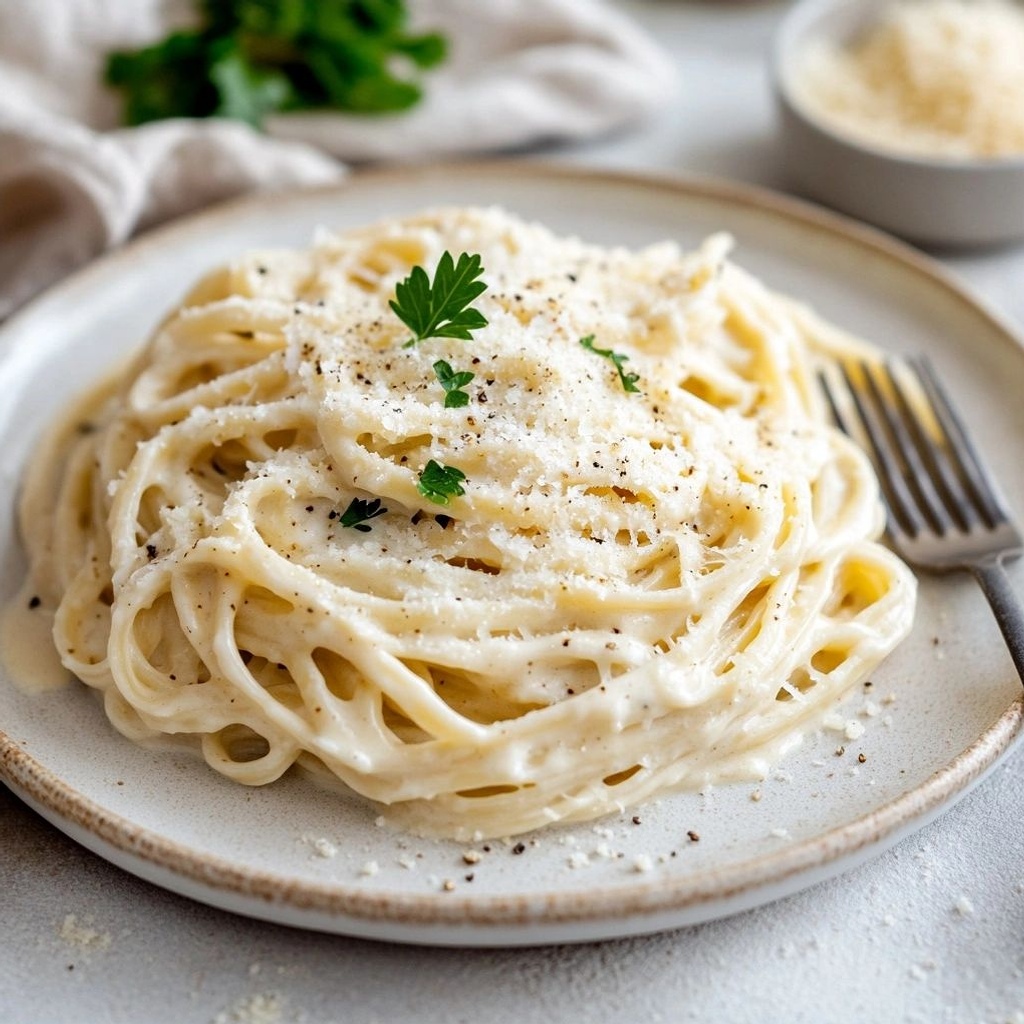
The texture is where the magic happens. When the sauce envelops hot pasta, it creates a glossy sheen that looks almost satin-like on the surface. The starch from the boiling pasta helps emulsify the sauce, ensuring it clings rather than slipping off, giving you that perfect coat with every forkful. You’ll notice the richness without heaviness, a balance achieved by the careful ratio of butter to cream and the brightness from the parmesan. In some versions, a subtle tang from a touch of cream cheese or a splash of pasta water is used to achieve the ideal emulsification—ensuring the sauce remains silky and clingy as you savor it.
A hint of garlic, when used, introduces a delicate aromatic layer without overpowering the delicate cheese cadence. Some versions lean into pepper’s gentle heat or a squeeze of lemon to brighten the dish, while others keep it classic and pure. The result is a comforting, indulgent dish with a luxurious mouthfeel—soft, velvety, and deeply satisfying, yet surprisingly quick to pull together when you’re aiming for big flavor with minimal effort.
Occasions & Pairings
Spaghetti Alfredo is remarkably versatile, thriving in a range of settings. It shines as a weeknight hero when you’re short on time but crave something celebratory. It also fits well as a premium, crowd-pleasing centerpiece for intimate dinner dates or special occasions when you want something that feels festive without requiring advanced culinary techniques.
Pair it with complementary sides to create a balanced meal:
- Light vegetable sides: steamed broccoli florets, sautéed asparagus, or a crisp green salad with lemon vinaigrette to cut through richness.
- Protein options: seared chicken cutlets, sautéed shrimp, or crispy pancetta for a meat-forward version.
- Crusty bread: a warm baguette or garlic bread to mop up any leftover sauce.
- Drinks: a chilled glass of Pinot Grigio or Sauvignon Blanc for a bright counterpoint, or a light sparkling water with a squeeze of lemon for a refreshing palate cleanser.
- Light desserts: a citrus tart or vanilla gelato to offer a clean finish after a rich meal.
For holiday meals or entertaining, you can elevate the presentation by finishing the dish with a drizzle of truffle oil, a scattering of chopped fresh parsley, and a few shavings of parmesan. You can also adapt the dish to seasonal ingredients—lemon zest for spring, roasted garlic in winter, or a handful of sautéed mushrooms for an umami boost.
Tips, Variations & Substitutions
The beauty of Spaghetti Alfredo lies in its flexibility. Here are a few ideas to tailor the dish to your taste, dietary needs, or what you have on hand:
- Garage-chef version (basic): Use equal parts butter and heavy cream, with a generous amount of finely grated parmesan. Season lightly and finish with a splash of pasta water to emulsify.
- Garlic-forward: Sauté minced garlic in the butter for a minute before adding cream, then proceed as usual. Avoid burning the garlic by using medium-low heat.
- Herbal lift: Add chopped fresh parsley, chives, or basil at the end for color and brightness. A pinch of dried oregano can nod to Italian pantry flavors.
- Nutmeg nuance: A tiny pinch of freshly grated nutmeg echoes classic Alfredo notes and adds warmth without tasting like a holiday spice.
- Protein variations: While traditional Alfredo is vegetarian, you can fold in sautéed chicken, shrimp, or pancetta for a savory protein boost.
- Gluten-free option: Use gluten-free pasta or explore a gluten-free alternative like chickpea or lentil pasta for a different texture and protein profile.
- Dairy-free version: Swap butter for olive oil, use a dairy-free cream substitute, and finish with nutritional yeast for a cheesy note. Expect a lighter, but still creamy, result.
- Vegan approach: Combine cashew cream with olive oil and nutritional yeast to mimic the cheese profile, then adjust salt to taste for a dairy-free Alfredo.
- Lightened approach: Use half-and-half or a lighter cream and reduce the butter slightly; finish with a splash of pasta water to keep the sauce cohesive without heaviness.
- Regional twists: Introduce sun-dried tomatoes, roasted garlic, or a splash of white wine for a more complex flavor profile, or top with grilled mushrooms for an earthy depth.
Storage & Make-Ahead Ideas
Leftover Alfredo sauce can be a mercy in disguise if you plan ahead. The sauce tends to thicken as it cools, so when storing, do the following:
- Refrigeration: Store the cooked sauce in an airtight container for up to 2 days. Reheat slowly over low heat, adding a splash of milk or pasta water to restore silkiness as needed.
- Make-ahead pasta: Cook the spaghetti until just shy of al dente, drain, and toss with a little oil to prevent sticking. Store separately from the sauce, and combine with sauce and a splash of pasta water when reheating to finish cooking the pasta and emulsify the sauce.
- Freezing: Alfredo sauce can be frozen, but the texture may change slightly upon thawing. Freeze in a freezer-safe container for up to 2 months. Thaw overnight in the refrigerator, then reheat gently, whisking in a little milk to restore creaminess. Re-cook pasta fresh if possible for best texture.
For a ready-to-serve option, you can prepare the sauce in advance and simply reheat with freshly cooked pasta. This approach preserves the comfort of a restaurant-quality dish without sacrificing time on busy days.
Fun Facts & Trivia (Optional)
– The name “Alfredo” is often associated with the sauce, but the real origins point to a chef named Alfredo di Lelio, who supposedly created a version of this dish in Rome in the early 20th century as a comforting offering for his wife. The version that gained global fame included a generous amount of butter and parmesan, yielding a luxurious, silky sauce that delighted diners.
– When Alfredo’s restaurant became popular among Hollywood stars, the dish took on a broader international appeal, weaving itself into the tapestry of Italian-American cuisine and becoming a quintessential comfort food across continents.
– While many kitchens now reach for cream to achieve that signature curl, some purists insist that the original preparation uses only butter and cheese with hot pasta, relying on the residual heat of the pasta to create the emulsified sauce. The debate itself highlights how food evolves with taste, region, and personal preference.
– A good Parmesan cheese matters: aged, bright, and slightly granular cheese makes a visible difference in texture and flavor. Freshly grated cheese melts more smoothly than pre-grated varieties, which often contain anti-caking agents that can affect texture.
– The dish exists in many kissably creamy forms, but at its heart it’s a celebration of simple ingredients—sturdy pasta, butter, cream, and cheese—proving that when well balanced, simplicity can feel extraordinary.
Closing Thoughts
Spaghetti Alfredo is more than a recipe; it’s an invitation to savor the comfort of a well-made, creamy pasta dish. It’s a reminder that sometimes the simplest ingredients, treated with care, yield the most satisfying results. Whether you’re crafting a speedy weeknight meal, a romantic dinner for two, or a family feast, this dish delivers warmth, indulgence, and a touch of elegance that makes every bite feel like a small celebration. Embrace flexibility, trust your palate, and let the creamy velvet carry you through a cozy, satisfying culinary moment.
Ingredients
Pasta & Sauce Base
- 12 oz (340 g) dry spaghetti or fettuccine
- 4 tablespoons unsalted butter (60 g)
- 1 cup heavy cream (240 ml)
- 2 cloves garlic, finely minced
- 1 cup finely grated Parmigiano-Reggiano (about 100 g)
- Salt to taste
- Freshly ground black pepper to taste
→ The pasta forms the main body of the dish. Choose a shape that can hold the creamy sauce; spaghetti or fettuccine are traditional choices. Cook in generously salted boiling water until just al dente (slightly firm to the bite) so it won’t become mushy when tossed with the sauce. Reserve about 1/ cup (240 ml) of pasta cooking water before draining to adjust the sauce consistency if needed.
→ Butter serves as the foundation of the Alfredo sauce, providing richness and a silky mouthfeel. Melt gently over medium heat without browning; you want a smooth, emulsified base that can blend with cream to coat the pasta evenly. For a lighter version, use part butter and part olive oil, keeping the flavors still rich.
→ Cream creates the creamy, velvety sauce that defines Alfredo. Bring to a gentle simmer so the fat can emulsify with the butter and cheese. Do not boil vigorously, or the sauce may split. For a thicker sauce, simmer a bit longer to reduce slightly; for a looser sauce, add a splash of reserved pasta water.
→ Garlic infuses the sauce with aromatic depth and a subtle heat. Sauté the minced garlic briefly in the melted butter just until fragrant, being careful not to burn it which would create a bitter note. For a milder garlic flavor, you can grate the garlic and add it with the cream.
→ The cheese provides saltiness, body, and a distinct nutty aroma. Use freshly grated cheese rather than pre-grated for better flavor and meltability. Stir in off the heat or at a very low simmer to prevent clumping; add pasta water a little at a time to achieve a glossy emulsion if needed.
→ Seasoning is essential to balance the richness of the sauce. Since the cheese adds salt, add gradually and taste as you go. Use fine sea salt for even distribution. If you’ve used salted butter, start with a smaller amount and adjust after the cheese is added.
→ Pepper adds a gentle kick that cuts through the richness. Grind just before serving to preserve aroma. Otherwise, the sauce may taste flat.
Optional Add-ins
- 1 cup cooked chicken breast, sliced (optional)
- 1 cup sliced mushrooms (optional)
- 2 tablespoons chopped fresh parsley (optional)
- Pinch of ground nutmeg (optional)
→ Adds protein and makes the dish more substantial. Use leftover or lightly seasoned chicken. Reheat gently in the sauce to coat evenly, ensuring the chicken stays tender and not dry.
→ Mushrooms contribute earthiness and texture. Sauté in a separate pan until browned and any moisture has evaporated, then fold into the sauce at the end for best flavor and to maintain their bite.
→ Provides a fresh, bright contrast to the creamy sauce and helps garnish the dish. Add near the end of cooking for maximum color and aroma or mix into the sauce just before tossing with pasta.
→ A tiny pinch enhances the cream’s sweetness and depth, reminiscent of traditional Alfredo flavors. Use sparingly; a little goes a long way to avoid an overpowering spice note.
Toppings
- Extra grated Parmigiano-Reggiano for serving (optional)
→ A final snowfall of cheese at the table adds extra savor and a tempting presentation. Grate finely so it melts quickly when mixed with hot pasta, and serve immediately for best texture.
Instructions
- Bring a large pot of salted water to a rolling boil and add 12 oz (340 g) of spaghetti or fettuccine, stirring briefly to prevent sticking; cook until just al dente (usually about 8–10 minutes depending on the brand), then reserve about 1 cup (240 ml) of the cooking water before draining; this starchy water will loosen the sauce if it thickens and help emulsify the fats for a glossy coating.
- Return the drained pasta to the pot or a warm wide skillet and set aside while you prepare the sauce, ensuring the pasta remains hot enough to absorb the finished sauce without clumping; keeping it off direct flame prevents overcooking and keeps a silky texture.
- In a separate pan, melt 4 tablespoons unsalted butter over medium heat until just melted and shimmering, avoiding any browning which would introduce roasted notes; this butter base forms the foundation of a smooth Alfredo emulsion.
- Add 2 cloves finely minced garlic to the melted butter and sauté briefly for about 20–30 seconds until fragrant but not browned, swirling the pan and keeping the heat steady; this unlocks the garlic’s aroma while preventing bitterness.
- Pour in 1 cup heavy cream (250 ml) and bring to a gentle simmer, stirring constantly to prevent scorching; reduce heat to maintain a soft bubble that allows fats to emulsify into a satin-smooth sauce.
- Stir in 1 cup finely grated Parmigiano-Reggiano (about 100 g) off the heat or at a very low simmer, adding gradually in a steady, whisking motion to prevent clumping; if needed, drizzle in small amounts of reserved pasta water to achieve a glossy emulsion.
- Season with salt to taste and freshly ground black pepper, tasting frequently as the cheese can add enough salt; adjust gradually to avoid oversalting and maintain a balanced, nuanced flavor.
- If using optional add-ins, gently reheat 1 cup cooked chicken breast slices in a separate pan or fold them into the sauce just before tossing with pasta to heat through without drying the meat; mushrooms should be sautéed separately until browned and moisture evaporates, then added at the end for best texture.
- Just before combining, if the sauce seems thick, whisk in a small splash of the reserved pasta water, a teaspoon at a time, until the sauce reaches a silky, coat-worthy consistency; the water’s starch aids emulsification and helps the sauce cling to the pasta.
- Toss the hot pasta with the Alfredo sauce in the warm pan or pot, using tongs to lift and fold the noodles through the sauce in quick, turning motions until every strand is evenly coated and the sauce forms a glossy sheen; finish by turning off the heat to prevent separation.
- If using parsley, chop 2 tablespoons fresh and fold in at the last moment or sprinkle on top as a bright, aromatic finish; if nutmeg is being used, add a tiny pinch now to echo traditional Alfredo flavors without overpowering the dish.
- Divide the finished Spaghetti Alfredo among warm plates and finish with extra grated Parmigiano-Reggiano; serve immediately while the sauce is silky and the pasta is hot, so the cheese melts upon contact and creates a creamy veil.
→ Reserving pasta water provides a gentle starch source to adjust sauce consistency and helps the sauce cling to the pasta rather than slide off.
→ A warm vessel keeps the pasta ready to receive the sauce immediately for optimal emulsification and even coating.
→ Gentle melting creates a fat-rich base that will carry the cream and cheese without separating, producing a cohesive sauce.
→ Quick sauté enhances aroma without scorching, ensuring a clean garlic flavor that blends into the sauce.
→ Gentle simmering encourages emulsification of butter and cream, creating a cohesive, velvety texture that coats the pasta evenly.
→ Off-heat addition minimizes cheese scorching and helps the sauce emulsify into a creamy, cohesive texture that adheres to the pasta.
→ Fine seasoning ensures the sauce remains bright and savory, enhancing the richness without overpowering it.
→ Properly heating add-ins maintains texture and prevents sogginess, ensuring each component remains distinct and flavorful.
→ Adjusting viscosity ensures the sauce coats every strand evenly without sliding off or appearing greasy.
→ Proper tossing creates an even distribution of sauce, while the residual heat helps the emulsion set without breaking.
→ Fresh herbs and a hint of nutmeg add color, aroma, and depth, elevating the richness with a contrasting note.
→ A final snowfall of cheese provides aroma and an extra layer of savor, while serving immediately preserves texture and mouthfeel.
Notes
These spaghetti Alfredo comes together as a creamy, comforting classic built on a simple butter and cream sauce. For best texture, cook the pasta in generously salted water until just al dente, then reserve a portion of the starchy cooking water to loosen the sauce if needed. If you’re avoiding gluten, choose your favorite gluten-free pasta and follow the same al dente approach for the best bite and sauce coating.
To achieve a luxuriously smooth Alfredo sauce, melt the butter gently over medium heat, then add the minced garlic and cook until fragrant but not browned. Pour in the heavy cream and simmer briefly to reduce slightly, which helps the sauce emulsify with the cheese. Remove the pan from direct heat before stirring in the freshly grated Parmigiano-Reggiano; adding the cheese off the heat prevents clumping. If the sauce seems too thick, whisk in a little reserved pasta water a tablespoon at a time until you reach a glossy, creamy consistency.
Season the sauce with salt and freshly ground black pepper to taste. Because cheese contributes salt, start with a light hand and taste as you go, then finish with a final pinch of pepper just before serving to keep the aroma bright. The optional add-ins—cooked chicken, sautéed mushrooms, and chopped parsley—should be warmed through with the sauce at the end to bind flavors and maintain texture rather than weighing down the sauce.
Serving and texture tips: toss the hot pasta with the sauce off the heat for a silky emulsion, adding a splash of pasta water if needed to achieve a creamy coating that clings to each strand. A quick squeeze of lemon over the top or a pinch of nutmeg (used sparingly) can add a subtle, surprising lift if you’d like a hint of brightness or warmth. For a richer finish, you can use all butter and cream as described, or lighten the dish by substituting part of the butter with olive oil while maintaining the same creaminess from the cheese.
Make-ahead and storage notes: the Alfredo sauce can be prepared a little ahead and kept warm over very low heat or reheated gently with a splash of pasta water. Leftovers refrigerate well for up to 2 days; reheat slowly on the stove, whisking to restore smoothness, and toss with freshly boiled pasta or reheated noodles to restore cohesion. Always taste and adjust seasoning after reheating, as the flavors can mellow with time.
Tips
Tips for Perfect Spaghetti Alfredo
- Cook the pasta in generously salted water until just al dente. This helps the pasta hold up when tossed with the creamy sauce and prevents it from becoming mushy. Reserve about 1 cup of the pasta water before draining to adjust the sauce later.
- Keep the sauce base gentle. Melt butter over medium heat and sauté garlic just until fragrant, avoiding any browning which can introduce bitterness. For a milder garlic note, you can press or grate the garlic and whisk it into the cream off the heat.
- Emulsify the sauce. After adding the cream, simmer gently and stir in the grated Parmigiano-Reggiano off the heat or over very low heat to prevent clumping. If the sauce thickens too much, whisk in a little reserved pasta water to reach a glossy, smooth consistency.
- Choose the right cheese technique. Use freshly grated Parmigiano-Reggiano for best melt and depth. Add cheese gradually and off the direct heat; this helps prevent graininess and ensures a cohesive sauce.
- Season thoughtfully. The cheese adds salt, so season gradually with fine sea salt and taste as you go. If you used salted butter, start with less salt and adjust after the cheese goes in.
- Control the heat to prevent separation. Do not boil the cream vigorously; a gentle simmer will emulsify fats and water for a luscious sauce. If the sauce looks oily, whisk vigorously or add a splash of pasta water to restore cohesion.
- Enhance flavor with optional add-ins. Sauté mushrooms separately to brown and reduce moisture before folding into the sauce for texture. Reheat chicken gently in the sauce so it stays tender. Add chopped parsley at the end for color and brightness.
- Finish with proper texture. Toss the hot, drained pasta directly in the sauce off the heat to coat evenly. Add reserved pasta water a little at a time if needed to achieve a silky glaze that clings to the pasta.
- Balance toppings. A light dusting of extra grated Parmigiano-Reggiano just before serving adds aroma and a bit of extra saltiness; serve immediately to enjoy the best melt and texture.
- Make it lighter or dairy-free. For a lighter version, use part butter and part olive oil, or substitute heavy cream with a cream alternative (like a thick cashew cream) and still finish with a touch of cheese for flavor. Add extra splash of pasta water to mimic the emulsified texture.
FAQ
What is Spaghetti Alfredo?
Spaghetti Alfredo is a classic Italian-American pasta dish featuring creamy sauce made from butter, heavy cream, and Parmesan cheese tossed with al dente spaghetti. Variations may include garlic, chicken, or vegetables.
What ingredients are needed for a traditional Alfredo sauce?
Typical traditional ingredients: spaghetti, unsalted butter, heavy cream, grated Parmesan cheese, minced garlic (optional), salt, and black pepper. Some recipes skip garlic and add a pinch of nutmeg.
Can I make Alfredo sauce without dairy?
Yes. Use dairy-free alternatives such as unsweetened almond or cashew milk, dairy-free butter, and a dairy-free Parmesan substitute. You may also use a cashew cream base and nutritional yeast for a cheesy flavor.
What are good substitutions for gluten-free or whole-grain options?
For gluten-free, use gluten-free spaghetti or pasta. For a whole-grain option, choose whole-wheat spaghetti. The sauce remains the same; cooking times may vary by brand, so follow the package directions.
How do I prevent the sauce from separating or curdling?
Serve off heat and add the cheese gradually while whisking vigorously. Use low to medium heat and avoid boiling once the cheese is added. If it thickens too much, loosen with a splash of reserved pasta water.
Should I add garlic to Alfredo?
Garlic is optional. If using, sauté minced garlic in butter for 1–2 minutes before adding cream, but avoid burning it to keep a mellow flavor. You can also skip garlic and still have a rich sauce.
How long does Spaghetti Alfredo take to cook?
Typically about 20–30 minutes total: 8–12 minutes to boil pasta until al dente, while the sauce comes together in 10–15 minutes. Timing may vary with stove and pot size.
Is it okay to add proteins or vegetables?
Yes. Common additions include grilled chicken, shrimp, or sautéed mushrooms, peas, or spinach. Add cooked proteins at the end to warm through; add vegetables just before tossing with the sauce.
How should I season Alfredo for best flavor?
Season with salt and freshly ground black pepper. A pinch of nutmeg or white pepper can enhance the cheese. Finish with extra Parmesan and a drizzle of pasta water if needed for silkiness.
How do I store and reheat leftovers?
Store in an airtight container in the refrigerator for up to 3–4 days. Reheat gently on the stovetop with a splash of milk or pasta water, whisking to restore creaminess. You may need to add more cheese to refresh the flavor.