Introduction / Hook
Imagine a lazy Sunday morning where the sunlight spills across the kitchen counter, the air smelling faintly sweet and comforting, and the first flip of a pancake sends a soft, satisfying sigh through your home. Banana pancakes are the culinary equivalent of a warm hug: simple, comforting, and endlessly adaptable. They are not just a breakfast choice; they are a tiny ritual, a daily invitation to slow down, savor the moment, and start the day with a touch of indulgence that feels both wholesome and indulgent at once. The magic lies in the banana itself—the natural sweetness and gentle moisture that turn ordinary batter into something irresistibly light, tender, and fragrant. Each bite delivers a delicate caramel note, a whisper of vanilla, and a creamy-soft texture that pairs beautifully with a drizzle of maple syrup, a dollop of yogurt, or a spoonful of nut butter.
Banana pancakes are a celebration of pantry staples—ripe fruit, flour, eggs, a splash of milk—and a reminder that sometimes the best meals come from humble ingredients treated with a touch of care. They welcome experimentation: you can fold in chocolate chips for a playful treat, add cinnamon for warmth, or swap half the flour for whole grains to boost fiber without sacrificing tenderness. They’re forgiving enough for weekend cooks and friendly enough for busy weekday mornings, making them a staple in households around the world. The batter comes together with ease, and the sizzle of the pan marks the moment when breakfast becomes something memorable. Whether you’re cooking for kids, entertaining guests, or simply treating yourself, banana pancakes offer a crowd-pleasing balance of sweetness, texture, and aroma that lingers in the memory long after the last bite.
The Story Behind the Dish
Banana pancakes have roots that stretch across many kitchens and cultures, evolving as families discovered efficient ways to use ripe fruit and turn it into a comforting staple. Bananas, once considered a delicate treat in many tropical regions, became a beloved pantry item wherever they traveled, offering natural sweetness and moisture that reduce the need for heavy syrups or extra sugar. Pancakes themselves are one of the oldest and most universal breakfast foods, found in countless forms from North America to Europe, Asia, and beyond. The idea of mashing fruit into batter is a clever, time-tested trick—using what you have on hand to create something satisfying and nourishing.
In many households, banana pancakes are a staple across generations. Grandparents might recall making them with old family recipes, where a pinch of nutmeg or a splash of melted butter crowned the edges as they browned. Parents often treasure the way kids transform from sleepy-eyed to bright-eyed after a plate of warm pancakes and a drizzle of honey or syrup. The dish has traveled with families, adapted to local tastes, and grown into a comforting symbol of togetherness—the kind of breakfast that invites stories, laughter, and a shared moment before the day’s routine begins.
Modern takes on banana pancakes celebrate both convenience and creativity. You’ll find versions that swap dairy for plant-based milks, add spices like cinnamon or cardamom, or integrate add-ins such as toasted walnuts or shredded coconut. Yet at its heart, the essence remains simple: ripe bananas, a handful of pantry staples, and a method that yields pancakes that are airy in the middle with a slight caramelized edge. It’s a dish that invites you to bring your own memories into the kitchen and shape them into something delicious you can share with others.
Why You’ll Love This Recipe
- Easy and forgiving: The batter comes together quickly, and banana sweetness reduces the need for heavy sugar.
- Versatile: Adaptable with mix-ins like chocolate chips, blueberries, or chopped nuts, and customizable with dairy-free options.
- Kid-friendly and crowd-pleasing: Soft, fluffy centers with a golden-tan exterior that kids adore.
- Great for meal prep: Leftover pancakes can be stored, reheated, or transformed into a breakfast-banana sandwich snack.
- Healthy-ish indulgence: The bananas provide natural moisture and flavor, making it possible to enjoy a comforting breakfast with less guilt.
- One-bowl simplicity: Minimal cleanup, maximum flavor—ideal for busy mornings or a relaxed weekend.
Flavor Profile & Texture
Banana pancakes deliver a triad of sensory delights: aroma, taste, and texture. The aroma is warm and inviting—the classic scent of ripe bananas mingled with vanilla and a whisper of butter or oil. On the palate, you’ll encounter a gentle sweetness that comes from the fruit itself, not from heavy syrups. The batter often carries a subtle tang from buttermilk or yogurt, balanced by a pinch of salt and, if used, a dash of cinnamon or nutmeg which adds a cozy, comforting note reminiscent of baked desserts.
Texture-wise, these pancakes strike a perfect balance. The interior is tender and moist, thanks to the bananas and dairy or dairy alternatives, while the outer surface develops a delicate, lightly crisp edge where the batter meets the hot pan. When cooked properly, each pancake yields a soft, melt-in-your-mouth center with just enough structure to hold its shape during stacking. If you prefer a more cake-like bite, you can add a touch more flour; for a lighter, more soufflé-like texture, a bit of extra leavening and whisking air into the batter will do wonders.
The banana flavor should be present but not overpowering, evolving with the rest of the ingredients. Depending on ripeness, you’ll notice notes ranging from grassy and fresh to rich, caramel-like depth as the natural sugars caramelize during cooking. A splash of vanilla can amplify sweetness without making the dish cloying, while optional spices like cinnamon or cardamom introduce warmth that complements the fruit’s fruitiness. The result is a harmonious balance of sweet, savory, and comforting flavors that come together in every bite.
Occasions & Pairings
Banana pancakes are incredibly versatile, suitable for a variety of occasions. They shine on weekend brunch tables, when you can stack them high and let everyone pick their preferred toppings. They also work wonderfully as a quick weekday breakfast, especially when you’re rushing to get out the door but still want something nourishing and satisfying. For family gatherings or kid-friendly events, these pancakes become a playful centerpiece, especially when you set up a toppings bar with fresh fruit, yogurt, maple syrup, peanut butter, and chopped nuts.
Pairing options elevate the experience. Consider these ideas:
- Drizzle with pure maple syrup or honey to enhance the natural sweetness of the bananas.
- A dollop of Greek yogurt or whipped ricotta adds creaminess and a touch of tang that brightens the flavors.
- Fresh fruit toppings like blueberries, sliced strawberries, or banana coins for extra color and freshness.
- Nut butter (peanut, almond, or cashew) for a satisfying protein boost and a rich finish.
- Spice companions such as cinnamon, nutmeg, or a pinch of chili powder for a surprising kick.
- Accompaniments like bacon or sausage for a sweet-savory contrast on weekend mornings.
- For a lighter option, serve with yogurt-based sauces or a citrus zest dusting.
Tips, Variations & Substitutions
Here are practical ideas to tailor banana pancakes to your pantry, dietary needs, and flavor preferences:
- Ripe vs overripe: Use bananas that are heavily speckled or brown for the sweetest flavor and best moisture. If your bananas are a bit green, you can add a touch more sugar or a tiny bit of mashed banana to compensate for sweetness.
- Flour options: All-purpose flour yields a classic texture. For a lighter version, use half all-purpose and half whole-wheat flour. For gluten-free, switch to a blend designed for pancakes and consider adding a bit more milk to compensate for density.
- Dairy and non-dairy: Milk, buttermilk, or yogurt all work. For dairy-free, use almond milk, oat milk, or coconut milk, and a bit of oil or melted vegan butter to maintain tenderness.
- Eggs: Eggs help bind the batter and create structure. For a vegan version, you can use flaxseed or chia seed “eggs” as a substitute, or use a store-bought vegan egg replacer following the product instructions.
- Flavor boosters: A teaspoon of vanilla extract or a pinch of cinnamon adds warmth. For a tropical touch, add shredded coconut or a squeeze of lime zest.
- Texture tweaks: If you want lighter pancakes, whisk the wet ingredients separately to incorporate air, then fold into the dry ingredients just until combined. For a denser pancake, don’t overmix the batter.
- Add-ins: Chocolate chips, chopped walnuts, pecans, blueberries, or a tablespoon of peanut butter swirled into the batter deliver delightful variations.
- Make-ahead tip: Prepare a batch of batter and refrigerate for up to 24 hours before cooking; this allows the flavors to mingle and can save time in the morning.
Storage & Make-Ahead Ideas
Leftovers, when properly stored, can still be enjoyable. Cooked banana pancakes can be cooled completely, then stacked with parchment between layers to prevent sticking. Store them in an airtight container in the refrigerator for up to 3 days. Reheating options include:
- Toaster or toaster oven: A quick warm-up to re-crisp the edges.
- Skillet: Reheat gently in a lightly oiled skillet, flipping once to restore texture.
- Microwave: A quick, less preferred method that can yield softer results; use short intervals to avoid sogginess.
If you want to freeze pancakes, freeze them in a single layer on a parchment-lined tray, then transfer to a freezer-safe bag or container. They will keep for up to 2 months. To reheat from frozen, toast or warm in a skillet until heated through. You can also freeze a batch of batter (minus eggs or with eggs beaten) for a quick meal later on—just bring to room temperature before cooking and adjust the liquid if needed.
Fun Facts & Trivia (Optional)
– Bananas are technically berries, while strawberries are not. The fruit’s natural sweetness makes them a favorite in quick, comforting dishes like these pancakes.
– The first known pancake-like foods date back thousands of years and appear in many cultures, often cooked on a hot surface and served with sweet or savory accompaniments. Banana pancakes bring a modern twist to this ancient concept.
– Some regions pride themselves on the “banana pancake banquet,” where ripe bananas and simple batter come together in a celebration that emphasizes community, sharing, and a playful approach to breakfast.
Make It Personal: Your Banana Pancake Story
What makes banana pancakes special isn’t just the batter; it’s the memories you layer into each plate. Perhaps you learned to make them from a grandparent who could tell a story while flipping pancakes with practiced ease. Maybe they were the Sunday morning ritual between roommates or a comforting post-work treat in a bustling home. Each time you cook them, you have a chance to connect with those memories and create new ones—whether you build a toppings bar for a casual family brunch, surprise a friend with a plate after a long day, or simply relish a quiet moment of solitude with a stack on the plate and the world slowing down for a few blissful minutes.
As you prepare this dish, think about how the bananas you choose influence the final flavor. The riper the fruit, the more caramelized and deep the taste, which can carry through even when you’re balancing with other ingredients. The beauty of banana pancakes is that they respond to your mood and your pantry—soft and comforting for a cozy morning or bright and versatile when you’re in the mood for a creative twist. Let the aroma guide you: a gentle sizzle, a toasty edge, and the comforting scent of warm sweetness filling your kitchen.
Final Thoughts
Banana pancakes are more than just a recipe; they’re a humble celebration of simplicity done well. They demonstrate how a few everyday ingredients—bananas, flour, eggs, and milk—can come together to create something that feels both nourishing and indulgent. They invite you to slow down, savor the moment, and share the warmth with others. Whether you’re cooking for a busy weekday morning, a leisurely weekend brunch, or a special occasion that calls for comfort, these pancakes offer a dependable, delightful experience that never fails to please.
Summary of Key Points
– Simple, forgiving batter that comes together in minutes.
– Adaptable to dietary needs and flavor preferences.
– Great for make-ahead and storage, with versatile serving options.
– A comforting, universally loved breakfast that brings people together around the table.
Ingredients
- Muffin Base
- 2 cups all-purpose flour (or a mix of 1 cup whole wheat and 1 cup all-purpose for a heartier pancake)
→ Provides the structure of the pancakes. All-purpose flour gives a light crumb, while a portion of whole wheat adds fiber and a slightly nutty flavor. If you use whole wheat, consider adding a tablespoon or two more milk to keep the batter from becoming too dense. - 2 tablespoons granulated sugar
→ Helps balance the natural sweetness of the bananas and promotes browning on the griddle. If you prefer a less sweet pancake, reduce to 1 tablespoon or omit entirely. For vegan or dairy-free versions, ensure other ingredients align with your dietary needs. - 2 teaspoons baking powder
→ Leavens the batter to create light, fluffy pancakes. Do not overmix after adding dry to wet, as this can develop gluten and make the pancakes tough. If you’re using a gluten-free mix, check for a dedicated gluten-free baking powder for best results. - 1/2 teaspoon baking soda (optional)
→ Helps with extra lift and browning when paired with acidic components like banana. Use only if your banana is very ripe and sweet, or if your dairy is low-acid. If omitted, expect slightly denser pancakes. - 1/4 teaspoon salt
→ Ties flavors together and heightens sweetness. Use fine salt so it dissolves quickly and evenly in the batter. If using salted butter, adjust the added salt accordingly.
- 2 cups all-purpose flour (or a mix of 1 cup whole wheat and 1 cup all-purpose for a heartier pancake)
- Pancake Batter
- 1 1/2 cups milk (dairy or plant-based such as almond, soy, or oat)
→ Hydrates the dry ingredients to form a cohesive batter. If using plant-based milk, choose unsweetened varieties to avoid unwanted sweetness. For thicker pancakes, use slightly less milk; for thinner pancakes, add a splash more. - 1 large egg (or 1 flax egg for vegan option)
→ Provides moisture and helps with binding. If using flax egg, mix 1 tablespoon ground flaxseed with 2-3 tablespoons water and allow to thicken 5-10 minutes before stirring into the batter. Keeps the pancakes cohesive and tender. - 2 ripe medium bananas, mashed
→ The bananas are the primary flavor and moisture source. Very ripe bananas (with dark spots) give the best sweetness and a natural moisture-rich batter. Mash until mostly smooth with a few small lumps for texture. - 2 tablespoons unsalted butter, melted (or 2 tablespoons neutral oil)
→ Adds richness and helps the pancakes cook to a golden color without sticking. If using oil, choose a neutral-tavored oil to keep banana flavor front and center. Let the melted butter cool slightly before whisking to avoid curdling the eggs. - 1 teaspoon vanilla extract
→ Enhances the banana flavor and adds a warm note. For a deeper profile, you can use a vanilla bean paste or a bourbon vanilla extract. If avoiding vanilla, a pinch of cinnamon can complement banana nicely.
- 1 1/2 cups milk (dairy or plant-based such as almond, soy, or oat)
- Optional Add-ins
- 1/2 cup chocolate chips (semisweet or dark)
→ Provides pockets of melted chocolate throughout the pancakes. Toss them with a teaspoon of flour to prevent sinking to the bottom during mixing. For a lighter option, use mini chocolate chips or cacao nibs for a more subtle chocolate note. - 1/2 cup chopped walnuts or pecans
→ Adds crunch and a toasty, nutty contrast to the soft pancake. Toast the nuts lightly before adding to the batter to intensify their aroma. If you have a nut allergy, omit this or substitute with shredded coconut or seeds. - 1/2 teaspoon ground cinnamon
→ Pairs beautifully with banana, imparting warmth and depth. If you like spice, increase to 1 teaspoon. For a milder flavor, skip or reduce to 1/4 teaspoon.
- 1/2 cup chocolate chips (semisweet or dark)
- Toppings
- Pure maple syrup or honey for serving
→ The classic sweetener for pancakes. Maple syrup has a distinct, complex sweetness that complements banana well. If you prefer a healthier option, drizzle with a small amount of agave or fruit compote. - Fresh fruit slices (banana, berries, or sliced peaches)
→ Adds freshness, color, and acidity to balance the sweetness. Keep sliced fruit chilled until serving to maintain texture and brightness. - Optional butter pat for serving
→ A small dab of butter melts into the hot pancakes, enriching the flavor and creating a glossy finish. For a lighter option, skip or use a light dairy-free spread.
- Pure maple syrup or honey for serving
Instructions
- Premeasure and prepare the dry ingredients: In a large bowl, whisk together the all-purpose flour, or the mix of whole wheat and all-purpose, with the granulated sugar, baking powder, baking soda (if using), and salt until evenly distributed.
→ Ensures the leaveners and salt are evenly dispersed, preventing pockets of baking powder or salt that could cause uneven rise or a salty bite in the finished pancakes. - Mash the bananas to a mostly smooth consistency with a few small lumps: Place the ripe bananas in a medium bowl and mash with a fork until mostly smooth but leave some texture.
→ Banana flavor and moisture are the primary drivers of flavor in this batter; partial mashing preserves the banana specks for visible fruitiness and helps prevent overly thin batter. - Whisk the wet ingredients: In a separate bowl, whisk the milk, egg (or flax egg), melted butter or oil (cooled), and vanilla extract until the mixture is uniform and lightly aerated.
→ Properly blended wet ingredients create a smooth batter that coats the dry ingredients evenly, preventing dense, uneven pancakes. - Combine the wet and dry ingredients: Create a well in the center of the dry mixture and pour in the milk–egg–fat–vanilla mixture. Fold gently with a spatula until just combined, stopping as soon as you see most dry flour incorporated.
→ Avoid overmixing; a few lumps keep the pancakes tender by limiting gluten development, resulting in a softer crumb and lighter texture. - Incorporate the mashed bananas into the batter: Gently fold the mashed bananas into the batter until evenly distributed, taking care not to overwork and to preserve some banana texture.
→ Banana pieces and uneven distribution contribute flavor depth and moisture; folding helps maintain a tender crumb while avoiding dense pockets. - Optionally fold in add-ins: If using chocolate chips, nuts, or cinnamon, sprinkle them with a teaspoon of flour and fold them into the batter just until evenly dotted.
→ Coating add-ins with flour prevents them from sinking to the bottom and ensures an even distribution throughout the pancakes. - Let the batter rest briefly: Cover the batter and let it rest for 5 to 10 minutes at room temperature.
→ Resting allows the starches to hydrate fully and the batter to relax, which helps create a lighter, more uniform pancake during cooking. - Preheat and oil the griddle or skillet: Heat a nonstick skillet or griddle over medium heat and lightly oil with butter or neutral oil. Maintain a steady temperature to avoid scorching.
→ Proper surface temperature ensures pancakes cook evenly, develop a uniform golden crust, and release easily from the pan without sticking. - Test the pan temperature with a small drop of batter: Brush or mist a little batter onto the pan; when bubbles form and edges look set after about 20-30 seconds, the pan is ready for full batter.
→ This quick test confirms the pan is hot enough to start cooking without burning the pancake, and ensures a clean release. - Cook the first pancake to establish timing: Ladle about 1/4 cup of batter onto the pan for each pancake and cook until bubbles appear on the surface and the edges look set, about 2 to 3 minutes.
→ Bubbles indicate the batter is cooked through on the bottom and the structure is firm enough to flip; waiting until edges set prevents tearing. - Flip the pancake and finish cooking: Gently flip with a broad spatula and cook for another 1.5 to 2 minutes, until the second side is golden and the pancake feels light to the touch.
→ A proper flip ensures an even cook on both sides, achieving a uniform color and fluffiness without overcooking the interior. - Keep finished pancakes warm while cooking remaining batter: Transfer cooked pancakes to a warmed plate or oven set to a low temperature (about 200°F/93°C) to stay warm without continuing to cook.
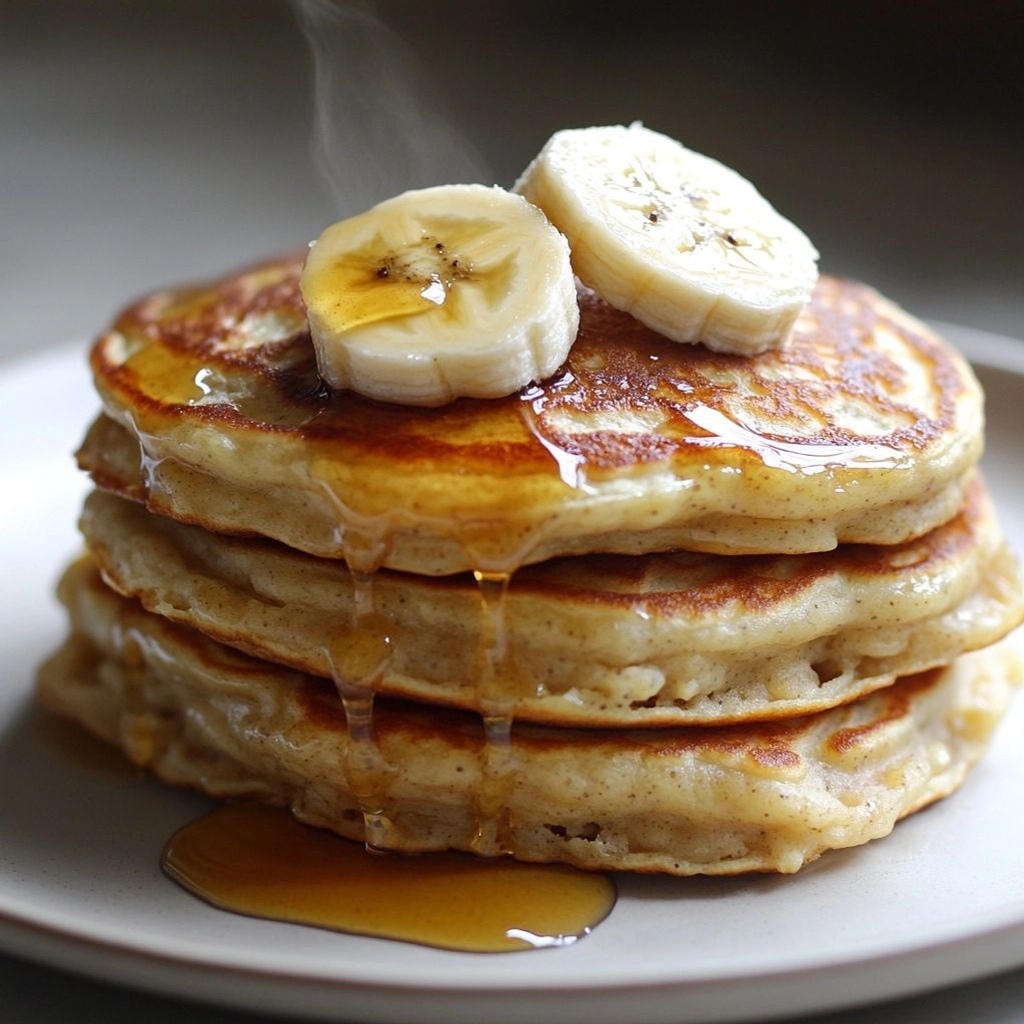
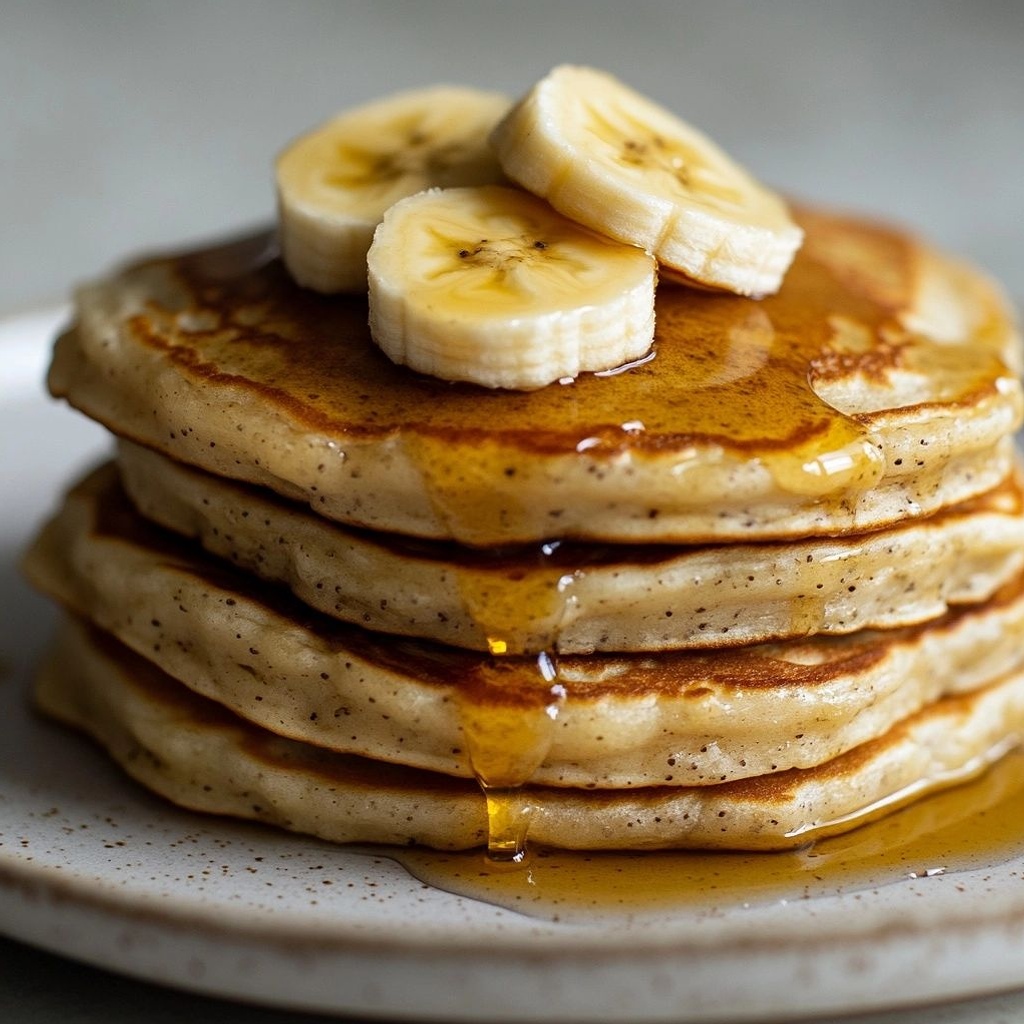
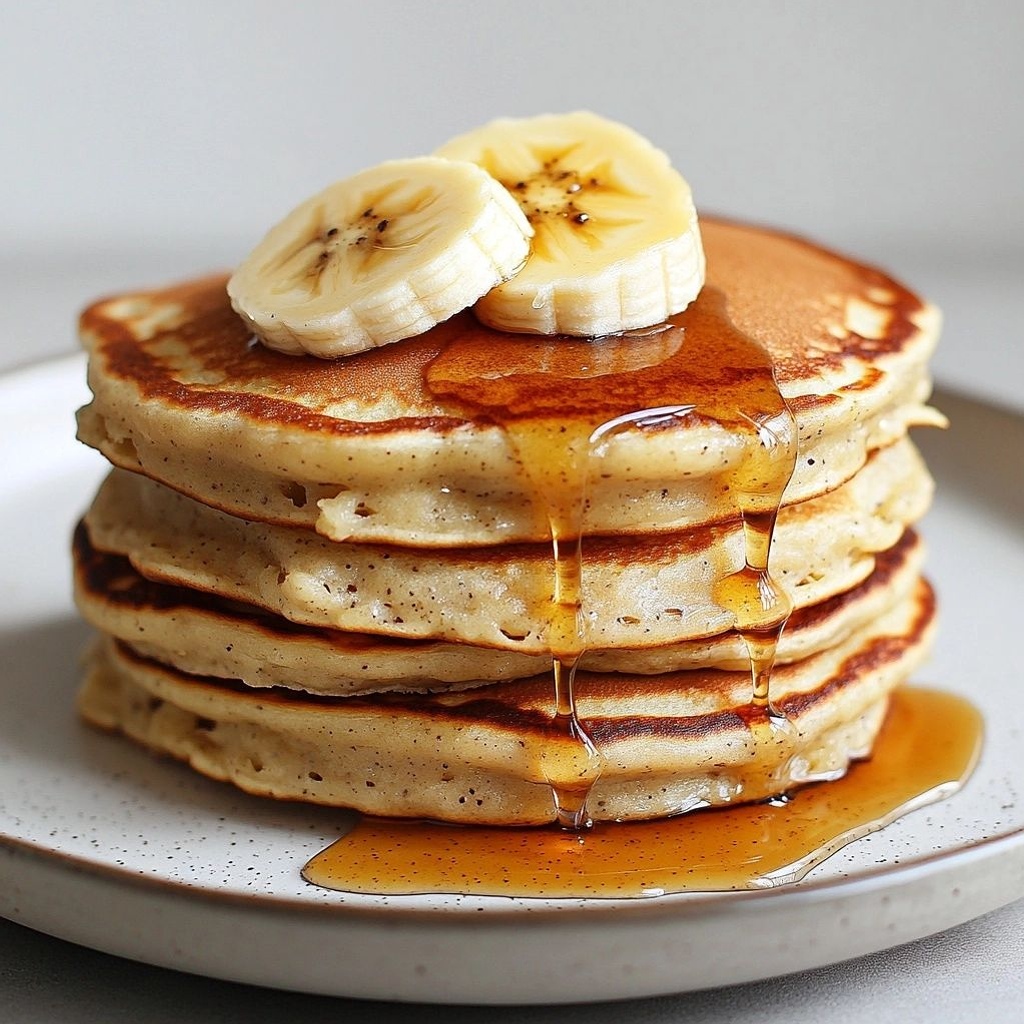
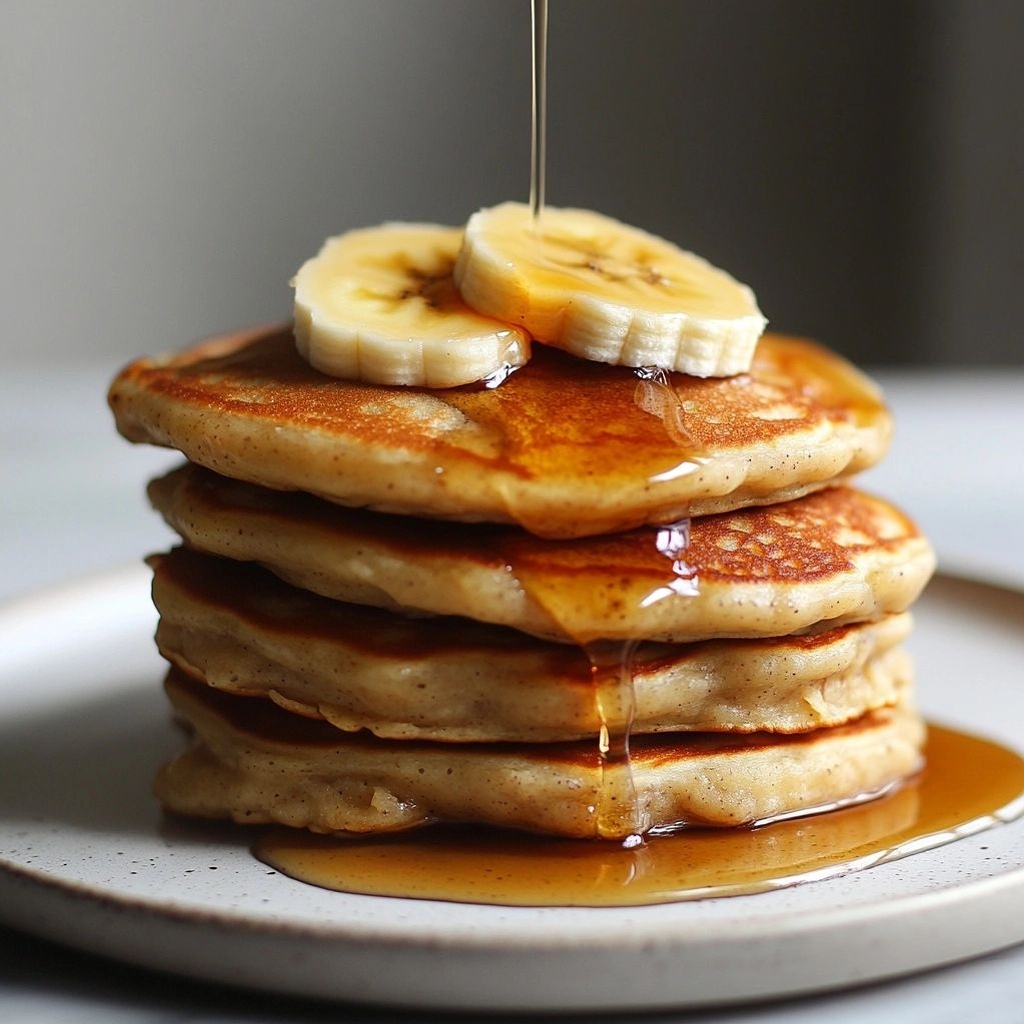
→ Prevents a backlog of cold pancakes and allows you to serve them all at the same time with consistent heat and texture. - Serve with toppings and additional butter as desired: Stack the pancakes and finish with pure maple syrup or honey, fresh fruit slices, and a small pat of butter if desired; offer extra toppings on the side for customization.
→ The toppings balance sweetness, provide acidity or brightness from fruit, and contribute a contrasting richness that enhances the overall experience of the dish.
Notes
These banana pancakes are naturally sweetened by ripe bananas and can be made with a mix of whole wheat and all-purpose flour or with a gluten-free flour blend if needed. You can customize them with add-ins like chocolate chips, walnuts, or a pinch of cinnamon, and adjust sweetness by varying the sugar or using ripe bananas. They freeze well and reheat beautifully; layer with parchment to prevent sticking. For a dairy-free version, use plant-based milk and oil or melted coconut oil in place of butter. To keep pancakes light, handle the batter gently and avoid overmixing after wet and dry ingredients are combined. If using a gluten-free mix, consider a gluten-free baking powder for best rise. Always let the melted butter cool slightly before whisking to avoid curdling.
Tips
- Consistency is key: for fluffier pancakes, avoid overmixing once you combine the wet and dry ingredients. Stir just until you see a few lumps; a smooth batter can lead to tougher pancakes.
- Griddle heat: preheat your nonstick griddle or skillet over medium-low to medium heat. If the surface is too hot, the outsides will burn before the insides cook. A drop of batter should sizzle gently when it hits the pan.
- Resting batter: let the batter rest for 5–10 minutes after mixing. This hydrates the flour and allows baking powder to start creating lift, resulting in lighter pancakes.
- Banana ripeness matters: very ripe bananas with dark spots provide more natural sweetness and moisture. If bananas are underripe, consider adding a touch more sugar or a drizzle of honey to balance.
- Flour options: using part whole wheat adds fiber and flavor but can make the batter denser. If you switch to entirely whole wheat, increase the milk slightly to maintain a tender crumb.
- Binder options: for a vegan version, flax eggs work well. Ensure you give the flax mixture time to thicken into a gel before adding to the batter.
- Fat choice: melted butter adds richness and color, but oil yields a lighter, crisper edge. If using oil, keep it neutral to let the banana flavor shine.
- Add-ins distribution: to keep chocolate chips and nuts from sinking, toss them in a teaspoon of flour before folding into the batter. This distributes them evenly through each pancake.
- Pan size and portioning: use a 1/4 cup measure for consistent pancake size. If you want bigger pancakes, you can go up to 1/3 cup, but watch for longer cook times in the middle.
- Cooking cues: bubbles on the surface and dry edges indicate it’s time to flip. Flip gently and cook the second side until golden brown; avoid pressing down on the pancake as it cooks, which can deflate it.
- Meal-prep tips: these pancakes freeze well. Cool completely, then stack with parchment between layers and freeze. Reheat in a toaster or skillet for a quick breakfast.
- Serving ideas: pair with fresh fruit, a dollop of yogurt for tang, or a drizzle of maple syrup. A light dusting of cinnamon or a spoonful of nut butter can elevate the flavor.
FAQ
What are the basic ingredients for banana pancakes?
You’ll typically need ripe bananas, eggs (or a flax/chia egg substitute for vegan), flour (all-purpose or whole grain), milk (dairy or plant-based), sugar or a natural sweetener, baking powder, and a pinch of salt. Optional add-ins include vanilla, cinnamon, and melted butter or oil.
Can I make banana pancakes without eggs?
Yes. Use 1 tablespoon ground flaxseed or chia seeds mixed with 3 tablespoons water per egg, and let it sit 5 minutes to thicken. Alternatively, use 1/4 cup yogurt plus 1/4 cup plant-based milk for each egg, or a commercial egg replacer.
Are banana pancakes gluten-free?
They can be. Use gluten-free all-purpose flour or oat flour instead of regular flour. For a grain-free option, substitute with almond flour or a banana-based batter using mashed banana and eggs. Note that texture may differ.
How ripe should the bananas be for the best flavor?
Overripe bananas with brown spots are ideal; they’re sweeter and easier to mash, which makes the pancakes more flavorful and moist.
What is the best pan and temperature for cooking banana pancakes?
Use a nonstick skillet or griddle heated to medium-low (around 325–350°F / 165–175°C). Lightly grease with butter or oil. Cook until bubbles form and edges look set, then flip and cook until golden.
How can I keep pancakes from turning out too dense?
Don’t overmix the batter; mix just until combined. Let the batter rest for 5–10 minutes to hydrate the flour. Use baking powder for lift and avoid pressing out too much air when flipping.
Can I add mix-ins like chocolate chips or nuts?
Absolutely. Stir in a handful of chocolate chips, chopped walnuts, or pecans into the batter just before cooking. For even distribution, fold them in after a few seconds of mixing.
How do I store leftover banana pancakes?
Let them cool completely, then refrigerate in an airtight container for up to 3 days. Layer with parchment to prevent sticking. Freeze for longer storage (2–3 months); reheat in a toaster or microwave.
What is a quick topping idea for banana pancakes?
Mash a banana and whisk with a spoonful of yogurt or maple syrup for a quick banana-y sauce. Other good options include sliced bananas, berries, peanut butter, honey, or a drizzle of melted chocolate.