Introduction / Hook
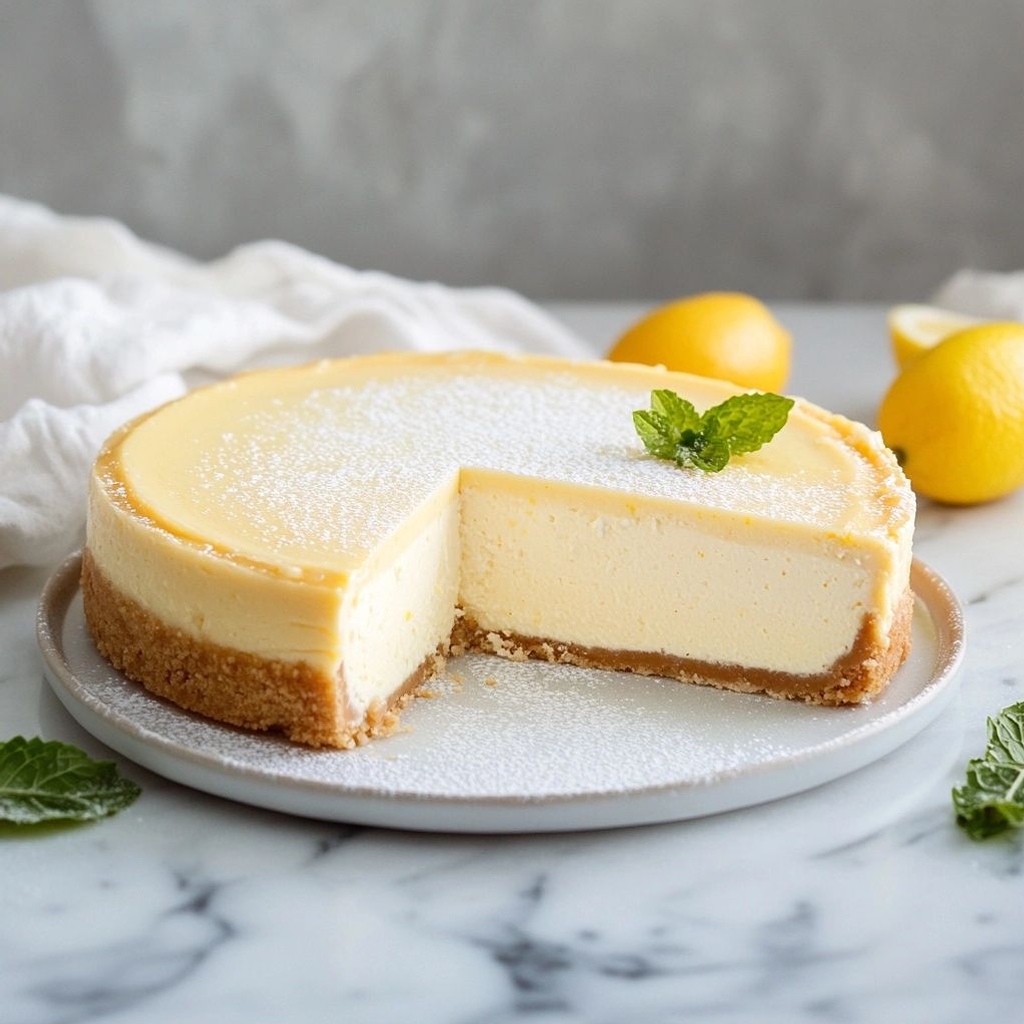
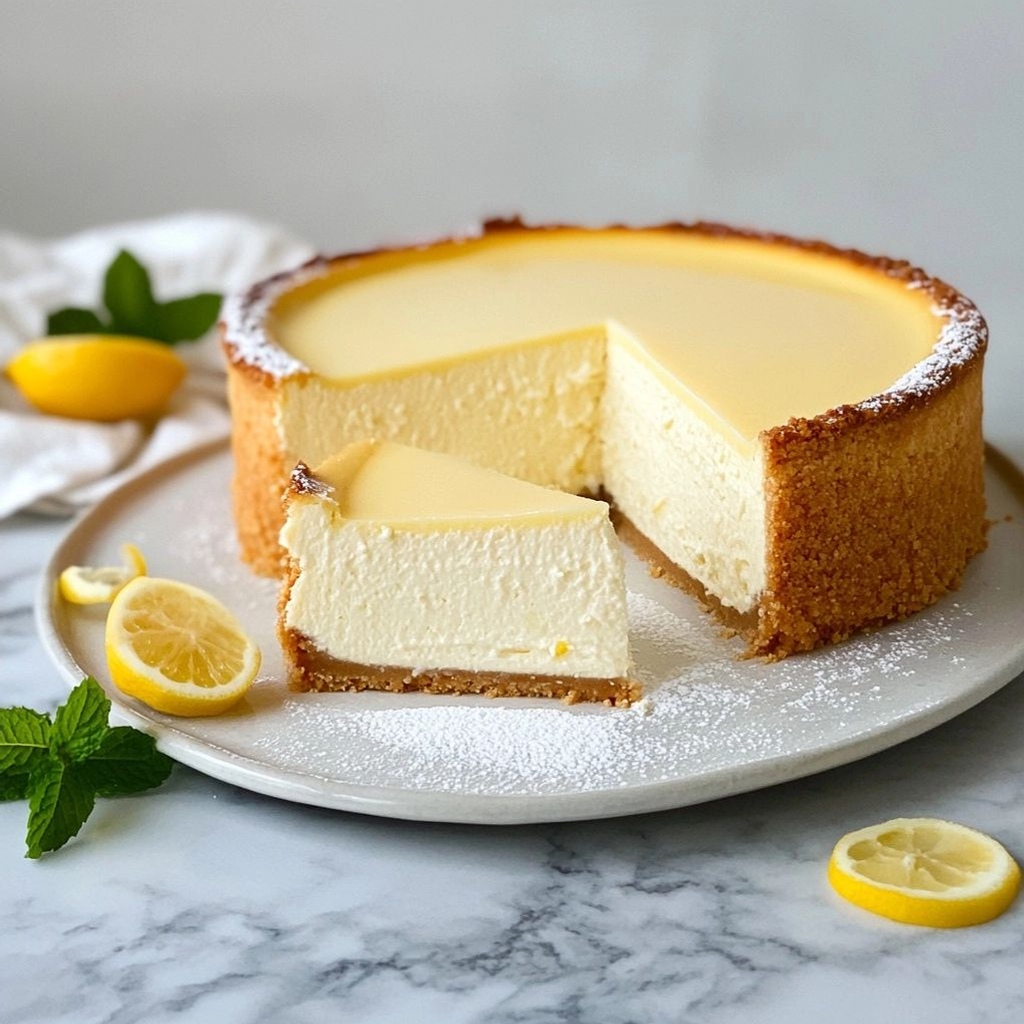
There’s something quietly luxurious about Italian ricotta cheesecake—the way its pale, sun-kissed surface glows as if kissed by a Mediterranean afternoon, the silkiness you feel as a fork glides through a slice, and the delicate sweetness that lingers with a subtle lemon-tanged brightness. It’s not just dessert; it’s a memory in a pan, a celebration of Italian simplicity where fewer, better ingredients become something extraordinary. Picture a creamy center that carries the faint, creamy tang of fresh ricotta, a whisper of vanilla, and a citrus whisper that lifts the whole custard into a cloud-light finish. This cheesecake isn’t heavy, nor is it cloying; it’s an elegant balance of dairy richness and bright, uplifting notes that makes it approachable for weeknights and impressive for holidays alike. The aroma alone—ricotta mingling with vanilla, a hint of lemon zest, a touch of almond or biscotti crumb—invites everyone to gather closer, to cut a generous slice, and to share a moment of quiet, contented indulgence.
The Story Behind the Dish
Ricotta cheesecake has deep roots in Italian culinary tradition, where cheese-studded desserts are a testament to the country’s love affair with dairy, citrus, and bright, clean flavors. In many Italian regions, dessert is less about heaviness and more about a balance between richness and a refreshing finish. The ricotta, often produced locally or imported from a nearby dairy, lends a unique buttery-sweetness that sets this cheesecake apart from its cream-cheese-based cousins. Origin stories vary, but the thread remains consistent: pastry chefs and home cooks embraced the humble, versatile ricotta as a vehicle for experimentation. The concept evolved from the classic Italian cheesecakes of the Renaissance and later, when Italian grandmothers adapted their family recipes to the availability of ingredients and the celebratory demand for dessert at gatherings. Some versions embrace a light citrus zest or a kiss of almond, nodding to the pantry staples that define Italian cooking. This cheesecake embodies that spirit: uncomplicated ingredients elevated by technique, patience, and a touch of culinary storytelling passed down through generations. Whether made for a Sunday family dinner, a festive feast, or a casual gathering of friends, this dessert whispers of sunlit afternoons in Pelago, of lemon groves in the South, and of the comforting ritual of preparing something special with care.
Why You’ll Love This Recipe
- Light yet indulgent texture that feels rich without being heavy, thanks to the ricotta’s natural creaminess.
- Balanced flavor profile: gentle sweetness, a hint of vanilla, and a citrus sparkle that keeps every bite refreshing.
- Versatile base that can be dressed up or kept simple—perfect for celebrations or casual weeknights.
- approachable for bakers of all levels: it rewards patience with a flawless slice every time.
- Tradition-meets-modern: a classic recipe that adapts beautifully to dietary tweaks and regional twists.
- Feeds a crowd: bake a larger cheesecake and let the dessert do the entertaining for you.
Flavor Profile & Texture
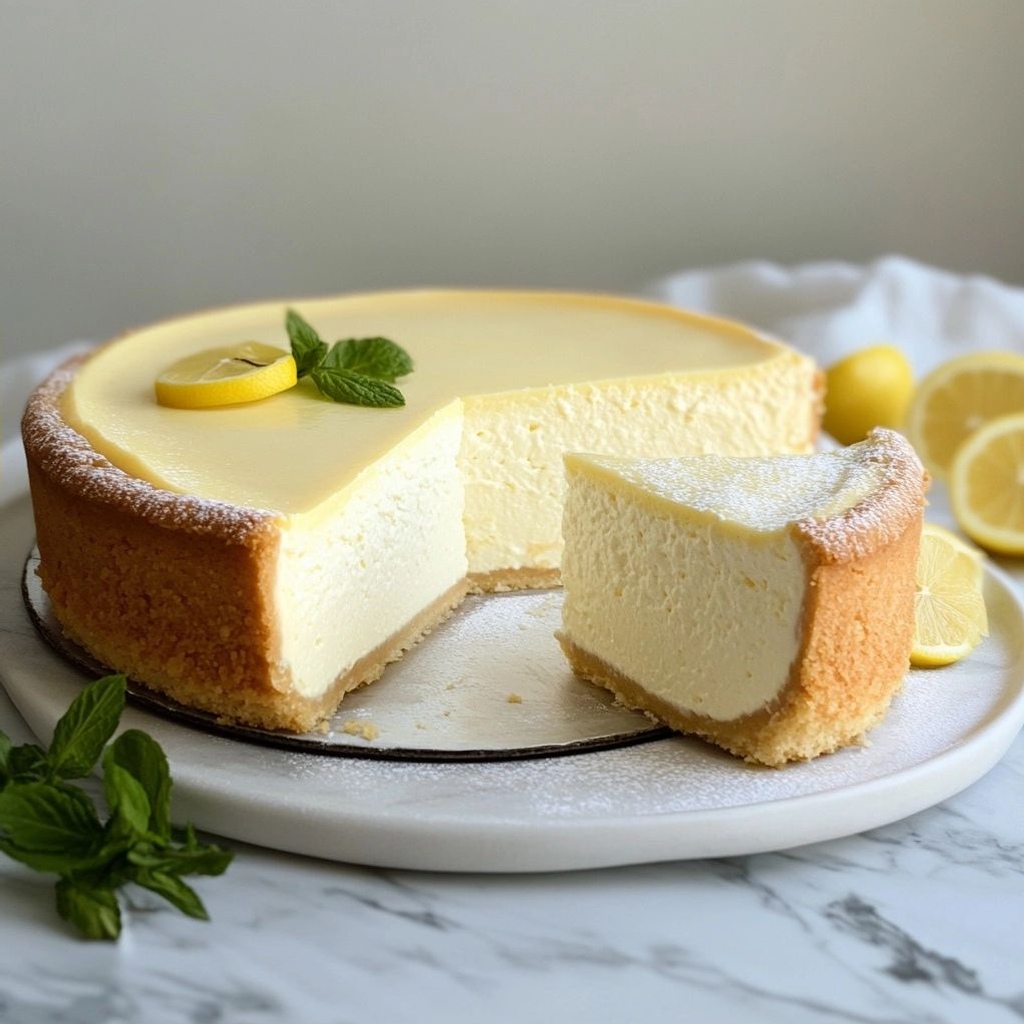
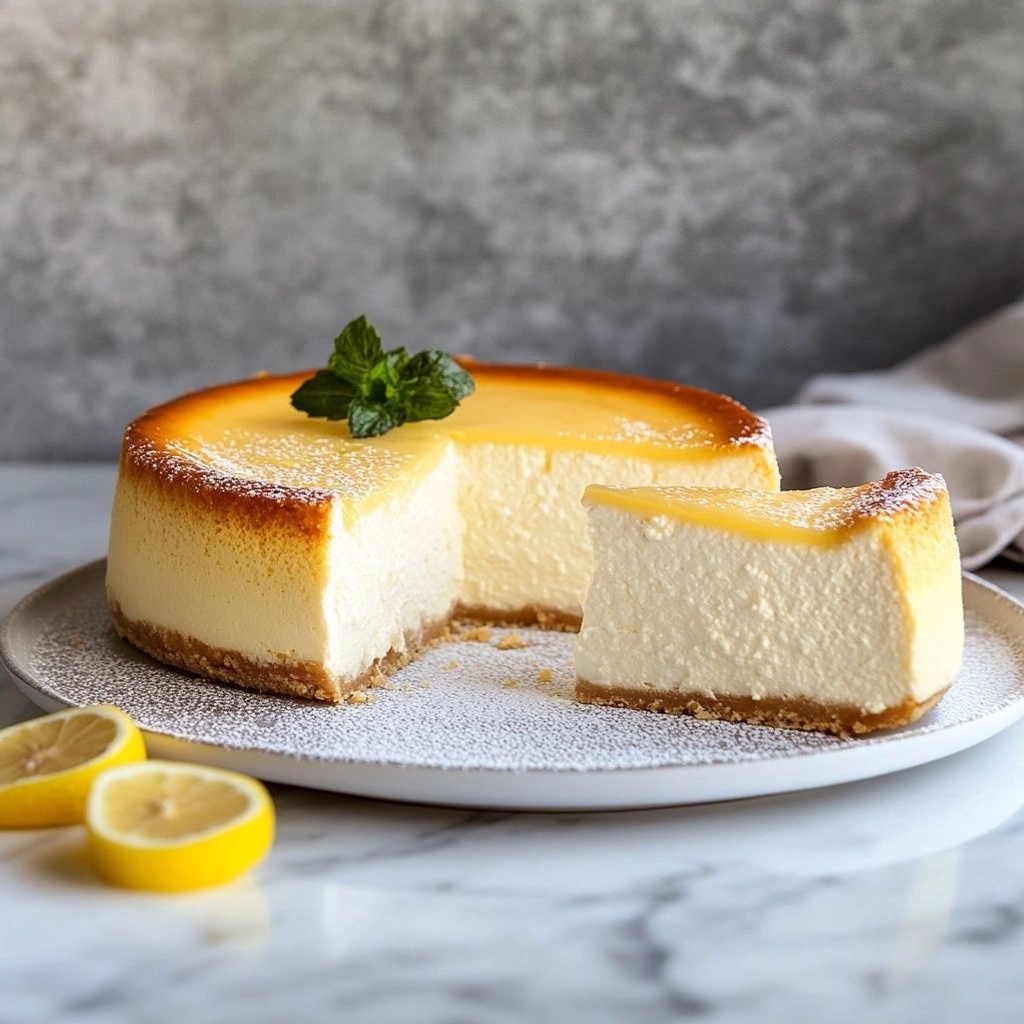
The Italian ricotta cheesecake presents a harmony of textures and tastes. The outer crust—made from either crushed cookies, amaretti, or biscotti—offers a crisp, buttery contrast to the innermost layer, which remains supremely soft and silky. The ricotta in the filling provides a velvety mouthfeel with a delicate dairy tang that’s not aggressively cheesy. Vanilla adds warmth while lemon zest or a light lemon curd swirls through the batter to deliver a bright, citrus-lined aroma that refreshes the palate between bites. The result is a cheesecake that is creamy and airy, yet with a density that prevents it from feeling airy to the point of crumbling. There’s a soft, almost custard-like center that gently gives under the knife. When chilled, the slice holds its shape beautifully, making it ideal for plating and presentation. The crust contributes a subtle crunch and a buttery undertone that anchors the filling, ensuring that every bite has a satisfying textural arc—from crisp to creamy to smooth. The flavor progression is gentle: first a mild sweetness, then a whisper of vanilla, and finally the citrus finish that lingers as a clean, palate-cleansing note. If you close your eyes while tasting, you can almost hear a distant seaside breeze and imagine a sunlit Italian piazza where dessert is both a ritual and an invitation to linger a little longer at the table.
Occasions & Pairings
This cheesecake suits almost any occasion, from a cozy weeknight finale to a grand Italian-inspired dinner party. Its elegance makes it ideal for special celebrations, but its approachable nature also means it won’t intimidate new bakers. For the perfect pairing spectrum:
- Drinks: a late-harvest dessert wine, a sparkling Moscato, or a glass of crisp Prosecco to cut through the richness; unsweetened espresso or a strong coffee pairs beautifully for contrast.
- Sides: a lightly dressed berry compote, fresh berries with a hint of mint, or a simple citrusy coulis to accent the citrus notes.
- Dessert pairings: a drizzle of dark chocolate or white chocolate shavings can add a decadent counterpoint; for a more Italian finish, a few candied citrus peels or a dusting of pistachio crumbs bring color and texture.
TIPS, Variations & Substitutions
Here are ideas to customize, adapt, or elevate your Italian ricotta cheesecake so you can tailor it to your pantry, dietary needs, or taste preferences.
- Ricotta options: Use whole-milk ricotta for creaminess, and if it’s a bit grainy, blitz it briefly in a blender with a splash of milk to smooth it. For extra richness, blend in a small amount of cream cheese.
- Flavor twists: Substitute lemon with orange zest, lemon-vanilla balance with a touch of almond extract, or add a teaspoon of orange blossom water for a floral profile.
- Crust ideas: Use digestive biscuits, amaretti cookies, or almond biscotti for the crust. Add a pinch of cinnamon or a teaspoon of finely grated citrus zest to the crust for extra depth.
- Gluten-free: Choose gluten-free cookies for the crust and ensure any additives align with gluten-free guidelines.
- Vegan option: Use a vegan ricotta substitute (often made from almonds or tofu) and a plant-based cream, with a vegan crust, ensuring gelatin is avoided and pectin or agar-agar is used if needed for setting.
- Low-sugar version: Reduce sugar by half and rely on the ricotta’s natural sweetness plus the citrus zest to carry the flavor. Add a few drops of vanilla extract to enhance sweetness perception.
- Texture play: For a lighter texture, whip the filling briefly to introduce air before baking; for a denser, more traditional bite, mix until just smooth.
- Make-ahead flavor: Bake, cool completely, and refrigerate overnight to allow flavors to meld and the cheesecake to set fully before serving.
Storage & Make-Ahead Ideas
Italian ricotta cheesecake stores well, which makes it ideal for meal planning and entertaining. Here are practical tips to maximize flavor and texture for longer:
- Refrigeration: Store whole or sliced portions in an airtight container in the fridge for up to 4 days. If slicing in advance, place parchment between slices to prevent sticking.
- Freezing: Freeze in portions wrapped tightly in plastic wrap and placed in an airtight container for up to 2-3 months. Thaw overnight in the refrigerator and bring to room temperature before serving for the best texture.
- Make-ahead: The cheesecake can be baked a day or two ahead; keep it refrigerated, and let it sit at room temperature for about 15-20 minutes before serving to soften slightly and enhance aroma.
- Preparation order: Prepare the crust and filling separately, then assemble and bake. If you need to assemble ahead, keep the crust wrapped and chilled, and whisk the filling only when ready to bake to preserve airiness.
Fun Facts & Trivia (Optional)
Did you know that regional Italian desserts often celebrate dairy and citrus with restrained sweetness? In some parts of Italy, ricotta is used not only in cheesecakes but also in pastries and crostatas, playing with textures and contrasts. The concept of “cheesecake” in Italy is distinct from the American version: Italians often emphasize a lighter, custard-like filling that showcases ricotta’s delicate flavor rather than a denser, creamed texture. The use of amaretti or almond cookies in the crust is a nod to traditional pastry pairings that marry nuttiness with soft, creamy fillings. Citrus zest is a hallmark of bright Italian desserts, echoing the Mediterranean climate and the abundance of fresh fruit. Fun anecdote: many Italian households have a signature cheesecake variation that’s passed down through generations, with each family adding a personal touch—maybe a splash of Limoncello, a drizzle of honey, or a handful of toasted almond slivers—making the dessert feel both timeless and distinctly personal.
Conclusion / Final Thoughts
Italian ricotta cheesecake is a study in balance. It reminds us that elegance in dessert doesn’t require extravagance in technique or ingredients. It invites you to savor the creamy richness of ricotta, the bright lift of citrus, and the comforting familiarity of a well-made crust. Whether you’re serving a crowd or treating yourself to a quiet dessert moment after a long day, this cheesecake offers a warm invitation: come and enjoy a slice of Italian-inspired bliss, where tradition, texture, and taste converge to create something truly memorable. As you slice through the creamy interior, listen for the soft sigh of the blade, and inhale the gentle aroma of vanilla and citrus—the simplest pleasures are often the most lasting.
Ingredients
- Crust
– 1 3/4 cups graham cracker crumbs (or digestive biscuits)
→ The crust provides structure and a gentle sweetness that complements the creamy ricotta filling. If using graham crackers, crush finely to ensure uniform texture; if using biscuits, pulse until nearly powdery for a smoother crust. Mix with melted butter to help it set firmly when baked and cooled.
– 1/4 cup granulated sugar (for crust)
→ Adds a hint of sweetness to the crust without overpowering the filling. If your crackers are already sweet, you can reduce this slightly. Mix evenly with the crumbs to create a cohesive base.
– 6 tablespoons unsalted butter, melted
→ Provides fat to bind the crust together and create a firm, sliceable edge. Use melted, cooled butter so it evenly coats the crumbs; press firmly into the pan for an even crust that doesn’t crumble. - Filling
– 1 1/2 cups whole-milk ricotta cheese
→ The star of Italian ricotta cheesecake, contributing a light, creamy texture with subtle milky sweetness. Drain ricotta if very wet to prevent a soggy filling; for extra silkiness, whip briefly to remove any graininess before folding with other ingredients.
– 8 ounces cream cheese, softened (room temperature)
→ Adds firmness and a tangy balance to the ricotta while helping the filling set properly. Ensure it’s softened so it incorporates smoothly without lumps; you can beat briefly with the mixer to achieve a uniform, creamy base.
– 3/4 cup granulated sugar
→ Sweetens the filling and helps achieve a lush, custard-like center. Adjust to taste if you prefer a less sweet dessert; adding sugar gradually while beating helps prevent graininess.
– 3 large eggs + 1 additional egg yolk (reserve yolk for richness)
→ Eggs act as binders and assist in setting the filling into a stable, sliceable cheesecake. Use room-temperature eggs to ensure a smooth mixture; whisk gently to avoid incorporating too much air, which can cause cracking.
– 1 tablespoon cornstarch
→ Helps stabilize the filling and prevent cracking, contributing to a slightly denser, creamier texture. Sift with the sugar to prevent clumps before folding into the ricotta–cream cheese mixture.
– Zest of 1 lemon
→ Adds fresh citrus aroma that brightens the rich filling. Use a microplane to finely zest over the bowl to avoid bitter pith; if you prefer stronger lemon flavor, add a touch of lemon juice (about 1 teaspoon) in with the wet ingredients.
– 1 teaspoon pure vanilla extract
→ Enhances sweetness and depth, pairing well with the ricotta. For an extra layer of flavor, you can use vanilla bean paste or the scraped seeds of half a vanilla bean; keep vanilla flavor balanced so it doesn’t overpower the tang of the cheese.
– 1/4 teaspoon fine salt
→ Balances sweetness and enhances the overall cheese flavor. Don’t skip; salt helps sharpen flavors and prevents the filling from tasting flat.
– 2 tablespoons heavy cream (or milk for a lighter version)
→ Adds silkiness and prevents the filling from feeling too dense. If using milk, the filling will be lighter; heavy cream yields a richer, creamier texture that holds its shape when sliced.
– Optional: 1/2 teaspoon almond extract or citrus juice (lemon/orange)
→ For a subtle aromatic note that complements the Italian profile. Use sparingly to avoid overpowering the cheese; start with a small amount and adjust to taste. - Optional Toppings
– Powdered sugar, for dusting
→ A gentle finish that adds a touch of elegance and sweetness. Dust just before serving to keep the presentation pristine; avoid applying too early as moisture can cause clumping.
– Fresh berries or lemon zest (for serving)
→ Brighten the plate with color and a contrast of tartness to balance the rich filling. Wash and pat dry berries; add zest just before serving to maintain vibrant aroma and texture. - Notes
– Optional glaze or fruit compote (strawberry, blueberry, or cherry)
→ If you prefer a glossy topping, prepare a light glaze or fruit compote to spoon over slices. Keep it separate until serving to maintain crust crispness and filling texture; warm compote slightly to release more flavor but cool before serving.
Instructions
- Preheat your oven to 350°F (175°C) and prepare a 9-inch springform pan by lightly buttering the sides and lining the bottom with parchment if desired; this ensures clean release and prevents sticking during slicing.
→ A consistent, non-stick surface helps the cheesecake release evenly and keeps the crust intact when you unmold. - Combine the graham cracker crumbs (or digestive biscuits), granulated sugar for crust, and the melted butter in a mixing bowl; mix until all crumbs are evenly coated and resemble wet sand; this creates a cohesive crust that holds together when sliced.
→ The sugar helps bind moisture, while the melted butter provides the fat needed to compact the crust and give it structure once chilled. - Press the crumb mixture firmly into the bottom and about 1/2 inch up the sides of the pan using the flat bottom of a measuring cup or a small glass; ensure an even, level surface to prevent cracking and promote uniform baking.
→ A compact, even crust bakes through without bubbling up or crumbling when sliced. - Bake the crust for 8 to 10 minutes, then remove from the oven and allow to cool on a rack while preparing the filling; this helps set the crust and prevents it from becoming soggy once the filling is added.
→ A partially baked crust creates a crisp base that supports the creamy filling without becoming chewy. - Drain the ricotta if it appears very wet by placing it in a fine-mesh sieve over a bowl for 15 to 30 minutes, then press gently with a spoon to remove excess moisture; this prevents a watery filling and helps it set properly.
→ Excess moisture can lead to a soggy or cracked cheesecake; drying the ricotta yields a smoother, silkier texture. - In a large mixer, beat the softened cream cheese on medium speed until fully smooth and free of lumps, about 1 to 2 minutes; this creates a stable base for the filling and prevents graininess.
→ Properly softened cream cheese mingles with ricotta for a uniform, creamy texture without streaks. - Add the ricotta to the cream cheese and beat just until combined; avoid overmixing to prevent incorporating air that could cause cracks, stopping as soon as the mixture is smooth.
→ Gentle integration maintains a dense, custardy filling rather than a fluffy, soufflé-like texture that may crack during cooling. - Whisk in granulated sugar gradually until fully dissolved, about 1 minute, then scrape down the bowl to ensure even sweetness distribution throughout the filling.
→ Gradual incorporation prevents graininess and ensures a silkier mouthfeel. - Whisk in the eggs and extra yolk one at a time on low speed or with a whisk, ensuring each addition is fully incorporated before adding the next; this binds the filling without over-aerating it.
→ Eggs act as stabilizers; adding them gradually reduces the risk of lumps and cracks. - Stir in the cornstarch, lemon zest, vanilla extract, fine salt, and heavy cream (or milk) until just combined; avoid overmixing to keep the filling tender and glossy.
→ The cornstarch helps set the cheesecake, while the zest and vanilla provide bright, balanced aroma and flavor. - If using optional almond extract or citrus juice, fold in a small amount (start with 1/4 teaspoon) to taste; this adds a subtle aromatic note without overpowering the cheese.
→ Aromatics should enhance, not overshadow, the cheese’s tangy profile. - Pour the filling onto the cooled crust in the pan, tapping the pan on the countertop several times to dispel air bubbles and create a smooth surface; this helps prevent cracks and ensures an even bake.
→ Removing air pockets yields a uniform texture from edge to center and minimizes cracking during cooling. - Place the filled pan on a middle rack in the oven and bake for 45 to 50 minutes, or until the edges are set and the center has a gentle jiggle; the center should still wobble slightly because it will firm up as it cools.
→ Proper bake time avoids a dry center or a undercooked, runny middle that could cause collapse later. - Turn off the oven and leave the cheesecake inside with the door ajar for 1 hour to gradually cool and prevent cracking from a sudden temperature change; then transfer to a rack to cool completely before refrigerating.
→ Slow cooling reduces stress on the structure and preserves a creamy, sliceable texture. - Refrigerate the cheesecake for at least 4 hours, preferably overnight, to allow the flavors to meld and the filling to set fully; cover loosely with plastic wrap to prevent absorbing fridge odors.
→ Chilling firms the filling, making clean slicing and neat presentation possible. - Just before serving, dust with powdered sugar if desired and garnish with fresh berries or lemon zest; add any optional glaze or fruit compote separately on the side to maintain crust crispness and filling texture.
→ Finishing touches enhance appearance and provide a bright counterpoint to the rich filling without making the surface slippery.
Notes
These Italian ricotta cheesecake notes help you achieve a creamy, sliceable cheesecake with a crisp crust. Start by crushing the graham crackers or digestive biscuits finely to create a uniform crust texture that holds together when sliced. Mix with melted butter and a touch of sugar, then press firmly into a springform pan to form an even base. Chill briefly or bake as directed to set the crust before adding the filling for a clean separation between crust and filling.
For the filling, ensure all dairy components are at room temperature so the ricotta and cream cheese blend smoothly without lumps. Drain very wet ricotta if needed, and consider a quick whip of the ricotta and cream cheese before folding with the sugar, eggs, and cornstarch to achieve a silkier texture. Add lemon zest and vanilla gently to preserve brightness without overpowering the tang of the cheeses. If you’re using almond extract or citrus juice, add sparingly—a little goes a long way.
To bake evenly and prevent cracking, use a water bath (bain-marie) by placing the filled pan inside a larger roasting pan with hot water halfway up the sides of the cheesecake. This creates gentle, consistent heat. Bake until the center just barely jiggles; it will continue to set as it cools. Let the cheesecake cool slowly at room temperature, then refrigerate for several hours or overnight for best slicing. If cracks appear, a light dusting of powdered sugar or a fruit glaze can help redeem the surface.
Serving suggestions: top with fresh berries and a kiss of lemon zest for a bright contrast, or offer a modest drizzle of fruit compote on the side to maintain crust integrity. For make-ahead convenience, bake the crust up to a day in advance, wrap the filled cheesecake well, and refrigerate; it will slice neatly after chilling. If you prefer a lighter filling, substitute heavy cream with whole milk, though expect a softer set. Always use fresh, high-quality ingredients and allow the cheese to come to room temperature for the best texture.
Tips
Tips for Italian Ricotta Cheesecake
- Prep and temperatures: Let all dairy (ricotta, cream cheese) come to room temperature before mixing. This helps achieve a ultra-smooth filling with no lumps. If the ricotta is very wet, drain it for 15–30 minutes or pat gently with paper towels.
- Crust handling: Crush graham crackers or biscuits finely to ensure a compact, even crust. Mix the crumbs with sugar and melted butter until the texture resembles wet sand, then press firmly into the pan. Use the bottom of a flat cup or the back of a glass to create an even, level crust.
- Mixing method: Beat cream cheese and ricotta separately until smooth, then combine with sugar. Add eggs one at a time on low speed to avoid incorporating air. Finally, fold in zest, vanilla, salt, cornstarch, and heavy cream or milk gently until just combined.
- Stabilizing the filling: Sift the cornstarch with the sugar to prevent lumps. This helps the filling set and reduces cracking. The small amount of cornstarch yields a custard-like center without being dense.
- Aromatics and brightness: Zest the lemon with a microplane over the filling to release essential oils. If using almond extract, add a tiny pinch and taste before baking to avoid overpowering the cheese.
- Texture balance: For a silkier filling, whip the ricotta briefly to smoothness before folding with the cream cheese. Do not overmix after adding eggs to prevent a dense texture and cracks.
- Assembly: Pour filling over a fully baked crust that has cooled slightly. Gently tap the pan on the counter a few times to release any air bubbles before baking.
- Baking method: Bake at a moderate temperature (often around 325°F / 160°C) and watch for a slight jiggle in the center. The filling should be just set with a faint wobble. Avoid overbaking to prevent a dry texture and cracks.
- Water bath (recommended): Bake the cheesecake in a larger pan filled with hot water about halfway up the sides of the springform. This moist environment helps prevent cracking and yields a creamier interior. If not using a bath, place the pan on a rimmed baking sheet to catch any spills and protect the crust.
- Cooling strategy: Cool gradually in the oven with the door slightly ajar for 1 hour, then move to a rack to finish cooling. Refrigerate for at least 4 hours, preferably overnight, to let flavors meld and the filling firm up for clean slices.
- Serving tips: Dust with powdered sugar just before serving and garnish with fresh berries or a hint of lemon zest for color and brightness. If using glaze or compote, serve it on the side to keep crust crisp.
- Make-ahead notes: The cheesecake can be made a day ahead. Store tightly covered in the refrigerator for up to 3–4 days. Bring to near room temperature for 15–20 minutes before slicing for best texture.
FAQ
What is Italian Ricotta Cheesecake?
Italian Ricotta Cheesecake is a light, creamy dessert made with ricotta cheese, often combined with mascarpone, sugar, vanilla, eggs, and sometimes citrus zest. It has a delicate texture compared to traditional cream cheese cheesecakes and is typically baked in a graham cracker or ladyfinger crust.
What crust options work best for this cheesecake?
Common options include a graham cracker crust, a crushed biscotti crust, or a buttered digestive biscuit crust. For a lighter version, you can use amaretti cookies or a simple shortcrust. Par-bake the crust for 8–10 minutes to help it hold up.
Can I make this cheesecake gluten-free?
Yes. Use a gluten-free graham cracker or biscotti substitute for the crust. Ensure any cookie crumbs are certified gluten-free, and consider using almond flour-based crusts as an alternative.
Can I substitute mascarpone for some or all of the ricotta?
Yes. Replacing part or all of the ricotta with mascarpone adds richness and a silkier texture. A common ratio is 1 cup ricotta to 1/2 cup mascarpone, but you can adjust to taste.
Is this cheesecake baked or no-bake?
Traditional Italian Ricotta Cheesecake is baked. Baking helps set the custard and gives a gentle, creamy texture. Some versions may be lightly baked and finished with a brief chill, but most methods involve oven baking.
How long does it take to bake and chill?
Bake time is typically 45–60 minutes at 325–350°F (165–175°C), until the center is just set. Let it cool gradually in the pan, then refrigerate for at least 4 hours, preferably overnight, to fully set and develop flavor.
What ingredients can I adjust for different flavors?
Flavor boosters include lemon or orange zest, vanilla extract, almond extract, or a splash of liqueur. You can fold in finely chopped citrus zest, or add a layer of fruit compote on top after chilling for a contrasting texture.
How should I store leftovers?
Store covered in the refrigerator for up to 3–5 days. For longer storage, freeze slices wrapped tightly in plastic wrap and then aluminum foil for up to 2–3 months. Thaw overnight in the fridge before serving.
What serving suggestions pair well with Italian Ricotta Cheesecake?
Serve with fresh berries, a drizzle of honey or berry coulis, or a light citrus glaze. A dusting of powdered sugar and a sprig of mint also makes a nice presentation, as does a spoonful of lemon curd.