Introduction / Hook
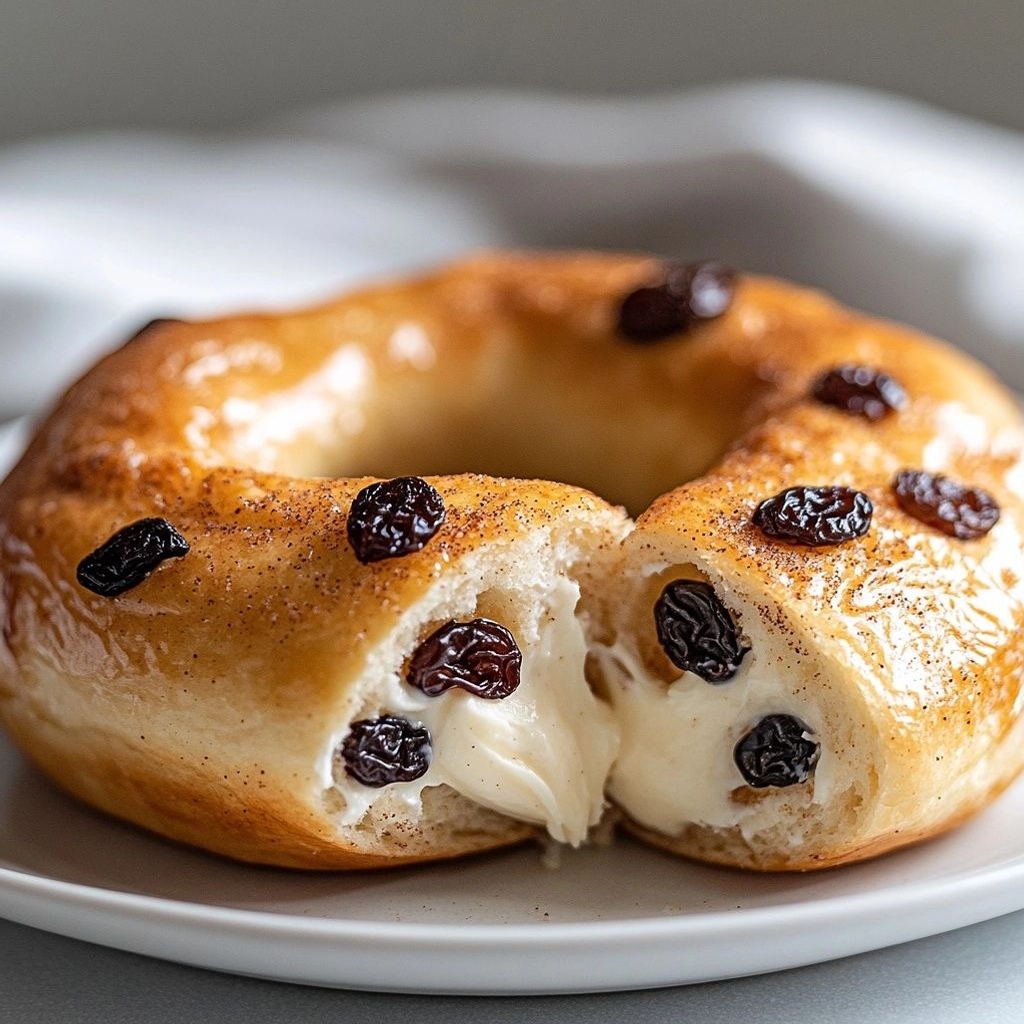
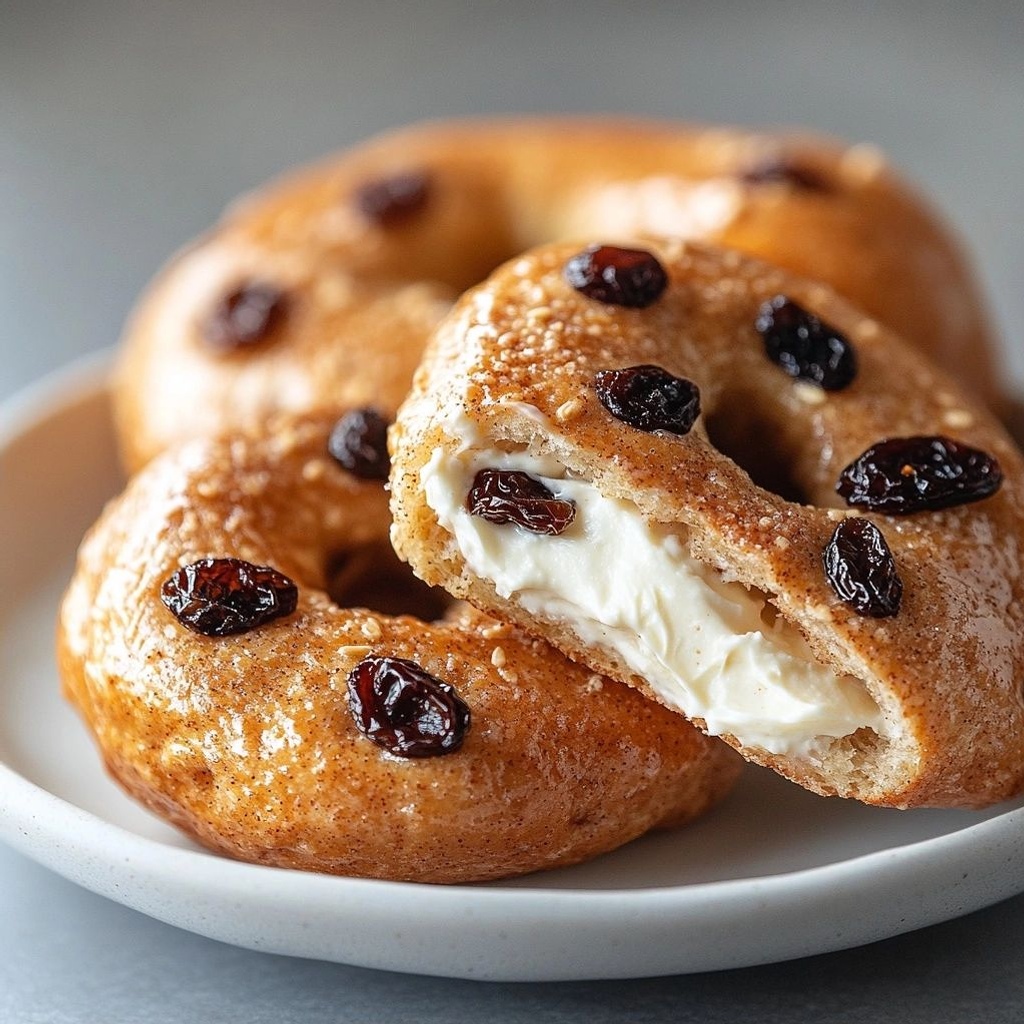
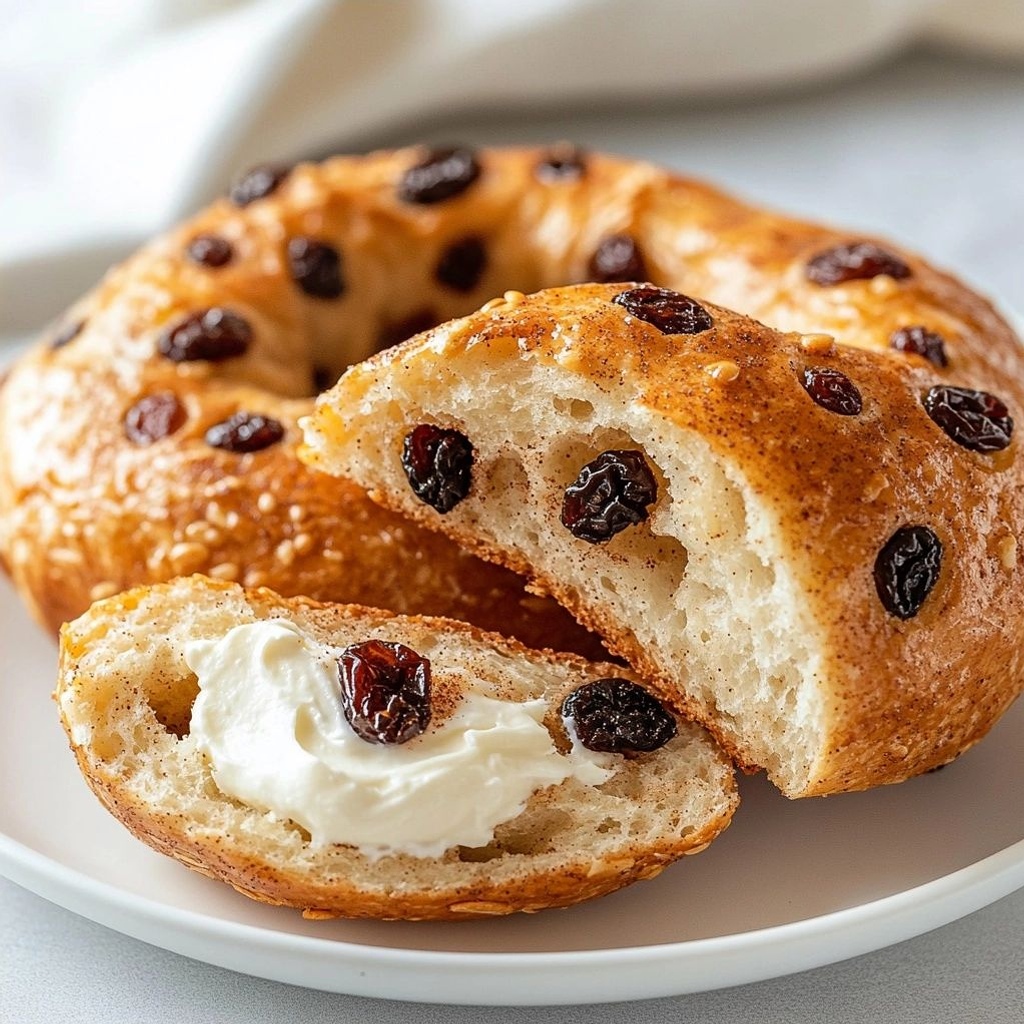
Imagine a warm, aromatic bakery waking up your senses—steam curling from a row of perfectly round bagels, their surfaces speckled with glistening sugar crystals and cinnamon-kissed swirls. Cinnamon raisin bagels are the mornings’ best-kept secret: a soft, chewy interior that yields to a slight resistance when you bite, a whisper of sweetness from the raisins, and a comforting kiss of cinnamon that lingers on the palate. The aroma alone can transport you to a sunlit kitchen, where butter melts into the crust and coffee steam clouds the air just enough to make the moment feel like a small, delicious celebration. If you crave a breakfast or brinner that feels both indulgent and wholesome, this is your devoted go-to. Every bite is a memory in the making: the warmth of a fresh bake, the texture of a bagel that holds up to cream cheese but is tender enough to disappear on the first bite, and the subtle spice that makes you want to take one more bite, and then another. Cinnamon raisin bagels are not just bread; they’re a ritual—an invitation to slow down, to savor, and to share with someone you love.
The Story Behind the Dish
Bagels, in their most classic form, are a symbol of Jewish-Polish culinary tradition, with roots tracing back to Eastern Europe and a history tied to bustling markets, street vendors, and the craft of shaping dough with care. The bagel’s signature texture—a deeply chewy bite with a glossy, taut crust—was perfected by bakers who valued a precise boiling technique before baking. Cinnamon raisin bagels add a warmly familiar twist to this storied lineage. The combination of cinnamon and raisins likely arose from the pantry staples of home kitchens: a sprinkle of spice, a handful of dried fruit, and the instinct to make something a little special for a breakfast that felt worthy of the day ahead. In many households, these bagels became a weekend ritual, a way to welcome guests with a spread of soft cream cheese, jam, and perhaps even a pot of spiced tea or coffee. This version—where cinnamon’s fragrant embrace meets the fruity sweetness of raisins—speaks to the comforting, homey side of baking: that moment when dough is transformed into something that feels both intimate and luxurious at the same time. Whether you’re recreating a cherished family memory or crafting a new one, cinnamon raisin bagels offer a bridge between tradition and modern pantry creativity.
Why You’ll Love This Recipe
- Comfort Food with Classic Charm: The familiar warmth of cinnamon, the sweetness of raisins, and the chewy texture of a truly good bagel create a timeless breakfast or snack.
- Customizable Sweet-Savory Balance: You can enjoy these bagels with sweet spreads like honey or cinnamon butter, or pair them with tangy cream cheese and savory toppings for a delightful contrast.
- Make-Ahead Friendly: Once you’ve mastered the dough, you can scale up for a weekend bake and freeze portions for future breakfasts.
- Delight for All Ages: The gentle cinnamon note and the bursts of raisin sweetness appeal to kids and adults alike, making these bagels a crowd-pleaser for family mornings or brunches.
- Chewy Texture, Juicy Interior: The bagel’s signature chew is achieved through a thoughtful boiling technique and high-gluten flour, delivering a satisfying bite that holds up to toppings without becoming heavy.
- Versatile Serving Options: Perfect with cream cheese, mascarpone, or ricotta; with honey or jam; or even with savory toppings like smoked salmon and capers for a brunch twist.
Flavor Profile & Texture
The flavor profile of cinnamon raisin bagels is a study in gentle contrasts. The aroma carries a warm, cozy sweetness—the kind that makes mornings feel like a hug. Cinnamon provides a soft spice that never overwhelms; it’s the fragrance you catch on the air just as you slice into a bagel, releasing a delicate, perfumed warmth. The raisins contribute pockets of chewy sweetness, their fruitiness peeking through the crumb like tiny treasure bites that surprise you with every bite. The dough itself is a blend of subtle sweetness and a sturdy gluten development, resulting in a crumb that is springy and resilient—worth the slightest pull before the interior yields to the bite. The crust, often blistered and glossy, offers a gentle snap that gives way to a tender core. When toasted, the exterior gains a subtle crackle, and the interior becomes even more velvety, the sugars at the surface caramelizing in welcome contrast to the soft, airy interior. The overall experience is a balance: sweet, slightly spiced, and comforting, with a texture that satisfies both the craving for something substantial and the desire for a light, morning indulgence.
Occasions & Pairings
Cinnamon raisin bagels shine across a spectrum of occasions. They’re ideal for a leisurely weekend brunch, a quick weekday breakfast when you want something more nourishing than a pastry, or a comforting bite during a chilly evening. They’re also fantastic for entertaining—serve them sliced with a trio of accompaniments to let guests customize their own bagel boards.
Toast lightly and spread with cream cheese, perhaps with a drizzle of honey or a smear of cinnamon butter. Add fresh fruit on the side for a bright contrast. - Holiday Tables: Pair with smoked salmon and herbed cream cheese for an elevated option, or serve with a warm chai or spiced latte for a cozy vibe.
- Afternoon Treat: Slice, toast, and top with ricotta and a pinch of lemon zest for a quick, satisfying snack that still feels special.
- Pairs: Cream cheese (plain, honey, or cinnamon), mascarpone, ricotta with a touch of vanilla, or goat cheese for a savory twist. On the side, consider fruit compotes, sliced apples or pears, or a jam trio (apricot, fig, and orange marmalade).
Seasonal and Thematic Variations
In autumn, emphasize the cinnamon warmth by pairing with spiced apples or pear compote. For a festive touch, fold a small amount of orange zest into the dough to brighten the cinnamon with citrus sparkle. In peak summer, use dried apricots or cherries in place of some raisins for a fruit-forward profile that still rides on the cinnamon notes. For a savory twist, offer a garlic-herb cheese spread and smoked trout or chilled turkey slices—bagels become a vehicle for a lighter, more brunchy spread.
Tips, Variations & Substitutions
- Flour Options: Use bread flour for a sturdier, chewier bagel. All-purpose flour can work for a softer crumb, but you’ll miss some of the classic bagel bite. If you’re gluten-free, you can try a blend designed for bread-like structure, but expect a different chew and rise profile.
- Sweetness Level: Adjust raisins and sugar to taste. If you prefer a milder sweetness, reduce sugar in the dough and go lighter on the raisins; if you love fruit-forward sweetness, add more raisins or consider mixing in chopped dried fruit like cranberries or dried blueberries.
- Raisin Substitutes: Dried cranberries, chopped dried apricots, or chopped dates offer their own character while maintaining the sweet-tirmed balance of the recipe.
- Spice Variations: Add a pinch of cardamom or nutmeg for an aromatic twist. A splash of vanilla extract in the dough or glaze can enhance warmth without overpowering the cinnamon.
- Make-Ahead & Freezing: Bagels freeze well after par-baking. Bake them halfway, cool completely, freeze on a tray, then transfer to a bag for storage. When ready to finish, finish baking from frozen until deeply golden and glossy.
- Vegan Adaptation: Use dairy-free milk and use a vegan butter or a plant-based cream cheese for serving. Ensure the dough uses a vegan egg substitute if your recipe relies on eggs in the dough; many traditional bagel recipes omit eggs entirely in the dough, relying on gluten and fermentation for structure.
Storage & Make-Ahead Ideas
Fresh bagels are irresistible, but you’ll likely want to store leftovers for later enjoyment. Here are practical strategies to keep the cinnamon raisin bagels at their best:
- Short-Term Freshness: Store cooled bagels in a paper bag at room temperature for up to 2 days. If you need longer storage, freeze them.
- Freezing: Freeze bagels individually wrapped, or sliced bagels for easy future breakfasts. Thaw at room temperature or toast directly from frozen for a quick start to your morning.
- Toasting and Heating: A 2–3 minute toast or a 350°F (175°C) reheat will revive the chewy interior and crisp the crust nicely. If you want extra pillowy softness, brush with a little water and wrap in aluminum or parchment briefly while reheating.
- Make-Ahead Dough: Prepare the dough, refrigerate overnight, and portion in the morning for a fresh-baked breakfast with minimal hands-on time. A slow, cold fermentation can deepen flavors and improve texture.
Fun Facts & Trivia (Optional)
Bagels have a storied history that intersects with immigration, urban life, and culinary technology. Boiling before baking is a defining step, borrowed from pretzels, which gives the bagel its distinctive crust and glossy surface. Cinnamon, an ancient spice with roots in trade routes across Asia and the Middle East, carries with it centuries of cultural exchange. Raisins, as a simple dried fruit, tell a tale of preservation and flavor that traveled with travelers and merchants across continents. The combination of cinnamon and raisins in a bagel represents a comforting fusion of accessible pantry ingredients with traditional technique—a simple indulgence that feels timeless, yet completely contemporary in any modern kitchen.
Make It Your Own: Personal Stories & Inspirations
For many, food is memory and ritual as much as flavor. If you grew up with a grandmother who kept a jar of raisins on the kitchen table and a cinnamon-scented jar of spice on the shelf, these bagels are a bridge to those moments. Perhaps you remember the first time you toasted a bagel and the kitchen filled with a warm, creamy aroma as cream cheese softened atop the crust. Or maybe you discovered that the most comforting breakfasts come from simple ingredients transformed with a bit of patience and care. Cinnamon raisin bagels offer that calm, steady joy—an everyday luxury that makes you pause, breathe in the scent, and savor the first bite as if it were a small celebration of the ordinary becoming extraordinary.
Serving Suggestions: Elevate Your Experience
A generous spread of plain or honey-cilantro cream cheese lets the cinnamon and raisin flavors shine. Combine cream cheese with chopped chives, dill, and a squeeze of lemon for a bright contrast. Smoked salmon, cucumber slices, red onion, and a light dill cream cheese provide a brunch-worthy ensemble. A brush of melted butter and a dusting of cinnamon sugar adds a final touch when you want a sweeter profile.
Final Thoughts
Cinnamon raisin bagels are more than a breakfast item—they are a gentle ritual that welcomes the day with warmth, texture, and a kiss of sweetness. They offer the kind of culinary comfort that translates across seasons and occasions: a snack that feels like an invitation to gather, to talk, to linger over coffee, or to share a quiet moment with a loved one. The beauty of this recipe lies in its balance—between the old-world charm of traditional bagel making and the versatile, modern delight of cinnamon and raisin. With the right dough, precise technique, and a little patience, you’ll create bagels that are soft and sturdy at once, with a perfume that lingers and invites another bite. Whether you’re a baking novice looking to try something new or a seasoned bread-maker seeking a beloved staple, cinnamon raisin bagels offer a journey worth taking—one that starts with a simple mixture of flour, warm dairy, a touch of sweetness, and the irresistible scent of cinnamon that fills your kitchen with joy.
Ingredients
-
Dough
– 3 1/2 cups high-protein bread flour (or “00” bread flour if available)
→ Provides strong gluten structure ideal for chewy, bakery-style bagels. If using a lower-protein flour, you may need slightly more kneading time to develop structure. For best results, measure by weight (about 440 g) rather than volume.
– 1 1/4 cups warm water (around 110°F/43°C)
→ Activates the yeast without shocking it. If the water is too hot, yeast activity will be destroyed; if too cool, the dough will proof slowly. Adjust to a comfortable warm touch.
– 2 1/4 teaspoons active dry yeast (one standard packet)
→ Leavens the dough, giving the bagels their gentle rise and dense crumb. If using quick-rise yeast, reduce to 2 teaspoons and follow package directions.
– 2 tablespoons granulated sugar or honey
→ Feeds the yeast and contributes a touch of caramel sweetness that pairs well with cinnamon. Honey will add a slight floral note; sugar keeps flavor neutral.
– 1 teaspoon fine salt
→ Enhances flavor and tightens gluten formation for a chewy crust. Salt also slows yeast activity slightly, helping flavor development during cold fermentation if you choose to refrigerate the dough.
– 1 tablespoon light oil (such as canola or neutral olive oil) or unsalted melted butter
→ Keeps dough tender and prevents sticking. Oil also helps create a smooth, pliable dough that eases kneading and shaping.
Add-ins
– 1 1/2 cups raisins, roughly chopped
→ The cinnamon raisin flavor comes from evenly distributed pieces. Chop slightly larger than a raisin half so pockets remain visible but don’t tear the dough. Soak in warm water for 5 minutes if they feel very dry for juicier crumb, then drain well.
– 1 tablespoon ground cinnamon
→ Gives the signature cinnamon swirl and aroma. Mix with a small portion of sugar if you want a sweeter, caramelized edge on the raisins during boiling and baking.
Boiling Bath
– 2 quarts water for boiling bagels
→ Boiling the dough before baking sets the crust, giving the bagels their shiny, chewy exterior. Use a wide pot to prevent crowding for even cooking.
– 2 tablespoons barley malt syrup or honey (or substitute 1 tablespoon brown sugar)
→ Adds a touch of sweetness and helps develop the classic glossy crust. If unavailable, you can omit or replace with a pinch of sugar in the boiling water, though the color and crust will differ slightly.
Finish
– 1 large egg, lightly beaten, for egg wash (optional)
→ Creates a glossy, golden crust and helps toppings adhere if you plan to sprinkle extra cinnamon sugar on top of the bagels before boiling. If avoiding eggs, brush with water for a shinier finish.
– Extra flour for dusting and shaping
→ Keeps the dough from sticking during dividing and shaping into rounds. A light dusting is enough; flouring too heavily can dry the dough and prevent a smooth surface.
Instructions
- In a large bowl, whisk together 3 1/2 cups bread flour, 1 1/4 cups warm water, 2 1/4 teaspoons active dry yeast, 2 tablespoons sugar or honey, 1 teaspoon fine salt, and 1 tablespoon oil until a shaggy dough forms.
→ Hydration and yeast activity begin here; proper initial mixing ensures even distribution of ingredients and a cohesive base for gluten development. If using a stand mixer, mix on low speed just until the dough begins to come together to avoid overworking the gluten at this stage. - Knead the dough until smooth and elastic, about 8–10 minutes by hand or 6–8 minutes on medium-low with a mixer, adding a little extra flour if the dough sticks excessively.
→ Kneading develops gluten networks that give bagels their characteristic chew; stop when the dough passes the windowpane test (thin, translucent membrane without tearing) to ensure proper structure. - Cover the dough and let it rise in a warm, draft-free spot until doubled in size, about 60–90 minutes, depending on ambient temperature; once risen, gently deflate the dough with a few folds to redistribute gas.
→ The first fermentation builds flavor and lightens the crumb; gentle deflation rebalances the dough for shaping and prevents overly large air pockets in the final bagels. - Prepare the add-ins: soak the 1 1/2 cups roughly chopped raisins in warm water for 5 minutes, then drain well; in a small bowl, whisk 1 tablespoon ground cinnamon with a pinch of sugar if you want extra sweetness or for a more pronounced swirl.
→ Soaking rehydrates dry raisins for even distribution and juicier pockets; cinnamon provides the signature aroma and color, integrating into the dough without overpowering the texture. - Knead the dough briefly to incorporate the soaked raisins and cinnamon evenly, folding them in with gentle motions to avoid tearing the dough or bruising the raisins.
→ Even distribution ensures every bite contains raisin pockets and cinnamon flavor; be careful not to overwork the dough, which can crush raisins and toughen the crumb. - Divide the dough into 8 equal portions, each weighing about 110–120 g, and shape each portion into a rough ball; cover and rest for 10 minutes to relax the gluten.
→ Resting relaxes the gluten, making it easier to roll into smooth bagels without tearing or springing back too aggressively. - To shape each bagel, press a small indentation in the center of a dough ball, push your thumb through, and gently rotate the dough to form a 1 1/2-inch hole, extending the ring to about 4–5 inches in diameter; pinch seams firmly to seal.
→ Proper shaping creates the classic bagel silhouette and prevents the center from closing up during boiling; sealing edges ensures the ring holds its shape under boiling and baking stresses. - Place the formed bagels on a parchment-lined tray, cover loosely, and let them proof for 25–40 minutes in a warm spot until they appear slightly puffed and maintained shape; preheat the oven to 425°F (220°C) during this final proof.
→ Final proof strengthens surface tension, helping the crust crisp up and keeping the bagel structure intact after boiling. Preheating ensures instant oven heat for a glossy crust and proper bake time. - Meanwhile, fill a wide pot with 2 quarts of water and bring it to a gentle simmer; stir in 2 tablespoons barley malt syrup or honey (or substitute 1 tablespoon brown sugar) until dissolved.
→ The boiling liquid creates a starch-gelatinized surface that sets the crust, while the malt or sugar promotes the shiny crust and enhances flavor; simmering rather than boiling vigorously prevents bagels from flattening. - Slide the rested bagels into the simmering water, 2–4 at a time, and boil for 30–60 seconds per side for a traditional chewy bagel crust; remove with a slotted spoon and drain on a rack.
→ Boiling sets the crust and tightens surface starches, creating the characteristic chew; shorter boil times yield softer crusts, longer times yield denser crusts—adjust to your preferred texture. - Optionally, brush the boiled bagels with a light egg wash (1 large egg beaten with 1 tablespoon water) or simply mist with water for a shinier finish, then place on a parchment-lined baking sheet; this step improves gloss and helps toppings adhere if you plan to add cinnamon sugar before baking.
→ Egg wash promotes a golden, glossy crust and provides a surface for toppings; if avoiding eggs, water wash yields a similar sheen with a slightly softer crust. - Bake the bagels in the preheated oven at 425°F (220°C) for 15–20 minutes, rotating trays halfway through, until deeply golden and firm to the touch; check for an internal crumb temperature around 195–200°F (90–93°C) if you want precise doneness.
→ High initial heat sets the crust quickly, while even heating ensures uniform color; the internal temperature confirms doneness beyond color, producing a fully baked crumb with a chewy bite. - Let the bagels cool on a wire rack for at least 15 minutes before slicing to allow the interior to finish setting; this prevents dense centers and ensures clean slices.
→ Resting after baking avoids steam trapping inside the bagel, which can make the crumb gummy; cooling also helps maintain the chew and prevents squishing when sliced.
Notes
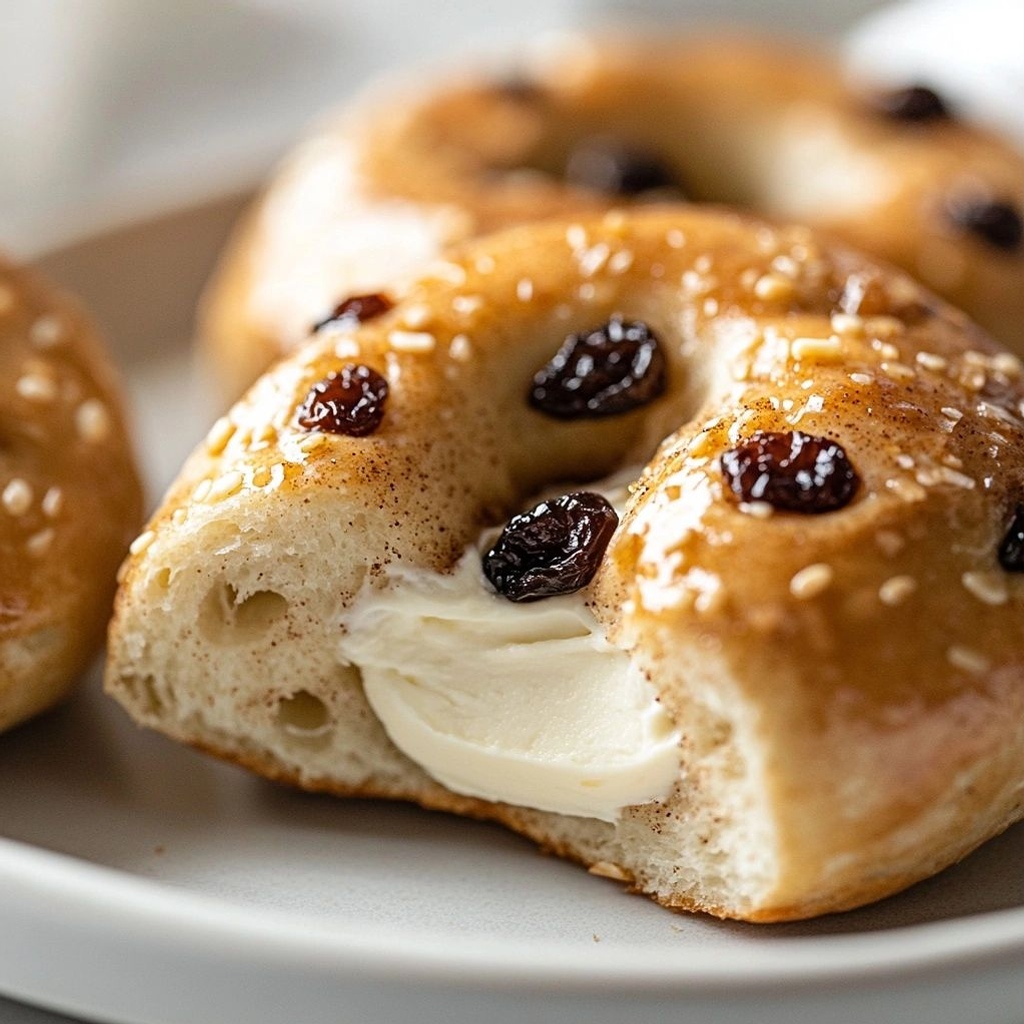
These cinnamon raisin bagels are tender, chewy rounds infused with warm cinnamon and studded with juicy raisins for a classic bakery-style bite. For best results, use high-protein bread flour (or 00 flour if available) to develop a strong gluten structure, which helps achieve that signature bagel chew. You can customize them by adding a pinch of nutmeg or vanilla to enhance the spice, or interchange raisins with dried cranberries for a festive variation. If you want extra shine and a crisper crust, keep the boiling bath with barley malt syrup or honey and finish with an optional egg wash; omit the egg wash if you prefer a completely vegan option and brush with a light coating of water for a subtle sheen. These bagels freeze well—slice them first so you can toast straight from the freezer for a quick, delicious breakfast. For easier handling, chill the dough slightly before portioning and shaping, and dust your work surface lightly with flour to prevent sticking without drying the dough. Always measure flour by weight for best accuracy and remember to keep the dough at a comfortable tacky stage so it forms a smooth, taut surface during shaping.
Tips
Dough preparation tips
- Weigh your flour and water for consistency. If you don’t have a kitchen scale, 1 cup of bread flour weighs about 120 g, so 3 1/2 cups is roughly 420–440 g.
- Warm water should feel comfortable to the touch, not hot. If your room is cool, let the dough rest a bit longer after mixing to help the yeast activate without overproofing.
- Fully dissolve the sugar or honey in the warm water before adding yeast to ensure even fermentation. If using honey, consider slightly longer fermentation for extra aromatics.
- When kneading, aim for a smooth, tacky dough that springs back gently. If it sticks, dust with a little flour; if it dries out, mist with water and knead briefly to rehydrate.
- Cold fermentation (refrigerating the dough) can deepen flavor. After the initial mix, refrigerate covered for 6–12 hours, then bring to room temperature before shaping.
Flavor and texture ideas
- To intensify cinnamon flavor, briefly bloom the cinnamon in a tiny bit of warm water or milk before mixing with the dry ingredients. This releases essential oils for a more pronounced aroma.
- For extra chew, use a long resting period after shaping, slightly under-proof the bagels before boiling. They’ll puff more in the boil and maintain a dense crumb.
- If you like a sweeter edge, mix a small pinch of ground cinnamon with a tablespoon of sugar and dust the tops of bagels before boiling or after boiling for a caramelized finish.
Boiling and crust tips
- Keep the boiling water at a gentle simmer; a vigorous boil can deflate the bagels or create uneven surfaces. Add the malt syrup to the water just before adding bagels for best gloss.
- Boil time matters: 1–2 minutes per side yields classic chewy crust. Longer boiling can deepen crust color but may reduce chewiness.
- If you don’t have barley malt syrup, a tablespoon of brown sugar in the boiling water can help with color, but the finish will be slightly less authentic.
Baking and finishing tips
- Brush with an egg wash for a shiny, professional finish, especially if you want to add extra cinnamon sugar after boiling. If avoiding eggs, use a light coating of water or milk for shine.
- Sprinkle cinnamon sugar just before boiling for a dramatic cinnamon-sugar crust. Gently press toppings to adhere so they don’t fall off in the boil.
- Preheat your baking surface (stone or heavy sheet) to help even browning and a crisp bottom. A pan preheated in a 450°F (230°C) oven yields a bakery-style crust.
Shaping and handling
- Divide dough into equal portions using a scale to ensure uniform bagels. Roll into a tight ball, then poke a hole and gently stretch to form an even ring.
- Keep a small amount of flour on your hands to prevent sticking, but avoid over-dusting; a well-floured work surface can dry the dough and hinder a smooth surface.
- If raisins feel dry, soak them 5 minutes in warm water, then drain thoroughly to prevent excess moisture from weakening the dough.
FAQ
What are cinnamon raisin bagels?
Eggless, sweet-tavored bagels made with flour, water, yeast, raisins, and cinnamon. They are typically boiled briefly before baking, resulting in a chewy interior and glossy crust.
What ingredients do I need to make cinnamon raisin bagels?
Common ingredients include all-purpose or bread flour, warm water, active dry yeast, sugar or honey, salt, raisins, ground cinnamon, and optionally malt or barley syrup for the boil. Some recipes also use milk or yogurt for a softer crumb.
Do I need a stand mixer to make bagels?
Not strictly. A stand mixer with a dough hook makes kneading easier, but you can knead by hand on a lightly floured surface until the dough is smooth and elastic, about 10 minutes.
Why do bagels need to be boiled before baking?
Boiling gelatinizes the starches on the surface, creating a chewy crust and helping the bagels hold their shape during baking. A quick 30–60 second boil per side is typical, sometimes with additions like honey or malt for flavor.
Can I make cinnamon raisin bagels without raisins?
Yes. If you don’t like raisins, you can substitute with dried cranberries, chopped dates, or chocolate chips. You can also omit add-ins altogether for plain cinnamon-flavored bagels.
Can I adjust the sweetness or cinnamon level?
Absolutely. Increase or decrease cinnamon to taste (usually 1–2 teaspoons per batch). For sweeter bagels, add a bit more sugar to the dough, or sprinkle cinnamon sugar on top before baking for extra flavor.
What flour works best for bagels?
Bread flour (high gluten) yields the best chew. All-purpose flour also works, but the texture may be slightly softer. For a vegan-friendly option, use a gluten-free bagel mix and follow the package instructions, noting it may change texture.
How long does it take to make cinnamon raisin bagels?
From start to finish, including rising time, most recipes take about 2.5 to 4 hours. This includes dough mixing, first rise, shaping, a shorter second rise, boiling, and baking. Some steps can be done ahead for quicker service.
How should I store leftover bagels?
Store cooled bagels in an airtight bag at room temperature for up to 2 days. For longer storage, freeze after cooling, either whole or sliced. Toast frozen bagels directly from the freezer or thaw first.
How do I freeze cinnamon raisin bagels?
Let bagels cool completely, then wrap individually in plastic wrap or place in a freezer-safe bag. They’ll keep for about 1–3 months. Thaw at room temperature or toast from frozen for best texture.
Can I make these bagels vegan?
Yes. Use plant-based milk (like almond or soy) in place of dairy, and ensure the sweetener is vegan. Some recipes use a flax or chia egg substitute, but since traditional bagels are yeast-based and water-rich, dairy is not required. Verify other ingredients (like malt) are vegan if used.