Introduction / Hook
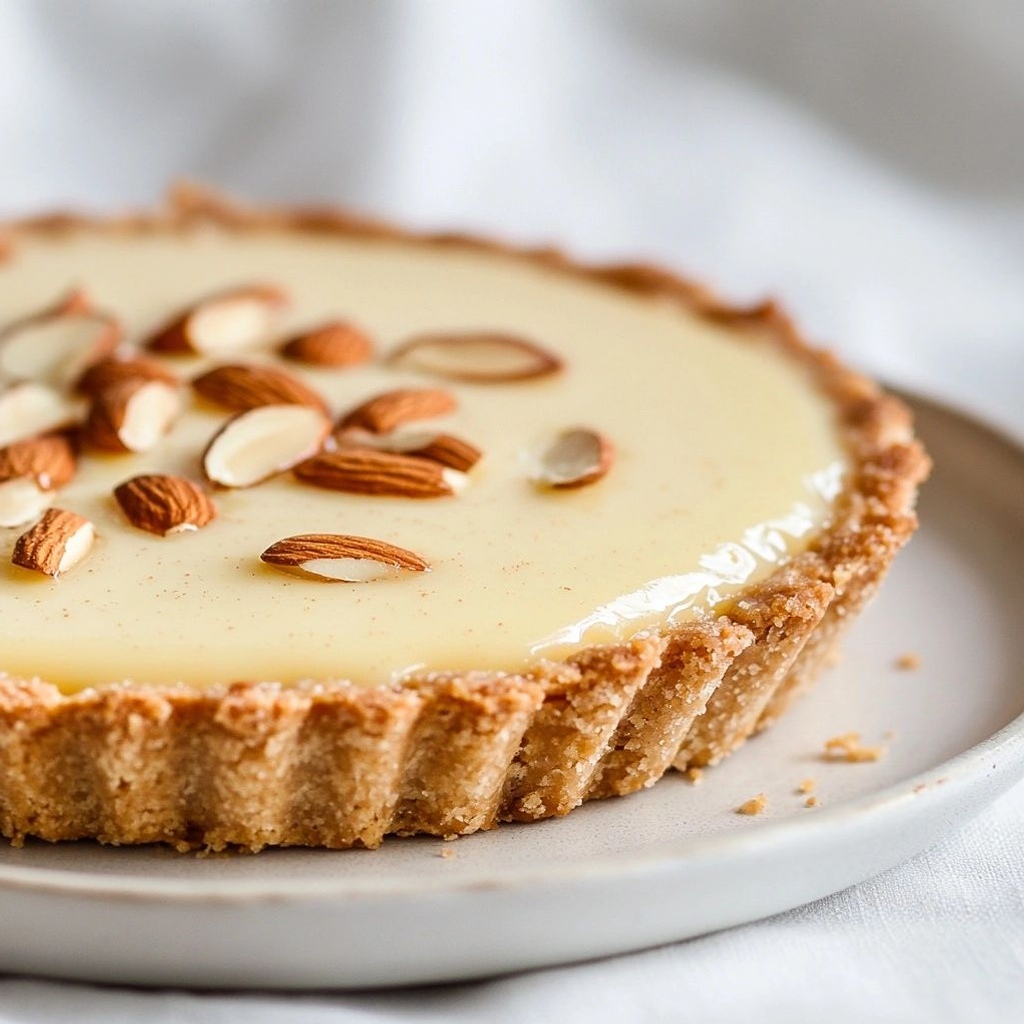
Imagine a delicate pastry shell that yields softly beneath the press of a fingertip, its edge gilded to a whisper of gold. Within lies a silken almond cream so fragrant that the kitchen seems to bloom with the scent of toasted nuts, vanilla, and a hint of citrus zest. Each bite of this Almond Cream Tart is a memory in the making: a moment of quiet indulgence that, despite its elegance, feels unpretentious enough for a Sunday breakfast or a glamorous dinner party. The first note is almond—the quiet, gentle scent that fills the room as the tart cools, promising warmth and a touch of luxury. Then comes the creamy center, smooth and pale, carrying whispers of cream, butter, and a citrus kiss that keeps the sweetness bright rather than heavy. The crust offers a contradictory delight: crisp and sandy on the outside, tender enough to melt with the first bite, like a biscuit veil that reveals a treasure inside.
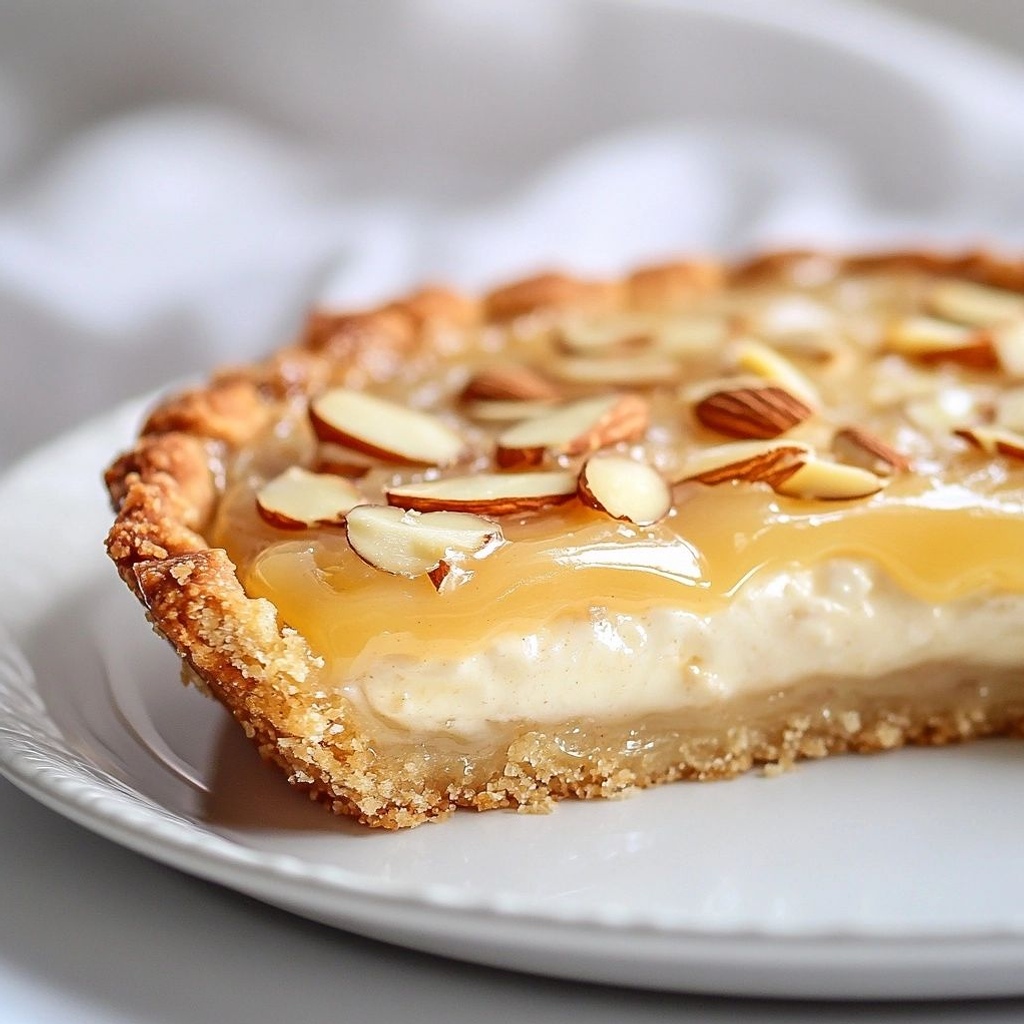
This Almond Cream Tart is not merely a dessert; it’s a ceremony of texture and aroma. It invites you to slow down, to slice with care, and to watch a pale, glossy filling glisten softly as it basks in a gentle cool breeze from the kitchen window. If you’re seeking a showpiece that’s surprisingly approachable, this tart has your name on it. It pairs the rustic charm of a homemade pie with the refined indulgence of a pastry shop, striking a balance that feels both comforting and sophisticated. The flavors are warm and familiar—roasted almonds, vanilla, a whisper of citrus—yet the presentation is pristine enough to grace a table of guests or a treasured family meal.
The Story Behind the Dish
Almonds have long held a special place in European patisserie, tracing a path through monasteries and apothecaries where nut creams were treasured for their richness and durability. The idea of an almond cream nestled in a tender crust echoes the legacy of almond frangipane—an enduring favorite that began in the kitchens of medieval cooks who cherished the nuts for their ability to carry sweetness without becoming cloying. This tart leans into that tradition while inviting a modern sensibility: a lighter, silkier custard-like filling that uses a touch of cream to smooth the texture and citrus zest to brighten the palate.
The crust itself tells a quieter story—the echo of butter worked into flour until the mixture resembles fine crumbs, then pressed into a pan and baked to a gentle, sandy golden. It’s a nod to old-world technique, a reminder that many beloved desserts started as simple, humble pastries that transformed through patient method and careful heat. In our version, we honor that lineage while letting the almond cream take center stage, so the tale is told with a single, luminous voice: nutty, creamy, and perfectly balanced.
In many homes, almond desserts are associated with warmth, hospitality, and a sense of welcome. The tart becomes a symbol—the kind of dessert you offer to a neighbor who drops by with a bag of seasonal produce, or to friends gathered after a long week to share conversation and gentle sweetness. It’s the kind of recipe that travels well in memory, too: the way a kitchen smells when almonds toast, the soft crackle of a crust as it cools, the sight of a smooth filling glistening under a light dusting of powdered sugar.
Why You’ll Love This Recipe
- Elegant, crowd-pleasing presentation that looks as impressive as it tastes.
- Silky almond cream with a light, custard-like texture that isn’t too heavy or dense.
- A crust that offers just the right balance of crispness and tenderness—perfect with a gentle bite but never dry.
- Balanced sweetness that lets the almond, vanilla, and citrus notes shine.
- Versatile for many occasions—special-occasion desserts, weekend treats, or a refined addition to a tea party.
- Adaptable to different dietary needs with thoughtful substitutions (see Tips & Variations).
The beauty of this tart lies in how each element supports the others. The crust provides a sturdy, flavorful foundation that doesn’t overpower the filling. The almond cream brings a luxurious, almost velvet-like texture that feels indulgent but is surprisingly approachable to make at home. The vanilla and citrus zest brighten the palate and prevent the richness from tipping into heaviness. Finished with a delicate dusting of powdered sugar or a thin drizzle of apricot glaze, the tart becomes a refined yet comfortable dessert that invites second helpings and compliments in equal measure.
Flavor Profile & Texture
The Almond Cream Tart presents a harmonious symphony of flavors and textures. At first bite, the crust—nutty, slightly sweet, and crumbly—gives way to the creamy filling that melts smoothly on the tongue. The almond flavor is front and center, mellowed by a veil of cream and a hint of vanilla that adds warmth without overt sweetness. A citrus kiss—commonly zest of lemon or orange—lifts the profile, adding brightness that lingers softly after the initial richness fades.
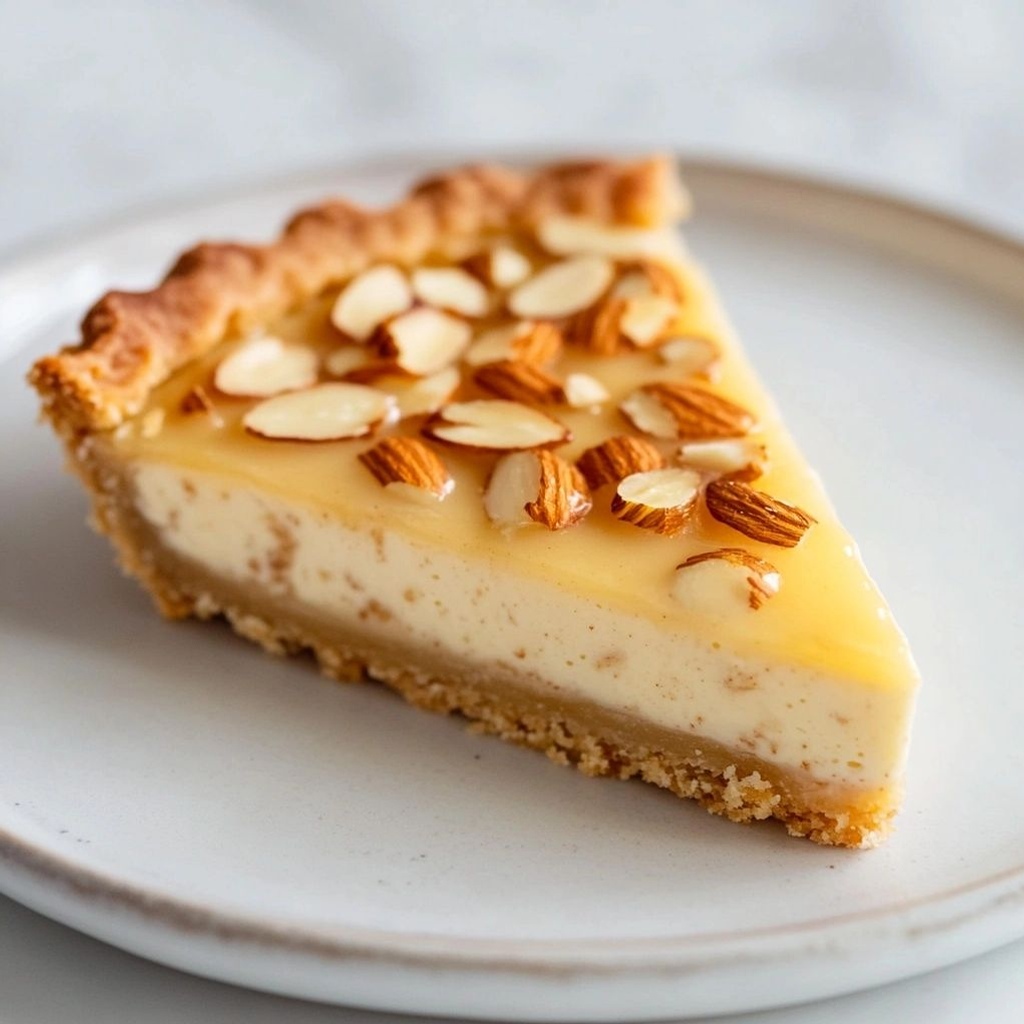
Texture-wise, you’ll notice three distinct experiences woven together. The crust has a fragile snap, like a well-made shortcrust where the edges yield with a quiet sigh. The almond cream offers a luxurious, almost custard-like smoothness that glides without heaviness, providing a luxurious mouthfeel that remains airy rather than dense. Finally, a very slight glaze or a dusting of confectioners’ sugar can introduce a whisper of sweetness on the finish and a slight sheen that makes the tart look as divine as it tastes.
The aroma is equally captivating: toasted almonds with a gentle nuttiness, vanilla’s warmth, and citrus—a trio that makes the kitchen feel like a bakery window on a sunny morning. When you pair this tart with a cup of tea or a light dessert wine, the flavors expand. The tea’s tannins and the wine’s acidity bring out the almonds’ subtle bitterness, creating a refined balance that lingers long after the plate is empty.
Occasions & Pairings
This tart is versatile enough to fit a spectrum of occasions while remaining comfortable enough for everyday indulgence.
- Holidays and celebrations: A show-stopping centerpiece that remains surprisingly approachable under the gaze of guests.
- Weeknight treat: A reward after a long day that feels special without requiring an elaborate bake.
- Tea time or brunch: Pairs beautifully with scones, light jams, and a selection of teas or sparkling waters.
- Gifting: Wrapped in parchment or a decorative box, it makes a thoughtful homemade present for birthdays or hostess gifts.
Pairing ideas to elevate the experience:
- Drinks: A glass of light dessert wine, such as Moscato d’Asti, or a crisp sparkling wine, which echoes the almond’s sweetness with refreshing acidity.
- Side pairings: Fresh berries (raspberries or blueberries), a dollop of lightly whipped cream, or a spoonful of citrus curd to contrast the creaminess.
- Other desserts: A bureau of light complementary desserts like almond biscotti or lemon curd can complete a refined dessert spread.
For a summer twist, consider serving the tart slightly chilled with a scoop of vanilla ice cream or a dollop of crème fraîche to balance the sweetness and add a cooling element. In winter, warm spices such as a pinch of cinnamon in the crust or a light cardamom note in the cream can offer a cozy, aromatic variation that still respects the tart’s delicate nature.
Tips, Variations & Substitutions
The beauty of a creamy almond tart lies in its adaptability. Here are many ways to customize it to your taste, dietary needs, or the ingredients you have on hand.
- Gluten-free option: Use粒 almond flour or a gluten-free shortcrust blend for the crust. You may want to add a touch of extra fat to mimic the tenderness of a traditional crust.
- Vegan adaptation: Replace dairy with a plant-based butter and use almond or coconut milk in the filling. Ensure your chosen vegan butter has a similar fat content to maintain a rich texture.
- Low-sugar approach: Reduce sugar in the filling and crust slightly, and rely on the natural sweetness of the almonds and a light dusting of powdered sugar or a glaze with fruit puree for a gentle finish.
- Flavor twists: Add citrus zest from orange, lemon, or even a small amount of almond extract to intensify the nutty aroma. A touch of vanilla bean seeds can deepen the fragrance.
- Nut variations: If almonds aren’t available, try finely ground hazelnuts or pistachios for a different character while keeping the creamy base.
- Texture play: For a slightly more custardy center, add a teaspoon of cornstarch or arrowroot to the filling. For a silkier feel, whisk the filling until it is ultra-smooth and silky before pouring into the crust.
- Make-ahead tip: Prepare the crust and the filling separately, refrigerate the crust unfilled for up to 2 days, and bake the filling just before serving for optimal texture and brightness.
Storage & Make-Ahead Ideas
Proper storage can preserve the tart’s texture and flavor for several days. The key is to protect the filling from drying out and to keep the crust from absorbing excess moisture.
- Room temperature: If the tart is well-sealed with a lid or plastic wrap, it can stay fresh for up to 2 days at room temperature. Beyond that, refrigeration is advisable to maintain the filling’s integrity.
- Refrigeration: Store in an airtight container or wrapped tightly for up to 5 days. The almond cream will firm slightly in the fridge, but it will soften again as it comes to room temperature.
- Freezing: Freeze the fully baked tart for up to 1 month. Wrap tightly in plastic wrap and then in foil to prevent freezer burn. Thaw in the refrigerator overnight and bring to room temperature before serving. For best texture, you may prefer to freeze filled tart slices rather than the entire tart.
- Make-ahead strategies: You can bake the crust and store it, then prepare the almond cream filling up to a day ahead. Fill and bake just before serving if your crust is ready and you’re aiming for peak freshness.
To refresh leftovers, reheat gently in a low-temperature oven (about 300°F / 150°C) for 8-12 minutes to restore some of the crust’s snap and warmth the filling through without drying it out. A light dusting of powdered sugar or a drizzle of honey can revive the glaze-like surface and add a touch of sparkle.
Fun Facts & Trivia (Optional)
Almonds have inspired a surprising range of desserts across cultures. In some Mediterranean regions, almond-based confections are celebrated in harvest festivals, reflecting almonds’ long-standing role as a symbol of abundance and hospitality. The word “frangipane” often evokes images of almond creams baked into tarts and pastries; its history traces to Italian and French culinary traditions, where it became a standard for custard-like centers that pair so beautifully with fruit tarts and pastry shells.
The Almond Cream Tart also nods to the seasonal cycle of almonds, which often pair well with citrus because the brightness of the fruit lifts the nuts’ deeper, warm flavors. The technique of beating butter with sugar, then folding in ground almonds and cream, is a time-tested method that yields a lush, tender filling with a light cloud of airiness—an effect that makes a simple confection feel restaurant-worthy.
A small note on aesthetics: a tart that glows with a pale, creamy filling against a golden crust tends to evoke a sense of calm and refinement. The visual contrast—cream on gold—appeals to the eye before the palate even experiences the first bite. Many home bakers discover that achieving this balance is as much about patience as about ingredients: slow, steady mixing, careful rolling, and the exact moment when the crust turns from pale to a gentle amber are all part of the art.
Ingredients
- 1 1/2 cups almond flour (for crust)
→ The almond flour provides a rich, nutty base with tenderness and a subtle sweetness. It helps create a crisp, shortcrust texture without gluten. If you’d like a slightly crisper crust, you can blend in 1–2 tablespoons of rice flour or fine breadcrumbs. Use finely ground almond flour for a smooth crust and avoid clumping when mixing with wet ingredients. - 2 tablespoons granulated sugar (for crust)
→ Sugar helps tenderize the crust and adds a hint of sweetness that balances the almond flavor. Cream or mix with the melted butter until evenly distributed to ensure a cohesive dough. If you’re avoiding refined sugar, substitute with 1–2 tablespoons of maple syrup or honey, then adjust dry ingredients accordingly. - 1/4 teaspoon salt (for crust)
→ Salt sharpens sweetness and enhances almond aroma, strengthening overall flavor. It also helps to evenly distribute sweetness by balancing the taste. If using salted butter, reduce or omit additional salt by half. - 4 tablespoons unsalted butter, melted (for crust)
→ Adds structure and moisture to the crust, creating a tender, shortbread-like texture. Use unsalted butter so you can control the salt level. Ensure the butter is cooled but still liquid to prevent curdling when mixed with dry ingredients. - 1 large egg yolk (for crust)
→ The yolk supplies richness, moisture, and helps bind the crust together without needing too much gluten. If you’re avoiding eggs, you can substitute with 1–2 tablespoons aquafaba or a flax egg, though this may slightly alter texture. Chill the yolk slightly before mixing for easier handling. - 1 tablespoon heavy cream (for crust, optional)
→ A touch of cream increases tenderness and helps the dough come together smoothly. If you’re dairy-free, substitute with 1 tablespoon almond milk or dairy-free cream; omit if your dough already binds well. - 1 cup all-purpose flour (for crust, optional or gluten-free adaptation)
→ If you’re not using almond flour alone, all-purpose flour adds structure and helps the crust hold together when rolled. For a gluten-free version, replace with 1 cup gluten-free all-purpose blend plus 1–2 teaspoons xanthan gum and adjust moisture accordingly. Roll dough between parchment sheets to prevent sticking. - 1 cup finely ground almonds (for almond cream filling)
→ This forms the core of the frangipane, delivering the characteristic almond flavor and creamy texture in the filling. If you only have almond meal, pulse it briefly in a processor to achieve a finer consistency; do not over-grind to a paste. For a stricter gluten-free option, keep as almond flour rather than whole meal. - 3/4 cup granulated sugar (for almond cream filling)
→ Sweetness level ensures a balanced almond flavor and helps the filling set properly when baked. If you prefer a less sweet tart, reduce to 1/2 cup. Beat with butter until pale and fluffy for a light, airy texture. - 1/2 cup unsalted butter, softened (for almond cream filling)
→ Butter provides richness, moisture, and structure to the frangipane. Make sure the butter is softened to room temperature so it blends smoothly with the sugar and eggs, avoiding a grainy texture. For a dairy-free version, use a high-quality unsaturated fat substitute like coconut butter, noting it will alter flavor. - 2 large eggs (for almond cream filling)
→ Eggs act as binders and provide structure, moisture, and body to the frangipane. Use at room temperature for smoother emulsification. If you’re avoiding eggs, you can substitute with 1/4 cup applesauce plus 1 tablespoon cornstarch, but the texture will differ slightly. - 1/4 cup heavy cream (for almond cream filling)
→ Cream adds moisture and a silky, custard-like finish to the almond cream, helping it set without becoming too dense. If you’re dairy-free, substitute with almond milk plus a teaspoon of cornstarch whisked in for thickening. - 1 teaspoon pure vanilla extract (for almond cream filling)
→ Vanilla enhances the depth of almond flavor, giving the filling a warm, aromatic profile. Use real vanilla extract or paste for a stronger note; if you use vanilla bean paste, reduce the extract slightly to avoid overwhelming the filling. - 1/2 teaspoon lemon zest (for almond cream filling)
→ Lemon zest adds brightness, cutting through the richness of the almond and butter and preventing the filling from tasting flat. Use zest from a fresh lemon, avoiding the white pith to prevent bitterness. If you don’t have a lemon, a small amount of orange zest works in a pinch. - Pinch of salt (for almond cream filling)
→ A small amount of salt heightens sweetness and enhances almond aroma. It helps balance flavors, especially if your sugar is very sweet. If you used salted butter, adjust accordingly. - 2 tablespoons apricot jam (for glaze)
→ Used to create a glossy, fruity glaze over the baked tart, providing a subtle sweetness and shine. Warm gently and strain if needed to remove fruit pieces; this helps the glaze adhere smoothly and prevents gritty texture. For a vegan alternative, use a seedless fruit preserve that’s free of animal-derived ingredients. - 1–2 tablespoons water (for glaze)
→ Adjusts the glaze consistency to achieve a smooth, brushable finish. Start with 1 tablespoon and add as needed to reach a thin, spreadable glaze without dripping. Warming the glaze slightly helps improve spreadability. - 1/4 cup sliced almonds, toasted (for topping, optional)
→ Sliced almonds add a decorative and crunchy contrast to the soft almond cream. Toasting enhances their aroma and flavor; spread them on a baking sheet and toast at 350°F (175°C) for 5–8 minutes, tossing once. Cool completely before sprinkling on the tart to prevent sogginess.
Instructions
- Preheat your oven to 350°F (175°C) and line a 9–10 inch tart pan with a removable bottom; this ensures the crust bakes evenly and the tart can be released cleanly without sticking.
→ A consistent oven temperature promotes even browning of the crust and prevents soggy or underbaked centers. - In a large mixing bowl, whisk together 1 1/2 cups almond flour, 2 tablespoons granulated sugar, and 1/4 teaspoon salt until evenly distributed; whisking dries and aerates the mixture so the fat and egg yolk emulsify smoothly.
→ Thoroughly incorporating dry ingredients prevents clumps and yields a tender, cohesive crust. - Pour in 4 tablespoons melted unsalted butter and 1 large egg yolk; stir with a fork or spatula until the dough just comes together and looks sandy yet cohesive; the goal is a moist, pliable dough that holds its shape without being oily.
→ The fat and yolk bind the almondStructure while keeping the crust tender and shortcrust-like. - If using optional heavy cream, add 1 tablespoon to the dough; mix until the dough forms a cohesive ball but avoid overworking it, which can toughen the crust.
→ A small amount of cream can increase tenderness and help the dough come together smoothly. - Lightly press the dough into the prepared tart pan, starting at the center and working toward the edges to create an even, compact crust; use the flat bottom of a measuring cup or your knuckles to press firmly but not so hard that the dough cracks.
→ A uniformly packed crust bakes evenly and resists shrinking or bubbling during blind baking. - Chill the crust in the freezer for 15 minutes to relax the gluten-free structure and prevent excessive spreading; this also makes trimming easier and reduces shrinkage during baking.
→ Chilled dough holds its shape better and yields a crisper crust after baking. - Bake the crust blind by lining it with parchment paper or aluminum foil and filling with pie weights or dried beans; bake for 12–15 minutes until the edges begin to color and the center is just set; this pre-bakes the crust to support the creamy filling.
→ Blind baking prevents a soggy bottom by creating a barrier and partial crust set prior to filling. - Remove the weights and parchment, return the crust to the oven, and bake for an additional 5–7 minutes or until the bottom looks lightly golden; this ensures full texture and prevents raw dough in the center.
→ A fully baked crust provides structure to support the frangipane without collapsing. - Meanwhile, prepare the almond cream filling by whisking 1 cup finely ground almonds with 3/4 cup granulated sugar in a medium bowl until evenly mixed; this distributes sweetness and prevents clumps in the emulsion.
→ Even distribution of sugar and almonds ensures a smooth, uniform filling with balanced sweetness. - Beat in 1/2 cup softened unsalted butter until pale and fluffy, about 2–3 minutes on medium speed using a stand mixer or hand mixer; this aerates the fat to create a lighter frangipane texture.
→ Proper creaming emulsifies butter with sugar for a creamy, airy filling that sets softly during baking. - Add 2 large eggs one at a time, beating well after each addition to maintain emulsification and prevent curdling; ensure each egg is fully incorporated before adding the next.
→ Room-temperature eggs emulsify more smoothly and contribute to a velvety, cohesive filling. - Stir in 1/4 cup heavy cream, 1 teaspoon pure vanilla extract, and 1/2 teaspoon lemon zest, plus a pinch of salt; fold until the mixture is glossy and homogeneous.
→ Cream adds moisture and silkiness; vanilla and lemon zest brighten the almond flavor and prevent the filling from tasting flat. - Spread the almond cream filling evenly into the partially baked crust to about 1/2 inch below the rim; use a spatula to smooth the surface and create a slight mound in the center for even baking.
→ A level surface ensures uniform bake and prevents cracks or uneven rise. - Bake the tart at 350°F (175°C) for 25–30 minutes or until the filling is set around the edges and just beginning to puff in the center; check for doneness by gently jiggling the pan—the center should be slightly wobbly but not liquid.
→ These cues indicate the filling is set yet tender, with a creamy interior. - Remove the tart from the oven and cool completely on a rack; this allows the frangipane to firm up and makes slicing neater; the crust will also continue to crisp slightly as it cools.
→ Cooling prevents the filling from separating or sliding when cut and helps maintain clean edges. - Prepare the glaze by warming 2 tablespoons apricot jam with 1–2 tablespoons water until smooth; strain if needed to remove fruit pieces and create a glossy finish.
→ Warming and straining ensures a smooth, clingy glaze that adheres evenly without streaks. - Brush a thin layer of glaze over the cooled tart to provide shine and a subtle fruity gloss; let it set briefly before applying the optional toasted almond topping.
→ The glaze enhances appearance and helps seal the surface against moisture, adding a professional finish. - Toast the 1/4 cup sliced almonds in a dry skillet over medium heat for 5–8 minutes until golden and fragrant; cool completely before sprinkling over the tart as a decorative crunch.
→ Toasting intensifies almond aroma and provides a contrasting texture that complements the creamy filling. - Scatter the toasted almond slices over the glazed tart just before serving; slice with a sharp, warmed knife for clean cuts and neatly presented portions.
→ Warming the knife reduces sticking and yields clean, professional slices without tearing the crust.
Notes
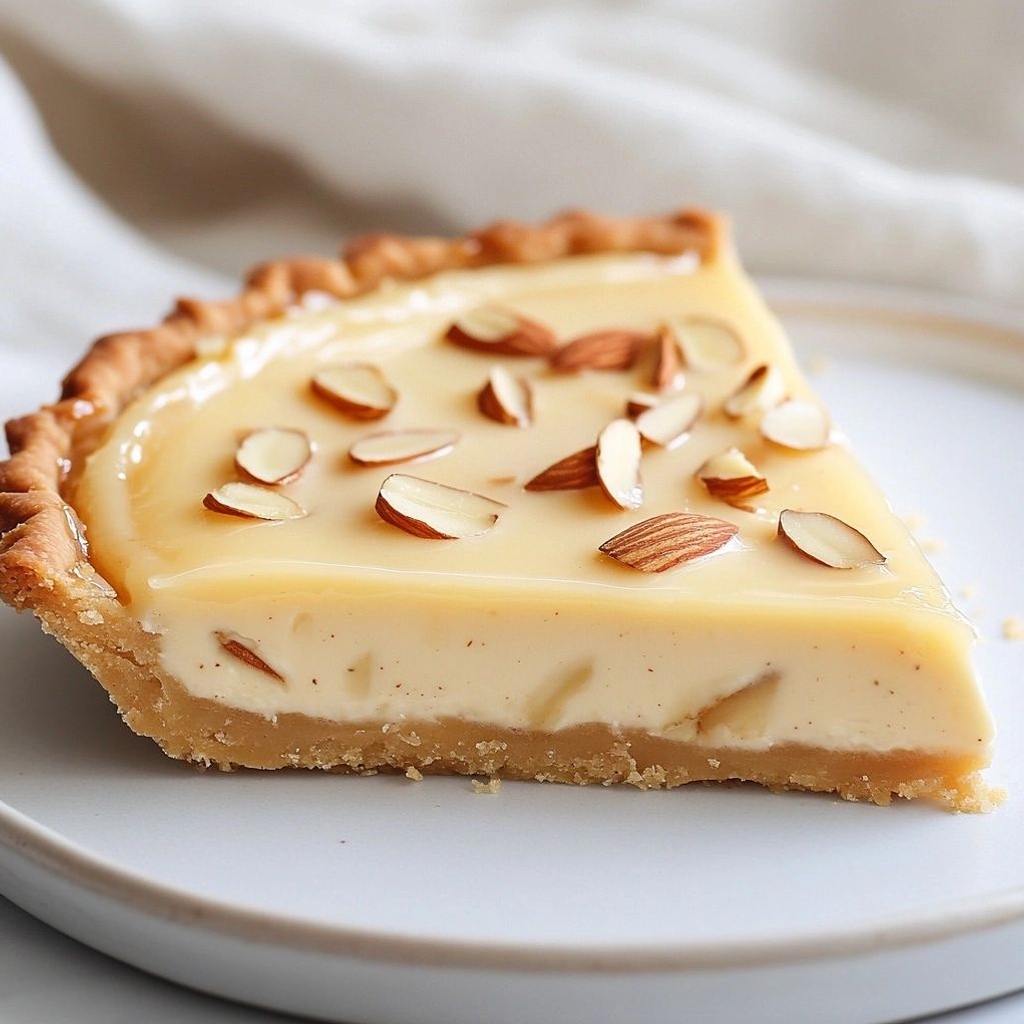
These almond cream tart are naturally gluten-free when the crust is made with almond flour and gluten-free flour alternatives if chosen. They deliver a rich, buttery almond flavor with a silky frangipane filling that bakes to a light, custard-like center and a crisp edge from the almond crust.
For the crust, use finely ground almond flour for a smooth, tender base. If you’d like a slightly crisper crust, you can blend in 1–2 tablespoons of rice flour or fine breadcrumbs. Chill the dough briefly before rolling and roll between parchment sheets to prevent sticking. If you’re avoiding gluten entirely, substitute the all-purpose flour with a gluten-free blend plus a pinch of xanthan gum and adjust moisture as needed.
The almond cream filling benefits from room-temperature butter and eggs beaten until pale and fluffy. Ensure the butter is softened to avoid a grainy texture, and whisk eggs to emulsify smoothly. If you’re dairy-free, substitute butter with a high-quality neutral-fat like coconut oil or a dairy-free butter substitute, noting it will alter the flavor slightly. For a lighter texture, you can whisk in a tablespoon of cream or milk alternative at the end and avoid overmixing once the eggs are added.
To finish, brush a glaze of apricot jam thinned with a little water for a glossy shine and delicate sweetness. If you prefer a more intense glaze, warm the jam gently and strain to remove fruit bits for a smoother surface. Toasted sliced almonds on top add a fragrant crunch; cool the tart completely before adding them to prevent sogginess.
Make-ahead and storage: The tart can be baked, cooled, and stored covered in the refrigerator for up to 2 days. The frangipane freezes well when baked and cooled; wrap tightly and thaw completely before glazing. Serve with a dollop of softly whipped cream, a light dusting of powdered sugar, or a simple berry compote for a balanced dessert. If you’re watching sugar, reduce the glaze or the sugar in the filling to suit your taste while maintaining structure and moisture.
Tips
- Chill the crust dough well before rolling. A cold dough helps maintain shape and prevents shrinking during baking. If the dough cracks while rolling, let it rest 10 minutes at room temp, then resume between parchment sheets.
- Roll the crust between parchment sheets to avoid sticking and excessive flour, which can toughen the crust. If it tears, patch with extra dough and chill briefly.
- When mixing the crust, add the egg yolk and cream in small portions just until the dough comes together. Overworking will develop gluten in the AP flour, making the crust dense.
- Blind bake the crust partially to set it before adding the almond cream. Use pie weights or dried beans covered in parchment to keep the crust from puffing, and bake until the edges are lightly golden.
- For a dairy-free crust, substitute the butter with a high-quality vegan butter or coconut oil blend, and monitor moisture to prevent crumbling.
- Finely ground almonds in the filling create a smoother frangipane. If you only have almond meal, pulse briefly to reduce粗, but avoid turning it into paste.
- Room temperature butter is essential for the almond cream. If your butter is too cold, the mixture will look curdled; if too warm, it may separate. Beat until pale and fluffy for best texture.
- Beat the sugar with the butter for several minutes to trap air and create a light, airy filling. This helps the frangipane rise slightly during baking and set with a creamy texture.
- Eggs should be at room temperature for emulsification. If you’re substituting eggs, choose a solution that maintains moisture and binding without altering the texture drastically.
- Gently fold in the dry ingredients to the wet mixture to preserve air in the batter. Overmixing can yield a dense filling.
- Warm the apricot jam slightly and strain before glazing to avoid lumps in the glaze. A smooth glaze ensures a shiny, even finish on the tart.
- Add the lemon zest to the filling just before the final mix for maximum brightness. Too much zest or zest from bitter citrus can overpower the almond flavor.
- For a glossier glaze, brush a thin layer of glaze while the tart is warm, then let it set completely. If you prefer a matte finish, skip the glaze or use a very light brushing after it cools.
- To prevent sogginess from the topping, toast the sliced almonds until deeply golden and cool completely before sprinkling on top after glazing.
- Serve the tart slightly warm or at room temperature to appreciate the contrast between the creamy filling and the crisp crust. A scoop of vanilla ice cream pairs beautifully if you like a dessert with contrast.
- Store leftovers covered in the refrigerator for up to 3 days. Bring to room temperature before serving for best flavor and texture.
FAQ
What is an Almond Cream Tart?
An Almond Cream Tart combines a buttery tart crust with a rich almond cream filling (frangipane) and often a layer of jam or fresh fruit on top. It’s a classic, elegant dessert with almond flavor and a tender texture.
What ingredients are needed for the crust?
Common crust ingredients include all-purpose flour, butter, sugar, an egg (or water) for binding, and a pinch of salt. You can also use almond flour for a nuttier flavor or substitute with a gluten-free mix if needed.
What is in the almond cream filling?
The almond cream (frangipane) typically contains butter, sugar, eggs, almond meal (ground almonds) or almond flour, and a little flour or cornstarch. Optional flavorings include vanilla, almond extract, and a splash of rum or brandy.
Can I make this tart gluten-free?
Yes. Use a gluten-free tart crust recipe or a combination of gluten-free flour and a small amount of xanthan gum if needed. For the filling, almond meal is naturally gluten-free, but ensure all ingredients (like vanilla extract and flour) are labeled gluten-free.
Can I make this tart dairy-free?
Yes. Substitute butter with a dairy-free butter substitute or melted coconut oil. For a slightly different texture, you can use cashew cream or coconut cream in place of dairy ingredients, keeping in mind the flavor changes.
Can I bake this tart ahead of time?
Yes. Bake the crust and par-bake it if the recipe calls for it, then fill later with almond cream. You can also bake the full tart and refrigerate; reheat gently before serving to re-soften the crust.
How should I store leftovers?
Store in an airtight container in the refrigerator for up to 3–4 days. For longer storage, freeze the tart (without fresh fruit toppings) for up to 1–2 months; thaw in the fridge and bring to room temperature before serving.
Can I customize the topping?
Yes. Popular toppings include apricot jam under the almond cream, sliced fruit (pears, apples, berries), or a glaze. You can also dust with powdered sugar or drizzle melted chocolate for extra flair.
What are common mistakes to avoid?
Avoid overworking the dough, which can make it tough. Blind-bake the crust if the recipe requires it to prevent a soggy base. Ensure the filling doesn’t overcook; bake until just set and lightly golden at the edges.