Introduction / Hook
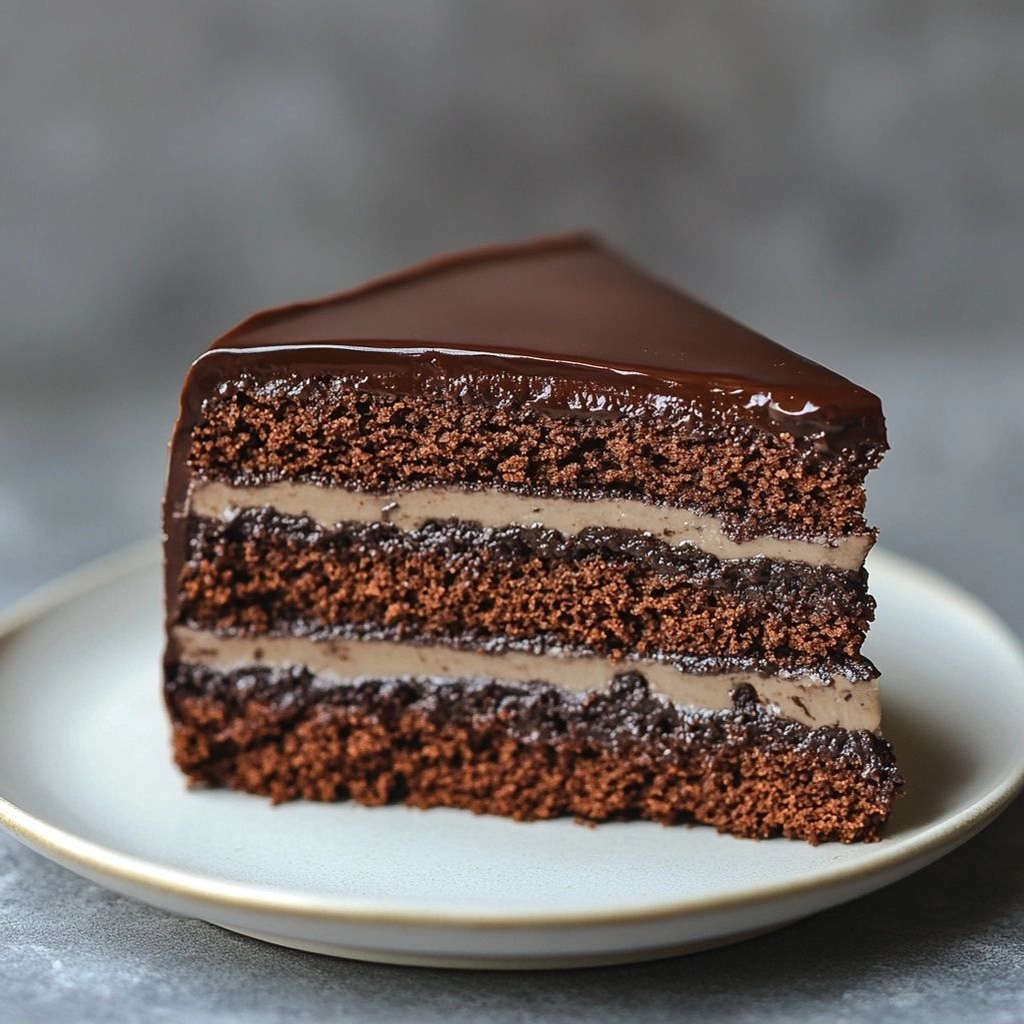
Imagine a cake that feels like a decadent dessert yet carries a whisper of sunshine and a silken, almost cloud-like interior. A chocolate ricotta cake is that rare creature: rich in cocoa depth, buoyant with the lightness of fresh cheese, and tempered with a delicate sweetness that does not shout but softly enchants. As you cut into it, the knife glides through a tender crumb that hints at both bakery finesse and home-baked warmth. The aroma alone—molten chocolate mingled with a subtle dairy note and a hint of vanilla—creates an irresistible invitation: a moment where comfort meets celebration. This is a dessert that makes ordinary afternoons feel special, and it pairs beautifully with a cup of black coffee, a glass of dessert wine, or a simple scoop of vanilla ice cream that melts lazily into the warm slice. In short, it’s the kind of cake you crave when you want something indulgent yet approachable, elegant enough for guests and forgiving enough for busy weeknights.
The Story Behind the Dish
Ricotta turning up in a chocolate cake might sound like a modern twist, but the idea of using fresh cheese to add moisture and tenderness has deep roots in Italian-inspired baking. Ricotta is a humble, everyday ingredient—soft, grainy, and rich—that has long been employed in desserts to inject a creamy texture without making the batter heavy. Chocolate, of course, has a storied place in Italian dessert traditions too, from sumptuous tortes to the treasured crostata. When these two elements meet, they create a cake that carries a sense of coastal warmth and rustic charm. The concept of folding ricotta into a chocolate batter began appearing in pastry journals and family recipes as a way to achieve a cheesecake-like silkiness without the tang of sour cream or yogurt, while maintaining a moist crumb that stays fresh for days. This particular rendition celebrates that union: a cake that honors classic chocolate flavor while embracing the soft, almost custardy mouthfeel that ricotta provides. It’s the kind of recipe you might imagine an Italian grandmother sharing with neighbors after Sunday meals, a loaf passed from kitchen to kitchen like a cherished heirloom, each tasting note carried forward with smiles and stories.
Why You’ll Love This Recipe
- Extremely moist and tender: The ricotta acts like a moisture reservoir, resulting in a crumb that stays soft for days.
- Intensely chocolatey without being cloying: Rich cocoa flavors balanced with a touch of sweetness and a hint of vanilla.
- Bright yet comforting: The cake feels indulgent but not heavy, making it perfect for celebrations and everyday treats alike.
- Versatile and forgiving: Adaptable to different pan sizes, textures, and flavor tweaks without losing its magic.
- Simple pantry-friendly ingredients: Requires common staples that you likely already have on hand.
- Perfect for make-ahead: The flavor deepens after a day, and the texture remains luxurious when stored properly.
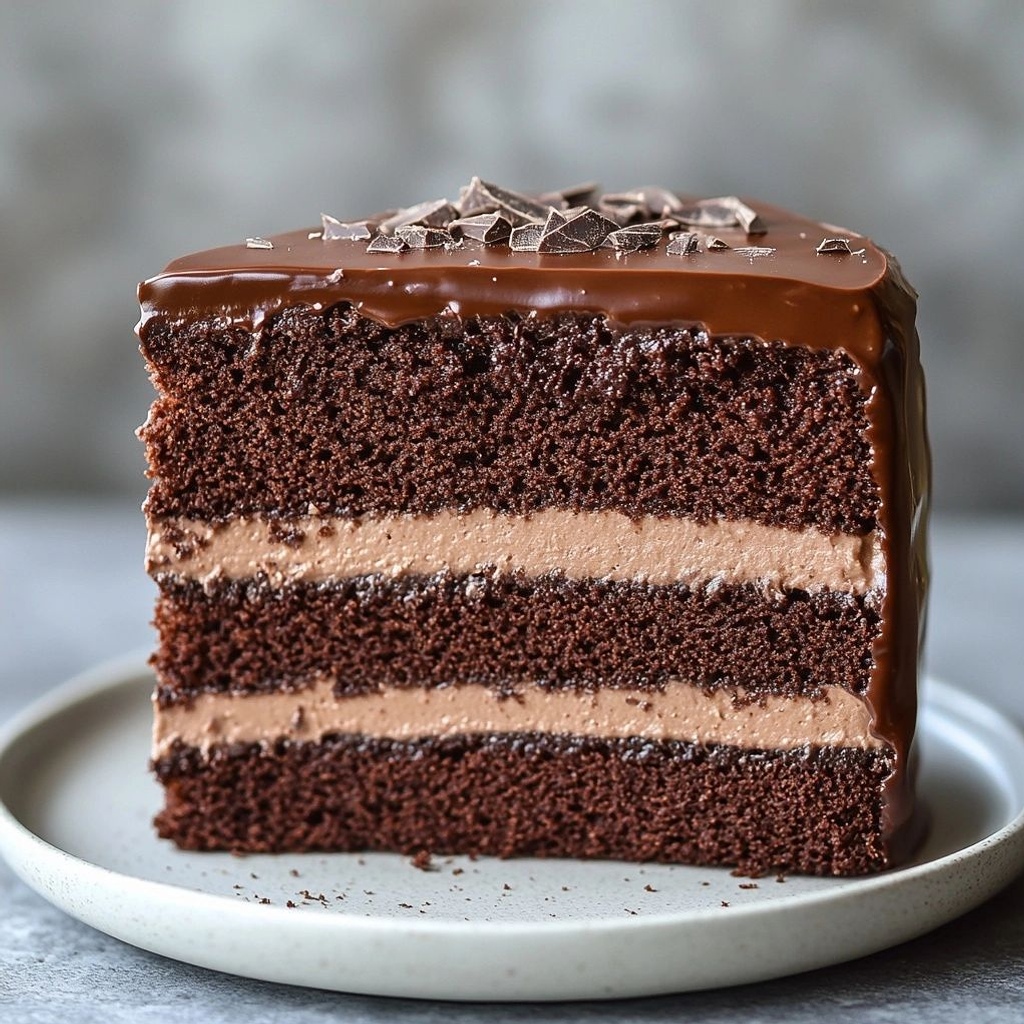
- Elegant presentation: A slice reveals a glossy, glossy surface with a gentle crack that signals a perfect bake.
Flavor Profile & Texture
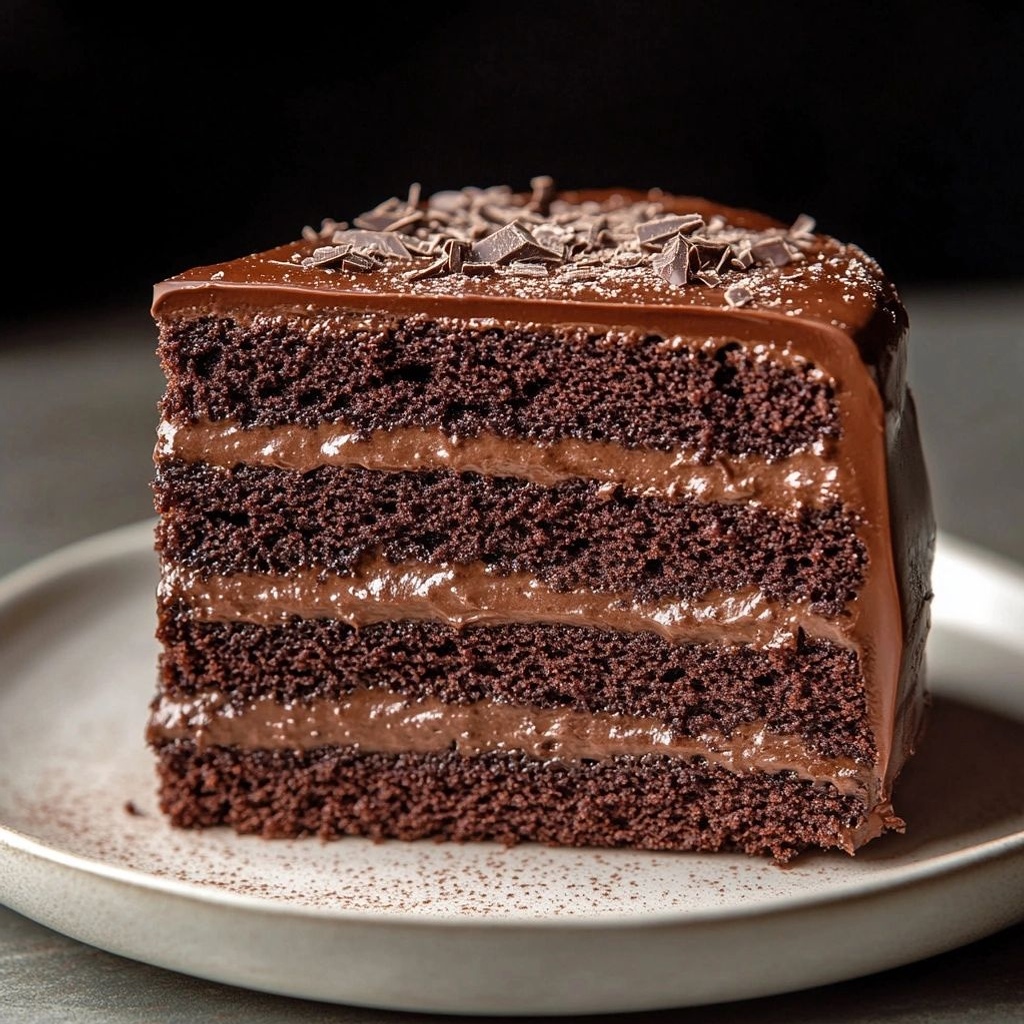
The chocolate ricotta cake offers a symphony of sensory experiences. The initial bite releases a depth of chocolate that feels velvety and almost satin-like on the palate, a result of high-quality cocoa and the emulsifying effect of ricotta. There is a subtle sweetness that never overpowers, letting the cocoa’s natural bitterness peek through, especially at the finish. The ricotta adds a creamy, almost custard-like center that contrasts pleasantly with the crumb’s delicate structure, creating a satisfying mouthfeel that lingers. A whisper of vanilla and a pinch of salt help to elevate the flavor, making the chocolate seem more vibrant and the overall dessert more balanced. Depending on the cocoa you choose—Dutch-processed for a deeper, smoother chocolate or natural for a more vigorous chocolate profile—the cake can tilt toward a refined European depth or a rustic, homey chocolate experience. The texture is a delight: tender, moist, and crumb-coated with a faint, inviting surface contrast that barely gives way under the knife, revealing an interior that’s both light and substantial at the same time. If you love a cake that feels indulgent but not heavy, this is it. The ricotta’s dairyiness contributes a gentle fat content that gives the crumb an almost pillowy sparkle, while the cocoa notes provide a satisfying edge that keeps things interesting from the first bite to the last crumb.
Occasions & Pairings
This cake shines in a variety of settings. For everyday indulgence, it pairs wonderfully with a mug of strong coffee in the morning or afternoon, letting its richness be tempered by a hot beverage. For gatherings, it presents beautifully on a dessert table, perhaps with a light dusting of powdered sugar, a dollop of chantilly cream, or a fruit compote to brighten the chocolate with a touch of acidity. It also stands up beautifully to a drizzle of berry coulis or a kiss of espresso syrup for a café-style finish. Consider serving with:
- Vanilla ice cream or whipped cream to soften and balance the richness.
- A strawberry or raspberry coulis for a tart contrast that cuts through the sweetness.
- Fresh berries or a caramelized orange segment to introduce a bright, citrusy note.
- A glass of port, ruby wine, or a late-harvest dessert wine to amplify the dessert’s opulence.
- Simple coffee or a bold black tea to harmonize with the cocoa.
Occasion-wise, this cake is a versatile staple. It’s perfect for weekend family dinners, holiday desserts, and celebratory moments like birthdays or anniversaries where you want something that feels special but not fussy. It also serves well as a thoughtful, homemade gift for a neighbor or host, packaged with a ribbon and a note about its soft, comforting textures. The cake’s elegance makes it suitable for more formal dinners, while its approachable flavors keep it friendly and accessible for cooks of all levels.
Tips, Variations & Substitutions
Here are practical ways to tailor the cake to your taste, dietary needs, or whatever you have on hand:
- Texture tweaks: If you prefer a denser crumb, use a tad more ricotta (up to 1/4 cup) and slightly reduce liquid. For a lighter crumb, whisk the batter a bit more to incorporate air.
- Chocolate intensity: Use a mix of cocoa powders (Dutch-processed for depth and natural for brightness) or add a small amount of espresso powder to intensify chocolate flavor without adding coffee flavor.
- Ricotta options: Full-fat ricotta yields the richest texture. If you want a lighter version, blend part-skim ricotta with a bit of yogurt to approximate the same creaminess.
- Gluten-free option: Use a gluten-free all-purpose flour blend with an extra tablespoon of almond flour or cornstarch to maintain moisture and tenderness. Ensure your mix is suitable for baking to avoid crumbly texture.
- Vegan adaptation: Replace ricotta with a silken tofu blended with a little plant-based milk and lemon juice to mimic the tang and creaminess, and use a dairy-free chocolate substitute.
- Flavor twists: Add a pinch of cinnamon or orange zest for a warm, aromatic note. A teaspoon of espresso powder can intensify the chocolate without making the cake taste like coffee.
- Nutty variation: Fold in finely chopped toasted almonds or hazelnuts for added texture and flavor complexity.
- Alcohol option: A tablespoon of coffee liqueur or cocoa liqueur can deepen the chocolate dimension if you’re serving the cake to adults.
- Serving textures: For a dramatic finish, serve with a light dusting of cocoa powder, edible gold leaf for a festive touch, or a glaze made from melted chocolate and a whisper of cream (if you’re not keeping this dairy-free).
Storage & Make-Ahead Ideas
One of the joys of this cake is its makable-ahead friendliness. The flavors meld and mellow as the cake rests, making it a superb option for meal planning or hosting. Here are practical storage tips and ahead-of-time ideas:
- Room temperature: Store tightly wrapped or in an airtight container for up to 2 days. The cake remains moist and fresh due to the ricotta’s moisture.
- Refrigeration: If you need to keep it longer, refrigerate for up to 5 days. Bring slices to room temperature before serving for the best texture and aroma.
- Freezing: Freeze whole or in slices, wrapped securely to prevent freezer burn, for up to 2 months. Thaw overnight in the refrigerator and let come to room temperature before serving for optimal texture.
- Make-ahead strategy: Bake the cake a day in advance, wrap well, and refrigerate. Bring to room temperature before serving. The flavors often deepen after resting, making the first slice even more inviting.
- Glaze or topping: If you plan to add a glaze, apply it just before serving to preserve the shine and prevent sogginess in the storage period.
Fun Facts & Trivia (Optional)
Chocolate and dairy have a long-standing, harmonious relationship in desserts. The combination of cocoa and ricotta offers a unique science-backed benefit: ricotta adds moisture and a slight fat content that helps carry fat-soluble flavors, giving the chocolate a more rounded mouthfeel. The cake’s delicate rise comes from eggs and ricotta providing structure, while the cocoa contributes a color depth that makes the slice appear almost jewel-like. A well-made chocolate ricotta cake is a celebration of balance—luxurious yet approachable, rustic yet refined. In the broader culinary world, cheese in sweets is a tradition that appears in many cultures, often in the form of cheesecake variants, ricotta-filled pastries, or baked cheesecakes where dairy lightness counters the intensity of sugar and chocolate. This particular recipe nods to that tradition while offering a modern, lighter texture that suits contemporary cravings for something that’s indulgent but not heavy. As you share this cake with friends and family, you’re participating in a small, delicious ritual that spans continents and generations—a sweet thread tying meals and memories together.
Ingredients
- Makeshift Cake Base
– 1 1/2 cups all-purpose flour (or 1 cup AP + 1/2 cup almond flour for nuttier texture)
→ This forms the structure of the cake. All-purpose flour provides gluten to trap air and create a tender crumb; replacing part with almond flour will add moisture and a subtle nuttiness. If using almond flour, do not replace entirely to avoid dense texture. Sift gently to remove lumps and ensure even mixing. - Ricotta
– 1 cup whole-milk ricotta (well-drained)
→ Ricotta adds moisture and a creamy, soft crumb without needing excessive butter or oil. Ensure the ricotta is well-drained to prevent a soggy batter; you can whisk it with a splash of milk to loosen if very thick. For a richer cake, use part-skim with a touch more cream. - Cocoa Powder
– 1/2 cup unsweetened cocoa powder (Dutch-processed preferred)
→ Provides the chocolate flavor base and dark color. Dutch-processed cocoa is smoother and less acidic, which helps with a balanced rise and tenderness. Sift with flour to prevent gritty pockets and ensure even distribution. - Granulated Sugar
– 3/4 cup granulated sugar
→ Sweetness and helps with browning and crumb formation. If you prefer a less sweet cake, reduce by a few tablespoons. Creaming or blending sugar with ricotta helps incorporate air for a lighter crumb. - Eggs
– 3 large eggs (room temperature)
→ Eggs provide structure, moisture, and emulsification. Room-temperature eggs mix more evenly with dairy and flour, creating a smoother batter that rises uniformly. If using cold eggs, temper them briefly with a small amount of warm batter before combining. - Light Vegetable Oil or Neutral-Tavored Oil
– 1/4 cup neutral oil (such as canola or grapeseed)
→ Oil adds tenderness and moisture, helping to keep the crumb soft. Using a neutral oil prevents strong flavors from competing with chocolate and ricotta. Whisk it in gradually to avoid separating the batter. - Milk
– 1/2 cup whole milk (or dairy-free alternative)
→ Milk adds liquid balance to wet ingredients and helps activate leavening. If using dairy-free milk, choose one with a touch of fat (almond or oat) to maintain moisture; warm slightly if the batter seems stiff. - Vanilla Extract
– 1 teaspoon pure vanilla extract
→ Enhances chocolate and ricotta flavors, enriching the overall aroma. Use a high-quality extract or, for a deeper note, vanilla bean paste. Avoid artificial vanilla if possible for best depth. - Baking Powder
– 1 1/2 teaspoons baking powder
→ Leavening agent that helps the cake rise and stay light. Sift with dry ingredients to prevent lumps and ensure even distribution. Do not substitute baking soda unless accompanied by an acid in the batter. - Salt
– 1/4 teaspoon fine sea salt
→ Balances sweetness and enhances chocolate flavor. Salt also tightens the crumb by strengthening the gluten network slightly; adjust sparingly if using very salty ricotta. - Optional Add-ins
– 1/2 cup semisweet chocolate chips or chunks
→ Adds bursts of melted chocolate and a richer chocolate experience. Fold in gently to avoid overpowering the ricotta’s creaminess; keep chips evenly distributed for every slice. - Powdered Sugar (for dusting)
– 2 tablespoons powdered sugar (optional)
→ Finishing touch that lightens the top and adds a delicate sweetness. Dust just before serving to maintain a clean, cloud-like appearance. If serving with ganache, skip this to avoid excess sweetness. - Chocolate Ganache (for glaze)
– 1/2 cup heavy cream
→ Cream creates a luscious glaze that complements the cake’s richness. Heat gently until steaming, then pour over warm cake to allow it to set into a glossy layer. For a thicker glaze, increase cream slightly or add more chocolate; for a thinner glaze, use less cream. - Dark Chocolate
– 4 ounces (115 g) dark chocolate, chopped
→ Melts into the ganache or can be folded into the batter for ribbon-like chocolate pockets. Use 70% cacao or higher for depth. Melt with a small amount of cream to create a smooth ganache base, then combine with the rest of the ganache ingredients. - Butter (optional for ganache)
– 1 tablespoon unsalted butter (optional)
→ Adds gloss and a richer mouthfeel to the ganache. If using, whisk into the warm ganache until fully smooth. For a dairy-free alternative, use coconut milk and dairy-free chocolate.
Instructions
- Preheat your oven to 350°F (175°C) and grease a 9-inch round cake pan with butter or nonstick spray, then line the bottom with parchment if available to guarantee easy release.
→ A hot, prepared pan prevents sticking and ensures the cake releases cleanly for a neat slice. - Sift together the all-purpose flour (or the AP and almond flour mixture), cocoa powder, baking powder, and salt, then set aside to ensure even distribution of leavening and flavor.
→ Sifting breaks up clumps, enriches the crumb, and prevents floury pockets that would dull the chocolate flavor. - Drain the ricotta well in a fine-mesh sieve for about 15 minutes, then whisk it with the milk to loosen it to a smooth, pourable consistency.
→ Well-drained ricotta prevents a heavy, dense batter and the milk loosens it for even incorporation without lumps. - Whisk the eggs with granulated sugar until the mixture is pale, thick, and light in volume, using a whisk or mixer on medium-high for about 2–3 minutes.
→ This aeration helps trap air for a lighter crumb and helps the emulsion with the oil and ricotta for a tender cake. - In a large bowl, whisk the blended ricotta mixture with the oil and vanilla until completely unified and glossy, then slowly whisk in the warm milk.
→ Emulsification distributes fat evenly, contributing to a moist crumb and preventing separation of dairy from the oil. - Gently fold the dry ingredients into the wet mixture in three additions, using a spatula with a light hand to avoid overworking the batter.
→ Gentle folding preserves the air you built in the prior steps and yields a tender, evenly risen cake. - If using optional add-ins, fold in the semisweet chocolate chips or chunks after the batter is cohesive, ensuring they are evenly distributed without overmixing.
→ Even distribution provides chocolate pockets in each slice without sinking to the bottom. - Pour the batter into the prepared pan and smooth the top with a spatula, tapping the pan on the counter a few times to release any large air bubbles.
→ Levelling and bubble removal promote an even bake and uniform crumb throughout the cake. - Bake in the center of the oven for 28–34 minutes, or until a toothpick inserted into the center comes out with a few moist crumbs attached.
→ This range allows for oven variability; testing with crumbs prevents overbaking which would dry the ricotta cake. - Cool the cake in the pan on a rack for 10–15 minutes, then invert onto a rack to cool completely before glazing.
→ Partial cooling in pan helps set the structure for easy release, while full cooling prevents the ganache from melting excessively when applied. - Meanwhile, prepare the ganache by heating the heavy cream just to a simmer, then removing from heat and adding the chopped dark chocolate, stirring until smooth; whisk in the optional butter until glossy.
→ Gentle heating melts the chocolate without scorching, and butter adds sheen and a richer texture to the glaze. - Pour the ganache over the cooled cake in a slow, steady stream, tilting the cake to create an even glossy layer that drapes over the sides.
→ A warm cake accepts the ganache well and yields a clean, aesthetic finish without tearing the crumb. - Dust the top with powdered sugar just before serving if desired, or slice and serve with a small bowl of extra ganache on the side for dipping.
→ Powdered sugar adds a delicate finish, but ganache provides a lush, chocolatey contrast that enhances the overall flavor profile.
Notes
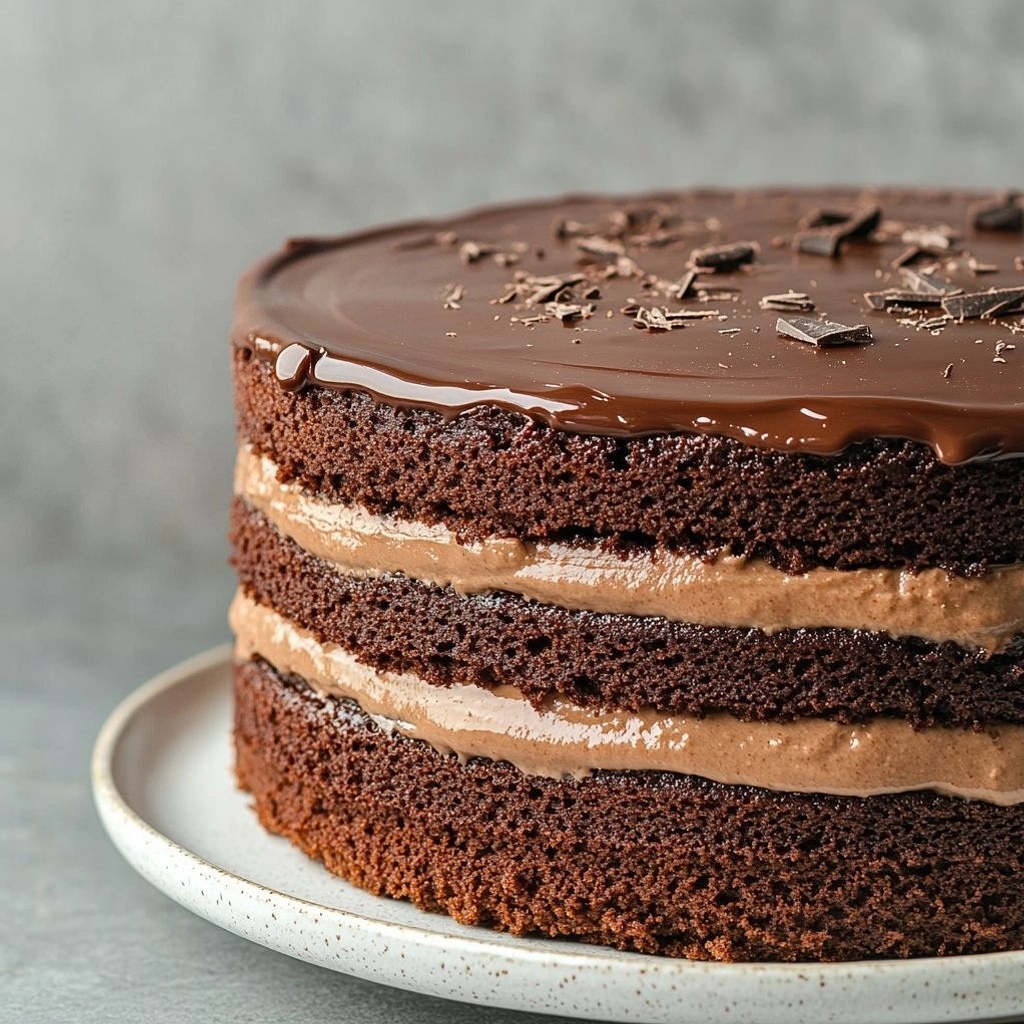
This chocolate ricotta cake is a rich, moist dessert built on a blend of creamy ricotta, cocoa, and a tender crumb. You can customize it by swapping in part almond flour for a nuttier texture, adding chocolate chips, or infusing a hint of espresso for a deeper chocolate note. It freezes well when sliced, making it easy to portion for future cravings. For a glossy finish, drizzle with ganache while the cake is still warm. Always ensure your flour and baking powder are fresh, and if you have gluten intolerance, use a certified gluten-free flour blend and confirm that your baking powder is gluten-free.
Tips
Tips for Chocolate Ricotta Cake
- Prepare your pan properly: grease the pan and line the bottom with parchment for easy release and a clean, flat bottom slice.
- Drain ricotta well: wrap the ricotta in a clean towel or cheesecloth and press gently to remove excess moisture; this helps prevent a soggy batter and helps the cake rise evenly.
- Temperature matters: use room-temperature eggs and ricotta to ensure smooth, even mixing and a uniform crumb. If your ingredients are cold, give them a few minutes to warm up before mixing.
- Sift dry ingredients: sift flour, cocoa powder, baking powder, and salt together. This prevents lumps, ensures even distribution, and helps the cake rise consistently.
- Mixing method: cream sugar with ricotta briefly to aerate the batter, then fold in the dry ingredients and liquids in alternating additions to maintain tenderness without overworking the gluten.
- Gradual oil addition: add the oil in a slow, steady drizzle while whisking to emulsify and keep the crumb ultra-tender.
- Flavor balance: toast the cocoa powder lightly for a richer chocolate note before measuring, and consider a pinch more vanilla if you like a deeper aroma.
- Don’t overbake: bake until a toothpick inserted near the center comes out with a few moist crumbs; this cake is best slightly underbaked for a fudgy center.
- Cool properly: let the cake cool in the pan for about 15 minutes, then transfer to a rack to cool completely before glazing or dusting with powdered sugar.
- Ganache timing: heat cream until steaming but not boiling; pour evenly over a warm cake for a glossy, balanced glaze. If ganache separates, whisk gently over low heat until smooth.
- Optional add-ins: fold in chocolate chips or chunks gently at the end to keep even distribution without sinking to the bottom.
- Storage and serving: cover and refrigerate leftovers for up to 3–4 days; bring to room temperature before serving for the best texture. This cake also freezes well for up to 2 months if tightly wrapped.
FAQ
What is Chocolate Ricotta Cake?
A moist, dense cake that combines smooth ricotta cheese with rich cocoa to create a fudgy, tender crumb. It often has a subtle nuttiness from almond flour and pairs well with chocolate ganache or dusted cocoa.
What ingredients do I need?
Can I make it gluten-free?
Yes. Use almond flour or a gluten-free flour blend in place of all-purpose flour. Ensure your ricotta and other ingredients are gluten-free. You may need to adjust moisture slightly depending on the flour type.
Is ricotta cheese important, or can I substitute?
Ricotta is key for the cake’s moist, tender texture and mild flavor. You can substitute part of the ricotta with cream cheese for a tangier finish, or use strained Greek yogurt in part, but results will differ from the traditional texture.
How do I ensure the cake stays moist?
Use full-fat ricotta, don’t overmix the batter, and avoid overbaking. Bake until a toothpick comes out with a few moist crumbs. You can brush the top with a syrup or glaze to add moisture if desired.
What size pan should I use?
A 9-inch (23 cm) round cake pan or an 8-inch pan works well. Lightly grease and line with parchment for easy release. Adjust bake time slightly if using a different pan size.
How do I store leftovers?
Store covered in the refrigerator for up to 4 days. You can freeze slices wrapped tightly for up to 2–3 months. Bring to room temperature or warm gently before serving.
Can I make this cake dairy-free?
Yes, use lactose-free ricotta and dairy-free butter or oil, and ensure any chocolate used is dairy-free. Some texture differences may occur.
What toppings pair best with Chocolate Ricotta Cake?
Options include cocoa powder dusting, powdered sugar, fresh berries, a light chocolate ganache, whipped cream, or a drizzle of chocolate syrup. A simple espresso glaze also complements the chocolate flavor nicely.