Introduction / Hook
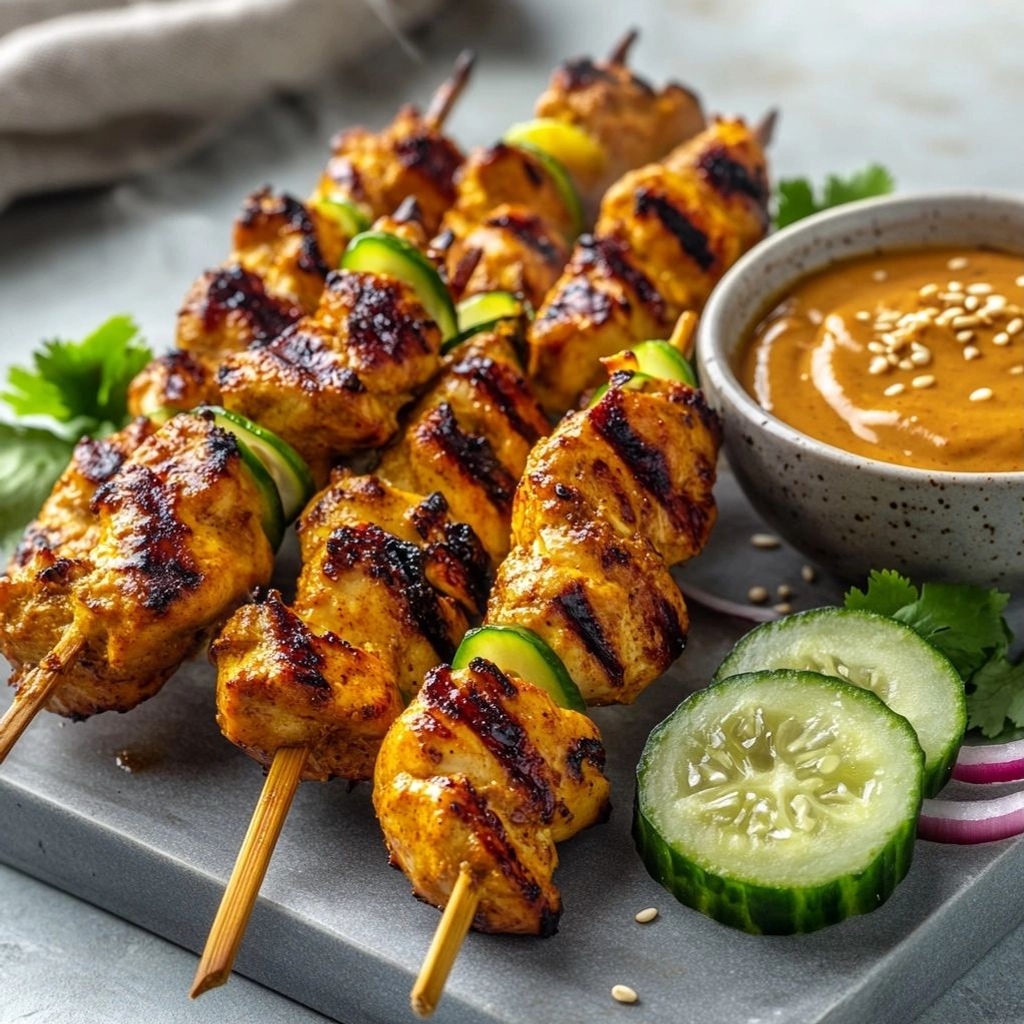
Imagine skewers blistered to a caramelized mahogany, the scent of toasted peanut and warm coconut wafting through the kitchen, and every bite delivering a bright kiss of lime and a gentle tug of aromatic lemongrass. Indonesian chicken satay is not just a dish; it’s a celebration of simplicity and depth in harmony. The chicken, marinated in a chorus of spices, becomes tender and juicy, while the peanut sauce—creamy, savory, a touch sweet—transforms each bite into a small, glossy moment of bliss. This beloved street-food-turned-family-favorite is the kind of recipe that makes weeknights feel like a festival and dinners feel like a shared memory. It’s comfort with a kick, elegance with a wink, and a universal appeal that travels far beyond its Southeast Asian roots.
The Story Behind the Dish
Satay, in its many forms, has a story as diverse as the Indonesian archipelago itself. While some trace its origins to Java, others point to the influence of neighboring Malaysia and Thailand, all converging on a simple concept: skewered meat grilled over charcoal. The method likely emerged as a practical way to prepare lean cuts—thin slices or bite-sized morsels—that cook quickly and stay juicy when kept close to the heat. Over centuries, different regions developed their own marinades, spice blends, and sauces, creating a vibrant atlas of satay varieties.
In Indonesia, satay is celebrated as a street-food staple that travels from humble carts to festive celebrations. Each vendor might offer a signature spice mix: a fragrant blend that may include coriander, cumin, turmeric, white pepper, and a whisper of nutmeg, sometimes accented with candlenut for a richer mouthfeel. The grilling technique—skewered meat brushed with oil or marinade and cooked over an open flame—imparts a smoky sweetness that is irresistible. Peanut sauce, often a foundation of crushed peanuts, spices, and palm sugar, became the iconic pairing, elevating the dish into a complete meal rather than a mere appetizer.
Generations of cooks have refined satay for home kitchens: marinating to coax tenderness, soaking up heady flavors, and mastering the art of the kiss of heat from the grill. Indonesian chicken satay, in particular, is a crowd-pleasing bridge between rustic, everyday cooking and the lantern-lit charm of a festive table. It invites social dining—friends gathered around skewers, sharing stories, laughing, and dipping into a glossy bowl of sauce. The beauty of this dish lies in its balance: the chicken remains juicy and light, while the sauce brings depth, a gentle sweetness, and a bright acidity that brightens every bite.
Why You’ll Love This Recipe
- Quick and approachable: A flavorful marinade that smartly tenderizes chicken, followed by a quick grill or broil.
- Flavor-forward without being overpowering: Aromatic herbs and spices align with a luscious peanut sauce, creating a harmonious profile.
- Versatile: Great as an appetizer for gatherings or a main course served with rice or salad.
- Family-friendly: Soft, succulent chicken on skewers appeals to both kids and adults, with an option to adjust heat.
- Impressive aroma: The grilling process releases a smoky fragrance that elevates the dining experience and makes it feel special with minimal effort.
- Make-ahead friendly: Marinate ahead of time and store the skewers for a quick weeknight meal.
- Customizable: The sauce can be adjusted from peanutty to more coconut-forward or spicy depending on preference.
Flavor Profile & Texture
Indonesian chicken satay presents a sensory trifecta: aroma, texture, and balance. The chicken itself is typically lean, so the marination does the heavy lifting—tenderizing the meat and infusing it with a warm, aromatic glow. Expect notes of coriander, cumin, turmeric, and a hint of sweet spice that harmonize with a slightly smoky edge from the grill. When the skewers meet the heat, the surface develops a delicate char, creating a subtle crunch that contrasts beautifully with the juicy interior.
The peanut sauce is the heartbeat of the dish. It is usually silky and thick, coaxed with ground roasted peanuts, coconut milk, a touch of tamarind or lime juice for brightness, and a hint of sweet palm sugar. Aromatics such as garlic, shallot, and chili create a layered warmth that lingers on the palate without overwhelming the chicken. The sauce’s texture should be creamy enough to cling to the skewers and silky enough to drizzle in a graceful arc onto rice or vegetables.
Texture interplay matters here: the tender meat against the smooth, nutty sauce, a whisper of smokiness from the grill, and the occasional crisp edge from the peanut glaze. When served with fresh accompaniments—cucumbers or a tangy pickled vegetable slaw—the dish gains a refreshing contrast that keeps it lively from bite to bite.
Occasions & Pairings
Indonesian chicken satay shines in many scenarios. It’s ideal for:
- Weeknight dinners that feel special: Quick to marinate, fast to grill, and satisfying enough to serve as a main event.
- Gatherings and celebrations: A playful, interactive dish that invites dipping and sharing.
- Barbecues and outdoor meals: Charred edges and smoky fragrance are amplified over charcoal.
- Holiday menus with an island twist: Pair with bright, fresh sides to balance richness.
Pair it with light, complementary sides to balance the richness of the peanut sauce:
- Steamed jasmine or basmati rice to soak up the sauce.
- Cucumber salad or sliced cucumber with a touch of rice vinegar to add a crisp, cooling contrast.
- Spiced pickles or quick-pickled vegetables for tang and brightness.
- Steamed vegetables like broccoli, green beans, or bok choy for color and nutrition.
- A crisp, fresh herb salad with cilantro, mint, and lime for herbal lift.
For beverages, consider:
- Thai iced tea or a light lager to complement the nutty sauce.
- Lime-based cocktails or non-alcoholic lime-lemon spritzes for a zingy balance.
Tips, Variations & Substitutions
Here are practical ideas to tailor Indonesian chicken satay to your pantry, dietary needs, or taste preferences:
Enhance the marinade with grated lemongrass, grated ginger, or a splash of tamarind juice for a tangy edge. A kiss of coconut milk in the marinade can add extra tenderness and a subtle tropical aroma. Control spiciness by adjusting fresh chilies or chili paste. For milder versions, remove seeds and membranes or swap to a milder chili powder. If peanut allergies are a concern, substitute with almond butter or cashew butter, or create a tahini-based sauce with lime, garlic, and a touch of honey for a different but equally luscious finish. Make a vegan version by using tofu or tempeh instead of chicken and ensuring the marinade and sauce are vegan-friendly with plant-based sweeteners. Add a pinch of ground coriander and a smear of ground roasted peanuts to the marinade for extra depth; incorporate palm sugar or jaggery for a deeper caramel note. Lamb, beef, or shrimp skewers can be delightful variations, each bringing its own texture and flavor to the same fragrant marinade and peanut sauce.
Storage & Make-Ahead Ideas
Satay is especially friendly to make-ahead planning. Here are practical strategies to keep flavor and texture at their best:
Prepare the marinade a day ahead and marinate the chicken for 6–24 hours in the refrigerator. The longer the marinade, the more infused the meat will be—without compromising tenderness. The peanut sauce can be made a day in advance and kept in the refrigerator. Reheat gently on the stovetop, thinning with a little warm water or coconut milk if needed. If serving later, hold the grilled skewers warm in a low oven (around 200°F / 90°C) on a wire rack over a tray to prevent sogginess from steam.
Flavor Pairings & Serving Suggestions
To make the dish sing, consider these complementary additions and presentation ideas:
- Serve with a bright squeeze of lime right at the table to awaken the peanut sauce’s flavors.
- Offer a small dish of chili-soy dipping sauce for guests who crave extra heat.
- Arrange skewers in a fan shape on a platter with fresh herbs sprinkled on top for color and aroma.
- Complement with a light cucumber-mint salad for a refreshing balance.
- Pair with a fragrant rice pilaf or aromatic coconut rice to enhance tropical notes.
Fun Facts & Trivia (Optional)
Satay is more than a recipe—it’s a cultural ambassador. Here are a few tidbits that illuminate its charm:
- Satay has traveled far beyond Indonesia and appears in various forms across Southeast Asia, the Middle East, and even parts of Africa, each region adding its own spice, technique, or sauce twist.
- Peanut sauce, a signature pairing, owes much of its popularity to the nut’s ability to harmonize with both sweet and savory elements—coconut milk, palm sugar, lime, garlic, and chile all balance beautifully with roasted peanuts.
- The art of grilling skewers over charcoal is an ancient technique that adds a smoky depth that is difficult to replicate with gas or electric grills alone.
- Many traditional satay sauces feature tamarind or lime for acidity, which brightens the dish and keeps the richness from feeling heavy.
- In Indonesia, satay is often served with lontong (compressed rice cakes) or nasi uduk (fragrant coconut rice), creating a festive, well-rounded meal even in everyday settings.
Conclusion / The Experience Awaits
Indonesian chicken satay is a dish that rewards curiosity, preparation, and hospitality. It invites you to engage with your senses: the sizzle of the grill, the waft of roasted peanuts, the gleam of a glossy sauce, and the laughter that comes with sharing a platter of skewers among friends and family. It is both comfort and celebration—a culinary passport in your own kitchen. Whether you’re cooking for a weeknight family dinner or a festive gathering, this dish offers warmth, character, and a touch of exotic charm that remains accessible to cooks at all levels. Embrace the journey from marinade to grill to sauce, and you’ll discover that Indonesian chicken satay is more than a recipe—it’s an invitation to slow down, savor, and create a memorable dining moment that lingers in the memory long after the last bite is gone.
Ingredients
Indonesian Chicken Satay
-
– 500–600 g boneless skinless chicken thighs, cut into 1–1.5 cm wide strips
→ The chicken thighs provide juicy, flavorful meat with enough fat to stay tender when grilled. Cutting into even strips ensures uniform cooking and easy skewering. If using breast meat, pound gently to even thickness to avoid drying out during grilling.
– 2 stalks lemongrass, finely minced or 1 tablespoon lemongrass paste
→ Lemongrass adds bright, citrusy notes that lift the marinade. If using paste, reduce extra liquid to keep the marinade from becoming too loose. Freshly minced stalks offer the best aroma and flavor release when grilled.
– 3 cloves garlic, minced
→ Garlic contributes pungent warmth and depth to the marinade. For milder flavor, mash to a paste with a pinch of salt to help distribute evenly. For a lighter profile, you can reduce to 2 cloves.
– 1 tablespoon grated fresh ginger
→ Ginger adds warmth and a subtle peppery sweetness that complements the peanuts and chili. Peel before grating to remove any tough fibers, ensuring a smooth marinade.
– 2 tablespoons light soy sauce (or tamari for gluten-free)
→ Provides salinity and helps season the chicken evenly. Balance with a touch of sugar so the strips caramelize nicely on the grill; avoid over-salting when using salted soy sauce.
– 1 tablespoon fish sauce (optional for deeper umami)
→ Adds a savory, slightly sea-like depth that complements peanut flavors. If avoiding fish sauce, substitute with an extra 1 teaspoon soy sauce plus a pinch of sea salt.
– 1–2 tablespoons brown sugar or palm sugar
→ Sugar helps with browning and a hint of sweetness that pairs with the satay’s spice. Adjust to taste; use palm sugar for a richer caramel note.
– 1 teaspoon ground coriander
→ Adds citrusy warmth and rustic Southeast Asian character. If you don’t have ground coriander, you can omit but it sweetens the background flavor nicely.
– 1/2 teaspoon ground C cumin
→ Provides earthiness that complements peanut sauce and lemongrass. Use fresh-ground or a good quality spice for best aroma.
– 1 tablespoon fresh lime juice
→ Bright acidity helps balance richness and tenderize slightly before grilling. Add just before skewering to keep a fresh tang in the final dish.
– 1 tablespoon neutral oil (like peanut or canola)
→ Keeps the chicken from sticking to skewers and helps form a glossy surface during grilling. Use an oil with a high smoke point to avoid burning on the grill.
– Bamboo skewers (soaked in water for 30 minutes)
→ Prevents skewers from burning on the grill and helps hold the chicken strips securely in place. Soak ahead of time to ensure they don’t splinter or scorch when heated.
– Optional optional: pinch of chili flakes or fresh red chili, sliced thin
→ Adds a personal heat level. If using fresh chili, include seeds for more heat; for milder flavor, remove seeds.
– Salt to taste (adjust after marinade rests)
→ The marinade blends salt from soy and fish sauce; taste once mixed and adjust with salt if needed after the chicken rests and before grilling.
Peanut Sauce
– 1/2 cup smooth peanut butter (natural, unsweetened if possible)
→ The peanut butter forms the creamy base of the sauce, delivering rich nuttiness and body. If using natural peanut butter with oil separation, whisk until smooth before combining with liquids.
– 3/4 cup coconut milk (or water for a lighter sauce)
→ Coconut milk adds velvety texture and a gentle sweetness. Use full-fat coconut milk for a creamier sauce; thin with water if you prefer a lighter consistency.
– 2 tablespoons soy sauce
→ Provides saltiness and depth that balances the peanut’s richness. If using low-sodium soy, taste and adjust with a touch more lime or sugar to balance.
– 1–2 tablespoons palm sugar or light brown sugar
→ Sweetness enhances the sauce and helps the flavors meld. Adjust to taste; palm sugar gives a more complex, caramelized note than white sugar.
– 1 tablespoon fresh lime juice
→ Adds bright contrast to the richness and helps cut through the nuttiness. Add gradually and taste to achieve a balanced tang.
– 1–2 teaspoons tamarind paste or 1 teaspoon white vinegar (optional)
→ Tamarind introduces a subtle sour note that brightens the sauce; if unavailable, a touch of vinegar can mimic this balance.
– 1 clove garlic, finely minced
→ Garlic intensifies the savory backbone of the sauce. Crush or mince very finely to ensure it blends smoothly and doesn’t seize into chunks when heated.
– 1 small piece of fresh red chili or 1 teaspoon chili paste (sambal)
→ Adds heat and depth; adjust to your preferred level of spiciness. For a milder version, omit or use milder chili paste.
– 1 teaspoon toasted sesame oil (optional for aroma)
→ A little sesame oil adds a toasty aroma and a slight nutty finish. Use sparingly, as it can overpower the sauce if added in excess.
– Water or additional coconut milk as needed to thin to dipping consistency
→ The sauce should be pourable yet thick enough to cling to skewered chicken. Add gradually until the desired consistency is reached.
Serving Extras
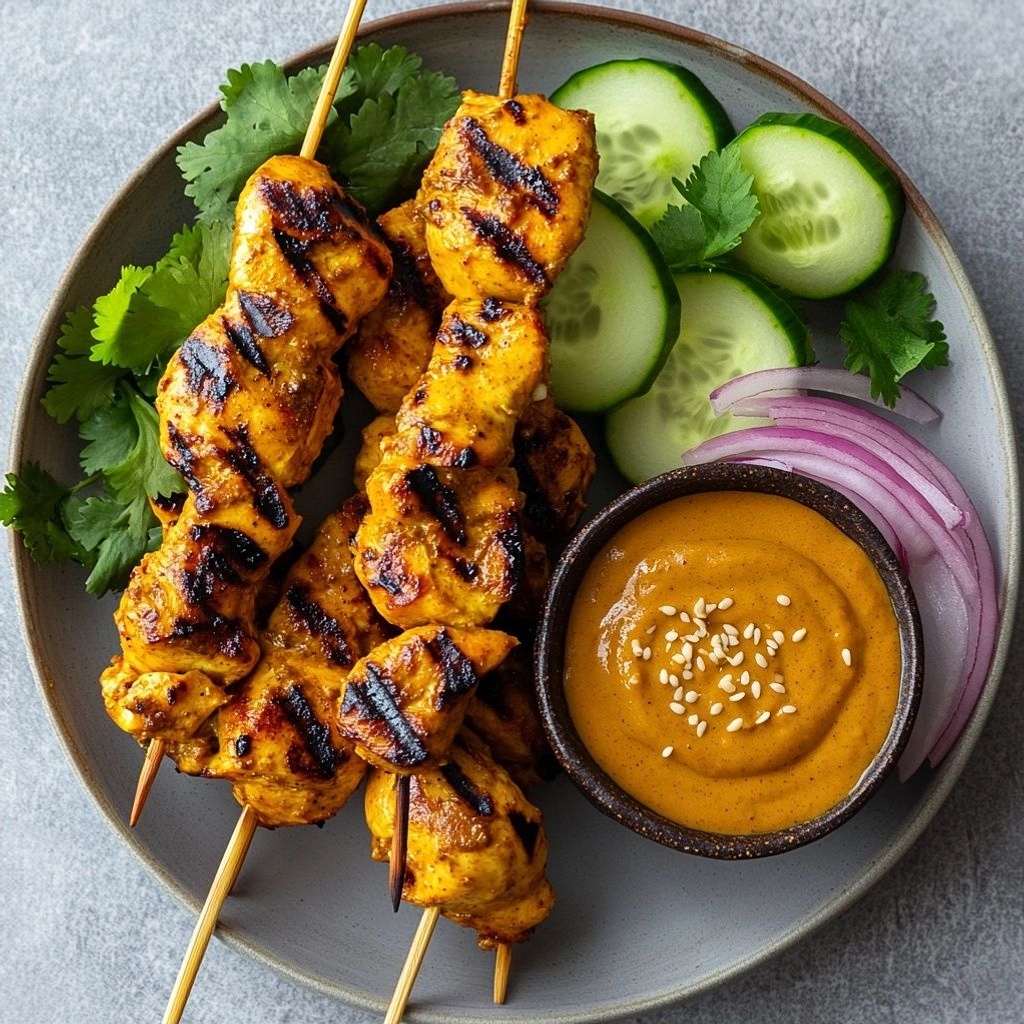
– Cucumber sticks, sliced red onion, and lime wedges for serving
→ Fresh vegetables provide crunch, contrast, and acidity to cut through the richness of the peanut sauce. Chill for a refreshing bite and sprinkle with a pinch of salt if preferred.
– Steamed jasmine rice or coconut rice for serving (optional)
→ A neutral or slightly fragrant bed helps balance the bold flavors of the satay and sauce. Rinse rice well and cook with the recommended water ratio for fluffy grains.
– Extra chopped cilantro or Thai basil for garnish (optional)
→ Fresh herbs add brightness and color to the plate. Snip just before serving to preserve vibrant aroma and flavor.
Instructions
- Prepare the marinade by whisking together lemongrass, garlic, ginger, soy sauce, fish sauce (if using), brown sugar, ground coriander, ground cumin, lime juice, and neutral oil until the mixture is smooth and evenly colored.
→ This creates a balanced foundation of salty, sweet, tangy, and aromatic notes; whisk thoroughly to dissolve sugar and distribute spices for even flavoring. - Trim and slice the chicken thighs into uniform 1–1.5 cm wide strips, then add them to the marinade and toss to coat completely. Let sit for at least 30 minutes (or up to 2 hours in the refrigerator).
→ Uniform pieces ensure consistent grilling and even absorption of flavors; marinating longer deepens the flavor and helps tenderize the meat. - Meanwhile, soak the bamboo skewers in water for at least 30 minutes to prevent them from burning on the grill and to keep the chicken secure during cooking.
→ Wet skewers resist scorching and reduce the risk of tearing the meat while threading and turning on the grill. - Thread marinated chicken strips onto the soaked skewers in 4–6 piece bundles, pressing gently so the meat no longer moves but remains flexible; brush the outsides with any remaining marinade.
→ Skewering in even bundles promotes uniform exposure to heat and ensures a neat presentation; a light glaze of marinade helps form an appealing crust. - Preheat your grill, grill pan, or charcoal setup to medium-high heat (about 400–425°F / 205–220°C) and oil the grates lightly to prevent sticking.
→ A hot, oiled surface sears the chicken quickly, locking in moisture and creating grill marks without tearing the meat. - Grill the skewered chicken for 2–3 minutes per side, rotating to achieve an even char, until the outer surface is caramelized and the inside reaches 165°F (74°C) when checked with an instant-read thermometer.
→ High heat yields a flavorful crust and pleases the palate with a juicy interior; use a thermometer to ensure safe doneness without overcooking. - While the satay cooks, prepare the peanut sauce by whisking together peanut butter, coconut milk, soy sauce, palm sugar, lime juice, tamarind paste or white vinegar, minced garlic, red chili or sambal, and sesame oil until smooth.
→ Whisking creates a silky base, balancing salt, sweetness, acidity, and heat for a cohesive sauce that clings to the meat. - Simmer the sauce gently over low heat, stirring constantly, and add water or additional coconut milk a tablespoon at a time to reach a thick, pourable consistency that coats the back of a spoon.
→ Gentle simmer prevents separation of fats and natural oils; thinning gradually ensures the sauce adheres to skewers without dripping excessively. - Taste the sauce and adjust with a pinch more lime juice, sugar, or salt as needed to achieve a bright, balanced finish that complements the grilled chicken.
→ The final balance should contrast the smoky notes with acidity, sweetness, and a touch of salt to enhance the peanut flavor. - Transfer the cooked satay to a warm platter and lightly brush with any remaining hot juices from the grill to keep them glossy and flavorful.
→ A light glaze from resting juices adds moisture and a polished appearance without cooling the meat too quickly. - Serve the satay with the peanut sauce on the side or spooned lightly over the skewers, accompanied by cucumber sticks, sliced red onion, and lime wedges for brightness; offer steamed jasmine rice or coconut rice as an optional bed.
→ Fresh vegetables provide textural contrast and acidity to cut richness, while rice offers a neutral, comforting counterpoint to the bold flavors. - Garnish with a scatter of chopped cilantro or Thai basil if desired, adding a fresh herbal note just before serving.
→ Fresh herbs brighten the plate and lift the aromatics, making the dish feel vibrant and balanced.
Notes
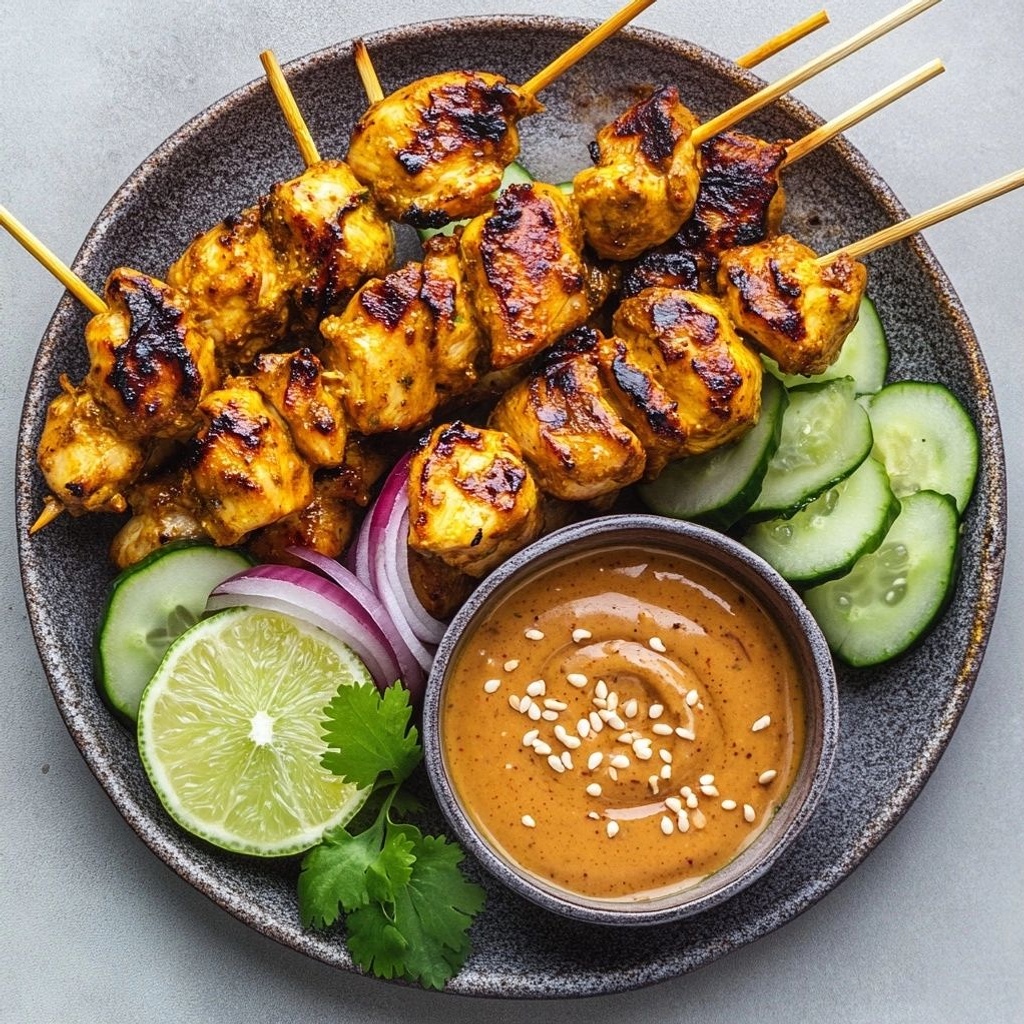
These Indonesian chicken satay skewers are a vibrant, crowd-pleasing dish featuring tender marinated chicken, smoky grilled edges, and a rich, creamy peanut sauce. To ensure the best flavor, marinate the chicken for at least 2 hours (or overnight) and let the skewers rest briefly after coating with the sauce so the flavors meld. If you’re serving a gluten-free crowd, use tamari instead of soy sauce and check all condiments for gluten. Fresh lemongrass and lime juice brighten the profile, while palm sugar lends a caramel note that pairs perfectly with the peanut sauce.
- Marinade depth and tenderness: Allow the chicken to marinate for at least 2 hours; overnight refrigeration yields even more flavor. If you’re short on time, a quick 30–60 minute soak will still yield juicy results, but longer is better.
- Skewer prep: Soak bamboo skewers in water for 30 minutes before grilling to prevent burning. Thread chicken evenly for uniform cooking and easy turning on the grill.
- Grill technique: Preheat your grill to medium-high. Oil the grates or brush the chicken lightly with oil to prevent sticking. Start with a high heat to develop a quick caramelized crust, then move to indirect heat if the edges threaten to burn before the center cooks through.
- Peanut sauce balance: If you prefer a thinner sauce for dipping, whisk in a little more coconut milk or water. For a thicker, spoonable sauce, reduce slightly on the stovetop. Taste and adjust saltiness with soy or tamari, sweetness with palm sugar, and acidity with lime juice.
- Balanced heat: Optional chili flakes or fresh red chili can be added to the marinade or sauce to suit your spice tolerance. Remove seeds for milder flavor or keep them for more heat.
- Gluten-free considerations: Use tamari in place of soy sauce to keep the dish gluten-free. Verify that the peanut butter is unsweetened and that no gluten-containing thickeners are present in sauces.
- Make-ahead and storage: Marinate the chicken up to 24 hours in the refrigerator. Grilled skewers can be stored refrigerated for up to 2 days and reheated gently. Peanut sauce keeps well in the fridge for 3–4 days and can be thinned with coconut milk when reheating.
- Serving suggestion: Serve with cucumber sticks, sliced red onion, and lime wedges to provide refreshing contrast. Steamed jasmine rice or coconut rice makes a classic, comforting bed for the satay and sauce. Garnish with chopped cilantro or Thai basil for a bright finish.
- Alternative proteins: For variation, you can substitute boneless chicken thighs with chicken breast (pounded to even thickness) or small shrimp, adjusting marinating times accordingly to avoid over-marinating delicate proteins.
Tips
FAQ
What is Indonesian chicken satay?
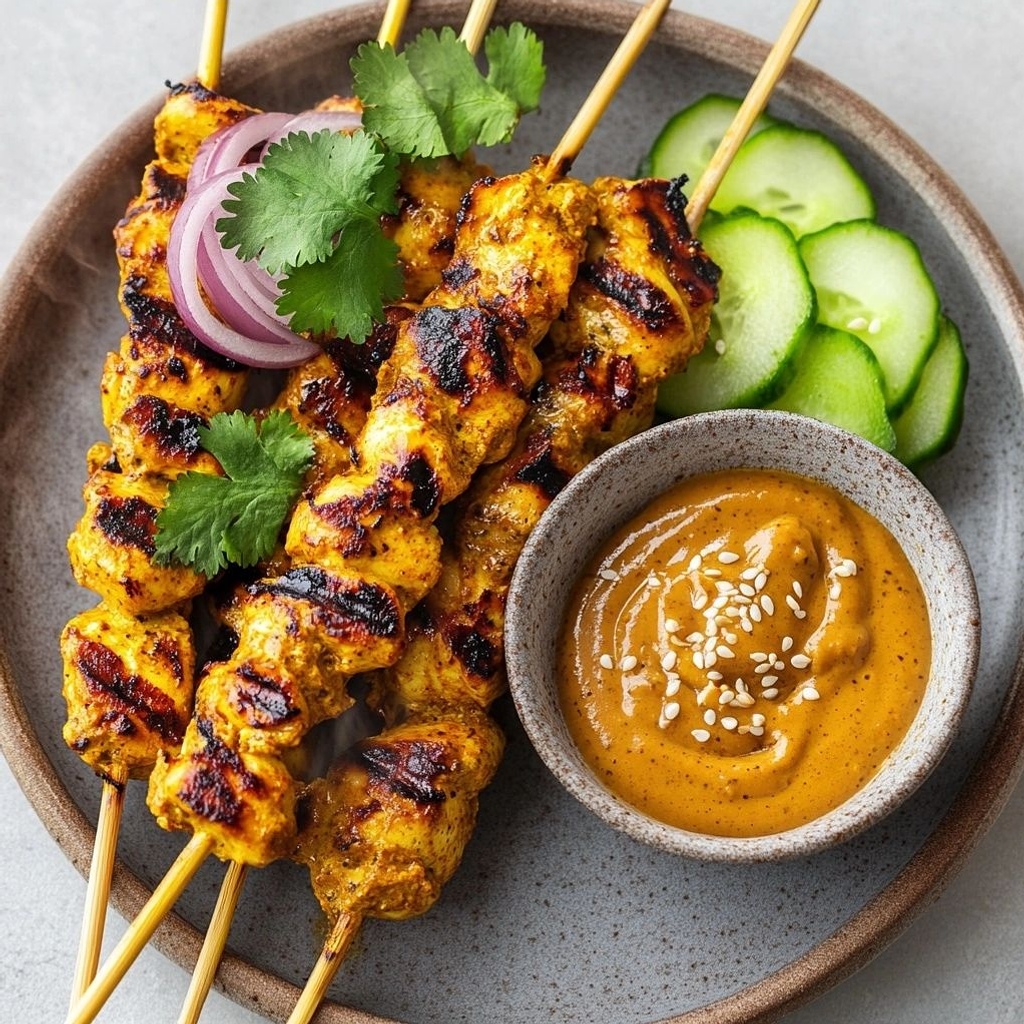
Indonesian chicken satay is skewered pieces of marinated chicken that are grilled over charcoal or fire, typically served with a rich peanut sauce and accompaniments like rice cake, cucumber, and red onion.
What are the main ingredients for the chicken marinade?
The marinade usually includes minced shallots, garlic, coriander, cumin, turmeric, palm sugar or brown sugar, soy sauce or fish sauce, lime juice or tamarind, and sometimes coconut milk for tenderness and flavor.
How do you make the peanut sauce?
Toast and grind roasted peanuts, then simmer with palm sugar, tamar or lime juice, soy sauce, coconut milk, garlic, and optional chili. Blend until smooth and adjust thickness with water or stock.
What type of chicken is best for satay?
Boneless, skinless chicken thighs are preferred for juiciness and flavor, but chicken breasts can be used. Cut into bite-sized strips or cubes for skewering.
How should the skewers be prepared?
Thread evenly to avoid crowding, leave a bit of space between pieces for heat circulation, and brush with a light coat of oil or marinade oil to prevent sticking. If using wooden skewers, soak them in water for at least 30 minutes.
What is the grilling method and temperature?
Grill over medium-high heat (about 400–450°F / 200–230°C) until cooked through and nicely charred, turning occasionally. Brush with extra marinade or oil during grilling for moisture and color.
How long does it take to cook satay?
Skewers typically cook in 8–12 minutes, depending on thickness, heat, and whether you’re using gas, charcoal, or oven broiling. Ensure the internal temperature reaches 165°F (74°C).
What are traditional serving accompaniments?
Peanut sauce is the classic pairing, along with ketupat or lontong (rice cakes), cucumber slices, red onion, and often a side of emping crackers. A squeeze of lime or lemon is common for brightness.
Can I make satay ahead or freeze it?
Yes. Marinate the chicken up to 24 hours and refrigerate. Skewered and grilled satay can be frozen after cooking (cool completely, then freeze in airtight containers). Reheat gently to avoid drying out and serve with fresh peanut sauce.