Introduction / Hook
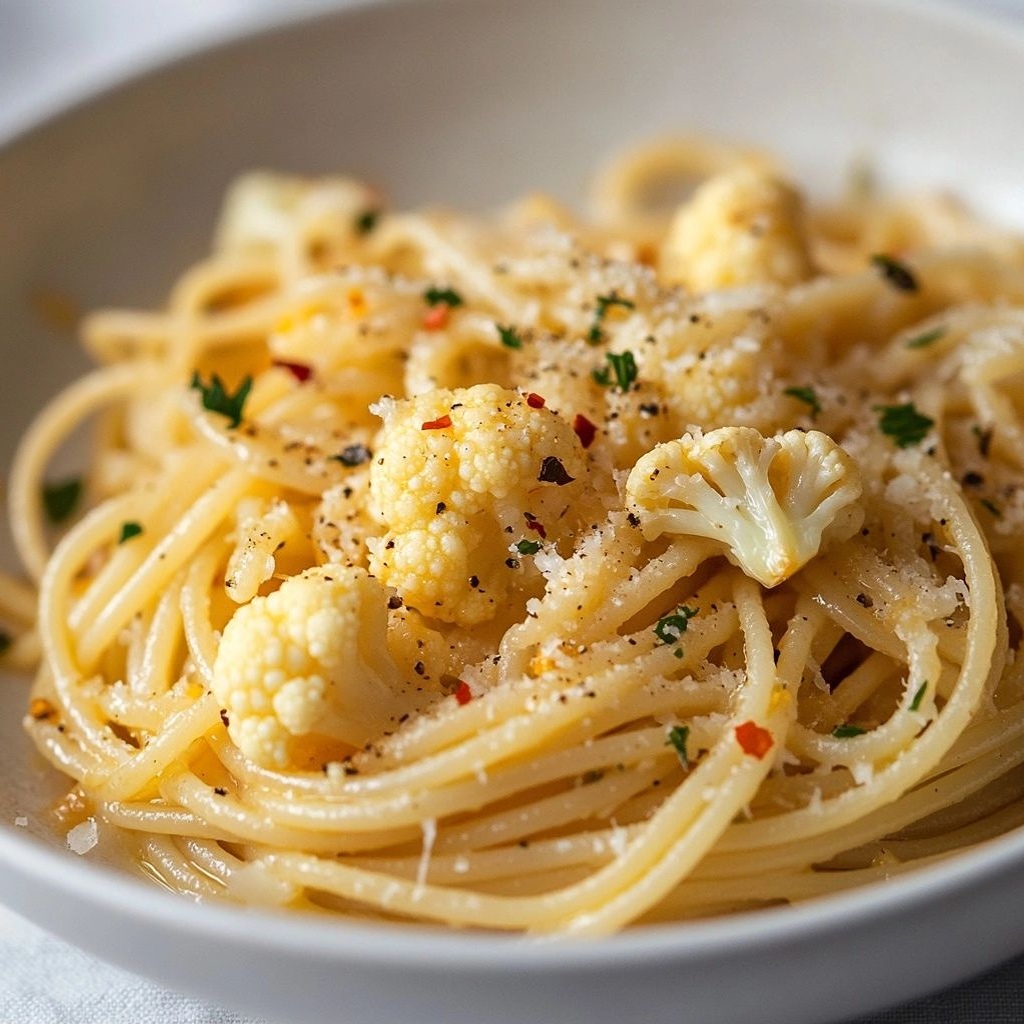
Imagine a glossy pan, a glow of emerald olive oil kissing garlic until it echoes with the scent of distant markets and sun-warmed kitchens. Aglio e Olio—the timeless Italian riff on simplicity—meets a surprising, fluffy crown of cauliflower to transform a weeknight staple into something memorable. This Weeknight Aglio e Olio Pasta Cauliflower is not just a dish; it’s an invitation to savor the everyday. It’s the kind of recipe that makes the clock feel friendlier, turning a hurried evening into a pause, a breath, and a small celebration of flavor. The first bite delivers the familiar warmth of garlic sautéed in olive oil, the peppery lift of red pepper flakes, and then—unexpectedly—a gentle, roasted sweetness from cauliflower that crackles with a delicate roastiness as it mingles with al dente pasta. The result is light yet deeply satisfying, quick enough to fit into a busy schedule, and elegant enough to share with someone you care about. It’s the sort of dish that makes you rethink weeknights as opportunities rather than obligations, a reminder that simple ingredients, treated with care, can become something truly comforting and soulful.
The Story Behind the Dish
At its heart, Aglio e Olio is a story of restraint and balance. The dish emerged from the kitchens of Naples and the broader southern Italian coast, where cooks learned to coax maximum flavor from a handful of pantry staples—good olive oil, garlic, chili, and pasta—treating them with respect and patience. The idea is to cast a bright, brassy flavor across the plate with minimal fuss, letting technique do the heavy lifting: temper the garlic just enough to release its perfume, emulsify the oil to gloss, and finish with a touch of the starchy pasta water to bring everything together in a silky sheen. Add cauliflower to this classical framework, and you’re writing a new page in a familiar notebook. Cauliflower, with its ability to take on color and bite when roasted, adds texture and a gentle sweetness that contrasts with the boldness of garlic and heat. The result is a dish that respects tradition while embracing a modern, vegetable-forward approach that feels both comforting and contemporary. There’s a quiet pleasure in the way the florets caramelize, the edges turning a pale bronze, the centers remaining tender, all catching the oil as if they’re dancing in a warm sunbeam. This weekly staple becomes a bridge between rustic pantry cooking and refined, cozy dining.
Why You’ll Love This Recipe
- Quick to make: A weeknight hero that nets you a flavorful dinner in under 30 minutes.
- Vegetable-forward without being fussy: Cauliflower adds body and depth without overpowering the garlic and olive oil.
- Flexibly delicious: Adaptable to pantry staples, vegetarian by nature, and easily elevated for entertaining.
- Bright, satisfying texture: The roasted cauliflower juxtaposes crisp edges with tender centers against silky pasta and a glossy sauce.
- Low-cleanup potential: One-pot-ish science with the skillet and a serving of pasta makes cleanup a breeze.
- Golden, aromatic aroma: The scent of sizzling garlic, olive oil, and toasty florets fills the kitchen, turning any moment into a welcome home.
Flavor Profile & Texture
The flavor profile of Weeknight Aglio e Olio Pasta Cauliflower is a masterclass in balancing simple ingredients. The sauce is a bright, peppery punch of garlic awakened in good olive oil, with a whisper of chili heat that lingers but never overwhelms. The chili adds heat without overshadowing the garlic’s perfume, allowing the oil to carry the dish forward. The cauliflower introduces a gentle nutty sweetness, a slight char that delivers a satisfying crunch, and a flavor that pairs beautifully with pasta starch and the light, savory oil. When all elements meet—garlic-infused oil, al dente pasta, roasted cauliflower, a splash of starchy pasta water, and a final kiss of black pepper—the sauce becomes glossy and cohesive rather than heavy. The texture is an appealing contrast: the soft chew of pasta, the crisp bite of roasted cauliflower, and the silkiness of the emulsion that clings to every strand. A dusting of grated cheese (if you choose to include it) adds a touch of savory sharpness, while a squeeze of lemon at the end can lend a bright, zesty finish that lifts the entire dish. The overall experience is light, comforting, and deeply satisfying—an everyday dish that somehow feels like a small celebration.
Occasions & Pairings
Because this dish embodies weeknight ease without sacrificing flavor, it shines in several scenarios:
- Weeknights: A quick, wholesome option when you want something flavorful but not heavy.
- Casual dinners with friends: Easy to scale up, it pairs well with a simple green salad or a crusty loaf of bread.
- Vegetarian or lighter meals: A plant-forward choice that stays satisfying.
- Seasonal menus: The cauliflower can be swapped with roasted broccoli or broccolini for different color and texture notes.
Suggested pairings to complete the meal:
- Side dishes: A crisp arugula salad with lemon vinaigrette, or roasted cherry tomatoes for brightness.
- Drinks: A dry white wine such as Pinot Grigio or Sauvignon Blanc; or a sparkling water with a twist of lemon.
- Desserts: Light citrus sorbet, almond biscotti, or a simple yogurt panna cotta to echo the dish’s creamy-light finish.
Tips, Variations & Substitutions
Here are practical ways to tailor this Weeknight Aglio e Olio Pasta Cauliflower to your pantry, dietary needs, or mood:
- Vegetarian/vegan version: Ensure you use a plant-based cheese (or omit cheese) and use vegan butter or extra olive oil to enhance the emulsion. A splash of lemon juice can brighten the dish without dairy.
- Gluten-free option: Use gluten-free pasta that holds up well to sauces; the method remains the same, and the cauliflower will still bring texture and balance.
- Low-carb approach: Swap regular pasta for a high-fiber or konjac-based noodle, or simply serve a bed of sautéed greens topped with the cauliflower and garlic oil for a cauliflower-topped grain bowlexperience.
- Spice level: Adjust the chili flakes to your heat tolerance, or add a pinch of paprika for smoky aroma.
- Herbs and brightness: Finish with a handful of chopped parsley for color and freshness, or toss in a little lemon zest to brighten the plate.
- Cheesy finish: A sprinkle of Parmigiano-Reggiano or Pecorino Romano adds a salty, savory depth that harmonizes with the roasted cauliflower.
- Alternative cooking technique: If you don’t have time to roast the cauliflower separately, you can toss raw cauliflower florets into the skillet with the garlic and oil, stirring vigorously to soften and gently char them as the pasta finishes cooking.
- Texture play: For extra crunch, reserve a tablespoon of toasted breadcrumbs and sprinkle on top just before serving.
Storage & Make-Ahead Ideas
Storage and make-ahead planning can help you build weeknight efficiency without sacrificing flavor.
- Leftover storage: Cool completely, then transfer to an airtight container. Refrigerate up to 2 days. Reheat gently in a skillet with a touch of olive oil to refresh the texture.
- Freezing: This dish stores best if the cauliflower is roasted and the sauce is kept separate, since freezing the whole mix can alter texture. If freezing, keep components in separate containers for up to 1 month, and reheat gently in a skillet, adding a little pasta water or oil to re-emulsify the sauce.
- Make-ahead tips: Roast the cauliflower in advance and refrigerate. Cook the pasta just before serving and toss everything together with the garlic oil for a near-instant weeknight repast. This approach can shave 10–15 minutes off the active cooking time.
Fun Facts & Trivia (Optional)
Venturing beyond the plate, there are delightful tidbits about the flavors that accompany this dish. Aglio e Olio, literally translated as “garlic and oil,” is a minimalist testament to how a small number of ingredients can sing when treated with care. The technique of emulsifying oil with a little pasta water is a centuries-old trick that creates that glossy, clingy sauce without heavy cream. Cauliflower, a relative late bloomer in the culinary world, has become a beloved canvas for roasting and quick-cooking methods because its tender starch gives structure to sauces and bowls—without overpowering the dish’s core aromatics. The pairing of roasted cauliflower with garlic oil is a modern homage to regional Italian cooking that favors seasonal vegetables, a light touch, and a strong sense of place. Fun fact: in Italian cooking, the simplicity of a dish often implies a precise balance—too much of one element can overwhelm the others. This recipe is designed to celebrate restraint while delivering a profile that feels both comforting and modern, a nod to the idea that great flavor can be achieved with a thoughtful touch on a busy weeknight.
Conclusion / Why This Dish Fits Your Kitchen
What makes Weeknight Aglio e Olio Pasta Cauliflower truly special is its ability to transform ordinary ingredients into a dish that feels like a little celebration. It embraces the philosophy of cooking as a daily act of care: select good ingredients, respect their nature, listen to the sizzling sound as garlic meets hot oil, and watch the cauliflower edges caramelize to a gold that glows in the pan’s light. It’s a melody of textures—soft pasta, crisp-tlecked cauliflower, and the silken, savory coat of garlic oil—woven together by the starch in the pasta and a judicious splash of the cooking liquid. The result is not merely sustenance; it’s comfort, efficiency, and joy rolled into one plate. Whether you’re cooking for yourself after a long day or feeding a small crowd, this recipe offers a reliable, delicious, and adaptable path to a memorable weeknight dinner. It’s a dish that invites you to slow down just enough to notice the fragrance of garlic heating in olive oil, to savor the moment when the cauliflower’s edges bronzen, and to appreciate how simple ingredients can come alive with a little heat, a little salt, and a touch of citrus or cheese if you desire. Welcome to a pantry-friendly, flavor-rich experience that proves weeknights can be delightful, not dull. Enjoy the aroma, the texture, and the satisfying finish, and let this dish be your go-to whenever time is short but appetite is not.
Ingredients
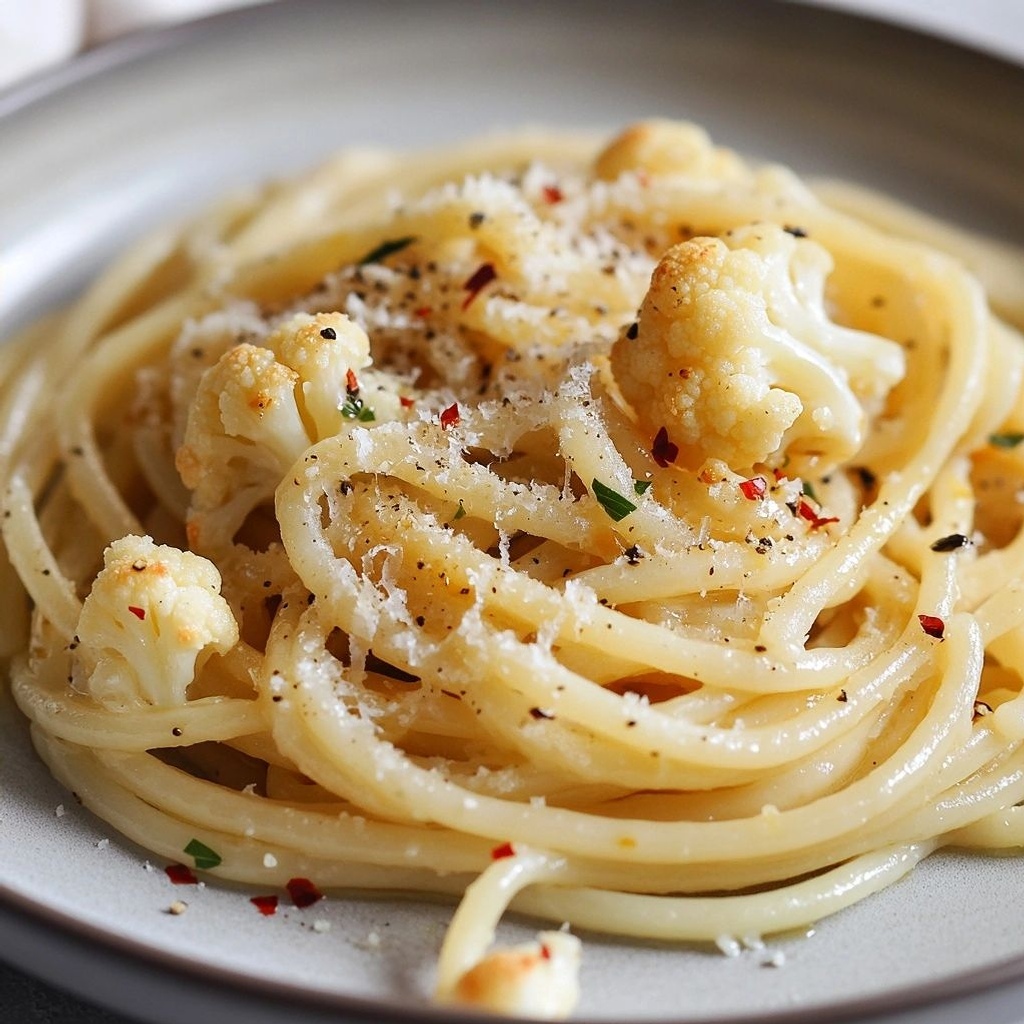
Weeknight Aglio e Olio Pasta cauliflower
Pasta Base
– 12 oz spaghetti or linguine (340 g)
→ This is the main starch of the dish. Choose a good-quality dried pasta that holds up to a quick, hot finish with the olive oil and garlic. Cook until just al dente according to package directions, reserving a splash of the cooking water to loosen the sauce if needed.
– 1/3 cup extra-virgin olive oil (cold-pressed)
→ The foundation of the sauce; use high-quality olive oil for a fruity, peppery note. Warm it gently over low heat to infuse with garlic without browning. Don’t overheat to avoid smoking and bitter flavors.
– 6 garlic cloves (thinly sliced)
→ Provides the signature aromatic punch of aglio e olio. Slice evenly to ensure uniform flavor release; add to oil when it’s warm, not hot, to prevent burning and bitterness. For a milder profile, crush the cloves instead of slicing.
Cauliflower Prep
– 2 cups cauliflower florets (cut into bite-sized pieces)
→ Adds a subtle, crowd-pleasing texture and a hint of sweetness to balance the heat. Chop into uniform pieces so they cook evenly; you can sauté with the garlic in the oil to lightly blister and caramelize.
– Salt to taste (about 1 teaspoon for cooking, plus extra for pasta water)
→ Essential for seasoning both the cauliflower and the pasta; salt pasta water generously so the starches season evenly. Taste as you go to avoid oversalting.
– Freshly ground black pepper to taste
→ Enhances the nutty notes of the olive oil and cauliflower. Grind just before using for the freshest aroma; adjust after mixing with the pasta to achieve balance with the chili and lemon.
Flavorings and Finish
– 1/2 teaspoon red chili flakes (adjust to heat preference)
→ Provides the characteristic bite of aglio e olio. Start with less, then increase gradually as you taste; whole chili flakes will soften and mellow as they infuse the oil.
– Zest of 1 lemon and 1 tablespoon fresh lemon juice
→ Brightens the dish and cuts through the richness of the olive oil. Zest finely to maximize fragrance; add juice just before serving to preserve brightness and prevent bitterness from pith.
– 1/4 cup chopped fresh parsley (flat-leaf)
→ Adds color, freshness, and a mild herbal note that complements garlic and chili. Tear or chop finely to release essential oils; add at the end to keep its bright flavor.
Cheese and Finishing Touches
– 1/4 cup finely grated Parmesan cheese or Pecorino Romano (optional)
→ Adds savory depth and a gentle salty boost; toss with the hot pasta so it emulsifies into the sauce. Use a sharp, aged cheese for best flavor; can be omitted for a dairy-free version.
– Salt and freshly ground black pepper to finish (adjust after mixing)
→ Final seasoning round; the starch from the pasta water helps the sauce cling, so taste and adjust salt carefully after combining all components.
Optional Add-ins
– 1/4 cup toasted breadcrumbs (plain or seasoned)
→ For a crunchy contrast; toast in a little olive oil until golden and sprinkle over the finished dish just before serving. This adds texture without significantly changing flavor if done at the end.
– 1 tablespoon capers, drained (optional)
→ Adds a briny brightness that pairs well with lemon and garlic. Rinse to remove excess salt, then pat dry; sauté briefly in the oil before adding the cauliflower for extra pop.
Instructions
- Fill a large pot with water, bring to a rolling boil, and salt generously before adding the pasta to flavor every strand and ensure the starches release properly for a glossy sauce.
→ Proper salting at this stage seasons the pasta evenly from inside outward and helps the final sauce adhere better. - Add 12 oz spaghetti or linguine to the boiling water and cook until just al dente according to package directions, stirring occasionally to prevent sticking and testing a strand 1–2 minutes before the timer to maintain a firm bite.
→ Staying al dente preserves texture and prevents mushiness when tossed with the hot oil and cauliflower. - Reserve a splash of the pasta cooking water before draining the pasta; this starchy liquid will loosen the sauce later if needed and help emulsify the oil with the pasta.
→ Using a small amount of reserved water creates a silky, cohesive sauce that clings to the noodles. - While the pasta cooks, weigh and rinse 2 cups cauliflower florets, then cut into bite-sized uniform pieces for even cooking and a balanced texture with the pasta; set aside.
→ Uniform florets ensure the cauliflower cooks at the same rate and caramelizes evenly for consistent flavor. - Season the cauliflower with about 1 teaspoon salt and a few grinds of black pepper, then toss to distribute evenly so every piece tastes seasoned rather than bland.
→ Proper seasoning at this stage prevents underseasoned cauliflower and builds a savory base for the dish. - In a large sauté pan, warm 1/3 cup extra-virgin olive oil over low heat to gently infuse with garlic without browning; this preserves fruity aromas and prevents bitterness from overheating.
→ Gentle warming helps extract the garlic’s perfume without creating acrid, burnt flavors that would ruin the sauce. - Thinly slice 6 garlic cloves and add them to the warm oil, stirring slowly; cook until the edges just begin to turn pale gold, then remove from heat or reduce heat to very low to prevent rapid browning.
→ Sliced garlic releases consistent flavor; overheating can create bitterness, so controlling temperature is essential for a clean aroma. - Add 1/2 teaspoon red chili flakes to the oil and garlic, stirring to distribute heat evenly, and let them mellow in the oil for 1–2 minutes; this builds a balanced kick without overpowering the other components.
→ Chilli flakes release heat gradually; to taste, you can adjust after tossing with pasta, but starting moderate ensures a harmonious heat. - Spread the seasoned cauliflower into the pan with the garlic oil and stir to coat, allowing the florets to blister and soften slightly as they absorb the olive oil, about 4–6 minutes; turn occasionally for even caramelization.
→ Sautéing creates a nutty flavor and a tender texture that contrasts with the pasta’s bite. - Zest a lemon over the pan and then add 1 tablespoon fresh lemon juice; swirl to distribute bright citrus oils throughout the oil, enhancing aromatics and cutting richness as the dish finishes.
→ Lemon zest releases essential oils for fragrance; juice adds clean acidity that balances fats and heat. - Stir in the cooked pasta and the reserved cooking water, tossing vigorously to emulsify the oil with the starch and evenly coat every strand; continue until the sauce looks glossy and clings to the pasta.
→ Proper emulsion creates a cohesive sauce that sticks to the pasta, preventing a greasy layer and delivering a silky texture. - Fold in 1/4 cup chopped fresh parsley, removing the pan from heat, so the herb retains its bright green color and fresh aroma; a quick toss distributes flavor without bruising the leaves.
→ Fresh parsley adds color, a mild herbal note, and a burst of aroma without overwhelming garlic and lemon. - Optional: sprinkle 1/4 cup grated Parmesan cheese or Pecorino Romano over the hot pasta, tossing to melt and emulsify the cheese into the sauce for a savory, umami depth; adjust seasoning with salt if needed.
→ Cheese adds a creamy, salty backbone that harmonizes with olive oil and garlic; tossing while hot ensures melt and integration. - Optional: finish with 1/4 cup toasted breadcrumbs scattered over the dish just before serving for a contrasting crunch; drizzle a tiny bit of olive oil over the crumbs to toast evenly if desired.
→ Breadcrumbs introduce texture and a toasty note that complements the soft cauliflower and silky pasta. - Taste and adjust final seasoning with salt and freshly ground black pepper, ensuring the dish is balanced after all components are combined and the flavors have had a moment to meld.
→ Final tasting confirms salt balance and pepper level, preventing under-seasoning or over-salting after emulsification.
Notes
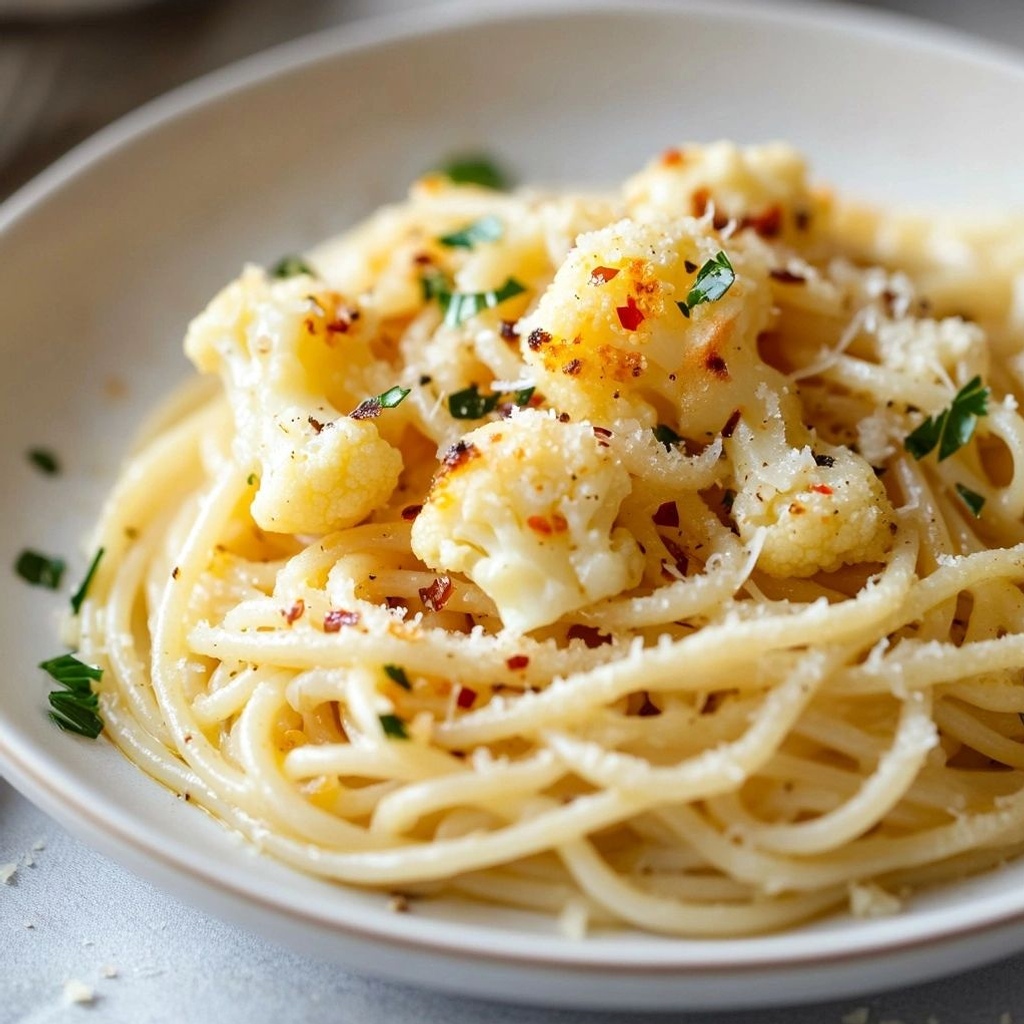
Weeknight Aglio e Olio Pasta Cauliflower comes together in minutes for a satisfying, weeknight-friendly meal. The cauliflower adds a subtle sweetness and texture that pairs beautifully with the garlic-olive oil base, while lemon zest and juice provide a bright contrast to the richness. For the best sauce cohesion, reserve a splash of the pasta cooking water to loosen the mixture as needed, and toss everything together off the heat to emulsify.
- Choose good-quality dried pasta (spaghetti or linguine) and cook until just al dente according to package directions. Reserve a splash of the cooking water before draining to loosen the sauce later.
- Warm the extra-virgin olive oil gently over low heat with the thinly sliced garlic; the goal is to infuse the oil with garlic flavor without browning or burning, which can introduce bitterness.
- Cut cauliflower florets into bite-sized pieces and sauté with the garlic in the oil just after it has warmed. This helps blister and lightly caramelize the cauliflower for extra depth.
- Season the dish in stages: salt the pasta water generously, then taste and adjust salt after mixing with the sauce. Finish with freshly ground black pepper to taste for balance with the chili and lemon.
- Spice level comes from red chili flakes. Start with 1/2 teaspoon and adjust to your heat preference as you taste the dish during finishing.
- Brighten the dish with lemon: zest the lemon finely to maximize fragrance, and add the juice just before serving to preserve brightness and prevent bitterness from the pith.
- Finish with chopped fresh parsley for color and a fresh herbal note; add at the very end to keep its bright flavor.
- Cheese is optional. A small amount of finely grated Parmesan or Pecorino Romano can be stirred in with the hot pasta to emulsify into the sauce, but it can be omitted for a dairy-free version.
- Optional finishing touches: toasted breadcrumbs add a pleasant crunch, and capers provide a briny brightness if you enjoy a bit of sparkle—sauté briefly in the olive oil before adding the cauliflower for extra pop.
Tips
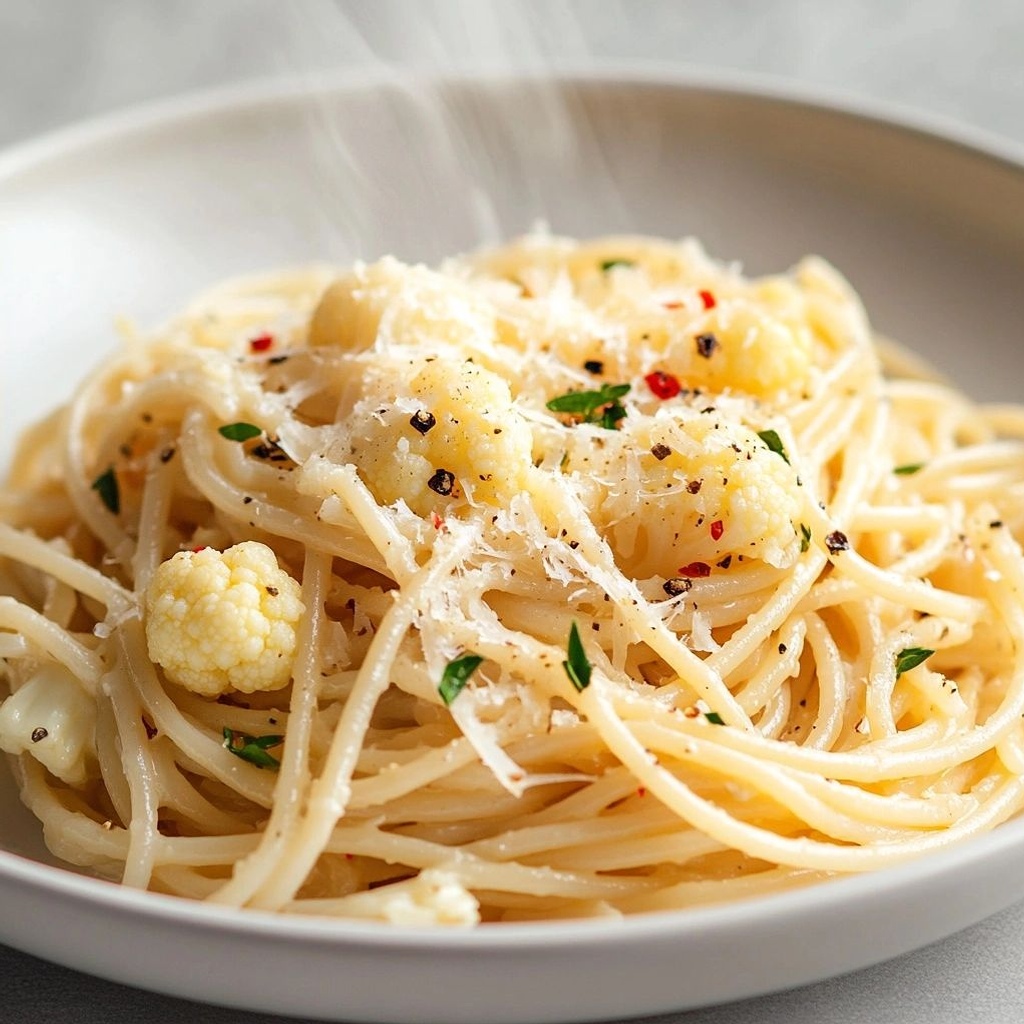
- Cook pasta in well-salted water until just al dente. Reserve a splash of the starchy cooking water before draining to loosen the sauce later. The starchy water helps emulsify the olive oil for a satin-smooth coating.
- Warm the olive oil gently with the garlic just until it becomes fragrant; do not let it simmer or brown. Boiling or browning garlic can introduce bitterness that competes with the delicate flavors of lemon and cauliflower.
- Evenly slice cloves and cauliflower to ensure uniform cooking. If your cauliflower pieces are smaller, add them to the pan a minute earlier to achieve a cohesive texture with the pasta.
- Flavor the oil with red chili flakes gradually. Start with less and test as you go; you can always add more heat at the end if desired.
- Finish with lemon zest and juice right before serving. The zest provides a vibrant aroma, while the juice brightens the dish without cooking off too much acidity.
- Chop parsley finely to release its essential oils. Add it off the heat to preserve its fresh, bright color and flavor.
- Grate cheese finely and toss with the pasta while it’s hot to help it emulsify into the sauce. If you prefer a dairy-free version, omit the cheese and rely on extra lemon zest and a touch more olive oil for richness.
- Optional breadcrumbs add a welcome crunch. Toast them in a little olive oil until golden and sprinkle just before serving to maintain their crisp texture.
- Capers provide a briny brightness; if adding them, rinse well and pat dry, then sauté briefly in the oil with the cauliflower to distribute their flavor.
- Season in stages: salt the cauliflower cooking water, the pasta water, and then adjust final seasoning after tossing with the sauce. The starch from the pasta water helps the sauce cling to the noodles for a cohesive finish.
- For a lighter version, reduce the olive oil to 2–3 tablespoons and increase the lemon juice slightly to maintain the balance of brightness and richness.
- Make-ahead note: you can prep the garlic, lemon zest, and cauliflower florets up to a day ahead and refrigerate. Reheat gently in olive oil to restore aroma before combining with hot pasta.
FAQ
What is Weeknight Aglio e Olio Pasta with Cauliflower?
A quick, olive-oil–based pasta dish inspired by traditional Aglio e Olio, with the addition of sautéed cauliflower for extra texture and veggie heft, perfect for busy weeknights.
Which pasta shapes work best?
Spaghetti or linguine are classic. You can also use linguine, fettuccine, or short pasta like orecchiette; choose what you enjoy and what you have on hand.
What are the core ingredients?
Garlic, good-quality extra-virgin olive oil, red pepper flakes, spaghetti (or your favorite pasta), cauliflower, salt, and black pepper. Optional: parsley, lemon zest, or grated Parmesan.
Is this dish suitable for vegetarians and vegans?
It can be vegetarian as written. To make it vegan, skip the Parmesan or use a plant-based cheese. For a stricter vegan version, ensure the pasta is egg-free.
How do I prep the cauliflower?
Break or cut the cauliflower into small florets, then steam or blanch briefly, or roast until tender and slightly caramelized. Sautéing florets directly in the pan also works.
Can I make this gluten-free?
Yes. Use gluten-free pasta. Check that the olive oil and other ingredients are gluten-free. Cauliflower is naturally gluten-free.
What’s the best technique for the sauce?
Cook sliced garlic gently in olive oil over medium-low heat to infuse the oil without burning the garlic. Add red pepper flakes, then toss with cooked pasta and cauliflower so the starch on the pasta emulsifies with the oil.
How do I season properly for a weeknight meal?
Season with salt in the pasta water and a finishing pinch of black pepper. Add lemon zest or juice and chopped parsley at the end for brightness. A sprinkle of grated Parmesan or nutritional yeast boosts flavor if needed.
Can I add protein or extra veggies?
Yes. Add cooked shrimp, pancetta, or crispy chickpeas for protein. Other vegetables like spinach, broccoli, or zucchini can be added in with the cauliflower.
How do I store leftovers and reheat?
Store in an airtight container in the fridge for up to 3–4 days. Reheat gently on the stove with a splash of water or olive oil; toss to re-emulsify the sauce and revive the texture.