Introduction / Hook
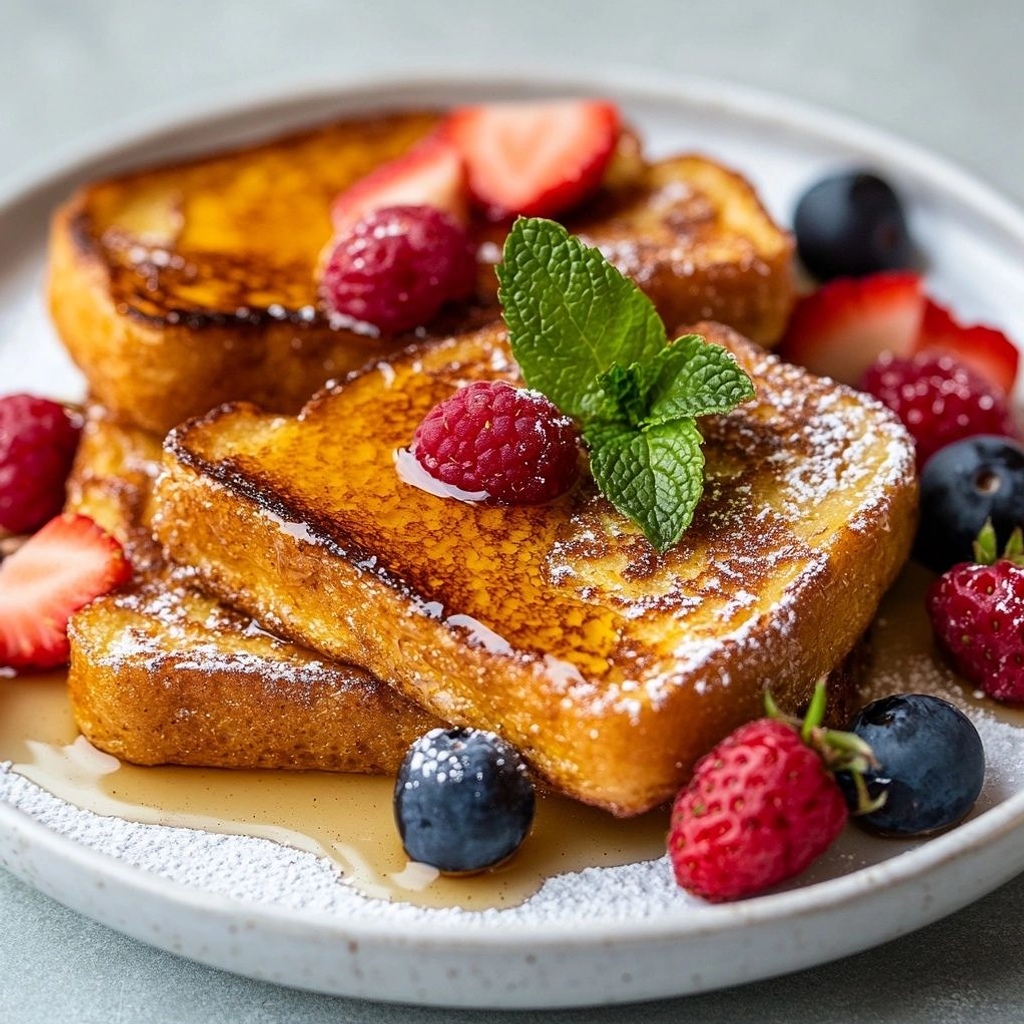
Imagine a brunch scene where dawn light pours across the kitchen, a gentle sizzle fills the air, and a plate arrives crowned with golden, custardy slices that taste like warm memories. The Best Easy Vegan French Toast is not just a breakfast—it’s a cozy invitation to slow down, savor, and celebrate plant-based cooking that doesn’t compromise on flavor or comfort. This is the kind of French toast that makes the morning feel like a holiday: slightly sweet, rich with vanilla and cinnamon, and with the soft, pillowy texture you crave when you bite through a perfectly soaked slice. Best of all, it’s effortless, reliable, and friendly to a wide range of diets, so you can share it with friends and family without hesitation. If you’ve ever believed vegan cooking can’t be indulgent, this recipe will gently persuade you otherwise. It’s a dish that wears its heart on its sleeve—simple pantry staples transformed into something you’ll crave again and again, the kind of dish you’ll dream about late at night and revisit on busy weekday mornings with a smile.
The Story Behind the Dish
French toast has a long, affectionate lineage that stretches across many kitchens and generations. The idea of soaking bread in a liquid and then pan-frying it to gold is a clever trick that has traveled far and wide, adapting to local flavors and dietary needs. The vegan version of this classic taps into that same spirit of improvisation, reimagining the base ingredients with plant-based milk, flax eggs, and clever pantry additions. The result is a dish that honors tradition while embracing modern, compassionate cooking. In my own kitchen, this vegan take grew from weekend brunch experiments—trying to recreate the creamy, custard-like texture without dairy, while still retaining the crisp edges and the comforting savoriness that makes French toast so irresistible. I tinkered with the ratio of almond milk to coconut milk for depth, added a whisper of orange zest for brightness, and perfected the soaking time so that every slice is uniformly plush rather than gummy. The journey was as much about the aroma that fills the house as it is about the taste on your plate: warm vanilla, caramelized sugar, and a hint of nutmeg mingling with the fragrance of sizzling bread. It’s a recipe that embodies the idea that plant-based food can be celebratory, deeply satisfying, and wonderfully familiar at the same time.
Why You’ll Love This Recipe
- Easy and approachable: A one-bowl batter, no fuss, quick soaking, and pan-frying that happens in a snap.
- Dairy-free and vegan-friendly: Uses plant-based milk, oil, and a flax egg substitute to bind and enrich.
- Restaurant-worthy yet homey: Achieves a perfect balance of crisp exterior and creamy interior.
- Flexible and forgiving: Works with common pantry staples, and adapts to different flavors and toppings.
- Better for busy mornings: Can be prepped ahead of time with minimal daily effort.
- Great for all ages: Kid-friendly, adult-approved, and easily tailored for dietary needs (gluten-free, soy-free, etc.).
Flavor notes that deliver joy
The magic of this dish lies in its layered flavors. The base batter is a gentle chorus of almond or soy milk, a neutral oil to help the crust crisp, and a touch of decadent vanilla that lingers pleasantly. Cinnamon grounds the sweetness with warmth, while a pinch of nutmeg adds a whisper of spice reminiscent of holiday mornings. A whisper of lemon or orange zest can brighten and uplift, so feel free to experiment. The bread itself—ideally a day-old loaf—soaks up the batter without disintegrating, ensuring every bite is lush, velvety, and satisfying. When plated with a light drizzle of maple syrup and a dusting of powdered sugar, the dish reveals a balance of mellow sweetness, toasty edges, and a creamy, custard-like center that melts in the mouth.
Flavor Profile & Texture
The texture is the star here. Each slice arrives with a delicate crust that crackles softly in the pan, giving way to a tender, custard-like interior. The plant-based milk blend infuses the bread with a rich, velvety mouthfeel that feels indulgent without heaviness. Cinnamon provides warmth and spice, while vanilla adds an aroma that’s almost edible on its own. The glaze or syrup you choose will influence the final impression—a light maple glaze brings caramel notes, while fruit compotes introduce brightness and tang to cut through sweetness. If you’re topping with fresh fruit, expect a lively contrast between the soft, custardy toast and the crisp textures of strawberries, blueberries, or apple slices. The dish also carries a comforting, homey aroma while cooking—the kind of scent that makes the whole house feel welcoming and cozy, inviting spontaneous conversations and slow brunch moments that linger long after the plate is clean.
Occasions & Pairings
This vegan French toast shines in a variety of settings, from intimate weekend breakfasts to festive holiday brunches. Here are some ideal occasions and pairing ideas to elevate the experience:
- Weekend Brunch with Friends: Pair with fresh fruit salad, coffee, and perhaps a dairy-free cappuccino for a complete vegan brunch spread.
- Holiday Mornings: Serve with a citrus zest twist, cinnamon-sugar dusting, and a glass of sparkling apple cider for a celebratory touch.
- Family Weekends: A comforting option that pleases both kids and adults, with toppings like sliced bananas, toasted almonds, and a drizzle of almond butter for extra richness.
- Special Diet Gatherings: Gluten-free bread can be substituted to accommodate gluten-free guests without sacrificing texture.
- Brunch-to-Go: This dish can be pre-prepared in batches and reheated gently, making it a practical option for gatherings and potlucks.
Suggested pairings
- Savory accents: A side of vegan bacon or sausage for a fusion of sweet and savory.
- Fruity brightness: Fresh berries, peach slices, or citrus segments to cut through the sweetness.
- Drinks: Soy, almond, or oat latte; a lightly spiced chai; or a cold-pressed orange juice for contrast.
- Dessert-like finish: A dollop of coconut yogurt or a light dusting of cinnamon sugar for an indulgent finish.
Tips, Variations & Substitutions
Even though this recipe is “easy,” there’s room to customize and elevate. Here are practical tips, substitutions, and twists to tailor the dish to your taste, dietary needs, or what you have on hand:
- Milk options: Use any plant-based milk you enjoy. For a richer custard, blend coconut milk with a splash of almond milk. For a lighter version, use soy or oat milk.
- Egg substitute: A flax egg (1 tablespoon ground flaxseed + 3 tablespoons water, rested 5 minutes) works beautifully. Chia eggs or commercial vegan egg replacers are also suitable.
- Bread choice: Thicker-sliced bread or challah-like loaves yield the richest texture. For gluten-free, use a sturdy gluten-free bread that won’t crumble when soaked.
- Flavor boosters: Add a pinch of cardamom for an aromatic twist, or a splash of orange zest for brightness. A tablespoon of melted vegan butter in the batter adds extra richness if you’re not strictly dairy-free.
- Texture variations: If you want a crisper exterior, increase heat slightly or use a nonstick pan with a light coating of oil. For a fluffier interior, let the batter sit a few minutes to hydrate the bread fully.
- Sweetness level: Adjust maple syrup or sugar in the batter to your preference. A touch of vanilla extract is essential; more can deepen the aroma if you love a fragrant bite.
- Regional twists: Swap vanilla for almond extract for a nutty aroma, or add a pinch of cinnamon-sugar to the soaking liquid for a classic diner-style finish.
- Make-ahead variations: Soak bread slices in the batter in a shallow dish, cover, and refrigerate for up to 12 hours. When ready, cook as usual for a quick morning option.
- Allergen-aware: If nut allergies are a concern, use oat or soy milk and ensure the bread you choose is dairy-free and nut-free as needed.
Storage & Make-Ahead Ideas
One of the delightful aspects of vegan French toast is its flexibility with make-ahead preparations and leftovers. Here are practical storage tips and strategies to maximize freshness and minimize effort:
- Storage of cooked slices: Keep leftover slices in an airtight container in the refrigerator for up to 3 days. Reheat gently in a skillet with a light spray of oil or in a toaster oven to revive crispiness.
- Freezing: Freeze fully cooled slices in a single layer on a tray, then transfer to a sealed bag. Reheat in a skillet or toaster oven for best texture. They typically hold well for up to 2 months.
- Make-ahead batter: You can prepare the batter in advance and store it in the refrigerator for up to 24 hours. Give it a quick whisk before soaking bread for even flavor distribution.
- Batch cooking: If you’re feeding a crowd, prepare multiple bread slices and keep them arranged on a baking sheet in a warm oven (around 200°F / 90°C) for gentle reheating before serving.
- Storing toppings: Keep fruits, nuts, and syrups separate until serving to maintain texture and prevent sogginess.
Fun Facts & Trivia (Optional)
Did you know that the concept of French toast appears in many cultures under different names? Foods resembling this dish crop up across the globe, from the Philippians’ “Tortang Silog” style to the Spanish “tostadas” and the Hungarian “levessel.” The idea of soaking bread before cooking is a universal method to transform day-old bread into something tender and luxurious. In the vegan kitchen, the substitution of dairy and eggs with plant-based milks and flax or chia eggs isn’t just a modern trend—it’s a thoughtful nod to sustainability, accessibility, and kinder food choices that still honor tradition and comfort. The simple act of pairing French toast with maple syrup, berries, or citrus is a reminder of how a few harmonious components can turn a basic breakfast into a memorable ritual. A well-made vegan French toast becomes a canvas for creativity—it invites you to experiment with toppings, spices, and textures, letting your morning meal become a personal expression of warmth and hospitality.
Conclusion / Why This Recipe Stands Out
The Best Easy Vegan French Toast SO Delicious stands out because it marries simplicity with depth. It is a dish you can confidently prepare on a busy weekday yet still feel worthy of a weekend celebration. The batter, though straightforward, carries enough nuance to elevate ordinary bread into something special. The texture balance—crisp edges and a custardy interior—pairs beautifully with a wide range of toppings and accompaniments, making it highly adaptable to different tastes and occasions. It’s a recipe that respects dietary needs without asking you to compromise on flavor, a testament to how plant-based cooking can be inclusive, comforting, and profoundly satisfying. Whether you’re feeding kids who are picky about dairy-free meals or entertaining guests who prefer vegan options, this French toast offers a universal appeal—an inviting, warm, and delicious way to start the day that you’ll return to again and again.
Ingredients
-
– The Best Easy Vegan French Toast SO Delicious!
– 6 slices thick-cut bread (vegan; day-old preferred)
→ The bread serves as the main vehicle for the custardy batter. Day-old or lightly stale slices soak up more batter without disintegrating, and a sturdy loaf (such as sourdough, whole grain, or a vegan brioche) yields a denser, more satisfying toast. Ensure the bread contains no animal-derived ingredients to keep it vegan.
– 2 cups unsweetened almond milk (or soy/oat milk)
→ Acts as the primary liquid in the soaking mixture, providing a creamy texture without dairy. Unsweetened keeps sweetness in check and lets spices shine. If using a flavored milk, reduce other sweeteners accordingly. Warm milk slightly can help the batter emulsify, but cold milk works too if you soak promptly.
– 2 tablespoons ground flaxseed
→ Functions as a vegan binder, replacing eggs to help the slices hold together during soaking and flipping. Use a fine grind for smooth texture. Grind just before use for best mucilage; store ground flaxseed in an airtight container away from heat to preserve freshness.
– 6 tablespoons warm water
→ When combined with the flaxseed, it forms a thick, gel-like mixture (flax egg) that emulsifies into the batter and helps the toast set as it cooks. Let the mixture rest 5–10 minutes until it thickens. If you skip flax, you can substitute with 1 extra tablespoon cornstarch and an additional 2 tablespoons milk, though the texture will differ.
– 1/4 cup pure maple syrup
→ Provides gentle sweetness and helps achieve a glossy, lightly caramelized exterior during pan frying. Maple syrup blends into the batter and aids browning without using refined sugar. If preferred, substitute with an equal amount of granulated sugar, though maple offers richer flavor and moisture; reduce other sweeteners accordingly.
– 1 teaspoon vanilla extract
→ Enhances the custardy vanilla aroma and depth of flavor in the soak. Real vanilla (paste or extract) intensifies the overall flavor; using vanilla paste can yield a slightly more pronounced note. If using a high-quality vanilla, you can reduce maple syrup by a touch to maintain balance.
– 1 teaspoon ground cinnamon
→ The defining spice that pairs beautifully with maple and vanilla, giving classic French toast warmth. Freshly ground cinnamon provides a more vibrant aroma; ensure even distribution by whisking it into the milk mixture with the other spices before soaking the bread.
– 1/4 teaspoon ground nutmeg
→ Adds subtle nutty warmth that complements the cinnamon. Nutmeg is potent, so measure carefully. For a brighter profile, use freshly grated nutmeg right before cooking; skip if you prefer a milder toast.
– Pinch of salt
→ Intensifies sweetness and spices, balancing flavors. Use fine sea salt and dissolve it into the soaking mixture to ensure even distribution across all bread slices.
– 1 tablespoon cornstarch (optional)
→ Helps thicken the batter slightly so it clings to the bread and the toast holds its shape after soaking. Dissolve in a small amount of almond milk before whisking into the mixture to prevent lumps. More cornstarch will yield a firmer texture; start with 1 tablespoon and adjust if needed.
– 1–2 tablespoons neutral oil for cooking (or cooking spray)
→ Prevents sticking and helps achieve a crisp, golden crust on the outside. Choose a neutral oil such as grapeseed, canola, or a light olive oil; for a lighter finish, wipe the pan between batches. Avoid excess oil to prevent soggy edges.
– Fresh fruit topping option: berries, sliced banana, or peaches (about 1 cup total)
→ Adds brightness, texture, and natural sweetness; fold into the topping after cooking or arrange on top just before serving. Rinse berries gently and pat dry to prevent extra moisture from soaking into the toast.
– Powdered sugar (for serving; optional) 2–3 tablespoons
→ A delicate finishing dust that provides a touch of sweetness and a refined look. Sift evenly to avoid clumps. If avoiding refined sugar, consider a light dusting of cocoa powder or omit entirely.
– Pure maple syrup for serving (additional) 2–4 tablespoons
→ Drizzle over the finished toast to add extra moisture and sweetness as you eat. Keeps the dish cohesive with the batter flavor. If desired, adjust to taste and serve alongside for guests to customize.
Instructions
- Whisk 2 tablespoons ground flaxseed with 6 tablespoons warm water in a small bowl and let the mixture sit for 5–10 minutes until it thickens into a gel-like flax egg that will help bind the soaking mixture and keep the slices from disintegrating during frying.
→ The flax egg mimics the binding power of eggs, creating a custardy interior without eggs. Allow enough time for the mucilage to develop for best texture. - In a large shallow dish, whisk together 2 cups unsweetened almond milk, the prepared flax egg, 1/4 cup pure maple syrup, 1 teaspoon vanilla extract, 1 teaspoon ground cinnamon, 1/4 teaspoon ground nutmeg, and a pinch of salt until completely combined and evenly aerated.
→ Whisking thoroughly ensures that the spices and sweetener are evenly distributed, so every slice soaks in uniform flavor and the custard sets evenly during cooking. - If using, whisk 1 tablespoon cornstarch with a small amount of almond milk to form a smooth slurry, then whisk the slurry into the batter to lightly thicken it and help the toast cling to the slices during frying.
→ A lightly thickened batter coats the bread more evenly and helps the finished toast hold its shape without leaking custard when flipped. - Line a cooling rack or plate with parchment and set your 6 thick-cut bread slices nearby; day-old bread is ideal because it absorbs more custard without tearing.
→ Stale or day-old bread has a firmer crumb that soaks up the batter without becoming mushy, yielding a firmer, more toast-like texture. - Preheat a nonstick skillet or cast-iron pan over medium heat and add 1 tablespoon neutral oil; wait until the oil shimmers but does not smoke to create a crisp, even crust.
→ Properly heated fat ensures a rapid, even sear, preventing sticking and promoting a golden exterior while preserving a tender interior. - Dip each bread slice into the batter for about 15–20 seconds per side, allowing the slice to absorb custard without oversaturation, then lift and let excess batter drip back into the dish.
→ A balanced soak guarantees a creamy interior without sogginess; pressing lightly around the edges helps the batter adhere for a uniform crust. - Place the soaked bread in the hot pan and cook for 2–3 minutes per side until the outside is deeply golden and caramelized, adjusting the heat as needed to avoid burning while ensuring the interior finishes cooking.
→ A steady sizzle indicates proper temperature; flipping when the underside is set ensures a crisp crust and prevents the custard from leaking. - Repeat frying in batches, maintaining 1 tablespoon of oil per batch or wiping the pan between batches to prevent greasiness and promote a crisp, even crust.
→ A clean pan prevents sticking and ensures consistent browning across all slices, which keeps the finished dish visually appealing and evenly cooked. - Keep finished slices warm on a low oven rack (around 200°F / 90°C) while you finish the remaining batches, so the bread stays warm and the edges remain crisp.
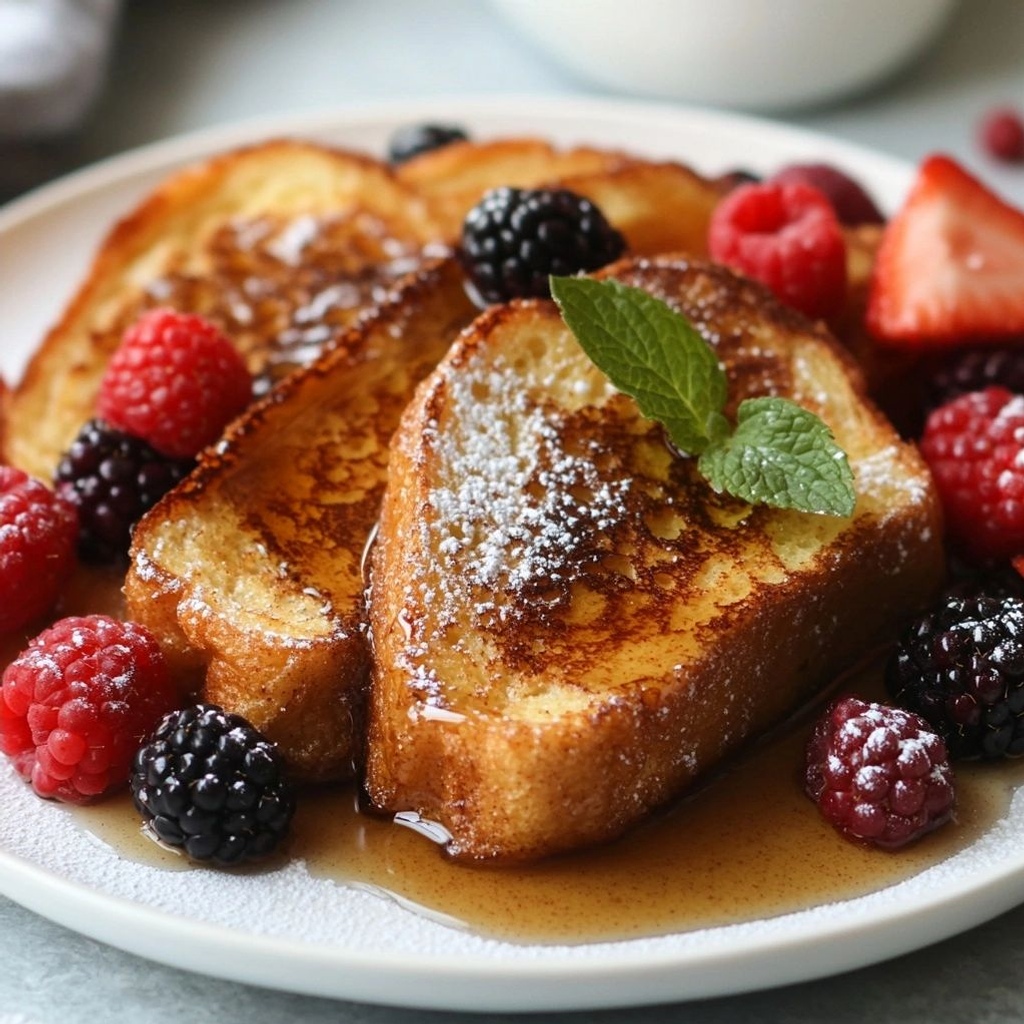
→ Warming briefly in the oven prevents cooling and preserves texture, allowing you to serve all slices at a uniform temperature with a crisp exterior. - Serve the vegan French toast with fresh berries, sliced banana or peaches, a light dusting of powdered sugar if desired, and additional pure maple syrup to taste; offer extra fruit on top for brightness and contrast.
→ Fresh fruit and extra syrup brighten the dish, provide moisture, and offer a balanced sweetness that complements the custard and spice notes.
Notes
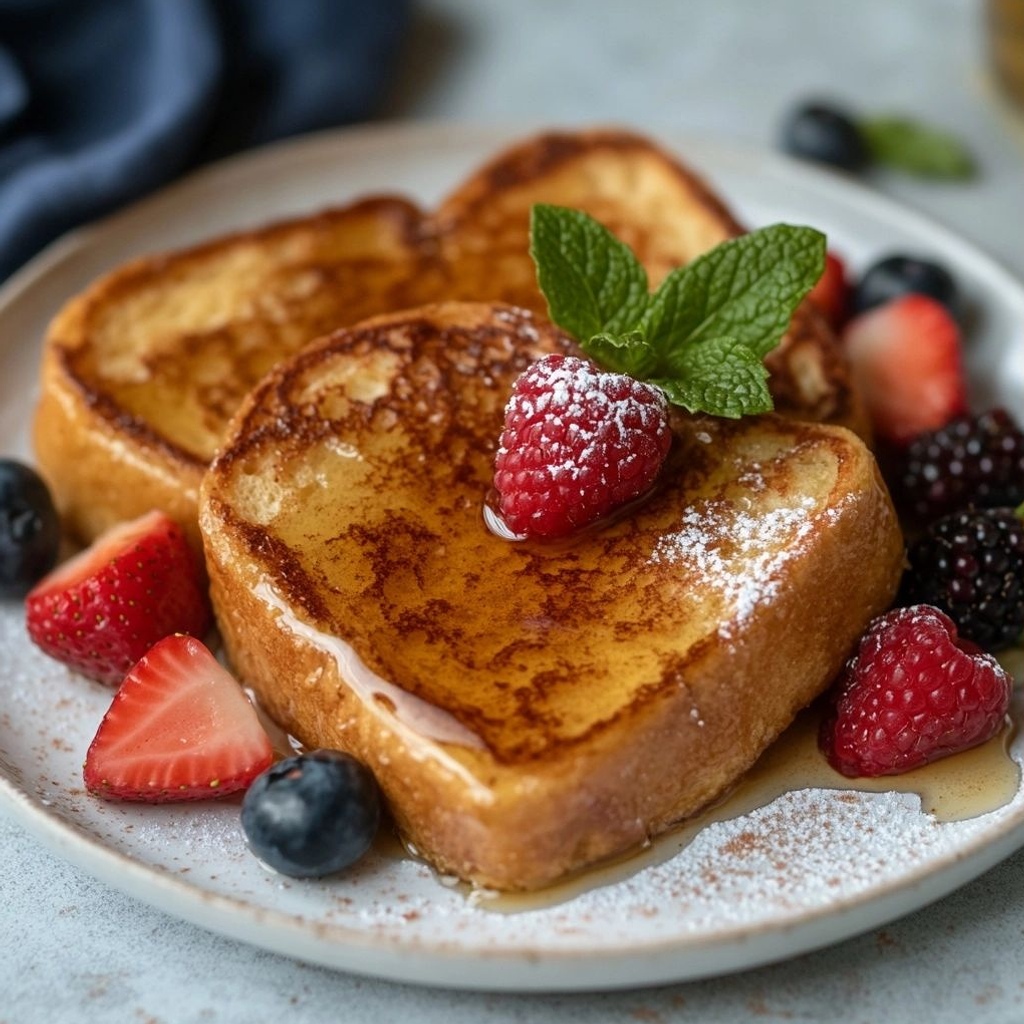
These vegan French toast is a custardy, cozy brunch option that keeps things dairy-free and egg-free without sacrificing flavor. The soaking mixture uses unsweetened almond milk and a flaxseed gel to bind the bread, so day-old or sturdy vegan bread works best for a lush, soakable result. Customize with your favorite plant milks, spices, and toppings; warm spices like cinnamon and nutmeg pair beautifully with maple and vanilla for a classic French toast vibe. For a crisp exterior, cook in a lightly oiled pan and avoid overcrowding the skillet. This recipe is versatile: use any vegan bread you love, top with fresh berries, sliced banana, or peaches, and finish with a dusting of powdered sugar or a drizzle of pure maple syrup. If you need gluten-free options, choose a sturdy gluten-free loaf and verify all ingredients are certified gluten-free. Leftovers can be stored in the fridge for 2–3 days and reheated in a skillet or toaster for quick weekday mornings. For an extra touch, consider a dollop of dairy-free yogurt or a sprinkle of chopped nuts for added texture and richness.
Tips
- Choose the bread wisely: day-old, sturdy vegan bread like sourdough, whole grain, or vegan brioche works best because it soaks up the batter without falling apart. If your bread is very fresh, toast it lightly or leave slices uncovered for a few hours to dry out slightly.
- Toasting the bread before soaking can help it hold up during the bath of batter. Lightly toast just enough to dry the surface, then soak promptly to avoid overly firm edges.
- For the flax “egg,” grind the flaxseed just before mixing and let the mixture rest 5–10 minutes to thicken. If you’re short on flax, you can substitute with an extra tablespoon cornstarch and an additional 2 tablespoons milk, but expect a slightly different texture.
- Warm milk slightly (not hot) to aid emulsification if your batter seems gloppy or separates. If using cold milk, give the slices a shorter soak so they don’t become too dense.
- Mix the dry spices (cinnamon, nutmeg, and salt) thoroughly with the almond milk before adding the bread. This ensures an even flavor distribution in every bite.
- Check the batter consistency: it should be thick but still pourable. If it’s too thin, whisk in a little more cornstarch (dissolved in a splash of almond milk first). If too thick, add a splash of milk until it coats the bread smoothly.
- Soak time matters: 15–30 seconds per side is usually enough for 6 slices. Over-soaking can make the bread break apart; under-soaking may lead to a custardy center that’s undercooked.
- Cook on medium heat. A temperature that’s too high will burn the exterior before the interior sets; too low and you’ll miss the crisp, caramelized crust. Use 1 tablespoon of neutral oil per batch, adding more if the pan dries out.
- Wipe the pan between batches if you’re making multiple batches to prevent excess oil and to keep the crust evenly golden.
- For even browning, avoid crowding the pan. Cook in batches, keeping finished slices warm in a low oven (about 200°F/93°C) while you finish the rest.
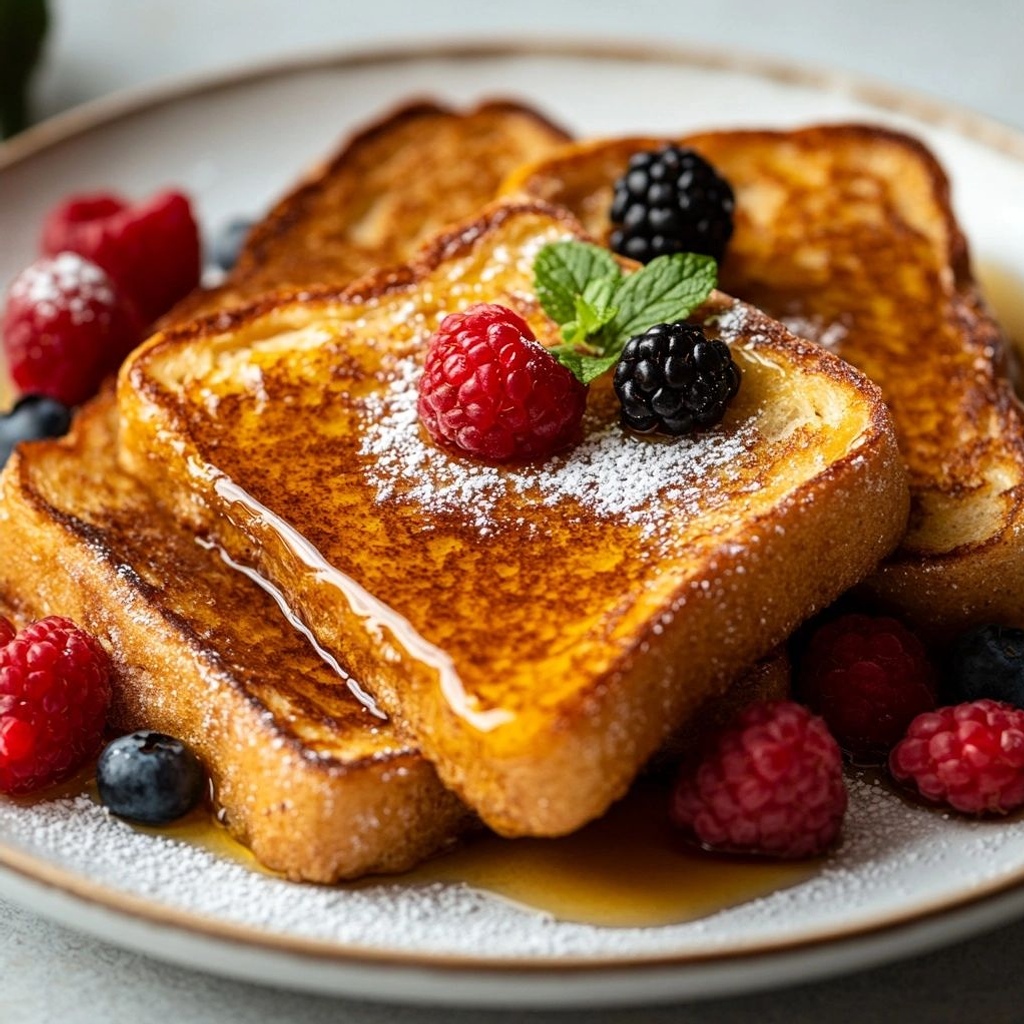
- Finish with fresh toppings: a mixture of berries, sliced banana, and peaches adds brightness and texture. Pat fruit dry if it releases a lot of moisture.
- For serving, dust with powdered sugar just before serving for a professional look. If avoiding refined sugar, a light dusting of cocoa powder works nicely.
- Storage tip: store any leftover toast in the refrigerator for up to 2 days. Reheat gently in a skillet or toaster oven to restore crispness. The batter’s coconut-free, dairy-free nature holds well when reheated.
- Gluten-free option: use a sturdy gluten-free vegan bread and ensure the bread contains no egg or dairy ingredients. The batter will still work with the flax egg; you may need an extra splash of milk to loosen if the bread is very dense.
FAQ
What is vegan French toast?
Vegan French toast is a plant-based version of traditional French toast made without eggs or dairy. It uses a batter typically based on plant milk, flour, and optional binders like cornstarch or chickpea flour, along with vanilla and cinnamon for flavor.
What ingredients do I need for The Best Easy Vegan French Toast?
Common ingredients include almond milk (or any plant milk), all-purpose flour or gluten-free flour, cornstarch or chickpea flour, vanilla extract, ground cinnamon, a pinch of salt, sugar or maple syrup for sweetness, and bread slices (stale bread works great). For frying, use a neutral oil or vegan butter.
Can I make this recipe gluten-free?
Yes. Use gluten-free all-purpose flour or a gluten-free flour blend. If using cornstarch, chickpea flour, or a mix, ensure they provide a cohesive batter. You may also add a little xanthan gum if your blend lacks binding power.
What type of bread works best?
Stale or day-old bread tends to soak up the batter better without falling apart. Thick-cut bread like Texas toast, sourdough, or brioche (vegan versions) work well. Avoid very soft fresh bread that may become soggy.
How do I prevent the vegan French toast from sticking to the pan?
Preheat the pan over medium-low heat and use enough oil or vegan butter to thinly coat the surface. Let the batter-coated bread sizzle gently rather than steam. Don’t overcrowd the pan and give each slice space to cook evenly.
What should the batter consistency be?
The batter should be smooth and slightly thick, enough to coat a slice without dripping off immediately. If it’s too thin, whisk in a little more flour or a touch of plant milk. If too thick, thin with a splash of plant milk.
How long and what temperature should I cook the slices?
Cook on medium heat for about 2–3 minutes per side, or until golden brown and crisp around the edges. Adjust heat as needed to avoid burning. Flip once when the edges look set.
What toppings pair well with vegan French toast?
Classic toppings include maple syrup, powdered sugar, fresh berries, sliced bananas, almond butter, tahini, chia jam, coconut whipped cream, or a sprinkle of cinnamon. For extra richness, drizzle dairy-free yogurt or a fruit compote.
Can I make this ahead or freeze leftovers?
Yes. You can cook the slices and store them in the fridge for up to 2–3 days. To reheat, warm in a skillet with a little oil or in the oven until heated through. Freeze cooked slices for up to 2 months; reheat in a skillet or toaster oven until warmed and crisp.
Is this recipe allergy-friendly?
It’s naturally dairy-free and can be made gluten-free. To accommodate nut allergies, use oat or soy milk instead of almond milk. If you have a gluten intolerance, ensure the bread is gluten-free and use a gluten-free flour blend for the batter.