
Introduction / Hook
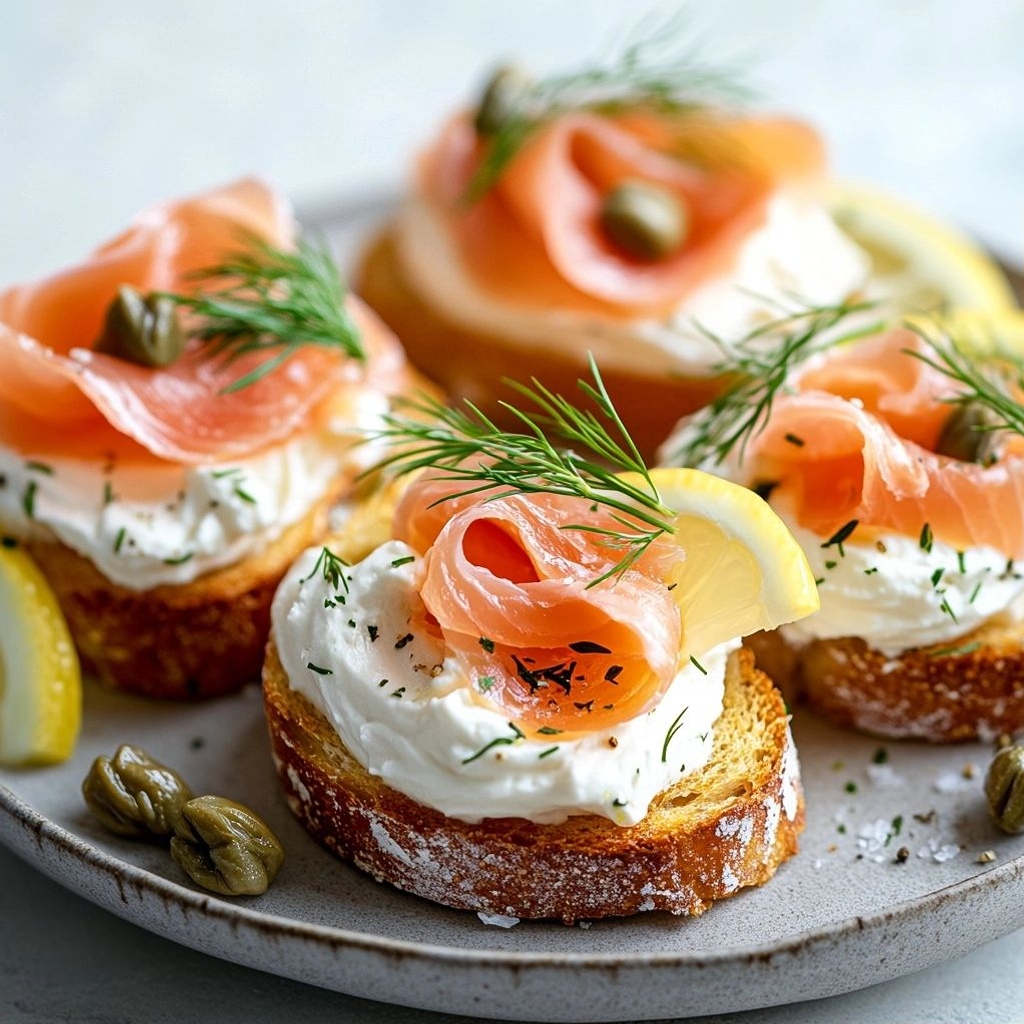
Imagine a platter where the smoke-kissed elegance of salmon meets the crisp, toasty comfort of a perfect crostini, all lifted by a cloudlike mousse that melts on your tongue. Smoked Salmon Crostini with fluffy mousse is more than a canapé; it’s a fleeting moment of luxury that turns a simple bite into an event. The crostini crackles as you bite, releasing a whisper of charred grain and olive oil, while the mousse—airy, delicate, and subtly tangy—gives the dish a modern, ethereal lift. A kiss of citrus, a glimmer of dill, perhaps a caper or two, and you’ve created a small, luminous plate that feels celebratory enough for a cocktail hour, yet approachable enough for a weeknight treat. The aroma alone—smoke weaving into butter, cream, and fresh herbs—prepares your senses for what’s to come: a balance of richness, brightness, and texture that keeps you reaching for another bite.
The Story Behind the Dish
Crostanding back in history, small toasts on rustic bread have long served as the canvas for delicate toppings in many European picnics, teatimes, and celebrations. Smoked salmon, with its storied past in Scandinavian and Baltic traditions, has been a symbol of both luxury and everyday endurance—preserved fish that could travel, endure long winters, and still shine at a table. When modern chefs sought to pair it with something unexpectedly light, foamy or fluffy, mousse-like textures emerged as a way to juxtapose the heaviness of salmon with a cloud-like counterpart. The result is a culinary conversation between land and sea, smoke and cream, crisp bread and airy topping. This recipe takes that conversation further by using a mousse that’s not merely soft but vigorously fluffy, whipped to a delicate peak that holds its structure atop a crisp base. The mousse acts as a velvet bridge, allowing the salmon’s briny sweetness to float above the crostini rather than overwhelm it. It’s the kind of dish that invites storytelling—about travels to coastal markets, about late-night gatherings with friends where the talk is as light as the mousse, and about the joy of transforming simple ingredients into something that feels cherished.
Why You’ll Love This Recipe
- Elegance without fuss: A refined canapé that looks and tastes impressive with minimal effort.
- Textural balance: Crisp crostini, silky mousse, and delicate salmon create a triad of textures that keeps every bite interesting.
- Bright and luxurious flavor: The smoke of salmon tempered by citrus zest, dill, and a gentle creaminess makes the palate sing.
- Versatile for occasions: Perfect for brunches, cocktail hours, and special dinners, yet simple enough for a casual gathering.
- Make-ahead potential: The mousse can be prepared in advance and piped onto crostini just before serving, ensuring freshness and ease.
- Diet-conscious options: Easily adaptable to dairy-free or gluten-free needs with thoughtful substitutions.
Flavor Profile & Texture
The flavor narrative of these crostini starts with the base: toasted bread that carries a subtle olive oil aroma and a gentle char, providing a warm, toasty foundation. The fluffy mousse that sits atop is where the magic happens. Whipped to light peaks, it brings a creamy tang that enlivened dairy or dairy-free alternatives without weighing down the bite. The smoked salmon adds a smoky-salty whisper—more nuanced than a heavy fishiness—paired with a bright zing from lemon or citrus. Fresh dill announces itself with a lawn-green freshness that perfumes the air as you pick up the crostini. If you choose, a caper adds a small briny pop, a cucumber slice brings cool relief, or a tiny dollop of crème fraîche or a plant-based alternative adds another layer of silkiness. The final result is a harmonious chorus: crunch and cream, smoke and zest, soft and crisp trading notes in every mouthful. The texture is what makes this recipe enduring: the mousse holds its airy shape, yet dissolves gracefully, allowing the smoked salmon to linger on the palate with a velvet finish. It’s a bite that feels luxurious but is approachable enough to share with guests who might be new to tasting menus or fine canapés.
Occasions & Pairings
Smoked Salmon Crostini with fluffy mousse is ideal for a spectrum of occasions. It shines as an elegant starter at dinner parties, a chic hors d’oeuvre for holiday gatherings, or a refined option for a brunch that wants to flirt with sophistication without being heavy. It also makes a memorable first course for a seafood-forward menu, or a striking addition to a canapé spread for birthdays and anniversaries. When planning pairings, consider the following:
- Wine: A dry sparkling wine such as Brut Champagne or a crisp, citrusy Sauvignon Blanc complements the smoke and the citrus notes. For a red option, a light Pinot Noir with bright acidity can work surprisingly well.
- Drinks: A sparkling elderflower spritzer or a gin-based cocktail with a spritz of lemon can echo the citrusy brightness without overpowering the mousse.
- Side dishes: A simple green salad with a tangy vinaigrette, blanched asparagus, or roasted cherry tomatoes provide a color and flavor contrast that enhances the canapés.
- Dessert balance: A light sorbet or a citrus-forward dessert keeps the meal from tipping rich; something with lemon, grapefruit, or yuzu would echo the dish’s brightness nicely.
Tips, Variations & Substitutions
Here are ideas to customize and adapt Smoked Salmon Crostini with fluffy mousse to different tastes, diets, and occasions:
- Herb variations: Swap dill for chives, tarragon, or a mix of fresh herbs. A hint of chervil can add a subtle anise note that pairs beautifully with salmon.
- Flavor boosters: A touch of lemon zest in the mousse or a light splash of horseradish can give an extra zing. For a milder profile, use finely minced chives and a whisper of sea salt flakes just before serving.
- Textural tweaks: Use a multigrain or sourdough crostini for added depth, or brush the toast with a garlic-infused olive oil for a savory kick.
- Creamy variations: If dairy-free, substitute with a whipped coconut cream or cashew cream whipped with a hint of lemon and dill. You may also use a vegan cream cheese as the base for the mousse.
- Gluten-free option: Choose gluten-free crostini or crisped rice crackers as the base; ensure all toppings are gluten-free if serving to sensitive individuals.
- Smoked salmon alternatives: For a different dynamic, try gravlax or trout; for a non-smoked, brined salmon variant, adjust the seasoning to maintain balance with the mousse.
- Make-ahead note: Prepare the mousse base a day ahead and refrigerate. Pipe or dollop onto crostini just before serving to preserve a pristine, airy texture.
- Vibrant finish: Add a few microgreens or delicate herb blossoms as a final garnish for visual appeal and a fresh, peppery bite.
Storage & Make-Ahead Ideas
To maintain texture and freshness, plan ahead with a few practical steps. The crostini themselves should be baked or toasted ahead of time and kept in an airtight container at room temperature for up to a day. The fluffy mousse, best made fresh, can be prepared a few hours in advance and kept covered in the refrigerator. When ready to serve, assemble quickly for the best contrast in textures:
- Make-ahead mousse: Prepare the mousse and refrigerate in a covered bowl. If you like, transfer to a piping bag for instant, clean applications on each crostini.
- Assemble last moment: Toast crostini just before serving to maintain crunch. Pipe or dollop mousse onto each slice, then top with slices of smoked salmon and a final garnish.
- Leftovers: The mousse is best consumed within 24 hours; smoked salmon can be stored refrigerated for up to 2 days if sealed well. Assembled crostini should be consumed the same day for optimal texture.
- Freezing: The mousse does not freeze well due to its airy texture, so avoid freezing. Crostini can be crisped from frozen dough if you have pre-baked bases, but best results come from freshly toasted slices.
Fun Facts & Trivia (Optional)
– Smoked salmon has a long maritime history, with Norse and Scandinavian communities using cold-smoking processes that preserve fish for long voyages. The smoke not only adds flavor but also serves as a practical preservation method inspired by necessity and resourcefulness.
– Mousse, a light and airy preparation, emerged in the 18th and 19th centuries in French cuisine, evolving from rich creams into whipped, delicate textures that can be used as a topping, filling, or accompaniment. Its presence in a savory canapé elevates the dish without adding heaviness.
– The name crostini comes from the Italian word crosta, meaning crust or crusty piece of bread. A crostini is essentially a little toasted slice that serves as a sturdy canvas for toppings—the perfect match for this mousse-based masterpiece.
– Dill’s aroma is often associated with the sea and freshness. It’s a natural pairing with salmon due to its bright, almost lemony-green notes that cut through the fish’s richness, creating a balanced bite that is neither too fishy nor too tart.
Conclusion: A Bite-Sized Experience Worth Sharing
Smoked Salmon Crostini with fluffy mousse is more than a recipe; it’s a celebration of technique, texture, and taste crafted into a single, elegant mouthful. It invites you to slow down just long enough to savor the contrast between the crisp toast, the cloudlike mousse, and the silky salmon. It’s a dish that feels special enough for a celebration, yet so approachable that you can bring it to a casual evening with friends and family. Each component plays a precise role: the crostini provides structure, the mousse provides lift, and the salmon provides a whisper of smoke and sea that lingers pleasantly. When you plate these crostini, you invite someone to participate in a small, luxurious ritual—one where a simple bite becomes a memory, and a simple afternoon becomes a story told through flavor. Enjoy the process, share generously, and let the mousse melt expectations as easily as it melts on your tongue.
Ingredients
-
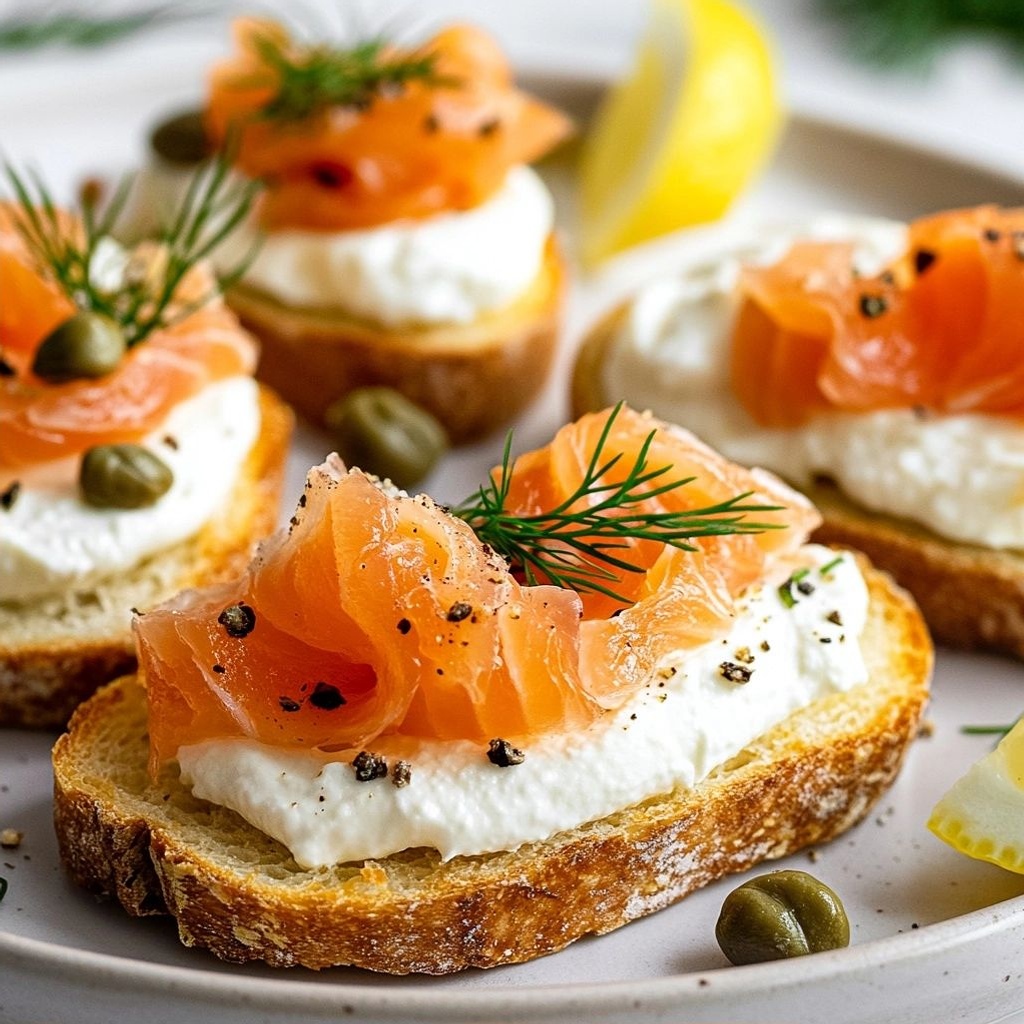
– 1 baguette, sliced into 1/2-inch rounds and lightly toasted until golden brown
→ These crostini provide the crunchy, neutral platform for the airy salmon mousse. Slicing evenly ensures uniform toasting and stacking. Allow the slices to cool slightly before topping so the mousse doesn’t melt excessively.
– 2 tablespoons extra-virgin olive oil for brushing
→ Used to brush the baguette slices before toasting to help them crisp and gain rich flavor. Use a high-quality olive oil for best aroma; brush lightly to avoid soggy interiors.
-
– 6 ounces (170 g) smoked salmon, finely chopped
→ Provides the smoky, briny core of the mousse. Chop finely so it blends smoothly with the creamy base and distributes evenly in every bite. Reserve a small amount for garnish if desired.
– 4 ounces (115 g) cream cheese, softened
→ Creates the creamy, stable emulsion base for the mousse. Soften at room temperature to ensure smooth folding; this helps achieve a light, airy texture rather than a dense filling.
– 1/4 cup heavy cream, cold or lightly whipped to soft peaks
→ Adds volume and a delicate lift to the mousse when folded in. Whip to soft peaks; over-whipping can make the mousse grainy or too stiff for spreading.
– 1 tablespoon lemon juice, freshly squeezed
→ Adds brightness to balance the richness and salmon’s saltiness. Use fresh juice and strain out pips for a clean flavor.
– 1 tablespoon fresh dill, finely chopped
→ Dill complements smoked salmon with a herbaceous note. Finely chop to distribute evenly; consider substituting chives for a milder onion-like bite.
– 1 tablespoon fresh chives, finely chopped
→ Adds a mild onion-membrane flavor and color contrast. Chop finely so the bits integrate smoothly into the mousse rather than interrupting its texture.
– 1/2 teaspoon finely grated lemon zest
→ Provides aromatic citrus brightness that lifts the mousse. Zest before juicing to capture essential oils for maximum fragrance.
– Pinch kosher salt and white pepper to taste
→ Seasoning should enhance, not overwhelm. Add gradually and adjust after tasting; white pepper keeps the look clean in the pale mousse.
– 1 teaspoon powdered gelatin (optional, bloom in 2 tablespoons cold water)
→ If you want a firmer, sliceable mousse that holds shape on the crostini, bloom gelatin and melt it into the warm cream before folding. Do not allow the mixture to seize; avoid bubbling when adding gelatin.
-
– Thin cucumber ribbons or small cucumber batons for contrast
→ Adds crisp, refreshing crunch that complements the richness of the mousse. Lightly pat dry to prevent excessive moisture from soaking the crostini.
– Fresh dill sprigs or microherbs for garnish
→ Visual appeal and a final herbal note. Use sparingly to avoid overpowering the mousse flavors.
– Lemon zest microshakes or a delicate lemon twist
→ A final citrus kiss that brightens the dish right before serving. Use a microplane for fine zest without pith.
Instructions
- Preheat your oven to 375°F (190°C) and arrange the baguette rounds on a parchment-lined sheet; brush each side lightly with 1/2 tablespoon of extra-virgin olive oil to promote even browning and a crisp crust as the base for the mousse.
→ A gentle oiling ensures the bread toasts evenly, yields a golden color, and prevents the slices from sticking to the pan while encouraging a delicate crunch that contrasts with the airy filling. - Toast the baguette rounds in the preheated oven for 8 to 10 minutes, flipping once halfway, until the edges are golden brown and the centers feel crisp but not brittle.
→ Uniform toasting creates a sturdy platform that holds the mousse without becoming soggy from moisture. - Cool the crostini on a wire rack for 5 minutes to stop the carryover baking and to allow the surface to set, which helps the mousse adhere without sliding.
→ Resting prevents the hot bread from wilting the topping and ensures a clean, neat presentation. - Prepare the fluffy salmon mousse by finely chopping the smoked salmon until it resembles a coarse meal, then reserve a few tiny pieces for garnish if desired; this ensures even distribution and a smooth mouthfeel.
→ Finely chopped salmon blends with the cream base to create a cohesive, airy texture rather than a chunky filling. - In a mixing bowl, place the softened cream cheese and beat with a spatula or a handheld mixer on low until smooth and creamy; this breaks up any lumps and creates a stable emulsion.
→ A smooth base is essential for a light, fluffy mousse that spreads evenly on the crostini. - Fold the cold or softly whipped cream into the cream cheese mixture using a gentle, wide spatula until fully incorporated and lightened; avoid overmixing to maintain airy volume.
→ Folding preserves airiness and prevents the mousse from becoming dense or whipped into stiff peaks that won’t spread neatly. - Add the freshly squeezed lemon juice and the finely chopped dill and chives; mix just until evenly distributed to preserve the delicate herb flavors without breaking the mousse.
→ The citrus brightens the richness, while the herbs provide fragrance and balance; uniform distribution ensures every bite has consistent flavor. - Grate the lemon zest finely and fold into the mixture along with a pinch of kosher salt and white pepper to taste; adjust seasoning slowly after a brief chill.
→ Zest provides essential oils that imbue aroma, while careful seasoning avoids overpowering the delicate salmon flavor. - If using gelatin, bloom 1 teaspoon of powdered gelatin in 2 tablespoons cold water for 5 minutes; then warm the mixture gently to dissolve fully and melt it into the mousse base just before folding in, ensuring the heat does not exceed 140°F (60°C).
→ Gelatin provides a subtle firmness that helps the mousse hold its shape on the crostini without making it stiff; overheating can cause clumping or separation. - Transfer the mousse to a piping bag fitted with a wide tip or use a small spatula to fill the crostini bases with an even layer, aiming for about 1 to 1.5 tablespoons per piece; smooth the surface for a neat presentation.
→ A consistent amount ensures uniform slices and elegant plating, making the dish visually appealing and easy to eat. - Chill the assembled crostini on a tray in the refrigerator for 15 to 20 minutes to set the mousse slightly and make handling easier before finishing with garnish.
→ A brief chill helps the mousse hold its shape during plating and enhances the overall texture balance between the crisp bread and the creamy filling. - Prepare optional finish and garnish by creating thin cucumber ribbons or small cucumber batons; pat them dry to remove surface moisture so they stay crisp on top of the mousse.
→ The cool, crisp contrast of cucumber lightens the mouthfeel and adds visual appeal without introducing extra moisture that could soften the crostini. - Assemble just before serving by placing a quenelle or dollop of mousse on each crostini, then top with a cucumber ribbon or baton and a small dill sprig or microherbs for a bright finish; finish with a light lemon zest microshake if desired.
→ Fresh toppings provide a color contrast and aromatic lift, while maintaining the mousse’s delicate texture and the crostini’s crunch. - Serve immediately or refrigerate briefly (up to 30 minutes) to maintain contrast between the cool mousse and warm-toasted bread; remove from refrigeration a few minutes before plating to prevent condensation on the surface.
→ Timing preserves texture and presentation, ensuring each bite delivers the intended balance of flavors and textures.
Notes
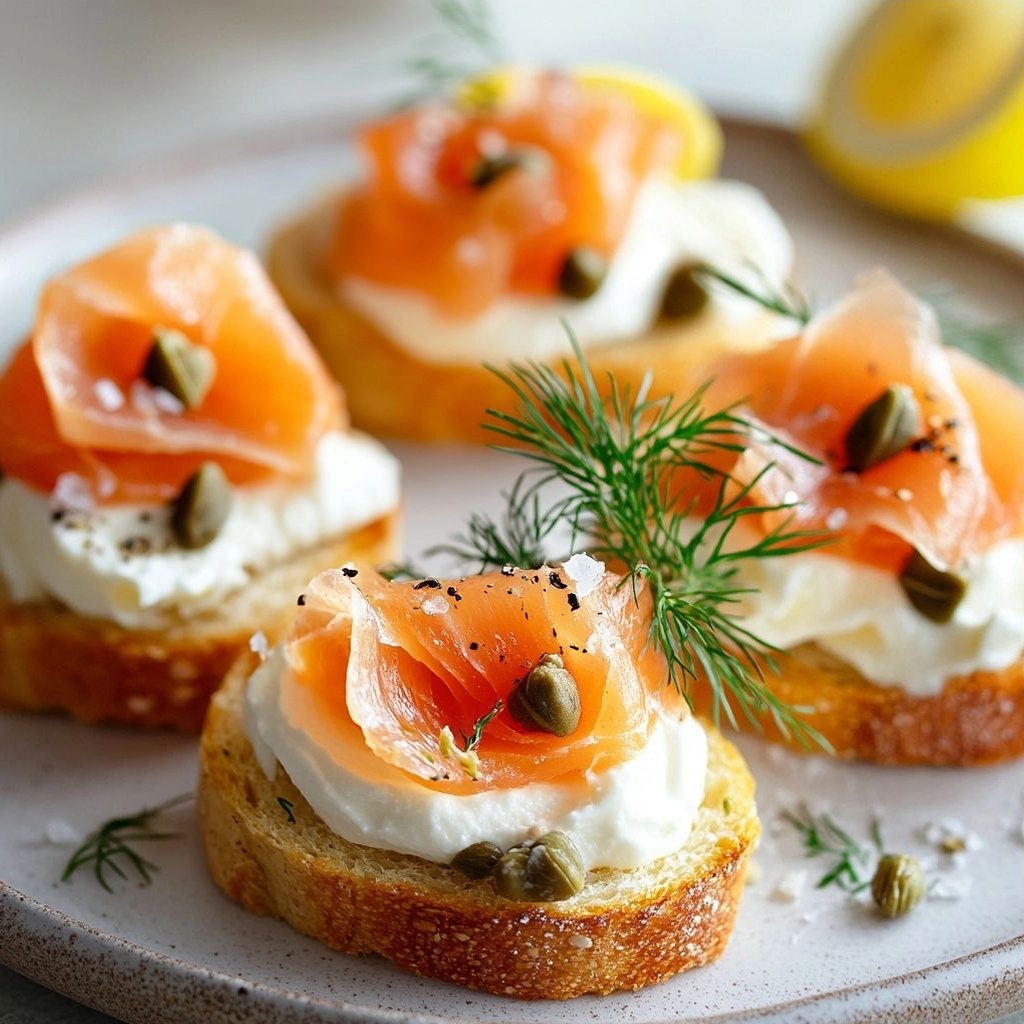
These smoked salmon crostini with fluffy mousse are a elegant, crowd-pleasing appetizer that balances smoky seafood with a light, airy cheese mousse. To ensure the crostini stay crisp, toast the baguette slices just before serving and avoid overloading them with mousse. For a dairy-free version, swap the cream cheese for a whipped cauliflower or cashew-based mousse and use olive or almond cream to keep the texture light. You can customize the toppings with cucumber, dill, or chives for brightness, and add a touch of lemon zest or zest microshakes for a final citrus kiss. If making ahead, keep the mousse chilled and stashed in a piping bag to assemble quickly right before guests arrive. For gluten-free guests, substitute with gluten-free baguette or crisp gluten-free crostini; always check labels on ingredients to ensure no hidden gluten.
- To keep the mousse from becoming dense, fold fully cooled whipped cream into the softened cream cheese and smoked salmon mixture.
- Prepare the crostini and mousse separately; assemble just before serving to preserve crunch and presentation.
- Reserve a small amount of chopped smoked salmon and herbs for a visually appealing garnish atop each crostini.
- For a lighter finish, garnish with cucumber ribbons and a delicate lemon zest twist to brighten the flavors.
Tips
Tip: When preparing the mousse, soften the cream cheese fully at room temperature and fold in the whipped cream gently in stages to preserve the light, airy texture. Use a light touch and a spatula to avoid deflating the mousse.
Tip: If you choose to use gelatin for a sliceable mousse, bloom in cold water until plump, then warm briefly to dissolve completely before whisking into the warm cream mix. Avoid adding gelatin when the mixture is too hot or it will seize; add gradually and stir smoothly.
Tip: For the salmon, chop finely so the mousse distributes evenly. Reserve a small amount for garnish to add texture and a pop of color at the end.
Tip: Balance brightness with lemon: strain the juice to remove pulp and seeds, and add zest for a fragrant lift. If the mousse seems under-seasoned, a tiny pinch of salt at the end can enhance all the flavors.
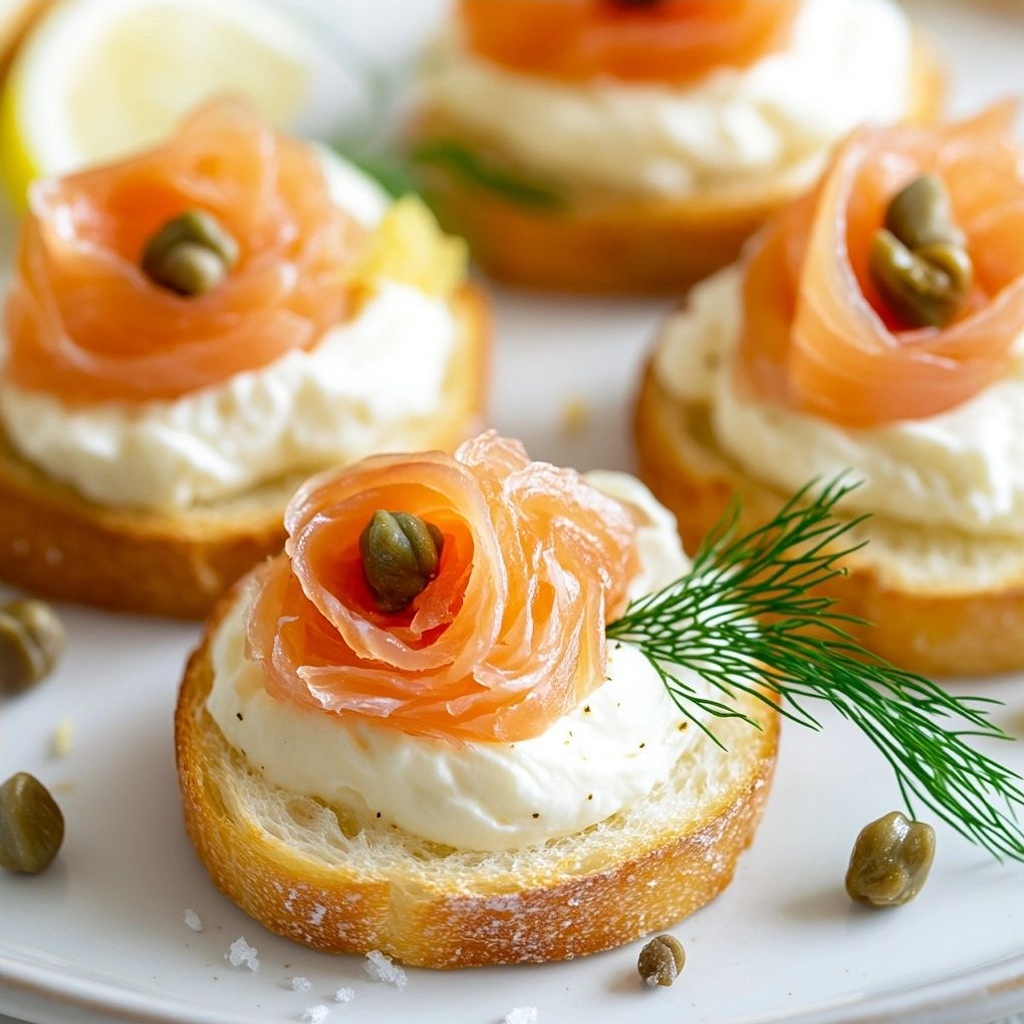
Tip: Keep the mousse cold and the crostini at room temperature just before serving. Pipe or scoop a generous, neat mound onto each crostini, then top with a crisp cucumber ribbon or a sprig of dill for contrast.
Tip: To prevent soggy crostini, pat cucumber ribbons dry before layering, and consider adding cucumbers just before serving if your mousse is very moist.
Tip: If prepping ahead, refrigerate the mousse in a wide bowl with a cover. When ready to serve, whisk gently to re-suspend any settled components before piping onto crostini.
FAQ
What is Smoked Salmon Crostini with fluffy mousse?
A light, creamy smoked salmon mousse spread layered on crispy crostini, topped with smoked salmon ribbons and fresh accompaniments for an elegant appetizer.
What ingredients are needed?
Crostini: slices of baguette or ciabatta, olive oil, salt. Mousse: cream cheese, smoked salmon, lemon juice, white pepper, a splash of heavy cream or crème fraîche, optional dill. Toppings: cucumber ribbons, capers, chives or dill, optional lemon zest.
Can I make the mousse ahead of time?
Yes. Prepare the mousse up to 1 day in advance and refrigerate in an airtight container. Bring to room temperature and re-whip lightly before serving for best fluffiness.
How do I make the crostini crispy?
Slice bread into thin rounds, brush with olive oil, sprinkle with salt, and toast in a 375°F (190°C) oven or under a broiler until golden and crisp, about 8–12 minutes, turning midway.
Can I use dairy-free or vegan substitutions?
Yes. Use dairy-free cream cheese alternative and a plant-based smoked salmon substitute, or skip the mousse and create a dairy-free whipped avocado layer for a different flavor profile.
What flavor tweaks work well?
Try adding a pinch of horseradish to the mousse for a zippy kick, a touch of lemon zest for brightness, or thinly sliced cucumbers for crunch. Fresh dill or chives complement the salmon wonderfully.
How should I assemble the crostini?
Spread a generous layer of mousse on each crostini, top with a small ribbon of smoked salmon, and finish with cucumber, capers, and herbs. Serve immediately for best texture.
How many crostini does this make?
Typically 12–16 crostini, depending on bread size and mousse amount. You can adjust portions by slicing bread thinner or thicker.
What can I serve this with?
Pair with a light, crisp white wine such as Sauvignon Blanc or sparkling Prosecco. Garnishes like lemon wedges and fresh greens also make a nice contrast on the platter.
How should I store leftovers?
Store mousse separately from crostini in the refrigerator for up to 2 days. If assembled, cover tightly and refrigerate but note the crostini may become soft over time.