Introduction / Hook
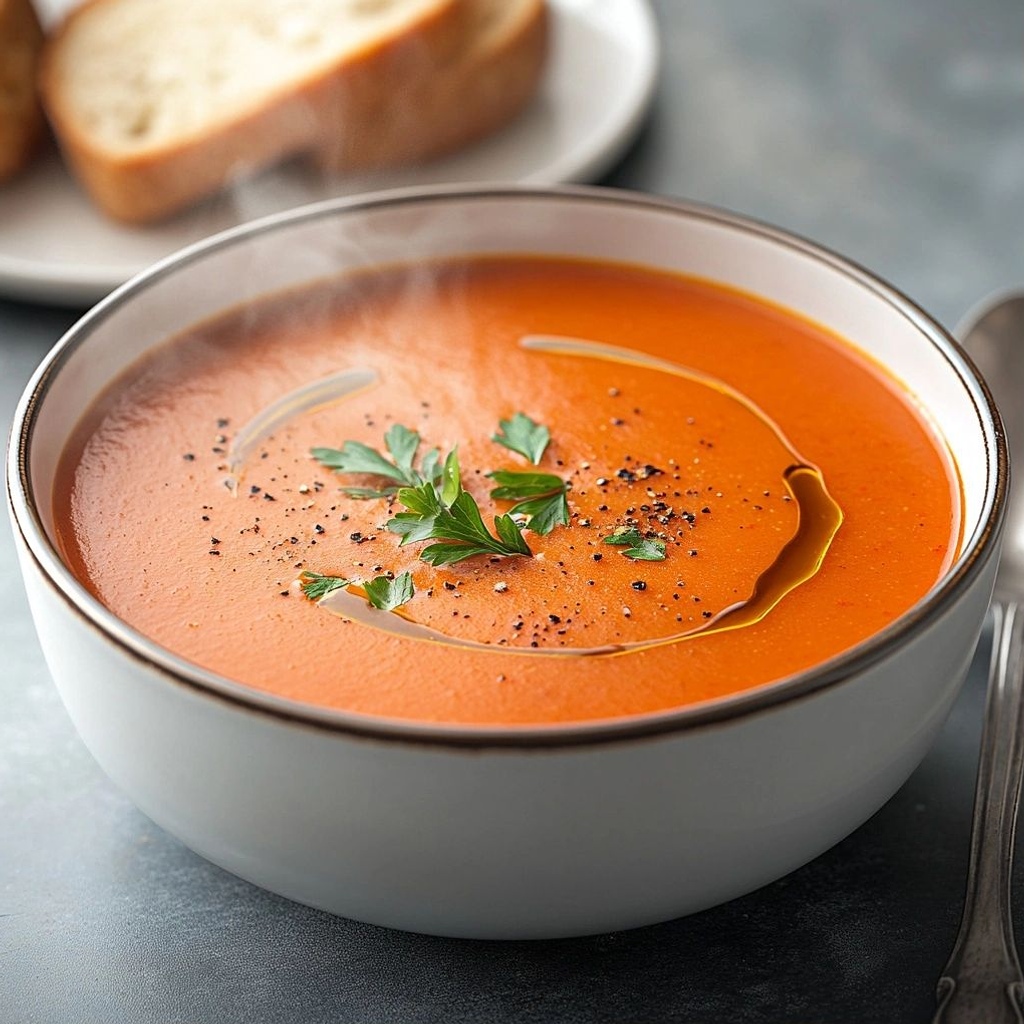
Imagine a bowl that embodies the quiet resilience of winter: bright, sun-kissed tomato brightness blooming from a pantry staple, warming your hands and heart as the wind howls outside. This Middle-of-Winter Tomato Soup, built on canned tomatoes, is not just a comforting antidote to gray skies—it’s a celebration of pantry ingenuity and seasonal coziness. The aroma alone invites you to slow down: a simmering pot releasing notes of tomato sweetness, garlic mellowing into caramelized silk, and a whisper of herbs that makes the kitchen feel like a small, sunny corner of the world. It’s the kind of soup that turns a chilly evening into a small ritual, a reminder that nourishment can come from humble ingredients, transformed with patience and care.
The Story Behind the Dish
Tomato soup has a long, storied life in kitchens around the world, evolving with the availability of ingredients and the whim of home cooks. In many places, tomatoes became a pantry staple during the winter months as canning and preserving practices stretched harvests through the cold season. This particular rendition, “Middle-of-Winter Tomato Soup,” embraces a practical, almost nostalgic approach: using canned tomatoes to capture a tomato’s peak sunshine in a jar, then coaxing their brightness into a creamy, comforting bowl that still feels fresh. The recipe leans into the idea that good things can come from simple, reliable ingredients—crushed tomatoes or whole peeled, a splash of stock, a touch of cream or olive oil—while honoring the memory of family kitchens where a pot simmered away on a chilly afternoon, warming the house and the people gathered around the stove. It’s a dish that feels both timeless and timely: a reminder that winter doesn’t have to mean dull meals, that a can of tomatoes can unlock sunshine in a bowl, and that comfort can be crafted with thought, care, and a bit of culinary ingenuity.
Why You’ll Love This Recipe
- Simple pantry staples. This soup uses canned tomatoes as the star, with easy additions that most home cooks already have on hand.
- Weeknight-friendly. Quick to prep, slow to rush, and deeply satisfying—perfect for a cozy weeknight supper.
- Versatile for dietary needs. Easily adaptable to dairy-free, vegan, or gluten-free preferences with small tweaks.
- Flavor that feels bright and wholesome. The acidity of tomatoes balanced with gentle sweetness, garlic, onion, and a hint of herbs create a well-rounded, comforting depth.
- Comfort without heaviness. A silky texture with a light creaminess that nourishes without weighing you down.
- Great make-ahead potential. The flavors deepen with a little rest, and it reheats beautifully for future lunches or dinners.
Flavor Profile & Texture
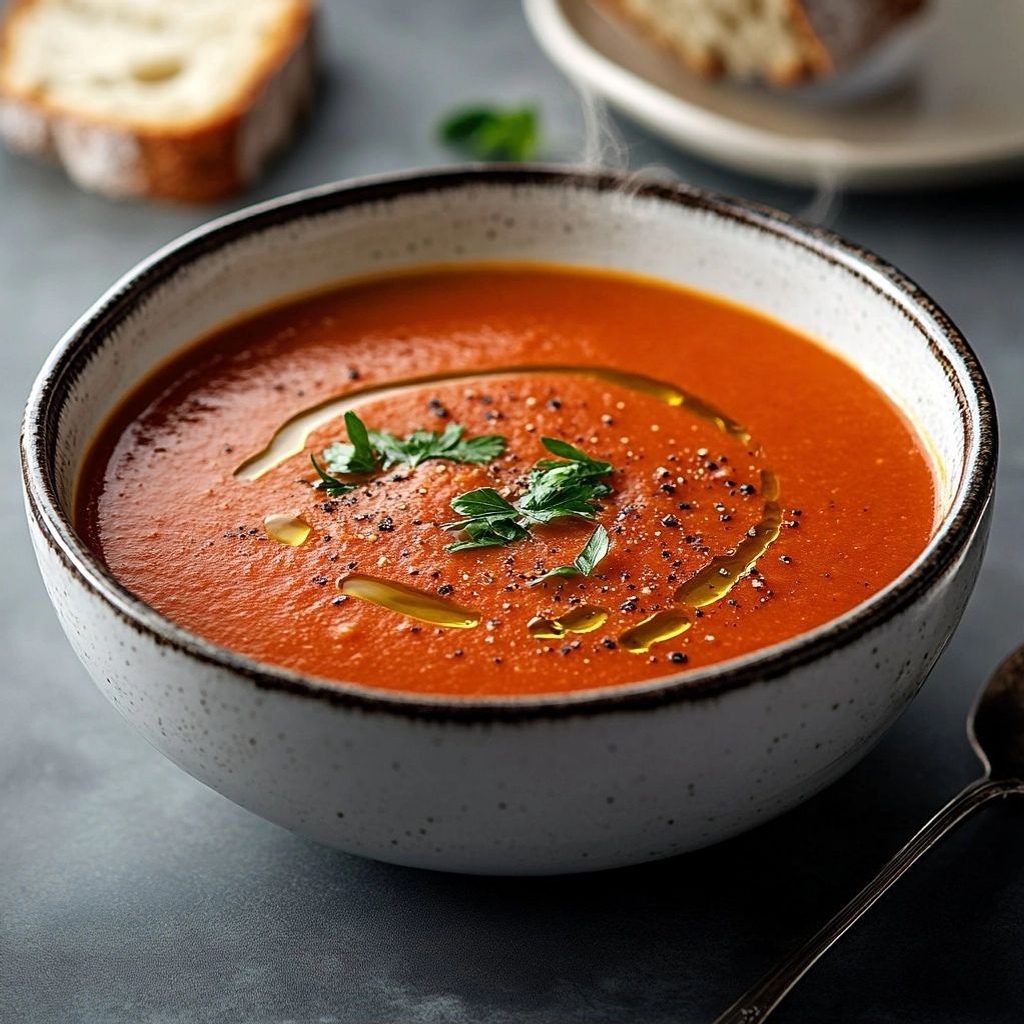
This soup is a study in balance. The canned tomatoes provide a consistent, sunlit tomato base with concentrated sweetness and a touch of tang. When simmered with aromatics—onion, garlic, a splash of olive oil or a pat of butter—the flavors mellow and mellow again, transforming sharp acidity into a rounded, comforting savor. A gentle simmer invites subtle herbal notes—basil, thyme, or oregano depending on what you have—without overpowering the tomato’s core character. The texture is creamy and smooth, yet not heavy, thanks to a light emulsification either with a blender or an immersion blender. If you prefer a chunkier bite, a quick pulse to leave some tomato pieces intact can give you a rustic charm; for a silken finish, blend until perfectly velvety. A touch of cream or a swirl of coconut milk adds luxury, but the base is friendly to dairy-free diets as well—olive oil or a splash of plant-based milk can achieve similar richness. The finish is bright with a hint of herbs and a whisper of olive oil, a mouthfeel that feels both nourishing and elegant. The overall sensation is a comforting hug—bright and warm, with enough complexity to feel special even when you’re cooking on a weeknight.
Occasions & Pairings
This soup is remarkably versatile—dress it up for a dinner party or simplify it for a weeknight meal. Consider these occasions and pairings:
- Weeknight warmth: Pair with crusty bread, a drizzle of olive oil, and a simple salad for a quick, satisfying supper.
- Casual gatherings: Serve in small bowls with grilled cheese croutons or bruschetta to evoke a cozy, retro vibe.
- Soups as starter: A light, flavorful opener before a heartier main course like roasted chicken or a vegetable pasta.
- Seasonal celebrations: Add a dollop of crème fraîche or a swirl of sour cream for a touch of luxury at a small-yet-elevated gathering.
- Pairings: Consider a crisp white wine or a light red with notes of cherry and herbs; for non-alcoholic options, a sparkling mineral water with a lemon twist or a warmed apple-ginger tea complements the brightness of the soup.
Tips, Variations & Substitutions
Here are ideas to tailor the recipe to your pantry, dietary needs, or flavor preferences:
- Herbs: Fresh basil or thyme add brightness; dried oregano or Italian seasoning works well in a pinch. For a Mediterranean kick, finish with a little chopped parsley and a few pinches of red pepper flakes.
- Protein boost: Stir in white beans or chickpeas for heartiness, or fold in shredded chicken for a light, comforting finish.
- Vegan/vegetarian: Use olive oil and dairy-free milk (almond, oat, or coconut) to add creaminess. Skip any dairy toppings.
- Tomato options: If you have crushed tomatoes, passata, or whole peeled tomatoes, they work; you can blend for a smoother texture or leave some chunks for texture.
- Flavor twists: A pinch of smoked paprika can add warmth, while a teaspoon of miso or a splash of balsamic vinegar can deepen the umami and sweetness.
- Creaminess level: For a richer soup without dairy, whisk in a small amount of cashew cream or coconut cream at the end; for lighter, skip dairy entirely and finish with a touch of olive oil.
- Gluten-free: This soup is typically gluten-free, especially when using gluten-free stock; ensure any bread you serve on the side is gluten-free if needed.
- Texture control: For a silky finish, blend fully until velvety; for a heartier texture, blend 60-70% and leave some whole tomatoes intact.
Storage & Make-Ahead Ideas
Tomato soup often tastes even better after a rest, as flavors meld and mellow. Here are practical tips to maximize make-ahead potential and storage life:
- Make-ahead: Prepare the soup a day in advance and refrigerate overnight. Reheat gently on the stovetop, adding a splash of stock or water if it thickens too much.
- Storage: Store in an airtight container in the refrigerator for up to 4 days. For longer storage, freeze in freezer-safe containers for up to 3 months. Leave space for expansion if freezing in a jar.
- Reheating tips: Reheat slowly over low to medium heat, stirring to prevent sticking. If the soup has separated, a quick whisk or a short blend will bring back a uniform texture.
- Labor-saving approach: Cook a larger batch, then portion into singles for easy reheating lunches, ensuring you have comfort on busy days.
Fun Facts & Trivia (Optional)
Tomatoes have a surprisingly dynamic history in global cuisine. They originated in the Americas and were once treated with caution in European kitchens due to myths about their association with poisonous plants. It wasn’t until the 18th and 19th centuries that tomatoes gained a stable foothold in everyday cooking, especially in soups and sauces where their bright acidity and natural sweetness could shine. Canned tomatoes, which form the backbone of this recipe, became a pantry staple precisely because they preserved the tomato’s vibrant flavor and color, making it possible to enjoy a “summer tomato” experience even in the heart of winter. The act of canning itself is a fascinating blend of science and craft: heat sterilizes the tomatoes, sealing in flavor while creating a shelf-stable product that holds up across seasons. In many homes, a pot of tomato soup is more than a meal—it’s a memory in the making: the aroma that signals family time, the bowls that come and go as conversations bloom, and the sense that, with a few simple ingredients, you can conjure sunshine on a cold evening.
Conclusion
In the end, this Middle-of-Winter Tomato Soup with canned tomatoes is about more than sustenance. It’s a recipe that honors resourcefulness, comfort, and the simple joy of a warm bowl on a frosty night. It invites you to pause, breathe in the aroma, and savor the moment of nourishment that felt almost magical in its ease. Whether you’re feeding a hungry family, curling up with a good book, or entertaining guests with a pot that looks unassuming but tastes extraordinary, this soup has your back. It’s adaptable, reliable, and endlessly versatile, a culinary friend that reminds us that winter can be delicious, cozy, and bright—one spoonful at a time.
Ingredients
-
Olive oil – 2 tablespoons
→ Acts as the cooking fat to sweat aromatics (onion, carrot, celery) and build a rich flavor base. Ensure the oil is heated before adding vegetables to prevent sticking and to promote gentle browning for depth. Use extra virgin olive oil for fruitier notes, or light olive oil if you prefer a milder taste. -
Onion, medium, finely chopped – 1 medium
→ Adds sweetness and body to the soup as it sweats. Chop uniformly so it cooks evenly; cook until translucent and just starting to caramelize to deepen flavor without overpowering the soup with raw onion sharpness. -
Garlic cloves, minced – 2 cloves
→ Provides aromatic backbone and savory pungency. Mince finely so garlic distributes evenly and releases flavor quickly without biting into large shards. If you prefer a milder profile, you can crush and remove the skin, then add earlier to mellow. -
Carrots, medium, diced – 2 medium
→ Contributes subtle sweetness and body; carrots also add color and a gentle texture. Dice evenly to ensure consistent cooking; you can grate one carrot for quicker texture variation if desired. For deeper sweetness, sauté a touch longer until they begin to soften. -
Celery stalks, diced – 2 stalks
→ Provides aromatic depth and a slight crisp contrast to the smooth soup. Dice fine enough to soften with the onions and carrots; cooking until the vegetables are tender helps release their flavors without contributing a raw celery note. -
Canned tomatoes (whole peeled) – 2 cans (28 ounces each)
→ The tomato base. If using whole peeled, crush by hand or with a spoon as you add to the pot to break them down. The juice adds body and acidity; reduce a bit if you prefer a thicker soup. For a smoother texture, blend later after simmering. -
Vegetable broth – 2 cups
→ Provides the liquid backbone and helps adjust the soup to a desirable consistency. Use low-sodium broth to control salt; you can adjust later with salt. If you don’t have broth, water plus a splash of soy sauce or miso can add umami. -
Sugar (granulated) – 1 teaspoon (optional)
→ Balances acidity from tomatoes and brightens overall flavor. Add gradually and taste; this is optional and particularly helpful if your tomatoes are very acidic or if you prefer a softer, less tangy finish. -
Salt – to taste
→ Essential for seasoning layers of flavor. Add in stages: a pinch at sautéing, then adjust after simmering. If using salted broth, reduce amount accordingly to avoid over-salting. -
Black pepper – to taste
→ Brings subtle heat and balances sweetness. Freshly ground pepper provides a brighter, more fragrant bite than pre-ground; add gradually and adjust after simmering. -
Dried oregano or thyme – 1/2 teaspoon
→ Adds herbal warmth to complement tomato acidity. If using thyme, a small sprig can be added during simmering and removed before blending; oregano provides a more robust earthy note without overpowering the tomatoes. -
Bay leaf – 1 leaf
→ Imparts a gentle, savory complexity to the soup. Remove before blending to avoid a bitter or resinous aftertaste; if you don’t have bay leaves, you can omit, though a pinch of dried thyme can stand in. -
Heavy cream or half-and-half – 1/2 cup (optional)
→ Creates a creamy, silky finish and softens acidity. Add after blending and heat gently; do not boil after adding dairy to prevent curdling. For a dairy-free alternative, use coconut milk or a neutral plant-based creamer in the same amount. -
Fresh basil leaves, torn – as garnish (optional)
→ Brightens the final dish with herbal freshness. Tear just before serving to release essential oils; garnish adds color contrast and aroma without altering the base flavor.
Instructions
- Warm a heavy-bottomed pot over medium heat and pour in 2 tablespoons of olive oil, allowing it to shimmer before adding aromatics.
→ Heating the oil first prevents vegetables from steaming and facilitates even browning, which builds a deeper flavor base. - Add the finely chopped onion to the pot and sweat until translucent with just a hint of golden edges, about 5–7 minutes, stirring occasionally.
→ Sweat time softens the onion’s sharpness and releases its sweetness, creating a mellow foundation for the soup’s acidity. - Add the diced carrots and celery to the pot and cook, stirring every couple of minutes, until they begin to soften and their edges darken slightly, roughly 6–9 minutes.
→ This step concentrates their sugars and develops depth; even chopping ensures uniform texture and cooking. - Spoon in the minced garlic and cook for about 30–60 seconds until fragrant, keeping the heat steady to avoid scorching.
→ Finely minced garlic distributes evenly, releasing aroma quickly without tasting raw or bitter; if you prefer milder garlic, crush and remove the skin before adding. - Pour in the canned whole tomatoes, crush them with the back of a spoon as you introduce them, and let the mixture simmer for 5 minutes to begin breaking down the tomatoes.
→ Crushing during the early simmer helps integrate tomato flesh and juice, creating a cohesive base rather than chunky bits. - Stir in 2 cups of vegetable broth, add the optional 1 teaspoon sugar, and season with a pinch of salt and a few grinds of black pepper, then sprinkle 1/2 teaspoon dried oregano or thyme and drop in 1 bay leaf; bring the contents to a gentle simmer.
→ The broth provides the liquid backbone; balancing with salt and a touch of sugar smooths acidity, while the herbs add warmth and aromatic complexity. - Reduce the heat to a gentle simmer and cook uncovered for 20–30 minutes, occasionally stirring to prevent sticking and allowing flavors to meld; taste and adjust salt as needed.
→ Slow simmering softens vegetables and reduces sharpness from tomatoes; tasting at this stage ensures proper seasoning before blending. - Remove the bay leaf, then use an immersion blender to blend the soup to a texture you prefer—smooth with a few small chunks or fully puréed—blending directly in the pot.
→ Removing the bay leaf avoids any resinous or bitter aftertaste, and blending to your preferred texture creates a consistent, restaurant-quality soup. - If using, stir in 1/2 cup of heavy cream or half-and-half and warm gently just until the mixture is heated through; do not boil after adding dairy to prevent curdling.
→ The dairy adds silkiness and balances acidity; heating gently preserves emulsification and prevents separation. - Taste once more and adjust seasoning with additional salt and pepper if necessary, then ladle into warmed bowls and garnish with torn fresh basil leaves as desired.
→ Finishing with fresh basil enhances aroma and color; serving hot ensures the velvety texture and flavors are at their peak.
Notes
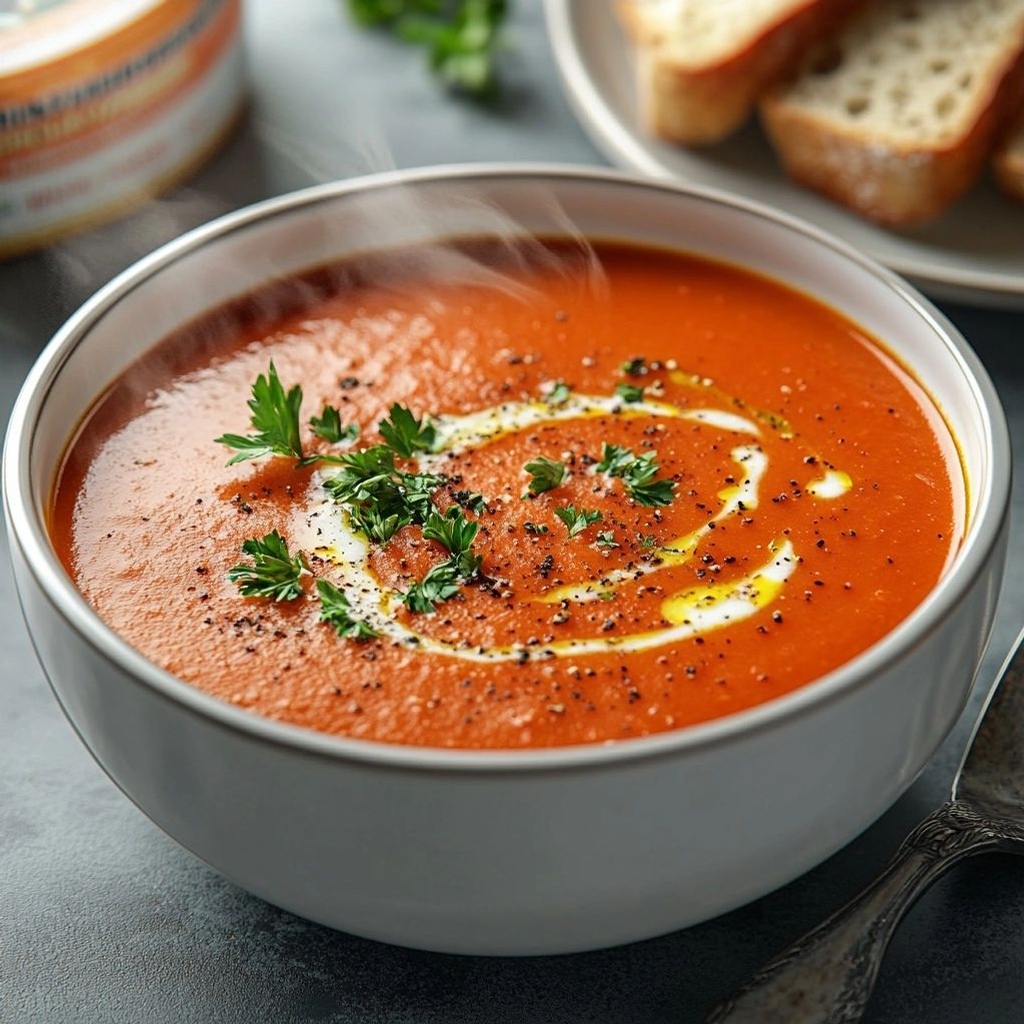
These hearty Middle-of-Winter Tomato Soup with canned tomatoes is built on a velvet-smooth base from sweating onion, carrot and celery in olive oil, then brightened by garlic and canned tomatoes. You can tailor the thickness by adjusting the amount of broth or by simmering longer to concentrate flavors. If you prefer a creamier finish, whisk in heavy cream or half-and-half at the end and heat gently without boiling. For a dairy-free version, use coconut milk or a neutral plant-based creamer in the same amount. Finish with fresh basil for a pop of brightness. The soup keeps well in the fridge for 3–4 days and freezes beautifully in portions. For gluten-sensitive diets, ensure your stock is gluten-free and skip any crouton toppings.
Tips
- Preheat the olive oil until it shimmers before adding onions and other aromatics. This helps them sweat evenly and prevents sticking, building a richer flavor base from the start.
- Keep the onion, carrot, and celery diced uniformly. Consistent sizing ensures even cooking and a cohesive soup texture—aim for small, similar pieces so nothing remains undercooked.
- Cook the vegetables over medium heat until the onions are translucent and just starting to caramelize. The gentle browning adds sweetness and depth without introducing harsh flavors.
- When adding the canned tomatoes, crush them by hand or with a spoon as you go. This accelerates easier breakdown and a smoother base; for a chunkier texture, crush less.
- Use low-sodium vegetable broth and taste as you go. This gives you control over final saltiness; add salt in stages, tasting after simmering a bit to avoid oversalting.
- If your tomatoes are very acidic, start with a smaller amount of sugar and adjust after tasting. This balances brightness without dulling the tomato character.
- Simmer the soup long enough to let flavors meld (at least 20–30 minutes). If you have time, longer simmering develops deeper notes, especially from the herbs and bay leaf.
- Remove the bay leaf before blending, and discard any herb stems. This prevents a resinous aftertaste in the final soup.
- For a creamy finish, stir in dairy (heavy cream or half-and-half) after the soup has simmered and been blended. Reheat gently and avoid boiling to prevent curdling; dairy can be omitted or swapped for coconut milk or a neutral plant-based creamer for dairy-free options.
- Blending options: for a velvety soup, blend fully until smooth; for a rustic texture, blend partially or use a immersion blender to leave some tomato chunks.
- Finish with a bright herb note by tearing fresh basil leaves just before serving. The fresh aroma elevates the soup without altering the base flavor.
- Storage and reheating: refrigerate leftovers in an airtight container up to 3–4 days or freeze for longer storage. Reheat gently on the stove and adjust with a splash of broth if it thickens.
FAQ
What ingredients do I need for Middle-of-Winter Tomato Soup?
You’ll typically need canned tomatoes (whole or crushed), onion, garlic, vegetable or chicken stock, olive oil or butter, salt, pepper, and optional cream or milk for richness. Fresh herbs like basil or thyme brighten the flavor, and a pinch of sugar can balance acidity.
Can I use fresh tomatoes instead of canned?
Yes, but it’s trickier in winter. Use ripe, peeled fresh tomatoes or canned tomatoes in their own juice. If using fresh, you’ll need to simmer longer to break them down and may want to add a splash of tomato paste to deepen the tomato flavor.
How do I make it a creamy tomato soup?
After simmering, blend the soup until smooth and whisk in 1/2 cup to 1 cup of cream, milk, or coconut milk per batch, depending on desired richness. For a lighter option, skip dairy and swirl in a spoonful of olive oil or blend with a splash of cashew milk.
What can I use as a substitute for cream to thicken the soup?
Options include a tablespoon of cornstarch or flour whisked into a small amount of cold water to create a slurry, or a bit of almond or cashew cream. For a dairy-free version, simmer with extra vegetables or a small potato to naturally thicken.
How do I adjust the soup for a mild or spicy flavor?
For mild: use less garlic and omit red pepper flakes. For a kick: add a pinch of crushed red pepper or a small jalapeño, and finish with a dash of hot sauce or smoked paprika.
What spices pair well with this tomato soup?
Salt and black pepper are essential. Good additions include garlic powder, onion powder, dried oregano, basil, thyme, a pinch of sugar, and a bay leaf during simmering. A touch of smoked paprika or cumin can add depth.
How long does it take to make this soup?
Total time is about 25–40 minutes: a quick 5–10 minutes to sauté aromatics, 15–20 minutes to simmer the tomatoes and stock, then optional blending and optional dairy addition.
What equipment do I need?
A medium pot or Dutch oven, a wooden spoon, a blender or immersion blender for a smooth soup, and measuring cups/spoons. A fine-mesh sieve can help if you want extra smooth texture.
How should I store leftovers?
Cool completely and refrigerate in an airtight container for up to 3–4 days. The soup can be frozen for 2–3 months; freeze in individual portions and thaw overnight in the fridge before reheating.
What serving suggestions work well with this soup?
Serve hot with a swirl of cream or olive oil, a handful of croutons, toasted bread, or grated cheese. Fresh basil or a dollop of sour cream can add brightness. For a heartier meal, pair with a grilled cheese sandwich or a simple salad.