Introduction / Hook
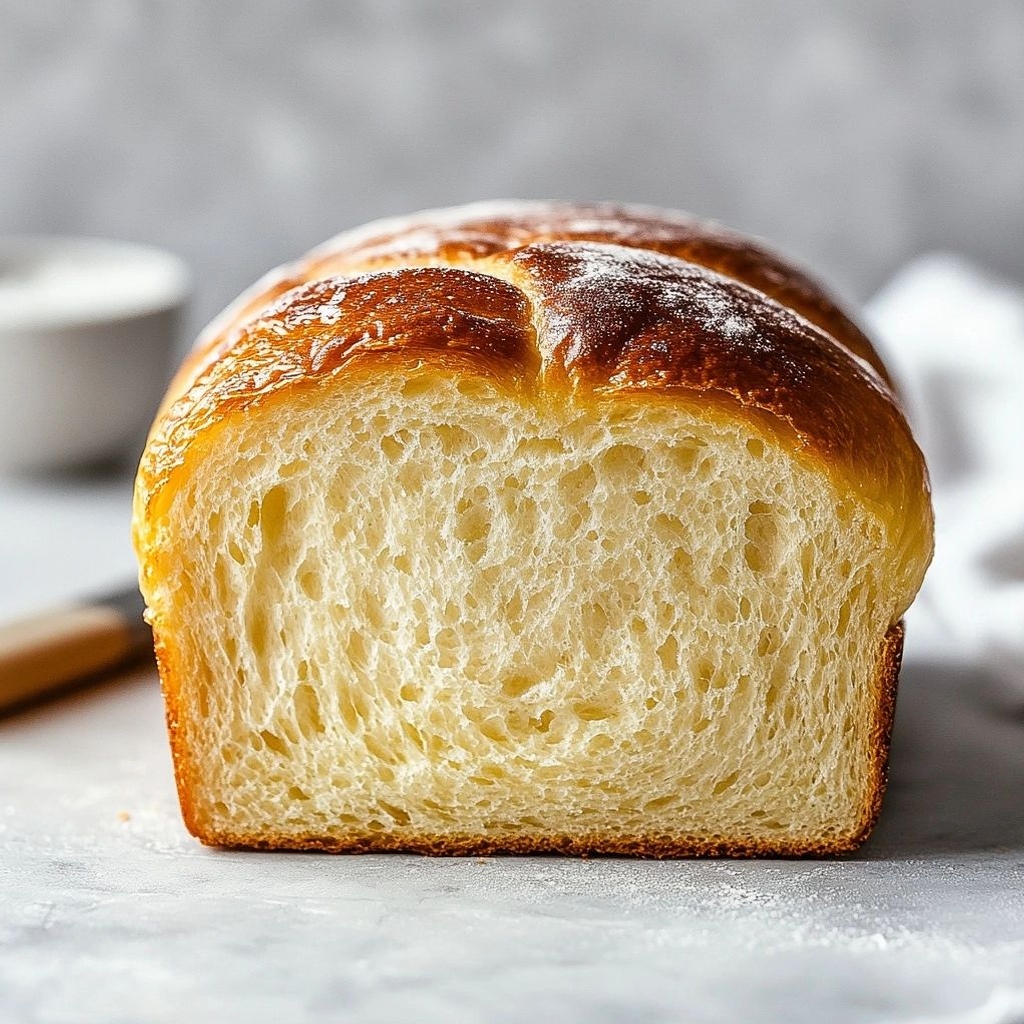
There is something irresistibly comforting about brioche—the way its golden crumb shimmers with a delicate sheen, the subtle sweetness that invites you to slice another round, and the soft, cloud-like tenderness that seems to melt on the tongue. Homemade brioche bread is more than a loaf; it’s a small ceremony of care, a whisper of indulgence baked into every bite. Picture a warm slice fresh from the oven, butter slowly seeping into the network of tenderness, a faint caramel aroma drifting from the crust, and the satisfying lightness that makes it feel almost decadent without ever tipping into heavy. This brioche is soft and rich in the most comforting way: enriched with butter and eggs, it has that melt-in-your-mouth texture that makes it perfect for breakfasts, brunches, and teatimes, as well as for making extravagant toast, luxurious French toast, or even a simple grilled cheese that somehow tastes elevated. Whether you’re a seasoned baker or a curious beginner, this recipe invites you to slow down, measure with intention, and watch a humble dough transform into something glorious and a little bit lavish without requiring a pastry chef’s precision. The magic lies in the balance—egg-rich and butter-kissed, yet surprisingly forgiving. The result is a bread that feels indulgent yet approachable, a loaf you’ll be proud to share but also one you’ll want to keep all to yourself for the first day or two—the crust turning softly golden as the interior remains supremely tender. This brioche embodies the art of patient craft: while it rewards careful technique, it also welcomes improvisation, letting you tailor sweetness and texture to your mood or occasion. In this journey, you’ll discover not just a bread but a ritual—a moment of warmth, aroma, and delight that makes any morning feel a little brighter and every meal a touch more special.
The Story Behind the Dish
Brioche has a storied past that stretches across centuries and continents, with roots tracing back to the kitchens of France yet murmurs of similar enriched doughs in other European hearths. The word “brioche” itself carries an aura of festivity and refinement, historically associated with celebrations, markets, and special occasions. Its origins are believed to lie in the noble kitchens of Normandy and the bustling baking houses of Lille, where bakers began whisking in generous amounts of butter, eggs, and a touch of sugar to create a dough that rose to the occasion—quite literally. Over time, brioche evolved from a rustic, sturdy loaf to a delicate, airy pastry bread that could be shaped into crowns, loaves, or rolls, and it became a beloved classic in French patisserie and beyond. The charm of brioche lies not only in its flavor and texture but in the narrative of craft it invites: a blend of science and artistry, patience and precision, and a respect for ingredients that shines through with each buttery fold. In many households, making brioche has carried personal meaning—a weekend project handed down through generations, a way to celebrate holidays, or a simple act of sharing warmth with neighbors and friends. The dough’s resilience is a quiet testament to traditional techniques, where long fermentation can coax deeper flavors and a softness that remains even after cooling. In modern kitchens, brioche has embraced new variations—touched with vanilla, a hint of citrus, or rolled into delicate braids—yet the heart of the loaf remains a harmonious trifecta of flour, eggs, and butter, bound by a tender crumb and a sun-kissed crust. When you bake brioche at home, you join a lineage of bakers who have trusted enriched doughs to carry comfort through celebrations and everyday moments alike. This particular version embraces that timeless heritage while offering a dependable, homey approach that yields soft, rich slices perfect for breakfast nuances or a comforting afternoon treat.
Why You’ll Love This Recipe
- Supremely soft crumb: The enriched dough yields a light, airy interior with a delicate melt-in-your-mouth texture that stays tender even after resting.
- Rich flavor that’s never overpowering: Butter, eggs, and a touch of sugar create a luxurious, nuanced sweetness that pairs beautifully with both sweet and savory toppings.
- Classic yet flexible: A traditional brioche foundation that adapts easily to different shapes, fillings, and serving ideas—perfect for toast, breads, buns, or dessert-style applications.
- Impressive but achievable: Though it feels special, the process is approachable with forgiving fermentation times and practical kneading guidance, making it suitable for home bakers who want to level up.
- Fragrance that lingers: The kitchen fills with a buttery, vanilla-sweet aroma as the dough proofs, a sensory cue that anticipates the delectable result waiting in the oven.
- Versatile for any occasion: From weekend breakfasts to celebratory brunches or a comforting, cozy midnight snack, brioche fits a variety of moods and menus.
- Great with toppings and accompaniments: From simple butter and jam to honey, kitchen-risky experiments with chocolate spread, or savory fillings—its versatility shines.
Flavor Profile & Texture
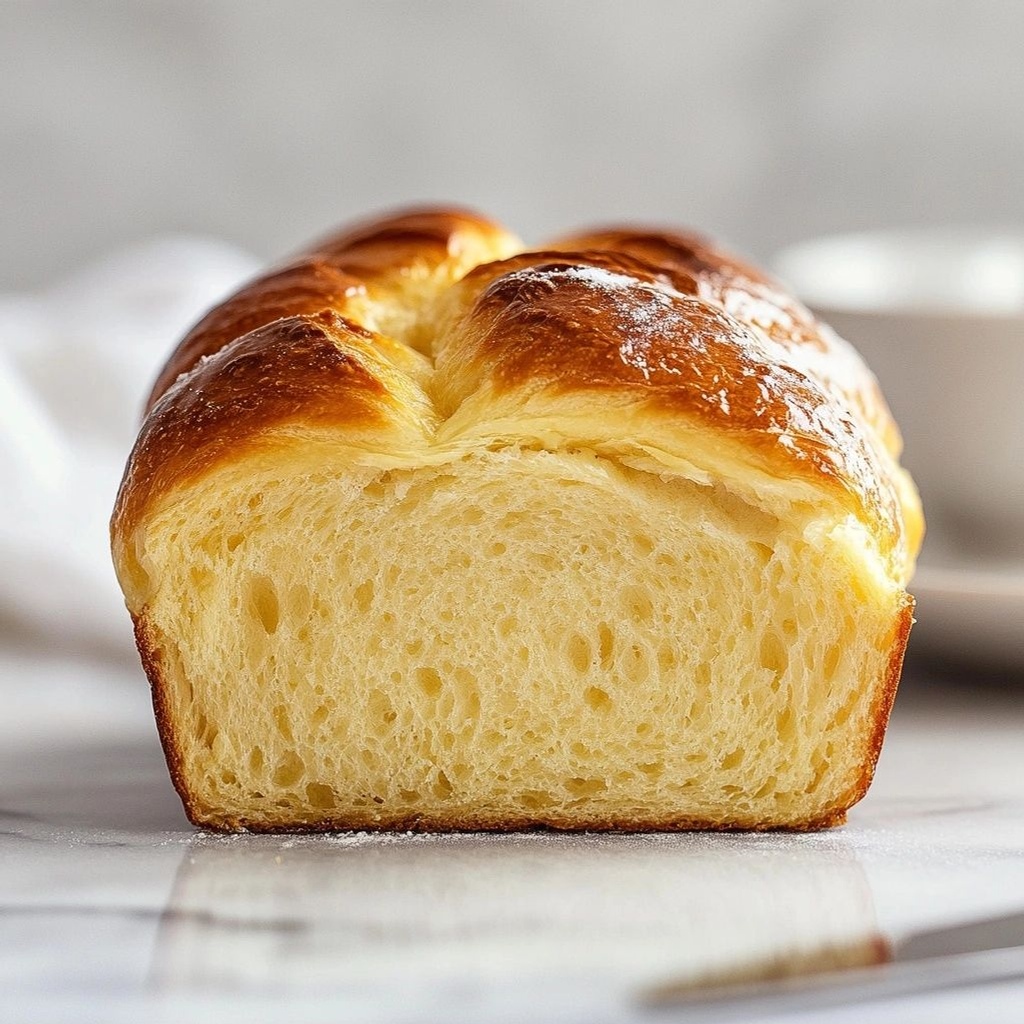
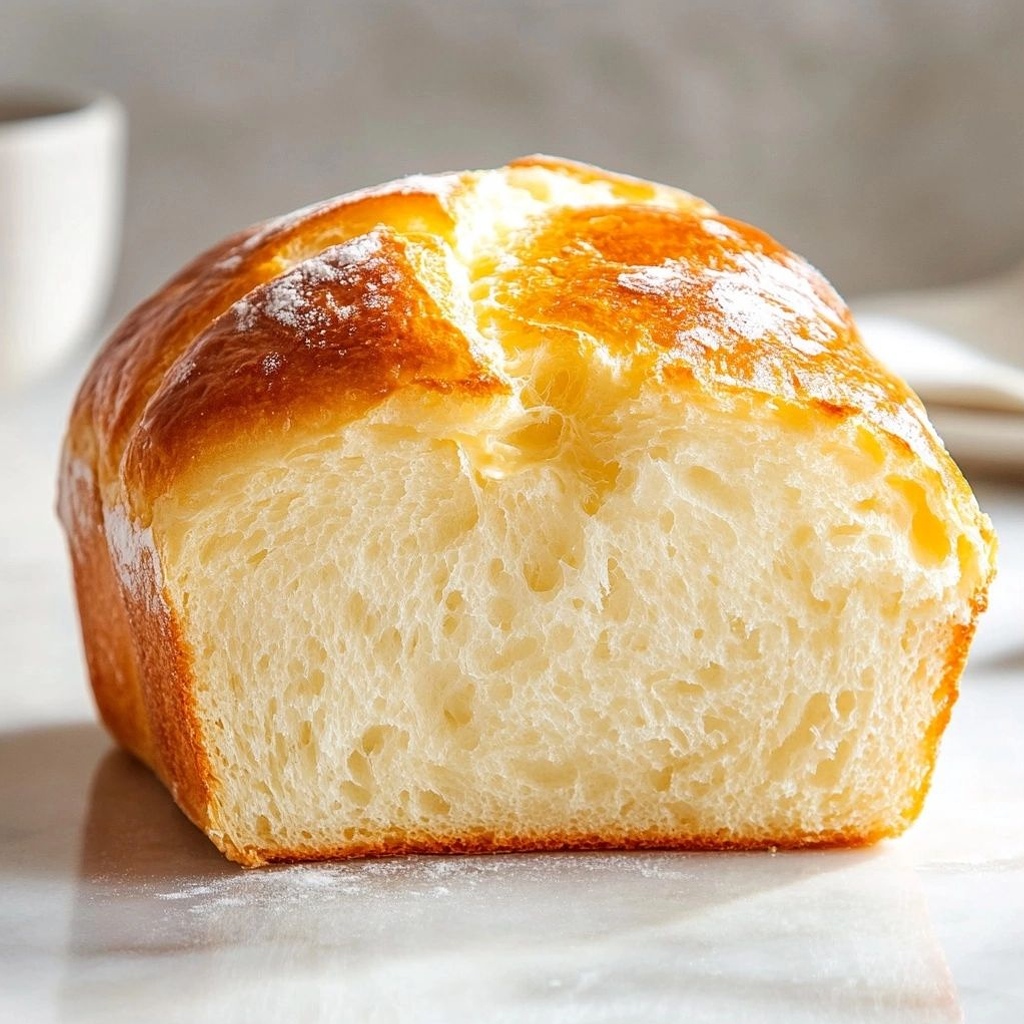
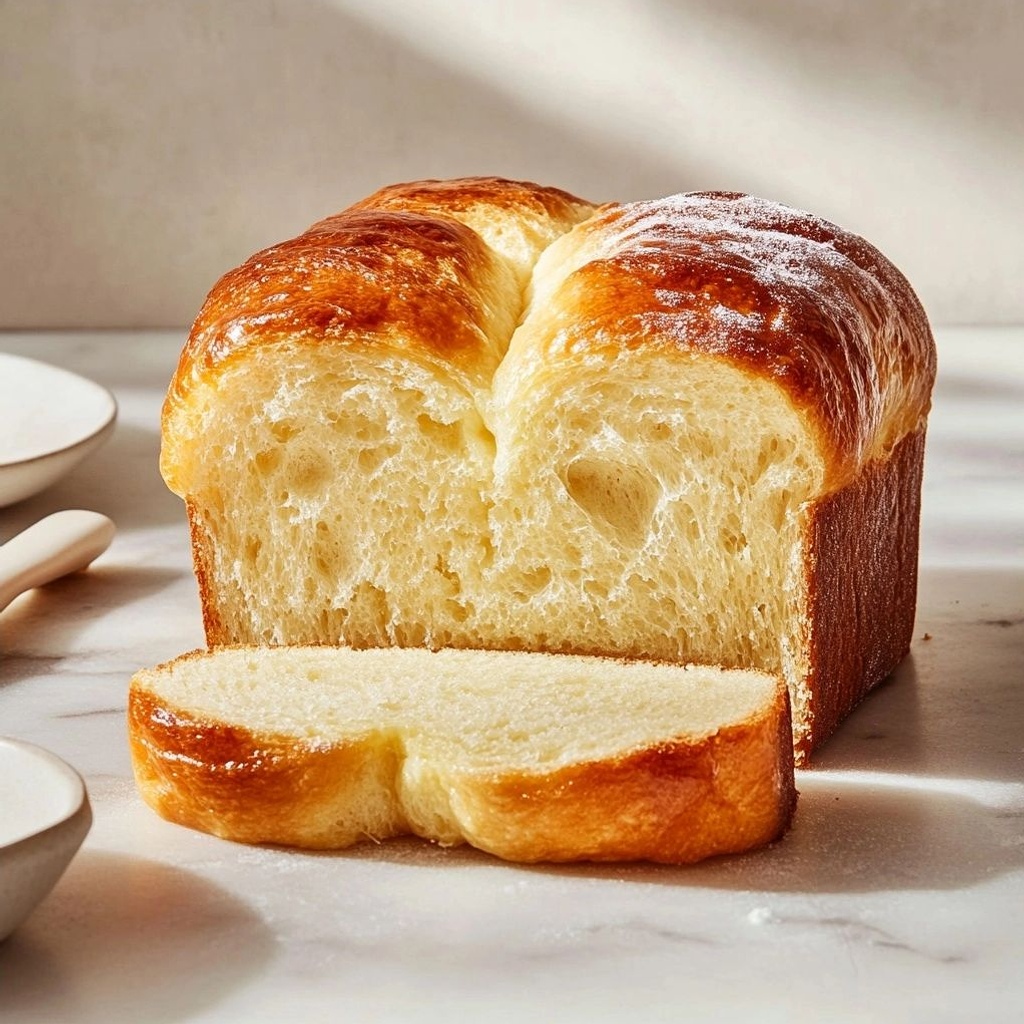
The flavor of brioche is a refined balance that sits between sweet, buttery, and subtly nutty notes from the rich dough. You’ll notice a gentle vanilla aroma, a faint caramel sweetness, and a soft, almost creamy density that carries the butter’s luxurious presence without becoming heavy. The texture is the star: a crust that develops a delicate, golden sheen and a crumb that is exceptionally tender, with a fine, almost pillow-like structure. The interior yields with a gentle press, revealing a moist, airy interior that stays soft even as it cools. If you gently toast a slice, you unlock a slightly toasty crust and a warmed interior that becomes even more aromatic—the butter and sugar intensify, and the crumb takes on a slightly delicate chew that adds depth to each bite. The overall mouthfeel is sumptuous but not greasy, with enough structure to hold toppings like jam, cream cheese, or whipped ricotta. When you pair brioche with savory elements, the contrast can be extraordinary: a slice with a sliver of prosciutto and a smear of cultured butter highlights the bread’s ability to bridge sweet and savory seamlessly. The balance of fat, moisture, and gluten development creates a crumb that remains soft and plush, inviting you to savor multiple slices without feeling heavy. In short, brioche offers a luxurious sensory experience—soft, aromatic, and comforting—yet is forgiving enough to be a staple in a busy kitchen, ready to meet both everyday breakfasts and special occasion spreads.
Occasions & Pairings
This brioche shines in versatile settings, making it a dependable centerpiece for many moments:
- Weekend breakfasts: Serve with fresh fruit, cream, and a drizzle of honey for a luxe start to the day.
- Brunch gatherings: Create a brioche toast bar with sweet and savory toppings—strawberry compote, ricotta and lemon zest, smoked salmon and cream cheese, or a tangy marmalade.
- Afternoon tea or coffee moments: A simple slab of brioche with a pat of butter pairs beautifully with a hot beverage and a piece of chocolate or a fruit tart.
- Celebratory meals: Shape the dough into a crown or braided loaf for special dinners or festive occasions.
- French toast or bread pudding base: Use day-old brioche to create an indulgent, custardy dessert or brunch dish.
- Gift-worthy loaf: A nicely baked loaf tucked into a pretty bag or wrapped in parchment can be a thoughtful homemade present for neighbors, teachers, or friends.
Pairings to consider include:
- Sweet: Butter, jam, honey, cultured cream, lemon curd, dark chocolate spread, or a light dusting of powdered sugar.
- Savory: Cream cheese with chives, herb butter, smoked trout, roasted vegetables, or a slice of aged cheese for a rustic grilled cheese sandwich.
- Beverages: Milk, hot chocolate, espresso, or a sparkling beverage that complements the bread’s richness.
- Side bites: A bowl of fruit compote or a light yogurt parfait can be a refreshing contrast to the brioche’s richness.
Tips, Variations & Substitutions
Here are practical ideas to customize and adapt this brioche to your pantry, dietary needs, and flavor preferences:
- Flavors: Add a splash of vanilla, a whisper of almond extract, or citrus zest (orange or lemon) to enhance aroma and brightness. For a more indulgent profile, fold in a handful of finely grated orange zest or a teaspoon of honey in place of part of the sugar.
- Texture tweaks: For an even lighter crumb, use a small amount of tangzhong (a cooked flour–water mixture) in the dough. This technique helps retain moisture and yields a softer bite.
- Nutty variation: Replace a portion of all-purpose flour with almond meal to introduce a subtle nutty flavor and a slightly denser crumb—great for a rustic twist.
- Vegan adaptation: While traditional brioche relies on eggs and dairy, you can create a vegan version by using plant-based butter and eggs substitutes made from flaxseed or commercial egg replacers, plus a plant-based milk with a touch of applesauce for moisture. Note that the texture may differ slightly, but a well-balanced vegan dough can still achieve a tender crumb.
- Gluten-free approach: Use a high-quality gluten-free flour blend designed for bread and add a binding agent like xanthan gum. Enrich with extra butter or oil to compensate for crumb structure; expect a slightly different mouthfeel, but still richly satisfying.
- Shape variations: Classic round loaf, individual buns, or a braided loaf—braids create a striking presentation and are especially festive for holidays or family gatherings.
- Sweet crust: For a glossy finish, brush the dough with an egg wash before baking; this also helps achieve the iconic golden color and a gentle sheen on the crust.
- Color and aroma: A pinch of salt in the dough boosts flavor and balances sweetness; a touch more sugar gently caramelizes the crust for deeper color.
- Make-ahead options: The dough can be prepared a day or two ahead if you refrigerate and allow longer cold fermentation; this develops more complex flavors and makes the morning bake easier.
Storage & Make-Ahead Ideas
Brioche stores well but benefits from proper cooling and storage to maintain softness and moisture. Here are best practices for keeping brioche at its best:
- Short term: Allow the loaf to cool completely at room temperature, then wrap tightly in plastic wrap or place in an airtight container to preserve moisture. It will stay fresh for 2–3 days on the counter.
- Refrigeration: Refrigeration can prolong freshness for up to 4 days, but the bread may become firmer. Reheat gently in a low oven or toaster oven to restore softness before serving.
- Freezing: Freeze slices or whole loaves wrapped tightly in plastic wrap and then in aluminum foil or a freezer bag. It will keep well for up to 2–3 months. Thaw at room temperature and rewarm in a gentle oven or toaster to recover that tender crumb.
- Make-ahead strategy: For a stress-free morning, mix and proof the dough the night before, refrigerate during the final rise, and bake in the morning. The dough will rise slowly in the fridge, and you’ll wake to a ready-to-bake loaf with deeply developed flavors.
Fun Facts & Trivia (Optional)
– Brioche is often referred to as the “bread of the kings” in French culinary circles due to its rich ingredients and celebratory associations. It was a favorite among aristocracy and later spread throughout French households and bakeries.
– The distinctive golden crust often comes from brushing with an egg wash, which not only adds sheen but helps the surface caramelize slightly, giving that characteristic glow.
– In some regions, brioche dough is used to make small, crown-shaped loaves called “brioche à tête” or “brioche tete,” a charming presentation that nods to festive occasions and family gatherings.
– The technique of enriching dough with eggs and butter elevates bread into a hybrid pastry bread, offering a softer crumb than lean breads while maintaining enough structure to slice and toast without crumbling.
– Brioche can be a canvas for experimentation: a classic French brioche can be transformed into a savory bread pudding, breakfast strata, or filled with warm pastry creams to create small dessert breads with a luxurious mouthfeel.
Conclusion
Homemade brioche bread soft and rich is more than a recipe; it is an invitation to savor time, technique, and the joy of sharing something lovingly crafted. Each step—measuring the ingredients with care, kneading until the dough gleams, watching the dough rise and expand, and finally smelling the buttery perfume as it bakes—engages the senses in a ritual that rewards patience and attention. The result is a loaf that feels like a warm embrace: tender, flavorful, and subtly luxurious, ready to brighten breakfasts, elevate a brunch, or simply turn a routine afternoon into a special moment. Whether you’re baking for a crowd or treating yourself to a quiet morning with a cup of coffee, this brioche promises a comforting, indulgent experience that honors both tradition and home kitchen ingenuity. Embrace the process, enjoy the aroma, and savor the soft, rich slice that is the reward of thoughtful baking.
Ingredients
Brioche Dough
– 4 cups all-purpose flour (or bread flour for more structure)
→ Provides the soft, tender crumb typical of brioche when enriched with fats. Flour choice affects gluten development: bread flour yields a sturdier loaf, while all-purpose gives a lighter crumb. Sift or whisk to distribute evenly before measuring to avoid dense pockets.
– 1/2 cup warm whole milk (about 110°F/43°C)
→ Hydrates the yeast and dissolves the sugar; warm milk activates the yeast without killing it. If using active dry yeast, bloom in a small amount of warm milk with a pinch of sugar for about 5 minutes until fizzy before mixing. Room-temperature milk can be substituted, but warm milk helps with better dough conditioning.
– 2 large eggs + 2 egg yolks (reserve the whites for finish or glaze)
→ Eggs enrich the dough, adding tenderness, color, and flavor; yolks contribute extra richness and moisture. Use eggs at room temperature for better emulsification and even incorporation into the dough; reserve whites if needed for a glossy finish or alternative uses.
– 1/3 cup granulated sugar (adjust to taste)
→ Sugar not only sweetens but also feeds the yeast gently, aiding browning and the Maillard reaction during baking. Brioche benefits from slightly higher sugar than plain bread to achieve the characteristic golden crust and rich flavor. You can reduce slightly for a less sweet loaf.
– 1 teaspoon fine sea salt
→ Enhances flavor and tightens gluten structure, balancing the richness of butter. Salt also helps control yeast activity. Add at the same stage as flour to ensure even distribution.
– 1 packet (2¼ teaspoon) active dry yeast or 1 1/2 teaspoons instant yeast
→ Yeast is the leavening agent that lifts the dough and creates brioche’s airy, tender crumb. Active dry yeast must be dissolved in warm liquid (blooming) before mixing, while instant yeast can be mixed directly with dry ingredients. For best aroma, let the dough rise slowly and punch down once before final shaping.
– 1 cup (or more) unsalted unsalted butter, softened and cut into pieces (6–8 tablespoons per 1/4 cup increments)
→ Butter provides the luxurious richness and tender crumb Brioche is known for. Incorporate gradually through a proper kneading or mixer method to create a tender, laminated-like texture. Use high-quality, unsalted butter; if using salted butter, reduce added salt accordingly.
– 1 teaspoon vanilla extract or 1/2 teaspoon orange blossom water (optional)
→ Vanilla adds warm, fragrant depth; orange blossom water provides a subtle citrusy aroma that pairs beautifully with butter. If using vanilla bean, scrape the seeds for more intense flavor. Add with the liquids for even distribution.
Optional Toppings and Finishes
– 1 additional egg (for egg wash)
→ Egg wash gives brioche its signature shiny, deep-golden crust. Beat with 1 teaspoon water or milk and brush lightly on the dough before baking. Too much wash can weigh down the surface; a thin, even layer is ideal.
– 1 tablespoon milk or cream (for glaze)
→ A light milk wash after the initial bake adds extra gloss and a soft finish in the crust. Brush on hot out of the oven and allow to cool, or drizzle a thin glaze for a sweeter finish.
– Optional seeds (poppy or sesame) or pearl sugar for topping
→ Adds a decorative crunch and visual appeal. Lightly press seeds into the dough after the first rise to ensure they stick and don’t fall off during baking. Pearl sugar will give bursts of sweetness and texture in the crust.
Instructions
- Preheat your oven to 350°F (175°C) and line a large baking sheet with parchment or lightly butter a 9×5-inch loaf pan.
→ Preheating ensures the dough begins rising in a warm, consistent environment and prevents dough from sticking to the pan or sheet during transfer and baking. - Bloom the yeast in the 1/2 cup warm whole milk (about 110°F/43°C) with a pinch of sugar for 5 minutes until foamy, then whisk to combine.
→ Blooming activates the yeast fully and confirms viability; if using active dry yeast, this step is essential to avoid dense dough and uneven rise. - Whisk together the flour (4 cups) and fine sea salt (1 teaspoon) in a large bowl to distribute evenly, then make a well in the center.
→ Evenly distributed salt slows yeast activity at the right rate and ensures a uniform crumb; a well prevents direct salt contact with yeast at first mix, reducing unintended clumping. - Beat the eggs (2 large eggs and 2 egg yolks) with the remaining 1/3 cup sugar until smooth, then pour into the flour mixture along with the warm milk–yeast mixture and vanilla extract (or orange blossom water).
→ Emulsified eggs help incorporate fat and air for a tender crumb; adding liquids at this stage promotes even hydration and a cohesive dough before kneading. - Begin mixing with a wooden spoon or stand mixer on low speed until a shaggy dough forms, then switch to medium speed to develop gluten for 6–8 minutes, stopping to scrape down the bowl as needed.
→ Proper gluten development creates structure to hold the rich fats and achieve brioche’s characteristic light yet substantial crumb; avoid overmixing to prevent toughness. - Gradually add softened butter, 6–8 tablespoons at a time, kneading thoroughly after each addition until fully incorporated before adding the next batch; continue until all butter is absorbed and the dough is glossy and very smooth.
→ Incorporating butter in stages creates a laminated-like, tender texture and keeps the dough from slipping or collapsing; this step also helps distribute fat evenly for uniform flavor and crumb. - If using a stand mixer, increase speed slightly for 3–5 minutes after all butter is added to ensure a fully emulsified dough, then transfer to a lightly oiled bowl.
→ A well-emulsified dough traps air and yields a lighter loaf; oiling the bowl prevents sticking during the initial rise and makes final dough removal easy. - Cover the dough and let it rise in a warm, draft-free spot until doubled in size, about 1 1/2 to 2 hours; gently press the dough with a finger to test and ensure it springs back slowly.
→ A proper first rise develops flavor and structure; a slow, steady rise improves crumb and volume, while an under-proofed dough will bake dense. - Punch the dough down gently to release large gas pockets, then reshape into a rough log or place into the prepared loaf pan for a classic loaf, or divide for individual loaves or buns.
→ Punching redistributes yeast, redistributes warmth, and refines texture; shaping determines bake appearance and crumb structure. - Clamp the dough into the pan or on the sheet, cover, and let rise again until nearly doubled, about 40–60 minutes, until the dough domes slightly above the rim (for a pan loaf) or holds its shape for free-form buns.
→ A second rise builds height and a rich, airy interior; timing guides the crust’s final color and avoids over-proofing that can cause a pale crust or a collapsed loaf. - Preheat the oven again if cooled and brush the dough with an optional egg wash: beat 1 additional egg with 1 teaspoon water, then apply a thin, even layer over the dough; sprinkle optional toppings if desired.
→ The egg wash promotes a glossy, golden crust and helps any toppings adhere; a thin coat prevents a heavy, soggy surface that can inhibit browning. - Bake brioche for 30–40 minutes until deeply golden and the internal temperature reaches about 190–200°F (88–93°C); rotate once halfway if your oven has hot spots.
→ Uniform browning indicates Maillard reactions that deepen flavor; checking internal temperature ensures doneness without overbaking, preserving moisture. - Let the brioche cool in the pan for 10 minutes, then turn out onto a wire rack to cool completely before slicing; lightly cover with a clean towel if the crust hardens too quickly.
→ Cooling allows the crumb to set and moisture to redistribute; slicing too early can yield a gummy interior, while proper air exposure prevents soggy crust and ensures clean cuts. - Optional finish: brush with a light milk or cream glaze after the brioche has cooled for a soft sheen and extra tenderness, or slice and serve warm with butter to emphasize its rich crumb.
→ A glaze enhances the crust’s gloss and can add a subtle sweetness; serving warm emphasizes the butter’s aroma and the bread’s tender crumb.
Notes
These brioche bread is rich and tender thanks to its enriched dough and generous butter. The dough benefits from slow, patient mixing and multiple rises to develop flavor and that characteristic light crumb. You can shape the dough into a classic loaf, braids, or individual pull-apart buns for variety. Be mindful of the butter: it should be softened and added gradually to avoid tearing or overworking the dough. For best results, use high-fat butter and room-temperature ingredients to help emulsification and a smooth dough texture.
Tips for prep and technique: soften butter completely and cut into small pieces to help it incorporate evenly; if you melt the butter, the dough will be looser and harder to handle, so resist unless the recipe calls for it. When adding butter, mix on low speed or fold in small chunks gradually to maintain a cohesive structure. If using active dry yeast, bloom in warm milk for 5 minutes until foamy before mixing; instant yeast can be mixed directly with dry ingredients for a quicker rise. Let the dough rise slowly in a warm, draft-free spot; a second rise after shaping will yield a loftier crumb. If your kitchen is cold, you can stretch the cold-proof by placing the dough in a warm oven (no heat on) or in a turned-off oven with the light on.
Shaping and finish: after the final rise, apply an egg wash (beat one egg with a teaspoon of water or milk) for a glossy, deep-golden crust. For an extra glossy finish, brush on a light glaze of milk or cream after the initial bake while the brioche is still warm. Optional toppings like poppy seeds, sesame seeds, or pearl sugar add texture and visual appeal; press them gently into the dough after the first rise so they adhere well during baking.
Flavor variations and storage: add vanilla extract or orange blossom water with the liquids for aromatic depth. If you prefer a subtler sweetness, reduce the sugar slightly; you can also substitute a portion of the milk with heavy cream for a richer crumb. Brioche freezes well—wrap cooled loaves or portions tightly and rewarm gently to preserve tenderness. Freshly baked brioche is best enjoyed the day it’s baked but can be stored for 2–3 days at room temperature in a breathable bag or frozen for longer. Always sift or whisk flour before measuring to ensure accurate flour weight and prevent a dense loaf.
Tips
- Use the right flour: bread flour will give more structure for brioche’s lift, while all-purpose yields a lighter crumb. If you want extra tenderness, stick with all-purpose and rely on the butter and eggs for richness.
- Activate the yeast properly: if using active dry yeast, bloom it in warm milk with a pinch of sugar for about 5 minutes until foamy. Instant yeast can be mixed directly with dry ingredients.
- Keep ingredients at room temperature before mixing: eggs and butter should be softened to room temperature for smoother emulsification and even distribution of fats and sugars.
- Warm milk should be around 110°F (43°C). Too hot will kill the yeast, too cold will slow fermentation. If using cold milk, plan for a longer rise time.
- Reserve some egg whites for finishing or glaze: the whites can be used for a glossy final finish or stored for other uses if you don’t need them for the glaze.
- Butter incorporation matters: add softened butter in pieces and incorporate gradually to create a tender, laminated-like crumb. Maintain the dough’s soft feel; don’t add butter all at once.
- Salt is essential for flavor and gluten control: add with the flour so it distributes evenly and helps regulate yeast activity.
- Don’t overproof the dough: after the first rise, punch down to release gas and gently reshape. A double rise yields a richer crumb, but overproofing can cause a flatter loaf.
- Shaping technique: after the final rise, gently shape into a loaf, bun, or brioche pan. Avoid excessive handling to maintain air pockets and a light crumb.
- Egg wash and glaze: use the optional egg wash for a shiny, deep-golden crust. A light milk or cream glaze after baking adds extra sheen and softness to the crust.
- Optional toppings: lightly press seeds or pearl sugar into the dough after the first rise to help them adhere and avoid falling off during baking.
- For richer color and aroma, add vanilla with liquids or use orange blossom water for a fragrant citrus note. If using vanilla bean, scrape seeds for intensified flavor.
- Texture tips: if you prefer a more pronounced crumb, chill the dough after the initial knead and before the final shaping to relax gluten and improve handling.
- Storage: brioche is best eaten fresh the day it’s baked. If needed, store covered at room temperature for 1–2 days or freeze baked loaf for longer storage.
- Scaling and substitutions: if you’re reducing sugar, expect a slightly less golden crust and a milder sweetness. You can substitute up to 20% of the flour with whole wheat for a different texture, keeping the butter generous to maintain tenderness.
FAQ
What makes brioche bread so soft and rich?
Brioche uses a high amount of eggs, butter, and a touch of milk, creating a tender crumb, rich flavor, and a golden, glossy crust. The fat from butter coats the gluten, resulting in a pillowy, melt-in-your-mouth texture.
What ingredients do I need for homemade brioche?
Typical ingredients: all-purpose or bread flour, warm milk, active dry yeast or instant yeast, sugar, salt, eggs, and unsalted butter (plus an extra egg for egg wash). Some recipes include a splash of vanilla or lemon zest for aroma.
Can I make brioche without a stand mixer?
Yes. You can mix by hand. Use a wooden spoon to combine, then knead on a lightly floured surface for 10–15 minutes. The dough should be smooth, shiny, and elastic before the first rise.
How should I proof the dough for brioche?
Proof in a warm, draft-free spot until doubled in size, typically 1–2 hours for the first rise. For a richer crumb, you can refrigerate the dough overnight after the first rise, then shape and do a shorter second rise.
Why does brioche require so much butter and eggs?
Butter and eggs enrich the dough, creating tenderness and flavor. The butter also assists in creating a very soft crumb by shortening the gluten network. The eggs add structure and color, contributing to the bread’s rich texture.
What is the best way to incorporate all that butter without breaking the dough?
Soften butter to room temperature or slightly cooler, then add in small pieces while the dough is resting or during a low-speed mixing stage. Allow the dough to rest (called lamination) to absorb fat gradually, preventing greasy seams.
Can I freeze brioche dough or baked brioche?
Yes. For dough: freeze after the first rise, wrapped tightly, then thaw in the fridge overnight and proceed with shaping and the second rise. For baked brioche: wrap well and freeze; reheat gently in the oven to restore softness.
What size and shape can brioche be baked as?
Brioche can be baked as a loaf, in a traditional brioche mould, buns, or braided loaves. The loaf pan yields a tall, soft crumb, while braiding creates an impressive crust and a delicate interior.
How do I know when brioche is done baking?
The crust should be deep golden. The internal temperature should read about 190–200°F (88–93°C). If using a loaf, tap the bottom—it should sound hollow. Brioche should be fully set with a soft, springy crumb.
What can I add to brioche for flavor variations?
Stir in citrus zest, vanilla, or rum. Mix-ins include chocolate chips, currants, dried fruit, or cinnamon-sugar. For a savory touch, brush with garlic butter or incorporate parmesan into the dough.