Introduction / Hook
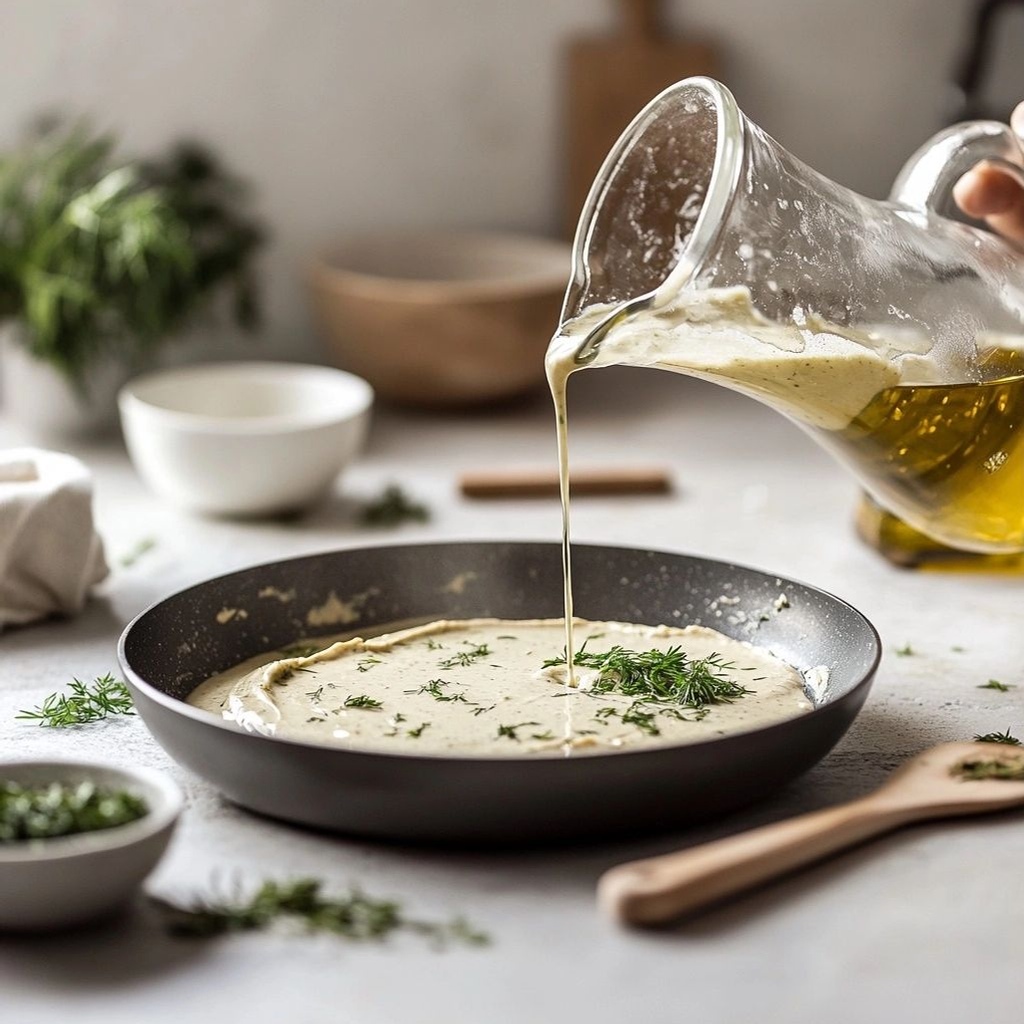
Imagine a warm kitchen whispering with the aroma of toasty herbs, a soft sigh of dough yielding to your touch, and the satisfying snap of a crust that glitters with olive oil and bright green flecks. Easy Pourable Flatbread with Herbs is not just a recipe; it’s an invitation to slow down, gather friends or family, and celebrate the simple joy of bread that feels both rustic and luxurious at the same time. This flatbread is the kind of万能, go-anywhere staple you’ll reach for when you want something quick, comforting, and impressively flavorful—without spending hours in the kitchen. The pourable batter glides into the pan with ease, creating a delicate, blistered surface that crackles as it cools, while the herbs infuse every bite with sunshine: rosemary like a whisper of pine, thyme that hints at summer kitchens, and parsley that brightens the finish. The aroma alone is enough to conjure memories of seaside picnics, bustling markets, and grandmother’s stove where stories simmer alongside the batter. Read on, and you’ll discover how this humble flatbread becomes the centerpiece of weeknight dinners, potluck spreads, or a luxurious brunch side that begs to be torn with your hands and shared around a table that’s full of conversation.
The Story Behind the Dish
Flatbread has a long, savory history that stretches across continents—traditions of unleavened or lightly leavened dough baked on hot stones, skewered over fires, or pressed into griddles. What makes Easy Pourable Flatbread with Herbs so appealing today is the way it marries ancient technique with modern ease. The concept of a batter-like, pourable leavening that dries into a flexible, blistered bread traces roots to pan-cooked breads that were designed to be whipped up quickly after a harvest, or before an evening of tending to livestock or preparing a feast. The “pourable” approach is a playful nod to tasks we all juggle in contemporary kitchens: you whisk, you pour, you spread, and you bake a golden canvas that invites you to top or dunk as you please. The herbs—rosemary, thyme, parsley, and maybe a touch of dill or chives if you’re feeling adventurous—bring a breeze of the garden into the pan. Their presence is not merely aromatic; it’s almost a textural memory in edible form, turning every mouthful into a bright, savory note that lingers without overpowering the bread’s gentle, tender crumb. Some cooks like to finish with a dusting of flaky salt and a drizzle of olive oil that shines like liquid sunshine, while others fold in garlic or lemon zest for a punch that’s bright enough to cut through a heavier dip or a hearty soup. This dish has a practical, beloved origin story: a quick bread that travels from pantry to table with minimal fuss, leaving room for conversation and connection to take center stage.
Why You’ll Love This Recipe
- Speed and simplicity: A poured batter that sizzles into a flexible flatbread in minutes, perfect for weeknights or last-minute guests.
- Herbal brightness: A balanced blend of rosemary, thyme, and parsley delivers aromatic depth that complements a wide range of toppings, dips, and meals.
- Customizable texture: The batter-to-pan ratio creates a crust that’s crisp at the edges and tender in the center, ideal for tearing and sharing.
- Versatility in service: Serve as a stand-alone snack, accompany bold soups, pair with roasted vegetables, or serve as a base for toppings like marinated olives, ricotta, or a dollop of yogurt and honey.
- Family-friendly and shareable: A forgiving dough that invites kids to help, from whisking herbs to watching the batter puff and brown in the hot skillet.
- Make-ahead and adaptable: The herb-forward flavor holds up well when refrigerated or frozen, making it a practical option for meal prep.
Flavor Profile & Texture
The flavor of Easy Pourable Flatbread with Herbs is a delicate dance between savory, green, and slightly nutty notes. The base batter is malleable, taking on a soft, pillow-like interior with a crust that crisps just enough to provide a satisfying bite. The herbs are the star—rosemary brings a piney, resinous sweetness reminiscent of a sunny afternoon in a herb garden, while thyme lends a subtle lemony earthiness that brightens every bite. Parsley adds a clean, fresh finish, a green sheen of vitality that cuts through richer flavors and makes the bread feel almost lighter than its texture suggests. A whisper of olive oil blankets the surface, adding a fruity depth and a gentle gloss that makes the edges shimmer in the pan. When you bite into it, you’ll notice a tantalizing contrast: the outside offers a gentle crunch with tiny bubbles that crackle softly, while the inside remains tender, with a supple, almost custardy crumb that’s not quite bread and not quite pancake—somewhere delightfully in-between. The flavor wears its herbs gracefully, so you can savor the fullness without the bread tasting flat or greasy. If you’re feeling a little adventurous, a light squeeze of lemon over the finished bread brightens the herbal notes even further, lifting the entire experience into a fresh, sunny realm.
Texture Details
The exterior presents a mosaic of golden-brown edges, blistered spots, and airy pockets that form a satisfying crust. The interior is soft, moist, and pliable, almost like a tortilla that has just a hint of airiness. The batter’s pourability ensures an even thickness across the pan, which yields uniform cooking and a consistent bite. When hot, the bread releases a delicate fragrance: rosemary’s resinous aroma, thyme’s woodland scent, and parsley’s bright, grassy note—all mingling with warm olive oil. As it cools, the oils settle, and the flavors become more defined, inviting you to tear off a piece and savor the herb-forward finish with your favorite dip or spread. The texture remains forgiving: if you like a crisper crust, a few minutes longer on the stovetop or a quick finish under a broiler will give you a bit more crunch without drying the crumb. If you prefer softer bread, a shorter cook time or a thicker pour yields an even more tender result. The beauty of this recipe is that you can tailor the final bite to your preference without sacrificing the character of the herbs or the overall balance of flavors.
Occasions & Pairings
This versatile flatbread shines in a variety of settings. For casual weeknights, serve it alongside a simple soup or salad for a complete, comforting meal. For gatherings, its shareable nature makes it a hit as an appetizer—cut into wedges or torn into rustic pieces and offered with olive tapenade, herbed ricotta, or a bright yogurt dip. It pairs beautifully with roasted vegetables, grilled chicken, or seafood, where the flatbread can be used as a scoop or a vehicle for saucy bites. For weekend brunches, attempt a savory twist by topping pieces with whipped feta and a drizzle of pomegranate molasses or a light lemon-honey yogurt spread. The herb profile also complements cheeses well; pair with soft, creamy cheeses like burrata or ricotta, or bravely pair with a tangy goat cheese that will cut through the richness. When you want a comforting, homey moment, serve warm with a small bowl of olive oil, a pinch of sea salt, and a smear of herb-infused butter so guests can customize each bite. For holidays or special occasions, consider layering the bread with a delicate herb-greased brush of butter and a sprinkle of sesame seeds or nigella for an extra layer of texture and aroma.
Tips, Variations & Substitutions
- Herb variations: Swap or add basil, chives, or oregano for different flavor profiles. A touch of mint can add a surprising, refreshing finish in warmer months.
- Garlic option: For a more robust version, incorporate finely minced garlic into the batter or brush a garlic-infused oil over the surface just before the final sizzle in the pan.
- Cheesy enhancement: Fold finely grated Parmesan, pecorino, or a soft cheese into the batter for a savory, melty contrast.
- Gluten-free approach: Use a gluten-free all-purpose flour blend that behaves well in batters, and consider adding a small amount of psyllium husk or ground flax to help with structure.
- Vegan substitution: Replace dairy milk with almond milk or oat milk, and use olive oil or a neutral oil for the fat; ensure your chosen herbs remain the star.
- Low-carb angle: Use almond flour and a binding agent like xanthan gum to craft a thinner, crispier variant that still stays pourable enough to spread in the pan.
- Regional twists: Add smoked paprika for a hint of warmth, or stir in lemon zest and black pepper for a brighter, zesty finish. A handful of nigella seeds gives a subtle, aromatic bite.
Storage & Make-Ahead Ideas
To keep your herb-forward flatbread at its best, plan for how you’ll store and reheat. When fresh, it’s best enjoyed the same day—its aroma flourishes and the texture remains at its peak. If you have leftovers, let the bread cool completely, then store in an airtight container or a resealable bag for up to 2 days in the refrigerator. Reheating method matters: a quick reheat in a dry skillet over medium heat until warmed and a touch crisp around the edges will revive the original texture beautifully. You can also reheat in a hot oven (about 350°F / 175°C) for 5–7 minutes to regain some of the crust’s snap. For longer-term storage, the batter can be prepared in advance and kept in the refrigerator for up to 24 hours before cooking; just give it a gentle stir and a minute to come to room temperature if it’s stiff. If you’d like to freeze, portion the pourable batter in small freezer-safe containers or bags. Thaw overnight in the fridge and stir before cooking. The herbs tend to lose a touch of brightness after freezing, so you might consider adding a fresh sprinkle of chopped herbs to brighten the flavor just before serving. Make-ahead ideas: mix the dry ingredients early in the day, and whisk in the liquids when ready to cook. This trick reduces the time from counter to table on busy days and makes friendly, quick-dinner nights even more feasible.
Fun Facts & Trivia (Optional)
Did you know that flatbreads appear in countless culinary traditions—from the naan of South Asia to the lavash of the Caucasus and the tortilla of Mesoamerica? Each culture has its own methods for achieving the perfect balance of crust and crumb, and the pourable approach is a modern twist that embraces the convenience of today’s kitchens while honoring the ancient craft of breadmaking. The use of herbs in bread is a nod to kitchens that used what was fresh: a sprig of rosemary from the windowsill, a handful of thyme plucked along a hedgerow, and a bright parsley bunch that often traveled from garden to table as a daily companion. Olive oil, a staple of the Mediterranean pantry, not only adds richness but helps crisp the surface without drying the interior. The idea of “pourable” batter into a hot pan is reminiscent of drop breads or pan-cakes that have deep roots in many cultures, where the technique is passed down through generations and refined with each household’s own blend of herbs and aromatics. This modern version celebrates those traditions while offering a flexible framework that home cooks can adjust to their tastes and dietary needs. If you ever wonder why flatbreads have such a universal appeal, it’s because they are inherently social food—easy to share, adaptable to many meals, and capable of turning a simple gathering into a memorable experience with just a few fragrant herbs and a hot skillet.
Closing Thoughts
Easy Pourable Flatbread with Herbs is more than a recipe. It’s a doorway to a convivial moment in the kitchen, a canvas for creativity, and a dependable starter or side that makes a meal feel complete. Its simplicity is its strength: a handful of pantry staples, a few sprigs of fresh herbs, and a pan that heats up just right to deliver a crisp edge and a tender center. Whether you’re aiming for a weeknight staple, a gathering-pleaser, or a brunchy treat that pairs with tangy yogurt or bright citrus, this flatbread rises to the occasion with ease and grace. Allow the aroma to draw people to the table, tear a piece with your hands, and let the herbs carry you to a small, satisfying moment of comfort—one that says, in the most delicious way possible, you’ve got this, and it tastes wonderful.
Ingredients
- Flatbread Base
– 1 1/2 cups warm water (approximately 110°F / 43°C)
→ Warm water activates the yeast, starting the leavening process. If the water is too hot, it can kill the yeast; if it’s too cool, the dough may not rise well. Aim for comfortably warm to the touch. - Flatbread Base
– 2 teaspoons active dry yeast
→ Yeast provides lift and a light, airy texture in the pourable batter. Activate it in the warm water with a pinch of sugar until foamy, about 5–10 minutes, for best results. - Flatbread Base
– 1 teaspoon sugar
→ Feeds the yeast and helps initiate fermentation, contributing to a gentle rise and a touch of browning. You can omit if you are avoiding added sugars, but it may slow the rise slightly. - Flatbread Base
– 3 cups all-purpose flour (or a 50/50 blend of all-purpose and whole-wheat flour)
→ The flour provides the structure and body for the batter. If you’re using whole-wheat, expect a nuttier flavor and a denser crumb; you may need a bit more water to achieve a pourable consistency. - Flatbread Base
– 1/4 cup olive oil
→ Adds richness and tenderness to the batter, helping to keep the flatbread soft rather than chewy. If you prefer, substitute with light-tasting neutral oil. - Flatbread Base
– 1 teaspoon fine sea salt
→ Enhances flavor and helps control yeast activity. Salt also strengthens gluten structure; add gradually if you’re reducing other seasonings. - Flatbread Base
– 1/2 cup plain yogurt, room temperature (optional)
→ Yogurt adds moisture, tenderness, and a slight tang. If dairy-free, substitute with an extra 1/2 cup water and 1 tablespoon olive oil. - Herbs & Flavor
– 3 tablespoons finely chopped fresh herbs (such as parsley, chives, dill)
→ Fresh herbs give the flatbread vibrant aroma and flavor. Chop just before adding to release their essential oils; mix into the batter after the initial dough comes together to prevent bruising. - Herbs & Flavor
– 1 garlic clove, minced (optional)
→ Garlic infuses the batter with savory depth. Grate or mince very finely and fold in with the herbs to distribute evenly. If you dislike raw garlic, you can omit or use a light garlic powder. - Herbs & Flavor
– 1/2 teaspoon freshly ground black pepper
→ Adds a mild kick and depth to balance the bright herbs. Use fresh cracked pepper for a more pronounced aroma. - Optional Add-ins
– 1/4 cup chopped olives (optional)
→ Olives give a briny, Mediterranean note and a pleasant bite. Chop evenly and fold in just before cooking to prevent color and flavor blotting into the batter. - Optional Add-ins
– 1/4 cup crumbled feta or tangy cheese (optional)
→ Adds creaminess and a salty contrast. If using, reduce salt in the dough slightly to prevent overly salty bread.
Instructions
- Activate the yeast in warm water with a pinch of sugar until foamy, about 5–10 minutes, then whisk to fully dissolve and set aside; this confirms the yeast is alive and ready to leaven the batter, which will help create a light, pourable texture.
- Whisk the dry ingredients together in a large mixing bowl: the all-purpose flour (or a 50/50 blend with whole-wheat) and the fine sea salt; this ensures even distribution of salt and flour so the batter rises uniformly and has consistent flavor in every bite.
- In a separate vessel, whisk the wet ingredients: warm water with the activated yeast, extra-virgin olive oil, and plain yogurt (if using); this creates a smooth, cohesive base that promotes tenderness and a slightly tangy profile; ensure the yogurt is at room temperature to prevent lumps and cold shock in the batter.
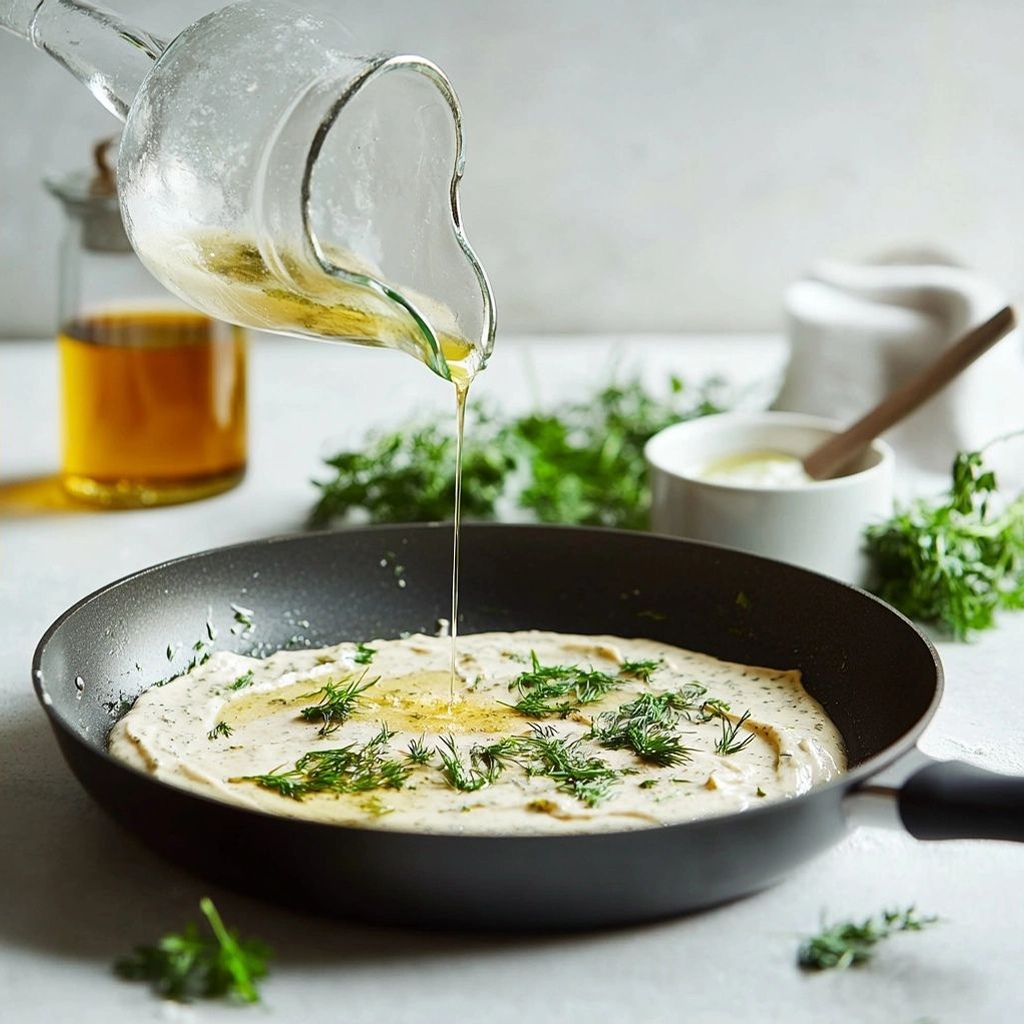
- Pour the wet mixture into the dry ingredients and whisk until a smooth, pourable batter forms; switch to a spatula to scrape the bowl and fold any stray flour clumps; a consistent viscosity should resemble a thin pancake batter, not a thick dough, so the flatbread can spread evenly in the pan.
- Let the batter rest for 15 minutes at room temperature to hydrate the flour, relax the gluten, and allow the starches to swell; this resting period yields a more tender crumb and helps reduce gluten toughness during cooking.
- Stir in the finely chopped fresh herbs, minced garlic (if using), and freshly ground black pepper; sprinkle in optional olives or feta at this stage if desired, then fold gently to distribute without breaking up the herbs too finely and to preserve color and aroma.
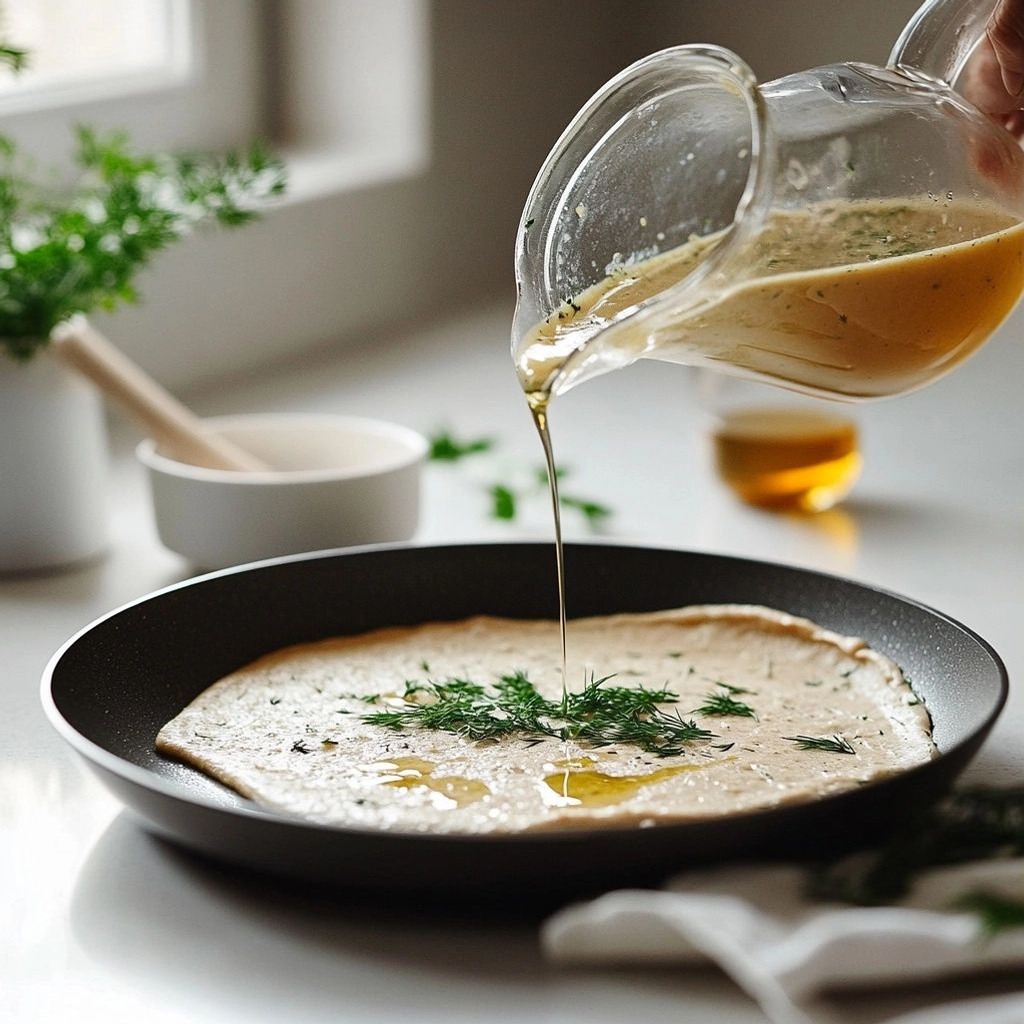
- Lightly grease a nonstick skillet or cast-iron pan with a small amount of olive oil and heat over medium; the pan should shimmer but not smoke, which ensures the batter will spread quickly and cook evenly without sticking.
- Pour a ladleful of batter into the hot pan and immediately swirl the pan to form a thin, even circle about 1/8 inch (3 mm) thick; spreading quickly prevents uneven thickness and creates a uniform, delicate texture across the surface.
- Cook the flatbread until the edges set and bubbles form across the surface, about 1–2 minutes; then gently flip with a wide spatula and cook the second side for another 1–2 minutes until lightly golden and cooked through; flipping at the right moment prevents tearing and ensures a uniform color on both sides.
- Transfer the finished flatbread to a warm plate and cover loosely with a clean towel to keep it soft while you repeat with the remaining batter; this resting step discourages moisture loss and maintains a flexible, foldable texture for serving.
- Repeat the pouring and cooking steps until all batter is used, adjusting the heat as needed to maintain a steady sizzle without scorching; if the batter thickens as it sits, whisk in a teaspoon or two of water to restore pourability.
- Serve the herbs flatbreads warm as a savory accompaniment or flatbread base for toppings; the fresh herbs should retain their brightness if the bread is eaten promptly, and the gentle olive oil glaze will help keep them tender and flavorful.
Notes
These easy pourable herb flatbreads are fragrant with fresh herbs and garlic, and come together in a quick batter that yields soft, pliable flatbreads perfect for dipping or wrapping. You can customize them with your favorite herbs or cheeses, such as olives and feta, for extra Mediterranean flair. They freeze well and reheat quickly in a skillet or oven. For a dairy-free version, omit yogurt or replace with an extra 1/2 cup water and 1 tablespoon olive oil. If you’re avoiding gluten, use a gluten-free flour blend and add 1-2 tablespoons additional water to reach pourable consistency. Always ensure your yeast is fresh and you activate it in warm water with a pinch of sugar for best rise.
Tips
FAQ
What is Easy Pourable Flatbread with Herbs?
A quick, batter-style flatbread that you whisk together and pour onto a hot pan to cook. It’s flavored with fresh herbs and yields soft, flexible flatbreads without needing a traditional dough.
What ingredients do I need?
Common ingredients include all-purpose flour, water, milk or dairy-free milk, olive oil, salt, baking powder (optional for extra lift), fresh herbs (like parsley, chives, dill), and optional garlic or pepper for extra flavor.
Can I make this gluten-free?
Yes. Use a gluten-free all-purpose flour blend with a little extra liquid or follow the blend’s guidelines. Some blends may require a small amount of xanthan gum or starch to mimic gluten structure.
How do I cook it?
Whisk the batter until smooth, heat a lightly oiled nonstick skillet over medium heat, then pour in a thin layer (about 1/4 cup per flatbread, depending on pan size). Cook until bubbles form and edges set, flip, and cook a bit more until lightly golden.
What herbs work best?
Fresh parsley, chives, dill, cilantro, and a touch of thyme or oregano all work well. Chop finely and fold into the batter for even distribution.
Can I make this vegan?
Yes. Use plant-based milk (almond, soy, oat) and skip any butter. Olive oil in the batter provides moisture and flavor.
How thin should I pour the batter?
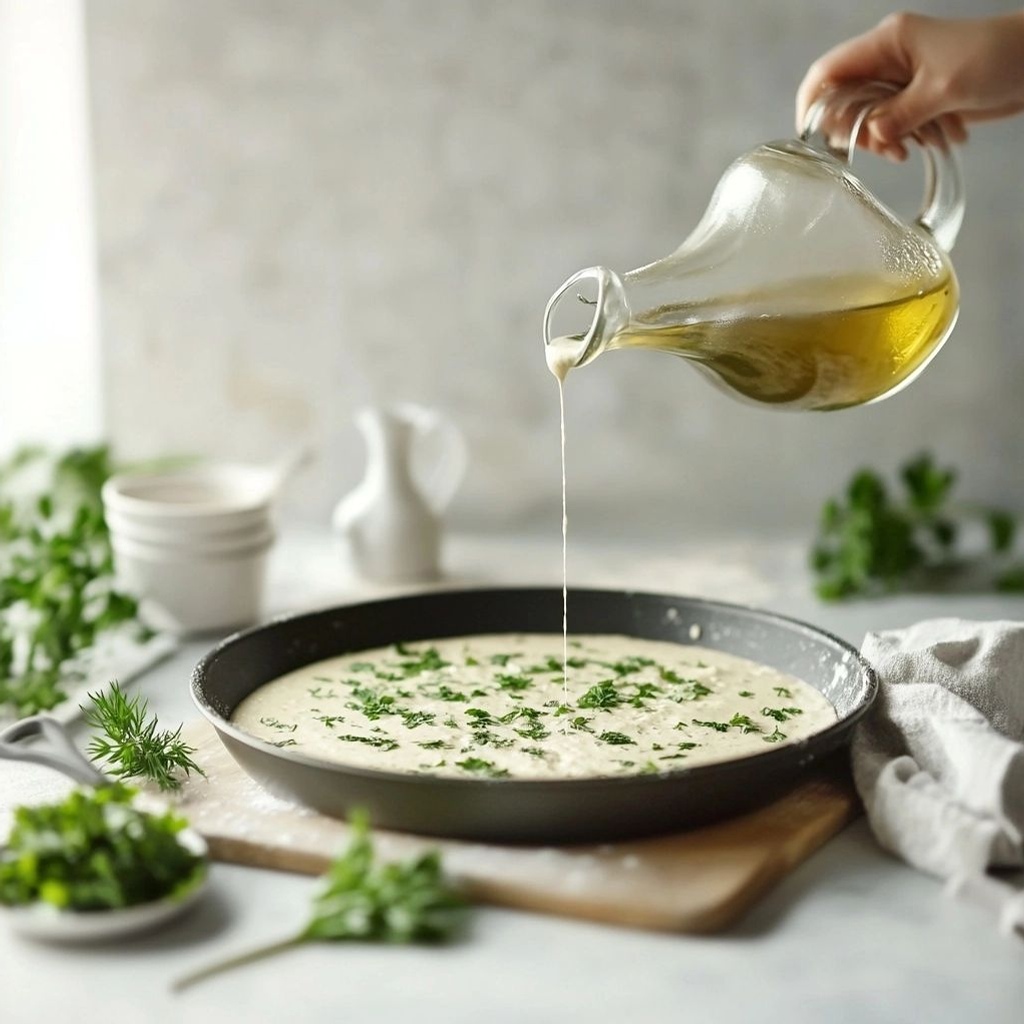
Aim for a thin layer that covers the pan in a round, even sheet. A slightly thicker layer yields a softer interior; a thinner layer dries faster and becomes crisper.
How long does it take to make?
Active prep takes about 10 minutes to whisk and season. Each flatbread cooks in 1–2 minutes per side, so you can make several in a single hot skillet in about 10–15 minutes total.
What are serving ideas?
Serve warm with dips (tzatziki, garlic yogurt), as a wrap base for vegetables or grilled meat, or as a side to soups and stews. They’re great warmed and brushed with olive oil and herbs.
How should I store leftovers?
Store cooled flatbreads in an airtight container or zip-top bag in the refrigerator for up to 3–4 days. Reheat in a dry skillet or toaster oven, or warm briefly in a microwave with a damp paper towel to prevent drying out.