Introduction / Hook
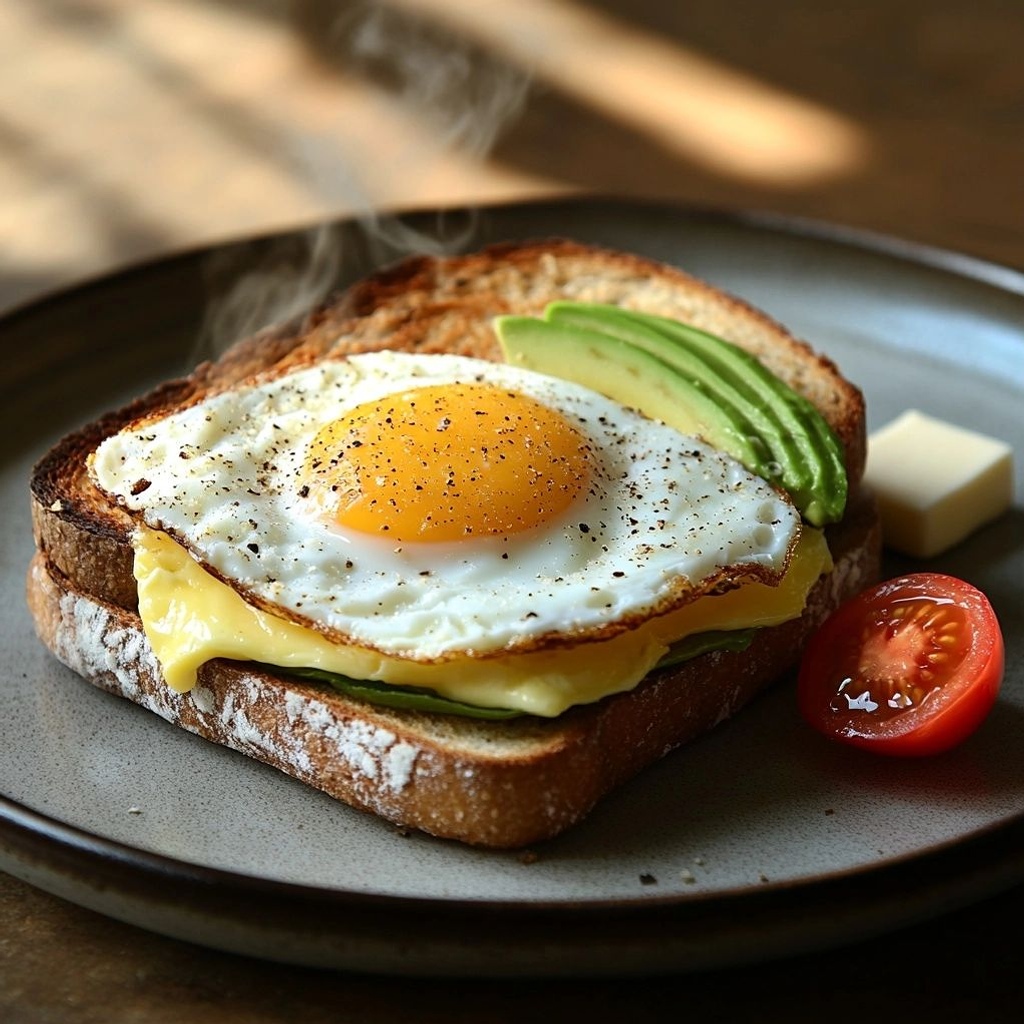
There’s something wonderfully simple about an Easy Egg Sandwich that feels like a warm hug for your taste buds and a gentle nudge to start the day with confidence. Imagine a golden, softly scrambled or perfectly fried egg tucked between toasty bread that’s lightly buttered, the kind of sandwich that can turn a rushed morning into a small victory. The aroma alone—sizzling butter, the faint echo of a frying pan, a whisper of salt and pepper—promises comfort, satisfaction, and a touch of indulgence. This isn’t just a quick bite; it’s a tiny ritual you can enjoy anywhere: at a sunlit kitchen counter, a busy dorm room, a parking lot picnic, or a cozy corner of your office. It’s the kind of recipe that respects your time, nourishes your body, and reminds you that delicious, homey meals don’t require a long list of ingredients or a culinary soundtrack to be memorable.
The Story Behind the Dish
Egg sandwiches have a humble origin story, rooted in kitchens where the breakfast hour was sacred and speed mattered more than ceremony. Across cultures, eggs symbolize new beginnings, versatility, and a pantry-friendly backbone. In many households, the simple egg sandwich became a morning staple because it could be whipped up with pantry staples—bread, eggs, a dab of butter or oil, and a dash of salt—and turned into a satisfying, nutrient-rich start to the day. The easy egg sandwich knows no fuss; it thrives on the idea that comfort can be engineered from a few honest ingredients. Over time, cooks have added their own touches—creamy avocado slices, a smear of mayo or aioli, a slice of cheese, or a light smear of chutney—to tailor the sandwich to local tastes and seasonal produce. This particular rendition embraces that tradition while prioritizing simplicity, so you can recreate a satisfying, restaurant-like experience in minutes. The beauty lies in the balance: a soft, pillowy interior egg, a crisp edge on the bread, a gentle melt from a little cheese or a spread, and a chorus of textures that satisfy bite after bite.
Why You’ll Love This Recipe
- Speed and simplicity: Ready in roughly the time it takes to brew a cup of coffee, making it ideal for busy mornings or a quick lunch.
- Flexibility: Works with various types of bread—classic white, whole grain, sourdough, or even a toasted bagel—and with different cooking methods (fried, scrambled, or a gentle omelet-style egg).
- Balanced nutrition: A protein-packed, satisfying meal that pairs well with fruit, vegetables, or a crisp salad for a rounded breakfast, lunch, or snack.
- Customizable: A blank canvas for your favorite extras—savory notes from cheese and mayo, brightness from herbs, or heat from pepper sauce—without overwhelming the core egg goodness.
- Comfort with elegance: Its simplicity allows the flavors of the eggs and bread to shine, giving you a comforting experience without the heaviness of more elaborate breakfasts.
Flavor Profile & Texture
The Easy Egg Sandwich is a study in contrast and harmony. The egg itself—whether softly scrambled, gently fried, or turned into a delicate omelet—offers a mellow, rich, comfort-forward flavor that forms the heart of the sandwich. When paired with buttered bread, you get a warm, toasty, slightly nutty note from the crust and a soft, pillowy bite from the interior. If you opt for a touch of cheese, it brings an indulgent creaminess that binds the sandwich together, elevating the egg without overpowering it. A light layer of mayo or aioli adds a silky, tangy counterpoint, lifting flavors and adding moisture. Salt and pepper are the quiet co-stars, sharpening the egg’s natural savoriness and enhancing the bread’s sweetness. The texture journey is half the joy: a crisp exterior from toasted bread, a tender, just-set egg center, and perhaps a slick of mayonnaise that glides smoothly with each mouthful. When you bite in, you’ll experience a satisfying contrast—soft, velvety egg against crisp, warm bread—followed by a gentle, lingering finish that invites the next bite rather than demanding a pause.
Occasions & Pairings
This sandwich is a versatile guest at many occasions. It shines as a weekday breakfast that powers you through the morning, a quick lunch when you’re on the go, or a casual brunch centerpiece for a cozy weekend with family or friends. It also makes a lovely snack when you crave something savory and comforting without a lot of cooking. For pairings, consider these ideas:
- Beverages: A cup of coffee, a glass of cold milk, or a fresh-pressed orange juice to brighten the flavors.
- Sides: Fresh fruit, a small green salad, or crunchy vegetables with a light dip to add contrast and color.
- Enhancements: A quick slice of avocado for creaminess, a tomato slice for brightness, or a handful of greens like arugula for a peppery bite.
- Cheese options: A slice of cheddar, Swiss, or your favorite melty cheese to add depth and a gentle gooey texture.
In a more indulgent version, you can transform it into a comforting lunch by adding sautéed mushrooms, caramelized onions, or a smoky bacon crisp to complement the egg. For a lighter iteration, keep the fillings lean with a poached or lightly scrambled egg and a spread of hummus or Greek yogurt-based sauce to introduce tang and moisture without heaviness.
Tips, Variations & Substitutions
- Eggs: For a richer texture, use eggs at room temperature. If you’re in a rush, cold eggs from the fridge work just as well; they’ll set quickly in a hot pan.
- Bread choices: For a crispier bite, toast the bread until deeply golden. Brioche, sourdough, or country white all bring different character—choose based on your mood or what you have on hand.
- Fat options: Butter gives a classic, toasty flavor; olive oil or avocado oil makes the fry a touch lighter and adds a gentle fruitiness.
- Cheesy upgrade: Add a thin slice of your favorite cheese or a grating of feta for a briny tang that cuts through the richness of the egg.
- Herbs and brightness: A pinch of fresh chives, dill, or parsley brightens the sandwich. A light squeeze of lemon juice over the egg can also lift the flavors nicely.
- Vegan or dairy-free alternative: Use flax egg or chickpea flour-based “egg” alternative in a vegan setup, and pair with a dairy-free spread and plant-based cheese or avocado for creaminess.
- Gluten-free note: Choose gluten-free bread or large rice cakes for a gluten-free version without sacrificing texture.
- Spice it up: A tiny dash of hot sauce, a pinch of paprika, or a smear of chipotle mayo can add warmth and depth without making the sandwich feel heavy.
- Texture play: If you like a crunch, add a handful of alfalfa sprouts or crispy onions for contrast.
Storage & Make-Ahead Ideas
Since this is a dish built around fresh ingredients, it’s best enjoyed soon after assembly. However, there are practical ways to save time and reduce waste:
- Pre-cooked components: If you like prep ahead, whip up a batch of scrambled eggs or a small omelet in advance and store chilled in an airtight container for up to 2 days. Reheat gently to avoid overcooking.
- Toast ahead: Toast bread slices in advance and store in an airtight container to keep them crisp. Rewarm briefly in a toaster or on a skillet before assembling.
- Egg storage: If you’ve cooked eggs ahead, keep them in a covered container in the fridge and reheat in a warm pan with a small splash of water to revitalize moisture.
- Freezer note: Freezing assembled sandwiches is not recommended as the bread texture can become soggy. If you must, freeze the egg component separately and assemble fresh when needed.
- Make-ahead version: For a quick grab-and-go, keep a small container of spread (mayo, AIOLI, or yogurt-based sauce) and pre-sliced bread ready; when you’re ready, just reheat the egg and assemble.
Fun Facts & Trivia (Optional)
Eons of culinary history sit behind a humble egg sandwich. Here are a few bite-sized tidbits you might enjoy:
- Eggs have been a breakfast staple for centuries in many cultures due to their versatility, high protein content, and quick cooking times.
- In some regions, a “breakfast sandwich” tradition includes a fried egg tucked into a crusty roll, known for its hearty and satisfying start to the day.
- Eggs pair beautifully with the toasty aroma of bread, which is why this sandwich often relies on buttered, lightly crisped bread to build a warm foundation.
- Variations of the egg sandwich appear in many cuisines, from the classic American egg-and-cheese to the Japanese tamago sando, which features a delicate, sweet-ten egg omelet between soft milk bread.
Make It Your Moment: A Personal Touch
Recipes aren’t just about the ingredients and steps; they’re about the moments they create. The Easy Egg Sandwich invites you to claim a small slice of your day as a moment of care. It’s your canvas for creativity—playful, comforting, and efficient. Whether you’re seeking a soulful weekend brunch, a weekday breakfast fuel, or a simple lunch that travels well, this sandwich adapts to your life. The beauty lies in the balance: a single egg or a couple, the right bread, a subtle spread, and a touch of color or crunch. Each bite becomes a reminder that great flavor doesn’t demand complexity; it demands intention. The next time you crave something satisfying, remember that the simplest combination—a well-cooked egg, warm bread, and a few smart additions—can become your favorite daily ritual. Embrace the ritual, savor the aroma, and let this Easy Egg Sandwich remind you why home cooking is so endlessly rewarding.
Ingredients
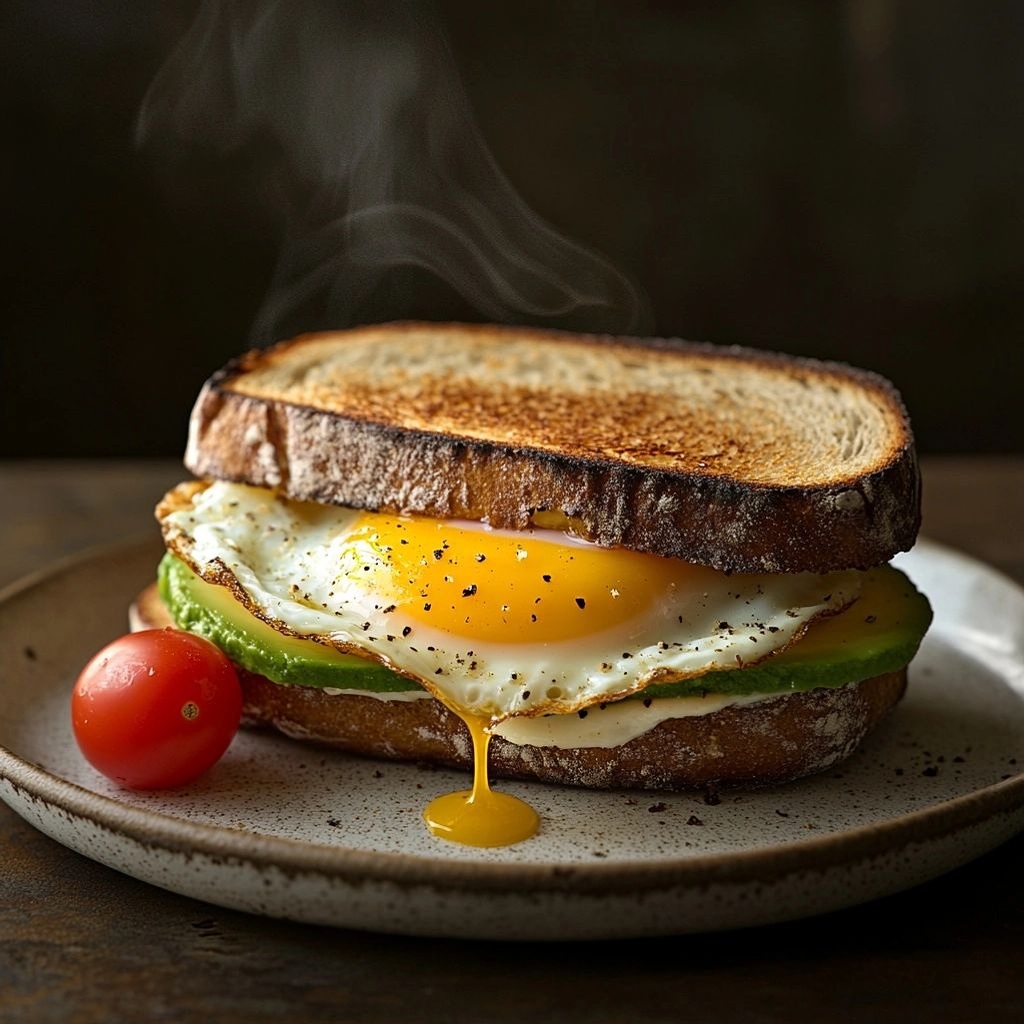
- Egg Filling
– 2 large eggs
→ These are the main binding and protein element of the sandwich. They should be beaten with a splash of milk or water to create a light, fluffy texture when cooked. For a creamier scramble, whisk until completely blended and add a pinch of salt. Cook over medium-low heat to avoid rubbery eggs, stirring gently until just set. - – 2 tablespoons milk or water
→ Liquid helps create a softer, more soufflé-like scramble and prevents the eggs from drying out. Milk yields richer flavor, while water keeps it lighter. Use cold milk from the fridge or room-temperature water for even cooking. - – Pinch of salt
→ Salt enhances flavor and helps season the eggs evenly through the scramble. Add a small amount at the start; you can adjust at the end with pepper or additional salt if needed. For lower-sodium options, use a light touch and taste as you go. - – Pinch of pepper
→ Pepper adds a subtle kick and aroma to the eggs. Freshly ground black pepper is preferred for more aroma; avoid over-seasoning if you plan to add salty cheese or condiments later. - Bread & Assembly
– 2 slices whole-grain bread, toasted (or 1 English muffin half)
→ Toasting provides structure and a pleasant crunch that holds up against the soft eggs. Whole-grain options add fiber and a deeper flavor. If you prefer a softer bite, light toasting is sufficient. - – 1 teaspoon butter or neutral oil for cooking
→ Fat aids in preventing sticking and contributes a subtle richness to the eggs. Use butter for flavor or a neutral oil (like canola or avocado) for higher heat and a cleaner taste. Preheat the pan before adding the eggs. - Cheese (optional)
– 1 slice sharp cheddar or Swiss, or your favorite cheese
→ Cheese adds melt and savory depth. Place it on the bread before assembling or directly on the eggs to melt as they finish cooking. For best melt, shave or slice thinly and cover the pan briefly to help it melt evenly. - Fresh Add-ins (optional)
– 2–3 tomato slices
→ Tomatoes add juiciness and acidity that balance the richness of the eggs. Use ripe but firm tomatoes and pat dry to prevent soggy bread. Layer on top of the eggs just before closing the sandwich. - – 1/4 avocado, sliced
→ Avocado introduces creamy texture and healthy fats. Mash lightly and spread on one slice for a smooth base, or layer slices to keep bite-sized portions. Add just before serving to prevent browning if making ahead. - – Handful of fresh spinach or arugula (optional)
→ A greens addition provides color, slight bitterness, and extra nutrients. If added hot, wilt slightly with the eggs during cooking or place fresh leaves on the bread to keep them crunchy. - Condiments & finishing touches (optional)
– 1 teaspoon mayonnaise or Dijon mustard (spread on bread)
→ Mayo adds moisture and creaminess; mustard brings tang and brightness. Use a thin layer to avoid soggy bread, and choose a version that complements your cheese and greens. For lower-fat options, consider yogurt-based sauces or a light vinaigrette drizzle.
Instructions
- Preheat your skillet over medium-low heat and add 1 teaspoon butter or neutral oil, allowing it to shimmer without smoking; this fat forms a slick surface to prevent sticking and contributes a gentle richness to the eggs.
- Crack 2 large eggs into a small bowl, add 2 tablespoons milk or water, and a pinch of salt; whisk vigorously until the mixture is uniform and pale, ensuring air is incorporated for a fluffy, even scramble that cooks quickly and evenly.
- Pour the egg mixture into the preheated pan and let it sit briefly until the edges just begin to set, then gently lift and fold with a silicone spatula, rotating the pan as you go to form soft folds without overworking the eggs.
- Continue cooking over medium-low heat, stirring occasionally and allowing the eggs to finish just when they are still slightly glossy and just set; this yields creamy texture and prevents a rubbery finish from overcooking.
- Turn off the heat and let the residual warmth finish cooking the eggs for a few seconds, then season with an additional pinch of salt and a crack of pepper; this preserves delicate flavor while avoiding oversalting during assembly.
- Toast 2 slices of whole-grain bread until golden brown and lightly crisp, then spread 1 teaspoon butter on one side of each slice while still warm to create a protective barrier against sogginess and to add gentle richness.
- If using cheese, place 1 slice of sharp cheddar or Swiss on one slice of bread while it is still warm so it begins to melt slightly from residual heat, which helps the cheese integrate with the eggs for a cohesive bite.
- Spread optional mashed avocado (or sliced avocado) on one slice of bread, creating a creamy base that also helps balance the eggs; mash lightly with a fork and season with a pinch of salt if desired for extra flavor depth.
- Assemble the sandwich by layering the soft eggs over the avocado or directly onto the cheese-topped bread, add 2–3 tomato slices and a handful of fresh spinach or arugula if using, then finish with the second slice of toast, buttered-side down, to seal the sandwich and trap steam.
- Finish with optional condiments such as 1 teaspoon mayonnaise or Dijon mustard spread thinly on the inner bread surface for moisture and tang, ensuring it does not overpower the delicate egg filling; slice in half and serve immediately while warm.
Notes
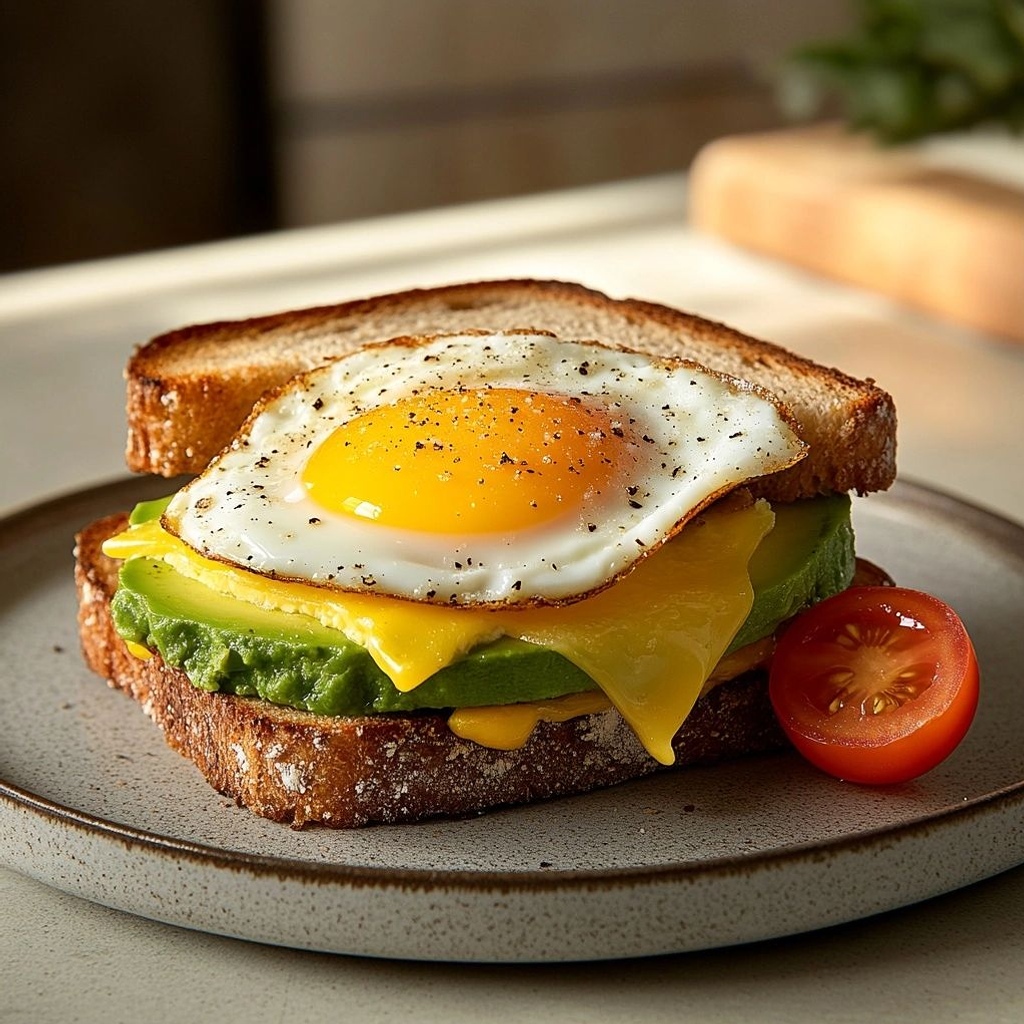
These easy egg sandwiches are a versatile, quick-cooking option that balance protein, fats, and carbohydrates for a satisfying meal. You can customize them by swapping in different cheeses, greens, or condiments to suit your taste and what you have on hand. They reheat surprisingly well for meal-prep lunches, and you can assemble components in advance to speed up morning assembly. For a lighter version, use a thinner bread or a whole-grain alternative and skip the cheese, or opt for a gluten-free bread if needed. To keep the bread from getting soggy, spread a thin layer of mayonnaise or Dijon mustard on the bread before adding the egg filling and fresh toppings. If you like a creamier texture, whisk the eggs a touch longer with your chosen milk or water and cook gently over medium-low heat until just set. For extra color and nutrients, add the fresh spinach or arugula just before closing the sandwich, or layer in sliced tomato for brightness. Always taste the eggs at the end and adjust salt and pepper, mindful that cheese and condiments can contribute additional salt. Enjoy the sandwich immediately for best texture, or wrap loosely to maintain a crisp edge on the bread.
Tips
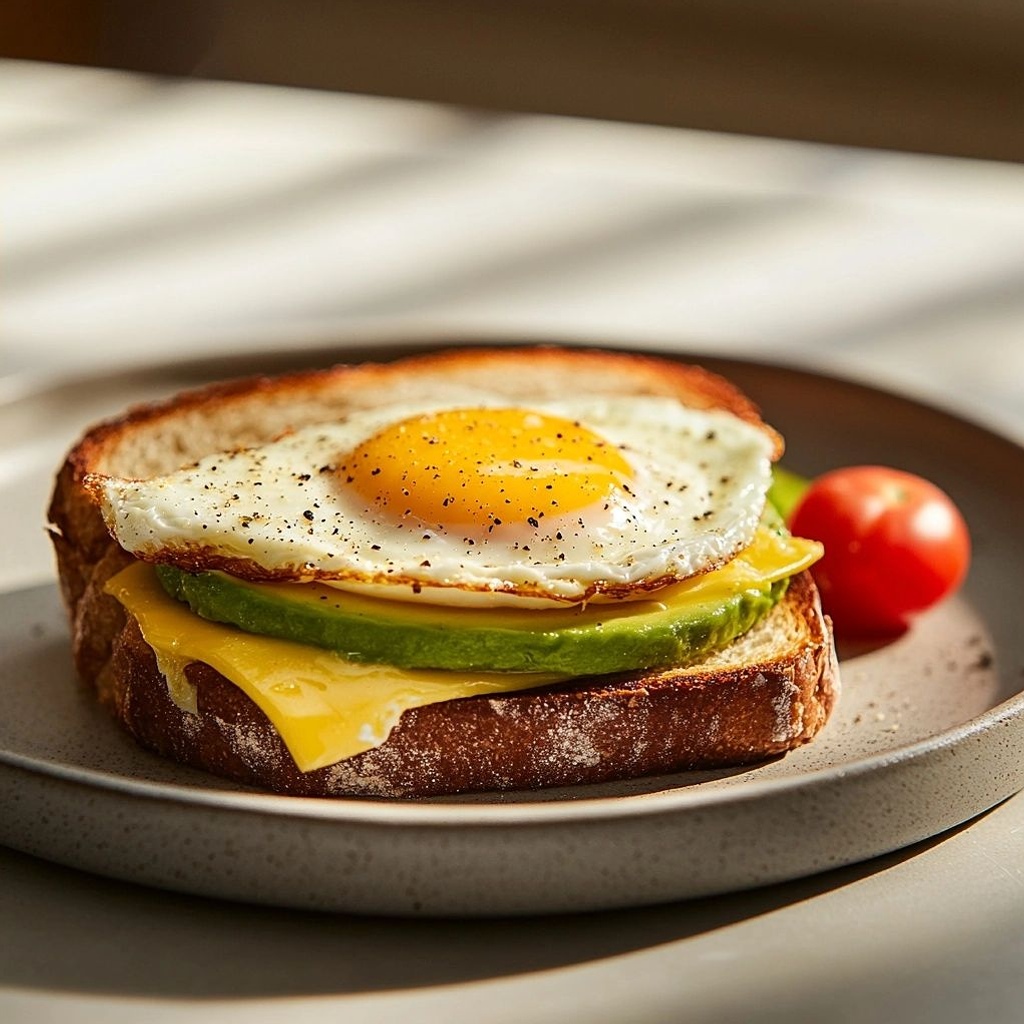
- Preheat the pan over medium-low heat and keep the heat steady. Cooking eggs slowly yields a softer, creamier scramble and reduces the risk of rubbery texture.
- Whisk the eggs with the milk or water just until blended. Over-whisking can incorporate too much air; a few gentle folds are enough for a light scramble.
- Season with salt and pepper at the start, then adjust at the end. This helps the seasoning distribute evenly through the eggs as they cook.
- Cook the eggs gently, stirring occasionally with a silicone spatula. Scrape the edges to the center as they begin to set for a uniform texture.
- Toast the bread to your preferred level of crunch. A light toast provides structure; a darker toast adds a robust bite that stands up to the filling.
- Warm the cheese briefly if you’re using it, or place a sliced layer on the bread to melt as the eggs finish cooking. Shaving or thinly slicing cheese helps it melt evenly without overpowering the eggs.
- Pat tomatoes dry before adding to the sandwich to prevent soggy bread. If you like juicier layers, blot with a paper towel rather than washing off all moisture.
- Prepare avocado just before assembling to minimize browning. A light lemon or lime squeeze can also help preserve color and add a fresh zing.
- Greens: if you’re adding spinach or arugula, wilt lightly in the pan with the eggs or place on the bread as a fresh layer to maintain color and texture.
- Spread condiments in a thin layer on the bread to avoid sogginess. A light mayo or Dijon adds moisture and tang without overwhelming the sandwich.
- Consider balance: if you’re adding cheese or condiments, adjust the amount of salt to keep the sandwich from tasting overly salty.
- For make-ahead options, cook the eggs softly and store with the bread and toppings separately. Assemble just before eating to retain texture and freshness.
FAQ
What is an Easy Egg Sandwich?
An Easy Egg Sandwich is a simple breakfast option made with eggs (usually scrambled, fried, or boiled) placed between slices of bread or a toasted bun. It’s quick, customizable, and pairs well with cheese, vegetables, or sauces.
What ingredients do I need?
Common ingredients include eggs, bread (or an English muffin), butter or oil for cooking, salt and pepper. Optional additions: cheese, avocado, tomato, lettuce, bacon or ham, and condiments like mayo or hot sauce.
How long does it take to make?
About 5–10 minutes start to finish for a basic fried egg sandwich. Scrambled eggs may take 6–8 minutes, depending on how well you prefer them cooked.
Can I make it ahead for the week?
You can pre-cuccinato: cook eggs in batches and store in the fridge for up to 2–3 days. Assemble fresh sandwiches when serving to prevent soggy bread; you can toast bread right before eating for best texture.
How do I avoid soggy bread?
Toast bread or use a sturdy bun, spread a light barrier like butter or mayo on the inner sides, and add dry toppings (like cheese or avocado) before the egg to help prevent sogginess.
What are some tasty variations?
Try these: 1) Classic: egg, cheese, and mayo on toast. 2) Veggie: scrambled eggs with tomato and spinach. 3) Bacon & avocado: fried egg with crispy bacon and sliced avocado. 4) Spicy: add hot sauce or jalapeños. 5) Breakfast melt: egg with melted cheese on an English muffin.
What if I don’t have a stove?
You can use a toaster oven or microwave. For microwave: whisk eggs with a splash of milk, season, microwave in 30-second intervals, stirring until set. For toppings, assemble after cooking to taste.
Is there a healthy version?
Yes. Use whole-grain bread, limit or skip cheese, use minimal butter, and add vegetables like tomato and spinach. Opt for a lower-fat cooking method like non-stick spray and scramble with less oil.
What pairings go well with an Easy Egg Sandwich?
Serving suggestions include a piece of fruit, a side of yogurt, a small salad, hash browns, or fresh fruit juice. It also pairs nicely with tea or coffee for breakfast.