Introduction / Hook
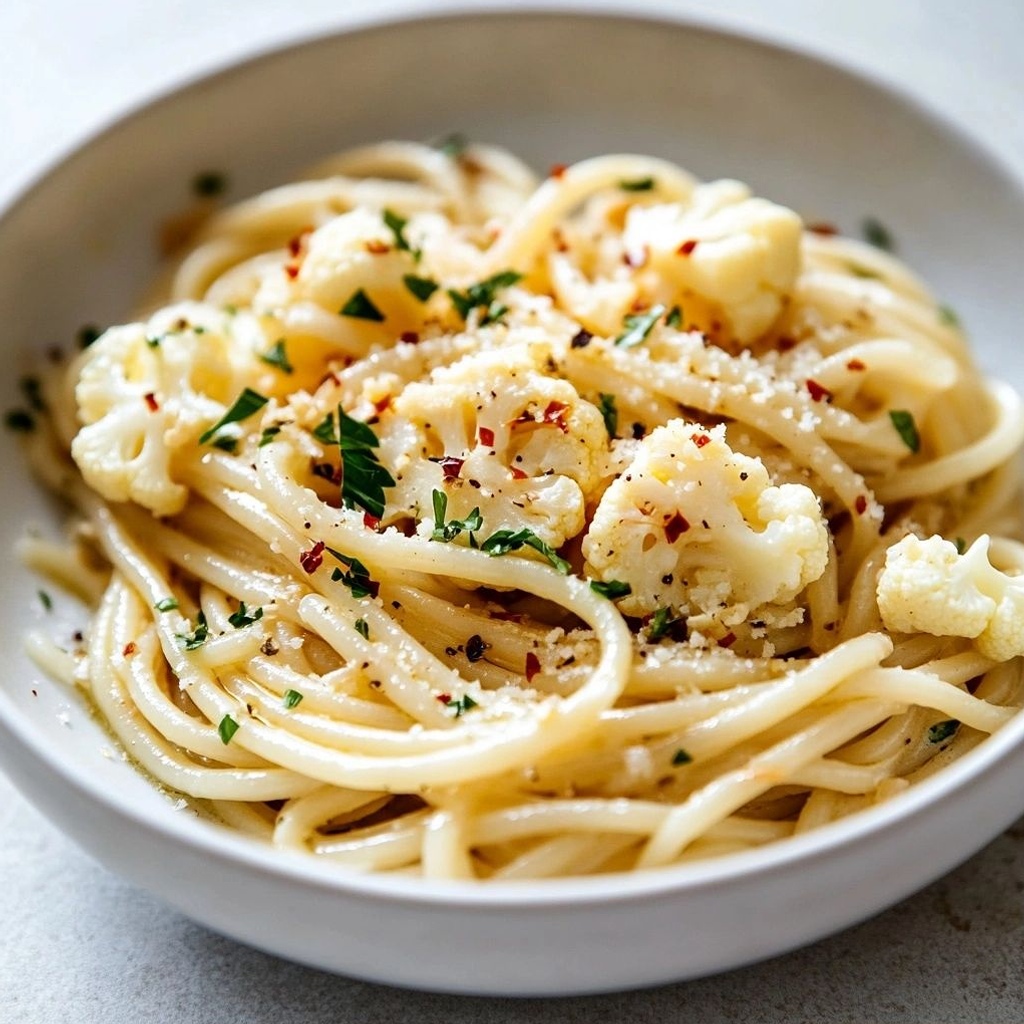
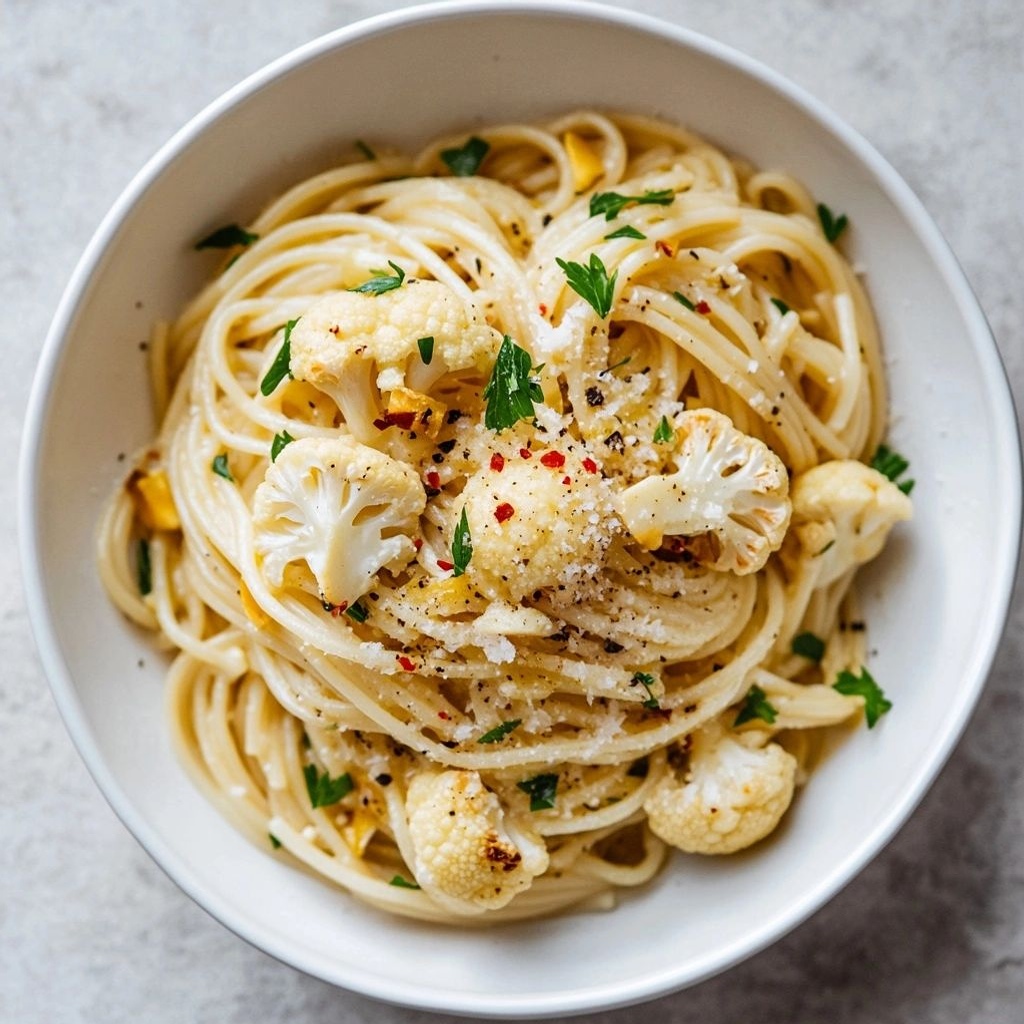
Imagine a plate that captures the soul-satisfying simplicity of a classic Italian pantry dish, then elevates it with a clever, vegetable-forward twist. Easy Aglio e Olio Pasta Cauliflower is that moment where comfort meets creativity: a shimmering skillet of al dente pasta kissed with olive oil, garlic, chili, and a radiant crown of crisp-tried cauliflower florets. The aroma is enough to announce dinner to the neighborhood before you even step into the kitchen—garlic gently sizzling, olive oil whispering notes of fruitiness, and a hint of heat that lingers like a friendly nudge. This dish is not just a meal; it’s an invitation to slow down, taste, and celebrate simple ingredients transformed into a bright, modern classic. It’s the kind of recipe you reach for after a long day, when you want something that feels indulgent yet light, satisfying yet quick, and friendly enough to serve to a crowd or to a busy weeknight family dinner. Each bite delivers a savory kiss of olive oil, a kiss of garlic’s warmth, and the peppery snap of cauliflower that has been roasted or pan-crisped to golden edges. In short: a weeknight hero that tastes like a trattoria triumph, with minimal fuss and maximum flavor.
The Story Behind the Dish
Cauliflower has long enjoyed a reputation as a versatile canvas in the kitchen, soaking up the flavors around it while offering a neutral sweetness and a welcome bite. The idea of pairing cauliflower with the timeless aglio e olio—garlic and oil—roots itself in two traditions: the humble, pantry-first Italian cooking that champions everyday vegetables and the modern culinary instinct to reinvent classics with a vegetable-forward twist. The concept of adding cauliflower to a plate of pasta is more than a clever substitution; it’s a nod to how extraordinary meals can emerge from simple, well-chosen ingredients. In many households, cauliflower has morphed from a humble side into a main event when roasted until almost caramelized, then tossed with pasta and a crackling garlic oil. This version—Easy Aglio e Olio Pasta Cauliflower—takes that idea and leans into a quick, weeknight-friendly structure: a skillet, a handful of pantry staples, and a cauliflower crown transformed into crisp, golden florets that mingle with glossy noodles and a peppery, aromatic sauce. It is a dish that travels well from a cozy apartment kitchen to a bright family table, carrying with it the warmth of home cooking and the confident awareness that good flavor can come from a few well-chosen ingredients. If you’ve ever wondered how to make a satisfying pasta dish that feels a little elevated without complicating your life, this is your answer: simplicity with character, texture that keeps you coming back for more, and a story on the plate that resonates with the idea of turning everyday vegetables into something memorable.
Why You’ll Love This Recipe
- Perfect balance of simplicity and impact: a handful of pantry staples deliver big flavors without demanding long hours at the stove.
- Vegetable-forward goodness: cauliflower adds texture, nutrients, and a subtle roasty sweetness that complements the garlic and chili.
- Versatile and adaptable: great for vegetarians, easily made dairy-free or vegan, and flexible with different pasta shapes.
- Quick weeknight friendly: most of the work happens in one skillet, making cleanup a breeze.
- Economical and crowd-pleasing: uses affordable ingredients that are often already on hand, ideal for feeding a family or a small gathering.
- Flavor-forward technique: crispy cauliflower edges, glossy garlic oil, and a touch of heat create multiple textures in every bite.
- Customizable: you can tint it with lemon, herbs, capers, or parmesan depending on mood and dietary needs.
- Low-effort, high-reward sauce chemistry: the garlic in oil clings to the pasta, while the cauliflower soaks up the flavors without overpowering them.
Flavor Profile & Texture
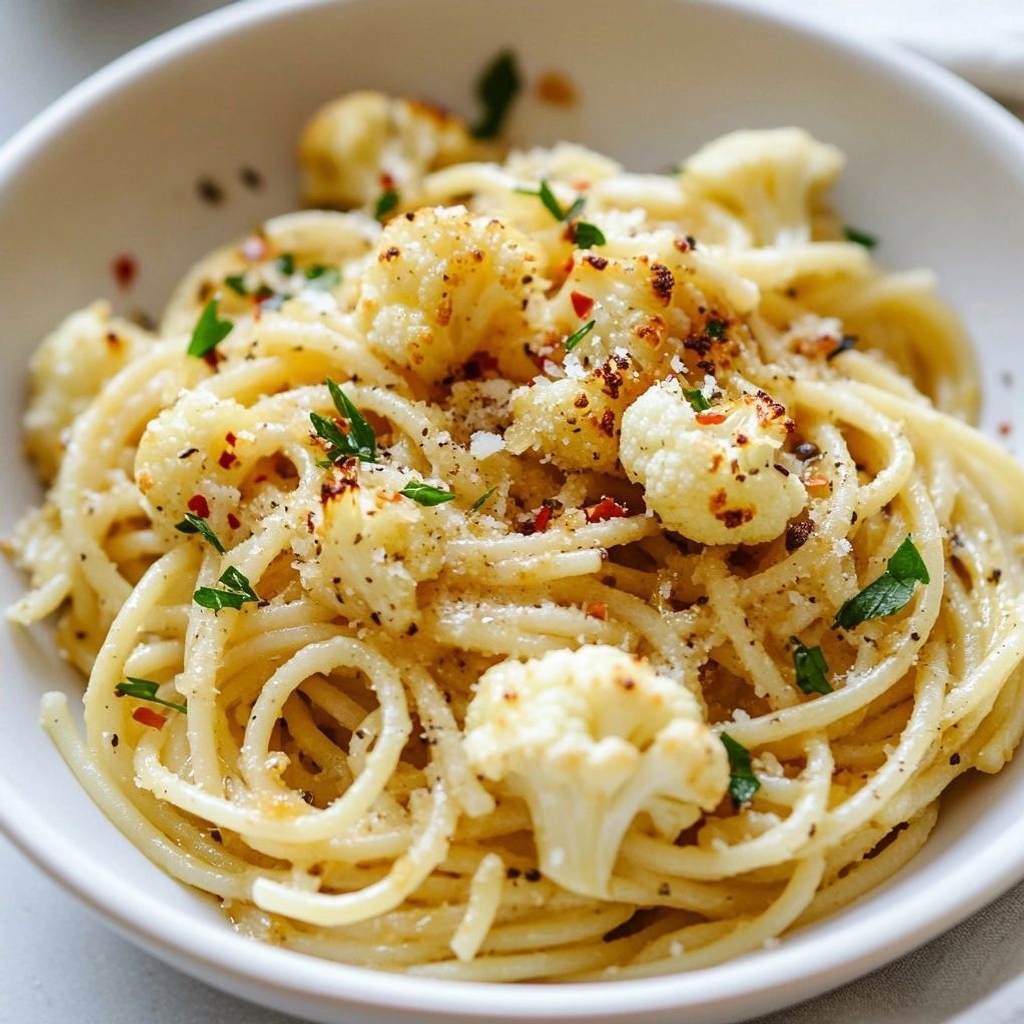
This dish is a study in contrasts and harmonies. The cauliflower, when properly prepared, develops crisp, caramelized edges that provide a toasty, almost nutty note. The garlic oil offers a luscious sheen—fruity olive oil enriched with the warmth of garlic, red pepper flakes, and a whisper of salt. When tossed with al dente pasta, the oil coats each strand with a glossy lacquer that enhances the noodle’s bite and holds onto the craggy cauliflower pieces like tiny flavor magnets. The chili brings a gentle heat that lingers, never overpowering, but definitely present enough to remind you that you’re in control of the spice. A squeeze of fresh lemon or a few shavings of parmesan can lift the dish to another level, brightening the garlic’s richness and giving the palate a refreshing lift. The overall texture journey is satisfying: the first forkful offers crisp cauliflower with tender pasta; the second reveals a more cohesive, silky mouthfeel as the oil coats every surface with gloss and flavor. It’s comfort with a polish, rustic in its beginnings but elegant in its finish.
Occasions & Pairings
Easy Aglio e Olio Pasta Cauliflower is incredibly versatile for a range of occasions:
- Weeknight dinners: quick, satisfying, and forgiving—perfect after a hectic day.
- Family meals: kid-friendly enough to please diverse palates, with the option to dial up or down the heat.
- Casual gatherings: a crowd-pleasing dish that pairs beautifully with a simple green salad and crusty bread.
- Vegetarian or pescatarian friendly menus: easy to adapt for different dietary needs.
- Meal-prep friendly: leftovers reheat well and maintain texture with careful reheating.
Pairings that amplify this dish:
- Side salads: a lemony arugula salad or a crisp cucumber-tenned salad adds brightness.
- Crusty bread: especially good for sopping up all the garlic-infused oil and any crispy bits.
- Wine: a light, crisp white like Pinot Grigio, Verdicchio, or a dry sparkling wine can complement the garlic and chili without overpowering the dish.
- Dessert: something simple and light, such as lemon zest infusions or a spoon of ricotta with honey, can close the meal gracefully.
Tips, Variations & Substitutions
Here are practical ideas to tailor Easy Aglio e Olio Pasta Cauliflower to your pantry, preferences, or dietary needs:
- Roast vs pan-sear cauliflower: For deeper flavor, roast the cauliflower florets at 425°F (220°C) until deeply caramelized, then toss with the pasta and garlic oil. For a quicker version, pan-sear in a skillet with a little oil until edges are crisp.
- Vegan/vegan-friendly: Use a vegan parmesan alternative or nutritional yeast for a cheesy note without dairy. Use extra virgin olive oil and omit butter if your recipe calls for it.
- Lemon lift: Add a squeeze of fresh lemon juice at the end for brightness and a zesty finish that cuts through the richness of the oil.
- Herb accents: Finish with chopped parsley, chives, or fresh basil to introduce green, aromatic notes.
- Flavor boosters: capers, olives, or sun-dried tomatoes can be stirred in for a Mediterranean twist.
- Spice level: adjust red pepper flakes to suit your heat preference. A pinch of Aleppo pepper can add complexity without heat spike.
- Gluten considerations: use your favorite gluten-free pasta; the technique remains the same, and the starch helps bind the sauce to the noodles.
- Cheese option: if not dairy-free, a light sprinkle of parmesan or pecorino just before serving heightens the savoriness.
- Texture play: finish with a handful of toasted breadcrumbs tossed in olive oil for a punchy, crispy topping.
Storage & Make-Ahead Ideas
This dish is forgiving when it comes to make-ahead and leftovers, but there are a few tips to preserve texture and flavor:
- Make-ahead: chopped cauliflower can be prepared in advance and kept in the refrigerator. Sauté with garlic oil just before serving for the freshest texture.
- Storage: store leftovers in an airtight container in the refrigerator for up to 3 days. Reheat gently on the stovetop with a splash of olive oil or a tiny bit of pasta water to restore gloss and moisture.
- Freezing: while not ideal due to texture changes in cauliflower and pasta, you can freeze leftovers in airtight containers. When reheating, add a splash of water or stock to revive the sauce and starch.
- Make-ahead sauce: prepare the garlic oil in advance and store in the refrigerator. Reheat, then toss with freshly cooked pasta and roasted or pan-seared cauliflower for a quick assembly.
Make-It-Easier: Step-by-Step Make-Ahead Flow
To streamline your cooking routine, consider this approach: start by prepping the cauliflower (wash, cut, and dry). While the cauliflower comes to room temperature, heat your skillet and begin the garlic oil base. Have your pasta water started so that the pasta hits the boiling point as soon as the cauliflower is ready. This synchronizes the cooking so you finish at the same time, with the cauliflower crisp and the pasta perfectly al dente. A few minute timing adjustments can maximize texture and flavor without adding stress to dinner.
Fun Facts & Trivia (Optional)
– Aglio e Olio translates to “garlic and oil,” a testament to its minimalist roots—one of Italy’s most beloved pantry staples, proving that you don’t need a long list of ingredients to make a memorable dish.
– Cauliflower has seen a modern culinary renaissance, with cooks embracing it as a vehicle for flavor rather than a bland side. When browned or roasted, it develops a caramel sweetness that pairs beautifully with garlic and chili.
– The dish reflects a broader Italian culinary philosophy that celebrates the harmony of simple ingredients crafted with technique—quick, economic, and deeply satisfying.
– In many Italian kitchens, the secret to great aglio e olio is not overdoing the garlic; it’s toasting it gently in oil to release its fragrance without burning, then letting the oil carry the flavor through the entire dish.
Final Thoughts
Easy Aglio e Olio Pasta Cauliflower is a shining example of how everyday vegetables can carry the heart of a dish when given the right attention. It’s a recipe that invites you to tune flavors to your taste, to experiment with textures, and to find joy in the little flips that make a classic feel new again. Whether you’re cooking for one, feeding a busy family, or entertaining friends with a casual, delicious pasta night, this dish offers a reliable, comforting, and surprisingly sophisticated dining experience. It’s a celebration of pantry wisdom—garlic, olive oil, chili, pasta, and cauliflower—proving that sometimes the best meals are born from restraint and a willingness to let ingredients speak for themselves.
Closing Remarks
As you plate this Easy Aglio e Olio Pasta Cauliflower, consider the sensory journey ahead: the glistening oil, the crackle of roasted cauliflower, the warmth of garlic, and the soft bite of pasta. It’s not just a dish; it’s an invitation to savor simplicity, to trust in pantry staples, and to enjoy a meal that feels both timeless and refreshingly modern. Enjoy the aroma as you dine, share stories around the table, and let the flavors remind you that excellent cooking often starts with a few honest ingredients and a willingness to let them shine.
Ingredients
- 12 oz spaghetti (or linguine) dry
→ This is the main carbohydrate that provides the light, al dente bite for Aglio e Olio. Use a pasta shape that folds well with the sauce; long noodles are traditional and help wrap the garlic oil evenly. Salt the cooking water generously to season the pasta from the inside out. - 1 small head cauliflower (about 1 lb / 450 g) cut into florets
→ Cauliflower adds a subtle, vegetal bulk and a nod to a lighter vegetarian adaptation of the dish. Break into bite-sized florets so they cook evenly and pair nicely with the spaghetti; you can blanch briefly or simply roast if you prefer a nuttier flavor. - 4 cups water to boil pasta and cauliflower
→ A generous amount of water ensures the pasta cooks evenly and the cauliflower can be blanched or steamed alongside. Do not add oil to the water (oil on water can prevent sauce from clinging). Salt the water heavily to season the pasta from the inside out. - 1/4 cup extra-virgin olive oil
→ The olive oil is the base of the sauce, carrying the aroma of garlic and pepper without heaviness. Use a high-quality, fruity EVOO for best flavor. Warm it gently over low heat to bloom the garlic without frying it too aggressively. - 3-4 garlic cloves, thinly sliced
→ Garlic provides the iconic aroma and flavor of aglio e olio. Slice thin so it cooks quickly and evenly, and allow it to gently sizzle in the oil until just golden. Too much browning will introduce bitterness, so monitor carefully and remove from heat if the garlic shows signs of burning. - 1/2 tsp red pepper flakes
→ Adds a balanced kick without overpowering the dish. Adjust to taste; for milder heat use 1/4 tsp, and for extra heat you can increase to 3/4 tsp. Stir into the oil early so the heat infuses the oil and coats the pasta well. - Salt to taste
→ Essential for seasoning the pasta water and the dish overall. Since the sauce is oil-based, proper salting enhances the simple flavors. Taste as you go and aim for a well-seasoned but not salty finish. - Freshly ground black pepper to taste
→ Adds a gentle peppery bite that complements the garlic and chili. Grind just before serving for maximum aroma and flavor. - 2 tbsp chopped fresh parsley
→ Fresh parsley provides color and a light herbal note that brightens the dish. Chop finely to distribute evenly, and stir in at the end to preserve its fresh flavor and vibrant green color. - 1/4 cup reserved pasta cooking water
→ The starchy pasta water helps emulsify the olive oil and garlic into a silky, cohesive sauce that clings to the noodles. Add gradually, as needed, to reach your desired sauce consistency without making it greasy. - Zest of 1 lemon (optional)
→ Lemon zest adds a fresh citrus brightness that complements the garlic and oil, especially if serving with cauliflower. Zest finely and add just before finishing so oils stay aromatic. - Freshly grated Parmesan or Pecorino cheese for serving (optional)
→ A light dusting of cheese adds savory depth and a slight tang. If you want a dairy-free version, omit this or substitute with nutritional yeast. For the best texture, grate cheese just before serving and offer at the table for guests to add as desired.
Instructions
- Bring a large pot of salted water to a rolling boil and set a timer for al dente pasta; this ensures the spaghetti cooks evenly and absorbs seasoning from the water, while the cauliflower can be blanched or steamed with the same pot if desired.
→ Generous salting seasons the pasta from the inside out and prevents a bland final dish; timing guarantees the pasta texture aligns with the sauce. - Add the 12 oz of spaghetti (or linguine) to the boiling water and cook until just shy of al dente according to package directions; reserve 1/4 cup of the starchy pasta cooking water before draining to emulsify the sauce later.
→ Pasta continues to cook slightly from carryover heat once tossed with the sauce, and the reserved water helps bind the oil and garlic into a glossy emulsion. - While the pasta cooks, cut the cauliflower into bite-sized florets and rinse; this ensures uniform cooking and allows the florets to blend pleasantly with the pasta texture.
→ Uniform florets prevent some pieces from overcooking while others remain crisp, creating a harmonious mouthfeel. - Blanch or steam the cauliflower in the same pot of boiling water for 3–4 minutes until crisp-tender, then drain well; this softens the cauliflower enough to mingle with the pasta without losing bite.
→ Brief blanching preserves color and vitamins while tenderizing the cauliflower to complement the pasta and sauce. - In a wide skillet, warm the 1/4 cup extra-virgin olive oil over low heat; this gentle warmth blooms the garlic without browning it too aggressively.
→ Low heat preserves the delicate, fruity notes of the oil and prevents bitterness from burnt garlic. - Add the 3–4 thinly sliced garlic cloves to the warm oil and cook slowly for 2–3 minutes until they just begin to tint golden; stir continuously to prevent hot spots.
→ Slicing garlic thin promotes quick, even release of aromatics, and monitoring color avoids bitterness from overcooking. - Sprinkle in the 1/2 tsp red pepper flakes and cook for another 30–60 seconds to perfume the oil; this ensures the heat is evenly distributed when the pasta is added.
→ Infusing the oil with chili from the start yields a balanced backbone for the dish without overpowering garlic. - Season the oil with a pinch of salt and freshly ground black pepper, then taste and adjust; this step tunes the flavor since the water and cheese will also contribute salt.
→ Proper seasoning at this stage builds depth so the final dish is well-balanced. - Transfer the blanched cauliflower to the skillet with the garlic oil and toss to coat its surface with the fragrant oil; this step integrates flavors and warms the cauliflower evenly.
→ Coating the florets in the oil ensures each bite carries garlic and chili aroma, enhancing overall cohesion. - Drain the cooked pasta and add it to the skillet with the cauliflower and oil; toss vigorously to integrate and begin forming the emulsion; add reserved pasta water gradually as needed.
→ Tossing in a hot skillet encourages the starches to emulsify with the oil, creating a silky coating on the pasta. - Finish by stirring in the 2 tbsp chopped fresh parsley and, if using, lemon zest; fold until evenly distributed to brighten the dish with color and aroma.
→ Parsley adds fresh brightness and the zest introduces a citrus lift that complements the garlic and oil. - Taste and adjust with more salt or pepper if needed, then plate the pasta, ensuring some cauliflower pieces are visible for texture; finish with a light grate of Parmesan or Pecorino if desired.
→ A final check ensures balance before serving and the cheese adds savory depth when chosen.
Notes
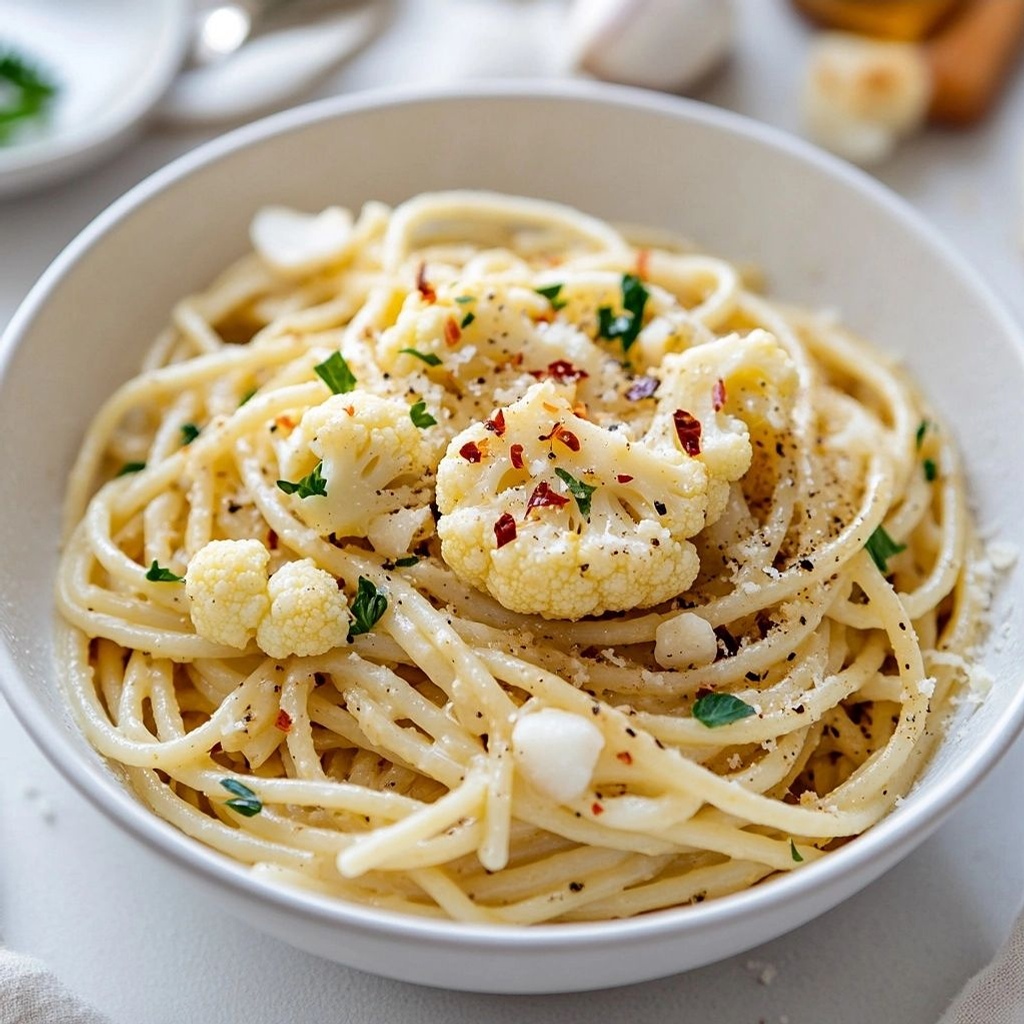
This Easy Aglio e Olio Pasta Cauliflower is a light, crave-worthy weeknight dish that embraces a simple olive-oil garlic sauce with a gentle cauliflower boost for extra texture and nutrition. You can customize it by using your preferred pasta shape and by adjusting the chili flakes to suit your heat tolerance. For a brighter finish, finish the dish with lemon zest and a sprinkle of fresh parsley just before serving. The reserved pasta cooking water helps emulsify the sauce into a silky coating that clings to every strand of pasta, so add it gradually and stop when you reach your desired consistency. If you’d like a richer bite, finish with a grating of Parmesan or Pecorino, or swap with nutritional yeast for a dairy-free option.
Tips
Tips for Perfectly Executed Easy Aglio e Olio Pasta Cauliflower
- Pasta water matters: Keep the cooking water well salted and use enough of it so the pasta can move freely. The starch released helps create a silky sauce when you emulsify with the oil.
- Cook cauliflower with the pasta when possible: If you’re blanching, add the cauliflower florets to the boiling water in the last 3–4 minutes so they stay bright and tender. If roasting, toss with a touch of olive oil and salt and finish in a hot oven until lightly browned for extra nuttiness.
- Gently bloom the garlic: Warm the olive oil over low heat and add sliced garlic slowly. This draws out aroma without burning. If the garlic starts to color too quickly, remove the pan from the heat briefly or reduce the flame.
- Control the heat for chili: Add the red pepper flakes to the oil early to infuse the oil with heat, but taste as you go. This prevents an overpowering bite and keeps the dish balanced.
- Emulsify for a glossy sauce: After the pasta is al dente, reserve 1/4 cup of the starchy cooking water and pour it into the pan with the garlic oil. Toss vigorously to emulsify the oil into a cohesive, glossy sauce that clings to every strand of pasta.
- Timing with cauliflower: If you’re blanching, don’t overcook the florets; aim for just-tender with some bite. If roasting, watch for a light caramelization that adds depth without drying the cauliflower.
- Finish with brightness and depth: Add lemon zest just before serving to preserve the citrus oils. Grated Parmigiano-Reggiano or Pecorino adds a savory finish; offer cheese at the table for guests to tailor their portion.
- Herbs and texture: Toss in chopped fresh parsley at the end for color and a fresh herbal note. If you prefer, you can mix a small amount into the oil at the start for a subtler aroma.
- Sea salt considerations: Taste the dish after combining the pasta with the sauce; the pasta water can salt the dish further, so adjust salt gradually to avoid over-salting.
- Make-ahead options: Roast the cauliflower and store separately; rewarm gently in the warm pan with a splash of olive oil to revive flavors before mixing with hot pasta.
FAQ
What is Easy Aglio e Olio Pasta with Cauliflower?
A simple, flavorful pasta dish inspired by traditional Aglio e Olio, but boosted with roasted cauliflower for added texture and a veggie-friendly twist. It combines garlic, olive oil, chili, and Parmesan with al dente pasta.
What ingredients do I need?
Common ingredients include spaghetti or linguine, cauliflower florets, garlic, extra-virgin olive oil, red pepper flakes, salt, black pepper, lemon zest (optional), grated Parmesan or Pecorino Romano, and chopped parsley. Optional add-ins: cherry tomatoes, capers, or olives.
Can I make this vegan?
Yes. Use vegan Parmesan or omit cheese entirely. Ensure your pasta is egg-free (most dried pasta is), and check that the optional toppings are plant-based.
How do I prepare the cauliflower?
Cut into small florets. Toss with a little olive oil, salt, and pepper, then roast at 425°F (220°C) for 15–20 minutes, until lightly browned and tender. You can also sauté the cauliflower in the skillet with the garlic if you prefer.
What is the best way to cook the pasta?
Cook in generously salted boiling water until just shy of al dente according to package directions (about 2 minutes less than full time). Reserve about 1 cup of pasta water before draining.
How do I combine the flavors?
Sauté sliced garlic in olive oil over medium heat until fragrant and lightly golden. Add red pepper flakes, then the roasted cauliflower. Toss with the drained pasta, adding reserved pasta water a little at a time to emulsify the sauce and coat the pasta. Finish with Parmesan and fresh parsley.
Can I add lemon or herbs for brightness?
Yes. A little lemon zest or a squeeze of lemon juice brightens the dish. Fresh parsley, basil, or oregano also complements the flavors.
How can I adjust the heat level?
Adjust red pepper flakes to taste. If you want milder heat, use ¼ teaspoon or omit entirely. For more kick, add a pinch of crushed chili pepper or a dash of hot sauce at the end.
How should I store leftovers?
Store in an airtight container in the refrigerator for up to 3 days. Reheat gently in a skillet with a splash of olive oil or water to loosen the sauce. The cauliflower may soften a bit upon reheating.
What makes this dish quick or budget-friendly?
Cauliflower adds bulk and texture without meat, and pantry staples like garlic, olive oil, and pasta are inexpensive and shelf-stable. Roasting the cauliflower while the pasta cooks saves time, making it a fast, economical weeknight option.