Introduction / Hook
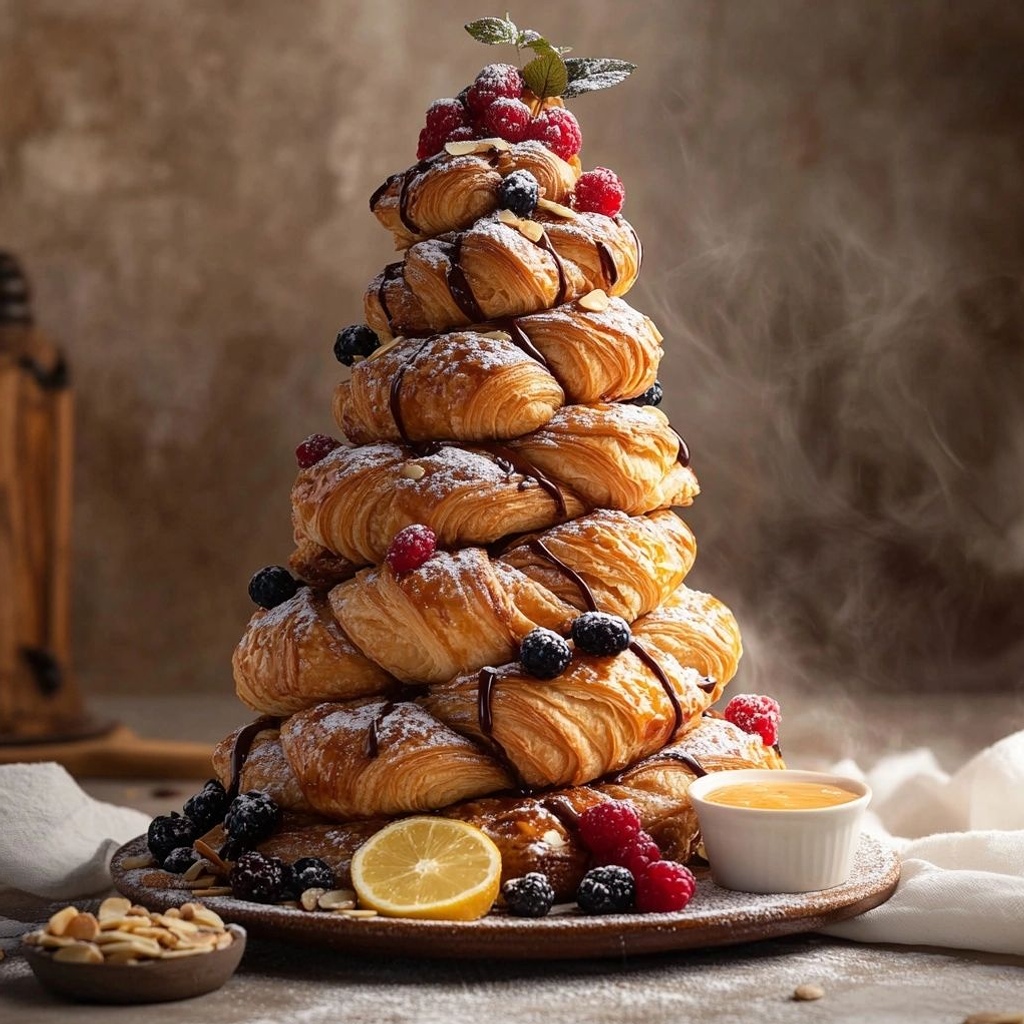
Imagine a brunch centerpiece that feels opulent without being fussy, a showstopper that makes your kitchen smell like adreamy bakery and your table look like a vignette from a couture magazine. The Croissant Tower showpiece brunch is exactly that—an edible sculpture built from buttery, flaky croissant crescents stacked into a soaring tower. Each layer reveals a delicate balance of melt-in-your-mouth pastry, creamy fillings, and vibrant accompaniments that invite guests to assemble and savor piece by glorious piece. This is more than a recipe; it’s a playful celebration of mornings, a culinary spectacle that sparks conversation, and a guaranteed way to elevate your weekend gatherings.
In a world of quick breakfasts and single-dish wonders, the croissant tower dares to be a little theatrical, a little nostalgic, and entirely delicious. The aroma alone—rich butter, toasty notes, a whisper of vanilla—sets the mood before anyone even reaches the table. The tower format encourages interaction: guests peel back the tiers like unwrapping a gift, discovering hidden pockets of jam, chocolate, or savory fillings tucked between crescent layers. It’s a brunch performance that pairs well with sparkling drinks, soft music, and the kind of lazy daylight that makes the day feel promising.
Whether you’re entertaining a crowd or treating a special someone to a weekend indulgence, the croissant tower marries elegance with approachability. You’ll feel the confidence of a pâtissier without needing a brick-and-mortar bakery. And if you’re hosting a crowd with varied tastes, the tower is entirely adaptable: sweet, savory, or a faultless blend of both—each bite can be tailored to preference, making it a crowd-pleasing centerpiece that keeps guests talking long after the last plate has been cleared.
The Story Behind the Dish
The croissant tower has humble roots in the timeless romance of gatherings where food is more than sustenance—it is a ritual. Croissants, that delicate paradox of crispy exteriors and airy, layered interiors, have long symbolized shared mornings, quiet cafés, and the sweet promise of a new day. The idea of stacking croissant crescents into a tall, elegant form emerged from the playful spirit of brunch culture: a dish that invites curiosity, conversation, and a touch of spectacle.
The concept draws inspiration from classic French bakery techniques, tempered with modern brunch sensibilities. Think of a mille-feuille-inspired approach, but instead of pastry sheets and cream, you’re embracing the soft, flexible texture of croissants and pairing them with thoughtfully chosen fillings and drizzles. The tower becomes a edible architecture—tiers of pastry that not only taste extraordinary but also offer a tactile experience: the give of a freshly baked croissant, the delicate snap of a toasted edge, and the satisfying unraveling of layers as you carve your way through.
Anecdotally, many home cooks began crafting croissant towers as a way to turn a weekend gathering into a memory. The ritual of assembling the tower—layer by layer, with guests contributing their own fillings—transforms a routine brunch into an event. The tradition echoes the communal spirit of long, leisurely meals where everyone leans in, shares stories, and discovers new flavor harmonies together. In this recipe, history nods to boulangerie craft while embracing the playful, contemporary energy of a party-ready centerpiece.
Why You’ll Love This Recipe
- Impressive without being intimidating: The tower looks grand, but assembly is forgiving and adaptable to your kitchen and pace.
- Versatile flavor canvas: Sweet fillings like vanilla cream, fruit compotes, or chocolate contrast with savory options such as herbed cream cheese, smoked salmon, or roasted vegetables.
- Social and interactive: Guests pull apart layers, spread fillings, and add toppings, turning brunch into a collaborative, festive activity.
- Make-ahead friendly: You can prep components in advance, then assemble just before serving for a crisp, bakery-fresh finish.
- Perfect for celebrations: A showpiece brunch that suits holidays, birthdays, Mother’s Day, or simply a “treat yourself” weekend.
- Comforting nostalgia with a modern twist: The buttery fragrance, flaky texture, and golden crust evoke café mornings while offering a contemporary, curated presentation.
If you’re seeking a brunch centerpiece that delivers drama as well as comfort, this croissant tower ticks both boxes. It’s designed to be as enjoyable to prepare as it is to share, with opportunities to personalize and experiment. The resulting plate is not just a dish; it’s an experience—one that invites guests to participate, admire, and savor together.
Flavor Profile & Texture
The flavor journey begins with the unmistakable aroma of butter—warm, inviting, and slightly caramelized from gentle toasting. The croissant exterior presents a crackling, delicate crust that yields to a lush, airy interior. Each bite delivers a satisfying contrast: crisp edges and a soft, melt-in-your-mouth center that melts into a cloud of pastry goodness.
Fillings and accompaniments are the heartbeat of the tower. Sweet versions introduce creaminess and brightness: vanilla pastry cream, lemon-vanilla curd, or a lightly sweetened mascarpone with citrus zest. When fruit is added, the contrast of tartness and sweetness brightens the palate, with berries, stone fruits, or citrus segments offering juiciness that punctuates the buttery base.
Savory iterations transform the croissant from a dessert-like pastry into a brunch powerhouse. Think ricotta or herbed cream cheese interspersed between layers, smoked salmon or ham for a savory punch, and vegetables like roasted peppers, spinach, or grilled mushrooms to add depth. The salt, fat, and umami of savory toppings perfectly balance the pastry’s sweetness, producing a multi-dimensional experience that remains cohesive at every bite.
The texture evolution is equally compelling. The initial bite offers a satisfying snap, followed by the tender pull of layered dough. The croissant’s laminated structure creates a mouthfeel that is both indulgent and comforting. When warmed properly, the steam releases a perfume that lingers in the air, drawing guests closer to the table. The assembly process, with its hidden pockets and designed crevices, ensures every forkful hits multiple sensory notes—creamy, fruity, zesty, or smoky—depending on how you build each segment of the tower.
Occasions & Pairings
The croissant tower shines in a variety of settings, from intimate weekend breakfasts to lively holiday brunches. It makes a grand entrance on special occasions or as the centerpiece for a relaxed family gathering. Use it to mark a milestone, welcome guests after a long week, or simply celebrate a bright, lazy Sunday morning.
Occasions
- Holiday brunches and family reunions
- Mother’s Day, Valentine’s Day, or anniversaries
- Birthday brunches with a sophisticated twist
- Brunches with friends, book club gatherings, or celebratory Sunday mornings
- Weekend tests of culinary showmanship and fun presentation
Pairings
- Beverages: Sparkling wine, Prosecco, champagne, or a bright citrus mimosa; coffee and chai beverages for robustness; herbal teas for a mellow finish.
- Side dishes: Fresh fruit salads, yogurt parfaits, herb-roasted potatoes, or light green salads with citrus vinaigrette.
- Condiments and toppings: Fruit compote, lemon curd, honey, jam varieties (raspberry, fig, apricot), smoked salmon, capers, and microgreens for garnish.
- Dessert accompaniments: A light dusting of powdered sugar, a drizzle of warm chocolate or caramel sauce, or a dollop of softly whipped cream for a luxe finish.
Tips, Variations & Substitutions
This centerpiece is highly adaptable. The beauty of the croissant tower lies in its modular nature: you can swap fillings to suit dietary needs, flavor preferences, or seasonal produce. The following ideas can help you tailor the dish to your crowd while preserving its iconic look.
Tips for Best Results
- Choose high-quality croissants with a good number of laminated layers. If you’re making croissants from scratch, ensure they are properly proofed to achieve maximum flakiness.
- Warm fillings gently before assembly to maintain a soft, cohesive bite; avoid overheating to prevent soggy pastry.
- Toast the exterior of the croissants lightly before layering to intensify the buttery aroma and create a crunchy contrast.
- Assemble on a sturdy base or cake stand with a central support to maintain the tower’s height and stability.
Sweet Variations
- Vanilla mascarpone with berry compote between layers for a fruity-sweet profile.
- Crème pâtissière flavoured with lemon zest and a whisper of vanilla, interleaved with fresh fruit slices.
- Nutella or almond paste with sliced bananas for a classic breakfast-dessert fusion.
Savory Variations
- Herbed cream cheese or crème fraîche with chives and smoked salmon in alternating tiers.
- Sautéed spinach, roasted peppers, and feta cheese layered for a Mediterranean twist.
- Aromatics like caramelized onions and mushrooms with Gruyère for a rustic brunch centerpiece.
Dietary Alternatives
- Gluten-free: Use gluten-free croissant substitutes or a gluten-free puff pastry base, and ensure fillings are gluten-free.
- Vegan: Replace dairy fillings with almond-based cream cheese, coconut yogurt curd, or cashew cream; use vegan croissants or a flaky pastry substitute.
- Low-carb: Create a tower with almond flour croissant alternatives and fill with spinach, mushrooms, and a light cheese custard made from eggs and cream substitutes.
Regional Twists
- French-inspired: Use classic butter croissants with vanilla bean cream and fig jam between layers.
- Mediterranean: Olive tapenade, tomato and mozzarella, and roasted pepper slices between layers with a drizzle of balsamic glaze.
- Nordic: Smoked trout or gravlax with dill crème fraîche and cucumber ribbons for a fresh, bright finish.
Storage & Make-Ahead Ideas
The beauty of a croissant tower is that you can plan ahead and assemble with finesse. Here are practical ways to save time and keep textures and flavors at their best.
Make-Ahead Components
- Prepare fillings and sauces a day ahead; refrigerate in airtight containers to maintain freshness.
- Toast croissant halves and let them cool completely; store in an airtight container to maintain crunch until assembly.
- Prepare fruit compotes or curds and refrigerate; reheat gently before serving to release fresh aromas.
Storage & Reheating
- Leftovers: Store any assembled, unused portions in the refrigerator for up to 2 days. Reheat the croissant segments in a low oven (300°F/150°C) for a few minutes to refresh the texture.
- Freezing: Assemble components separately (croissant layers, fillings, and toppings) and freeze in airtight containers; reassemble and bake directly from frozen, adding a few extra minutes to the cooking time.
Make-Ahead Brunch Flow
- Plan a “tower day” where guests contribute fillings, toppings, and final assembly. This keeps you free to manage drinks, music, and hosting without sacrificing the spectacle.
- Set up a fill-and-stack station with labeled jars, bowls, and spoons to help guests choose their combinations, ensuring an aesthetically pleasing and organized presentation.
Fun Facts & Trivia (Optional)
Did you know that croissants, despite their crescent shape, are not actually French in origin? The crescent shape is inspired by the Ottoman Empire’s emblem, and the croissant we know today evolved through Austrian and French bakery traditions into the laminated, butter-kissed pastry beloved worldwide. The technique of lamination—the process of folding dough with butter to create multiple layers—delivers the flaky, airy texture that croissants are famous for. Layered pastries have a long history in European baking, with early editions of laminated doughs appearing in various forms across the continent.
The concept of stacking pastries to create a tower is a modern culinary storytelling device. It transforms familiar flavors into a dramatic narrative: the “peel back” moment invites guests to discover hidden fillings, while the tower itself serves as a visual metaphor for growth, celebration, and the joy of sharing. In many cultures, the act of presenting a centerpiece at a meal is a sign of hospitality and care. This croissant tower is a contemporary embodiment of that tradition—an edible sculpture that honors craft, warmth, and togetherness.
Fun anecdote: in some kitchens, aspiring bakers begin their day by shaping a tower as a personal ritual—a reminder that slow, deliberate steps can yield spectacular results. The ritual of browning the pastry edge to a crisp, the moment the aroma fills the room, and the gleam of sunlight on a perfectly stacked tier can become a beloved Sunday morning cue, signaling that something wonderful is about to happen.
Ingredients
-
Croissants (store-bought or homemade, day-old preferred)
→ The architectural base for the tower. Use flaky, laminated croissants so the structure remains crisp on the outside while staying tender inside. If making at home, bake until deeply golden and allow to cool slightly before slicing for stacking. For a neater tower, trim the rounded ends to create flat surfaces for stable layers. -
Cream cheese filling (softened)
→ Provides a creamy, tangy layer that helps bind the stack while adding richness. Soften to room temperature so it blends smoothly with minimal effort. Whip briefly with a touch of vanilla to create a light, spreadable texture that won’t tear the croissants. -
Powdered sugar (for filling and light dusting)
→ Adds sweetness and helps balance the tanginess of the cream cheese. For the filling, whisk in gradually to reach a spreadable consistency; reserve a portion for dusting the finished tower and achieving a gentle snowy finish. -
Vanilla extract (or vanilla bean paste)
→ Enhances depth of flavor in the cream cheese filling and pastry cream. Use pure vanilla for the most aromatic result; if using vanilla bean, scrape the seeds into the mixture to maximize aroma. Adjust to taste to avoid overpowering the croissant’s sweetness. -
Lemon zest (finely grated)
→ Brightens the filling and pastry cream, cutting through the richness with a hint of citrus. Zest finely over the filling components so the aroma is released in each bite; avoid the white pith to prevent bitterness. -
Mixed fresh berries (strawberries, blueberries, raspberries, or your favorites)
→ Adds color, freshness, and a contrast in texture. Slice larger fruits to create even layers and prevent soggy sections. Toss berries with a light splash of lemon juice and a pinch of sugar to enhance their natural brightness if your berries are not very sweet. -
Pastry cream (vanilla)
→ A luxuriously smooth filling layer that fills gaps between croissant pieces and contributes a custardy richness. Prepare with milk, egg yolks, sugar, cornstarch, vanilla, and a touch of salt; cook until thick and glossy, then chill thoroughly before layering to avoid runny sections. -
Milk (for pastry cream)
→ Liquid base for the pastry cream. Use whole milk for a richer custard; heat gently to dissolve sugar before whisking with egg yolks and cornstarch to form a thick, silky cream that coats a spoon. -
Egg yolks (for pastry cream)
→ Provide structure and silkiness to the pastry cream. Temper yolks by slowly whisking in hot milk, then cook until the mixture coats the back of a spoon. This step prevents curdling and yields a smooth, stable cream that won’t split when cool. -
Sugar (for pastry cream)
→ Sweetens the custard and helps achieve a balanced flavor with the vanilla and lemon zest. Dissolve thoroughly in the hot milk to avoid graininess; adjust to taste if you prefer a less sweet finish for a brunch showpiece. -
Cornstarch (for pastry cream)
→ Works as a starch thickener to give pastry cream its characteristic body. Sift and whisk with a small portion of the hot milk before returning to the pot to prevent lumps. Do not boil vigorously after thickening to maintain a smooth texture. -
Butter (unsalted, for pastry cream)
→ Enriches the pastry cream with a velvety finish and helps stabilize the custard when chilled. Whisk in at the end while the cream is still warm to emulsify for a glossy, satin-smooth texture; use salt-free butter to maintain flavor balance. -
Slivered almonds (toasted, for topping)
→ Adds a delicate crunch and a toasty nutty aroma to the tower’s edges. Lightly toast in a dry pan until fragrant and golden; cool completely before sprinkling so they stay crisp rather than soft from any moisture on the croissants. -
Apricot glaze or apricot jam (thinned with water)
→ Creates a glossy, attractive finish on the croissant surfaces and helps seal in moisture afterAssembly. Warm gently and brush sparingly onto exposed surfaces for a professional shine without making the structure soggy. If using jam, strain to remove seeds for a smoother glaze. -
Powdered sugar for dusting (optional)
→ Finishing touch that adds a delicate snowy appearance to the tower. Sift lightly over the assembled showpiece just before serving for a pristine presentation; be mindful not to over-sugar, which can overwhelm the flavors of croissant and fillings. -
Edible flowers or fresh mint leaves (optional garnishes)
→ Elevate the visual appeal of the brunch centerpiece. Use small, pesticide-free edible flowers or mint leaves as accents; place them strategically to avoid affecting the structural integrity of the tower while adding a fresh aroma and color contrast.
Instructions
- Preheat your oven to 350°F (175°C) and line a large baking sheet with parchment paper to prevent sticking and to create a clean, flat surface for assembling the tower.
→ A consistent oven temperature ensures the croissants re-crisp without over-browning, and the parchment provides a non-slip base for stable stacking during assembly. - Trim the rounded ends of each croissant to create flat, even contact surfaces and prevent wobble when stacking the tower.
→ Flat surfaces help subsequent layers settle evenly and maintain a taller, more stable centerpiece for presentation. - Slice each croissant horizontally into two or three equal, layered portions with a sharp serrated knife, taking care to keep the interior intact for a lighter, airier texture in the final stack.
→ Uniform slices ensure even distribution of fillings and a cohesive tower structure without gaps or sagging layers. - Soften the cream cheese to room temperature and beat briefly with a splash of vanilla until smooth and spreadable, then whisk in a pinch of powdered sugar to achieve a lightly sweetened, scoopable consistency.
→ Softened cream cheese folds easily without tearing croissant interiors, and vanilla plus a touch of sugar balance tang with the croissants’ richness. - Prepare the vanilla pastry cream by whisking together milk, sugar, a pinch of salt, and cornstarch in a heavy saucepan; whisk yolks separately, temper with hot milk, then cook until thick and glossy before whisking in butter and a splash of vanilla, and chill thoroughly.
→ This creates a velvety custard that fills the gaps between croissant pieces and adds luxurious richness; chilling prevents runny layers during assembly. - Fold finely grated lemon zest into the pastry cream once cooled to brighten the filling and provide a fresh aroma that contrasts with the pastry.
→ Lemon zest adds buoyant citrus notes that cut through the dairy richness and heighten overall flavor balance. - Whip the prepared cream cheese with a portion of powdered sugar and a tiny amount of lemon zest to create a light, spreadable layer that will cling to croissant surfaces without tearing them.
→ A well-emulsified filling yields smooth layers and prevents shifting during stacking, preserving the tower’s shape. - Gently toss the mixed berries with a light squeeze of lemon juice and a small pinch of sugar to brighten their flavor, then set aside until ready to layer.
→ Tossing lightly prevents moisture from pooling and helps berries maintain structure in the stack while adding color and texture. - Assemble the base layer by lightly spreading a thin, even coat of vanilla pastry cream on the bottom croissant half, then add a layer of sliced berries, and top with the next croissant piece to create a compact starting tier.
→ The pastry cream acts as a glue, berries provide brightness and moisture, and even layering builds a stable foundation for subsequent tiers. - Continue layering croissant segments, cream cheese spread, pastry cream, and berry fillings in a consistent pattern, working from bottom to top and ensuring each layer is pressed gently but firmly to compress air pockets without squashing the croissant’s flakiness.
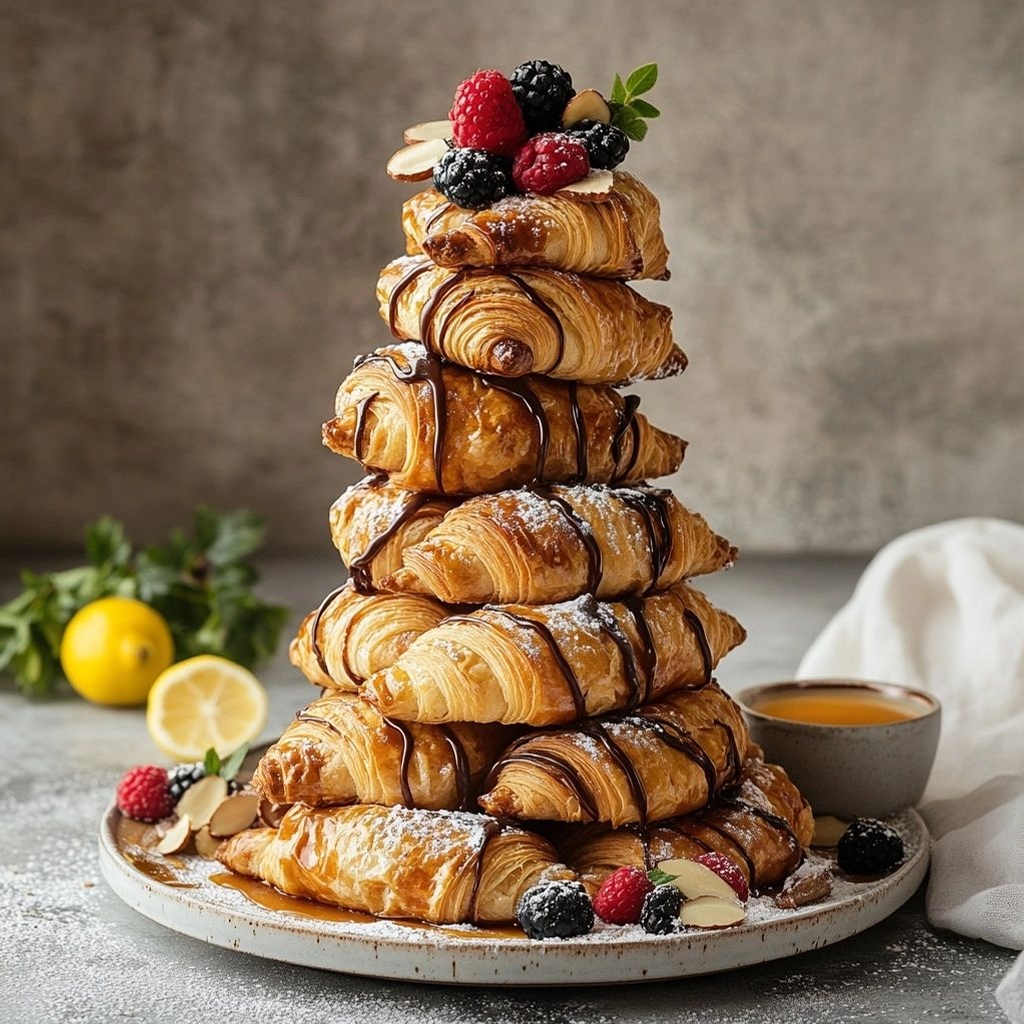
→ Consistent pressure helps stabilize the tower while preserving texture; too much pressure can crush delicate lamination, too little can cause wobble. - Once the tower reaches the desired height, brush a light apricot glaze or thinned apricot jam on exposed croissant surfaces to seal edges, add a glossy finish, and help moisture retention without making the structure soggy.
→ The glaze provides a professional shine and a protective seal that keeps the outer crust crisp while preventing dryness. - Sprinkle toasted slivered almonds along the outer edges or top surfaces as a decorative crunch, pressing them lightly so they adhere to the glaze without shedding onto the plate.
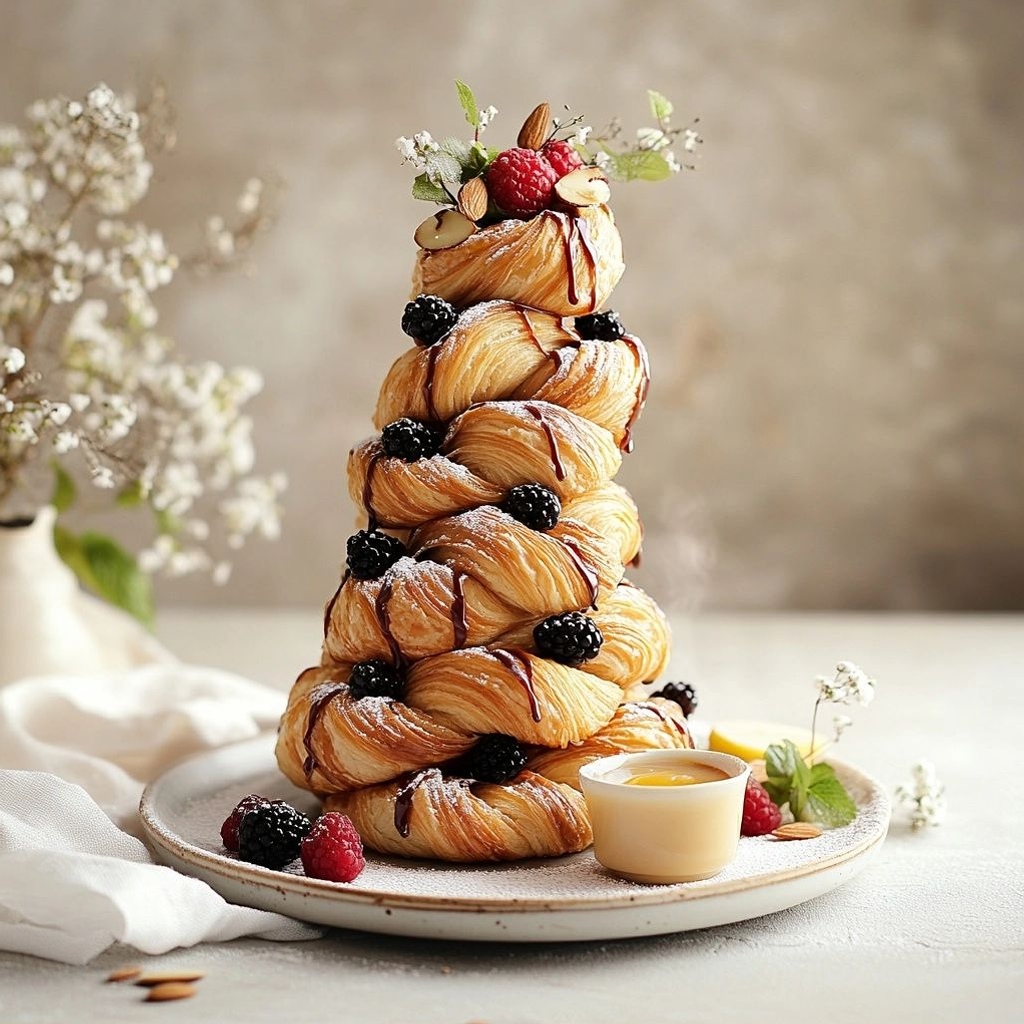
→ Almonds add texture and an elegant nutty aroma that complements the creamy fillings and buttery croissants. - Dust the assembled tower lightly with powdered sugar for a snowy, brunch-appropriate finish, and garnish with edible flowers or fresh mint leaves if using, placing them sparingly to avoid destabilizing the structure.
→ The dusting heightens the visual impact, while edible accents provide color contrast and aromatic lift without interfering with stacking integrity. - Chill the completed croissant tower for at least 30 minutes to set the fillings, then slice portions carefully using a warmed knife to maintain clean cuts and reveal the multi-layered interior.
→ Chilling firms the fillings for clean slicing, and warming the knife reduces sticking for neater portions that showcase the showpiece’s layers. - Serve on a chilled platter with accompanying berries and a small dollop of cream cheese on the side for guests to add as desired, ensuring the presentation remains tall and stable until service.
→ A tidy service plate maintains the tower’s architectural silhouette and lets guests customize bites while still enjoying the display.
Notes
Tips
- Plan assembly timing: Bake or purchase croissants a day ahead and store in an airtight container to dry out slightly for crispier edges when stacked. If your croissants are too fresh and fluffy, you can lightly toast halves to firm them up before layering.
- Stability first: Trim rounded ends of croissants to create flat stacking surfaces. Build the base with a wide, flat structure and use a thin layer of cream cheese or pastry cream between layers to act as a glue without overpowering the delicate pastry.
- Even fillings: Soften cream cheese thoroughly and whip with vanilla until smooth. For the filling layers, aim for a spreadable but not runny texture; refrigerate briefly if needed to keep it firm during assembly.
- Flavor balance: Add lemon zest to the cream cheese and pastry cream to brighten the richness. Taste as you go to avoid overpowering sweetness; a touch more vanilla or a tiny pinch of salt can elevate the overall depth.
- Pastry cream prep: Make pastry cream ahead and chill thoroughly. To avoid a gloppy texture when layering, cover the surface with plastic wrap directly on the cream to prevent a skin from forming.
- Prevent sogginess: When layering fruit, pile berries in an even layer and consider giving sliced fruits a light lemon juice and sugar toss to macerate and brighten flavor without releasing too much moisture into the tower.
- Fruit sizing: Slice larger berries and fruits into uniform pieces to ensure even stacking and a cohesive look. Dry any excess moisture with a paper towel before placing between layers.
- Crunch factor: Toast slivered almonds until golden and cool completely. Sprinkle only on the outer edges or outer perimeter of the tower to maintain a crisp crust around the croissant surfaces.
- Glaze technique: Warm apricot glaze or jam with a splash of water to a thin, brushable consistency. Brush sparingly to add shine without saturating or softening the croissants; strain jam if using to avoid seeds.
- Chill between steps: If assembling ahead, refrigerate the partially built tower between steps to set fillings and help keep layers intact during transport or display.
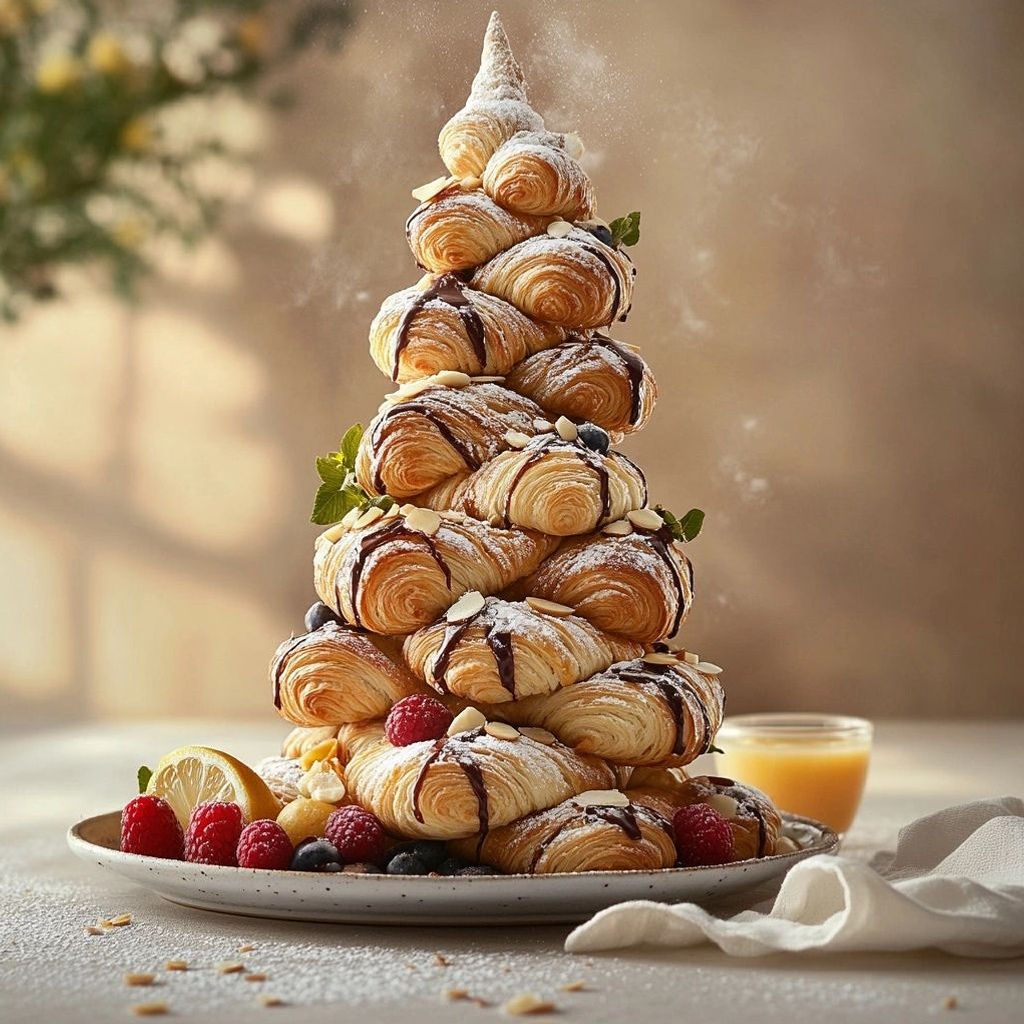
- Finishing touches: Lightly dust with powdered sugar just before serving for a pristine snowy effect. Add edible flowers or mint leaves strategically so they don’t compromise structure but enhance color and aroma.
- Serving stability: When transporting, wrap loosely to avoid crushing the top tier. If possible, assemble on-site or near the service area to ensure freshness and crispness of the croissants.
- Make-ahead variants: For a quicker version, use a single croissant tower layer with cream cheese filling and a fruit compote between layers, reducing assembly time while preserving visual impact.
FAQ
What is a Croissant Tower showpiece brunch?
A Croissant Tower showpiece brunch is a dramatic, multi-layered display built from flaky croissants stacked or arranged into a tower. It serves as a stunning centerpiece for brunch and can be filled with savory and/or sweet fillings to delight guests.
How many servings does a typical croissant tower serve?
Most croissant towers are designed to serve 8–12 guests, depending on the size of the croissants and how generously you slice or fill them. Plan for 1–2 croissants per person if they’re the main dish.
What ingredients do I need for a classic croissant tower?
For a crowd-pleasing version: plain or butter croissants (store-bought or homemade), savory fillings (cream cheese or herbed goat cheese, smoked salmon, ham, eggs, sautéed mushrooms), fresh vegetables (tomatoes, arugula), sweet options (mascarpone, jam, chocolate spread, berries), and toppings (chive cream, powdered sugar, glaze). Don’t forget decorative elements like fresh herbs and edible flowers, plus a simple glaze or melted butter for finishing.
Can I use store-bought croissants, or do I need to bake them from scratch?
You can absolutely use store-bought croissants for a stunning and quick showpiece. If you have time and want a fancier result, homemade croissants offer superior flakiness, but the tower can look and taste fabulous with quality store-bought croissants as well.
How do I assemble a croissant tower?
Choose a sturdy base (a cake board or cutting board). Slice croissants in half widthwise if needed. Layer fillings between croissant halves, then stack or arrange croissants in a tiered or spiraled pattern. Secure with decorative skewers or toothpicks if necessary. Finish with a glaze or light dusting of powdered sugar and garnish with herbs, berries, and edible flowers.
What fillings work best for savory and sweet towers?
Savory: herbed cream cheese, smoked salmon, turkey/ham, arugula or baby spinach, roasted peppers. Sweet: mascarpone or cream cheese with jam, dark chocolate spread, fresh berries, lemon curd, or whipped cream. You can also create alternating layers to keep the presentation dynamic.
How far in advance can I prepare a croissant tower?
You can prep components 1–2 days ahead: fill croissants and keep them refrigerated (loosely covered). Assemble the tower 2–4 hours before serving to ensure croissants stay fresh and the tower looks its best. For the prettiest glaze or toppings, add those just before guests arrive.
What equipment helps make the tower look professional?
Helpful items include a flat serving tray or cake board with a non-slip base, a sturdy knife or pastry knife, a long skewer or thin dowel for stabilizing layers, and a turntable or lazy Susan for easy decorating. A small piping bag can help apply cream cheese or pastry cream neatly.
How do I keep croissants fresh and flaky for serving?
Keep croissants covered with a clean kitchen towel or parchment to retain moisture. If you’ve baked them, re-crisp in a low oven (around 300°F / 150°C) for just a few minutes before assembling. Avoid refrigerating croissants for long periods, as that can make them soggy or hard.
Are there gluten-free or vegan options for a croissant tower?
Gluten-free croissants exist but can be less flaky. For a vegan version, you’d need vegan croissants and fillings; however, cross-contamination and structure can be tricky. Consider a fruit-topped croissant charcuterie-style display as an alternative centerpiece if you need to avoid gluten or dairy.