
Introduction / Hook
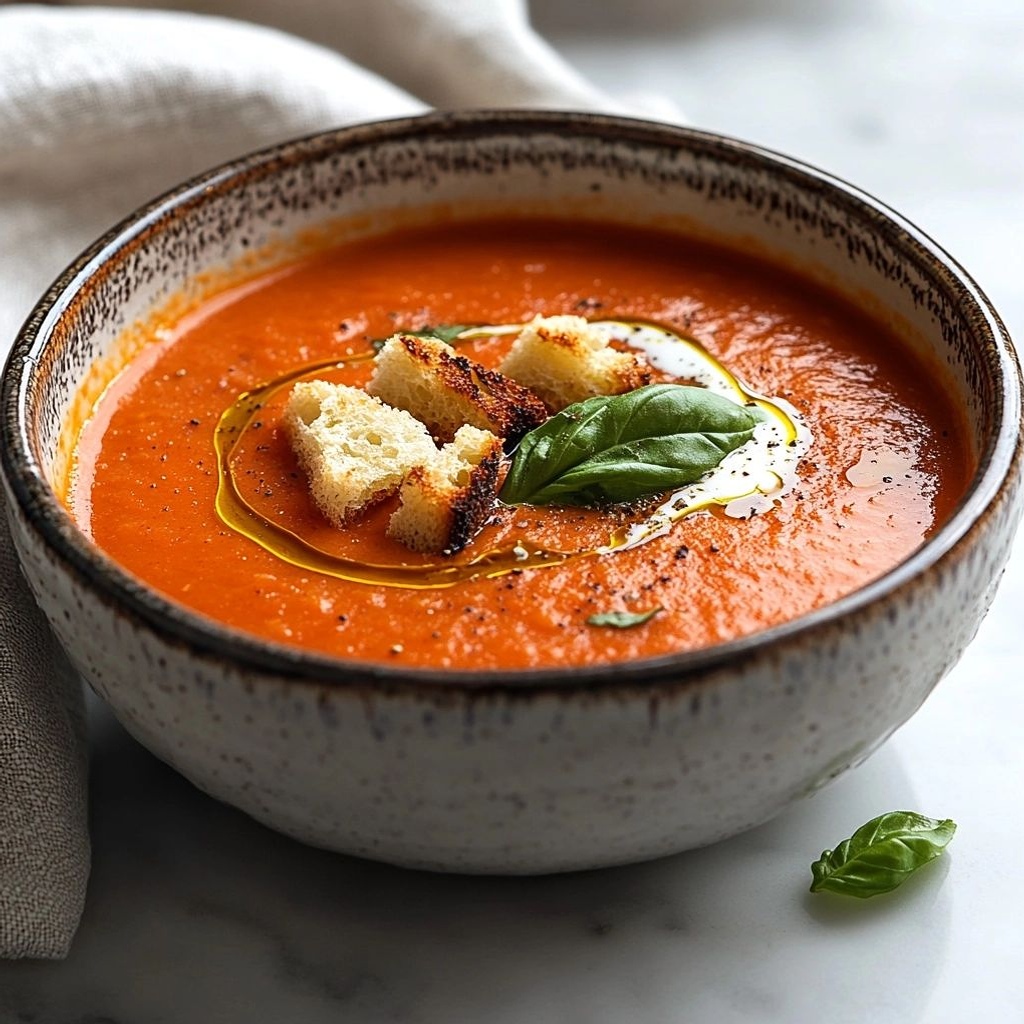
Imagine a bowl of warmth that slips through the chill of a gray midwinter day, the steam rising in soft swirls as if inviting you to slow down and breathe. This Cozy Middle-of-Winter Tomato Soup is more than a simple soup; it’s a comforting ritual that turns a routine weeknight into a small celebration. The first spoonful carries the bright brightness of ripe tomatoes caught at the peak of their flavor, balanced by a gentle sweetness, a whisper of creaminess, and a kiss of herbs that lingers like a cozy memory. It’s the kind of soup that tastes like a hug from a friend, the kind that makes you want to curl up with a blanket, a hot crusty slice of bread, and a good book on a frosty afternoon.
What makes this soup especially appealing during the deep of winter is its ability to transform pantry staples into something luminous and satisfying. No need for elaborate equipment or hard-to-find ingredients—this is soup made for home cooks who want comfort without fuss. The aroma alone can turn an empty kitchen into a welcoming dining room, drawing family members from their winter hibernation and inviting the house to gather around the table. It’s a dish that feels like a tradition in the making: something you might want to pass down, with each batch becoming a little more personal, a little more beloved.
The Story Behind the Dish
Tomatoes are a remarkable fruit (yes, fruit) that has traveled a long, flavorful path from distant gardens to our bowls. In many cultures, tomato soup has served as a humble staple—something that could stretch a meal when times were lean and yet bring a note of sunshine to the table. This particular cozy rendition draws inspiration from the classic pantry soups of kitchens that massaged rough winter days into moments of ease. It’s a nod to generations who learned to coax depth from simple ingredients: a tomato’s brightness coaxed into soup with the help of gentle roasting, a touch of onion and garlic, a splash of broth, and a velvety finish that glides across the palate.
Think of winter markets, the aroma of simmering vegetables on a stove, and a grandmother’s pot ticking softly on the back burner. The recipe honors those memories while embracing modern sensibilities—lighter than a heavy cream-based soup, yet indulgent enough to feel special. The tomato’s sunshine survives the season’s cold in this dish, amplified by the warmth of herbs and a hint of cream that makes every spoonful feel like a small celebration of simple, honest food.
As a practical aside, this soup also mirrors a universal truth about winter cooking: when time is tight, flavor needs a little help, not a lot of fuss. A quick sauté of aromatics, a simmer with stock, and a gentle blend to unify textures are all that’s required. The result is a soup that tastes like it was simmered for hours, though it may be on the stove for only a fraction of that time. The balance between brightness and comfort is deliberate—for a dish that can stand up to the cold, but warmly welcome to the palate with every sip.
Why You’ll Love This Recipe
- Effortless comfort: Simple pantry ingredients come together to create a restaurant-worthy bowl of soup with minimal hands-on time.
- Balanced brightness: Ripe tomatoes provide sunshine even in gray winter light, tempered by a touch of cream, a hint of sweetness, and savory aromatics.
- Versatile foundation: This soup pairs beautifully with grilled cheese, a crisp salad, or a rustic bread for dipping—making it suitable for weeknights or weekend gatherings.
- Customizable texture: You can enjoy it smooth for a silky finish, or leave a few chunks for a heartier bite—both approaches deliver comfort.
- Made with pantry staples: No special ingredients required; it’s a reliable way to use up a few tomatoes, onion, garlic, and herbs that you likely already have on hand.
- Vegetarian-friendly (and easily adaptable): The base is naturally meat-free; you can tailor it with stock choices and dairy to suit dietary needs.
- Make-ahead friendly: The flavors deepen when stored, making leftovers even more satisfying the next day.
Flavor Profile & Texture
This soup presents a delicate harmony of bright, sun-kissed tomato flavor with a soft, comforting body. The initial taste is gently tangy and sweet from ripe tomatoes, punctuated by a savory depth from onions and garlic. A touch of honey or a carrot can enhance the natural sweetness, smoothing the brightness so it doesn’t feel sharp, especially on a cold day. The mid-palate reveals a subtle herbal whisper—basil or oregano, depending on your mood—that lifts the soup without shouting over the tomato’s core personality.
Texture-wise, you’ll notice a velvety smoothness through the middle of the bowl. The dish often starts as a rustic puree, then softens into a silky consistency as the components blend. If you choose to leave some texture, small tomato chunks and delicate onion pieces provide a comforting bite that makes the soup feel homey rather than uniform. A light touch of cream adds a luxurious mouthfeel, rounding out acidity and enriching the overall experience. For a dairy-free version, coconut milk or a drizzle of olive oil can achieve a similar creamy effect without masking the tomato’s brightness.
Herbs contribute a fresh, aromatic lift. Basil delivers a classic Italian touch, while thyme or oregano adds a more woodland, comforting note. A pinch of red pepper flakes can bring a whisper of warmth that echoes a cozy fire without overwhelming the balance. Salt and pepper are crucial—season gradually and taste as you go to preserve the soup’s natural brightness while ensuring depth. If you’re using high-acidity tomatoes, a small amount of sugar or carrot can balance the acidity without tipping the flavor away from its natural tomato character.
Occasions & Pairings
This soup shines in a variety of settings, from rushed weeknights to leisurely weekend meals. It’s particularly welcoming when you want a warm, nourishing dish that feels generous yet not heavy. Consider these occasions:
- Weeknights: A one-pot wonder that comforts after a long day, especially when paired with a grilled cheese sandwich or a crusty baguette for dunking.
- Casual gatherings: A pot of soup served with a cheese board, a simple salad, and crusty bread makes for an easy, satisfying crowd-pleaser.
- Cold-weather lunches: Lunch-friendly in a thermos or a warmed bowl at the office, with a side of warm bread and a slice of tangy cheese.
- Holiday meals: A lighter starter that won’t overshadow a richer main course, offering a comforting contrast to roasted meats or hearty side dishes.
Pairings to elevate the experience:
- Grilled cheese with a crisp, tangy cheddar or a melty provolone, perfect for dipping.
- Crusty sourdough, brioche, or whole-grain baguette for scooping and savoring every bite.
- A simple green salad with a lemon vinaigrette to refresh the palate between spoonfuls.
- A dollop of crème fraîche or a swirl of olive oil for a silky finish.
- Lightly herbed croutons or a dusting of smoked paprika for a subtle, warming aroma.
- Pair with a crisp white wine or a light-bodied red for adults, or a warm apple cider for a cozy non-alcoholic option.
Tips, Variations & Substitutions
Every family has its own version of tomato soup, and this Cozy Middle-of-Winter Tomato Soup is designed to be forgiving and customizable. Here are ideas to tailor it to your pantry, dietary needs, or mood:
- Vegetarian and vegan: Use vegetable stock instead of chicken stock, and swap dairy cream for coconut cream, cashew cream, or a plant-based yogurt stirred in at the end for body and richness.
- Gluten-free: This soup is naturally gluten-free. Just ensure any bread served alongside is gluten-free if needed.
- Tomato variations: Use a mix of fresh tomatoes and canned tomatoes for intensity and texture. Roasted tomatoes can add a deeper, caramelized sweetness if you have the time.
- Herb swaps: Basil is classic, but thyme, oregano, or even a hint of rosemary can offer a cozy, rustic twist. For a more herbal brightness, finish with fresh parsley or chives just before serving.
- Creamy alternatives: If you want a lighter touch, reduce or omit the cream and instead finish with a small amount of olive oil or a swirl of cashew cream to preserve silky texture.
- Spice it up: Add a pinch of smoked paprika or a tiny splash of hot sauce to bring a gentle warmth that lingers on the palate.
- Make-ahead ideas: The flavors deepen after a night in the fridge. Reheat gently on the stove, whisking in a little stock if it’s too thick.
- Non-dairy creaminess: A splash of almond milk, oat milk, or coconut milk at the end can create a creamy texture without dairy, though be mindful of the flavor transfers.
Storage & Make-Ahead Ideas
Leftovers can be a gift when you’re pressed for time. This soup stores well in the refrigerator for up to 4 days and freezes beautifully for longer-term planning. Here are practical tips to maximize flavor and texture:
- Refrigeration: Cool fully before storing in an airtight container. Reheating on the stove with a splash of stock or water helps restore the velvety texture and prevent sticking to the bottom of the pot.
- Freezing: Freeze in portions for quick lunches or dinners. Thaw overnight in the fridge or defrost on a gentle setting in the microwave, then reheat slowly, whisking to rebuild creaminess.
- Make-ahead: Prepare the base up to the point of simmering. Store the base (onions, garlic, tomatoes, stock) separately, and finish with the final cream or dairy at serving time to maintain texture.
- Reheating tips: If the soup has separated or thickened, whisk vigorously or blend briefly to restore smoothness. Add a splash of warm stock or water if needed to reach desired consistency.
Fun Facts & Trivia (Optional)
Tomatoes have traveled a long way from their origins to become a staple in many cuisines. They originated in the Andes in South America, traveled through Europe with the Columbian Exchange, and eventually found their way into countless soups, sauces, and dishes around the world. The concept of tomato soup as a comfort food has deep roots in countries with cold winters, where a warm bowl can brighten a dreary day and remind us of the sunlit sweetness of summer tomatoes. In some culinary traditions, tomato soup is enriched with a touch of roasted garlic or a hint of cream to emulate the depth of a slow-cooked stew, while in others it is brightened with citrus zest or a splash of vinegar to sharpen the tomato’s edges. The beauty of a well-made tomato soup is that it invites variations—each cook can put a personal stamp on it, just as families pass down their own versions from generation to generation.
Another fun tidbit: in many kitchens around the world, soup is seen not just as nourishment but as a social ritual. A pot shared among friends and family becomes a focal point of conversation, stories, and laughter. The simple act of ladling soup into bowls becomes a moment to slow down, check in with each other, and enjoy the comforting ritual of eating together. This Cozy Middle-of-Winter Tomato Soup embraces that spirit—it’s a dish designed to bring people to the table with warmth, generosity, and a sense of home—even when the days are short and the weather is long.
Ingredients
- Tomato Soup Base
“> 2 tablespoons olive oil
→ The olive oil forms the cooking fat that sweats the aromatics and aids in flavor development. Use a medium heat to prevent burning. Warm the oil before adding onions to help them soften evenly and release sweetness. - Tomato Soup Base
“> 1 large onion, finely chopped
→ Onions provide the foundational sweetness and savory depth for the soup. Chop finely so they melt into the base rather than staying chunky. Sauté until translucent and lightly caramelized for richer flavor. - Tomato Soup Base
“> 2 cloves garlic, minced
→ Garlic adds brightness and aromatic complexity. Mince finely to distribute evenly; add after onions to prevent burning, giving it enough time to bloom without turning bitter. - Tomato Soup Base
“> 2 pounds ripe tomatoes, crushed or 2 cans crushed tomatoes (28 oz / 800 g total)
→ Tomatoes are the star of the soup. If using fresh, crush or chop and simmer to break down. For canned, choose high-quality crushed tomatoes with no added sugar for a cleaner tomato flavor. If you prefer a smoother texture, blend later. - Tomato Soup Base
“> 1 cup vegetable or chicken broth (low-sodium)
→ Adds body and helps reach a pourable soup consistency. Use low-sodium broth to control salt; adjust later. If you want a creamier soup without dairy, substitute with an equal amount of cashew or oat milk after simmering. - Tomato Soup Base
“> 1 cup water (adjust as needed)
→ Additional liquid helps loosen the tomatoes and achieve your desired thickness. Add gradually during simmering; keep a reserve to adjust texture before blending. - Tomato Soup Base
“> 1 tablespoon tomato paste
→ Intensifies tomato flavor and adds depth. Cook the paste briefly with the onions and garlic to caramelize its sugars, enhancing sweetness and color. - Tomato Soup Base
“> 1 teaspoon sugar (optional, to balance acidity)
→ A small amount of sugar can balance bright acidity from tomatoes. Add a pinch at a time, tasting as you go, especially if using very acidic tomatoes. - Seasonings and Aromatics
“> 1 teaspoon salt (adjust to taste)
→ Seasoning is essential for bringing out tomato sweetness. Add gradually and taste before serving; if using broth, adjust earlier to avoid oversalting. - Seasonings and Aromatics
“> 1/2 teaspoon ground black pepper
→ Adds a mild kick and rounds the sweetness of the tomatoes. Freshly ground pepper is preferable for aroma. Add gradually and taste as you go. - Seasonings and Aromatics
“> 1/2 teaspoon dried oregano or thyme (or a mix)
→ Herbs contribute a warm, earthy note that complements tomato. If using fresh herbs, add at the end to preserve brightness. For a more Mediterranean vibe, oregano pairs well with olive oil and tomatoes. - Seasonings and Aromatics
“> Pinch of red pepper flakes (optional)
→ For a gentle heat that enhances depth without overpowering the tomato sweetness. Add to taste; remove if serving to children or sensitive palates. - Creamy Finish (optional)
“> 1/2 cup heavy cream or coconut milk (or cashew cream for dairy-free)
→ Adds luxurious richness and a smooth mouthfeel. Stir in after blending to avoid splitting; for coconut or cashew options, ensure they’re well integrated by simmering briefly after adding. - Finish and Optional Garnish
“> 1 tablespoon butter (optional, for shine and body)
→ Finishing butter can give a silky sheen and extra depth. Add off the heat and whisk in to emulsify. If dairy-free, skip or use a dairy-free butter substitute. - Optional Add-ins
“> Fresh basil leaves, torn, for serving
→ Fresh basil adds a fragrant, peppery brightness that lifts the soup right before serving. Tear leaves to release essential oils rather than chopping to avoid a bitter edge. - Optional Add-ins
“> Croutons or toasted sourdough cubes for serving
→ Textural contrast with a crunchy topping. Toss with a little olive oil and a pinch of salt; bake until golden or toast in a skillet for extra crunch. - Optional Finishing
“> Optional swirl of sour cream, yogurt, or cream drizzle for serving
→ A dollop or swirl adds tangy richness and counterbalances acidity. If dairy-free, use a dairy-free yogurt or coconut cream swirl; keep the swirl minimal to avoid breaking the soup’s texture.
Instructions
- Warm your pot over medium heat and pour in 2 tablespoons olive oil, allowing it to shimmer before adding aromatics.
→ Heating the oil first ensures onions begin to soften immediately, releasing sweetness and preventing sticking or uneven cooking. - Add the finely chopped onion to the oil and cook until translucent and lightly caramelized, about 6 to 8 minutes, stirring occasionally.
→ Caramelized onions deepen the soup’s foundation with natural sugars and savory depth; use even heat and avoid high heat to prevent burning. - Stir in the minced garlic and cook for 30 to 60 seconds until fragrant, then reduce the heat slightly to avoid browning.
→ Garlic blooms quickly and can turn bitter if overheated; short, gentle cooking releases aroma without harshness. - Add 1 tablespoon tomato paste and cook, stirring constantly, for 1 to 2 minutes to caramelize its sugars and concentrate the tomato flavor.
→ This step intensifies color and depth, creating a richer base for the soup. - Pour in 2 pounds crushed tomatoes (or 28 ounces canned crushed tomatoes) and 1 cup low-sodium broth, stirring to combine, then welcome in 1 cup water gradually.
→ Tomatoes form the core flavor; proper dilution controls thickness and ensures the soup blends smoothly later. - Bring the mixture to a gentle simmer and cook uncovered for 20 to 25 minutes, stirring occasionally to prevent scorching.
→ Simmering allows flavors to meld and the tomatoes to break down, yielding a cohesive, well-rounded base. - Season with 1 teaspoon salt, 1/2 teaspoon freshly ground black pepper, and 1/2 teaspoon dried oregano or thyme, then add a pinch of red pepper flakes if desired.
→ Balanced seasoning is essential; adjusting salt early helps avoid oversalting once the soup reduces and concentrates. - If you prefer a smoother texture, use an immersion blender directly in the pot to blend the soup until velvety, or carefully transfer to a blender in batches and blend until smooth.
→ Blending smoothes out the tomato solids for a restaurant-grade consistency; blend cautiously to avoid splatter and heat buildup. - Return the blended soup to a gentle simmer, then slowly whisk in 1/2 cup heavy cream or coconut milk for a creamy finish, if using.
→ The cream adds luxurious mouthfeel; whisking helps prevent separation and creates a uniform texture. - Finish by stirring in 1 tablespoon butter off the heat to create a glossy sheen and rounded flavor, then taste and adjust salt if needed.
→ Butter enriches the finish and helps emulsion; adding off the heat preserves shine and prevents separation. - Prepare optional garnishes: tear fresh basil leaves, set out croutons or toasted sourdough cubes, and have a small bowl of sour cream or yogurt for swirls.
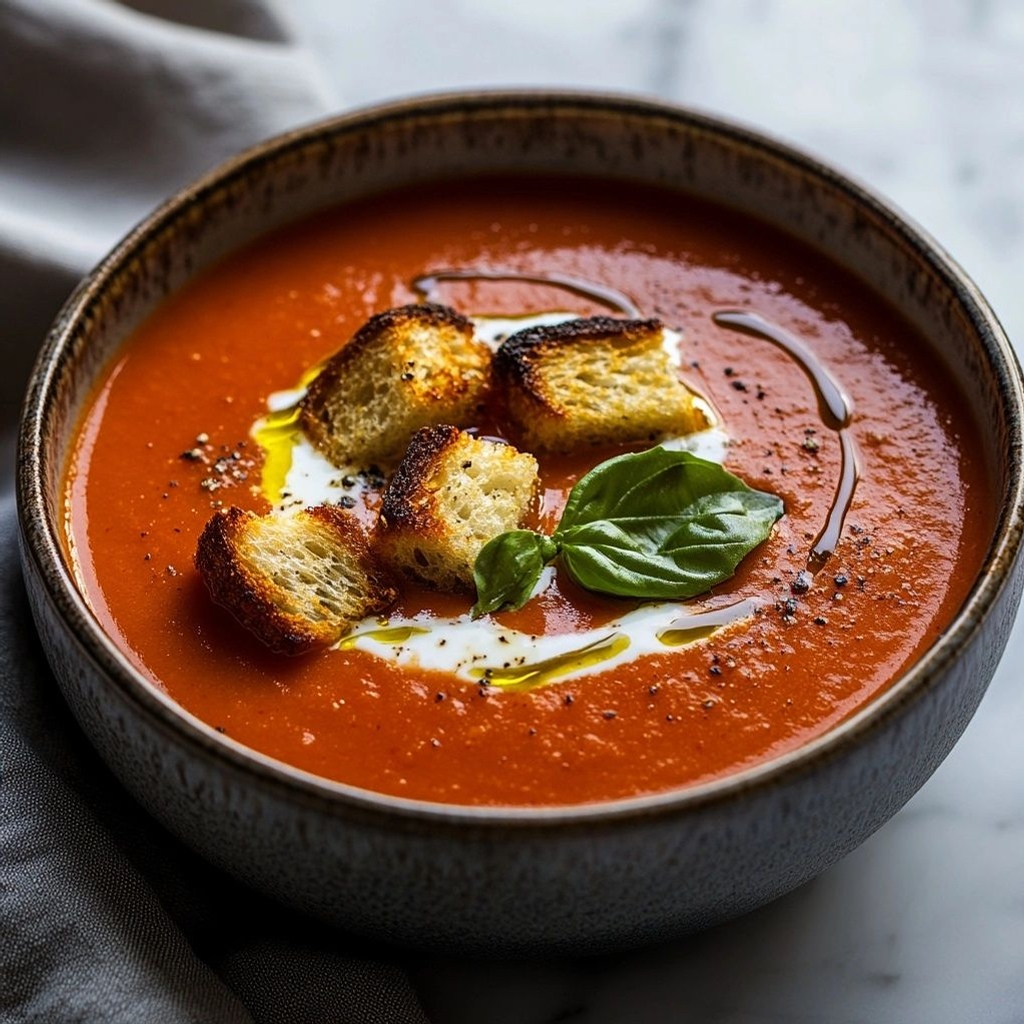
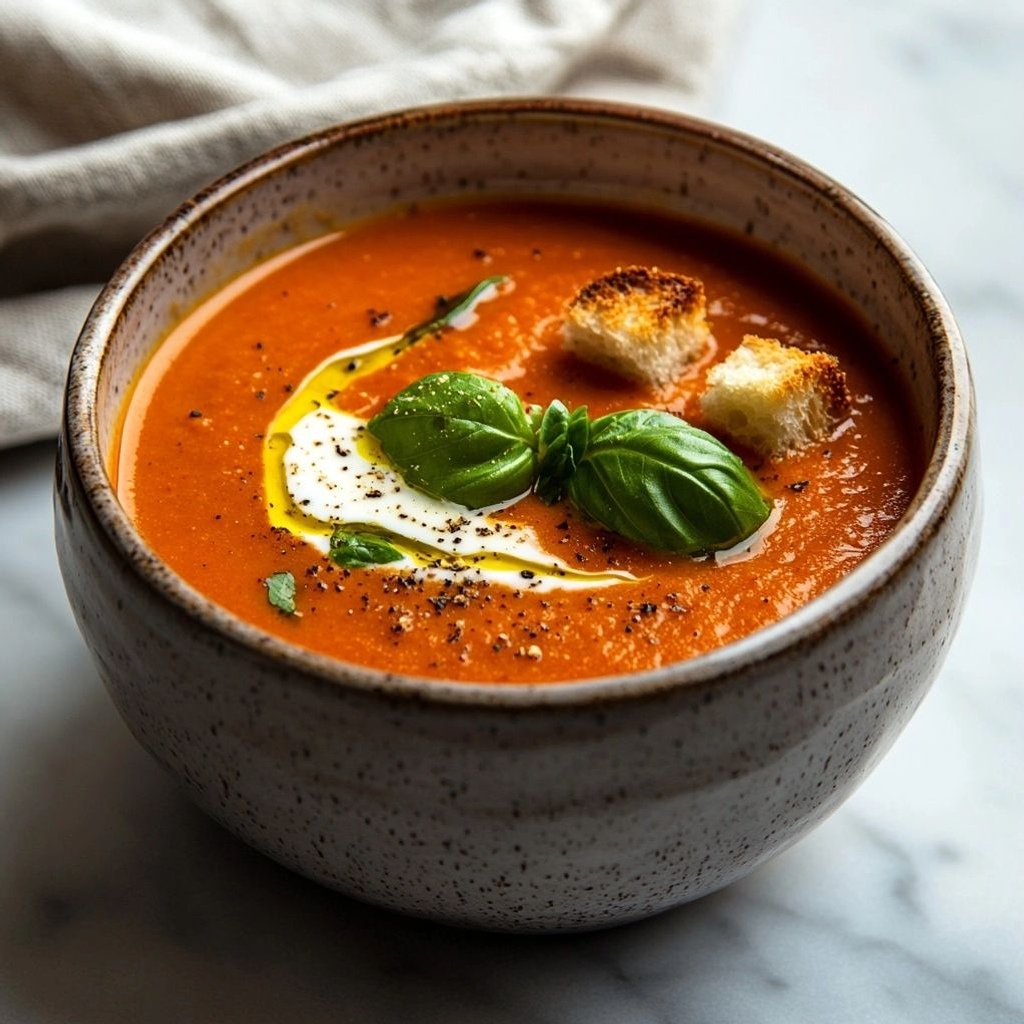
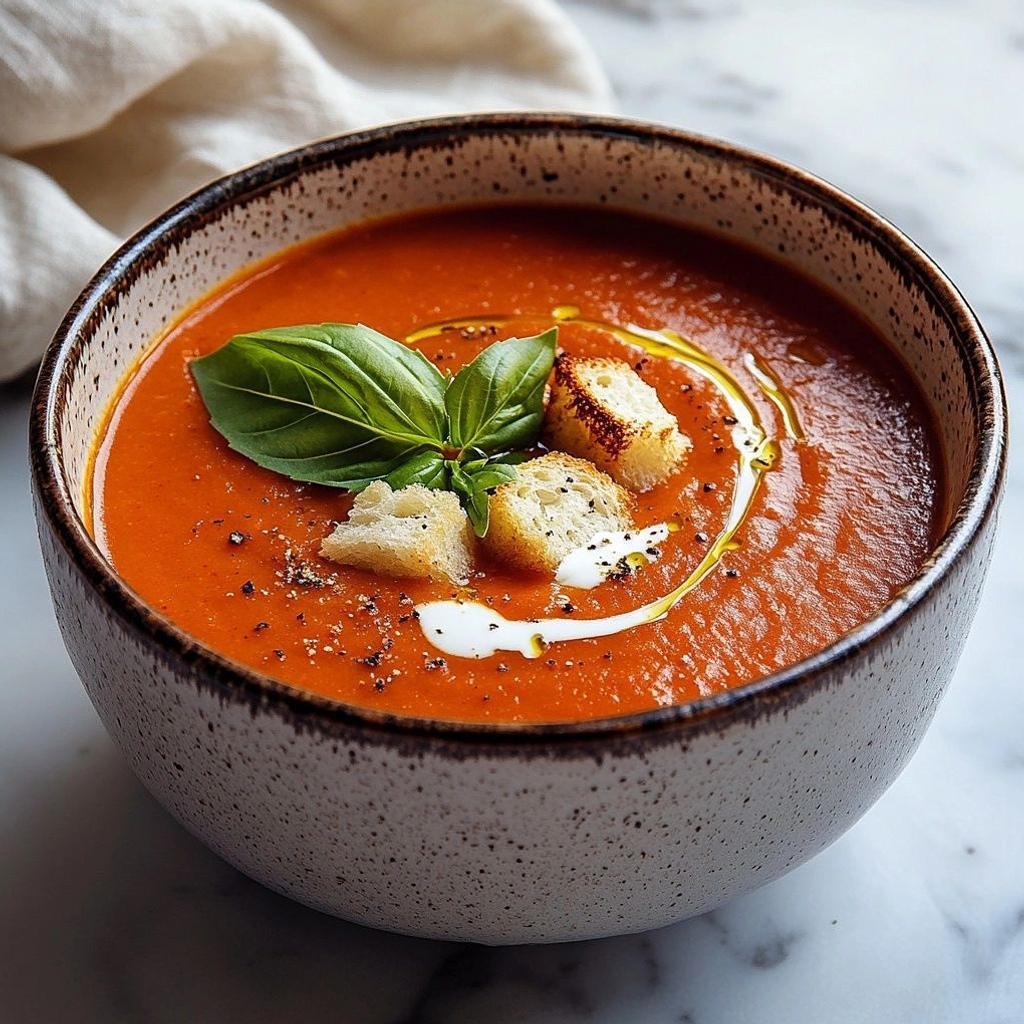
→ Fresh basil provides bright, peppery notes; crunchy croutons add textural contrast; dairy or dairy-free swirls offer a balance to acidity. - To serve, ladle hot soup into bowls, top with basil, croutons, and a dollop of sour cream or its dairy-free alternative if desired.
→ Serving immediately preserves aroma and texture; toppings elevate aroma, color, and creaminess.
Notes
These cozy middle-of-winter tomato soup are naturally comforting with a bright tomato base balanced by warm herbs and a silky finish. You can customize them by using roasted tomatoes for deeper sweetness or swap in coconut milk for a dairy-free creaminess. For extra body, simmer longer to reduce the liquid before blending, or add a splash of heavy cream at the end for a velvety texture. If you prefer a lighter soup, skip the cream and finish with a drizzle of olive oil and fresh herbs instead. Always taste as you go, adjusting salt and acidity with stock, sugar, or a squeeze of lemon to brighten the finish.
Make-ahead and storage tips: The soup flavors deepen when it rests, so it’s great for make-ahead meals. Let it cool completely, then refrigerate up to 3–4 days or freeze in airtight containers for up to 3 months. Reheat gently on the stove over medium-low, stirring occasionally; thin with a little water or broth if it thickened too much during refrigeration.
Texture and texture balancing: If you prefer a smoother soup, blend the mixture in batches using a blender or an immersion blender, then pass through a fine-mesh sieve for an ultra-silk finish. For a rustic bite, blend only part of the soup and leave some tomato chunks intact. A finishing swirl of cream, yogurt, or coconut milk adds a luxurious touch and helps mellow acidity; add just before serving and avoid boiling after adding dairy to prevent separation.
Flavor boosters and serving ideas: Finish with torn fresh basil for a peppery aroma, a pinch of chili flakes for gentle heat, or a shower of grated Parmesan for a savory umami note. Serve with crusty bread, garlic croutons, or a quick avocado toast on the side for a complete, comforting meal.
Tips
- Prep and batch efficiency: Have all ingredients measured and ready before you start. Mince garlic, chop onions finely, and crush tomatoes if using fresh. This helps you maintain a steady simmer without rushing to chop mid-cooking.
- Oil temperature: Warm olive oil over medium heat before adding onions. If oil shimmers but sizzles immediately, reduce heat slightly to prevent burning and preserve sweetness.
- Onions matter: Finely chopped onions melt into the soup base, providing a natural sweetness. If you want a smoother soup, give them a longer sauté until they’re translucent and lightly caramelized.
- Aromatics timing: Add garlic after the onions have released their aroma and softened. This ensures garlic blooms without turning bitter. If you’re allergic to strong garlic, you can add a touch later for a milder aroma.
- Tomatoes’ role: For canned tomatoes, choose high-quality crushed tomatoes with no added sugar for a cleaner tomato flavor. If using fresh tomatoes, crush or chop and simmer until their skins soften; blend later if you want a silky texture.
- Liquid balance: Use low-sodium broth to control salt. The combination of broth and water helps you adjust thickness. Add water gradually and reserve extra to reach your desired viscosity after blending.
- Tomato paste technique: Cook the paste briefly with onions and garlic to caramelize its natural sugars. This deepens sweetness and gives a richer color to the soup.
- Acidity tuning: A pinch of sugar can balance tomato acidity. Start with a small amount and taste as you go, especially if you’re using very acidic tomatoes.
- Seasoning strategy: Salt gradually and taste before serving. If you used salted broth, you may need less salt later. Freshly ground black pepper heightens aroma—add in stages to avoid overpowering the tomato sweetness.
- Herbs and heat: Dried oregano or thyme adds warmth. If using fresh herbs, add them near the end to preserve brightness. A pinch of red pepper flakes offers gentle heat—adjust to family preferences.
- Thickness and texture: If the soup is too thick, thin with a little extra broth or water. If it’s too thin, simmer uncovered a bit longer to reduce. For a creamier texture, blend before adding dairy, or blend and return to pot.
- Creamy finish options: For a luxurious mouthfeel, stir in heavy cream, coconut milk, or cashew cream after blending. Ensure dairy-free options are well incorporated by simmering briefly after adding.
- Finish and shine: A small amount of butter whisked off the heat adds a glossy finish and depth. If avoiding dairy, skip or substitute with dairy-free butter.
- Garnish and serving: Fresh basil torn just before serving preserves aroma and bright, peppery notes. Croutons or toasted sourdough cubes add delightful crunch—toss with a little olive oil and salt before toasting.
- Optional finishing touches: A swirl of sour cream, yogurt, or dairy-free yogurt adds tangy richness. Use modest amounts to avoid overpowering the soup’s tomato base.
- Make-ahead notes: The soup refrigerates well for up to 3-4 days and freezes nicely. Reheat gently and adjust thickness with broth or water as needed after thawing.
FAQ
What is the Cozy Middle-of-Winter Tomato Soup recipe?
A comforting, creamy tomato soup made with roasted tomatoes, onions, garlic, and a touch of carrot for sweetness. It’s simmered until rich and smooth, then finished with almond milk or cream for a velvety texture. Perfect for cold days.
What ingredients do I need to make this soup?
Main ingredients: ripe tomatoes (roasted or canned), onion, garlic, carrot, vegetable broth, olive oil, salt, and pepper. For creaminess: almond milk, coconut milk, or heavy cream. Optional: balsamic vinegar, herbs (basil or thyme), and a pinch of sugar. Optional toppings: croutons, yogurt, or cream swirls.
Can I use canned tomatoes instead of fresh?
Yes. Use crushed or whole peeled tomatoes. If using whole, crush them by hand or with a spoon. Canned tomatoes work well in winter when fresh ones aren’t in season.
How do I achieve a creamy texture without dairy?
Choose a non-dairy milk like almond, soy, or oat milk, or use coconut milk. You can also blend part of the soup and whisk in a splash of olive oil or cashew cream to thicken without dairy.
Is this soup suitable for vegans or vegetarians?
Yes. Using plant-based milk and vegetable broth makes it vegan. If you use cream or butter, it becomes vegetarian but not vegan unless those dairy products are omitted or replaced.
How long does it take to prepare and cook?
Prep time is about 10 minutes. Roasting or sautéing aromatics takes 15 minutes, simmering 20–25 minutes, and blending an additional 5 minutes. Total time: roughly 50–60 minutes.
What are good flavor variations or add-ins?
Try a splash of balsamic vinegar or a pinch of smoked paprika for depth. Fresh basil, thyme, or a bit of chili flakes adds brightness or warmth. For a heartier soup, stir in a small handful of cooked pasta or white beans.
How should I season the soup?
Start with salt and pepper, then adjust with a pinch of sugar or honey to balance acidity. Finish with a drizzle of olive oil or a tiny knob of butter for shine, if desired. A squeeze of lemon can brighten the flavors too.
What is the best way to blend the soup?
Use an immersion blender directly in the pot for a smooth, uniform texture. If using a regular blender, blend in batches and vent the lid to allow steam to escape. Return to pot and warm through before serving.
How should I store leftovers and how long do they keep?
Let cool completely, then refrigerate in an airtight container for 3–4 days. For longer storage, freeze in freezer-safe containers for up to 3 months. Thaw overnight in the fridge and reheat gently.
What are tasty serving suggestions?
Top with a swirl of cream or almond milk, a dollop of yogurt, or a drizzle of olive oil. Serve with crusty bread, grilled cheese, or a simple green salad. A sprinkle of fresh herbs like basil or thyme adds a nice aroma.