Introduction / Hook
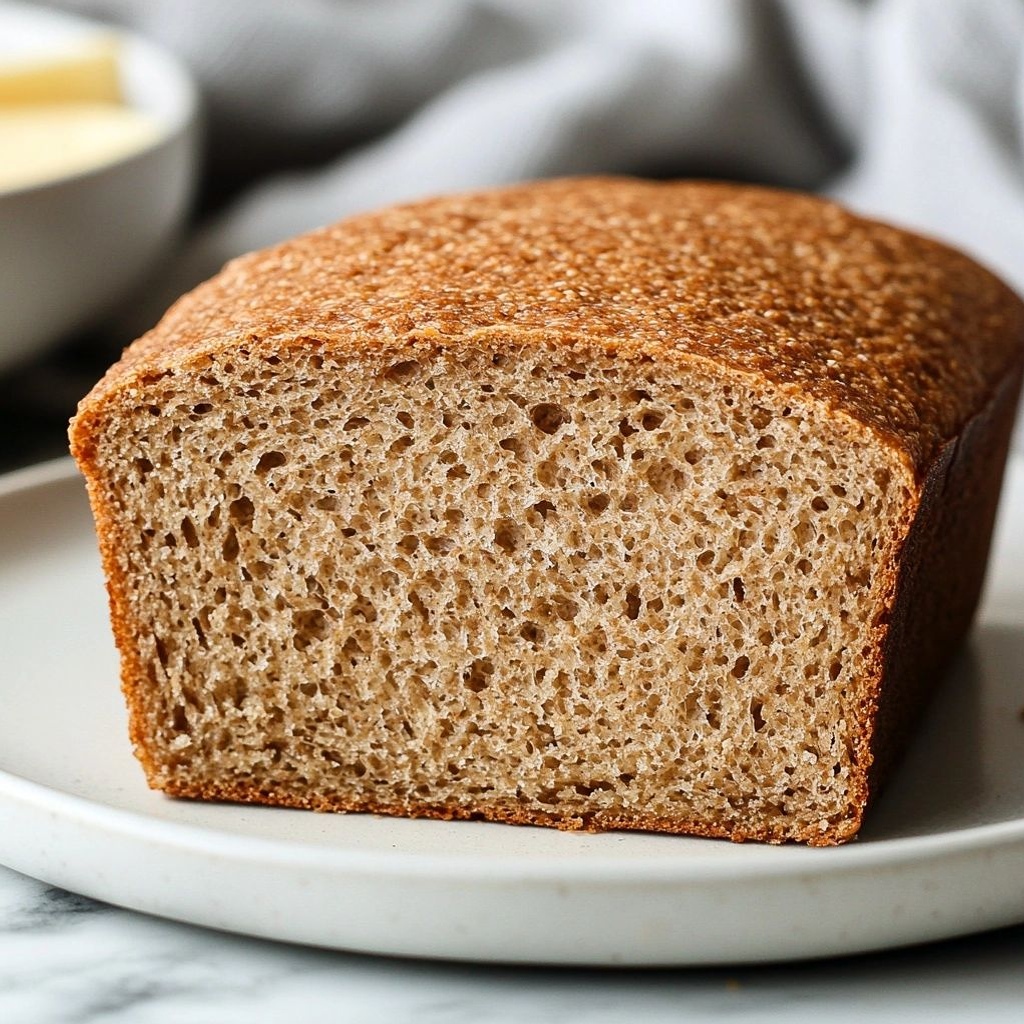
There’s something comforting about a loaf that looks unassuming yet delivers a symphony of flavor with every slice. The 8-Ingredient Whole Wheat Bread (Soft & Hearty) is the kind of bread that makes the kitchen feel like a cozy sanctuary: the moment you press your palm into a fresh, warm crust, a gentle spring gives way to a soft, plush crumb that smells faintly nutty and inviting. This bread is not trying to be flashy; it’s celebrating the honest virtues of whole grains, wholesome texture, and practical simplicity. It’s the kind of loaf you can rely on for weeknight toast as easily as for weekend sandwich feats, with a crust that crackles just enough and a crumb that stays moist and tender without leaning into that overly spongy feel. In short, it’s the sort of bread that tastes like home—the kind you crave when you want something nourishing, dependable, and made with a handful of pantry staples, elevated by a little patient kneading, a dash of honeyed warmth, and the alchemy of yeast doing its quiet magic.
The Story Behind the Dish
Whole wheat bread has a long, storied lineage that stretches across continents and generations. It’s the bread of farmers’ markets, of Sunday loaves shared among family and neighbors, of early mornings where the scent of warm bread rises with the sun. The choice to craft a bread with only eight ingredients isn’t about cutting corners; it’s a nod to tradition—the idea that some of the best breads come from simplicity: flour, water, yeast, salt, a little oil or butter, a whisper of sweetness, and the life of the dough itself. Whole wheat brings earthiness and a slightly nutty aroma that grounds the loaf, while a soft crumb keeps it accessible for all ages and appetites. This particular version honors the idea that bread-making can be approachable and forgiving, even for novice bakers who have always admired the glow of a perfectly baked loaf but hesitated to attempt it. When you bake this bread, you’re joining a lineage of bakers who value texture, aroma, and the quiet joy of the process—the way the dough grows, the way the kitchen fills with warmth, and the way a simple loaf becomes a daily ritual you look forward to repeating.
A Note on Ingredients and Inspiration
The eight ingredients are chosen not only for their flavor but for their ability to come together harmoniously. Whole wheat flour brings a wholesome density and a comforting, toasty note. A touch of honey or sugar offers a gentle sweetness that doesn’t overwhelm the grain-forward profile. Olive oil or a mild neutral oil adds succulence and helps keep the crumb soft over time. Salt enhances the natural flavors and tightens the crumb in a way that keeps slices neat and chewable. A splash of milk or water, depending on what you have on hand, influences tenderness and browning. And, of course, yeast—whether active dry or instant—works its magic to lift the loaf, lending a delicate alveolar structure that supports fillings and toppings without turning crumbly. The result is a bread that feels substantial yet approachable, rustic yet refined enough to serve as a daily staple or a centerpiece for a seasonal spread.
Why You’ll Love This Recipe
- Simple ingredient list: eight pantry-friendly ingredients mean you’re unlikely to run to the store mid-bake.
- Soft, hearty crumb: a tender interior that holds up to hearty toppings without collapsing into heaviness.
- Versatile use: perfect for sandwiches, toast, or alongside soups and stews.
- Accessible technique: forgiving dough that’s approachable for beginners while still satisfying for seasoned bakers.
- Balanced flavor: a wholesome wheat profile with a hint of sweetness and a gentle, nutty aroma from the whole grain.
- Make-ahead friendly: generous on-day flexibility with leftovers that stay moist and delicious.
Flavor Profile & Texture
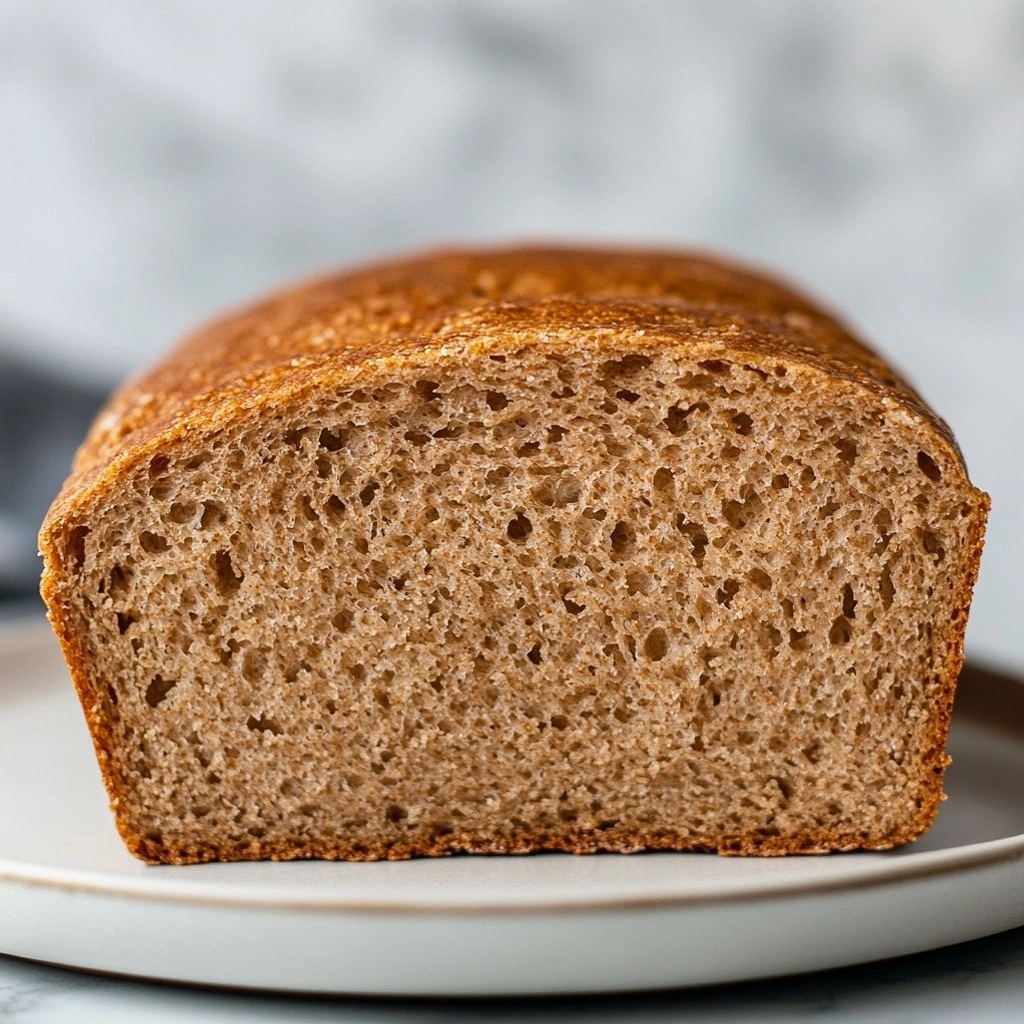
The flavor profile of this loaf is grounded and comforting. You’ll notice a gentle wheat-forward aroma—the sort of earthy, slightly sweet scent that fills the kitchen as the loaf bakes. There’s a subtle nuttiness that brings depth without heaviness, making each slice feel substantial yet not overpowering. The crust strikes a harmonious balance between crisp and supple: a delicate crackle when you break through, followed by a chewy, forgiving interior. The crumb is soft and moist, with enough structure to hold a drizzle of olive oil, a smear of butter, or a generous layer of jam without turning crumbly or crumb-dry. If you lightly toast a slice, the surface becomes caramelized and toasty, releasing a toasty sweetness that dances with the bread’s natural character. Because the loaf leans toward whole wheat, it has a complexity that can stand up to bold toppings—think roasted vegetables, sharp cheeses, or a savory smear—while still tasting wonderful on its own with a hint of sweetness to round things out. Texture-wise, you’ll experience a pleasant density that doesn’t veer into heaviness; it’s the kind of crumb that feels substantial enough for a sandwich but tender enough to bite through with ease, making every bite satisfying from crust to crumb.
Texture Details
- Crust: light to medium crisp with a gentle sheen and a satisfying crack when sliced.
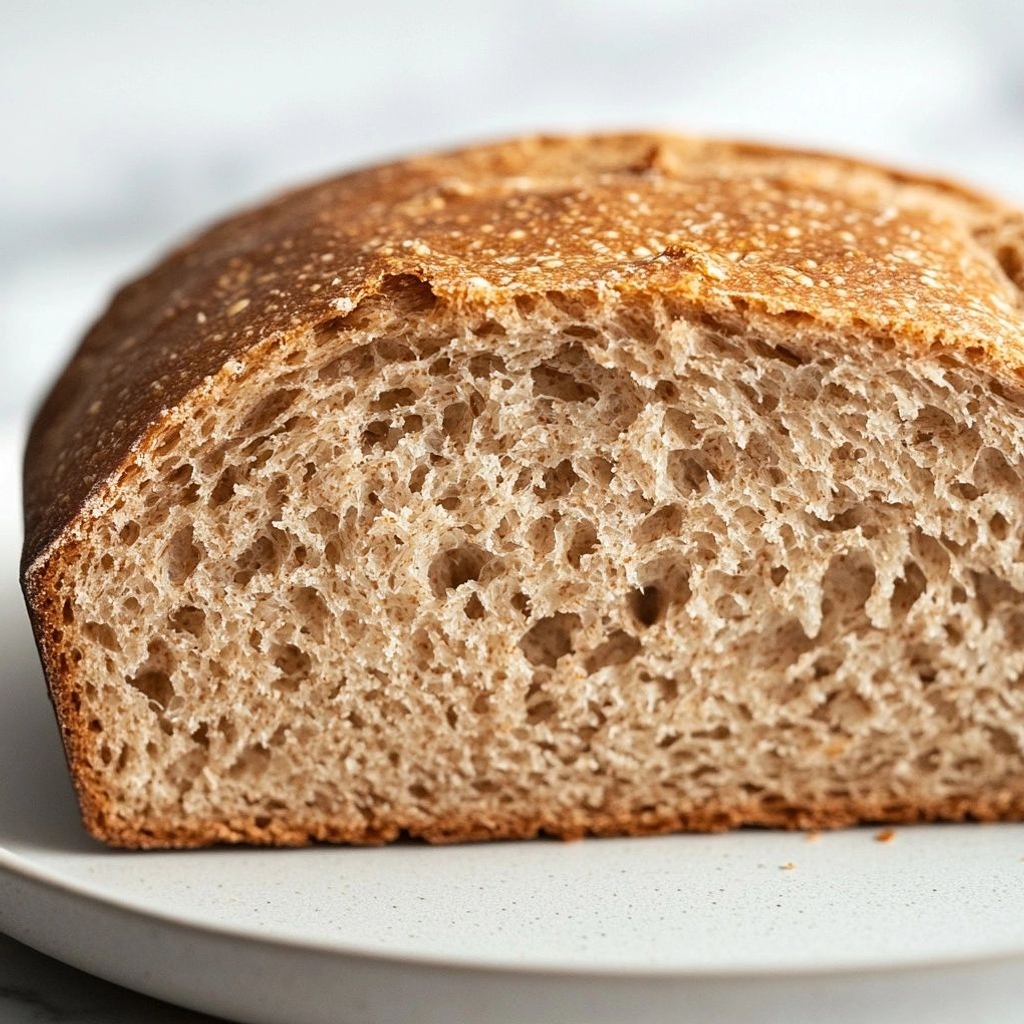
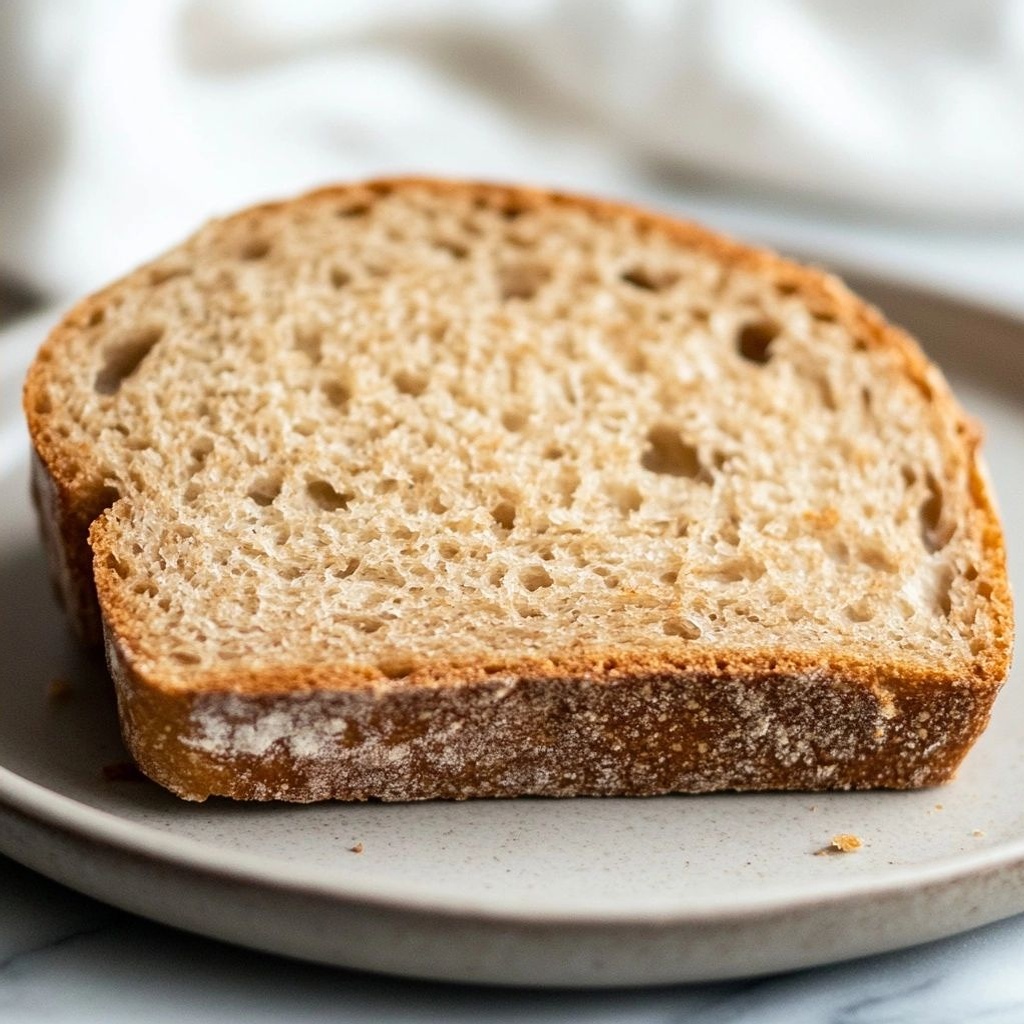
- Crumb: soft, open in places, yet compact enough to hold toppings; has a uniform, fine-yet-subtle airiness.
- Mouthfeel: plush and moist, with a slight chew that delivers character without fatigue.
Occasions & Pairings
This eight-ingredient loaf shines across a spectrum of occasions. For everyday weeknights, it makes a comforting base for quick open-faced sandwiches, a quick grilled cheese, or a seasonal smear with avocado and tomato. On weekends, it’s perfect for a hearty breakfast toast with eggs and greens, or as a vehicle for a savory brunch board featuring jams, cheeses, and cured meats. The bread’s wholesome flavor also pairs beautifully with hearty soups, stews, and winter braises, providing a satisfying counterpoint to rich broths. If you’re entertaining, this loaf can anchor a rustic bread-bowl centerpiece for fondue or a bread-focused antipasto board. For kids and grown-ups alike, its familiar wheat character makes it a comforting choice that isn’t overly fussy or fancy, but feels thoughtfully homemade.
Suggested Pairings
- Butters, herb-infused oils, or a simple garlic butter for extra savoriness.
- Tomato, basil, and mozzarella for a Caprese-inspired toast.
- Roasted vegetables, peppery greens, or smoky grilled mushrooms for hearty open-faced sandwiches.
- Soups: tomato, lentil, potato-leek, or creamy squash soups pair particularly well.
- Cheeses: sharp cheddar, fontina, provolone, or creamy avocado toppings.
- Drinks: a balanced cup of tea, a light beer, or a sparkling beverage to refresh the palate.
Tips, Variations & Substitutions
Here are practical ways to tailor this bread to your preferences, dietary needs, or what you have on hand:
- Gluten-free option: Swap with 1:1 gluten-free all-purpose flour blend designed for yeast breads, and add an additional tablespoon of water or milk as needed for hydration. Expect a denser crumb, and consider adding a tablespoon of ground flaxseed or chia to mimic the binding that gluten provides.
- Vegan version: Use plant-based milk (almond, soy, oat) in place of dairy milk. Replace butter with olive oil or a neutral oil. Honey can be replaced with maple syrup or agave if you prefer.
- Richer crumb: A small amount of butter (about 1–2 tablespoons) or extra virgin olive oil will yield a more tender crumb and slightly richer flavor.
- Sweet-tinish variation: Add up to 1–2 tablespoons of honey or a touch more sugar to accentuate the browning and sweetness for toast with fruit preserves.
- Texture tweaks: If you like a lighter crumb, you can replace a portion of whole wheat flour with bread flour or all-purpose flour (up to 20–30%), which will give more lift and a softer interior.
- Herb and garlic twist: Add 1–2 teaspoons of dried herbs (rosemary, thyme, or oregano) and a clove of minced garlic to the dough for a savory loaf great with soups or roasted vegetables.
- Seed topping: Before baking, brush with water or milk and sprinkle sesame, poppy, or flax seeds on top for an extra crunch and visual appeal.
- Make-ahead: The dough can be mixed the night before, given a slower rise in the refrigerator, then brought to room temperature and baked the next day for a more developed flavor.
Storage & Make-Ahead Ideas
The ability to store and reheat this bread gracefully is part of its everyday charm. Fresh bread is wonderful, but a well-stored loaf gives you that same comforting experience day after day. Here are practical ways to maximize freshness and plan ahead:
- Room temperature: Store cooled loaves in a paper bag or a bread box for 2–3 days. The paper bag helps maintain crust while preventing sogginess from moisture buildup.
- Refrigeration: Refrigeration can dry bread out quickly. If you must refrigerate, wrap tightly in plastic and then place in a bag to slow staling, and plan to reheat before serving.
- Make-ahead and freezing: Slice the bread once completely cooled, then wrap tightly in plastic wrap and place in a freezer bag. It freezes beautifully for up to 3 months. Thaw at room temperature and reheat slices briefly in the toaster or under a warm oven for a fresh feel.
- Toasting and reheating: For best results, reheat slices in a warm toaster oven or small oven at 350°F (175°C) for 5–7 minutes, just until the crust crisp and the crumb warms through.
- Stale bread rescue: If the loaf becomes dry, transform it into croutons, breadcrumbs, or toasted-crust sandwiches. A light brushing with olive oil and a quick toast revitalizes the texture and flavor for a freshening upgrade.
Fun Facts & Trivia (Optional)
Here are a few tidbits that add flavor to your bread knowledge and appreciation. Whole wheat bread has historically been associated with nourishment and resilience in many cultures, often seen as a staple that sustained communities through lean times and harvests. The color and flavor come from the bran and germ retained in whole wheat flour, which also supply a boost of fiber and micronutrients. Yeast, the tiny leavening heroes, has a long relationship with humans—from ancient bread rituals to modern kitchen experiments. The balance of sweetness to savoriness in this eight-ingredient loaf is designed to be universally pleasing, much like the classic holiday loafs and everyday loaves that have fed families for generations. If you’ve ever admired a crust that shines with a delicate sheen and a crumb that invites a second slice, you’re touching on the quiet magic of well-tended yeast, patient proofing, and the timeless joy of baking something that turns a house into a home.
Conclusion: A Bread Worth Making
In the end, the 8-Ingredient Whole Wheat Bread (Soft & Hearty) isn’t just a recipe; it’s an invitation to slow down, to measure with care, and to celebrate the dependable comfort of a well-made loaf. It honors the ingredients you likely already have on hand while delivering a result that feels special enough for a weekend brunch and reliable enough for a busy weeknight. The bread’s soft crumb, nourishing whole wheat profile, and versatile nature make it a standout choice for anyone who appreciates the art of simple, delicious baking. Whether you’re serving a comforting bowl of soup, building a week’s worth of lunches, or simply savoring a piece warm from the oven with a pat of butter, this loaf has you covered. Bake, slice, and savor—the kitchen will thank you, and your palate will too.
Ingredients
- Whole wheat flour
→ Provides the hearty, dense crumb characteristic of this bread. Use 100% whole wheat for a more robust flavor, or mix with all-purpose flour to achieve a lighter texture. Ensure the flour is fresh and sifted if desired to prevent heaviness. If you notice the dough is too stiff, add a little more warm water during kneading; if too sticky, sprinkle in a touch more flour. - All-purpose flour
→ Adds lightness and improved gluten development to balance the whole wheat’s nuttiness, helping the loaf rise with a softer interior. Combine with whole wheat flour to reach the target dough stiffness. Use at room temperature, and measure by spooning into the cup and leveling for accuracy. - Warm water (about 110°F/43°C)
→ Hydrates the flour, activates the yeast, and begins dough formation. Water between 105–115°F is ideal for yeast fermentation; too hot can kill the yeast, too cool will slow rising. Hydrate gradually; you may need a few tablespoons more or less depending on flour absorbency. - Warm milk (about 110°F/43°C)
→ Adds tenderness, richer flavor, and a softer crumb due to lactose and fats in milk. Use whole milk for best results; if you’re dairy-free, substitute with a plant-based milk fortified with a touch of oil. Do not scald; keep just warm to protect yeast activity. - Active dry yeast
→ The leavening agent that creates volume and a light, airy structure. Proof the yeast in a small portion of the warm water or milk with a pinch of sugar for 5–10 minutes until bubbly to ensure it’s active. If it doesn’t foam, discard and retry with fresh yeast. - Honey
→ Provides natural sweetness, helps feed the yeast for a better rise, and contributes to browning of the crust. If avoiding honey, substitute with maple syrup or granulated sugar (adjust by about 1–1.5 tablespoons). Dissolve in the warm liquid to ensure even distribution. - Olive oil
→ Adds moisture, softness, and a tender crumb while contributing a subtle fruity note. Use extra-virgin olive oil for flavor or a neutral oil like canola if you prefer a milder taste. Add to the liquid mixture so it blends evenly with the dough. - Fine sea salt
→ Enhances flavor and strengthens gluten structure, improving overall loaf quality. Salt also helps control yeast activity for a stable rise. Measure carefully; too much salt can hinder fermentation, while too little can mute flavor. Add salt with the flour to distribute evenly and avoid direct contact with yeast early on.
Instructions
- Preheat your oven to 375°F (190°C) and line a 9×5-inch loaf pan with parchment paper or lightly grease the interior with oil.
→ Preheating ensures the dough begins baking immediately for a better rise, and lining or greasing prevents sticking for clean loaf removal. - In a small bowl, proof the active dry yeast by whisking 1 cup warm water (about 110°F/43°C) with 1 tablespoon honey and 1 teaspoon honey until dissolved, then sprinkle 2 1/4 teaspoons active dry yeast over the surface and let it sit 5–10 minutes until the mixture is foamy.
→ Proofing confirms the yeast is alive and active; if there is no foam, discard and start with fresh yeast to avoid a dense loaf. - In a large mixing bowl, whisk together 2 cups whole wheat flour, 1 cup all-purpose flour, and 1 teaspoon fine sea salt until evenly distributed.
→ Sifting or whisking distributes salt and flour uniformly, which helps gluten development and ensures an even crumb without dense pockets. - In a separate bowl, combine the remaining warm water (about 1/4 cup if needed to reach the total 1 1/4 cups), 1/2 cup warm milk, 2 tablespoons olive oil, and the foamy yeast mixture, then whisk until smooth.
→ Warming the liquids activates yeast gently without shocking it, and oil ensures the dough remains hydrated and easy to handle. - Pour the liquid mixture into the dry ingredients and mix with a wooden spoon or dough hook on low speed until a shaggy dough forms.
→ Gentle incorporation prevents tearing the gluten strands and minimizes overworking the dough early, which can lead to a tougher crumb. - Turn the dough out onto a lightly floured surface and knead for 8–10 minutes until smooth, elastic, and slightly tacky, adding flour in small pinches if sticky or a few drops of water if dry.
→ Proper kneading develops gluten strength for good structure and rise; aim for a supple, not dry or overly wet, dough. - Place the dough in a lightly oiled bowl, cover with a damp towel or plastic wrap, and let rise in a warm, draft-free spot for 60–75 minutes or until doubled in size.
→ The first rise develops flavor and gas structure; a doubled volume indicates sufficient fermentation and readiness for shaping. - Gently deflate the dough on the work surface, shape it into a tight loaf, and place it into the prepared loaf pan, smoothing the top with a damp finger.
→ Gentle degassing redistributes air pockets for an even crumb, and proper shaping ensures a uniform loaf height and crumb during baking. - Cover the pan loosely with a clean towel and let the dough rise again in a warm place for 30–40 minutes until it domes just above the rim of the pan.
→ The second rise builds loft and a lighter crumb; avoid over-proofing, which can cause a crumbly crust or a collapsed loaf. - Meanwhile, bake the loaf in the preheated oven at 375°F (190°C) for 25–30 minutes until the crust is deeply golden and the loaf sounds hollow when tapped on the bottom.
→ The crust color signals Maillard browning and flavor development; tapping verifies doneness without cutting into the loaf. - If the crust browns too quickly, tent the loaf with a piece of aluminum foil and continue baking until the internal temperature reaches about 190–195°F (88–90°C).
→ Foil shielding prevents over-browning while ensuring the interior finishes cooking through gentle heat conduction. - Remove the loaf from the pan and transfer to a cooling rack, letting it rest at least 1 hour before slicing to allow the crumb to set and moisture to redistribute.
→ Cooling consolidates structure, preventing gummy texture and ensuring clean slices; slicing too soon causes crumbling and uneven crumb.
Notes
These 8-ingredient whole wheat bread is soft and hearty with a dense yet tender crumb. You can customize the loaf by adjusting the flour mix: use 100% whole wheat for a robust flavor or combine with all-purpose flour to lighten the texture. Hydrate with warm water around 110°F/43°C to activate the yeast, and warm milk helps tender crumb; ensure liquids are just warm to preserve yeast activity. Proof the active dry yeast in a small portion of the warm liquid with a pinch of sugar for 5–10 minutes until bubbly. After mixing, knead until the dough is smooth and elastic, about 8–10 minutes, adding a touch more water or flour as needed to reach a cohesive, slightly tacky dough. Coat the bowl with a little oil, cover, and let rise in a warm spot until doubled, about 1 hour or longer depending on room temp. Gently deflate, shape into a loaf, place in a greased loaf pan, cover, and let rise until the dough crowns about 1 inch above the pan. Bake at around 350°F (175°C) for 30–35 minutes until the crust is golden and the loaf sounds hollow when tapped. Cool completely before slicing to set the crumb. The bread freezes well and can be toasted for extra texture. For a softer crust, brush with melted butter while still warm. Always ensure the flour is fresh, the yeast is active, and the liquids are measured accurately for consistent results.
Tips
- Tip: When mixing the dough, begin with the liquids and yeast, then gradually add the dry ingredients to help control stiffness. If you mix by hand, use a wooden spoon until a shaggy dough forms, then switch to kneading on a lightly floured surface.
- Tip: Knead until the dough is smooth, elastic, and slightly tacky to the touch. This usually takes 8–10 minutes by hand or 5–6 minutes in a stand mixer with a dough hook. Under-kneaded dough won’t develop enough gluten for a good rise.
- Tip: Temperature matters. If your kitchen is cool, let the dough rise in a warm, draft-free spot or near a turned-off oven with the light on. If it’s too humid, lightly flour the surface to prevent sticking during kneading.
- Tip: Use a quick proofing method: place the dough in a lightly oiled bowl, cover with plastic wrap or a damp towel, and let it rise until doubled. This can take 1 to 1.5 hours at warm temps or longer in cooler kitchens.
- Tip: For a softer crumb, perform a gentle second rise after shaping the loaf. Gently flatten, fold, and re-roll into a tight log, then place in the loaf pan to rise to about 1 inch above the pan before baking.
- Tip: If you don’t have a kitchen scale, measure flour by spoons and level, rather than scooping, to avoid overpacking and a dense dough.
- Tip: To improve browning and crust texture, brush the loaf with a light coat of olive oil or milk just before baking, and consider scoring the top with a sharp knife or razor to control expansion.
- Tip: For a richer flavor, you can replace part of the warm water with an equal amount of warm milk or a little yogurt; this will yield a softer crumb and deeper color.
- Tip: If your dough sticks excessively, rest it for 10–15 minutes on the counter. This helps gluten relax and makes kneading easier without adding more flour, which can dry the dough.
- Tip: Monitor the dough’s rise by the “doubling” test: gently press a finger into the dough; if the indentation springs back slowly, it’s ready. If it springs back immediately, it needs more time.
- Tip: When baking, consider covering the loaf with foil during the last 10–15 minutes if the crust browns too quickly. You want a deep golden crust, not a burnt finish.
- Tip: Cool completely on a wire rack before slicing to set the crumb. Slicing too soon can make the bread gummy and hamper texture.
FAQ
What is the 8-ingredient requirement for this Whole Wheat Bread?
The recipe uses: whole wheat flour, all-purpose flour (or more whole wheat), warm water, active dry yeast, honey or sugar, salt, olive oil (or other neutral oil), and milk (or water) to create a soft, hearty crumb.
Can I make this bread vegan?
Yes. Use plant-based milk (unsweetened) and a plant-based sweetener like maple syrup or agave. Ensure the butter is replaced with a neutral oil if the original recipe uses butter.
What substitutions work for the flours?
You can replace up to half of the whole wheat with all-purpose flour for a lighter texture. For a heartier loaf, use more whole wheat, but you may need to adjust hydration slightly by adding a little more water.
How much water should I use and how do I hydrate the yeast?
Use warm water around 110°F (43°C). If you’re using active dry yeast, bloom it in a small portion of warm water with a pinch of sugar for 5–10 minutes until foamy before blending with the rest of the ingredients.
Is honey required, or can I substitute sugar?
Honey adds moisture and a subtle flavor, but you can substitute with brown sugar, granulated sugar, or maple syrup in equal amounts. If using honey, reduce sugar slightly if desired for a lighter sweetness.
How long do I need to knead the dough?
Knead until the dough is smooth and elastic, about 8–10 minutes by hand or 4–6 minutes in a stand mixer with a dough hook. The windowpane test should show the dough stretches into a thin, translucent membrane.
What pan size should I use and how long should it bake?
Typically a 9×5 inch loaf pan works well. Bake at about 350°F (175°C) for 30–35 minutes until the top is golden and the loaf sounds hollow when tapped. If the crust browns too quickly, tent with foil.
How can I tell when the bread is done and cool properly?
Check for a hollow sound when tapped on the bottom. The internal temperature should be around 190–200°F (88–93°C). Let the loaf cool in the pan for 10 minutes, then transfer to a rack to cool completely before slicing to avoid squashing the crumb.
How should I store leftovers?
Store at room temperature in a breathable bag or wrap for up to 3–4 days. For longer storage, freeze slices or the whole loaf wrapped tightly; thaw at room temperature and re-toast as needed.