Introduction / Hook
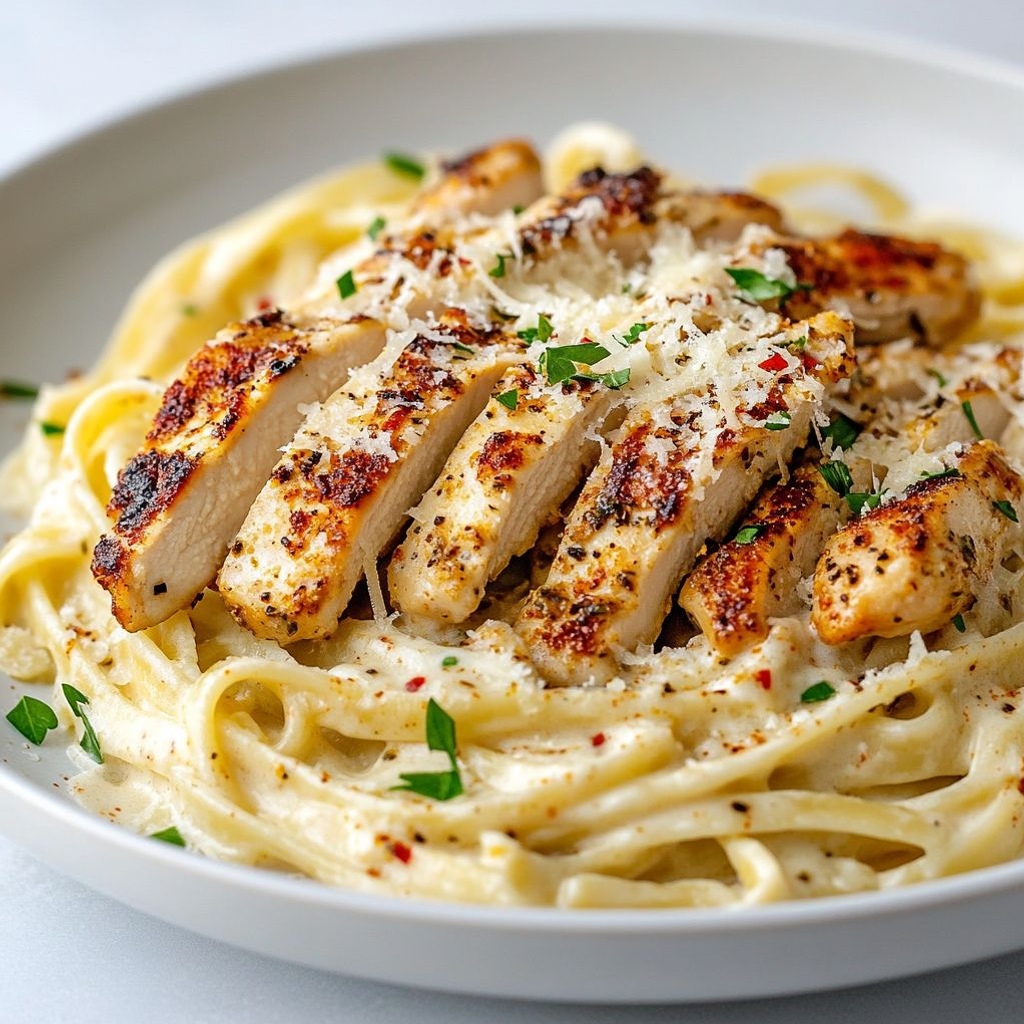
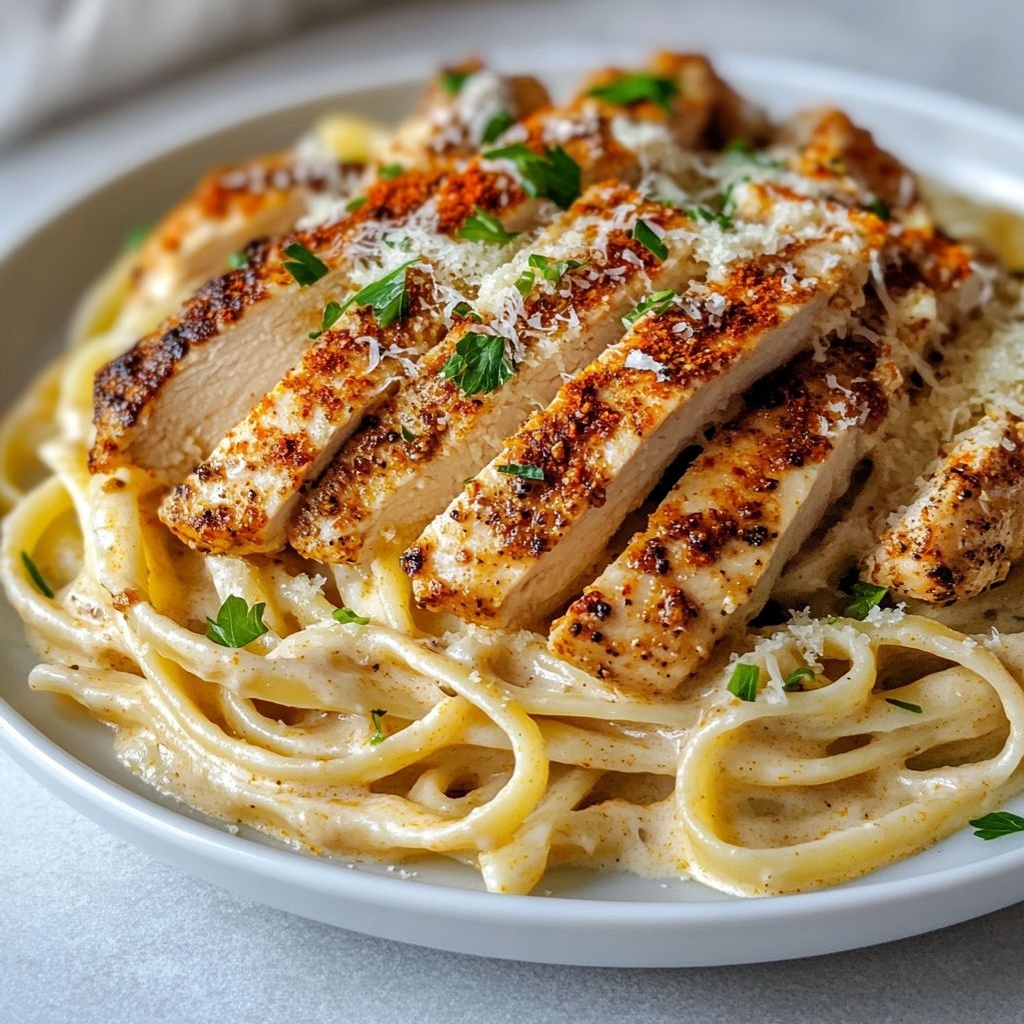
Imagine a skillet singing with the sizzle of chicken, the air thick with the perfume of garlic, butter, and a bold Cajun kiss—then, as the plate arrives, a velvet ribbon of Alfredo sauce wraps around every strand of pasta, while parmesan shards melt into a glossy, spicy finish. This Cajun Chicken Alfredo with Spicy Parmesan is not just a pasta dish; it’s a celebration of contrasts: heat and creaminess, rustic spice and refined richness, quick weeknight comfort and a touch of something soul-satisfying for weekend dinners. The moment you lift a forkful, you’ll taste the way bold Cajun seasoning greets the indulgence of a silky Alfredo, each bite a little party of textures that feels both familiar and thrillingly new.
What makes this dish so captivating is how it balances intensity with indulgence. The Cajun heat—complex, peppery, a hint of smoke—acts like a lively conductor, guiding the creamy Alfredo to dance without overpowering it. Parmesan adds a sharp, nutty brightness that sharpens the edges of the sauce, while the chicken remains tender and juicy, a satisfying anchor in every mouthful. It’s the kind of dish that feels celebratory enough for a special occasion, yet approachable enough to conquer after a long day. The aroma alone can transform a kitchen into a hospitable hug, a doorway to memories of family kitchens, bustling mornings, and shared plates passed around a long wooden table.
And beyond the irresistible flavor, this dish offers practical ease. It comes together with pantry staples and common ingredients, making it a reliable hero for busy cooks who still crave something indulgent and crowd-pleasing. The combination of Cajun spice and creamy cheese sauce means you don’t need a complicated cooking itinerary to deliver a standout dish. It’s the kind of recipe that invites you to stay a little longer at the stove, savor the sizzling of the pan, and let the sauce thicken to the perfect glossy coat that clings to each piece of pasta and every bite of chicken.
The Story Behind the Dish
Cajun cuisine has its roots in the melting pot of Louisiana, where French, African, Caribbean, and Native American influences mingled to create robust, deeply flavorful dishes designed for long, communal meals. The region’s pantry—peppers, onions, celery (the holy trinity), hot sauce, and bold seasonings—tells a story of resilience, adaptability, and hospitality. Alfredo, on the other hand, hails from Italy, a testament to simple luxury: a cream-enriched sauce that coats pasta with a whisper of cheese and butter. It’s a classic that has found a second life in American kitchens, evolving with American preferences for heartiness and speed.
This recipe is a culinary bridge between those two worlds. Think of it as a rendezvous where a Cajun-tinged chicken—seasoned with the same proud spice that builds depth in jambalaya and blackened dishes—meets a creamy Alfredo that glides over pasta like silk. The result is a modern comfort food with a kick: a dish that speaks to tradition while inviting playful, contemporary flavor exploration. It’s the kind of dish that’s been welcomed into many homes, passed around at family gatherings, and cooked with a shared smile at the stove—where the sizzle, the steam, and the scent promise something memorable at the table.
There’s also a personal thread that makes this dish feel particularly inviting. For many cooks, Cajun flavors carry a sense of warmth and memory—a reminder of late-night conversations, a neighbor’s generosity when a pot of spice-laden stew was shared, or a family’s Sunday ritual of gathering around a well-loved skillet. The creamy Alfredo base offers balance to that exuberant heat, allowing you to savor the spice without getting overwhelmed. It becomes more than a meal; it’s a sensory memory in the making—a comforting, celebratory, and inclusive dish you can tailor to your own taste while preserving the core idea: bold, soulful flavor finished with a touch of parmesan and elegance.
Why You’ll Love This Recipe
- Balanced heat and richness: Cajun spices bring a warm, peppery bite that’s brightened by a luscious Alfredo sauce and sharp Parmesan.
- Weeknight-friendly with a wow factor: Quick enough to throw together after work, yet impressive enough to serve to guests or family on special nights.
- Comfort in a single pan or skillet: A one-pan approach (plus pasta) means minimal cleanup and maximal flavor concentration.
- Customizable heat levels: The recipe invites gentle tweaks to match your tolerance for spice—without sacrificing depth.
- Versatile protein and starch pairing: While chicken and pasta are the stars here, the technique translates beautifully to shrimp, tofu, or even a hearty vegetable medley for different dietary preferences.
- Make-ahead potential: The sauce can be prepared in advance and finished quickly when you’re ready to eat, making it ideal for meal prep or entertaining.
- Family-friendly comfort with a touch of sophistication: It feels special enough for celebrations but comforting enough for everyday meals.
Flavor Profile & Texture
At first bite, you’ll notice the creamy, enveloping silk of the Alfredo sauce, a gentle richness that coats the tongue and carries the Parmesan’s unmistakable nuttiness. The sauce doesn’t drown the pasta; instead, it glides, allowing each strand to become a carrier for the sauce’s whisper-soft dairy sweetness punctuated by a savory kiss of butter. Layered into this are the Cajun notes—the pungent garlic, the peppery heat, and a touch of smoke that lingers in the background like an ember. The Cajun blend brings depth, complexity, and a lively brightness that keeps the dish from tipping into monotony.
The chicken provides a satisfying contrast in texture: lightly crisped on the exterior with a tender, juicy interior that remains succulent after the sauce has embraced it. It soaks up the sizzling aromas from the pan, picking up a hint of carmelization and spice that reappears with every bite. The combination of textures—silky sauce, velvety pasta, and crisped exterior of the chicken—creates a multi-layered eating experience that keeps the palate engaged.
Parmesan plays a pivotal role, contributing a sharp edge that brightens the entire dish rather than clashing with the Cajun heat. If you’ve ever tasted a cheese-scented breeze at the edge of a pan, you know that Parmesan can offer a final, clean lift that makes the sauce feel lighter and more luxurious. The result is a dish that’s creamy and comforting without feeling heavy, with enough muscle to stand up to bold spices and enough grace to feel refined on a dinner table.
Texture-wise, you’re looking at: a glossy, clingy sauce that clings to each pasta strand; a succulent chicken piece that yields at the bite; and a finishing coat of Parmesan that melts into the heat of the sauce, releasing a second wave of aroma as you swirl the fork. The overall sensation is a harmonious balance between rustic spice and refined creaminess—a marriage of Southern soul and Italian elegance that somehow feels timeless and fresh all at once.
Every component is designed to play well with the others. The Cajun seasoning provides a quick, punchy aromatics profile—garlic, onion, paprika, cayenne, and herbs—that transitions into the smooth, satisfying Alfredo base. The heat is present but within reach, encouraging you to take another bite to discover how the flavors continue to unfold as the sauce warms and thickens slightly. The Parmesan acts as both seasoning and finishing touch, creating a savory crescendo that lingers gently on the palate without overpowering the creamy foundation beneath.
Occasions & Pairings
This dish is exceptionally versatile for various occasions. It shines as a comforting weeknight staple when you want something luxurious yet simple to prepare after a long day. It also holds its own for a weekend dinner with friends or family, where you can tailor the spice to suit guests who might prefer milder heat or a bolder kick. For special gatherings, pair it with a crisp side salad, garlic bread or herb butter baguettes, and perhaps a light, citrusy starter to balance the richness.
Pairing ideas to elevate the experience:
- Side dishes: Garlic bread, sautéed greens (like spinach or kale), roasted asparagus, or a bright cherry tomato salad to add acidity and color on the plate.
- Beverages: A chilled white like Chardonnay or Pinot Grigio, or a light, citrus-forward beer to echo the dairy creaminess while not competing with the spice.
- Desserts: A lemon tart, a fresh berries shortcake, or whipped ricotta with honey and citrus zest to finish on a fresh, palate-cleansing note.
Occasions range from casual family dinners to date nights at home. For holiday tables or celebratory meals, this dish can be plated with a flourish—sprinkle extra Parmesan, add a touch of chopped parsley for color, and present it alongside a simple green salad to balance the richness. It’s also a strong candidate for potlucks or weeklong meal-prep menus, where you can reheat gently and still retain the sauce’s velvety texture.
Tips, Variations & Substitutions
Here are practical ideas to tailor this Cajun Chicken Alfredo with Spicy Parmesan to your kitchen, dietary needs, or mood for the day. Use these pointers to adjust heat, dairy content, or protein and to explore regional twists that reflect your pantry and preferences.
- Adjusting heat levels: Start with a moderate Cajun blend and gradually add more heat if you crave it. A touch of hot sauce stirred in at the end can heighten brightness without making the dish feel heavier.
- Different proteins: Swap chicken for shrimp for a classic Cajun seafood twist, or use baked tofu or tempeh for a vegetarian-friendly version that still offers protein and a satisfying bite.
- Cheese options: While Parmesan brings that sharp finish, a mix of Parmesan and Romano or Pecorino can add additional depth and a more intense finish. For a milder profile, reduce the amount of sharp cheese and balance with creamier substitutes.
- Make it gluten-free: Use gluten-free pasta and ensure your Cajun seasoning and any store-bought sauces are certified gluten-free if needed.
- Lower dairy or dairy-free option: Use a dairy-free Alfredo alternative (a blend of dairy-free milk and a plant-based butter substitute) and a dairy-free Parmesan alternative to maintain creaminess and flavor without dairy.
- Low-carb approach: Serve the sauce over spiralized vegetables, zucchini noodles, or hearts of palm pasta to keep carbs lower while preserving the mouthfeel of the sauce and the richness of the dish.
- Herb-forward finish: A sprinkle of fresh parsley or chives brightens the dish, offering a color burst and a fresh bite that complements the spice and cheese.
- Regional Cajun twists: Add a hint of smoked paprika or chipotle powder for a smoky layer, or fold in a small amount of chives and green onions for a sharper finish that echoes classic creole flavors.
- Make-ahead tweaks: Prepare the Cajun-spiced chicken separately and refrigerate; reheat gently in a skillet with a splash of milk or stock to re-emulsify the sauce when you’re ready to finish the dish.
Vegan & Dairy-Free Version
For a vegan rendition without sacrificing depth, use plant-based Alfredo sauce and a protein like roasted chickpeas or seasoned tofu. The Cajun seasoning will still provide the bold backbone, while dairy-free cheese shreds can offer a shreddable finish that mimics the tang of Parmesan. Flavor boosters such as nutritional yeast, almond milk-based cream, and a touch of miso paste can replicate the savory, umami profile that Parmesan offers.
Gluten-Free & Lower-Carb Variations
Gluten-free pasta is a straightforward swap that preserves texture and mouthfeel. For a lower-carb route, swap pasta for spiraled vegetables or zucchini ribbons, lightly salted and heated just until al dente. The sauce remains the star, so ensure you don’t overcook the pasta or vegetables, which could dull the sauce’s shine.
Storage & Make-Ahead Ideas
Leftovers can be a welcome ally, especially when made with a versatile base like this. Proper storage helps maintain flavor, texture, and aroma.
- Refrigeration: Store cooled leftovers in an airtight container for up to 3 days. Reheat gently on the stove over low to medium heat, adding a splash of milk or stock to re-emulsify the sauce if it thickens or separates.
- Freezing: Alfredo sauces tend to separate when frozen and thawed, so consider freezing the cooked chicken and sauce separately if you want to preserve texture. Reheat slowly and whisk vigorously to bring back a smooth consistency. Pasta can be prepared fresh when reheating or used from a previously cooked batch for quick assembly.
- Make-ahead strategy: You can marinate or season the chicken in advance, then quickly sear and finish with the sauce when you’re ready to serve. The sauce can be prepared ahead of time and gently warmed, but note that dairy-based sauces may thicken or separate slightly upon standing; whisking or adding a small amount of liquid can restore the glossiness.
- Storage tips for color and freshness: Keep the components separate if possible (protein, sauce, and greens) to preserve texture and brightness. Assemble just before serving to maintain the sauce’s shine and the dish’s overall balance.
Fun Facts & Trivia (Optional)
Did you know that Alfredo sauce has a lighter origin than many assume? While iconic in Italian cuisine, the original Alfredo is a simple blend of butter and cheese, designed to coat fettuccine and melt into a comforting gloss. In American kitchens, it’s often enriched with cream, resulting in the lush, velvety sauce we adore today. Cajun cuisine, meanwhile, is a testament to resilience and resourcefulness—pioneered by the Acadian people who adapted local ingredients into bold, enduring flavors that could feed a crowd and lift spirits. The fusion of Cajun heat with Alfredo’s creaminess in this dish is a celebration of cross-cultural cooking—a reminder that good flavor doesn’t respect borders; it travels and finds a way to mingle, surprise, and delight.
Another fun tidbit: Parmesan cheese has a long aging process that contributes to its distinctive, granular texture when grated. In a dish like this, its strength is best appreciated in the final notes, where a flurry of shavings can finish the plate with a short, savory whisper that makes the entire dish feel finished and elegant. The interplay of crispy-browned chicken, a glossy sauce, and a shower of Parmesan is a nod to classic techniques while embracing the modern love for fast, comforting meals with a high wow-factor.
Ingredients
Chicken and Cajun Seasoning
- – Chicken breasts, boneless and skinless – 1.5 to 2 pounds (680 to 900 g)
→ Role: the protein centerpiece that soaks up the Cajun flavors and provides a satisfying bite in each creamy bite of Alfredo. Preparation: pat dry to promote a good sear; you can slice into even-thickness medallions or cutlets for uniform cooking. Tips: if the breasts are very thick, consider pounding to an even 1-inch thickness for faster, more even cooking and juiciness inside the crust. - – Cajun seasoning – 2 tablespoons (to taste)
→ Role: gives bold color, heat, and depth to the chicken through surface seasoning that caramelizes during searing. Preparation: use store-bought or homemade Cajun blend. If homemade, adjust heat by cayenne and ensure a balanced mix of paprika, garlic powder, onion powder, oregano, and thyme. Tips: salt content varies by blend—taste and adjust after searing to avoid oversalting the sauce. - – Olive oil – 1 tablespoon
→ Role: lubricant and high-heat searing fat that helps develop a golden crust on the seasoned chicken without sticking. Preparation: heat in a skillet over medium-high until shimmering, then add the seasoned chicken. Tips: avoid overcrowding the pan to achieve proper browning; use enough oil to coat the bottom thinly but not pool.
Pasta and Aromatics
- – Fettuccine pasta – 12 oz (340 g)
→ Role: serves as the vehicle for the creamy sauce, providing toothsome texture and surface area for sauce adhesion. Preparation: cook in generously salted water until al dente per package instructions. Tips: reserve about 1/2 cup of the cooking water to adjust the sauce consistency later; drain just before desired final doneness. - – Garlic – 3 cloves, minced
→ Role: delivers an aromatic, savory backbone that complements the Cajun heat and creamy base. Preparation: mince finely or crush into a paste to maximize aroma release. Tips: add early in the pan after searing the chicken, but avoid burning; you want a brief sauté just to bloom the flavor.
Cream and Dairy
- – Butter – 2 tablespoons (unsalted preferred)
→ Role: enriches the sauce and aids emulsification with the cream. Preparation: melt with the garlic briefly to create a glossy foundation for the sauce. Tips: keep heat moderate to avoid browning the butter, which can alter flavor; swirl in with the cream for a smooth texture. - – Heavy cream – 1 cup (240 ml)
→ Role: the creamy base of the Alfredo sauce that binds with cheese to create a luscious texture. Preparation: simmer gently to thicken; avoid vigorous boiling which can cause separation. Tips: for a lighter feel, you can blend with a splash of milk, but the sauce should have substantial body from the cream.
Finish and Cheese
- – Parmesan cheese, freshly grated – 1 cup (about 85 g)
→ Role: provides the signature sharp, salty finish and helps thicken and emulsify the sauce when melted into the cream. Preparation: grate just before use for maximum aroma and flavor. Tips: add gradually while whisking to achieve a silky sauce; reserve a small amount for topping at the end for extra depth. - – Red pepper flakes – 1/2 to 1 teaspoon (adjust to heat preference)
→ Role: delivers the Spicy Parmesan element that defines this dish’s kick. Preparation: sprinkle gradually, tasting as you go to reach your desired heat level. Tips: if you’re avoiding heat, omit; if you love heat, bump to 1 teaspoon or more and let it infuse into the sauce as it simmers.
Seasonings and Garnish
- – Salt – to taste
→ Role: enhances and balances sweetness, acidity, and spice while seasoning both the sauce and the pasta water. Preparation: season gradually and taste before serving. Tips: remember that pasta water contributes salt so adjust accordingly after combining pasta and sauce. - – Ground black pepper – to taste, freshly ground
→ Role: adds a subtle peppery brightness that complements the Cajun heat and creamy richness. Preparation: crack fresh pepper over the sauce toward the end of cooking for maximum aroma. Tips: freshly ground pepper has a more vivid flavor; adjust to your preferred level of punch. - – Fresh parsley, chopped – 2 tablespoons (optional)
→ Role: provides a bright, herbaceous contrast and color to finish the dish. Preparation: finely chop and sprinkle over just before serving. Tips: if using dried parsley, the flavor and color will be much less vibrant; fresh is preferred for garnish.
Instructions
- Prepare and portion the chicken: If breasts are very thick, slice into even 1-inch thick medallions or cutlets; pat dry thoroughly on all sides to remove surface moisture; season all over with Cajun seasoning, pressing to adhere.
→ Patting dry promotes a crisp, even sear and helps the Cajun spices adhere rather than steam off in moisture; even thickness ensures uniform cooking. - Heat olive oil in a large skillet over medium-high until shimmering, then arrange the seasoned chicken in a single layer without overlapping.
→ Adequate space yields a golden crust; overcrowding causes steaming and soggy crust, so cook in batches if needed to achieve proper browning. - Cook the chicken until deep golden brown and cooked through, about 2-3 minutes per side; flip with tongs and verify internal temperature reaches 165°F (74°C).
→ A proper sear creates flavor via Maillard reaction, while the internal temperature ensures safety and juiciness; use a thermometer for accuracy. - Transfer the chicken to a plate and tent loosely with foil; let rest 5 minutes before slicing.
→ Resting redistributes juices within the meat, preventing a dry bite when cut and helping retain moisture. - Meanwhile, bring a large pot of salted water to a rolling boil and cook fettuccine until al dente per package instructions; reserve about 1/2 cup of the cooking water before draining.
→ Salted water seasons the pasta; the reserved starch-rich water will loosen and emulsify the sauce later, giving body without thinning. - In the same skillet, reduce heat to medium and add 1 tablespoon butter and minced garlic; sauté until fragrant and just blooming, about 30 to 60 seconds.
→ Butter carries the garlic flavor and adds richness; be careful not to brown the garlic to avoid bitterness, which would dull the sauce. - Pour in heavy cream and bring to a gentle simmer; simmer for 3–4 minutes until slightly thickened, then reduce heat to low.
→ A gentle simmer concentrates the cream into a smooth, clingy base that coats the pasta without separating; vigorous boiling can emulsify fat and cause separation. - Gradually whisk in freshly grated Parmesan cheese, about 1 cup total, until the sauce is silky; season with salt, freshly ground black pepper, and red pepper flakes to taste.
→ Adding cheese gradually ensures a cohesive emulsion; the cheese thickens the sauce and adds a sharp, savory finish; adjust heat with pepper flakes as desired. - Slice the rested chicken into medallions and return to the sauce; add the drained pasta and toss over medium heat, adding reserved pasta water 1–2 tablespoons at a time until the sauce coats the pasta evenly.
→ Retaining some pasta water allows you to tune the consistency of the sauce, achieving a glossy, saucy coating instead of a dry finish. - Finish the sauce by whisking in the remaining 1 tablespoon butter off heat to enrich and gloss; taste and adjust seasoning if needed.
→ Off-heat emulsification with butter creates a luxurious, velvety texture and vibrant shine without risking split sauce. - Garnish with chopped fresh parsley and an optional extra sprinkle of Parmesan; serve immediately to enjoy the creamy, spicy Cajun chicken Alfredo at its peak.
→ Fresh parsley adds color and a bright contrast to the richness, while extra Parmesan reinforces flavor at the table and signals an indulgent finish.
Notes
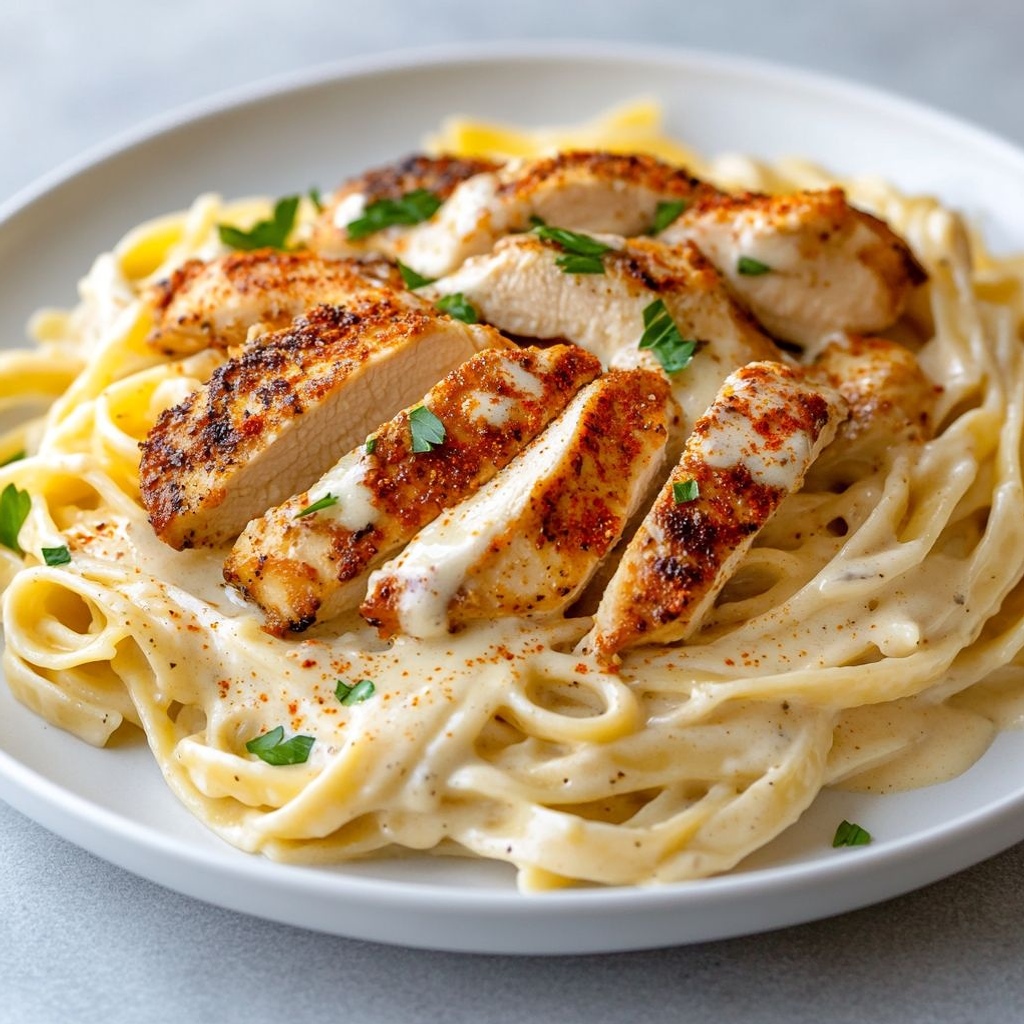
These Cajun Chicken Alfredo with Spicy Parmesan is a bold, comforting dish that layers deeply seasoned, seared chicken with a creamy, parmesan-rich sauce and a kick of heat from red pepper flakes. The sauce emulsifies with the pasta for a glossy coating, while the Cajun seasoning adds color and depth without overpowering the creamy base. Use fresh ingredients and steady heat to keep the texture smooth from start to finish.
Prepping the chicken: Pat the breasts dry to promote a crisp sear. If very thick, pound to an even 1-inch thickness or slice into uniform medallions for faster, more even cooking. Toss the pieces with 2 tablespoons Cajun seasoning, letting the spices kiss the surface. Heat 1 tablespoon olive oil in a skillet over medium-high until shimmering, then lay the chicken in a single layer. Do not crowd the pan; sear until deeply golden and cooked through, about 3–4 minutes per side depending on thickness. Rest 5 minutes before slicing to keep juices in.
Pasta and aromatics: Cook fettuccine in generously salted water until al dente per package instructions. Reserve about 1/2 cup of the starchy cooking water before draining; this starchy water will help emulsify the sauce later. Drain just before the pasta reaches final tenderness to account for residual cooking in the pan.
Sauce craft: In the same pan used for the chicken, reduce heat to medium. Add minced garlic and cook briefly (about 30–60 seconds) until fragrant, being careful not to burn. Add butter and let it melt, swirling to coat. Pour in heavy cream and simmer gently, stirring often, until it thickens slightly. Gradually whisk in freshly grated parmesan until the sauce is silky and smooth. Season with salt, black pepper, and red pepper flakes (start with 1/2 teaspoon and adjust to taste). If the sauce thickens too much, splash in a little of the reserved pasta water or a splash of milk to reach your desired consistency.
Finish and toss: Return the cooked chicken to the pan to rewarm in the sauce, or slice it and nestle the pieces into the sauce. Add the drained pasta and toss to coat, adding more pasta water as needed to loosen or bind the sauce. Taste and adjust seasoning, then finish with a light dusting of extra parmesan and a pinch of chopped fresh parsley if using. Serve immediately.
Tips and variations: For a lighter version, use half-and-half and a touch less cream, or add a splash of milk to lighten while still keeping richness. To intensify the Cajun flavor, mix a bit more Cajun seasoning into the chicken or sauce and let it simmer a minute longer. Add spinach or sautéed mushrooms toward the end for color and texture. If you prefer more heat, increase the red pepper flakes to 1 teaspoon or more, but add gradually and taste as you go.
Storage and make-ahead: Leftovers store in an airtight container for up to 3 days in the refrigerator. Reheat gently on the stovetop over low heat with a splash of milk or pasta water to reincorporate any separated sauce. The sauce can separate if boiled vigorously; keep heat gentle and whisk as needed. Freezing is not ideal for cream-based sauces, as texture may change.
Gluten guidance: This dish uses fettuccine; to keep it gluten-free, substitute your favorite gluten-free pasta and check that your Cajun seasoning is certified gluten-free. The sauce itself is naturally gluten-free when prepared with dairy, but always verify ingredients if cooking for gluten sensitivity.
Tips
Preparation and Searing
- Pat dry chicken breasts thoroughly before seasoning. A dry surface promotes a crisp, caramelized crust when they hit the hot pan.
- For even cooking, slice very thick breasts into uniform medallions or gently pound to about 1 inch thickness. This shortens sear time and helps juiciness stay intact inside the crust.
- When applying Cajun seasoning, press it into the meat so it adheres well. Even a slight extra crust at the surface enhances both color and flavor during searing.
- Preheat a heavy skillet (cast iron preferred) over medium-high until the pan is shimmering. A hot pan is essential to form a good crust without sticking.
- Do not crowd the pan. Searing in batches ensures proper browning and prevents steaming the chicken, which can dull flavor.
- Let the chicken rest a few minutes after searing (5–7 minutes) before slicing. Resting helps the juices redistribute and yields juicier bites.
Sauce Emulsion and Thickening
- After searing, lower the heat to medium and add garlic to the fat left in the pan. Sauté briefly just until fragrant—burnt garlic can impart bitterness.
- Include butter early to enrich the sauce, but keep heat moderate to avoid browning the butter, which can alter the flavor profile.
- Pour in the heavy cream gradually and simmer gently. Vigorous boiling can separate the sauce; a gentle simmer helps it thicken smoothly.
- Whisk in freshly grated parmesan a little at a time. Adding cheese gradually helps emulsify the sauce for a silky texture.
- If the sauce seems too thick, splash in reserved pasta water or a small amount of cream, whisking until you reach the desired consistency. The starch from the pasta water also helps emulsify the sauce.
- If the sauce looks like it’s breaking, remove from heat, whisk vigorously, and add a splash of hot pasta water to re-emulsify. Return to warmth and continue whisking.
- Taste the sauce and adjust salt, pepper, and heat. The Parmesan adds salt, so you may need less salt than expected.
Pasta and Finishing Touches
- Cook fettuccine in well-salted water until just al dente. Reserve about 1/2 cup of the starchy pasta water before draining.
- Peel off the cooked pasta from the water and add directly to the pan with the sauce and chicken. Toss to coat, adding reserved pasta water a little at a time to loosen the sauce if needed.
- Keep heat gentle while tossing to avoid breaking the emulsion; you want a glossy, creamy coating on every strand.
Seasoning, Spice, and Garnish
- Red pepper flakes provide the signature Spicy Parmesan kick. Start with 1/2 teaspoon, then taste and add up to 1 teaspoon as desired. The heat should complement, not overwhelm, the dish.
- Season with salt and freshly ground black pepper gradually. Remember that the pasta water and Parmesan contribute salt; adjust accordingly after mixing.
- Finish with chopped fresh parsley for color and a bright, herbal contrast. If using dried parsley, the flavor and color will be less vibrant—fresh is preferred.
Serving, Storage, and Reheating
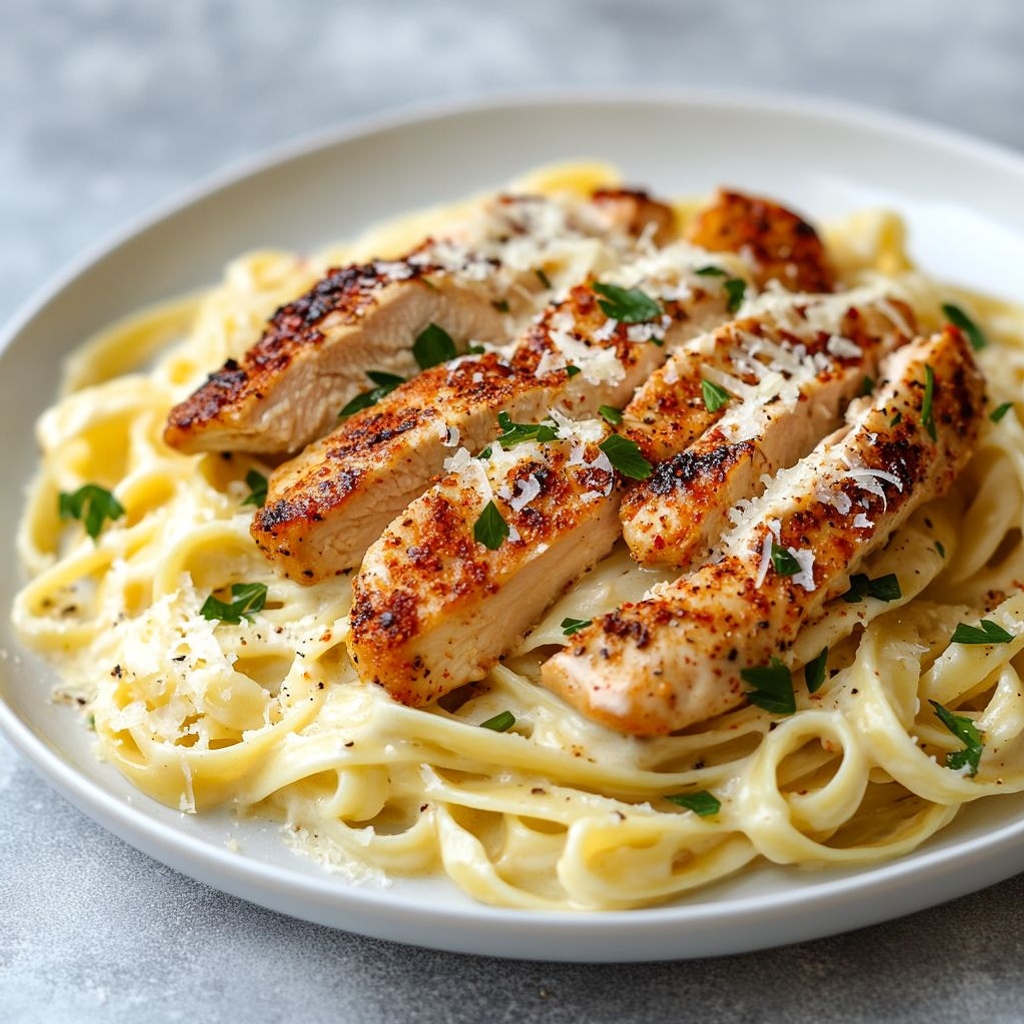
- Serve immediately for the creamiest texture and best aroma. The dish shines with a quick finish of extra grated Parmesan on top and a light crack of black pepper.
- Leftovers refrigerate well for 3–4 days. Reheat gently in a skillet over low heat with a splash of cream or milk, stirring to re-emulsify. If needed, add a bit more pasta water to restore the sauce’s creaminess.
- Best practice: store the chicken, sauce, and pasta together for a cohesive reheated dish, though you can reheat components separately if you prefer.
FAQ
What is Cajun Chicken Alfredo with Spicy Parmesan?
A creamy pasta dish that pairs succulent Cajun-seasoned chicken with rich Alfredo sauce and a kick of heat from Parmesan and optional red pepper or Cajun spices. It’s a flavorful twist on classic chicken Alfredo with a spicy finish.
What ingredients do I need?
Core ingredients (serves 4):
- 2 boneless, skinless chicken breasts, sliced
- 2–3 tablespoons Cajun seasoning (adjust to heat preference)
- 8 oz (225 g) fettuccine or linguine
- 2 tablespoons butter
- 3 cloves garlic, minced
- 1 cup heavy cream
- 1 cup grated Parmesan cheese
- 1/2 cup reserved pasta water
- Salt and black pepper to taste
- Optional: crushed red pepper flakes or extra cayenne for more heat
- Fresh parsley for garnish
How do I make it step by step?
Basic method:
- Season the chicken with Cajun seasoning and salt.
- Cook the chicken in a hot skillet until golden and cooked through. Remove and rest slices.
- In the same pan, melt butter, add minced garlic, and sauté briefly until fragrant (do not burn).
- Pour in heavy cream and simmer gently until slightly thickened.
- Stir in Parmesan cheese until smooth. If sauce thickens too much, thin with reserved pasta water.
- Meanwhile, cook pasta in salted water until al dente, then drain, reserving some pasta water.
- Add the cooked pasta to the sauce, then return chicken slices to the pan. Toss to combine and heat through.
- Season to taste and garnish with parsley before serving.
How spicy is Cajun seasoning, and how can I adjust the heat?
Cajun seasoning adds warmth and a moderate kick. Adjust heat by:
- Using a milder Cajun blend or reducing the amount (start with 1–2 tablespoons).
- Adding optional crushed red pepper flakes or a pinch of cayenne to taste.
- Removing extra heat ingredients (like fresh jalapeño) if you add any.
Can I use other proteins or substitutions?
Yes. Options include:
- Shrimp or turkey as a poultry alternative.
- For a non-meat version, mushrooms or tofu work well with the same sauce.
- If vegetarian, skip chicken and increase mushrooms or add chickpeas.
Which pasta should I use and how much should I cook?
Classic choice is fettuccine for a traditional Alfredo texture. You can also use linguine or spaghetti. Cook the pasta to al dente per package instructions in salted water, then reserve about 1/2 cup of the pasta water before draining.
How do I prevent the sauce from breaking or clumping?
Tips to keep the sauce smooth:
- Simmer on low to medium heat; avoid boiling after adding cream.
- Grate Parmesan fresh; pre-grated cheese can be dry and won’t melt as smoothly.
- Add cheese off the heat or with the pan off the burner, whisking until smooth.
- Use some reserved pasta water to loosen the sauce if it thickens too much.
How should I store and reheat leftovers?
Storage and reheating tips:
- Store in an airtight container in the refrigerator for up to 3–4 days.
- Reheat gently in a skillet over low heat, adding a splash of cream or milk to loosen the sauce if needed.
- Avoid microwaving for long periods, which can separate the sauce. Reheat in small batches on the stove for best results.
Can I make this dairy-free or gluten-free?
Yes with simple swaps:
- Dairy-free: use dairy-free milk or cream alternatives and a dairy-free Parmesan substitute; ensure the Cajun seasoning contains dairy-free ingredients.
- Gluten-free: use gluten-free pasta and ensure all added thickeners (if any) are gluten-free.
What common mistakes should I avoid?
Avoid these to keep it delicious:
- Overcooking the chicken or pasta; both should be cooked to tender perfection.
- Boiling the cream sauce; keep it at a gentle simmer.
- Using a dry, pre-grated Parmesan that won’t melt smoothly; grate fresh.
- Not salting the pasta water, which can make the dish under-seasoned.
What are some good garnishes or add-ins?
Finish with:
- Chopped fresh parsley or parsley ribbons for color.
- Extra grated Parmesan or a squeeze of lemon juice for brightness.
- Crushed red pepper flakes for additional heat.