
Introduction / Hook
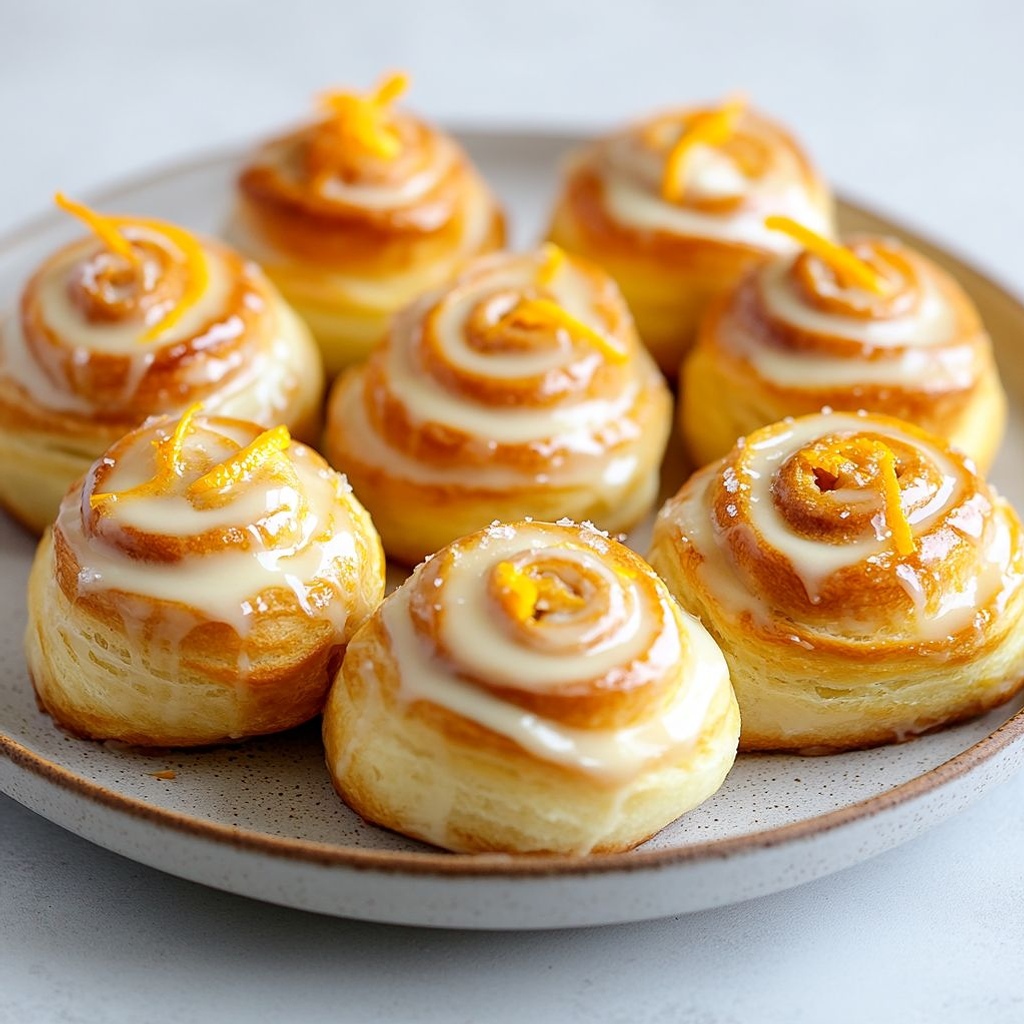
Imagine a kitchen that smells like summer: bright citrus, warm dough, and a whisper of vanilla. Orange creamsicle rolls bring the sun-packed magic of a frozen treat into a soft, breakfast-worthy pastry. Each bite unveils a tender, cloud-like roll swirled with a tangy-orange crème and a velvet vanilla glaze, like a hand-held dessert that somehow doubles as a cozy morning indulgence. The aroma alone—orange zest sparking through warm butter, sugar caramelizing at the edges, and a hint of cream cheese waking up the sweetness—draws everyone to the table. This dessert isn’t just about flavor; it’s about an experience: the way the first bite melts into a silky filling, the way the glaze glistens as you pull the roll apart, and the memory of summer playgrounds and citrusy splashes that never truly leave you. Orange Creamsicle Rolls blend nostalgia with sleep-in weekends, turning a classic childhood flavor into a modern, shareable bake that suits brunch gatherings, cozy nights, and celebratory mornings alike.
What makes these rolls particularly special is their balance: a soft yeast dough that rises to airy fluff, a creamy orange filling that tangles with the natural sweetness of the dough, and a glaze that adds a final glossy kiss. It’s the kind of recipe that rewards patience with a triumphant result—light, tender spirals that fetch compliments and invite repeat slices. The flavors are approachable: orange brightness, vanilla smoothness, a whisper of butter and cream cheese, all harmonizing without ever shouting over one another. And because the base is a familiar coffee-table classic—rolls—these treats are comfortable to serve to a crowd, yet refined enough to present at a weekend brunch or a special holiday breakfast.
The Story Behind the Dish
Orange creamsicle, that emblem of sunlit summers and lazy Saturday moments, has a history as creamy and vivid as its flavor. The concept blends the bright citrus of orange with the mellow sweetness of vanilla cream, a pairing that has delighted dessert lovers for generations. The idea of turning that flavor into a roll—soft, pillowy dough wrapped around a zesty, creamy center—draws on two timeless culinary traditions: the comfort of bakery-style rolls and the bright, playful nostalgia of ice-cream-inspired desserts. By combining a citrus-forward filling with a vanilla glaze, this recipe nods to the creamsicle’s iconic color palette and its mood-boosting effect: a small, joyful bite that feels like a celebration in pastry form.
In many households, the flavors of orange and vanilla echo childhood memories of popsicles cooling on summer days, of watching citrus peels spiral into a fragrant zest, and of a kitchen that smells like sunshine itself. The dough, reminiscent of classic brioche or cinnamon-roll bases, carries that memory forward—turning a familiar technique into something that can be shared at the breakfast table, as a dessert after dinner, or as a surprising centerpiece for a festive brunch. The result is not just a dish but a bridge between eras: the old-world comfort of a flaky yeast roll and the modern crave for bright, fruit-forward flavors delivered in a soft, sliceable package.
Why You’ll Love This Recipe
- Quick, cozy mornings: despite the yeast action, the hands-on time is forgiving, and the rolled dough bakes into a light, airy texture that feels effortless to prepare for a weekend crowd.
- Bright, balanced flavors: orange zest and juice provide a lively tang that keeps the filling from tipping into cloying sweetness, while vanilla and cream cheese provide a comforting counterpoint.
- Beautifully presentable: the swirled ribbons of filling create a visually appealing spiral that makes for impressive breakfast serving platters or dessert plates.
- Versatile for occasions: adaptable to brunch buffets, kid-friendly treats, Easter mornings, or indulgent after-dinner sweets with coffee or sparkling beverages.
- Make-ahead friendly: the dough and filling can be prepped in stages, enabling you to assemble in advance and bake when ready.
Flavor Profile & Texture
The flavor profile is a careful dance between citrus brightness and creamy depth. The orange component—zest, a touch of juice, and possibly a hint of orange blossom—injects a sunny tartness that wakes up the palate. The cream-cheese-centered filling brings a velvety, tangy richness that anchors the sweetness of the dough and glaze. Vanilla threads through both the dough and the glaze, tying the profile together with a soft, aromatic sweetness that lingers gently after each bite.
Texture-wise, these rolls are all about contrast and harmony. The dough bakes to a pale-golden crust with delicate, almost flaky layers, while the interior remains supremely soft and moist—like a cloud curled around a creamy center. The filling creates a creamy ribbon that becomes slightly melty at warm temperatures, providing a luscious mouthfeel that complements the light chew of the roll. The glaze, thin and glossy, adds a slight satin finish and a hint of sweetness that doesn’t overwhelm; it simply polishes the edge of each slice, inviting you to peel back the next layer. Together, the components deliver a satisfying bite that feels both indulgent and comforting—a pastry that behaves nicely as a breakfast, dessert, or mid-afternoon treat.
Occasions & Pairings
Orange Creamsicle Rolls shine in many settings. They’re especially delightful for:
- Weekend brunches with family or friends, paired with a sparkling beverage or a pot of strong coffee.
- Spring celebrations, Easter mornings, and summer gatherings where a bright, citrus-forward option fits the mood.
- Special-occasion breakfasts—Mother’s Day, anniversaries, or birthdays—where a show-stopping bake makes the moment feel extra special.
- Casual desserts that still offer a touch of elegance; serve warm with a scoop of vanilla ice cream for a blended creamsicle experience.
Pairings to consider:
- Beverages: cold-brew coffee, orange-melon juice, a light sparkling wine, or a citrusy mimosa for morning celebrations.
- Side dishes: a fresh fruit salad (grapefruit, kiwi, berries), yogurt parfaits, or a light citrus glaze over something like almond biscotti.
- Dessert accompaniments: a dollop of whipped cream, a drizzle of white chocolate, or a simple berry compote to enhance the fruit notes.
Tips, Variations & Substitutions
Here are practical ideas to tailor Orange Creamsicle Rolls to your kitchen, dietary needs, and flavor preferences.
Make-ahead and timing tips
- For best flavor, let the dough rise slowly in a cool place or overnight in the refrigerator. The dough may take longer to rise, but this slow fermentation yields a more tender crumb and a deeper flavor.
- You can assemble the rolls up to the point of slicing, cover tightly, and refrigerate overnight. In the morning, let them come to room temperature and rise for about 45 minutes, then bake as directed.
- The glaze can be prepared ahead; store in the fridge and warm slightly before drizzling over warm rolls for a glossy finish.
Dietary adaptations
- Gluten-free: use a high-quality gluten-free flour blend designed for yeast breads. The dough texture will differ slightly (more delicate and dense), but you can still achieve a wonderful roll with patience and careful kneading.
- Dairy-free: substitute dairy milk with almond, soy, or oat milk; replace butter with a neutral plant-based butter; use vegan cream cheese for the filling and a dairy-free glaze.
- Vegan: combine the dairy-free adaptations with a flax or chia egg washed dough if needed for structure, and ensure all fillings and glazes are vegan.
- Sugar-conscious: reduce the sugar in the dough slightly; the filling can be tempered with a touch more cream cheese to maintain balance, and you might skip the glaze or use a light powdered sugar glaze with lemon zest to keep brightness without added sugar.
Flavor variations
- Orange-lemon twist: swap half the orange zest for lemon zest and add a splash of lemon juice to brighten the filling even more.
- Berry cream: incorporate a small amount of raspberry or strawberry preserves swirled into the filling for a fruity contrast.
- Maple-vanilla glaze: replace part of the glaze with a light maple note for a breakfast-friendly maple-vanilla creamsicle twist.
- Spice notes: add a pinch of cardamom or cinnamon to the dough for a cozy aroma that pairs well with citrus.
Regional twists
- Puerto Rican-inspired: a touch of rum or orange liqueur in the filling with toasted coconut flakes folded into the dough for a tropical profile.
- Southwest influence: a hint of orange blossom water and a sprinkle of chili powder in the glaze for a surprising, sophisticated finish.
Storage & Make-Ahead Ideas
Proper storage keeps these rolls tasting as fresh as possible, even days after baking. Here are practical guidelines to help you plan ahead.
Unbaked dough rolls
- Assemble the rolls, cut into slices, and arrange them in a baking dish. Cover tightly and refrigerate for up to 24 hours. When ready to bake, remove from the fridge, allow to come to room temperature and complete the rise, then bake as directed. This approach frees up your morning while delivering bakery-quality results.
Baked rolls
- Leftover baked rolls can be stored in an airtight container at room temperature for 1–2 days; reheat gently in a 325°F (165°C) oven for 5–8 minutes, or microwave briefly with a damp paper towel to maintain moisture.
- For longer storage, freeze baked rolls (without glaze) in a tightly wrapped container or freezer bag for up to 1 month. Thaw, rewarm, and apply glaze just before serving to keep texture fresh.
Make-ahead ideas
- Prepare the filling in advance, refrigerate, and stir to loosen before spreading on rolled dough. This can shave off time on a busy morning while preserving the creamy texture of the filling.
- Prepare the glaze separately and store in the fridge; rewarm slightly and whisk before drizzling to achieve a glossy finish.
Fun Facts & Trivia (Optional)
Fun culinary tidbits that tie the flavor to a larger story can add depth to your cooking experience. Here are a few to savor as you bake and share.
- The creamsicle concept—orange and cream in harmony—dates back to early 20th-century frozen confections that captured the essence of summer in a single bite. The pairing of citrus and vanilla has endured because it pleases both the palate and the memory bank of many generations.
- The word “creamsicle” is a blend of “cream” and “popsicle,” a playful shorthand for a frozen treat that remains a nostalgic icon in many households around the world.
- Yeasted rolls, when filled and glazed with citrus, have a long tradition in European bakery culture, where lemon and orange fillings often star in holiday pastries and Sunday brunches, reminding us that citrus can be both refined and comforting in the same bite.
- When you drizzle the glaze over warm rolls, you’re witnessing a classic fondness for contrast: hot, fluffy pastry meeting cool sweetness, a texture and temperature dance that elevates simple ingredients into a memorable dessert experience.

Ingredients
Dough
- – 3 1/2 cups all-purpose flour
→ This provides the structure and elasticity for the soft, pillowy rolls. Use all-purpose flour for a balanced crumb that isn’t too dense. Measure by spooning into the cup and leveling off to avoid packing, which can make the dough tough. If you prefer a richer crumb, you can substitute up to 1/2 cup with bread flour; you may need a touch more liquid to maintain hydration. - – 1 packet active dry yeast (2 1/4 tsp)
→ Yeast is the rising agent that creates the soft, fluffy texture and light crumb. Activate by dissolving in the warm milk with a pinch of sugar for about 5–10 minutes until foamy; if you’re using instant yeast, you can mix with the dry ingredients and skip proofing, but allow sufficient rising time in a warm place. - – 1/4 cup granulated sugar
→ Sweetens the dough and provides energy for the yeast, aiding rise and browning. Dissolve in the warm milk or with the wet ingredients for even distribution. If you want a less sweet roll, reduce by 1–2 tablespoons. - – 1 teaspoon salt
→ Balances sweetness and strengthens gluten structure, improving dough texture and flavor. Add with the flour. If using salted butter, adjust salt downward accordingly. - – 3/4 cup warm milk (about 110°F)
→ Hydrates the dough and nourishes the yeast for proper rising. Temperature should be warm to the touch, not hot, to avoid killing the yeast. If dairy-free, substitute with almond or soy milk, but keep the temperature similar for proper activity. - – 1/4 cup unsalted butter, melted
→ Enriches the dough for tenderness and flavor; helps to soften gluten and create a moist crumb. Let butter cool to warm before mixing to avoid cooking the egg or killing the yeast. For dairy-free versions, substitute with neutral oil in equal amounts. - – 1 large egg
→ Adds richness, tenderness, and helps with structure. Bring to room temperature for best emulsification. If substituting, use 1/4 cup unsweetened applesauce plus 1 tablespoon oil. - – 1 tablespoon orange zest
→ Infuses bright citrus aroma and flavor that aligns with the creamsicle theme. Use a microplane to grate finely, avoiding the white pith; distribute evenly through the dough for uniform flavor. - – 2 tablespoons orange juice
→ Contributes moisture and a subtle citrus tang; helps balance sweetness and aids in dough extensibility. Use fresh juice for best flavor; if juice is very sweet, adjust with a little more salt or reduce sugar.
Cream Cheese Filling
- – 8 oz cream cheese, softened
→ The creamy center defines the rolls; softened cheese blends smoothly without lumps and spreads evenly. Let it sit at room temperature until pliable, or microwave briefly in short bursts to soften. Avoid melting or separating fat from the cheese. - – 1/4 cup powdered sugar
→ Provides sweetness and a silky texture; sift to remove lumps for a smooth filling. If you prefer a tangier filling, you can adjust sugar downward slightly or blend with a touch of yogurt. - – 1/2 teaspoon vanilla extract
→ Adds warm vanilla notes that round out the tang of cream cheese and brightness from citrus. Use pure vanilla; if using imitation, reduce slightly to avoid off flavors. - – 1 tablespoon orange zest
→ Elevates the creamsicle flavor; finely grate so it distributes evenly. Blend into the filling until completely combined. - – 1–2 tablespoons orange juice
→ Loosens the filling to a spreadable consistency that can be rolled. Add gradually to reach a smooth, pipeable texture; too much liquid can cause leakage during baking.
Glaze
- – 1 cup powdered sugar
→ Creates a glossy, citrusy glaze that drapes over the warm rolls. Sift to remove lumps and adjust thickness by adding more sugar or juice as needed for drizzle or a thicker coating. - – 2–3 tablespoons orange juice
→ Provides flavor and the liquid needed to thin the glaze to your desired drizzle. Start with 2 tablespoons and add more gradually; warm the juice slightly if you want a smoother glaze. - – 1/2 teaspoon vanilla extract
→ Adds a subtle warmth that complements the citrus; use genuine vanilla for best aroma. Omit if you want a pure orange glaze.
Optional Add-ins
- – 1/4 cup white chocolate chips (optional)
→ Melt into pockets of sweetness that pair beautifully with orange. Toss chips with a bit of flour before adding to the filling to prevent them from sinking; fold evenly to maintain distribution. - – 1/4 cup finely chopped candied orange peel (optional)
→ Adds extra orange flavor and chewy texture. Chop finely for even distribution and drain excess syrup to avoid oversweetening the dough.
Instructions
- Proof the yeast in 1/4 cup warm milk with a pinch of sugar for 5–10 minutes until foamy.
→ This activates the yeast, starting the fermentation that will leaven the dough; keep the milk at about 105–110°F (40–43°C) so the yeast becomes bubbly without being killed by heat. - Warm the remaining warm milk and whisk in granulated sugar, salt, 1/4 cup melted butter, the egg, orange zest, and orange juice, then stir in the proofed yeast.
→ This creates a balanced liquid base with enough sweetness and citrus brightness to flavor the dough; the egg adds tenderness and slight richness, while the orange zest and juice fortify the creamsicle theme. - Gradually mix in the flour, starting with about 2 cups, until a shaggy dough forms, then add flour in small increments up to a total of 3 1/2 cups as needed.
→ Adding flour gradually prevents the dough from becoming stiff; you want a soft, supple dough that is still slightly tacky but workable for kneading. - Knead the dough on a lightly floured surface or with a mixer fitted with a dough hook for 8–10 minutes (or 5–6 minutes with a stand mixer) until it is smooth, elastic, and passes the windowpane test.
→ Proper gluten development yields a tender, yet sturdy crumb that can hold the creamy filling without tearing; to test, stretch a small piece of dough between your fingers—if it becomes translucent without tearing, the gluten is ready. - Oil a large bowl and rub the dough to coat lightly, then cover the bowl with plastic wrap or a damp towel and let it rise in a warm, draft-free place until doubled in size, about 60–90 minutes.
→ The first rise builds structure, flavor, and a light crumb; heat and moisture speed the rise, but too much heat can overproof, so aim for a steady doubling. - Prepare the cream cheese filling by beating 8 oz cream cheese with powdered sugar, vanilla, orange zest, and 1–2 tablespoons orange juice until completely smooth and spreadable; refrigerate briefly to firm slightly for easier spreading.
→ A softened cream cheese base blends evenly, while chilling slightly helps it stay put on the dough during rolling without sliding. - If using optional add-ins, toss 1/4 cup white chocolate chips with 1 tablespoon flour to coat and fold them in later; this prevents sinking and ensures even distribution.
→ Coating with flour reduces the tendency of chips to drop to the bottom during baking, maintaining pockets of sweetness throughout the rolls. - Punch down the risen dough, then turn it out onto a lightly floured surface and roll it into a rectangle approximately 16 by 12 inches with the longer side facing you.
→ A uniform rectangle ensures even distribution of filling and consistent roll size; aim for about 1/4 inch thickness across the sheet for even cooking. - Spread the cream cheese filling evenly over the dough, leaving a 1/2 inch border along the far edge to seal the roll; use an offset spatula to create a smooth, level layer.
→ A thin, even layer prevents gaps in the roll and helps achieve clean slices with a uniform filling. - Distribute any prepared add-ins evenly over the filling, if using, to ensure bursts of flavor in every bite.
→ Even distribution prevents clustering and guarantees consistent taste across all rolls. - Roll the dough tightly away from you to form a log, pinch the seam to seal, and brush lightly with a little water or milk to help seal and promote browning.
→ A tight roll stops the filling from oozing out and creates clean, uniform slices; sealing the seam prevents the log from splitting during cutting. - Slice the log into 12 equal rolls using a sharp serrated knife or unflavored dental floss for clean cuts; wipe the blade between slices to prevent dragging filling.
→ Clean, even slices ensure consistent bake times and presentation; floss can yield perfectly even cuts with less squashing of the roll. - Butter or lightly grease a 9×13-inch baking dish or line it with parchment, arranging the rolls with the cut sides up and spaced evenly to allow for expansion.
→ Proper spacing ensures the rolls rise into a cohesive pull-apart tray and bake evenly without sticking together. - Cover the pan and let the rolls rise again in a warm place until puffy and nearly doubled, about 30–45 minutes.
→ The second rise gives the rolls extra height and a soft, pillowy interior; the surface should look airy and domed, not collapsed. - Preheat your oven to 350°F (175°C) and position a rack in the center; this ensures even heat distribution for uniform browning.
→ A properly preheated oven prevents under- or over-browning and ensures the rolls bake through without drying out. - Bake the rolls for 25–30 minutes, or until the tops are golden brown and a toothpick inserted near the center comes out clean; if the rolls darken too quickly, tent loosely with foil.
→ Proper doneness confirms a fully cooked interior and a lightly caramelized crust; testing center ensures you don’t underbake the middle. - Make the glaze by whisking 1 cup powdered sugar with 2–3 tablespoons orange juice and 1/2 teaspoon vanilla until smooth and pourable; adjust with more sugar for a thicker glaze or more juice for a thinner drizzle.
→ A bright, glossy glaze complements the citrus filling and provides a gentle sweetness that soaks into the warm rolls. - Drizzle the warm rolls with the orange glaze, allowing it to melt into the nooks and crannies, then let the glaze set for about 5–10 minutes before serving.
→ The glaze sets into a glossy finish that enhances flavor and offers a slight resistance that makes the rolls feel luxurious to bite. - Serve the Orange Creamsicle Rolls warm or at room temperature, storing any leftovers wrapped tightly in the refrigerator for up to 3 days and gently reheating before serving.
→ Warm storage keeps the texture tender and prevents the filling from stiffening; reheating helps restore the soft, fluffy crumb and bright aroma.
Notes
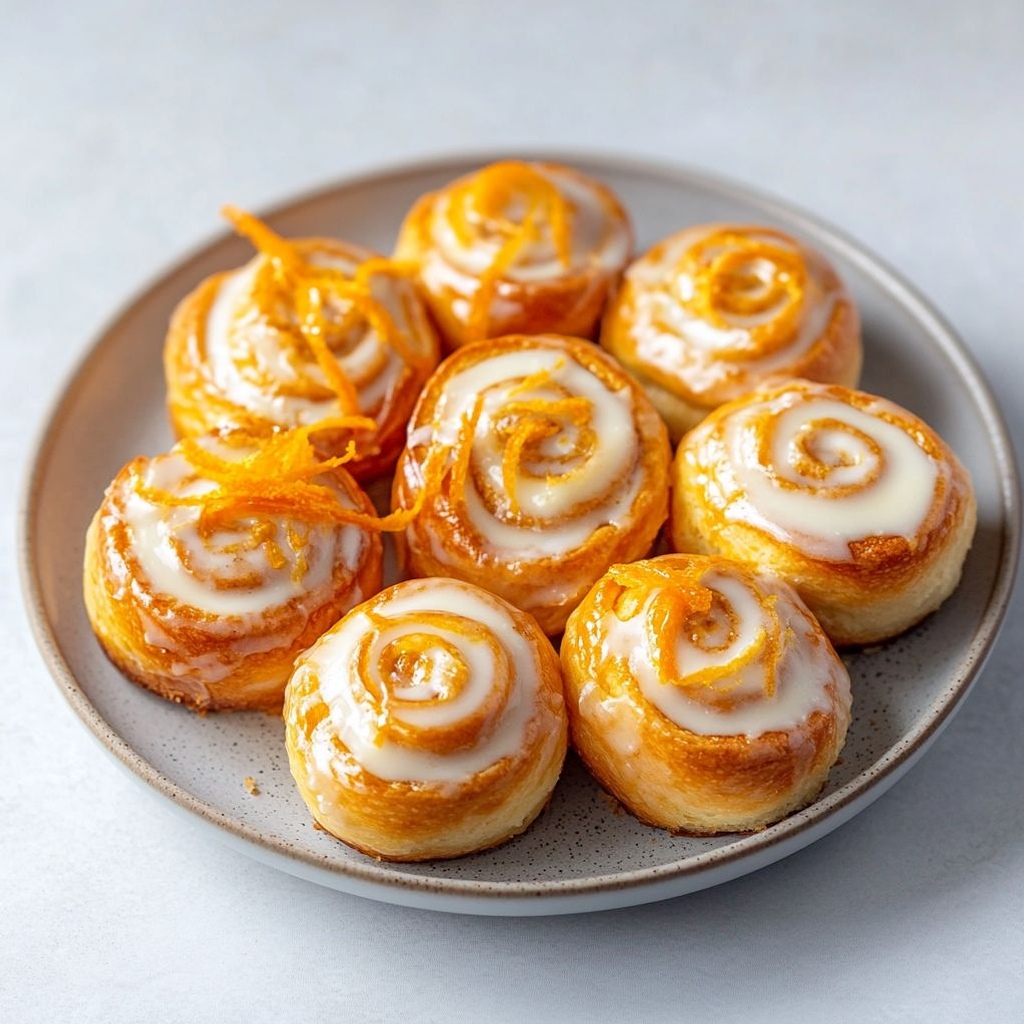
These orange creamsicle rolls are a tender, citrus-kissed take on a classic filled pastry, featuring a creamy orange center and a glossy orange glaze. For best rise and a light crumb, activate the yeast in warm milk (about 110°F) with a pinch of sugar until foamy; if you’re using instant yeast, you can whisk it with the dry ingredients and let the dough rise in a warm place. Keep the butter cooled to warm so it won’t harm the yeast or cook the egg when mixing, and measure the flour by spooning it into the cup and leveling off to avoid dense dough; if you prefer a richer crumb, you can substitute up to 1/2 cup of all-purpose flour with bread flour, but you may need a touch more liquid to maintain hydration. When you assemble, roll the dough into a rectangle, spread the softened cream cheese filling in an even layer, and scatter the orange zest; thin the filling slightly with 1–2 tablespoons of orange juice so it spreads but doesn’t leak. Roll tightly from a short end, seal the seam, and cut into evenly sized rolls; place them cut side up in a greased pan so the filling pockets stay visible. Let the rolls rise until puffy, then bake until golden and the centers are set; glaze while warm with a simple mixture of powdered sugar, orange juice, and vanilla, adjusting with more sugar or juice for your desired drizzle thickness. Optional add-ins like white chocolate chips (tossed with a pinch of flour to prevent sinking) or finely chopped candied orange peel enhance brightness and texture. For dairy-free or lighter options, substitute dairy-free milk and cream cheese with neutral oil or a dairy-free cream cheese alternative, and you can increase zest for extra punch. Make-ahead tip: the rolls can be assembled and refrigerated overnight; bake the next day for a fresh, bake-at-home experience. Stored properly, leftovers finish best within a couple of days and the glaze can be reheated with a splash of warm juice if needed.

Tips
Tips for Making Orange Creamsicle Rolls
- Measuring flour properly is crucial for a soft, pillowy dough. Fluff the flour, spoon it into the cup, and level off. Avoid scooping straight from the bag, which can pack the flour and make the dough dense. If you prefer a richer crumb, you can substitute up to 1/2 cup with bread flour, but you may need a touch more liquid to maintain hydration.
- Yeast handling matters. For active dry yeast, dissolve in warm milk with a pinch of sugar and let it become foamy (about 5–10 minutes). If you’re using instant yeast, you can mix it with the dry ingredients, but still give the dough enough time in a warm place to rise.
- Liquid temperature is key. The warm milk should be about 105–110°F (warm to the touch, not hot). Water or dairy-free milk should be warmed similarly. If the liquid is too hot, it can kill the yeast and prevent proper rising.
- Cool your melted butter before mixing. Add melted butter that’s warm-thin, not hot, to avoid partially cooking the egg or killing the yeast. If dairy-free, substitute with a neutral oil in equal amounts.
- Handle orange zest gently. Use a microplane and grate finely, avoiding the white pith. Distribute the zest evenly in the dough for a uniform citrus aroma.
- Balance the dough with the egg. Bring the egg to room temperature for better emulsification. If substituting, you can use 1/4 cup unsweetened applesauce plus 1 tablespoon oil, but the texture may differ slightly.
- Gluten development matters. Knead the dough until it’s smooth and elastic. A windowpane test (stretching a small piece until translucent) is a good way to confirm readiness before the dough is divided and rolled.
- First rise timing depends on your room. Keep the dough in a warm, draft-free spot until doubled. If your kitchen is cool, it may take longer; increase rising time rather than forcing the dough fast with heat.
- Cream cheese filling should be silky. Soften the cream cheese to room temperature or gently warm just enough to blend smoothly. Beat until fluffy and lump-free for an even spread.
- Use the right amount of orange juice in the filling. Start with 1 tablespoon and add gradually until the mixture is spreadable but not runny. Too much liquid can leak during baking.
- Let the filling flavor shine. Mix in the vanilla and orange zest so the citrus notes come through in every bite.
- Chill the filling briefly if it’s too soft to spread. A light chill helps you apply an even layer without it running into the dough.
- Roll with even width and thickness. Aim for a rectangular sheet about 12×8 inches (roughly), keeping the edges tight so the rolls slice cleanly and bake evenly.
- Spread the filling evenly, leaving a small margin at the edges. This helps seal the roll as you roll and prevents gaps where the filling could ooze out during baking.
- Slice with precision. For clean cuts, either use a sharp knife or run a length of dental floss under the log and cross the ends over the top to slice through without squashing the roll.
- Second rise matters for puff. After cutting, arrange rolls on the prepared pan and let them rise until puffy. Don’t overproof, or they may collapse in the oven.
- Baking guide and doneness. Bake until the rolls are golden and cooked through; if you have a thermometer, aim for an internal temp around 190°F. Oven temperatures vary, so keep an eye on color and crumb, not just time.
- Glaze adjustments. Sift powdered sugar before making the glaze and start with 2 tablespoons orange juice. Add more juice or sugar to reach your desired drizzle or thickness. Warm the juice slightly to help the glaze come together smoothly.
- Soft glaze, glossy finish. Add a touch of vanilla to the glaze for warmth, or leave it out for a pure orange glaze. Adjust consistency to drizzle or pour over the rolls as you prefer.
- Optional add-ins behave best with care. If using white chocolate chips, toss them with a bit of flour to help keep them suspended during baking. For candied orange peel, drain excess syrup and chop finely for even distribution to avoid oversweet spots.
- Make-ahead and storage tips. The dough and rolls can be prepared ahead and stored covered in the fridge for up to 24 hours before baking. Glaze can be applied just before serving to keep the shine. Store leftovers in an airtight container at room temperature for a day or refrigerate for longer storage.
- Allergies and substitutions. To make dairy-free, use almond or soy milk in the dough and a neutral oil in place of butter. For a lighter option, reduce the sugar in the dough slightly, knowing this may affect browning and texture.
FAQ
Orange Creamsicle Rolls – FAQ
What are Orange Creamsicle Rolls?
Orange Creamsicle Rolls are soft, fluffy rolls swirled with a citrusy orange-vanilla cream filling and finished with a bright orange glaze. They combine the creamy, vanilla-rich center with a zesty orange flavor, inspired by the classic creamsicle frozen treat.
What ingredients do I need to make them?
For the dough: all-purpose flour, sugar, instant yeast, warm milk (or a non-dairy alternative), butter, and eggs. For the filling: orange zest, orange juice, cream cheese or butter, vanilla extract, and a pinch of sugar. For the glaze: powdered sugar and orange juice or milk to reach a pourable consistency. Optional: a little orange zest for extra brightness.
Can I make these dairy-free or vegan?
Yes. Use a plant-based milk (almond, soy, or oat), dairy-free butter, and dairy-free cream cheese or a coconut cream substitute in the filling. Keep an eye on the sugar balance, and you may need a touch more or less liquid to get the right filling consistency.
How do I shape and bake the rolls?
1) Make the dough and let it rise until doubled. 2) Roll the dough into a rectangle. 3) Spread the filling over the surface. 4) Roll tightly into a log and slice into even discs. 5) Place the slices in a greased pan, let them proof until puffy, then bake at 350°F (175°C) for about 18–22 minutes, until lightly golden. 6) Drizzle with glaze while warm or cooling.
How can I maximize the orange and cream flavor?
Use both orange zest and juice in the filling and a touch of orange zest in the dough if desired. The glaze should contain orange juice or zest as well. Avoid adding too much liquid to the filling to prevent soggy rolls; balance with cream cheese or butter for a creamy texture.
How should I store and reheat leftovers?
Store cooled rolls in an airtight container at room temperature for up to 2 days, or refrigerate for up to 5 days. Reheat gently in the microwave (about 15–25 seconds per roll) or warm in a low oven (about 300°F/150°C for 5–10 minutes) to restore softness. The glaze may thicken after refrigeration; re-dress with a splash of orange juice if needed.
Can I freeze the dough or baked rolls?
Yes. You can freeze the shaped rolls (before the final rise) for up to 1–2 months. Thaw overnight in the fridge, then let them come to room temperature and rise briefly before baking. You can also freeze baked rolls (un-glazed or glazed) and reheat in a low oven until warm.
Can I make these ahead for entertaining or holidays?
Absolutely. Prepare the dough, fill, and roll the logs a day ahead and refrigerate them (or the sliced rolls in a pan). The next day, allow them to come to room temperature and finish rising before baking. Glaze just before serving for a bright finish.
Are there gluten-free or low-sugar variations?
Gluten-free: use a reliable gluten-free flour blend with 1–2 teaspoons xanthan gum per cup of flour, and adjust hydration as needed. The rising time may differ, so watch the dough instead of sticking to exact times. Low-sugar: reduce the filling sugar slightly and rely more on the vanilla and orange for flavor; you may need to adjust the glaze consistency with more citrus juice to maintain sweetness without added sugar.
What equipment helps make this recipe easier?
A stand mixer with a dough hook makes kneading easier, but the dough can be kneaded by hand. You’ll also want a rolling pin, a sharp knife or dough cutter, a 9×13 inch baking pan, parchment paper (optional to prevent sticking), and a small whisk or spoon for mixing the glaze.