Introduction / Hook
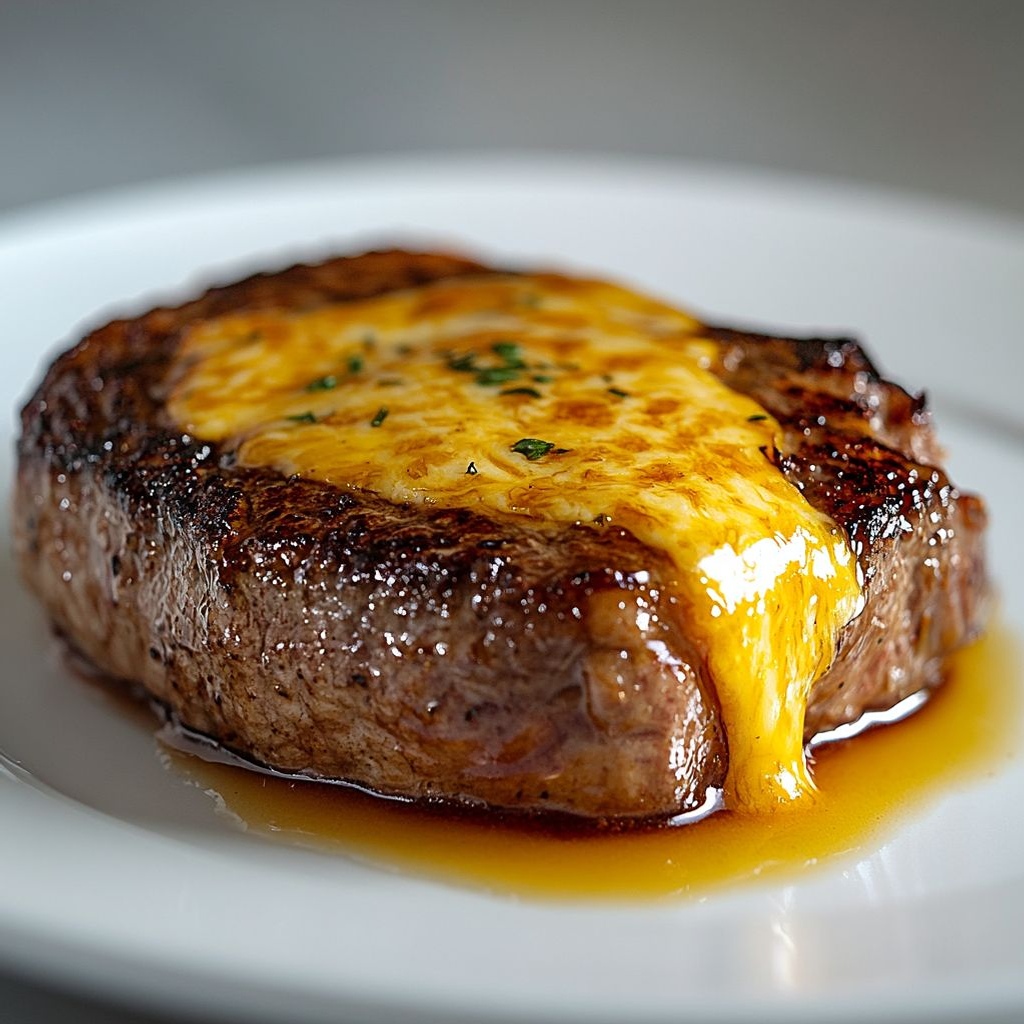
Imagine a skillet hot as a summer street, a slice of steak kissed by a quick, confident sear, and a veil of molten cheese melting over every edge. The sizzle sings as the fat renders, releasing a chorus of rich, beefy aromatics—garlic, butter, a touch of smoke, and a whisper of herbs. This is steak with cheese: a simple, satisfying romance between bold meat and creamy, gooey dairy that thrills the senses without fuss. It’s comfort food elevated by technique and personality, a dish that feels indulgent yet approachable, worthy of a weeknight triumph and exciting enough to serve to guests. The beauty lies in the moment—the cheese edging toward golden, a caramelized crust forming at the perimeter, and the first bite delivering that perfect balance: beefy depth tempered by creamy, tangy cheese that lingers on your palate. If you’ve ever wished for steak that feels playful but substantial, familiar yet new, this is the plate that will become a favorite in your kitchen repertoire.
The Story Behind the Dish
Steak with cheese sits at an inviting crossroads of culinary traditions. It nods to the storied Philly Cheesesteak, where thinly sliced beef is crowned with melty cheese and tucked into crusty bread, creating a glossy, cheesy bite that’s both street-food rustic and comfort-food cozy. It also borrows from the broader, timeless appeal of a well-cooked steak finished with something creamy and indulgent—cheeses that melt into a glossy sheen, binding the sizzling meat into a single, satisfying mouthful. The dish also reflects the universal kitchen impulse to “finish with dairy” when you want richness without heavy sauces: a knob of cheese or a drizzle of emmental can transform a simple sear into something lush and memorable. In many homes, this combination arose organically—an inexpensive cut given a hot sear, a slice of cheese added at the last moment to soften and shine, a loaf or bread on the side to mop up the delicious juices. The result is a dish that feels both elegant and down-to-earth, a bridge between steakhouse technique and home-cook practicality. The flexibility of this concept—choose your cheese, adjust your seasoning, and pair with what you have on hand—speaks to the spirit of home cooking: make it yours, make it good, make it quickly enough to serve on a busy night but with enough presence to feel special.
Why You’ll Love This Recipe
- Instant gratification: a hot skillet, a fast sear, and cheese that shimmers into a silky blanket over beef—comfort in minutes.
- Versatility in cheese choice: from sharp cheddar and provolone to Gruyère or Monterey Jack, every cheese brings a new personality to the dish.
- Customizable to dietary needs: use plant-based cheeses for a dairy-free version, or swap in mushroom caps or cauliflower steaks for a vegetarian alternative without losing the concept.
- One-pan or one-skillet elegance: minimal equipment, maximum impact. Sear, melt, plate, and savor with no complicated steps.
- Perfect for any occasion: weeknight dinner, date night at home, or a casual gathering with friends—while still feeling special and indulgent.
- Flavor-building fundamentals: a hot pan, a touch of fat, surface caramelization, and a final cheese finish create layers of flavor and texture that keep every bite interesting.
- Great for leftovers performance: shredded beef with cheese can become a tasty filling for sandwiches, toppings for salads, or a quick sauté with peppers and onions for a new twist.
Flavor Profile & Texture
The character of steak with cheese rests on a carefully balanced trifecta: protein, fat, and dairy. The steak delivers a deep, beefy foundation—saturated, savory, with a crisp crust that crackles softly when you bite. That crust is the gateway to flavor: a touch of smoke, a whisper of caramelization, and a hint of garlic or herb seasonings that ring through each bite. The cheese—whether it’s a mellow cheddar, a tangy provolone, or a nutty Gruyère—softens with the heat, creating a luxurious, gooey layer that coats the meat and invites you to slow down and savor. When melted properly, the cheese doesn’t just sit on top; it envelops the steak, binding the textures into a creamy, cohesive mouthfeel. There’s a pleasing contrast between the crunch of a well-seared exterior and the silky mouthfeel of melted cheese. The combination yields a savory-satisfying, slightly salty, and deeply comforting flavor profile. If you enjoy the way a charred crust and a smooth, cheese-laced interior complement each other, you’ll appreciate how this dish hits all the right notes: umami, richness, a touch of dairy brightness, and a finish that lingers with warmth.
Occasions & Pairings
Steak with cheese is a versatile centerpiece that shines in many settings. Here are some ideas to make the most of it:
- Weeknight luxury: simply serve with a green salad or roasted vegetables and a crusty loaf to mop up juices.
- Game day or casual gatherings: present as a plattered shareable dish with mini rolls or baguette slices, allowing guests to assemble their own bites.
- Romantic dinner: pair with a crisp red wine or a full-bodied stout, and add a side of roasted mushrooms or truffle-parmesan potatoes for a restaurant-worthy tableau at home.
- Holiday or celebration meals: elevate with a more decadent cheese choice and add caramelized onions, sautéed peppers, or a tempered balsamic glaze for a festive finish.
Suggested pairings
crusty baguette, ciabatta, or a simple toasted brioche to cradle the molten cheese and catch the juices. - Vegetable companions: charred broccoli, blistered cherry tomatoes, or a pepper-and-onion medley for color and sweetness.
- Starch sides: creamy mashed potatoes, roasted potatoes, or simple buttered noodles provide a comforting bed for the beef and cheese.
- Drinks: a robust red wine like Cabernet Sauvignon or Malbec, a malty amber beer, or a bright sparkling beverage to cut through richness.
Tips, Variations & Substitutions
Here are ideas to tailor the dish to your pantry, preferences, or dietary goals:
- Cheese choices: experiment with grate-friendly cheeses like aged cheddar for sharpness, provolone for melt and mild tang, Gruyère for nuttiness, or a smoky mozzarella for a melty, silky finish. For dairy-free, choose high-quality vegan cheeses that melt well or a nut-based cheese sauce layered in after searing.
- Protein swaps: substitute a thick portobello steak or a cauliflower steak for a vegetarian twist; for extra dinner-party heft, use a thick ribeye or New York strip and keep the cheese topping.
- Flavor boosters: add a quick herb butter (garlic, thyme, and parsley) on top right after cheese melts for an aromatic lift. A scatter of crispy fried shallots or sautéed mushrooms enhances texture and depth.
- Herb and spice variations: a pinch of smoked paprika, cumin, or chili flakes can bring warmth and complexity. Fresh herbs such as rosemary or thyme can be added to lift the aroma during searing.
- Gluten considerations: serve on gluten-free bread or over a bed of gluten-free grains, or enjoy without bread for a low-carb approach.
- Regional twists: a sharp cheddar with Swiss or Gruyère echoes a classic cheese blend; in a Tex-My style, you might add jalapeños for a punch of heat; Italian-inspired versions can pair well with a dollop of herbed ricotta.
- Make-ahead and assembly: pre-slice the steak and have cheese ready for a quick melt finish at the table; this makes a simple, fast service that feels special.
Storage & Make-Ahead Ideas
Leftovers can be a wonderful canvas for next-day meals, and proper storage helps maintain the integrity of both beef and cheese.
- Refrigeration: store cooked steak and cheese separately (or together if already melted) in an airtight container for up to 3 days. Reheat gently to avoid overcooking the steak and to keep the cheese from separating.
- Freezing: freeze cooked steak in portions, and keep cheese in a separate sealed container. Cheese tends to separate when frozen and reheated, so it’s best to melt cheese fresh on reheating or use a cheese sauce that re-emulsifies well.
- Reheating tips: rewarm meat slowly in a skillet over medium-low heat, and add cheese at the end just long enough to melt. If using bread, refresh it quickly in a hot dry pan or toaster to regain its crisp exterior.
- Make-ahead strategies: pre-sear the steak and pre-slice ingredients; keep them refrigerated. When you’re ready to serve, reheat the steak, finish with cheese, and bring everything together just before plating for a speedy, still-flashy meal.
Fun Facts & Trivia (Optional)
- Some cooks prefer a quick dash of Worcestershire or soy sauce in the final sear to deepen umami without overpowering the beef’s natural flavor.
- The concept of melting cheese over hot meat appears in several cuisines, from French gratins to Italian melts, illustrating the universal appeal of a creamy finish on a savory backbone.
- In many diners and restaurants, the cheese is added in the last minute to simply soften and glaze the surface rather than fully integrate into the meat, preserving the distinct textures of each component.
- Using a cast-iron skillet for steak with cheese is a nod to traditional cooking methods: heat retention, even searing, and a natural fond that can be transformed into a quick pan sauce if you wish (without needing additional steps, since the dish is intended to stand on its own).
- Cheese melts differently depending on fat content and moisture. Full-fat cheeses melt smoothly and uniformly, while lower-fat options can be delicious but may require a touch more heat or a quick blend with a creamier cheese to achieve the same luscious coating.
Ingredients
Steak & Seasoning
- 2 boneless ribeye steaks (12-16 oz each)
→ This is the protein foundation with rich marbling that yields juiciness and deep beef flavor when seared. Bring steaks to room temperature for 30–60 minutes before cooking to promote even cooking; pat dry with paper towels to remove surface moisture so a crust forms; salt generously just before searing or up to 40 minutes ahead to help flavor penetrate; season with freshly ground black pepper just before hitting the pan for maximum aroma during sear. - Kosher salt, to taste
→ Salt enhances beef flavor and helps draw surface moisture to create a crust via the Maillard reaction. Use coarse kosher salt for even distribution; apply on all exposed surfaces and adjust after resting as needed. If salting ahead, you may notice some surface drying—wipe lightly if moisture is excessive before searing. - Freshly ground black pepper, to taste
→ Fresh pepper provides bright aroma and a gentle heat that complements the beef. Grind just before cooking to preserve essential oils; press the pepper into both sides for even coverage and a robust crust during searing. - 1–2 tablespoons high-heat cooking oil (avocado or grapeseed)
→ Oil helps conduct high heat for a fast, even sear and prevents sticking. Choose a high smoke-point oil and lightly coat the pan or the steak surface; use just enough to aid crust formation without pooling fat.
Aromatics & Basting
- 2 tablespoons unsalted butter
→ Butter adds richness and, when basted, helps coat the steak with melted fat for a luscious crust. Add after a good sear and swirl the pan to baste the meat with the melted butter. If the butter begins to brown too quickly, lower the heat or baste off the heat to avoid burning; remove from direct heat before cheese is added if desired. - 2 garlic cloves, minced or smashed
→ Garlic imparts a fragrant, savory note that pairs beautifully with beef and cheese. Add to the butter early in the baste to release its oils, then remove or keep infusing briefly for a subtle flavor without overpowering the steak. - 2 sprigs fresh thyme or rosemary (optional)
→ Fresh herbs provide an earthy, aromatic lift that complements the beef. Add to the pan while browning, then remove before resting, or strip leaves and add to the butter near the end for a lighter infusion.
Cheese Topping
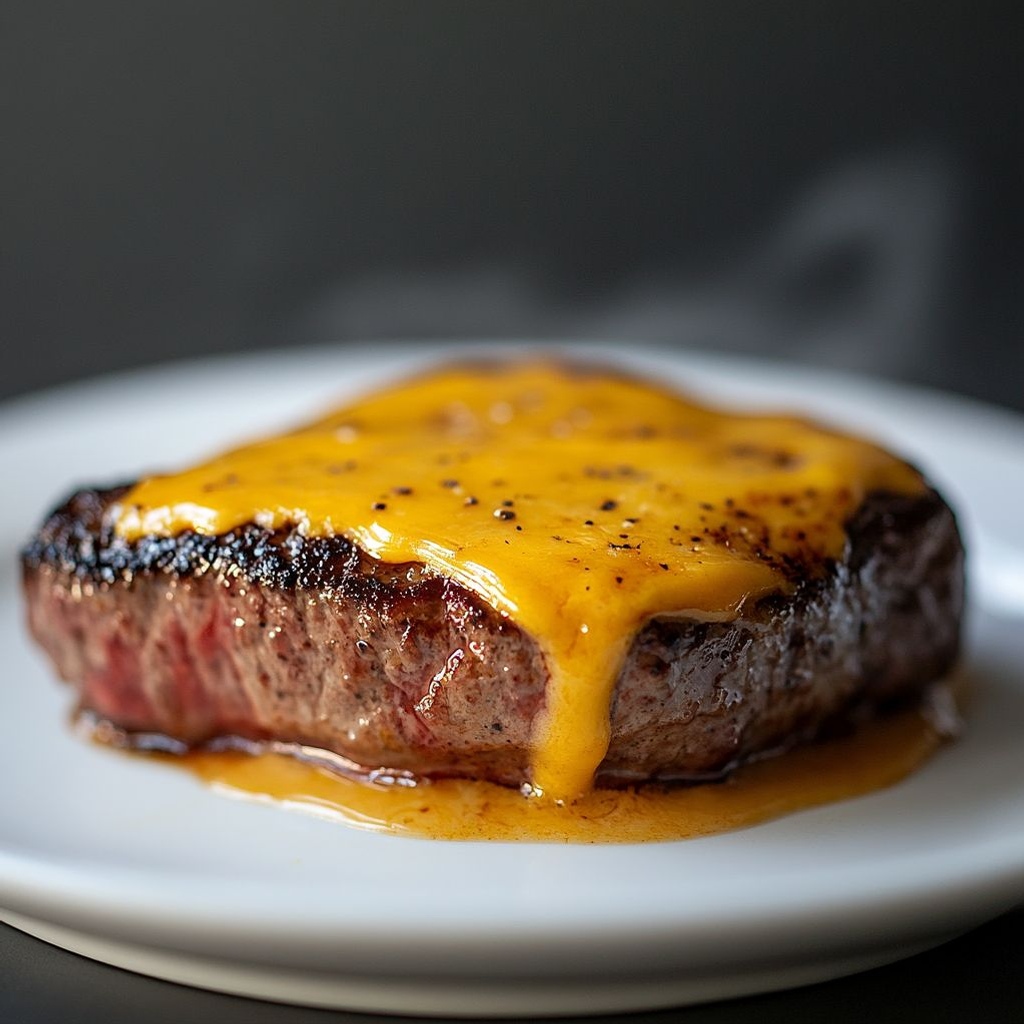
- 1 cup shredded sharp cheddar cheese (or blend with Monterey Jack)
→ The cheese topping is the signature melt and savory finish. Choose a good, full-fat cheddar for smooth melting; shred just before use to ensure even melt and avoid clumps from pre-shredded varieties. After the steak is seared and rested, place cheese on top and cover briefly to melt evenly; adjust quantity to preferred cheese crust or gooeyness. - 1 tablespoon grated Parmesan (optional)
→ Parmesan adds a nutty tang and helps with melting; use sparingly to avoid overpowering the cheddar. Mix with cheddar for a nuanced melt or sprinkle on top after the cheese begins to melt for a toasted finish.
Optional Add-ins
- 1/4 teaspoon smoked paprika (optional)
→ A touch of smokiness complements beef and cheese. Either mix into the steak seasoning or dust lightly over the cheese for a subtle layered flavor. Start small and adjust to taste. - 2 tablespoons chopped fresh chives or scallions (optional)
→ Adds a mild onion note and a splash of green for visual appeal. Sprinkle over the finished steak for color and brightness or mix into the cheese topping for extra flavor.
Garnish
- Fresh parsley, chopped, for garnish (optional)
→ Parsley provides a fresh, bright contrast to the richness of the steak and cheese. Scatter a light amount on the plate after resting to maintain vibrant color and a clean presentation.
Instructions
- Bring the steaks to room temperature for 30–60 minutes and pat them dry with paper towels before seasoning; this promotes even cooking and helps form a strong crust by removing surface moisture that would steam the meat during searing.
- Generously season the steaks on all exposed surfaces with kosher salt just before searing (or up to 40 minutes ahead); salt enhances beef flavor and aids moisture management for crust formation, while pre-salting can draw surface moisture that you should blot if excessive before searing.
- Grind fresh black pepper over both sides immediately before searing to maximize aroma and create a peppery crust; pepper oils are volatile and lose their perfume quickly, so grinding just before cooking preserves its pungency.
- Preheat a heavy skillet (cast iron preferred) over high heat until the surface is very hot and just begins to shimmer, then add 1–2 tablespoons high-heat oil to lightly coat the pan; a hot, well-oiled surface encourages rapid Maillard browning and prevents sticking.
- Carefully lay the steaks in the hot pan and sear undisturbed for 2–3 minutes on the first side to develop a deep caramelized crust; avoid moving the meat early to allow proteins and sugars to bond and create texture and flavor.
- Flip the steaks and sear the opposite side for 2–3 minutes to build an even crust across both faces; resistance to moving them preserves the crust and ensures uniform browning.
- Lower the heat slightly and add 2 tablespoons unsalted butter, minced garlic, and optional fresh herbs to the pan; allow the butter to foam and then swirl the pan to emulsify the fat with the aromatics for an even, infused baste that flavors the surface without burning the butter.
- Baste the steaks by tilting the pan and spooning the foaming butter over the tops for 1–2 minutes; this coats the surface with fat-soluble flavor, enhances juiciness, and helps color the top during finishing.
- Continue cooking the steaks to reach your target doneness using direct contact and intermittent basting, and monitor with an instant-read thermometer (125–130°F for medium-rare, 130–135°F for medium); remove from heat when within 5–10°F of target to account for carryover cooking.
- Transfer the steaks to a warm plate and let rest for 5–10 minutes; resting allows juices to redisperse throughout the meat, producing a juicier slice and preventing a pool of juices from flowing out when cut.
- Top each rested steak with 1 cup shredded sharp cheddar (or a 1:1 blend with Monterey Jack) and, if desired, 1 tablespoon grated Parmesan for added nuttiness; placing the cheese on warm meat encourages melting into a cohesive layer and contributes a creamy, savory cap.
- Cover the steaks briefly (pan with lid or tent with foil) for 1–2 minutes to melt the cheese evenly using residual heat; this gentle steam prevents scorching while ensuring a smooth, uniform melt across the surface.
- If preferred, remove the pan from heat completely and transfer the steaks to a plate, then set the cheese-topped steaks back in the warm environment covered to finish melting; this protects the cheese from direct heat while still achieving a glossy melt.
- Optionally sprinkle 1/4 teaspoon smoked paprika over the cheese or into the steak seasoning before searing for a subtle smoky note that complements beef and cheese without overpowering them; start small and adjust to taste.
- Scatter 2 tablespoons chopped fresh chives or scallions over the finished steaks for a mild onion brightness and color contrast; add them either into the cheese topping or as a final garnish for freshness.
- Finish with a small amount of chopped fresh parsley on the plate for a bright, verdant garnish that contrasts with the richness of the steak and cheese; parsley should be scattered lightly to avoid overwhelming the dish’s color balance.
Notes
These steak with cheese are best enjoyed when you start with well-marbled ribeye and bring the meat to room temperature for 30–60 minutes to promote even cooking; pat dry thoroughly to remove surface moisture so a crust forms; salt generously just before searing to season and help crust formation, and pepper just before hitting the pan for maximum aroma during sear.
Use a heavy skillet (cast iron) and a high-heat oil such as avocado or grapeseed; heat the pan until the oil shimmers and just begins to smoke; pat the steaks dry again if needed to maintain maximum surface dryness for a perfect crust.
When you add the steaks to the pan, resist the urge to move them; sear 2–4 minutes per side depending on thickness and desired doneness; do not crowd the pan; flip once to develop a rich crust; after the first side has formed, add 2 tablespoons unsalted butter, minced garlic, and the optional thyme or rosemary; swirl the pan and baste the steak with the melted butter; if the butter browns too quickly, lower the heat or baste off the heat to prevent burning; remove from direct heat before cheese is added if desired and rest briefly before topping.
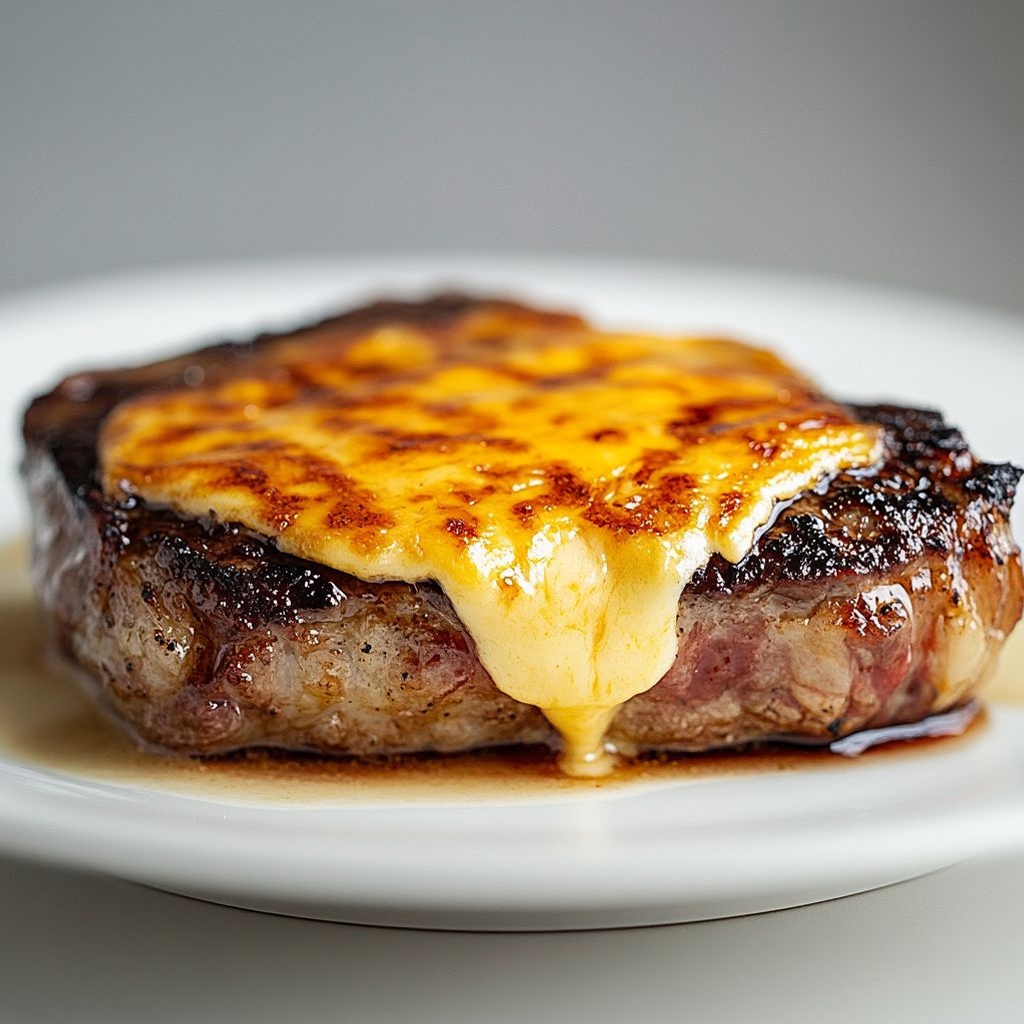
Cheese topping: After the steak is seared and rested, lay 1 cup shredded sharp cheddar (or a 1:1 blend with Monterey Jack) over each steak and briefly cover the pan to melt evenly; you can add 1 tablespoon grated Parmesan for nuttiness if desired; for a crustier finish, add Parmesan on top after the cheddar begins to melt; adjust cheese quantity to your preferred gooeyness or crust.
Optional add-ins: a 1/4 teaspoon smoked paprika for a subtle smoky note; 2 tablespoons chopped fresh chives or scallions for color and mild onion brightness; sprinkle over the finished steak or mix into the cheese topping for extra flavor.
Garnish and serving: garnish with chopped parsley for a bright contrast; rest the steak 5–10 minutes before slicing; slice against the grain to maximize tenderness; serve with a simple side to balance the richness, such as steamed vegetables or a light salad.
Leftovers can be stored in the refrigerator for 2–3 days; reheat gently in a warm skillet, covered to help re-melt the cheese, or briefly in the oven to maintain crust and juiciness.
Tips
Chef’s Tips for Steak with Cheese
- Room-temperature and dry surface. Bring the steaks to room temperature for 30–60 minutes before cooking and pat them dry with paper towels to promote a crisp crust during searing.
- Seasoning timing. Salt generously just before searing, or up to 40 minutes ahead to help flavor penetrate. Freshly ground black pepper should be added just before hitting the pan to maximize aroma and spice crust.
- Choose the right pan and oil. A heavy skillet (like cast iron) performs best for a uniform sear. Use a high-heat oil (avocado or grapeseed) in a thin, even layer to prevent sticking and promote a quick, even crust.
- Develop a deep crust with a proper sear. Patience is key—leave the steak to form a rich crust before flipping. A hot pan and unobstructed surface help achieve Maillard crust and full flavor.
- Butter baste for richness. Once a good sear is achieved, add 2 tablespoons of butter and tilt the pan to baste the steak. If the butter browns too quickly, lower the heat or baste off the heat to prevent burning. Remove from direct heat before cheese is added if desired.
- Garlic and herbs. Add minced garlic early in the baste to release its oils. For optional herbs, add thyme or rosemary to the pan while browning, then remove the sprigs or leaves before resting to avoid overpowering the beef.
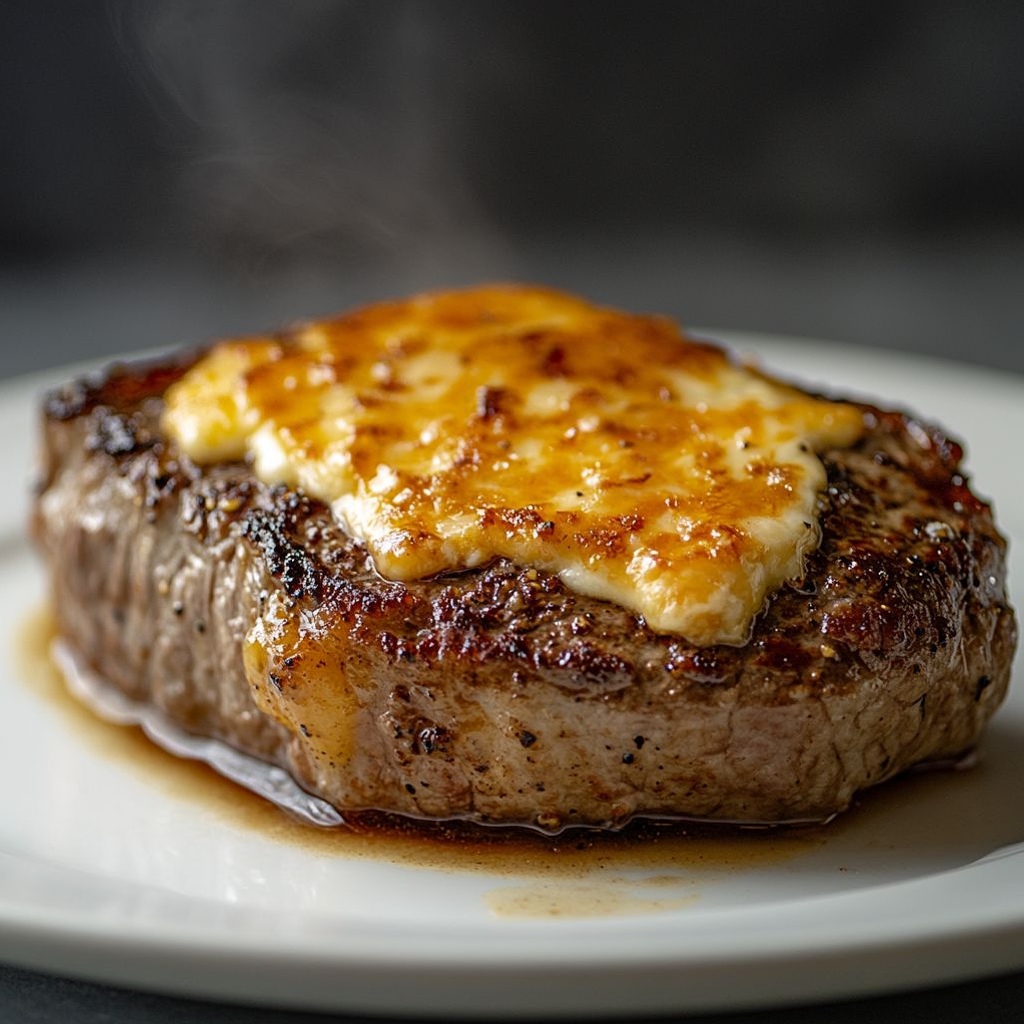
- Cheese topping technique. Shred cheddar (and Monterey Jack if using) just before adding it to the steak for even melt. After searing and resting briefly, top with cheese and cover briefly to melt evenly. Use more or less cheese according to your preferred crusty vs. gooey finish; a quick broil can intensify browning if desired.
- Optional Parmesan and flavor boosters. A tablespoon of grated Parmesan adds a nutty tang and helps with melting when mixed with cheddar; smoked paprika (optional) adds subtle smokiness. Chives or scallions (optional) provide a fresh onion note and color—sprinkle after melting or mix into the cheese.
- Rest and slice for juiciness. Let the steak rest 5–10 minutes after cooking to redistribute juices. Slice against the grain for maximum tenderness and easier cheese topping distribution.
- Plating tips. A light garnish of chopped fresh parsley adds brightness and a clean presentation against the rich beef and cheese.
FAQ
What is Steak with Cheese?
A quick skillet dish where a seasoned steak is seared and finished with melted cheese on top. It’s versatile, with possibilities for different cheese choices and toppings to suit your taste.
What cut of steak should I use?
Good options include ribeye, sirloin, or New York strip. Aim for 1–1.5 inches thick for easy searing and cheese melting. Let the steak come closer to room temperature before cooking and pat it dry for a good crust.
What cheese works best?
Melting cheeses work best: cheddar, provolone, Swiss, Monterey Jack, mozzarella, or Gruyère. For extra flavor, try blue cheese crumbles or a sharp cheddar mix. Use a cheese that melts smoothly and covers the steak.
How do I cook the steak so the cheese melts properly?
Follow these steps:
- Pat the steak dry and season well with salt and pepper (and optional garlic powder).
- Preheat a heavy skillet (cast iron recommended) over high heat.
- Sear the steak 2–4 minutes per side until a crust forms.
- Reduce heat slightly, place cheese on top, and cover the pan or tent with foil to help melt the cheese.
- Let the steak rest 5–10 minutes before slicing to retain juices.
Do I need to marinate the steak?
Marinating is optional for this dish. A simple dry rub of salt, pepper, and optional garlic powder can enhance flavor. If using a marinade, keep it light to avoid overpowering the beef and cheese.
Can I add toppings?
Yes. Popular toppings include caramelized onions, sautéed mushrooms, crispy bacon, jalapeños, or a dollop of garlic butter. Fresh herbs like parsley or chIVES can add color and brightness.
What sides pair well with Steak with Cheese?
Pair with mashed potatoes, roasted or french fries, sautéed greens, grilled asparagus, or a simple salad. Corn on the cob or steamed vegetables also make great accompaniments.
How long does it take to make this dish?
Typically 15–25 minutes total, depending on steak thickness and desired doneness. Searing takes a few minutes, cheese melting a minute or two, and resting about 5–10 minutes.
Is this dish spicy?
Not inherently. It’s mild by default. If you want heat, add sliced jalapeños, pepper jack cheese, or a dash of hot sauce.
How should I store and reheat leftovers?
Store cooked steak with cheese in an airtight container in the refrigerator for up to 3 days. Reheat gently in a skillet or oven, and add a bit of cheese at the end to refresh the melt. Use within a day or two for best texture.
What are some tips for a perfect crust?
Pat the steak dry, use a hot pan, don’t crowd the pan, and avoid moving the steak too much while searing. A light oil with a high smoke point helps achieve a crisp crust without burning the cheese melting stage.