Introduction / Hook
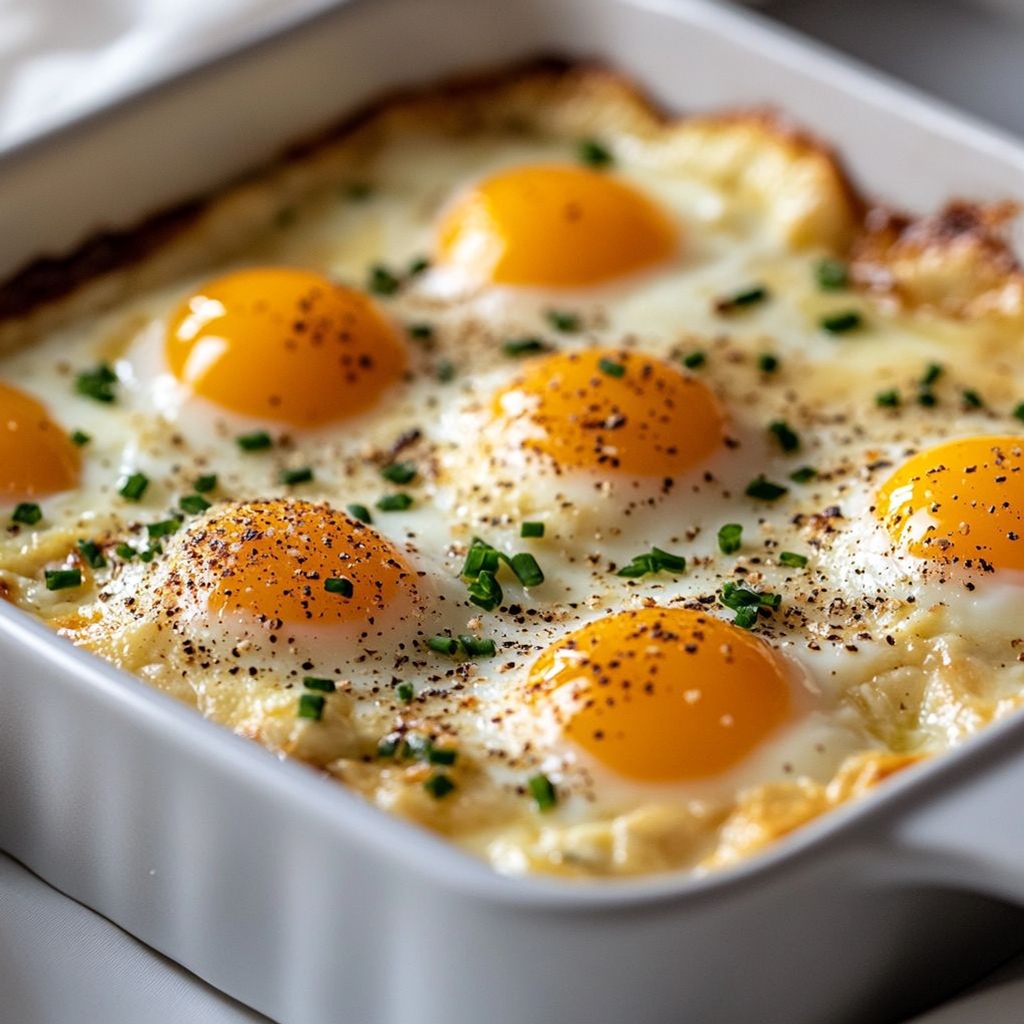
Imagine a humble morning transformed into a warm, fragrant moment of comfort. A dish that hums with the quiet confidence of a country kitchen—creamy, velvety, and just a touch decadent—yet so simple that it feels like a secret you can keep in your apron pocket. Baked Cottage Eggs are that secret: eggs cradled in a cozy, custard-like embrace, with a golden top that promises a gentle, spoonful-by-spoonful reveal of silky yolk and creamy surround. The first sigh of steam escapes as you lift the lid or crack the crusty edge, and the room fills with an aroma that is equal parts dairy, herbs, and freshly baked bread. This is the kind of dish that says: you deserve a moment of indulgence, even on a rushed weekday morning. It’s the kind of recipe that makes your kitchen feel like a welcoming cafe, where the day’s responsibilities fade into the background just long enough for you to savor the first bite.
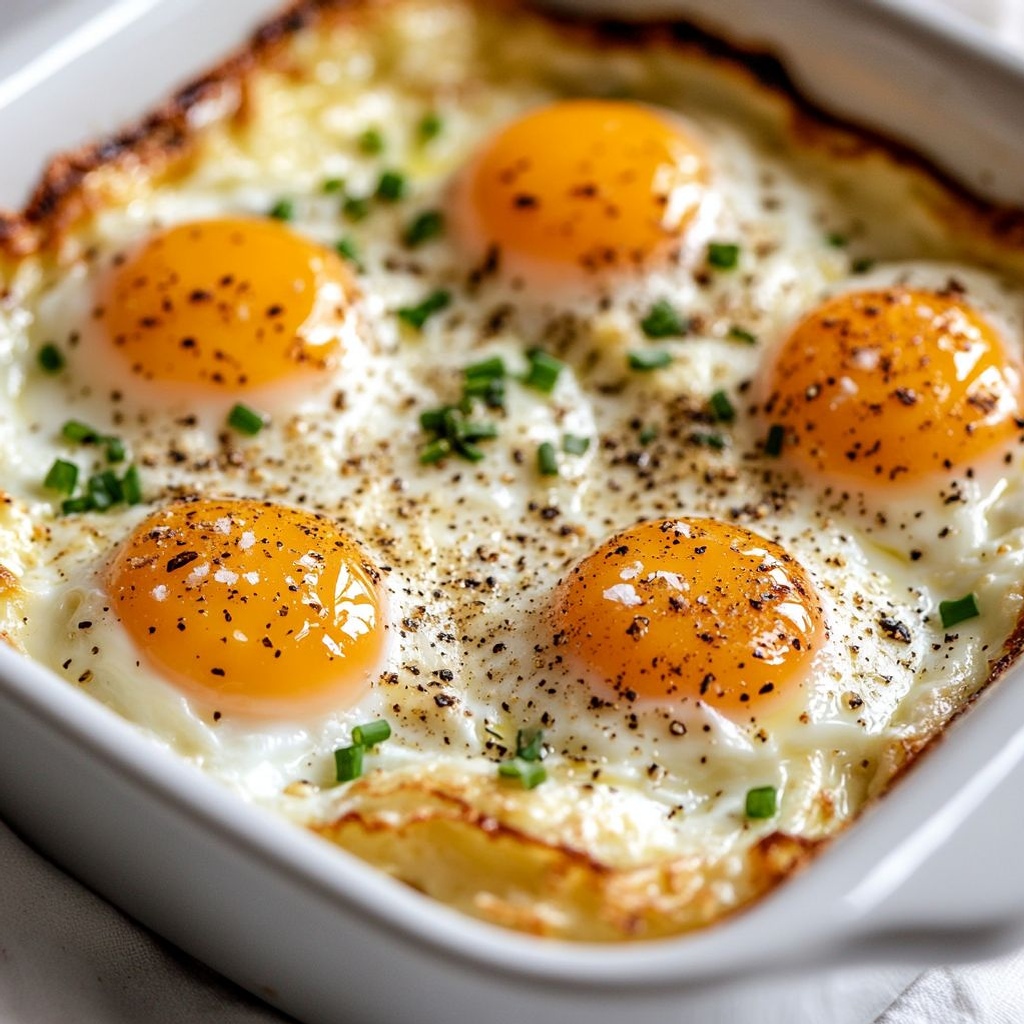
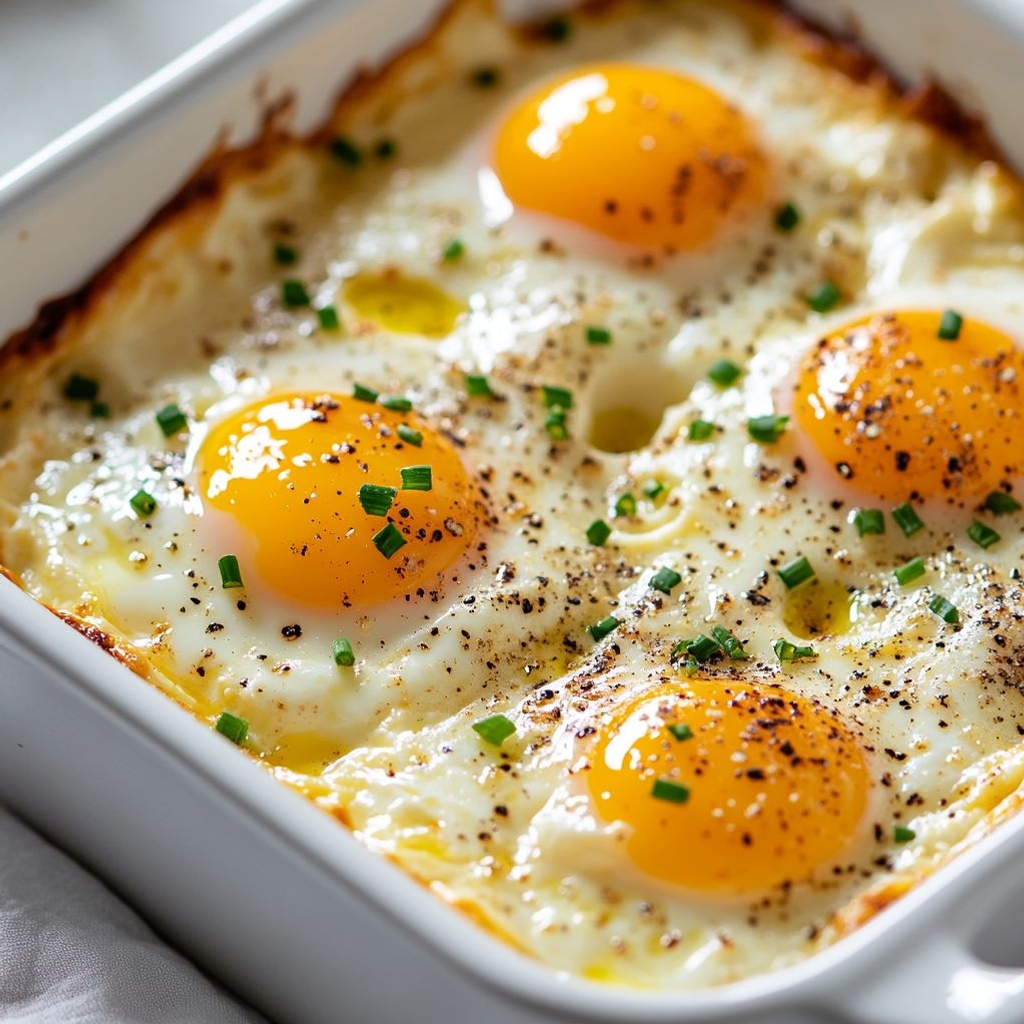
What makes Baked Cottage Eggs truly special is how it balances luxury with homey practicality. It gleams with a glossy, custardy interior and a lightly browned top that crackles ever so softly under the spoon. The experience is tactile as much as it is flavorful: the way the yolk runs, the way the edges crisp ever so slightly against the cradle of cream, the way a nibble of crusty bread picks up the last traces of richness. It’s not a heavy dish, but it feels indulgent in the most comforting, reassuring way—like a hug from a friend who knew you needed a moment of warmth and a bit of sun-drenched flavor on a plate.
Whether you’re starting the day with a lingering weekend brunch, planning a leisurely weekday breakfast for sleepy family members, or simply craving something that feels celebratory without requiring hours at the stove, Baked Cottage Eggs deliver. They invite you to slow down, to notice the scent of simmering dairy and herbs, to watch the surface set with a delicate, custard-like hold, and to experience that satisfying, cohesive bite where textures and flavors converge into a single, satisfying harmony. It’s a dish that begs to be shared, whether you’re feeding a sleepy household, a brunch crowd, or a small table for two who deserves a small ritual before the day begins.
The Story Behind the Dish
Every kitchen has its quiet legends—the recipes that show up when the family is growing, or when a neighborhood needs a comforting fix after a long week. Baked Cottage Eggs belong to that tradition of simple, nourishing fare that travels across generations and borders, morphing with each cook who adds their own touch. The concept of baked eggs in a shallow dish has deep roots in European cuisine, where eggs were often prepared in cocottes or small ramekins with a touch of dairy, herbs, and anything that could be tucked into the oven with them. The cottage version is the rustic, everyday sibling of those refined forms: a dish you could pull from a pantry and a handful of leftover vegetables or herbs to coax every last bit of goodness from the ingredients you have on hand.
In stories from the countryside, mornings were scented with the scent of warm kitchens and the sound of bread cracking as it rose from the oven. Families would gather around a shared dish, savoring the first bite as the sun peeked over hedgerows and the kettle sang softly on the stove. Baked Cottage Eggs capture that mood: a dish that feels intimate and inclusive, as if it were designed to be shared with a neighbor who drops by with a smile. The technique—low and slow, with a gentle heat that lets the eggs set without curdling—reflects the philosophy of many traditional breakfasts: keep it simple, keep it nourishing, and let the natural flavors shine through.
If you’ve ever stood at a stove, watching a pan of eggs become something more with just a few additions, you’ve caught a glimpse of the craft behind this dish. It’s not about bravura technique; it’s about balance—the balance between creaminess and fluff, the balance between the richness of dairy and the bright bite of herbs or greens, the balance between a comforting, almost custard-like interior and a slightly crisp, caramelized top. That balance is what makes Baked Cottage Eggs feel timeless, as though they could have existed in a cottage kitchen a century ago and would still feel perfectly at home on a modern brunch table today.
Beyond the kitchen, the dish carries a narrative of hospitality. It invites conversation and timing, the way a well-prepared meal does—where the clink of forks, the soft laughter, and the aroma that lingers in the air become part of the experience. It’s not just what you’re eating; it’s the moment you’re creating together—meals that become memories because they arrive with warmth, patience, and a few delicate touches that make the ordinary feel extraordinary.
Why You’ll Love This Recipe
- Quick and comforting: A cozy, satisfying dish that comes together with minimal hands-on time and cooks in a single, modest pan or ramekins.
- Creamy to the core: The interior is gently set and luxuriously creamy, yielding a yolk that glides out with a silky ribbon when pierced.
- Versatile and forgiving: Adaptable to what you have on hand—soft greens, mushrooms, herbs, or a hint of cheese can all sing in this format without overpowering the eggs.
- Budget-friendly brunch staple: Eggs and dairy are economical, making this a smart choice for feeding a crowd without fuss.
- One-dish convenience: Minimal cleanup and a streamlined workflow that fits easily into busy weekends or casual mornings.
- Family-friendly comfort: A dish that delights both kids and grown-ups, calling for simple toasts, crisp bacon or sausages for those who like a heartier plate, and a fresh salad on the side for balance.
- Elegant yet approachable: It feels special enough for a celebration yet remains approachable for a weekday treat—perfect for a “treat-yourself” moment or a shared family meal.
- Room to customize: Suitable for vegetarians (with dairy and herbs as the stars) and adaptable for dairy-free tweaks or gluten-free plates if served with appropriate sides and ingredients.
Flavor Profile & Texture
Baked Cottage Eggs deliver a symphony of textures and flavors that play off one another with graceful resonance. The interior is a custard-like cradle—soft, slightly wobbly, and luxuriously smooth. This creaminess comes from the gentle marriage of dairy (or dairy alternatives) with the eggs, coaxed to set without stiffening into a rigid mass. The result is a luscious, almost satin-like bite that dissolves on the tongue and leaves a delicate richness lingering behind.
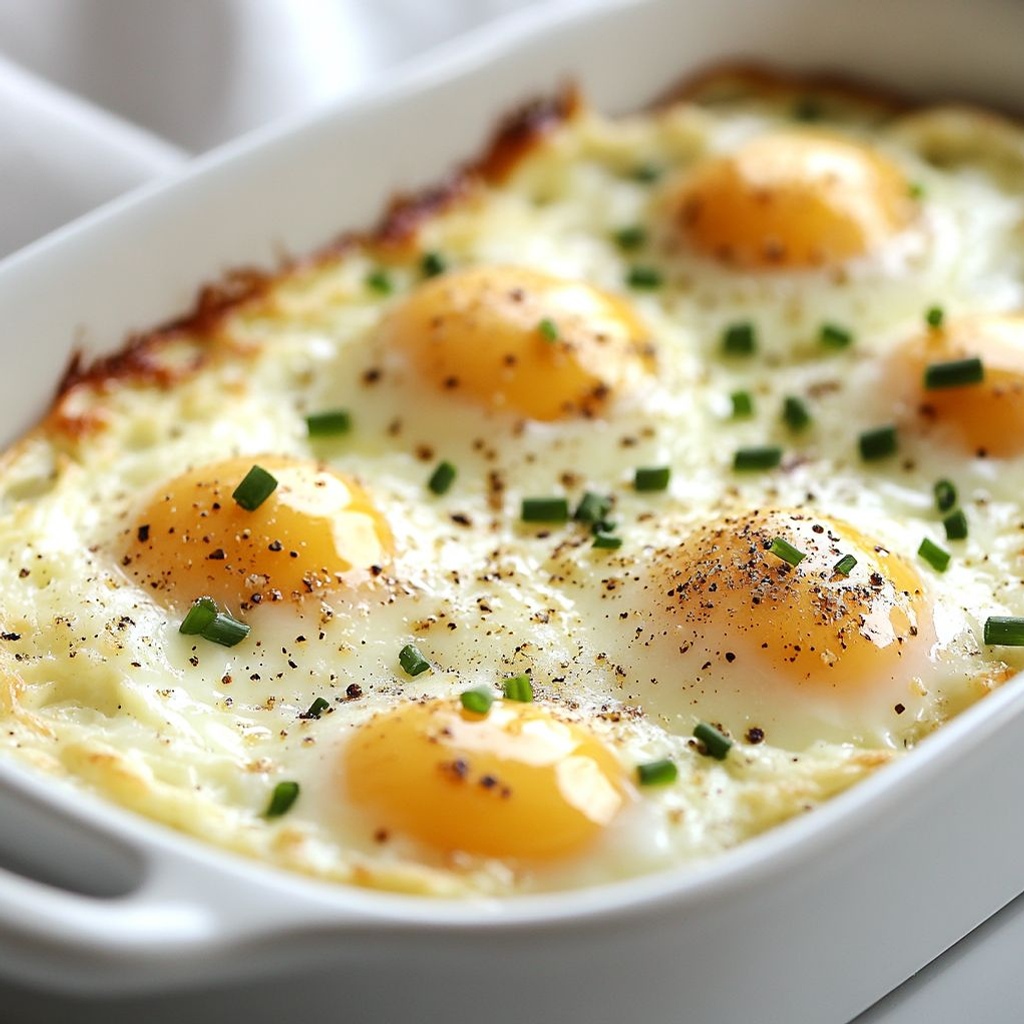
The top layer, when browned ever so lightly, provides a delicate, almost caramelized edge that offers a subtle crunch and a toasty fragrance. That contrast—creamy below, crisp-topped above—creates a satisfying bite from the very first spoonful. Aromatics and herbs—think gentle notes of thyme, chives, or parsley—bring a fresh, peppery brightness that acts like a bright counterpoint to the decadent interior. If a hint of cheese or a whisper of garlic finds its way into the dish, it elevates the flavor with a friendly whisper rather than shouting it from the plate. The overall mouthfeel is rounded and comforting, with a velvety finish that lingers long enough to prompt a contented sigh between bites.
Texture-wise, you’ll notice a slow, almost pillowy set around the edges that remains irresistibly creamy toward the center. This contrast is what makes the dish so engaging: a gentle firmness gives way to silkiness, and a final bite might reveal a faint, almost eggy sweetness that complements the savory dairy and herbs. The aroma—softly nutty from the browning, with herbal brightness—prepares your palate for the first taste and then lingers as a memory after the plate is cleared. It’s the kind of flavor profile that feels familiar, but with an indulgent twist that makes it stand apart from a simple fried egg or a standard omelet.
Occasions & Pairings
Baked Cottage Eggs shines in a variety of settings, from quiet weekends at home to lively brunches that bring friends together. Here are some ways to think about when and how to serve this dish—and what to pair with it for a complete, satisfying meal.
- Weekend brunch with friends: A centerpiece dish that’s simple to scale up for a crowd with minimal extra effort. Pair with a crisp salad, a loaf of buttered bread, and a sparkling beverage or a light white wine for a celebratory vibe.
- Weeknight comfort dinner: Serve alongside a vibrant green vegetable or a quick-put-together sauté to balance the richness. A simple citrusy yogurt or herb-dressed salad can brighten the plate.
- Holiday mornings: Elevate the dish with a few seasonal greens or a hint of roasted vegetables folded into the base, turning it into a more substantial, festive breakfast or early lunch.
- Special occasions without fuss: Use high-quality eggs and a few premium herbs to transform an everyday morning into something memorable without demanding hours in the kitchen.
Pairings to consider (adjust based on your plate and taste):
- Crusty bread or rustic toast for mopping up the creamy center.
- A light, peppery arugula salad or crisp radish slivers to cut through richness.
- Fresh fruit or a simple citrus salad to add brightness and balance.
- Accompaniments such as smoked salmon, crisp bacon, or sautéed mushrooms for a more indulgent brunch.
- Drinks: a chilled sparkling wine, a light white such as Sauvignon Blanc, or a citrusy mocktail for a non-alcoholic option.
Tips, Variations & Substitutions
One of the joys of Baked Cottage Eggs is how forgiving and adaptable it is. Here are ideas to tailor the dish to your pantry, dietary needs, or cravings, without stepping away from its comforting core.
Flavor boosters and herb hacks
- Fresh herbs: Thyme, chives, tarragon, or parsley add aroma and brightness. Use a single herb or a small mix to keep the flavor clean.
- Garlic v. garlic-free: A tiny whisper of minced garlic can wake the dish up, but go easy if you prefer a milder profile that lets the eggs shine.
- Peppers and spice: A pinch of paprika, white pepper, or a delicate chili flake adds warmth without overpowering the eggs.
Protein and vegetable variations
- Green additions: Wilted spinach, kale, or chard; sauté briefly to remove moisture and fold into the base for a verdant note.
- Mushrooms or leeks: Lightly sautéed mushrooms or softened leeks bring earthiness and depth.
- Seafood option: A touch of smoked salmon or a few shrimp turned pink just before finishing adds a luxurious oceanic accent.
Dietary-friendly twists
- Vegan adaptation: Use silken tofu or a chickpea-based mix with nutritional yeast for a creamy, egg-free version. The bake time may need slight adjustment for a firmer set.
- Gluten-free considerations: This dish is naturally gluten-free as long as you’re mindful of any bread served with it; choose gluten-free bread if you want a toast on the side.
- Lower-fat version: Use a light dairy or dairy-free alternative and add extra herbs to brighten flavor without relying on richness.
Regional twists
- French influence: A touch of crème fraîche or a light grating of cheese on top before baking can elevate the dish to a more classic œufs en cocotte vibe.
- British cottage kitchen feel: A sprinkle of cracked black pepper and finely chopped chives, with a crusty farm loaf on the side, evokes a simple, comforting morning.
Storage & Make-Ahead Ideas
The beauty of this dish is in its flexibility for make-ahead or leftovers. With a few mindful steps, you can assemble, chill, and bake when you’re ready, or store what you’ve baked for later enjoyment.
Leftovers: If you have any, store in an airtight container in the refrigerator for up to 2 days. Reheat gently in a low oven or microwave, adding a splash of fresh cream or a sprinkle of herbs to refresh the surface and prevent drying.
Make-ahead: You can assemble the base mixture in a baking dish and refrigerate it for up to 24 hours before baking. This allows you to wake up, slide the dish into the oven, and enjoy a leisurely, hands-off brunch. If you’re baking in ramekins, you can pre-portion the base into the dishes, cover, and chill; bake directly from the fridge, noting that the bake time may increase slightly to ensure the center sets properly.
Freezing: While eggs don’t always freeze beautifully due to texture changes, you can prepare components ahead: pre-sautéed vegetables, herbs, and dairy mixtures can be frozen and stirred into the base upon reheating. It’s not a perfect one-to-one replacement for fresh eggs, but it’s a practical way to streamline future mornings.
Fun Facts & Trivia (Optional)
- Eggs en cocotte, a French origin concept, translates to “eggs in a little dish,” a method that aligns with the cottage-style simplicity of this recipe.
- Egg yolks have a natural emulsifying property that helps blend dairy into a gentle custard, which is part of what makes baked eggs so luxuriously creamy without heavy dairy reliance.
- Many households have a “signature brunch dish” that’s a variation of baked eggs; what makes Baked Cottage Eggs special is its ability to honor simplicity while offering room for personal touches—your own family traditions can become part of the dish’s evolving story.
- Texture contrast is a hallmark of this dish: a soft, custardy interior balanced by a lightly browned, crisp top creates a triumvirate of sensations that keeps the palate engaged from first bite to last.
- In some regions, cooks add a whisper of cheese or a dollop of cream into the baking dish to intensify the luxury factor; in others, they favor a clean, minimalist approach that highlights the egg’s natural richness.
By embracing the spirit of Baked Cottage Eggs, you’re not just cooking; you’re inviting a moment of sanctuary into a busy day. The dish’s enduring appeal lies in its versatility, its ability to feel both rustic and refined, and its invitation to savor the simple, honest flavors that eggs, dairy, herbs, and a modest bake can deliver. So preheat the atmosphere with warm light, gather your favorite herbs, and let the kitchen become your cozy corner of the world where every morning begins with a small, soulful triumph: a plate of baked eggs that tastes like home, no matter where you are.
Ingredients
Baked Cottage Eggs
- 2 cups small-curd cottage cheese (drained)
→ The cottage cheese provides moisture and protein, forming the creamy base for the custard that bakes with the eggs. For a smoother texture, drain well and, if lumps persist, briefly blend the cottage cheese with the eggs to break them up. Use full-fat cottage cheese for a richer, creamier result or part-skim for a lighter feel; avoid watery varieties by letting it drain longer or pressing gently with a spoon. - 4 large eggs (beaten)
→ Eggs act as the binding and structure for the baked custard, helping everything set into a cohesive dish. Beat the eggs until the yolks and whites are just combined, then whisk into the cottage cheese mixture gradually to keep a smooth texture. Avoid overbeating once combined to prevent a dense, rubbery finish; room-temperature eggs will blend more evenly. - 1/2 cup milk (or unsweetened plant-based milk)
→ The milk loosens the mixture to a pourable custard consistency and prevents it from drying out as it bakes. Use whole milk for a richer mouthfeel or a dairy-free option like almond or oat milk if needed. If your cottage cheese is very high in moisture, you may start with a smaller amount and add a splash more if the mixture seems too thick. - 2 cups fresh spinach, chopped
→ Spinach adds color, vitamin content, and a light, grassy note that balances the richness. Chop finely to distribute evenly; if you prefer a softer texture, sauté the spinach briefly with a pinch of salt and a tiny bit of oil until wilted and most moisture has evaporated, then cool before mixing in. If using frozen spinach, thaw completely and squeeze out as much moisture as possible to avoid a watery bake. - 1 cup cherry tomatoes, halved
→ Tomatoes introduce brightness and acidity that cuts through the richness of the eggs and cottage cheese. Halving them ensures even distribution and faster, uniform cooking. If tomatoes are very juicy, you can pat them dry with a clean towel to reduce extra moisture in the bake. - 1/2 cup onion, finely chopped
→ Onion provides savory depth and a slight sweetness that complements the creamy base. For a milder flavor, sauté the onion in a teaspoon of olive oil until translucent and soft before adding to the mix; this also reduces sharpness and excess moisture. If you prefer a milder bite, use a sweet yellow onion or shallot. - 2 cloves garlic, minced
→ Garlic enhances the overall aroma and depth of flavor. Mince finely so it distributes evenly and cooks through during baking; you can sauté it briefly in the onion to mellow its bite and infuse the oil, then add to the mixture for a more uniform garlic presence. - 1/2 teaspoon salt
→ Salt amplifies all flavors and helps balance the richness of the cottage cheese and eggs. If you’re using salted cheese or toppings, start with less and taste after the bake, adjusting with a pinch more salt if needed. For lower-sodium diets, reduce or omit and rely on fresh herbs and pepper for brightness. - 1/4 teaspoon black pepper
→ Freshly ground black pepper adds a gentle heat and aromatic sharpness that lifts the custard. Grind just before using for the most vibrant aroma; adjust to taste, especially if your toppings include salty cheeses. - 1/2 teaspoon paprika (smoked or sweet)
→ Paprika adds color and a nuanced warmth that complements eggs and cottage cheese. Smoked paprika provides a subtle smoky note; choose sweet paprika if you prefer a milder, fruitier flavor. Adjust to your paprika tolerance and pair with the garlic for a well-rounded profile. - Pinch red pepper flakes (optional)
→ A light kick of heat can brighten the dish and balance the richness. Omit for a mild version or increase slightly if you like a stronger spice. If using, sprinkle sparingly to avoid overpowering the delicate custard. - 1 tablespoon olive oil (for greasing dishes)
→ Oil ensures easy release of the baked eggs and adds a touch of flavor to the edges. Brush the inside of ramekins or a baking dish with the oil or use a light nonstick spray; you can also sauté vegetables briefly in olive oil to enrich their flavor and reduce sticking. - 1/2 cup grated cheddar cheese or parmesan (divided)
→ Cheese melts into the custard to create a silky, cheesy pull and a lightly golden top. Reserve about half to fold into the mixture for even distribution and sprinkle the rest on top for a bubbly, browned crust. Parmesan will yield a sharper taste, while cheddar adds creaminess; you can mix cheeses to taste. - 2 tablespoons fresh dill or chives, chopped (optional)
→ Fresh herbs brighten the dish with a fresh, aromatic finish that complements eggs. Dill pairs well with cottage cheese and tomatoes, while chives offer a milder onion-like note. Fold into the mixture or sprinkle on top after baking for color and fragrance.
Instructions
- Preheat your oven to 350°F (175°C) and generously grease six small ramekins or a shallow baking dish with olive oil, ensuring every interior surface is coated.
→ Preheating and proper greasing guarantee even cooking from the outset and prevent the custard from sticking, which makes cleanup and portioning much easier. - Drain cottage cheese very well in a fine sieve for at least 5 minutes, pressing gently with the back of a spoon to remove excess whey; if lumps persist, briefly blend the cottage cheese with the eggs to break them up.
→ Removing moisture and breaking up lumps creates a smooth, cohesive base that integrates seamlessly with the eggs, producing a creamier custard rather than a grainy texture. - Heat a teaspoon of olive oil in a small skillet over medium heat and sauté the finely chopped onion until translucent, about 3–4 minutes, then add minced garlic and cook 15–30 seconds more; remove from heat and cool.
→ Sweating the onion develops sweetness and reduces sharpness, while brief garlic cooking mellowing its bite ensures a balanced seasoning throughout the bake. - Wilt the spinach: if using fresh spinach, chop finely and cook briefly in a skillet with a pinch of salt until just wilted, about 1–2 minutes, then transfer to a plate to cool; if using frozen spinach, thaw completely and squeeze out as much moisture as possible.
→ Removing excess moisture prevents a watery bake and evenly distributes greens for uniform texture in every bite. - Halve the cherry tomatoes and pat them dry with a clean kitchen towel to remove excess surface moisture so they don’t release too much juice during baking.
→ Patting dry minimizes liquid pooling in the custard, which helps maintain a creamy, cohesive texture. - Whisk the eggs in a medium bowl until the yolks and whites are just combined, taking care not to overbeat, then let them rest briefly to come to room temperature for better emulsification.
→ Lightly beaten eggs blend more evenly with the cottage cheese and milk and prevent a dense, rubbery texture; room-temperature eggs incorporate smoothly into the mixture. - In a large bowl, whisk the drained cottage cheese with the beaten eggs, then gradually whisk in the 1/2 cup milk until the mixture is smooth and pourable.
→ Gradual incorporation of milk keeps the base homogeneous and helps prevent separation, yielding a silky custard. - Season the base with 1/2 teaspoon salt, 1/4 teaspoon black pepper, 1/2 teaspoon paprika, and optional pinch of red pepper flakes; whisk to distribute evenly and prevent uneven pockets of salt or spice.
→ Proper seasoning at this stage ensures flavor is balanced throughout the dish and enhances the custard’s depth without needing excessive finishing salt later. - Fold the cooled onion and garlic mixture, chopped spinach, and halved tomatoes into the custard gently with a silicone spatula; fold until just combined and the vegetables are evenly distributed, taking care not to crush the tomatoes; if using, fold in 2 tablespoons fresh dill or chives now.
→ Gentle folding preserves texture and color so every bite contains evenly distributed vegetables and herbs for brightness. - Stir in 1/2 cup grated cheddar cheese or parmesan, mixing it evenly into the custard; reserve about half of the cheese to sprinkle on top for a bubbly, golden crust.
→ The cheese enriches the custard and contributes a desirable melt and browning; reserving some for the topping ensures a visually appealing finish. - Divide the mixture evenly among the prepared ramekins or baking dish, smoothing the surface with a spatula to ensure even thickness for uniform cooking.
→ Even portions bake at the same rate, preventing undercooked centers or overcooked edges, and a smooth surface promotes consistent browning. - Sprinkle the remaining cheese on top and bake in the preheated oven until the custard is set and the top is lightly golden, about 25–35 minutes depending on dish size; rotate pans halfway through if using multiple dishes.
→ A gentle bake sets the custard while the top browns into a pleasant crust; rotating ensures even heat exposure and uniform doneness across all portions. - Remove from the oven and let the cottage eggs rest for 5–10 minutes before serving to allow the custard to finish setting and to facilitate clean slicing or scooping.
→ Resting lets the structure firm up, making serving tidy and preventing the filling from sliding out of place. - Garnish with chopped fresh dill or chives if desired, then serve warm as a savory brunch or light breakfast.
→ Fresh herbs add aromatic brightness that highlights the creamy base and vegetables, while serving warm preserves the tender, cohesive texture.
Notes
These gluten-free baked cottage eggs are a creamy, comforting dish that layers cottage cheese with eggs, milk, spinach, and cherry tomatoes for a bright, savory bake. For best texture, drain the cottage cheese thoroughly and, if lumps persist, briefly blend it with the eggs to create a smooth custard; use full-fat cottage cheese for richness or part-skim for a lighter result. Be mindful of moisture: sauté or pat-dry spinach if using frozen, pat tomatoes dry if very juicy, and adjust milk if your cottage cheese is extra moist. To finish, fold half the grated cheese into the mixture and sprinkle the rest on top for a molten, golden crust. Add optional fresh dill or chives for a fragrant finish; a pinch of red pepper flakes adds a gentle warmth if you like a bit of heat. These bake beautifully in individual ramekins or a casserole dish; serve with a simple green salad or gluten-free toast for a complete meal. Always ensure all ingredients, including any cheese blends or toppings, are certified gluten-free if you have gluten intolerance.
Tips
- Drain cottage cheese thoroughly. Press gently with a spoon or paper towels to remove excess moisture; for a smoother custard, pulse the cottage cheese with the eggs briefly in a processor or whisk vigorously until smooth.
- Use room-temperature eggs. They blend more evenly with the cottage cheese and help prevent a dense texture.
- Balance moisture from the cottage cheese. If your cheese is very wet, drain longer or press again, then measure the moisture level before mixing. You can start with slightly less milk and add a splash more if needed.
- Spinach handling matters. Wilt or sauté the spinach and squeeze out as much moisture as possible to prevent a watery bake; chopped well helps even distribution.
- Tomatoes love a dry cushion. Halved cherry tomatoes are great for distribution; pat them dry to minimize extra liquid in the bake.
- Onion and garlic flavor base. Sauté the onion until translucent and the garlic just fragrant before adding to the mix to mellow sharpness and reduce moisture.
- Seasoning balance. Start with the listed salt and pepper and adjust after tasting a baked test piece, especially if using salty cheeses.
- Herb upgrade. Fresh dill or chives brighten the dish; fold into the mixture or sprinkle on top after baking for aroma and color.
- Cheese strategy. Reserve about half of the grated cheese to fold into the custard and top with the rest for a bubbly, golden crust. Mix cheddar for creaminess with parmesan for a sharper finish.
- Spice control. Red pepper flakes add a gentle heat; omit for a milder version or increase slightly for more kick, keeping in mind the delicate custard.
- Make-ahead options. You can assemble the mixture (without toppings) and refrigerate up to 2 hours; bring to room temperature before baking to ensure even cooking.
- Oven and bake timing. Bake in a preheated 350–375°F (175–190°C) oven until just set and edges are lightly golden, about 25–35 minutes depending on dish size; rotate once for even browning.
- Doneness test. Gently shake the baking dish—center should be mostly set but slightly wobbly; the custard will firm as it rests.
- Rest and serve. Let the dish rest 5 minutes after removing from the oven; garnish with extra dill or chives and a drizzle of olive oil if desired.
- Ingredient substitutions. If you don’t have cottage cheese, ricotta works in a 1:1 swap, though texture will differ; dairy-free and lower-fat options can be used with slight texture and flavor adjustments.
FAQ
What are baked cottage eggs?
Baked cottage eggs are a comforting breakfast or brunch dish where eggs are cracked into a small dish (often a ramekin) layered with cottage cheese and seasonings, then baked until the eggs are set. The result is a creamy, fluffy center with a lightly baked exterior.
What ingredients do I need for baked cottage eggs?
Core ingredients: eggs, cottage cheese, milk or cream to loosen the mixture, salt and pepper, and fresh or dried herbs (like parsley or chives). Optional additions include spinach, diced tomatoes, mushrooms, onions, grated cheese for topping, and a little olive oil or butter for greasing the dish.
Can I customize the flavors and add-ins?
Yes. Try spinach and feta, sun-dried tomatoes with oregano, mushrooms and onions, or just a simple herb and cheese combination. You can swap cottage cheese for ricotta or use a bit of shredded cheese on top for extra richness. For a lighter version, use low-fat cottage cheese and skim milk.
How do I prepare baked cottage eggs step by step?
Preheat the oven to 350–375°F (180–190°C). Lightly grease ramekins. In a bowl, mix cottage cheese with milk/cream, salt, pepper, and herbs. Divide the mixture among ramekins, crack one egg into each, and optionally drizzle a little extra milk. Bake in a shallow water bath (optional) for 12–20 minutes, until whites are set and yolks are cooked to your liking. Remove and serve hot.
How long do baked cottage eggs take to bake, and how can I tell they’re done?
Fluffy, set whites with a slightly runny yolk typically take about 12–14 minutes for soft yolks, up to 18–20 minutes for firmer yolks. You want the whites fully set and the yolk to your preferred doneness. If using a thermometer, aim for about 160°F (71°C) at the center for fully set whites and yolks.
What cookware should I use?
Use oven-safe ramekins (6–8 oz each) or small baking dishes. A muffin tin can work for multiple single-serving portions. If you’re worried about sticking, lightly grease the dishes and consider a thin layer of butter or oil. A shallow baking dish or sheet can be used if you don’t have individual ramekins.
Can I make baked cottage eggs ahead of time?
You can prep the cottage cheese mixture and herbs up to a day ahead, then assemble in the ramekins and refrigerate. Crack the eggs just before baking and bake as directed. For best texture, bake soon after assembling rather than letting assembled dishes sit long in the fridge.
How should I store leftovers and how do I reheat them?
Store leftovers in an airtight container in the refrigerator for up to 2–3 days. To reheat, warm in a 350°F (175°C) oven for 8–12 minutes, or microwave in short bursts until heated through. Reheating may slightly overcook the yolks, so check early.
What are common mistakes to avoid?
Avoid overmixing the cottage cheese, which can make the texture too dense. Don’t skip greasing the dishes, especially if you’re not using a water bath. Avoid adding too much liquid, which can pool around the eggs. Also, don’t overbake; the yolks should stay creamy rather than hard.
Are baked cottage eggs suitable for special diets?
They can be made gluten-free and dairy-friendly by using cottage cheese and milk without additives. To make them dairy-free, you’d need a suitable substitute for cottage cheese and eggs (e.g., tofu-based or plant-based alternatives) and note that texture will differ. For a lower-fat version, use low-fat cottage cheese and skim milk.
What can I serve with baked cottage eggs?
Pair them with crusty bread or toast, a fresh salad, avocado slices, or lightly sautéed vegetables. A simple fruit side or a dollop of hot sauce or salsa can add a nice zing. They also work well with a light grain like quinoa or barley for a heartier brunch.