Introduction / Hook
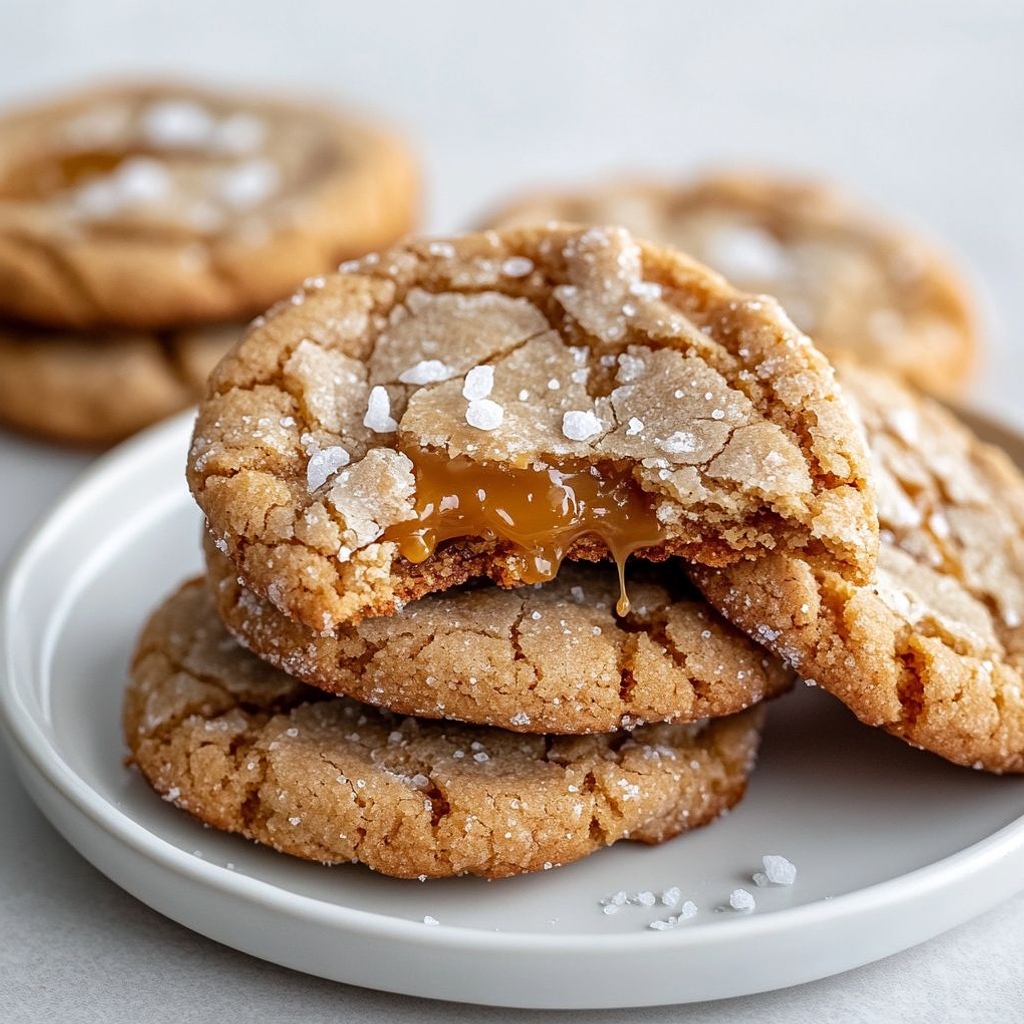
Imagine a warm, golden batch cooling on a rack, the kitchen filling with a soft, irresistible aroma that hints at carnival sweetness and ocean air all at once. The first bite delivers the kind of moment you remember long after the cookie is gone: a delicate crackle as the edge gives way to a tender, chewy heart, ribbons of molten caramel gliding across the tongue, and a gentle kiss of sea salt that makes every sweetness sing. Salted caramel cookies are not merely dessert; they are a small celebration—the kind of treat that elevates a weekday afternoon into something memorable, a gathering into a shared ritual, a single bite into a memory you’ll crave again and again. In this description, you’ll discover a recipe that honors that magic while inviting you to bring your own twists, your own stories, and your own kitchen sunshine to the mix. Get ready to savor a cookie that feels both familiar and wonderfully new, a modern classic with caramel at its core and salt to keep it lively, balanced, and irresistibly crave-able.
The Story Behind the Dish
Salted caramel is a love letter to contrasts—sweet meets savory, buttery richness meets ocean-kissed minerals, a lush, velvety center with a crackly, meringue-like edge. The origins of salted caramel are a collage of culinary curiosity across continents: a French affinity for beurre salé, a hint of improvisation in bustling American bakeries, and a global appetite for “sweet with a wink of salt.” It’s said that a seaside pastry chef, while testing caramel in a bustling kitchen, forgot about a pan for a heartbeat and watched as sugar deepened to a bronzed amber and a pinch of salt danced into the glaze. The result was an instant revelation—a flavor profile that felt both comforting and adventurous, a story told in the language of taste. From that moment on, salted caramel found its way into candies, ice creams, sauces, and, most joyfully, cookies.
Cookies, with their simple, humble origins, offer the perfect canvas for the salted caramel romance. A cookie dough can be plush and forgiving, a warm cradle for caramel pockets and scattered salt crystals. The result is a bite that feels like a conversation—the sweetness of caramel inviting you to lean in, and the salt nudging the conversation toward balance, keeping you coming back for just one more bite. This particular interpretation of salted caramel cookies is a tribute to that history while also making space for modern improvisation: a dough that holds together with a tender crumb, generous swirls or pockets of caramel, and a disciplined sprinkle of flaky salt that crowns each finished cookie like a tiny, edible jewel. It’s a dish you can tell stories about—of childhood bakeries, seaside markets, late-night test runs, and the comforting certainty of a cookie that hits the table with confidence and warmth.
Why You’ll Love This Recipe
- Uncomplicated indulgence: a straightforward cookie dough that bakes into soft, chewy centers and crisp edges—perfect for both novices and seasoned bakers.
- Caramel that feels luxurious without being cloying: melt-in-your-mouth pockets or ribbons of caramel that ooze just enough to enchant every bite.
- Perfect balance of sweet and salt: a light sprinkle of flaky sea salt that amplifies flavor without overpowering the caramel’s depth.
- Versatile and adaptable: friendly to substitutions, tweaks, and personal touches, so you can tailor the cookie to your kitchen and your mood.
- Make-ahead friendly: partial prep can be done in advance, letting you bake fresh, week-by-week, without sacrificing texture or flavor.
- Shareable joy: these cookies travel well, wrap beautifully as gifts, and pair wonderfully with coffee, milk, or a glass of sparkling dessert wine.
- Comforting nostalgia with modern flair: a childhood favorite reimagined with a sophisticated caramel twist that still tastes like coming home.
Flavor Profile & Texture
Salted caramel cookies offer a symphony of sensations. The first impression is textural: a delicate crackle on the surface gives way to a melt-in-your-mouth softness. The edges are crisp and brittle, offering a satisfying snap that contrasts with the tender interior. Inside, a soft, almost fudgy crumb invites the bite to linger, releasing a gentle sweetness that isn’t cloying but warmly caramelized. The caramel notes should feel luxurious yet not heavy—a smooth, buttery richness that coats the palate and invites another bite. The salt, fine and intentionally modest, acts like a conductor, heightening the caramel’s sweetness and sharpening the flavor with a mineral wink. It doesn’t shout; it harmonizes.
You’ll notice nuanced flavors that echo the cookies’ dual nature—the comforting familiarity of a classic chocolate-chip-like dough, lightly toasted butter, caramel’s orchard-brown sugars, and a quiet, salt-kissed finish. The texture is what makes salted caramel cookies memorable: a moist, chewy center that stays soft for longer than a typical cookie, with a crisp outer ring that crackles when fresh from the oven. In the mouth, the caramel seems to float into tiny ribbons—little streams of sweetness that interweave with the dough and then recede, leaving a lingering, satisfying aftertaste. The combination of warmth, saltiness, and caramel glow can feel almost cozy, like a hug from a familiar recipe that has learned a little sophistication along the way.
Occasions & Pairings
Salted caramel cookies are versatile enough to fit many moments, from cozy family nights to elegant gatherings. They work beautifully as a centerpiece of a holiday cookie platter, a thoughtful gift in a tin, or a spontaneous, comforting treat to pair with a cup of coffee after a long day. Their rich, dessert-like character makes them a natural companion to a wide range of beverages and accompaniments:
- With beverages: a glass of cold milk, a latte or cappuccino, or a light, sparkling dessert wine. The contrast between a bubbly drink and a chewy, caramel-laden bite can be unexpectedly delightful.
- With dessert ensembles: pair with a dollop of vanilla or sea-salt ice cream for a mini sundae experience, or serve alongside a tart lemon bar to contrast caramel’s sweetness.
- Seasonal occasions: ideal for holiday cookie boxes, bake sales, or a friend’s birthday gift exchange—the gold-wrapped, small-batch charm that feels special yet accessible.
- Everyday indulgence: a treat to bake on a rainy afternoon, a reward after a long workout, or a comforting snack when you need a moment of quiet satisfaction.
Tips, Variations & Substitutions
Here are ideas to customize and elevate salted caramel cookies while staying true to their essence. Each option preserves the core balance of sweetness, salt, and buttery richness, giving you ways to adapt to dietary needs or personal taste.
Classic Tweaks
- Butter power: use browned butter to deepen the nutty, toasty notes that complement caramel beautifully.
- Salt level: adjust the salt scatter to your taste. A pinch more salt will sharpen the caramel flavors; a lighter touch yields a sweeter, more delicate finish.
- Texture control: bake a minute or two longer for crisper edges, or shorter for a more tender center. The result is a cookie that can wander between chewy and soft, depending on your preference.
Vegan & Gluten-Free Options
- Vegan: swap dairy butter for a high-fat plant-based butter, and use a plant-based caramel or a drizzle of maple syrup to mimic caramel sweetness. Ensure the sugar you use is vegan if needed.
- Gluten-free: use a gluten-free flour blend with a touch of almond flour to maintain tenderness. You may need a little extra binding agent, such as a flax egg substitute, if your blend requires it.
Regional Twists & Flavor Variations
- Espresso caramel: add a subtle espresso powder to the dough and pair with a darker caramel for a mocha-inspired bite.
- Sea-salt caramel with pretzel crunch: fold in crushed pretzels or sprinkle with a finer salt for a more pronounced crunch and contrast.
- Nutty play: add a handful of chopped pecans or hazelnuts for extra texture and a roasted, nutty aroma that pairs well with caramel.
- Brown butter and vanilla: enhance the vanilla notes and butter aroma by browning the butter before mixing it into the dough.
Flavor & Texture Experiments
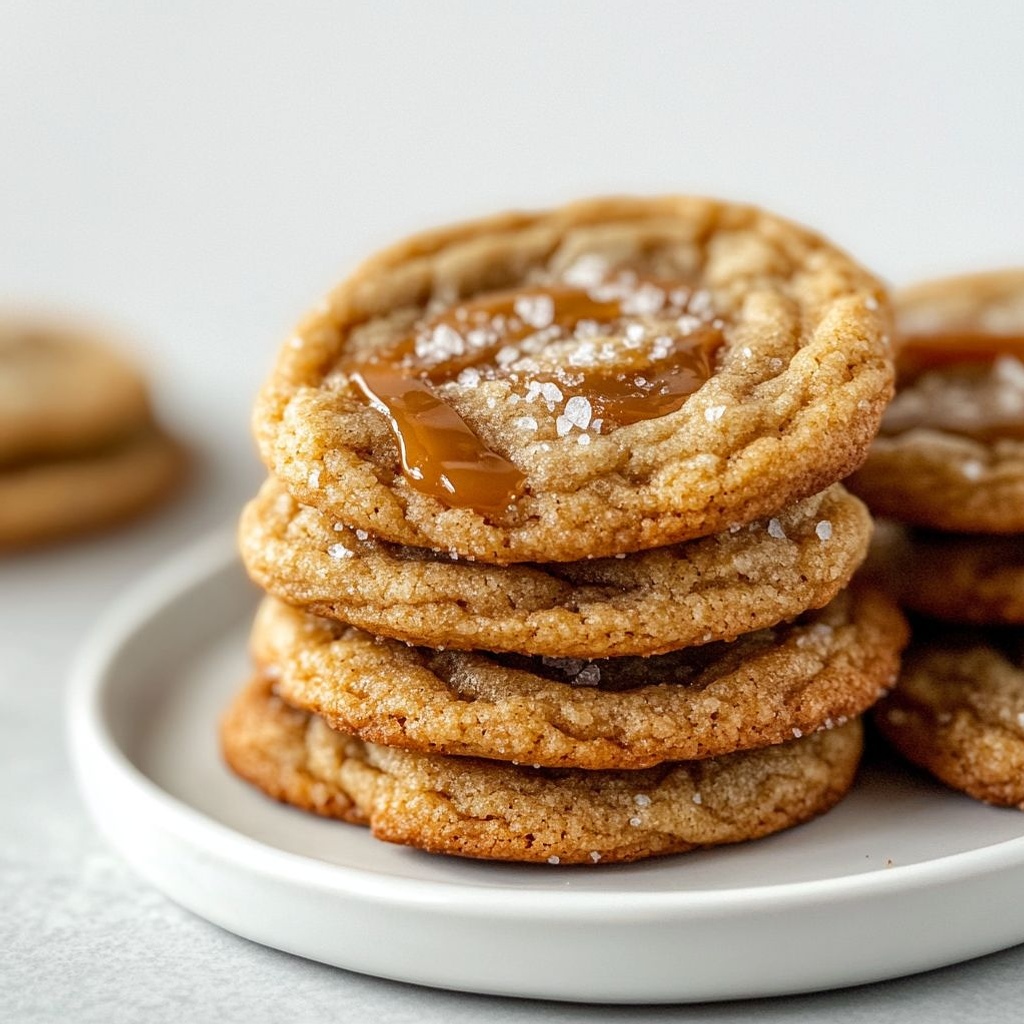
- Swirls of caramel: lightly swirl a small amount of caramel sauce into formed dough balls before baking to create ribbons of caramel that appear as you bite into the cookie.
- Chewy center, crisp edges: adjust the dough chill time (shorter chill yields a softer center; longer chill yields a firmer center with crisper edges) to dial in your preferred texture.
- Salt varieties: try finishing with a flaky finishing salt for a delicate crunch and a brighter salt flavor profile.
Storage & Make-Ahead Ideas
Salted caramel cookies are as practical as they are delicious, with options that fit busy weeks and special occasions alike. Proper storage can preserve texture and flavor for days or even months with a little planning.
- Room temperature storage: store baked cookies in an airtight container at room temperature for up to a week. Layer with parchment between rows to prevent sticking and preserve texture.
- Freezing baked cookies: once cooled completely, freeze cookies flat on a tray, then transfer to a resealable bag or airtight container. They keep well for up to three months and reheat beautifully in a warm oven for a few minutes to restore that just-baked crackle.
- Make-ahead dough: you can portion the dough into balls, freeze them on a tray, and then transfer to a bag. Bake from frozen, adding a minute or two to the bake time. This makes entertaining and gifting effortless.
- Storing caramel bits: if you’re using store-bought caramel bits or a drizzle, store them separately if you want to add them after baking for a different texture dynamic.
Fun Facts & Trivia (Optional)
Salted caramel carries playful history and delightful trivia that dessert lovers enjoy. Here are a few tidbits to savor as you bake or share these cookies with friends.
- The “salted” part isn’t just about taste; salt actually reduces perceived sweetness, allowing caramel flavors to come forward with more nuance. It’s science meeting dessert in the best possible way.
- Beurre salé is a culinary staple in Brittany, France, where salted butter has long been a hallmark of regional pastries and confections. This tradition helped popularize the pairing of salt with caramel beyond candies and into cookies and desserts.
- Salted caramel as a trend surged in the early 2000s and quickly became a staple flavor in ice creams, sauces, chocolates, and baked goods around the world, a testament to how a simple contrast can transform a flavor into a cultural phenomenon.
- Cookies as a social ritual: sharing a batch of salted caramel cookies can be a way to mark a milestone, celebrate a small victory, or simply spark warmth and conversation among friends and neighbors.
- Texture science: achieving the coveted crackly top while maintaining a soft interior is a balance of sugar crystallization, fat content, and baking temperature—an edible demonstration of kitchen physics in action.
Ingredients
- 2 1/4 cups all-purpose flour
→ Provides the structure and body for the cookies. All-purpose flour gives a balance of tenderness and chewiness when combined with butter and sugar. For gluten-free versions, substitute with a 1:1 GF flour blend plus 1 tablespoon cornstarch per cup of flour and test for texture. Sift or whisk to ensure even distribution, then measure to avoid dense dough. - 1 teaspoon baking soda
→ Acts as the leavening agent to help the cookies spread slightly and achieve a chewy, crinkly edge. It also reacts with the moisture in brown sugar to create lift. Do not substitute with baking powder here, as it will change the texture; ensure it is well dispersed in the flour for even action. - 1/2 teaspoon fine sea salt
→ Enhances caramel sweetness and balances the richness of butter. If you use salted butter, reduce the added salt accordingly to avoid over-salting. Distribute evenly by whisking with the dry ingredients. - 1 cup unsalted butter, melted and cooled slightly
→ Melted butter yields a chewier, denser cookie with a richer mouthfeel and helps create those classic caramel pockets. Allow the butter to cool just enough so it won’t scramble the eggs when added. If you prefer cakier cookies, you can use softened butter instead, but the texture will be lighter. - 1 cup packed light brown sugar
→ Adds moisture and deep caramel flavor thanks to its molasses content, helping cookies stay soft in the center. Pack the sugar firmly to keep the dough cohesive; darker brown sugar will yield a more assertive caramel note. If you must, you can replace with an equal amount of dark brown sugar for more depth. - 1/2 cup granulated sugar
→ Bright sweetness and helps promote browning and crisp edges. Balances the moisture from the butter and brown sugar, contributing to a pleasing texture. For a chewier result, you can slightly reduce this, but keep enough to help with spread and color. - 2 large eggs
→ Bind the dough and contribute moisture and structure. Eggs help emulsify the fats, giving a smooth cookie dough. If your butter is still a bit warm, whisk the eggs separately and add gradually to avoid curdling. Room-temperature eggs mix more evenly for a uniform crumb. - 2 teaspoons pure vanilla extract
→ Imparts classic cookie aroma and rounds out the caramel notes. Use high-quality vanilla for a richer flavor; for extra depth, you can scrape in the seeds of one vanilla bean in addition to the extract.
- 1 cup caramel bits or chopped soft caramels
→ Create gooey pockets of caramel throughout the cookies. Caramel bits are designed to stay chewy inside baked cookies; if using regular soft caramels, cut into 1/2-inch pieces and chill slightly before folding to prevent sticking. For best results, chill the dough briefly before baking to help the caramel pieces stay distributed rather than sinking to the bottom. - 1 cup semisweet chocolate chips (optional)
→ Adds chocolate contrast and richness. Fold in gently at the end of mixing to avoid over-melting. If you have a mix of chips and chunks, consider using about half the chips to ensure some larger chocolate bites remain visible in the final cookie.
- 1/2 cup chopped toasted pecans or walnuts (optional)
→ Provides a toasty, crunchy texture that complements the caramel. Toast nuts lightly in a dry skillet until fragrant, then cool and chop into small, even pieces so they distribute evenly. If you have a nut allergy, omit this ingredient.
- Flaky sea salt for finishing (optional)
→ A light sprinkle of finishing salt enhances the caramel notes and provides a pleasing contrast to the sweetness. Sprinkle on top of the cookies while they’re still warm, using just a pinch per cookie. If you don’t have flaky salt, a tiny pinch of kosher salt works, but avoid regular table salt which can taste too harsh.
Instructions
- Preheat your oven to 350°F (175°C) and line two baking sheets with parchment paper or silicone mats to prevent sticking and promote even heat distribution.
→ This ensures the cookies release cleanly and bake evenly without uneven browning. - Whisk together 2 1/4 cups all-purpose flour, 1 teaspoon baking soda, and 1/2 teaspoon fine sea salt in a medium bowl until uniformly combined and aerated to prevent dense pockets in the dough.
→ Sifting or whisking distributes the leavening and salt evenly, ensuring consistent texture throughout the cookies. - Melt 1 cup unsalted butter in a small saucepan over low heat just until melted and shimmering, then remove from heat and let cool slightly so it won’t scramble the eggs when added and to maintain a chewy cookie texture.
→ Cooling the butter prevents curdling of the eggs and helps develop a moister, chewier crumb. - Beat the melted butter with 1 cup packed light brown sugar and 1/2 cup granulated sugar in a large bowl until the mixture is smooth and glossy, then whisk in 2 large eggs, one at a time, until fully incorporated.
→ This creates an emulsion that traps air for structure while keeping the dough cohesive and ready to hydrate the flour. - Stir in 2 teaspoons pure vanilla extract until evenly distributed throughout the batter.
→ Vanilla rounds the sweetness and deepens the caramel aroma, contributing to a balanced flavor profile. - Fold the dry ingredients into the wet mixture in two additions, using a wide spatula or mixer on low speed until just combined with no visible streaks of flour; stop as soon as the dough comes together.
→ Gentle mixing prevents gluten overdevelopment, which can yield tougher cookies and reduce chewiness. - Gently fold in 1 cup caramel bits or chopped soft caramels and 1 cup semisweet chocolate chips until evenly distributed without overworking the dough.
→ Even distribution creates pockets of caramel and chocolate in every bite while preserving a soft interior. - If desired, fold in 1/2 cup chopped toasted pecans or walnuts, distributing them evenly through the dough to add toasty crunch and complementary flavor.
→ Toasting enhances aroma and texture; chop nuts fine enough to mix uniformly and avoid large clusters. - Chill the dough, covered, for at least 30 minutes (up to 2 hours) in the refrigerator to firm the fats and relax gluten, which helps control spread and keeps caramel pieces from sinking during baking.
→ Chilled dough holds its shape better and yields thicker cookies with defined edges. - Scoop or portion the dough onto the prepared sheets, spacing each mound about 2 inches apart to allow room for spreading during baking.
→ Adequate spacing prevents cookies from merging and ensures even browning across the batch. - Bake the cookies in the preheated oven at 350°F (175°C) for 10 to 12 minutes, rotating the sheets halfway through for even browning, until the edges are golden and the centers appear just set and soft.
→ This timing yields crisp edges with a chewy center; don’t overbake, as residual heat will continue to firm the centers. - Remove the baking sheets from the oven and, while still warm, optionally sprinkle flaky sea salt over each cookie to enhance the caramel notes and provide a pleasant contrast.
→ Salt awakens the caramel and balances sweetness; apply while heat makes the surface receptive to seasoning. - Let the cookies rest on the baking sheets for 5 minutes to set slightly, then transfer them to a wire rack to cool completely before stacking or storing.
→ Resting allows interior steam to escape and prevents cookies from breaking when moved; cooling on a rack prevents sogginess. - Store cooled cookies in an airtight container at room temperature for up to 3 days, or freeze for longer storage, keeping them away from strong odors to preserve the caramel and chocolate flavor.
→ Proper storage maintains softness and prevents staling, ensuring the cookies stay enjoyable over several days or months in the freezer.
Notes
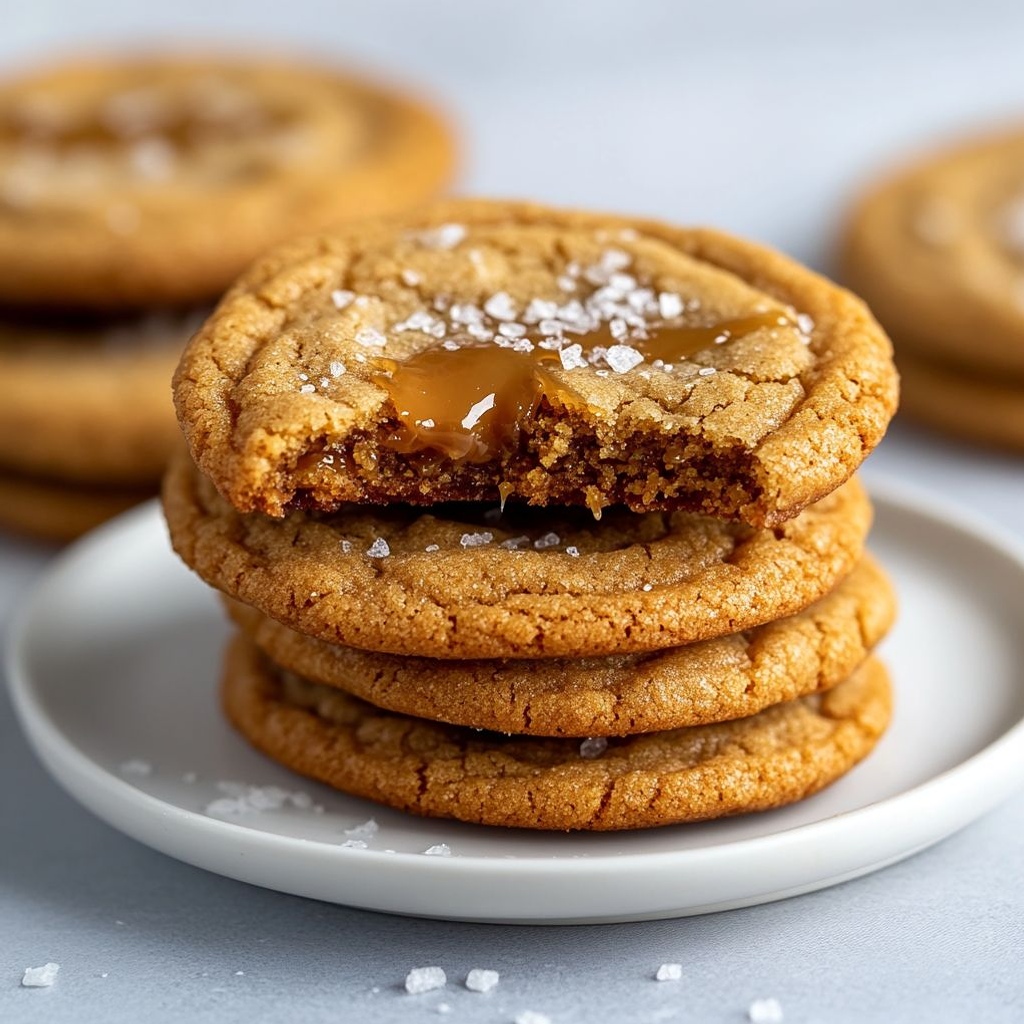
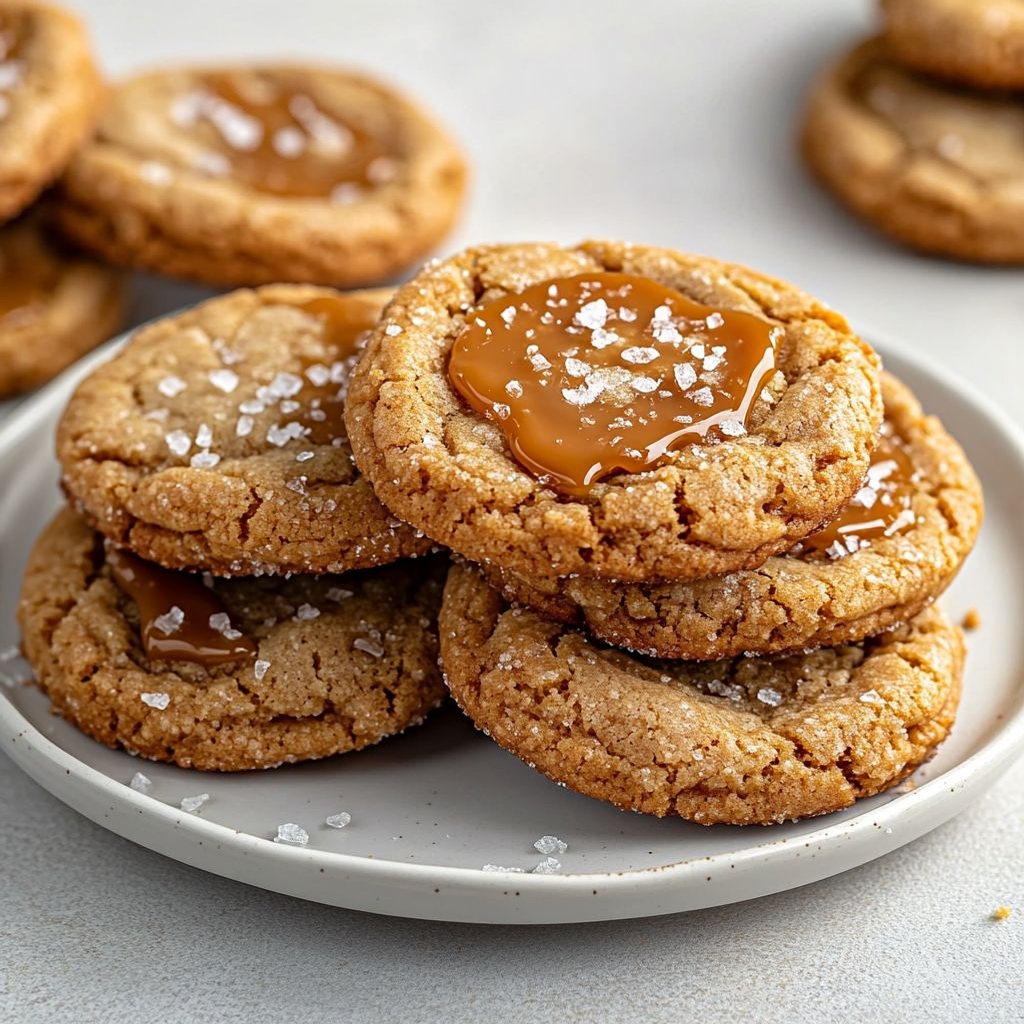
These salted caramel cookies are rich, chewy, and speckled with pockets of melted caramel and a kiss of flaky sea salt. You can customize them by folding in semisweet chocolate chips, extra caramel bits, or toasted nuts for added crunch. For a lighter, cakier texture, use softened butter instead of melted butter and bake a few minutes longer; for a chewier bite, keep the butter melted and chill the dough briefly before baking to help caramel pieces stay in place. They freeze well: scoop the dough, freeze on a tray, then transfer to a bag; bake from frozen, adding 1–2 minutes to the bake time. If you need a gluten-free version, substitute a 1:1 gluten-free flour blend plus 1 tablespoon cornstarch per cup of flour and ensure the baking soda is well distributed. To finish, sprinkle a tiny pinch of flaky sea salt on warm cookies for an extra savory-sweet contrast. For best flavor, use high-quality butter and vanilla, and let the dough rest briefly in the fridge if it’s too soft before scooping.
Tips
Tips for Salted Caramel Cookies
These tips will help you maximize flavor, texture, and even distribution of caramel pockets. Gather ingredients and plan for a brief chill period to improve shape and chewiness.
Dough handling
- Use room-temperature eggs and slightly cooled melted butter to keep the dough smooth. If your butter is warm, whisk the eggs separately and add gradually to prevent curdling.
- Whisk or sift the dry ingredients (flour, baking soda, salt) so they’re evenly distributed; this ensures consistent rising and texture.
- Mix until just combined after adding flour to avoid overdeveloping gluten, which can make cookies tough rather than tender.
- If the dough feels very sticky, refrigerate it for 30–60 minutes. Chilled dough holds its shape better and helps prevent caramel pieces from sinking.
Caramel and add-ins
- Chill caramel bits or chopped caramels before folding into the dough to reduce melting and keep pockets intact during baking.
- If using soft caramels, cut into uniform 1/2-inch pieces and chill slightly to prevent sticking during mixing.
- Lightly dust caramel pieces with a little flour before adding to the dough to help suspend them instead of sinking to the bottom.
- Fold in chocolate chips gently at the end to maintain visible chocolate bites; use about half the chips if you want more caramel pockets to show.
- Optional toasted nuts add crunch and depth. Toast nuts in a dry skillet until fragrant, cool completely, then chop evenly before mixing.
Baking and texture
- Line the baking sheets with parchment or a silicone mat for even browning and easy release.
- Space dough scoops about 2 inches apart to allow spreading without merging cookies.
- For chewy centers and crisp edges, bake until the edges are set and lightly golden but the centers still look soft; cookies will continue to firm as they cool.
- Rotate baking sheets halfway through baking to compensate for hot spots in your oven and ensure even color.
Flavor balance and finishing
- Finish with flaky sea salt while cookies are still warm to enhance caramel and butter notes. If using salted butter, reduce the added salt accordingly.
- Store cookies in an airtight container at room temperature. For extra softness, place a slice of sandwich bread in the container for moisture retention.
Make-ahead and substitutions
- Dough can be made ahead and chilled for up to 3 days, or shaped into dough balls and frozen for longer storage; bake from frozen, adding a couple of minutes to the bake time.
- Gluten-free option: substitute with a 1:1 GF flour blend plus 1 tablespoon cornstarch per cup of flour and test texture. Sift and measure carefully to avoid a dense dough.
- Want more caramel flavor? Increase caramel pieces by a little or drizzle warm caramel over baked cookies for extra gooey pockets.
FAQ
What ingredients do I need for salted caramel cookies?
- 2 1/4 cups (280 g) all-purpose flour
- 1/2 teaspoon baking soda
- 1/2 teaspoon salt
- 3/4 cup (170 g) unsalted butter, softened
- 1/2 cup (100 g) granulated sugar
- 1 cup (220 g) light brown sugar
- 2 large eggs
- 2 teaspoons vanilla extract
- 1 cup (180 g) semisweet chocolate chips (optional)
- 12–14 soft caramel candies, unwrapped and cut into small pieces
- Flaky sea salt, for finishing
How do I make salted caramel from scratch?
- In a heavy saucepan, melt 1 cup granulated sugar over medium heat without stirring until it turns amber and fully melted.
- Carefully whisk in 6 tablespoons unsalted butter until melted and combined.
- Slowly whisk in 1/2 cup heavy cream until smooth. Simmer 1–2 minutes, then whisk in 1/2 teaspoon sea salt. Cool to room temperature before using.
Can I use store-bought caramel sauce for the filling?
Yes. If using store-bought caramel sauce, use a thick variety so it stays put in the dough. Chill the sauce lightly and drop small dollops into the cookie dough before baking, or swirl a few teaspoons into the center of each dough ball. Avoid runny sauces that can leak too much during baking.
What temperature and how long should I bake the cookies?
Preheat to 350°F (175°C). Bake for 9–12 minutes, or until the edges are lightly golden and the centers look slightly underdone. Ovens vary, so start with 9 minutes and add 1–2 minutes if needed. Let cookies rest on the baking sheet for 5 minutes before transferring to a rack.
How should I chill the cookie dough, and why?
Chill the dough for at least 30–60 minutes (or up to 2 days). Chilling helps the cookies hold their shape, prevents excessive spreading, and promotes a chewier texture. If you plan to bake later, you can portion the dough into balls, freeze on a tray, then transfer to a bag and bake from frozen, adding a minute or two to the bake time.
How can I get chewy cookies instead of crispy ones?
Tips for chewiness:
- Use more brown sugar than white sugar (classic 1:1 ratio can be adjusted to 2 parts brown to 1 part white).
- Add 1 teaspoon of cornstarch per batch to soften the bite and keep centers soft.
- Chill the dough well and bake just until the edges are set; remove when centers still look slightly underdone.
How do I prevent the caramel from leaking out during baking?
To reduce leakage:
- Chill the dough balls after placing caramel pieces inside (about 15–20 minutes) or freeze them briefly before baking.
- Wrap each caramel piece with dough, or press a small caramel chunk into the center of the dough ball and cover it with more dough.
- Use thick caramel pieces or caramels that hold their shape when heated.
Can I make this recipe gluten-free or dairy-free?
Yes, with substitutions:
- Gluten-free: Use a 1:1 gluten-free flour blend suitable for cookies (often with xanthan gum). You may need to adjust a tablespoon or two of flour for drier dough.
- Dairy-free: Use dairy-free butter substitute and dairy-free chocolate chips. For caramel, use dairy-free caramel sauce or a homemade coconut milk-based caramel (thickened).
How should I store salted caramel cookies?
Store baked cookies in an airtight container at room temperature for up to 3–4 days. For longer storage, freeze baked cookies for up to 1–2 months; thaw at room temperature. To refresh, rewarm in a 300°F (150°C) oven for 5–7 minutes.
Can I freeze the dough or the baked cookies?
Both are possible:
- Cookie dough: Portion into balls on a tray, freeze until solid, then transfer to a freezer bag. Bake from frozen, adding 1–2 minutes to the bake time.
- Baked cookies: Freeze in a single layer, then transfer to a bag or container. Reheat in a 300°F (150°C) oven for 5–7 minutes.
What are some flavor variations I can try?
Try these ideas to customize your salted caramel cookies:
- Swap in dark chocolate chips or chunkier pieces of caramel for a richer bite.
- Add chopped toasted nuts (pecans, almonds) for crunch.
- Sprinkle extra flaky sea salt on top right after baking.
- Blend in a tablespoon of peanut butter or a pinch of cinnamon for a new twist.