Introduction / Hook
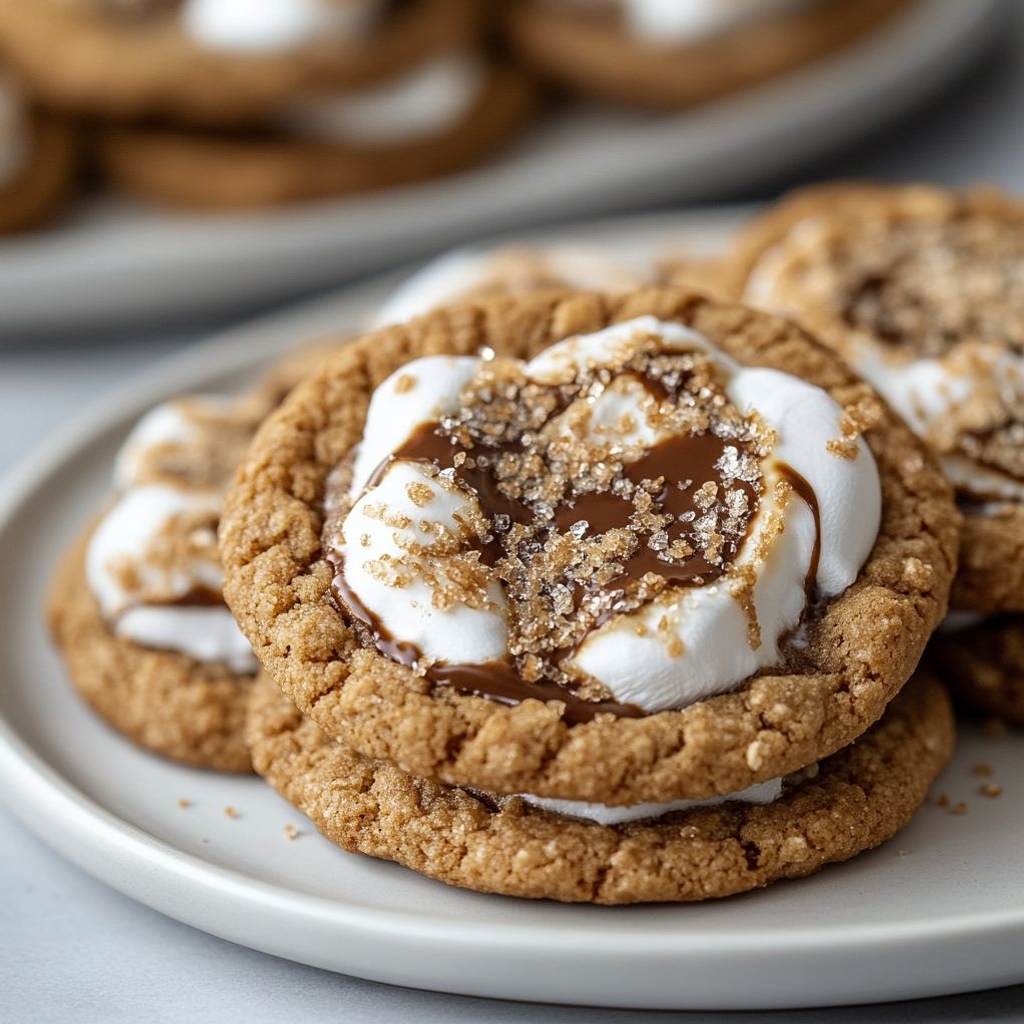
There’s a little campfire magic in every bite of these S’mores Cookies—a warm, gooey, and deeply nostalgic treat that brings the memory of crackling flames, starry skies, and mugs of cocoa into a single, irresistible bite. Picture a batch just out of the oven: the edges─slightly crisp and caramelized, the centers tender and melt-in-your-mouth, spiraling with ribbons of melted chocolate that promise sweetness without overpowering. Then there are the whispers of toasted marshmallow—the shimmer of golden-brown edges and the soft, pillow-like interior that stretches with every bite. This isn’t just a cookie; it’s a portable campfire in a chewy, chewy, chocolate-laden form.
S’mores are a quintessential rite of passage for many of us—a ritual of gathering around a fire, sharing stories, and letting the gooey marshmallow cling to fingers and smiles alike. Turning that wildly beloved flavor profile into a baked treat is a little act of culinary alchemy: you capture the smoky sweetness, the graham crackery crunch, and the indulgent chocolate in a single, practical, oven-ready package. The result is a texture symphony—from a crackly surface to a soft, oozing center—that echoes the original campfire s’more while offering the comfort and convenience of a homemade cookie.
This version is designed to be approachable for weeknights and indulgent enough for gatherings. The dough carries a gentle vanilla warmth, a whisper of toasty caramel, and pockets where chocolate chips melt into silky ribbons. The marshmallow note isn’t overpowering; it’s a soft, aromatic echo that lingers after the last bite. And because cookies are inherently shareable, you’ll find yourself passing around plates of these while friends and family marvel at how a simple concept can transform into something so sensory and satisfying.
The Story Behind the Dish
The original s’more is a tale of improvisation and outdoor living. In the United States, the tradition of roasting marshmallows over a campfire and sandwiching them with chocolate between two graham crackers began to gain popularity in the early 20th century. The phrase “s’more” itself is shorthand for “some more,” a playful nod to the irresistible second helping that hungry campers kept requesting after the first bite. Over decades, the simple trio of graham crackers, toasted marshmallow, and chocolate evolved into countless variations, from dessert bar recipes to elegant restaurant interpretations.
Turning that campfire snack into a cookie is a modern twist that honors the past while embracing the present. It’s a culinary bridge between memories of smoky nights and the universal comfort of a freshly baked cookie. The cookie version keeps the spirit intact—the contrast of crisp edges and soft centers, the temptation of slowly melting chocolate, the way a toasted marshmallow aroma fills the kitchen—while introducing the predictable, reliable joy of a bake that can be shared with neighbors, colleagues, and kin.
For many cooks, this kind of adaptation is a celebration of texture and aroma as much as flavor. It’s a nod to the genius of simplicity: a few well-chosen elements, treated with care, can deliver a multi-sensory experience that feels both familiar and novel. The s’mores cookie embodies a seasonal warmth, a sense of comfort, and a touch of campfire romance—reimagined for ovens and cookie sheets rather than campfires and open flames.
Why You’ll Love This Recipe
- Instant nostalgia delivered in every bite: the familiar trio of graham, chocolate, and marshmallow, but transformed into a chewy, decadent cookie.
- Versatile and forgiving: easy to adapt with different chocolates, marshmallows, or add-ins to suit dietary needs or flavor preferences.
- Perfect for gatherings: cookies are portable, shareable, and pair wonderfully with coffee, milk, or hot chocolate, making them a hit at potlucks, bake sales, and family movie nights.
- Textural harmony: crisp edges, a soft center, and pockets of molten chocolate or toasted marshmallow that surprise with every bite.
- A comforting spinner on a classic theme: the campfire memory you crave, reimagined as a baked treat that’s just as comforting as the original.
- Relatively quick to come together: you can have a tray of golden-brown cookies ready to enjoy after a simple prep, without needing elaborate kitchen equipment.
Flavor Profile & Texture
The flavor profile of S’mores Cookies is an artful balance between toasty, chocolatey, and marshmallowy sweetness. The cookies typically begin with a warm vanilla base that echoes classic butter cookies but leans into a deeper, caramel-like undertone as the sugars brown in the oven. The graham cracker element manifests as a gentle toasty crunch or a faint crumbly note, depending on how finely you blend it into the dough or how you choose to incorporate graham pieces.
When the cookies come out of the oven, you’ll notice the edges that are kissed by heat and become slightly crisp, while the centers retain a soft, almost chewy center that invites a generous, slow bite. In the middle or in the folds, if you’ve allowed chocolate chips to melt, you’ll experience ribbons of velvety sweetness that ooze with comfort. The marshmallow touch, whether from folded marshmallow bits or a hint of marshmallow fluff tucked into the dough, contributes a gentle, toasty sweetness and a pillowy texture that melts slowly in the mouth.
Aromas play an equally important role: the nutty scent of browned butter, the caramelized sugar notes, and the faint perfume of vanilla mingle with the subtle smokiness of toasted marshmallow. The overall effect is not just sweetness; it’s a layered sensory experience where you catch a whiff of campfire memory, a crunch from graham, and a luxurious melt from chocolate—all at once.
Occasions & Pairings
These cookies shine in a broad range of settings. They’re ideal for:
- Weeknight treats: a comforting dessert after dinner or a sweet afternoon pick-me-up with a mug of tea or coffee.
- Family gatherings: easy to share, easy to portion, and rich enough to feel special without being fussy.
- Potlucks and bake sales: crowd-pleasing flavor and a universally loved theme help your tray fly off the table.
- Holiday celebrations: a cozy addition to a dessert spread that evokes winter nights and campfire warmth.
- Movie nights and sleepovers: pairs beautifully with cold milk and a cozy blanket.
Pairing suggestions to elevate the experience:
- Milk varieties: whole, 2%, or even almond or oat milk for dairy-free versions—choose one that complements the chocolate intensity you’re using.
- Hot beverages: a frothy latte, a dark chocolate cocoa, or a spiced chai can amplify the marshmallow-toasted notes.
- Fruit and citrus: a tart berry compote or a small squeeze of orange zest can brighten the cookies and contrast the sweetness nicely.
- Creative accompaniments: serve with vanilla ice cream for a contrasting cold-cream pairing or with a drizzle of salted caramel to heighten the caramel flavors.
Tips, Variations & Substitutions
This section invites you to customize without losing the essence of the S’mores experience. Here are ideas to tailor the cookies to your kitchen, dietary needs, or mood:
- Vegan option: use plant-based butter substitutes and vegan marshmallows. Opt for dark chocolate or dairy-free chocolate chips to keep the chocolate depth without animal products.
- Gluten-free version: swap in a gluten-free flour blend that behaves like all-purpose flour in cookies. Add a touch more xanthan gum if your blend lacks it to maintain chewy texture.
- Chocolate variations: mix in dark chocolate chips, milk chocolate, or peanut butter chips for a layered chocolate experience. A sprinkle of cocoa nibs adds a subtle bite.
- Marshmallow alternatives: use mini marshmallows or create small pockets of marshmallow fluff in the dough for different mouthfeel. Toast the top briefly under a broiler for a marshmallow top if you want a crisp toasted cap.
- Graham crackers on top: sprinkle finely crushed graham crackers over the dough before baking to intensify the graham flavor and add a gentle crunch on the surface.
- Texture twist: for extra chewiness, replace part of the granulated sugar with brown sugar or add a spoonful of corn syrup to boost moisture retention.
- Flavor boosts: a pinch of sea salt elevates the sweetness; cinnamon or espresso powder can pair beautifully with chocolate for a desert-meets-breakfast vibe.
- Regional twists: swap in a pinch of toasted coconut for a tropical hint or use almond extract in place of vanilla for a nutty aroma.
Practical tips for best results: do not overmix the dough, as it can make cookies tough; bake until the edges are just set and lightly golden for a tender center; and consider chilling the dough briefly if you want thicker, chewier cookies that hold gooey centers even more effectually.
Storage & Make-Ahead Ideas
Cookies like these travel well and store beautifully, making them a great option for advance preparation or gifting.
- Room-temperature storage: store in an airtight container for up to 4–5 days. To keep them soft, place a slice of bread in the container—the moisture will transfer to the cookies and maintain a gentle chewiness.
- Refrigeration: chilling baked cookies tightens their structure and can intensify flavors. They will keep for about a week when tightly sealed.
- Make-ahead dough: prepare the dough and chill it for up to 3 days before baking. Chilled dough tends to produce thicker cookies with a more pronounced chewiness as the fats firms up.
- Freezing baked cookies: freeze individually on a sheet pan, then transfer to a freezer-safe bag. They’ll hold for up to 2–3 months. Reheat briefly in a warm oven to restore their soft centers and gooey pockets.
- Make-ahead desserts: assemble the chocolate and marshmallow elements in the dough or in a bar form for a quick pull-from-the-fridge treat when guests arrive.
Fun Facts & Trivia (Optional)
– The term “s’more” is a contraction of “some more,” a nod to how irresistible the treat can be. The recipe’s popularity surged after it began appearing in American Girl Scout cookbooks and campfire traditions in the early 20th century.
– There are countless variations of s’mores across the globe—from using different chocolate varieties to experimenting with cookies that resemble graham crackers in texture—and now, with the cookie adaptation, you can carry those memories in a single tray.
– The art of toasting marshmallows is a tiny science: the goal is to heat the outside fast enough to caramelize the sugars, while maintaining a stringy, gooey interior. When incorporated into a cookie, that effect is translated into a toasty aroma and a marshmallow center that stretches in a satisfying, almost theatrical way.
Ingredients
S’mores Cookies
Cookie Dough Base
- 2 1/2 cups all-purpose flour (sifted)
→ All-purpose flour provides the cookie’s structure and chewy crumb. Sifting helps distribute leavening evenly and prevents clumps that could make dough dense. If you’re using a gluten-free blend, choose a 1:1 cookie-friendly mix and consider a touch more starch for tenderness. Measure by spooning into the cup and leveling off for accuracy. - 1 teaspoon baking soda
→ The primary leavening and spread control in these cookies. It helps the dough rise slightly and contributes to a chewy center and crisp edges. Dissolve it into the creamed butter and sugars for even distribution; avoid overmixing once it’s added to prevent off flavors. - 1/2 teaspoon fine sea salt
→ Enhances the flavors of butter, chocolate, and graham; balances sweetness. Use fine salt for consistent distribution; if you used salted butter, reduce to 1/4 teaspoon. - 1 cup unsalted butter, softened to room temperature
→ Provides richness, moisture, and a tender crumb. Creaming butter with sugars incorporates air that helps yield slightly cakey edges and a chewy center. Keep butter at room temperature (about 65–70°F/18–21°C); avoid melted butter, which will cause excessive spreading. - 1 cup granulated sugar
→ Adds sweetness and helps with browning and spread. When creaming with butter, it creates air pockets that contribute to structure and a light, crisp edge. For a chewier texture, you can swap a portion of this with additional brown sugar. - 1/2 cup packed light brown sugar
→ Contributes moisture and chewiness with a hint of caramel flavor. The molasses in brown sugar keeps dough soft in the center and helps cookies stay moist longer. Ensure it’s well packed so you get the full sweetness and moisture; otherwise bake times may shift slightly. - 2 large eggs, room temperature
→ Act as binders that hold the dough together and add moisture. Room-temperature eggs emulsify better with fats, giving a smoother dough. Beat in eggs one at a time just until incorporated to avoid overmixing, which can toughen the cookies. - 2 teaspoons pure vanilla extract
→ Adds depth and warmth to the overall flavor. Use high-quality vanilla extract for the best aroma; if you have vanilla bean, scrape seeds into the butter and sugar for a stronger vanilla note.
S’mores Components
- 1 1/2 cups graham cracker crumbs (finely crushed)
→ The signature s’mores flavor comes from graham crackers. Finely crushed crumbs distribute evenly, imparting a toasty, honeyed note without crumbly pockets. If you only have whole graham crackers, pulse them in a processor or place in a resealable bag and crush with a rolling pin until you reach a crumb texture that resembles wet sand. - 1 cup semisweet chocolate chips or chunks
→ Provides melted chocolate pockets throughout the cookies. Semisweet balances the cookie sweetness with a rich cocoa flavor. For extra gooey centers, you can mix in some chopped dark chocolate along with the chips. - 1 cup mini marshmallows
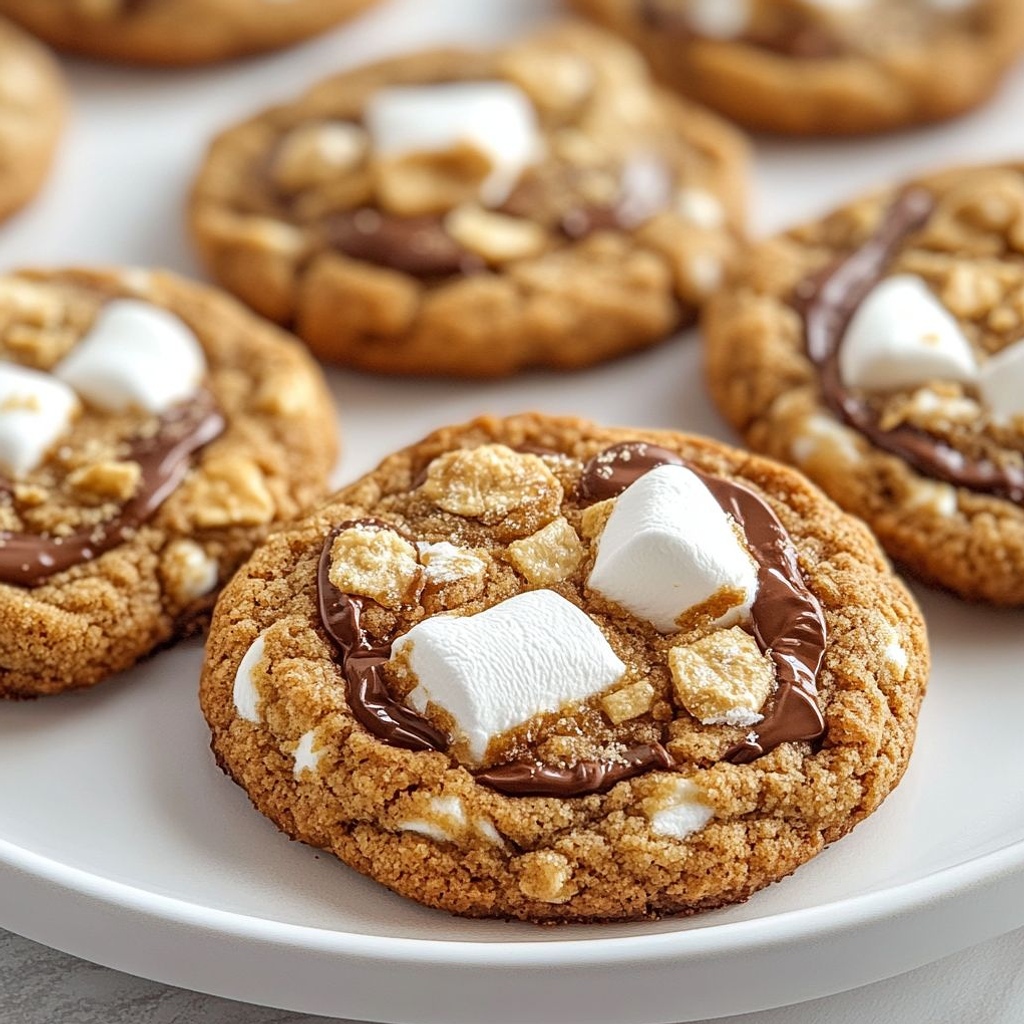
→ Creates gooey, melty pockets reminiscent of classic s’mores. Use mini marshmallows to ensure even distribution; toss them in a tablespoon of flour to minimize sinking, and fold in toward the end of mixing or press into each dough portion before baking for visible marshmallow tops.
Optional Add-ins
- 1/2 cup chopped toasted nuts (optional)
→ Adds crunch and a toasty depth to the cookies. Toast nuts in a dry skillet or in a 350°F (175°C) oven for 5–7 minutes until fragrant, then cool and chop to uniform pieces before folding. If you’re avoiding nuts, you can skip this entirely or substitute with extra chocolate chips. - 1/2 cup extra chocolate chips (optional)
→ More chocolate means bigger chocolate “pockets” in every bite. Use the same type of chocolate as the chips above or mix in some coarsely chopped chocolate for texture. Chill the dough slightly if you want to reduce spreading when adding extra chips. - 1/2 cup crushed graham crackers (optional)
→ Intensifies graham flavor and adds extra crunch. Crush until fine but still a little breadcrumb texture, then fold in just before portioning the dough so the cracker bits distribute evenly.
Toppings
- Flaky sea salt, for finishing (optional)
→ A light pinch of finishing salt enhances chocolate and caramel notes, balancing sweetness. Sprinkle over the cookies while they are warm from the oven so the salt sticks to the surface and blooms with aroma; keep it very light so it doesn’t overwhelm the flavor.
Instructions
- Preheat your oven to 350°F (175°C) and line two baking sheets with parchment paper or silicone mats.
→ This prevents sticking, promotes even browning, and makes cleanup easier; parchment or silicone mats create a smooth surface that helps cookies release evenly after baking. - Sift together 2 1/2 cups all-purpose flour (sifted), 1 teaspoon baking soda, and 1/2 teaspoon fine sea salt in a medium bowl until there are no lumps; whisk briefly to ensure even distribution.
→ Sifting lightens the flour and disperses leavening and salt evenly, which yields uniform texture and predictable spread. - Cream 1 cup unsalted butter (softened to room temperature) with 1 cup granulated sugar and 1/2 cup light brown sugar on medium-high speed until pale, fluffy, and well aerated, about 3–4 minutes, stopping to scrape the bowl halfway.
→ Creaming incorporates air that helps create a chewy center and a slightly crisp edge; room-temperature butter emulsifies with sugars for a smooth dough; avoid melting the butter, which would cause excessive spread. - Beat in 2 large eggs, one at a time, on medium speed until just incorporated, then mix in 2 teaspoons pure vanilla extract; allow the eggs to come to room temperature before adding for better emulsification.
→ Adding eggs gradually and at room temperature helps form a stable emulsion with the fats, yielding a finer crumb; overmixing after adding eggs can toughen the dough. - In a separate bowl, combine 1 1/2 cups graham cracker crumbs and 1 cup semisweet chocolate chips; set aside to distribute evenly through the dough.
→ These components provide the signature s’mores flavor and pockets of melted chocolate throughout each cookie; even distribution ensures consistent taste in every bite. - Toss 1 cup mini marshmallows with 1 tablespoon all-purpose flour in a small bowl to coat lightly and prevent sinking; this helps marshmallows stay near the surface for gooey pockets.
→ Flour coating slows the marshmallows’ descent during baking, preserving visible, melty peaks rather than a cratered interior. - With the mixer on low, gradually add the dry ingredients from Step 2 to the butter-sugar mixture until just combined; stop as soon as no flour streaks remain.
→ Mixing on low minimizes gluten development, keeping cookies tender and chewy rather than dense or tough. - Gently fold in the prepared graham cracker-chocolate mixture and the marshmallows from Steps 5 and 6 using a rubber spatula until evenly distributed; leave some larger marshmallow pockets intact to melt into the dough.
→ Hand folding preserves the structure of the mix-ins and prevents them from breaking apart or sinking; avoid overworking the dough after adding these components. - If using optional add-ins, fold in toasted nuts (1/2 cup, if desired) after the main mix-ins, to distribute crunch and nutty aroma evenly.
→ Toasting nuts 3–5 minutes in a dry skillet or a 350°F (175°C) oven heightens their aroma; cooling before folding prevents them from warming the dough excessively. - If using optional extra chocolate chips (1/2 cup) or crushed graham crackers (1/2 cup), fold them in after the nuts or with the other mix-ins, taking care not to overmix.
→ Extra chips provide more gooey pockets; crushed graham adds texture and stronger flavor but should remain somewhat chunky for contrast. - Chill the dough for 30–60 minutes, covered, to firm the fats and hydrate the sugars; this helps control spreading during baking.
→Chilling improves flavor development and yields thicker, chewier cookies with more defined texture; it also makes dough easier to portion. - Scoop dough using a 1.5–2 tablespoon cookie scoop or two spoons, and portion rounds onto the prepared sheets about 2 inches apart to allow for even spreading.
→ Consistent portions bake evenly, prevent merging, and produce uniform cookies with predictable texture. - Bake the cookies at 350°F (175°C) for 10–12 minutes, rotating the sheets halfway through; bake until the edges are lightly golden and the centers look set but still soft.
→ The cookies should be golden at the edges with a soft, slightly undercooked center that will finish setting as they rest; rotating ensures even heat exposure for uniform doneness. - Allow the cookies to rest on the baking sheets for 2–3 minutes before transferring to a wire rack to cool completely; this helps them set and reduces breakage.
→ Resting on the sheet briefly lets the structure firm up after removal from heat, preventing cracks and crumbling. - Finish with a light pinch of flaky sea salt on the warm cookies if desired to enhance the chocolate and caramel notes; serve once cooled or at room temperature.
→ Finishing salt intensifies flavor contrasts and highlights the toasty graham and chocolate components; apply sparingly so it remains a subtle enhancement. - Store cooled cookies in an airtight container at room temperature for up to 5 days, or freeze for longer storage; thaw at room temperature before serving if frozen.
→ Proper storage preserves texture and moisture, while freezing allows you to enjoy these cookies later with minimal loss of quality.
Notes
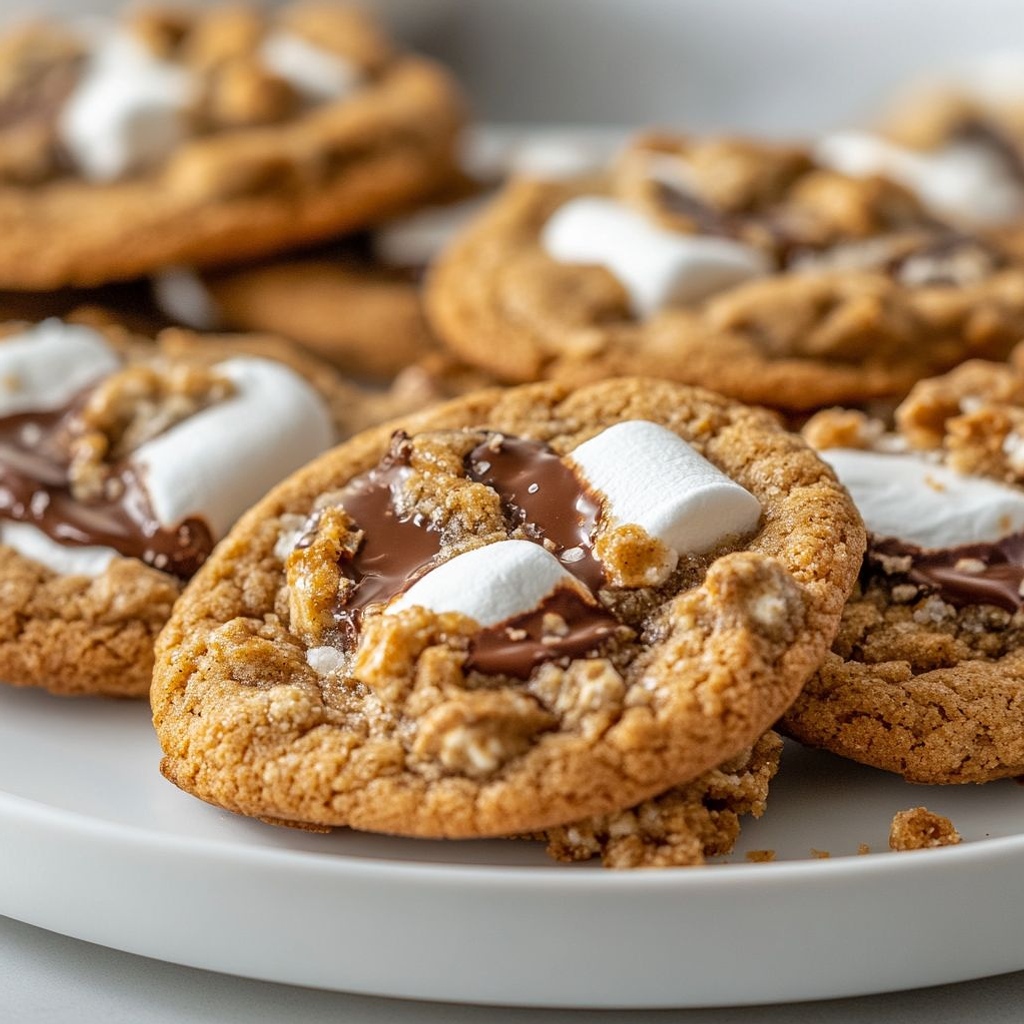
These S’mores cookies are a fun, crowd-pleasing bake that captures the campfire classic in a chewy, chocolatey bite. The base dough is enriched with butter and sugars, while graham cracker crumbs echo campfire sweetness. Fold in a cup of semisweet chocolate chips and a cup of mini marshmallows so you get melty pockets in every bite.
To keep the texture balanced, cream the butter with the granulated and brown sugars until light and fluffy, then add eggs one at a time and vanilla. Dissolve the baking soda into a small amount of warm water or sprinkle it evenly into the creamed mixture for even lift. After adding the flour, mix just until combined to avoid tough cookies.
For the marshmallows, toss them with a tablespoon of flour before folding in to prevent them from sinking during baking. The graham cracker crumbs should be processed finely so they distribute evenly and release a toasty, honeyed note rather than big crumbs.
Optional add-ins let you customize: 1/2 cup chopped toasted nuts add crunch; 1/2 cup extra chocolate chips for more gooey pockets; or 1/2 cup crushed graham crackers for extra graham flavor. Fold in these add-ins gently so the dough stays cohesive.
Toppings and finishing: finish with a light sprinkle of flaky sea salt on warm cookies to brighten chocolate and balance sweetness.
Make-ahead and storage: you can scoop and freeze the cookie dough balls on a parchment-lined tray, then transfer to a freezer bag; bake from frozen, adding 1–2 minutes to bake time. Bake on parchment or silicone mats for easy cleanup. If you need a gluten-free version, substitute a 1:1 gluten-free all-purpose flour blend and use gluten-free graham cracker crumbs; verify that the chocolate and marshmallows are gluten-free as well. Store baked cookies in an airtight container at room temperature for 3–4 days, or freeze for 1–2 months.
Serving ideas: enjoy warm cookies with a cold glass of milk or a scoop of vanilla ice cream for a molten, dessert-style treat.
Tips
Tips for Dough and Mixing
- Ensure all cookie elements reach room temperature before mixing (butter, eggs, vanilla). This helps emulsification and prevents a harsh cold bite in the finished cookie.
- Sifted flour contributes to a lighter crumb and even spreading. If you don’t have a sifter, whisk the flour lightly to aerate it before measuring.
- Dissolve the baking soda into the creamed butter and sugars for even leavening distribution; mix just until incorporated to avoid breaking down air bubbles.
- Measure salt carefully. If using salted butter, start with less salt and adjust to taste after mixing.
- Cream butter and sugars until pale and fluffy; this traps air for a chewier center and crisp edges. Avoid overcreaming once eggs are added.
- When adding eggs, beat in one at a time just until blended to prevent a loose emulsion and a greasy dough.
- If dough looks very soft or shiny, chill it for 30–60 minutes to deepen flavor and reduce excessive spreading in the oven.
- Work with the dough in portions rather than all at once to keep temperature consistent and prevent overworking the gluten.
- Use parchment or a silicone baking mat on sheet pans to promote even browning and easy removal.
Tips for S’mores Components
- Crush graham crackers finely so they distribute evenly and don’t create crumb pockets in the dough.
- Choose semi-sweet chips or chunks to balance sweetness; for extra gooey centers, mix in a portion of chopped dark chocolate.
- Mini marshmallows distribute more evenly than large ones. Toss them lightly in a tablespoon of flour before adding to the dough to prevent sinking.
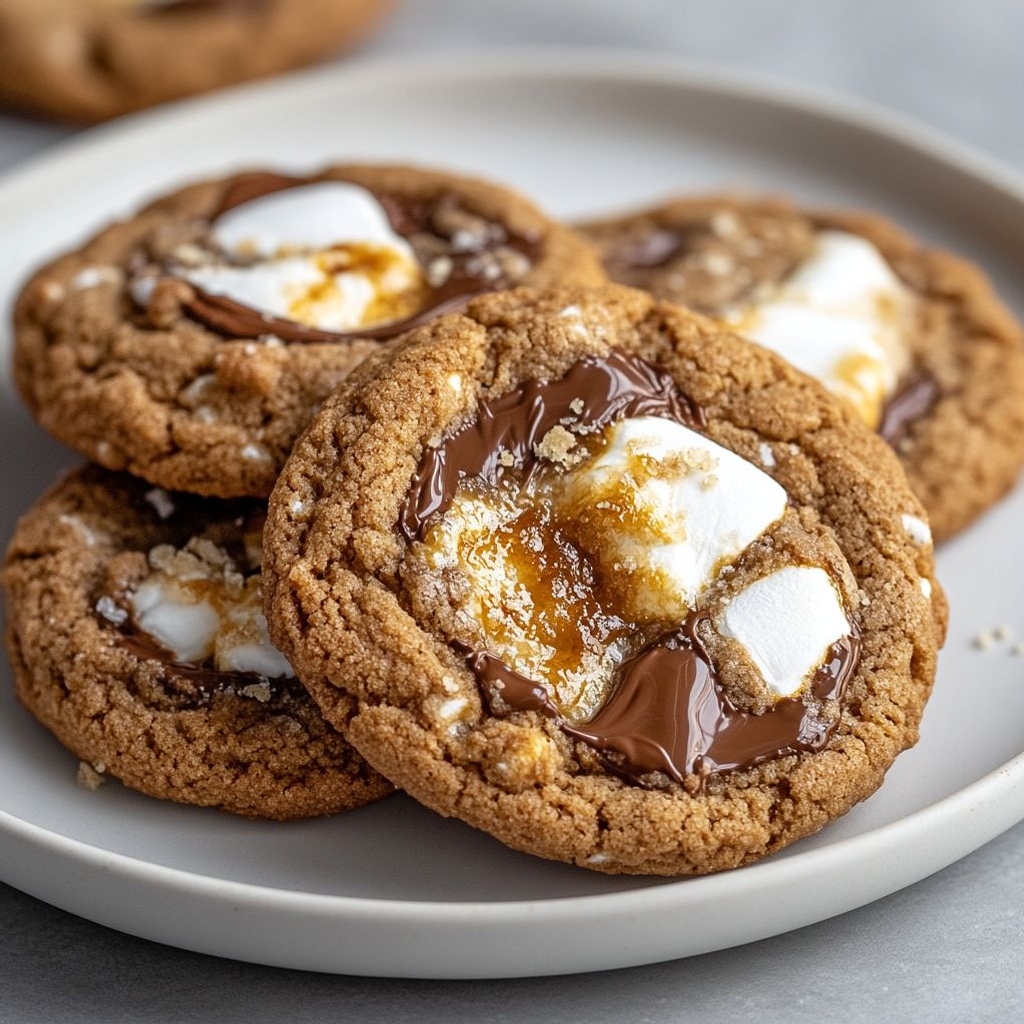
- Press a few marshmallows onto the surface of each dough portion before baking for visible gooey tops, if desired.
- Gently fold in graham cracker crumbs, chocolate, and marshmallows toward the end of mixing to minimize crushing the air you’ve built into the dough.
Optional Add-ins
- Toast nuts in a dry skillet or oven until fragrant, then cool and chop evenly for added crunch and depth. If avoiding nuts, substitute with extra chips or crushed graham.
- If adding extra chocolate chips, chill the dough briefly to help keep larger chips from sinking during bake.
- Crushed graham crackers add extra crunch and graham flavor; fold in just before portioning so bits stay dispersed.
Baking, Finishing, and Texture
- Preheat thoroughly and use even-sized dough portions for uniform baking. Space cookies at least 2 inches apart on the sheet.
- Bake until edges are set and centers look slightly underbaked; cookies will continue to bake as they cool on the sheet.
- Rotate pans halfway through baking to promote even browning, especially if your oven heats unevenly.
- A light pinch of flaky sea salt on warm cookies enhances chocolate and caramel notes; apply sparingly so it won’t taste salty.
- If cookies spread more than desired, chilling the dough longer or reducing the brown sugar slightly can help maintain height and thickness.
- Use parchment or silicone liners for easy transfer and clean-up; this also helps prevent sticking when marshmallows puff up on top.
Make-Ahead and Storage
- Store baked cookies in an airtight container at room temperature for up to 3–4 days; separate layers with parchment to prevent sticking.
- For longer storage, freeze baked cookies up to 1–2 months; reheat briefly in a warm oven or microwave to restore softness.
- To prep ahead, you can portion the dough into mounded tablespoons or scoop sizes, freeze on a baking sheet, then transfer to a bag; bake from frozen, adding a minute or two to bake time.
- Dough can also be chilled for 24–48 hours to deepen flavor and improve spread control; re-warm slightly before portioning.
FAQ
What are S’mores Cookies?
Soft, chewy cookies inspired by the campfire treat. They typically feature a chocolate chip base with crushed graham crackers and pockets or tops of melted marshmallows, delivering a gooey, chocolatey bite in every bite.
What ingredients do I need?
Common ingredients include:
- Unsalted butter
- Brown sugar and granulated sugar
- Eggs and vanilla extract
- All-purpose flour
- Baking soda and a pinch of salt
- Crushed graham crackers
- Semi-sweet or milk chocolate chips
- Mini marshmallows
- Optional: Sea salt for topping
Should I chill the dough before baking?
Chilling helps control spreading and enhances flavor. Chill the dough for 30 minutes to 1 hour (or longer, up to 24 hours) before baking. You can also freeze scooped dough portions to bake later.
What is the bake time and temperature?
Bake at 350°F (175°C) for about 9–11 minutes. Edges should be set while centers look slightly underdone for a chewy texture.
How do I know when they’re done?
The edges will be lightly golden. The centers may look soft but will set as they cool. If you want extra gooey marshmallows, you can add them on top after 7–8 minutes and bake a couple more minutes until melted.
How should I store leftovers?
Store cooled cookies in an airtight container at room temperature for up to 3 days. For longer storage, freeze baked cookies for up to 2–3 months, or freeze dough portions for later baking.
Can I freeze the dough or baked cookies?
Yes:
- Dough: Scoop portions onto a tray, freeze solid, then transfer to a labeled bag. Bake from frozen with an extra 1–2 minutes.
- Baked cookies: Layer between parchment in a freezer-safe container; bake or thaw at room temperature before eating.
Can I make this gluten-free?
Yes. Use gluten-free all-purpose flour and gluten-free graham cracker crumbs. Ensure any chocolate chips and marshmallows are gluten-free, and avoid cross-contamination if needed. Bake time remains similar, but start checking a minute or two earlier.
Can I customize flavors or add-ins?
Absolutely. Try:
- Milk or dark chocolate chips, or chopped chocolate
- Crushed additional graham crackers for extra crunch
- Peanut butter chips or chopped nuts for texture
- A pinch of cinnamon or espresso powder for depth
- Omit marshmallows for a simpler chocolate cookie, or use toasted marshmallow bits
How do I get gooey marshmallows on top?
Two common methods:
- After the cookies have baked for about 7–9 minutes, press a few mini marshmallows into the centers and return to the oven for 2–3 minutes until melted and puffed.
- Broil briefly (watch closely) for 1–2 minutes to toast the tops, then remove from oven immediately.
Is there a dairy-free or vegan option?
Yes, substitute dairy-free butter, use an egg replacer or flax egg, and choose vegan marshmallows and chocolate. Note that texture may vary slightly.