
Introduction / Hook
Close your eyes and imagine a bite that feels like a sunlit afternoon—the kind of dessert that makes the room smell of fresh lemon zest, butter, and a whisper of vanilla. A lemon mousse cake is not just a dessert; it’s a sensory invitation. The first moment you cut into it, a delicate, airy mousse unfurls like a sigh, embracing a crisp, biscuit-thin crust that crunches ever so slightly between your teeth. The lemon’s bright tang prances across the palate, balanced by a soft sweetness that never veers into cloying territory. It’s a dessert that wears elegance lightly, sophisticated enough for a celebration yet approachable enough for a weeknight treat. This cake embodies contrast in the most delightful way: a sturdy base for a cloud-like interior, a glaze or glaze-like sheen that gleams as if kissed by sunlight, and a finish that lingers with citrus fragrance long after the last bite. If you’ve ever wanted a dessert that feels both luxurious and comforting, this lemon mousse cake is your invitation to a flavor experience that is at once refined and irresistibly friendly.
There’s something almost magical about a mousse cake: layers that sing in harmony, textures that play tricks on the tongue, and a clean, refreshing finish that makes you reach for another slice. Lemon, with its tart brightness, is a natural muse for this kind of confection—capable of waking the senses without overpowering them. When done well, lemon mousse cake tastes like a Sunday afternoon in a glass: crisp, fragrant, and forever memorable. It’s a cake that can be the star of a dessert table or a quiet, personal celebration with a cup of tea. Its appeal lies not just in flavor, but in the way it sets a mood: light, celebratory, and irresistibly shareable.
As you read this, you may be thinking about spring dinners, Easter gatherings, or summer dinners that spill into memory. The beauty of a lemon mousse cake is that it fits wherever sunshine does—seasonal, bright, and a little bit indulgent without feeling heavy. It invites you to slow down, savor, and notice the way citrus aroma fills the room as the slices are plated, the glossy surface catching the light like a jewel. Whether you’re baking for guests or for yourself, this cake promises a moment of delight that lingers long after the last crumb has vanished.
The Story Behind the Dish
The lemon mousse cake as we know it is a love letter to two classic culinary ideas: the French technique of mousse, which elevates ingredients with air and gentle folding, and the Mediterranean charm of lemon, a fruit that has traveled across kitchens for centuries. The mousse technique—whipped cream folded into citrusy, lightly set flavors—offers a texture that feels almost ethereal, as if the dessert itself could float on a plate. In many homes, mousse-based desserts emerged from the desire to transform a rich custard into something lighter, more buoyant—an edible celebration that still carried the comforting heft of dessert without weighing you down. The lemon component adds a bright, sunlight-hued character that has long been cherished in European pastry traditions, from lemon tarts with their glossy curds to citrus-inflected cakes that balance tartness with sweetness in a single, luminous bite.
Legends and family histories often recount a scene of a kitchen filled with citrus peels and a bowl of whipped cream, the air perfumed by lemon oil as it catches on the glassy surface of a glaze. A grandmother’s apron, a grandmother’s recipe book, a friend’s bright glaze recipe from a summer market—these anecdotes color the modern lemon mousse cake with a sense of memory and belonging. The cake also travels well between cultures, adapting easily to different bases and finishes. Some bakers opt for a biscuit crust that snaps when the knife first slides through; others prefer a sponge layer that adds a delicate lift. In some kitchens, a shimmering glaze gleams over the top like a sunlit pond, while in others a layer of tart curd provides an extra zing. The common thread is a celebration of citrus brightness—an homage to the sun captured in a dessert that promises both comfort and celebration in equal measure.
What makes this dish especially appealing is its adaptability. You can tailor the lemon’s intensity, the mousse’s airiness, and the crust’s texture to reflect personal preference or seasonal ingredients, turning a simple concept into a signature dessert. It’s a creation that invites experimentation—perhaps a subtle vanilla undertone, perhaps a whisper of basil in the mousse for a garden-fresh twist. The narrative of the dish, then, is not fixed; it evolves with the cook, the occasion, and the fleeting aroma of lemon zest drifting from the kitchen window.
Why You’ll Love This Recipe
- Bright, balanced flavor: A crisp lemon tang that wakes the palate, tempered by creamy, velvety mousse and a light sweetness that doesn’t overwhelm.
- Textural harmony: A sturdy base with a delicate, nearly cloud-like interior, delivering a satisfying crunch followed by melt-in-the-mouth softness.
- Elegant simplicity: A dessert that feels refined but is approachable enough for everyday entertaining and special occasions alike.
- Make-ahead friendly: Elements can be prepared ahead of time, allowing you to assemble and chill, making entertaining stress-free.
- Flexible to suit dietary needs: The concept scales up or down, and with substitutions (dairy-free, gluten-free) you can tailor it to various diets without sacrificing experience.
- Visual wow factor: A glossy finish or a light dusting of zest makes it genuinely photogenic, perfect for sharing on social media or a polished dessert table.
- Seasonal adaptability: While lemon feels quintessentially spring, the citrus-forward brightness works beautifully in warm-weather menus and bright winter menus alike, offering a lemony lift whenever you crave it.
- Joy of portion control: Individual or mini cakes let guests sample without committing to a large slice, elevating the sense of occasion while keeping portions manageable.
Flavor Profile & Texture
This lemon mousse cake is a study in contrasts that complement rather than compete. The lemon’s acid cut keeps the palate alert, an essential counterpoint to the mousse’s creamy softness. The base—whether a crisp biscuit crust or a light sponge—provides a gentle grain and a satisfying bite that anchors the dessert, preventing the mousse from feeling too ethereal or insubstantial. The mousse itself is the star: a cloudlike, airy texture achieved by incorporating air through whipping, then folding in a citrus-forward mixture that carries just enough sweetness to round the lemon’s sharp edge. If a glaze is part of your version, it adds a second, delicate layer of gloss and a final kiss of citrus brightness that makes the surface gleam like a sunny glaze.
In terms of aromas, expect a feast of lemon zest and juice, tempered vanilla, and perhaps a hint of creaminess from the mousse’s dairy or dairy-free alternative. The aroma alone can be enough to cue anticipation of the first bite. The finish tends to be clean and fresh, with the lemon’s lemony musicality lingering pleasantly on the tongue, inviting you to take another bite before the moment passes. Texture-wise, you’ll experience a gentle contrast: the initial snap of the crust, the licorice-light lift of the mousse as your fork glides through, and the smooth, almost silken feeling as the mousse coats your mouth. It’s a dessert that feels as light as air but with the depth of a memorable citrus-forward flavor profile, making it a satisfying choice for those who crave nuance without heaviness.
Occasions & Pairings
This lemon mousse cake is at home in a variety of settings. It shines as a bright finale to a spring luncheon, a celebratory birthday cake with a citrus twist, or a refined dessert for a dinner party. It’s equally at ease as the centerpiece of a warm-weather brunch or as a sophisticated treat on a quiet weekend. If you’re planning a holiday table, a lemon mousse cake can offer a fresh contrast to richer desserts, providing balance and symmetry to the lineup.
Pairings elevate the experience. A pristine sparkling wine or dry Champagne complements the citrus brightness without competing with it. Light, aromatic teas—such as jasmine or lemon verbena—mirror the cake’s flavor profile and provide a refreshing counterpoint. For a non-alcoholic option, a citrusy spritz or a small glass of chilled elderflower cordial can echo the cake’s floral notes while preserving its brightness. For those who like contrast, serve the cake with a small fruit coulis or a few fresh berries—the acidity of the berries harmonizes with the lemon and adds a pop of color to the plate.
Side dishes or accompaniments that work well include a delicate spring salad with crisp greens and fennel, which freshen the palate between bites; a light yogurt or cream-based sauce on the side can provide a creamy counterpoint if you’re serving slices as a dessert course rather than a standalone confection. For a more decadent pairing, a light almond brittle or candied lemon peel can offer texture variety and a sophisticated finish to the plate. The goal is to keep the citrus-forward theme intact while enriching the overall dining experience with complementary textures and aromas.
Tips, Variations & Substitutions
Flexibility is the heart of a successful lemon mousse cake. Here are ideas to tailor the dessert to your kitchen, dietary needs, or taste preferences:
- Texture tweaks: If you prefer a crunchier base, opt for a thicker biscuit crust or bake a thin sponge layer; for a softer base, choose a lighter crumb or even a meringue-topped crust.
- Vegan option: Use dairy-free whipped cream substitutes and a plant-based butter for the crust. For the mousse, coconut cream or almond cream can mimic the airy texture with a slightly different flavor nuance.
- Gluten-free version: Replace regular crust with gluten-free biscuits or a gluten-free sponge to accommodate gluten sensitivity while preserving the dessert’s structure.
- Alcohol-free approach: If you’d like a punchier aroma without alcohol, increase the lemon zest and juice a touch, and use a vanilla-forward mousse to create depth without the need for liqueurs.
- Flavor variations: Try lime for a keener tartness, grapefruit for bittersweet complexity, or a small amount of orange zest to add a citrus symphony. A pinch of fresh mint or basil can introduce an herbal twist that brightens the dessert in a surprising way.
- Texture accents: Add a thin layer of curd between the crust and mousse for extra citrus punch, or swirl a berry compote through the mousse for a marbled effect that also introduces a pop of color.
- Sweetness control: Adjust the balance by pairing with a slightly more tart lemon or a touch less sugar in the mousse; this keeps the lemon’s brightness at the fore while ensuring the overall dessert remains elegant and balanced.
- Make-ahead notes: Prepare the base and mousse separately a day ahead, then assemble and chill closer to serving time to maintain the crispness of the crust and the integrity of the mousse’s texture.
Storage & Make-Ahead Ideas
One of the greatest strengths of a well-executed lemon mousse cake is its adaptability to make-ahead entertaining. Here are practical tips to keep the dessert at its best:
- Chilled storage: Cover the cake with a dome or wrap to prevent absorption of other fridge odors. Refrigerate for up to two to three days, which helps the flavors meld while maintaining the mousse’s structure.
- Freezing option: If your crust holds up well to freezing, you can freeze the assembled cake for up to one month. Wrap tightly to prevent freezer burn and thaw slowly in the refrigerator before serving for the best texture.
- Make-ahead assembly: Prepare the crust and mousse components separately, then assemble a few hours before serving. This minimizes the risk of the crust becoming soggy and ensures the mousse remains light and airy.
- Slice planning: If you’re serving a crowd, slice partially before serving or plan for guests to cut their own portions. Individual servings or mini cakes also help with portion control and aesthetic presentation.
- Reheating not required: This dessert is best enjoyed cold or slightly chilled. Avoid reheating; the mousse may lose its delicate texture if warmed.
Fun Facts & Trivia (Optional)
– The idea of a mousse dates back to the early 18th century in French patisserie, where air and texture transformation offered a refined way to present rich flavors in lighter formats.
– Lemon peels contain essential oils that lend a volatile aroma, which is why the zest is such a powerful flavor booster in citrus desserts. It’s the tiny aromatic compounds in zest that give that bright, sunny scent as you cut into the cake.
– The balance between tartness and sweetness in lemon desserts is a delicate dance. Too much sugar dulls the lemon’s brightness; too little can make the cake sharp and unapproachable. The art lies in achieving harmony that feels refreshing rather than aggressive.
– Glassy glazes on citrus desserts often use a small amount of gelatin or a plant-based setting agent to achieve that mirror-like finish. The glaze not only looks stunning but helps seal in moisture for a pristine slice.
– Lemon’s culinary versatility has made it a staple in desserts around the world, from bright curd tarts in Europe to citrus-forward cakes in Asia and the Americas. Its universal appeal lies in its ability to uplift flavors without overpowering them, a trait perfectly embodied in this mousse cake.

Ingredients
Lemon Mousse Cake
Cake Base
- 2 cups all-purpose flour (or 2 cups gluten-free all-purpose flour with 1 teaspoon xanthan gum per cup)
→ This is the structural component of the cake, giving it body and crumb. If using gluten-free flour, a blend designed for cakes will yield a tender crumb; add xanthan gum if your blend lacks it to mimic the elasticity of gluten. Sift the flour to avoid lumps and whisk with the leaveners for even distribution. - 1 cup granulated sugar
→ Provides sweetness, moisture balance, and contributes to browning via the Maillard reaction. If you want a less sweet cake, reduce by 2–3 tablespoons. For lighter texture, you can replace part with superfine sugar so it dissolves faster. - 3 large eggs
→ Add structure, moisture, and tenderness. Eggs emulsify fat and liquid for a uniform crumb. Bring to room temperature for better incorporation; if using cold eggs, mix longer to avoid curdling. - 1/2 cup unsalted butter, melted and cooled
→ Imparts richness and tenderness; melted butter blends smoothly with the batter. If you prefer a lighter crumb, substitute half with a neutral oil (e.g., canola) and adjust slightly for moisture. - 1/2 cup whole milk
→ Adds moisture and helps activate the batter’s leavening. Whole milk yields a richer crumb; dairy-free milk can be used (almond, soy, or oat) but may slightly alter texture and flavor; choose unsweetened varieties for best control. - 2 tsp baking powder
→ Leavening to lift the cake and create a tender crumb. Ensure freshness; test by dissolving a pinch in hot water to verify fizz. Do not overmix after adding baking powder to preserve airiness. - 1/4 tsp fine sea salt
→ Enhances flavors and balances sweetness, strengthening the crumb. If using salted butter, reduce salt to 1/8 teaspoon. - 2 tbsp finely grated lemon zest
→ Infuses bright citrus aroma throughout the cake. Zest finely to distribute evenly; avoid the white pith which can impart bitterness. Zest before juicing the lemons to maximize essential oils. - 1/4 cup fresh lemon juice
→ Adds acidity and lemon brightness to the batter, reinforcing flavor in the finished cake. Use freshly squeezed juice; strain to remove seeds and pulp for a smooth batter. - 1 tsp vanilla extract (optional)
→ Deepens flavor and pairs nicely with lemon. If you prefer a pure lemon-forward cake, omit vanilla; otherwise choose pure vanilla extract for a cleaner aroma.
Lemon Mousse Filling
- 2 cups cold heavy cream
→ The base of the mousse, contributing richness and a light, airy texture when whipped to stiff peaks. Chill the bowl, whisk, and cream before whipping; avoid overwhipping, which can turn it grainy or butter. - 1/2 cup granulated sugar
→ Sweetens the mousse and helps stabilize it when combined with gelatin. If you prefer a tarter mousse, reduce by a few tablespoons; you can adjust after tasting the lemon juice ratio. - 1/3 cup fresh lemon juice
→ Provides the signature lemon tang; freshly squeezed juice yields the brightest flavor. Strain to remove seeds and pulp for a smooth mousse; adjust to taste considering the gelatin’s sweetness. - 2 tsp lemon zest
→ Intensifies lemon aroma within the mousse. Zest before juicing lemons so the oils are captured; whisk zest with sugar briefly to release oils before folding into whipped cream. - 2 tsp unflavored gelatin powder (or 1 envelope)
→ Stabilizes the mousse so it holds its shape when chilled. Bloom the gelatin in 1/4 cup cold water for 5–10 minutes, then gently heat to dissolve completely before whisking into the mousse. If avoiding gelatin, substitute with 1–2 teaspoons agar-agar dissolved according to package directions and cooled slightly before folding. - 1/4 cup cold water (for blooming gelatin)
→ Needed to hydrate gelatin properly; do not skip. If your gelatin requires different blooming amounts, follow the package directions and keep the gel smooth to prevent lumps in the mousse. - 1/2 teaspoon vanilla extract (optional)
→ Adds a subtle warmth that complements lemon; omit if you want a purer lemon profile.
Lemon Syrup for Layer Moisture
- 1/4 cup fresh lemon juice
→ Used to moisten the cooled cake layers, infusing extra lemon flavor and keeping the sponge moist without drying. Fresh juice is preferable; if using bottled juice, choose a high-quality brand for better aroma and acidity balance. - 2 tablespoons granulated sugar
→ Dissolves into the lemon juice to create a glossy, balanced syrup that adds moisture without oversoaking. Heat gently if you want a quicker dissolve; cool briefly before brushing onto layers.
Lemon Glaze
- 1 cup powdered sugar
→ Provides a smooth, glossy surface that sets as it dries, finishing the cake with a bright lemon sheen. Sift to remove lumps; adjust consistency with lemon juice if you want a thinner glaze. - 2–3 tablespoons fresh lemon juice
→ Controls glaze thickness and brightness. Start with 2 tablespoons and add more only if needed to reach a pourable but not runny consistency. Warm the juice slightly if the glaze refuses to come together. - 1 teaspoon lemon zest (optional)
→ Adds a final aromatic lemon note right at the finish; use a microplane for fine zest and sprinkle evenly across the surface after glazing.
Optional Toppings
- Fresh berries (strawberries, blueberries, or raspberries)
→ A colorful, tart-sweet contrast to the lemon cream. Use ripe, washed berries; pat dry to prevent extra moisture from seeping into the glaze. Add just before serving to maintain texture and color. - Lemon zest strips or curls
→ Enhances aroma and appearance; shave thin strips with a veggie peeler or zester and scatter over the top for a polished finish. Zest just before serving for maximum brightness.
Instructions
- Preheat your oven to 350°F (175°C) and prepare two 9-inch round cake pans by greasing the insides with softened butter and lining the bottoms with parchment rounds; this prevents sticking and ensures level, even layers that release cleanly from the pan.
- Sift together the all-purpose flour (or gluten-free blend with xanthan gum if using), baking powder, and fine sea salt, then whisk to distribute leavening evenly; sifting prevents lumps and guarantees a tender, uniform crumb throughout the cake.
- Whisk the eggs and granulated sugar together in a large bowl until the mixture is pale, thick, and ribbony, which indicates that air has been incorporated for rise and tenderness; this also helps emulsify the batter for a light texture.
- Stir in the melted and cooled unsalted butter, whole milk, fresh lemon juice, lemon zest, and vanilla extract (if using) until just combined; this builds moisture, brightness, and balance of flavor without overworking the batter.
- Fold the wet ingredients into the dry ingredients in two additions, using gentle strokes and stopping as soon as the flour disappears to maintain a tender crumb and prevent a dense, tough texture; overmixing at this stage can develop gluten and toughen the cake.
- Divide the batter evenly between the prepared pans and smooth the tops with a spatula; tap the pans firmly once on the counter to settle any large air pockets and promote an even rise during baking.
- Bake the cakes in the preheated oven until they spring back when lightly pressed and a toothpick inserted into the center comes out clean or with a few moist crumbs (approximately 25–35 minutes for 9-inch pans, depending on your oven); avoid overbaking to keep the crumb moist.
- Cool the cakes in the pans for about 10 minutes, then run a knife around the edges and invert onto a wire rack to cool completely; this prevents steam from sogging the crust and makes layers easier to level.
- Prepare a light lemon syrup by combining 1/4 cup fresh lemon juice with 2 tablespoons granulated sugar in a small saucepan, warming just until the sugar dissolves, then cool to room temperature; this syrup will moisten the cake layers and intensify lemon flavor without making the cake soggy.
- Bloom the gelatin in 1/4 cup cold water for 5–10 minutes, allowing the granules to hydrate fully and prevent graininess in the mousse; this step ensures the mousse will hold its shape after chilling.
- Gently heat the bloomed gelatin in short bursts or over a warm water bath just until completely dissolved, then remove from heat and let cool slightly; overheating can degrade the gelatin’s setting power, so keep it warm but not hot.
- Whip the cold heavy cream with the 1/2 cup sugar in a chilled bowl to stiff peaks, ensuring the cream is well chilled and the whisk/beaters are clean and free of fat; this yields a stable mousse that holds structure when folded with the lemon mixture.
- In a separate bowl, whisk the 1/3 cup fresh lemon juice, 2 teaspoons lemon zest, and the vanilla (if using) until the sugar is mostly dissolved and the mixture is bright and smooth; this forms the lemon-forward base for the mousse and helps distribute flavor evenly.
- Stir the dissolved gelatin into the lightly cooled lemon mixture until fully incorporated, then fold this warm lemon-gelatin mixture into the whipped cream gently in large folds until homogenous; this creates a glossy, stable mousse with lemon brightness throughout.
- If your cake is baked in two rounds, level the tops with a serrated knife to create flat layers; place the first layer on a serving board and brush generously with the lemon syrup to moisten without soaking, then spread a thick, even layer of mousse over the surface.
- Top with the second cake layer, brush the top with the remaining lemon syrup, and press gently to secure; wrap the cake loosely and refrigerate for at least 4 hours or overnight so the mousse firms and the flavors meld.
- Prepare the lemon glaze by whisking 1 cup powdered sugar with 2–3 tablespoons fresh lemon juice and 1 teaspoon lemon zest until smooth and pourable; adjust with more sugar or juice to reach a glossy, pourable consistency that will set nicely on the cold cake surface.
- Using a spoon or a small offset spatula, drizzle the glaze over the chilled cake to create an even, glossy finish; tilt the cake slightly to guide the glaze down the sides and allow it to run naturally for a clean look, then let the glaze set at cool room temperature or a light chill.
- Finish with optional toppings such as fresh berries or additional lemon zest curls; add right before serving to maintain color and texture and to provide a bright, contrasting bite with the lemon mousse.
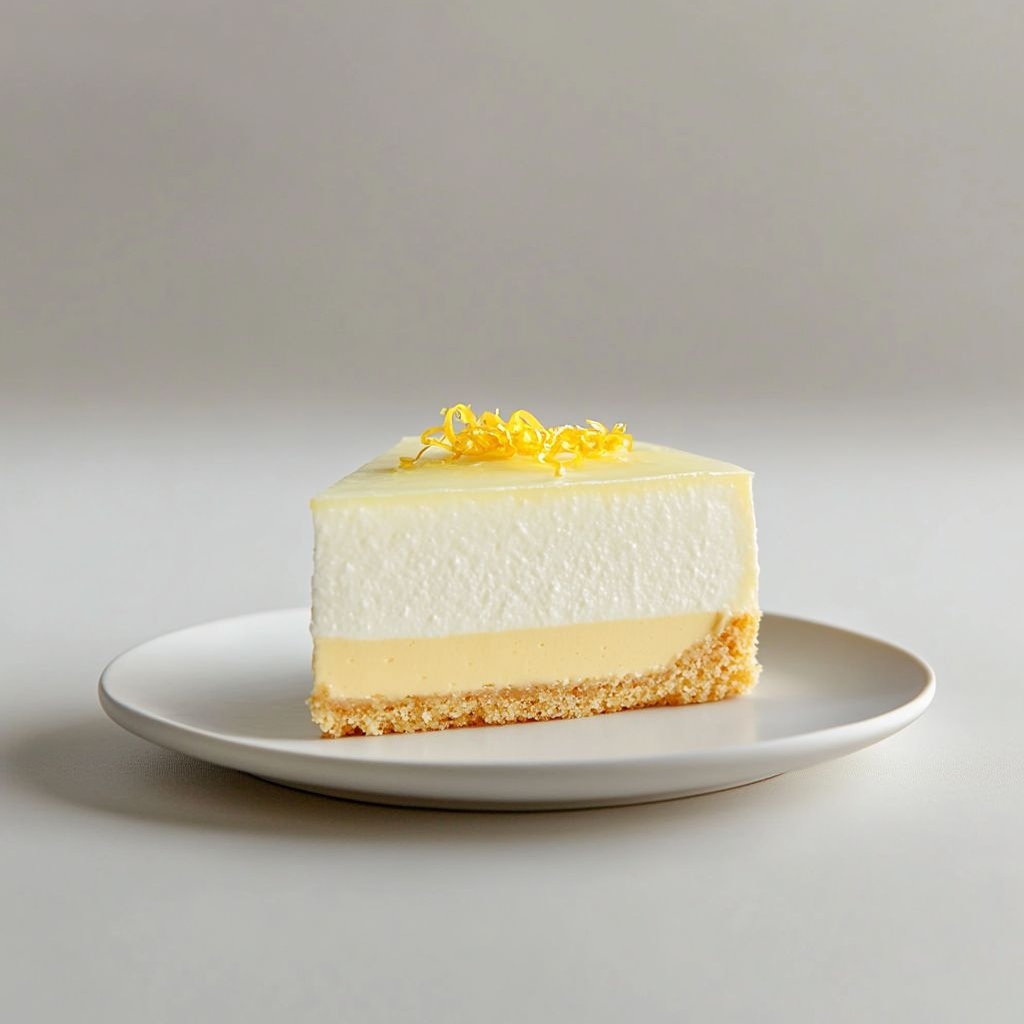
Notes
“These lemon mousse cake notes guide you to crafting a bright, elegant dessert with a tender, lightly crumbed base and a silky lemon mousse. Prepare ahead: bake the cake base, cool completely, and brush with the lemon syrup while still warm to lock in moisture; chill the base thoroughly before assembling. For the mousse, whip cold heavy cream to stiff peaks, bloom the gelatin in cold water and dissolve it completely in a warm, small amount of lemon juice before folding into the whipped cream with lemon zest and juice. If you’re gluten-free, use a cake-flour–style gluten-free all-purpose blend with 1 teaspoon xanthan gum per cup (or as your blend requires) and sift with the baking powder; do not overmix after adding leaveners to keep the crumb tender. If you want a dairy-free version, substitute the cream with a thick coconut cream or dairy-free whipping cream and use agar-agar or a vegan gel to set the mousse; maintain brightness by adding extra lemon zest. For the glaze, sieve the powdered sugar and whisk in lemon juice to reach a pourable glaze—add lemon zest if desired for extra aroma—and glaze the chilled cake for a glossy finish. Finish with fresh berries or lemon zest curls for color and contrast; refrigerate the assembled cake for at least 4 hours (ideally overnight) to allow the mousse to set fully. Store leftovers in the fridge, covered, for up to 3–4 days.”
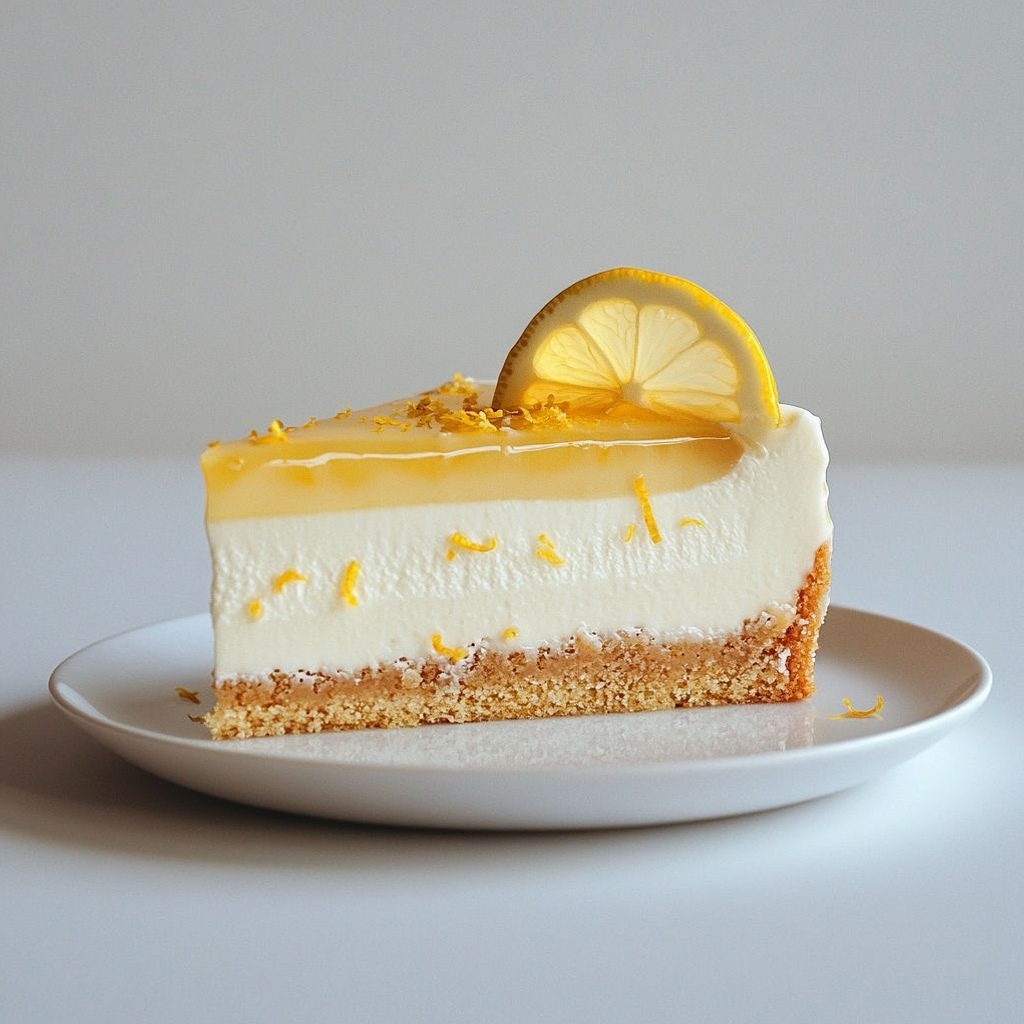
Tips
Tips for Lemon Mousse Cake
- Bring all ingredients to room temperature unless otherwise noted. This helps fats melt and emulsify smoothly, giving you a tender crumb and a cohesive mousse.
- Sift the dry cake ingredients (flour, baking powder, salt) together. This removes lumps and ensures even rising.
- For gluten-free cake, use a dedicated cake‑level gluten-free blend and add 1 teaspoon xanthan gum per cup of flour if your blend doesn’t already include it. Sift and whisk with the leaveners to promote a light, uniform crumb.
- Prepare your pan properly: line the bottom with parchment and lightly grease the sides. A clean release helps you obtain neat, even layers when you unmold or slice the cake.
- Avoid overmixing once the baking powder is added. Mix just until combined to preserve air in the batter and a tender crumb.
- Test baking powder freshness by dissolving a pinch in hot water; a fizzy reaction means it’s active. Fresh leavening helps the cake rise evenly.
- Cool the cake completely before brushing with syrup or layering with mousse. A warm cake can melt the mousse and cause separation.
- Level the top with a serrated knife if it domes. A flat surface ensures even syrup absorption and a stable mousse layer.
- For a cleaner finish, you can wrap the cooled cake tightly and refrigerate for 30 minutes before assembling the mousse layer. This helps the surface feel smooth when you cut or decorate.
Tips for the Lemon Mousse Filling
- Bloom gelatin in cold water as directed, then heat gently to dissolve completely. Do not boil the gelatin, or the mousse may not set properly.
- Keep the melted gelatin cool but liquid before whisking it into the mousse base. If it’s too hot, it can melt the whipped cream; if too cold, it may seize the mixture.
- Whip the heavy cream to stiff peaks and keep the bowl and whisk very cold. This helps the mousse hold its shape when layered and chilled.
- Whisk lemon zest with the sugar briefly to release oils before folding into whipped cream for a brighter aroma and flavor distribution.
- Fold the mousse gently in thirds: lighten with a portion of the whipped cream, then fold in the rest to maintain volume and a silky texture.
- Strain the lemon juice to remove seeds and pulp, which can create graininess or small bits in the mousse. Adjust sweetness with sugar after tasting the lemon acidity if needed.
- If you prefer a dairy-free option, you can substitute with a well-chilled coconut cream-based mousse and use agar-agar as the stabilizer, following the package directions for blooming and setting.
- If your mousse looks soft after assembly, chill it longer. A lightly set mousse will slice cleanly and hold its shape better when plated.
Tips for Lemon Syrup and Layer Moisture
- Brush the cooled cake layers with the lemon syrup evenly using a pastry brush; rotate the cake as you work to avoid pooling in one spot.
- Use a cooled syrup (room temperature or below) so it absorbs smoothly without making the surface slippery.
- Too much syrup can make the cake soggy. Light, even brushing is enough to impart moisture and lemon aroma without softening the crumb excessively.
Tips for the Lemon Glaze
- Sift the powdered sugar to avoid lumps, then whisk in lemon juice gradually until you reach a pourable but not runny consistency.
- Warm the lemon juice slightly if the glaze refuses to come together; a touch of heat helps dissolve sugar and yields a glossy finish.
- Optionally add lemon zest at this stage for a bright aroma, but use a microplane to keep the zest very fine so it distributes evenly.
- Let the glaze set for about 15–30 minutes before slicing to achieve a shiny finish that doesn’t run off the sides.
Optional Toppings and Garnish
- Fresh berries provide a colorful, tart-sweet contrast. Pat them dry and add just before serving to preserve color and texture.
- Thin strips or curls of lemon zest add aroma and a polished look. Zest just before serving for maximum brightness.
Assembly, Chilling, and Serving Tips
- Assemble the cake by spreading the mousse evenly over the cooled base, then tap the pan gently to release any trapped air bubbles.
- Chill the assembled cake long enough for the mousse to set firmly (at least 4 hours; overnight is ideal). This makes slicing neat and clean.
- To slice cleanly, wipe the knife with a warm damp towel between cuts. If using a springform or removable pan, loosen the sides carefully before slicing.
- Store leftovers covered in the refrigerator. The cake will hold for 2–3 days; for the best texture, keep it chilled and cover to prevent the glaze from drying out.
FAQ
Lemon mousse cake – FAQ
What is Lemon Mousse Cake?
A Lemon Mousse Cake is a refreshing layered dessert featuring a crunchy crust, a bright lemon filling (curd or mousse), and a light whipped-cream topping. It’s typically chilled to set the layers, resulting in a tangy-sweet, creamy treat.
What ingredients do I need to make Lemon Mousse Cake?
Core components and common options include:
- Crust: digestive biscuits or graham crackers and melted butter (plus a pinch of salt).
- Lemon layer: fresh lemon juice and zest, sugar, eggs (or egg yolks), and butter (or cream) to make a lemon curd base.
- Mousse layer: heavy cream (or dairy-free alternative), gelatin (or a vegan set agent like agar-agar), and vanilla if desired.
- Topping (optional): extra whipped cream, lemon zest, or thin lemon slices for garnish.
Do I need a crust, and what kind works best?
Yes, a crust provides structure and flavor. A classic option is a buttered biscuit crust made from crushed digestive biscuits or graham crackers. You can also use a shortbread crust or a finely ground almond crust for a nuttier taste. For a gluten-free version, use gluten-free biscuits or almond flour-based crust.
How do I make the lemon mousse layer?
Option A (lemon curd + mousse): simmer lemon juice, zest, sugar, and eggs until thickened, then whisk in butter to make lemon curd. Bloom gelatin in cold water, stir into the warm curd, cool slightly, then fold into softly whipped cream. Layer over the crust and chill until set.
Option B (all mousse): whisk a small amount of lemon juice into a light curd (or lemon yogurt) base, bloom gelatin in water, dissolve, fold into whipped cream, and spread over the crust. Chill until firm.
How long does it take to make and chill the cake?
Active prep time is typically 30–60 minutes, plus time to chill. Allow at least 4 hours in the fridge for the mousse to set, and overnight chilling yields the best sliceable texture.
How should I store Lemon Mousse Cake?
Store in the refrigerator, well covered or in an airtight container. It will stay fresh for about 3–4 days. If it has a whipped topping, keep it refrigerated and avoid exposing it to heat.
Can I make this recipe gluten-free or dairy-free?
Yes:
- Gluten-free: use gluten-free biscuits for the crust and check all ingredients on labels.
- Dairy-free: replace butter with a dairy-free margarine or coconut oil for the crust, and use a dairy-free whipping cream (or coconut cream) for the mousse. For a vegan set, replace gelatin with agar-agar and ensure lemon curd uses plant-based fats.
Can I freeze Lemon Mousse Cake?
Yes, but texture can shift slightly. Freeze uncut, fully set slices wrapped well, for up to 1–2 months. Thaw in the refrigerator overnight before serving. If using dairy-free replacements, freezing may revive texture differently, so test a small batch first if needed.
How can I decorate or garnish the cake?
Suggestions include:
- Top with extra whipped cream and a sprinkle of lemon zest.
- Garnish with thin lemon slices or candied lemon wheels.
- Finish with fresh mint leaves or edible flowers for color.