
Introduction / Hook
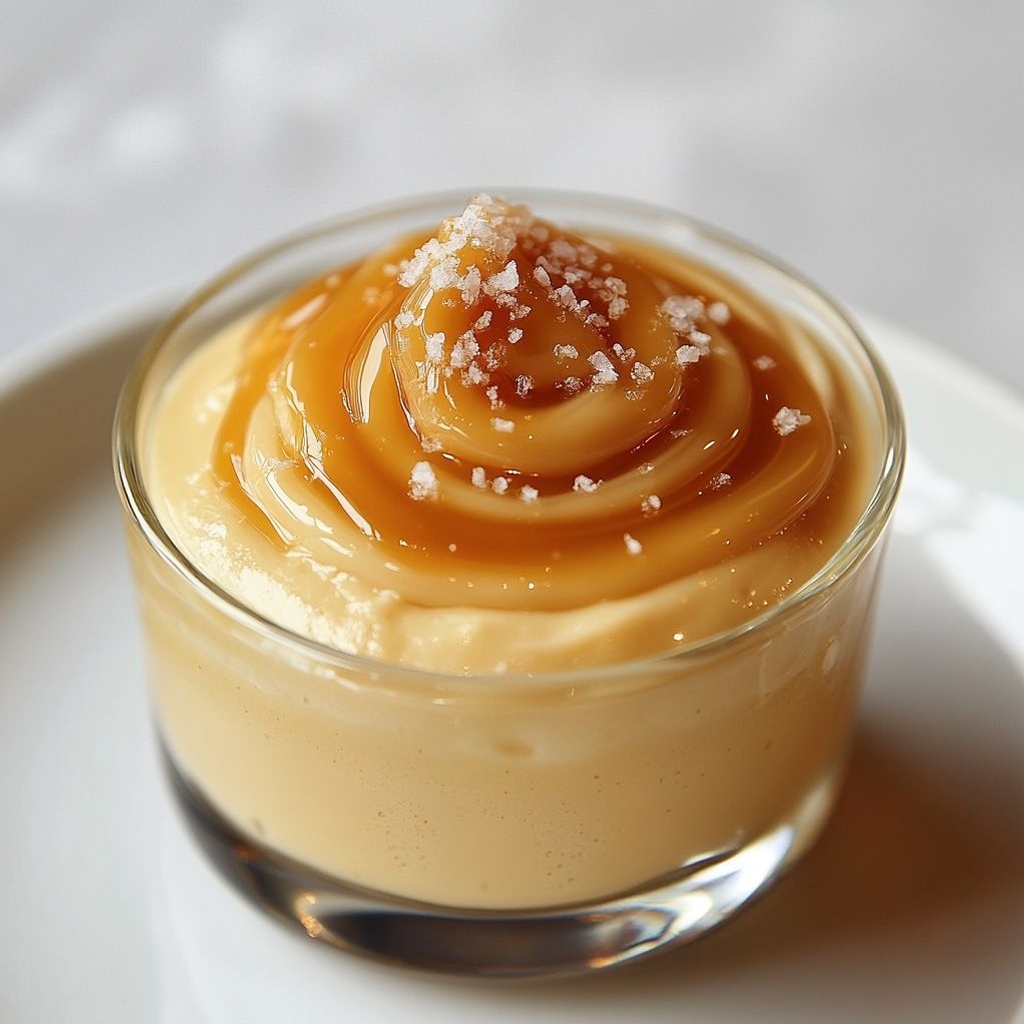
Imagine a velvet ribbon of sweetness that glides across your tongue, leaving a whisper of sea air and a satisfying contrast between silky creaminess and a subtle kiss of salt. Salted caramel cream is not merely a sauce or a spread; it’s an edible meditation on balance. It speaks softly of indulgence, yet it understands restraint—where the sweetness is lush and inviting, and the salt wakes the palate just enough to keep every bite exciting rather than cloying. This is the kind of confection that makes an ordinary afternoon feel like a small celebration, a moment when the world slows down and dessert becomes an invitation to linger a little longer at the table. The texture invites you to close your eyes and swirl a spoon through its silky surface, releasing warm aromas of caramelized sugar, creamy dairy, and vanilla that drift through the room like a comforting hug. If you crave something that feels both luxe and familiar, something that can turn a simple slice of bread or a bowl of fruit into a dessert-worthy experience, this salted caramel cream is your perfect companion.
In the kitchen, there are few pleasures as reliable as a good caramel that doesn’t overwhelm, a cream that stays smooth even as you coax it to perfect softness, and a hint of salt that makes the sweetness sing. Salted caramel cream is a study in texture and aroma: it’s lush enough to nap atop a slice of warm toast, yet bright enough to brighten a citrusy dessert or cut through the richness of chocolate. It’s the kind of recipe that invites experimentation—you can drizzle, dollop, or dip, and every approach reveals a new facet of its character. The magic lies in the moment when the sugar reaches the right amber hue, when the butter and cream come together in a glossy, almost satin-like veil, and when the salt crystals glisten like tiny stars you’ve earned for patience. This is not a one-note topping; it’s a versatile, everyday luxury that fits into countless treats and rituals, from casual family breakfasts to fancy occasions.
The Story Behind the Dish
Caramel, in its simplest form, is transformed sugar—an alchemy of heat that turns sweetness into something deeper, darker, and more complex. Salted caramel, with its characteristic balance of sweet and savory, emerged from a long history of palate experimentation. The idea of pairing salt with sugar isn’t new; salt has always been a natural enhancer, a mineral whisper that brightens flavors and clarifies undertones. The modern salted caramel phenomenon, however, blossomed in the late 20th and early 21st centuries, when pastry chefs and home cooks alike began to explore the surprising harmony that a pinch of salt can bring to a caramel. The story often traces its charm to coastal regions where saltwork and dairy tradition mingle: sea breezes, the scent of butter, and the ritual of caramelization performed in kitchens that double as laboratories of taste. In many homes, the discovery came when a cautious cook whisked a little salt into a batch of caramel and noticed how the sweetness sharpened, how the finish became more linger-worthy, how the bite felt more alive.
Salted caramel cream captures that evolution in a single, luscious form. It’s a celebration of two ingredients that humanity has cherished for generations—salt and cream—working together to elevate everyday desserts into something memorable. It’s also rooted in the culture of sharing. Think of late-night pantry moments, where a spoonful of this cream on a crisp apple slice becomes a tiny ritual of comfort. Think of gatherings where a jar of salted caramel cream sits at the center of the table, inviting guests to drizzle, dip, and dream. The dish is not tied to a single tradition; it borrows from countless culinary lineages—the simple elegance of French patisserie, the rustic abundance of indulgent household treats, and the modern kitchen’s habit of turning classics into versatile, pantry-friendly staples.
Why You’ll Love This Recipe
- Versatility: A single spoonful can transform fruit, bread, pancakes, waffles, or even a spoonful stirred into coffee into a luxurious moment.
- Silky texture: The cream provides a luscious mouthfeel that envelops the senses without being heavy, making it suitable for everyday indulgence.
- Balanced sweetness: The salt amplifies caramel notes and keeps the flavor from tipping into overwhelming sweetness, creating a refined taste.
- Cozy aroma: Vanilla, caramelized sugar, and a whisper of salt fill the kitchen with an inviting scent that feels like home.
- Make-ahead friendly: This creamy spread develops depth as it rests, and it stores well for quick use later in the week.
- Vegetarian by default: It fits well into many plant-forward menus, and with simple tweaks it can be adapted to dairy-free versions if desired.
Flavor Profile & Texture
The flavor of salted caramel cream is all at once indulgent and comforting, with a sophisticated edge. The initial impression is a gentle, buttery sweetness that mirrors the toasty notes of caramelized sugar. As the flavors deepen, hints of cream emerge, giving a soft, dairy-forward richness that coats the palate with a smooth, velvet-like texture. The salt, never aggressive, acts as a refined counterpoint, breaking through the sweetness and orchestrating a chorus of flavors—vanilla’s warm hug, a touch of caramelized depth, and a mineral brightness that keeps the finish crisp and memorable. The result is a balance that feels indulgent yet approachable, simple enough for weekday breakfasts and special enough to accompany dessert courses on festive nights.
Texture is a key to the appeal here. The cream should be luxuriously thick, almost spoonable in a way that invites generous dollops without signaling heaviness. When warmed or gently whisked, it should become light enough to drizzle in ribbons, yet cling beautifully to fruit, pastry, or a hot slice of bread. The mouthfeel is silken, with a gleaming sheen that hints at its glossy finish. Microtextures—tiny salt crystals, if you use flaky sea salt, or a softly grainy feel if you go with classic table salt—provide a micro-layer of interest that plays on the tongue. The aroma carries those warm caramel and dairy notes before a single taste touches the palate, creating anticipation that makes each bite feel like a tiny ritual rather than a simple bite of sweetness.
Occasions & Pairings
This salted caramel cream is a chameleon—elegant enough for celebrations and friendly enough for weeknights. Here are some ideas for how to enjoy it and what pairs well with it:
- On toast or brioche for a decadent breakfast or satisfying afternoon snack.
- Dolloped over vanilla ice cream, chocolate mousse, or a slice of warm cake to add depth and shine.
- As a dip for apples, pears, roasted pears, or sliced peaches, turning fruit into dessert in minutes.
- Swirled into coffee or hot chocolate for a café-at-home experience with a creamy finish.
- As a garnish for pancakes, waffles, or yogurt bowls to elevate a familiar favorite.
- Drizzled over certain cookies, financiers, or tuile crisps to add a glossy, luxurious finish.
For pairings beyond the plate, consider beverages that echo the creaminess and warmth: a robust French press coffee, a smooth almond milk latte for a dairy-free take, or a dessert wine that won’t overwhelm the delicate caramel notes. If you’re assembling a dessert spread, pair this cream with citrus elements (orange, lemon, or blood orange) to create bright contrast, with dark chocolate for a classic duo, or with light, airy pastries to balance richness.
Tips, Variations & Substitutions
Salted caramel cream invites creative interpretation. Here are several ideas to customize, adapt for dietary needs, or regionalize the flavor while keeping the essence of the dish intact:
- Salt textures: Use flaky sea salt or fleur de sel for a delicate crunch and a brighter salt note. A pinch of salt added at the end can intensify flavors without making the cream taste salty.
- Different milks: For a lighter version, swap heavy cream for a combination of milk and a splash of cream; for vegan options, use coconut cream or a dairy-free creamer blend designed for drizzle sauces. The texture will become silkier to start and will set differently when cooled.
- Butter variations: Use salted or unsalted butter depending on your preference; if you prefer a robust caramel flavor, add a touch of browned butter to deepen the nutty aroma.
- Vanilla notes: A real vanilla bean paste or a splash of vanilla extract can amplify the vanilla backbone. For a warmer, spicier profile, a pinch of cinnamon or cardamom can be added in small amounts.
- Alcohol-free versions: If you’d like a non-alcoholic version that still feels festive, a teaspoon of orange blossom water or a hint of almond extract can add a fragrant lift without overpowering the base.
- Regional twists: In a French-inspired approach, a hint of cognac or brandy can be stirred in to enhance depth; in a Spanish-inspired direction, a touch of orange zest can brighten the caramel with a citrus edge.
- Texture play: For a creamier, almost spoonable texture, slightly increase the cream and reduce the heat to prevent scorching; for a more pourable sauce, keep it looser with a little more liquid and whisk until glossy.
- Make it dairy-free with flair: Use a robust coconut cream and a neutral-tavored oil to mimic mouthfeel; a touch of almond or cashew milk helps maintain silkiness without dairy.
- Flavor layering: Add a hint of espresso powder to deepen the caramel’s bite, or fold in finely grated citrus zest to introduce brightness that cuts the sweetness in a sophisticated way.
Storage & Make-Ahead Ideas
Salted caramel cream is forgiving in the refrigerator and can be a reliable staple in your fridge or freezer. Here are practical tips to keep it at its best:
- Storage: Transfer the cream to an airtight jar or container and refrigerate. It will typically stay good for up to 1–2 weeks, depending on the freshness of the dairy used and storage conditions.
- Reheating: When you’re ready to use it, gently reheat it in a double boiler or in short bursts in the microwave, stirring in between to restore a smooth, pourable consistency. If it thickens too much, whisk in a small amount of warm cream or milk to loosen.
- Make-ahead: Prepare a larger batch and portion into small jars. This makes it easy to grab for quick desserts or breakfast treats, and the flavors often deepen with a little rest.
- Freezer option: For longer-term storage, you can freeze salted caramel cream in ice cube trays or small portions. Thaw slowly in the fridge and reheat gently, stirring until smooth.
- Usage plan: If you anticipate topping multiple desserts, keep an extra jar labeled and ready. A little anticipation goes a long way—having it on hand turns a simple recipe into a quick, elegant solution for guests or busy weekdays.
Fun Facts & Trivia (Optional)
Did you know that the science behind caramelization is a precise dance of sugar molecules breaking down and recombining to create the deep amber color and rich flavor we associate with caramel? The Maillard reaction, which contributes savory, browned notes, also plays a role as proteins react with sugars under heat. Salt lowers the perceived sweetness, allowing caramel to taste more nuanced and balanced—a trick chefs have leveraged for decades. The term “fleur de sel,” a light, delicate sea salt harvested from salt ponds, is often cited as the ideal finishing salt for desserts, because its crystals barely melt on the tongue, delivering a fleeting crunch and a bright salt note. Salted caramel’s rise to popular culture parallels the broader movement toward flavor layering in modern patisserie: a single component designed to do more than one job, a flavor that can support and elevate other ingredients without overshadowing them. Finally, caramel, even when made in the home kitchen, is a small act of alchemy—a transformation of ordinary pantry staples into something that feels almost magical, especially when the result is a creamy, salted finish that glows with a warm, comforting glow in your bowls and on your spoon.
Ingredients
Salted caramel cream
- 1 cup granulated sugar
→ This is the base of the caramel. It will melt and brown to a rich amber color, imparting the characteristic caramel flavor and color. Do not stir the sugar once it begins to melt; gently swirl the pan to promote even heat distribution. Use a heavy-bottom saucepan over medium heat to prevent scorching and monitor closely as it moves from amber to burnt quickly. - 2 tablespoons water
→ Water helps dissolve the sugar evenly at the start and controls the initial browning rate. It will evaporate as the caramel cooks, leaving you with a smooth caramel paste. If you notice crystallization, you can add a tiny splash of water and swirl to re-dissolve. - 1 cup heavy cream, warmed
→ The warm cream is whisked into the hot caramel to stop cooking, create a smooth, glossy sauce, and yield a pourable yet rich texture. Adding cold cream can cause the mixture to seize; pour slowly while whisking and keep the heat low until fully incorporated. - 1/2 cup unsalted butter, cubed
→ Butter enriches the caramel, adds shine, and helps emulsify the mixture. Cut into small cubes so it melts quickly and blends evenly. Add off the heat to maintain a stable emulsion and prevent the sugar from crystallizing. - 1/2 teaspoon flaky sea salt
→ Salt balances the sweetness and intensifies caramel flavor. Flaky salt distributes more evenly and provides a pleasant crunch if you prefer a more pronounced finish. You can adjust to taste after the initial incorporation. - 1 teaspoon pure vanilla extract
→ Vanilla adds warmth and depth to the caramel. Add off the heat to preserve the aroma of the vanilla and avoid evaporating its delicate flavor.
Optional Add-ins
- 4 oz cream cheese, softened
→ If you want a thicker, creamier, tangier salted caramel cream, blend in softened cream cheese until completely smooth. This creates a luscious filling or frosting with more body. Ensure the cream cheese is at room temperature for easiest incorporation. - 2-4 tablespoons powdered sugar
→ Pleasantly sweetens and helps achieve a thicker, spreadable texture when using cream cheese. Add gradually, whisking until smooth to avoid lumps; adjust to desired sweetness. - 1/2 teaspoon vanilla extract (optional)
→ An extra touch of vanilla depth pairs well with cream cheese, especially if you’re making a thicker, cheesecake-like salted caramel cream. Adjust to taste.
Instructions
- Prepare your mise en place by assembling all ingredients and equipment, including a heavy-bottom saucepan, a heatproof whisk, a spatula, and a clean jar for storage, so you can control the caramel’s temperature and texture precisely.
- Measure 1 cup granulated sugar and 2 tablespoons water and combine them in the heavy-bottom saucepan over medium heat, ensuring the sugar is evenly moistened; this creates a uniform melt and prevents hot spots that can burn.
- Gently swirl the pan or tilt it to promote even heat distribution as the sugar melts, avoiding stirring to prevent crystallization, which can cause gritty caramel and unstable emulsions.
- Continue cooking until the sugar dissolves completely and deepens to a rich amber color, watching closely as the color shifts quickly from amber to burnt; remove from heat immediately at the first signs of scorching to preserve flavor and texture.
- Off the heat, slowly pour in the warmed heavy cream while whisking vigorously to form a smooth, glossy emulsion; the cream will bubble up vigorously, so keep your face and hands at a safe distance and pour in a steady, thin stream to avoid splashing.
- Return the pan to very low heat and whisk until the caramel and cream are fully incorporated and smooth, ensuring no lumps remain; this gentle heating helps stabilize the emulsion and prevents separation.
- Gradually whisk in 1/2 cup cubed unsalted butter, adding a few cubes at a time and whisking continuously until each addition is melted and the mixture appears glossy and cohesive; this emulsification traps air and yields a velvety texture.
- Off the heat, whisk in 1/2 teaspoon flaky sea salt and 1 teaspoon pure vanilla extract to balance sweetness and deepen aroma, allowing the warmth of the caramel to bloom the vanilla without evaporating delicate notes.
- If you are enriching with cream cheese, place 4 oz softened cream cheese in a large bowl and beat until smooth; gradually whisk in the hot caramel in small additions to temper the cream cheese, then fold in the remaining caramel until completely smooth to create a richer, thicker texture.
- Optionally, if a thicker, spreadable texture is desired, whisk in 2–4 tablespoons powdered sugar after the cream cheese is incorporated, adding gradually and whisking until fully integrated to avoid lumps and to reach the desired sweetness and firmness.
- Taste and adjust: if the mixture needs more salt, whisk in a pinch more flaky sea salt; if it needs more vanilla, add a few drops and whisk well to distribute evenly; this step ensures a balanced, professional finish.
- Let the salted caramel cream cool to a warm or room-temperature state for pouring, or refrigerate for a firmer, frosting-like consistency; note that chilling will thicken the mixture and intensify sweetness, so plan texture accordingly.
- Transfer the finished salted caramel cream to a clean jar, seal tightly, and store in the refrigerator for up to 2 weeks; gently rewarm before use if you want a pourable sauce or a smooth frosting texture.
Notes
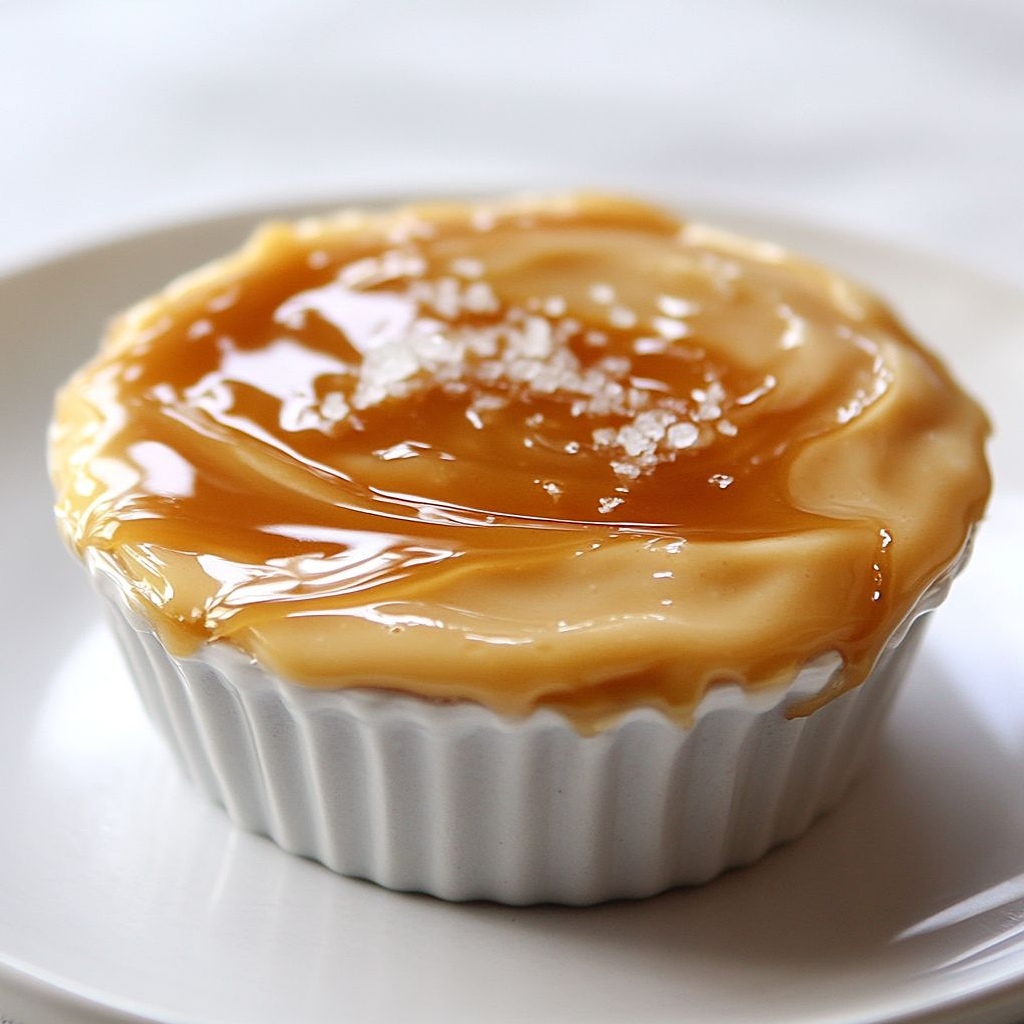
This salted caramel cream is a glossy, velvety sauce with a rich caramel flavor and a pinch of flaky sea salt that brightens sweetness. Start by melting the granulated sugar with water in a heavy-bottom saucepan over medium heat, and avoid stirring once it begins to melt; gently swirl the pan to promote even browning and watch closely as it shifts from amber to deep bronze. Once you have a deep amber color, slowly whisk in the warmed heavy cream off the heat to stop the caramel from cooking and to form a smooth emulsion. Return the pan to very low heat if needed and whisk until the mixture is smooth, then off the heat whisk in the cubed butter until glossy, followed by the flaky salt and vanilla extract. For a thicker, creamier version, blend in softened cream cheese until smooth and, if desired, add 2–4 tablespoons powdered sugar to reach your preferred sweetness and spreadable texture. If the sauce thickens as it cools, re-warm gently and whisk in a splash of warm cream or water. Store in a jar in the fridge for up to 1–2 weeks; reheat gently and whisk to restore gloss. To make a dairy-free version, substitute coconut cream and dairy-free butter, keeping in mind the flavor and texture will be slightly different. Optional: finish with an extra pinch of flaky salt just before serving for a briny lift, or add a touch more vanilla for depth. Always add the warm cream off the heat to maintain a stable emulsion and prevent seizing.
Tips
Tips for Salted Caramel Cream
- Use a heavy-bottom saucepan and keep the heat at medium to prevent scorching. Caramel can go from perfect amber to burnt in seconds, so stay attentive and avoid rushing the process.
- Once the sugar begins to melt, do not stir vigorously. Gently swirl the pan to promote even browning and prevent crystallization.
- Introduce water at the start to help dissolve the sugar and control the browning rate. If you notice any crystallization later, add a tiny splash of water and swirl to re-dissolve.
- Have the cream warm and ready before starting. Pour the warm cream in a steady, slow stream while whisking to maintain a smooth emulsion. Adding cold cream can cause the mixture to seize or become grainy.
- Cut butter into small cubes so it melts quickly and blends evenly. Add the butter off the heat to preserve the emulsion and prevent sugar crystallization.
- Toast the caramel aroma before adding salt and vanilla. Wait until the color is a rich amber and fragrant, then proceed with the next steps.
- Salt level: start with 1/2 teaspoon flaky sea salt and adjust to taste after the caramel is smooth. Flaky salt provides bursts of saltiness and texture; you can finish with a light sprinkle on top after removing from heat.
- Add vanilla extract off the heat to preserve its aroma. If you’d like a deeper vanilla note, you can steep a vanilla bean in the warm cream and remove it before combining, though this recipe uses extract for simplicity.
- For a thicker, creamier version with cream cheese: soften 4 oz cream cheese to room temperature and blend until completely smooth before folding into the caramel. This adds body and a tangy contrast.
- Powdered sugar helps achieve a thicker, spreadable texture when using cream cheese. Add 2–4 tablespoons gradually, whisking until smooth and fully incorporated; taste and adjust sweetness as you go.
- If using extra vanilla with the cream cheese, start with 1/4 teaspoon and adjust to taste after blending.
- Storage and reheating: let the caramel cool a bit before transferring to a jar. Refrigerate up to 1 week. Reheat gently in the microwave in short bursts or warm over low heat while stirring until smooth again.
- Texture tips: if the mixture looks glossy and cohesive, you’ve succeeded. If it seems grainy, return to low heat and whisk vigorously to re-emulsify, or briefly blend smooth with an immersion blender while warm.
- Usage ideas: use as a luscious frosting, cheesecake filling, pourable sauce for desserts, or a dip for fruits. If you want a looser sauce, whisk in a little more warm cream; for a thicker spread, use more cream cheese or reduce a touch longer before adding it.
- Safety tip: hot caramel can cause severe burns. Keep kids and pets away from the cooking area, wear long sleeves, and use long-handled utensils.
FAQ
What is Salted Caramel Cream?
Salted caramel cream is a silky, pourable sauce made by caramelizing sugar and whisking in cream, butter, and a pinch of salt until smooth. It has a rich caramel flavor with a hint of salt to balance sweetness, and it can be used as a topping, filling, or mix-in for desserts and drinks.
What ingredients do I need to make salted caramel cream?
Typical ingredients:
- Granulated sugar
- Heavy cream (or full-fat coconut cream for a dairy-free option)
- Unsalted butter
- Salt (fine or flaky)
- Vanilla extract (optional for extra depth)
Tips: If you’re making dairy-free, coconut cream works well, but expect a coconut note in the finished cream.
How do I make salted caramel cream?
Basic method:
- In a heavy-bottom saucepan, melt sugar over medium heat, stirring occasionally until it becomes a deep amber caramel.
- Carefully whisk in warm cream—the mixture will bubble vigorously.
- Whisk until smooth, then whisk in butter until melted.
- Remove from heat, stir in salt and vanilla (if using).
- Let cool slightly; the sauce will thicken as it cools.
Can I make salted caramel cream ahead of time?
Yes. It stores well and can save time later.
- Refrigerate in a tightly sealed container for up to 1 week.
- Freeze in portions (ice cube tray or small jars) for up to 3 months. Thaw in the fridge and rewarm gently.
Is there a dairy-free or vegan version?
Yes. Use:
- Coconut cream or coconut milk as the dairy component
- A dairy-free butter substitute or coconut oil
- Keep the salt and vanilla for flavor
Note: Coconut-based versions may have a noticeable coconut flavor compared to dairy versions.
How should I store and reheat salted caramel cream?
Store in the fridge in an airtight container. Reheat gently on the stove over low heat or in short bursts in the microwave, stirring between intervals, until smooth and pourable. If it’s too thick, whisk in a splash of cream or milk to loosen it.
What if it separates or becomes grainy?
Graininess or separation usually comes from crystallization or improper emulsification. Fixes:
- Whisk vigorously while reheating to re-emulsify the mixture.
- Warm with a small splash of cream and whisk until smooth.
- If separated, reheat gently while stirring until the texture comes back together.
How do I adjust the salt level?
Start with about 1/4 to 1/2 teaspoon of salt per cup of cream, then taste and adjust. For a more pronounced contrast, finish with a pinch of flaky sea salt on top when serving.
What can I use salted caramel cream for?
Use it as a topping for ice cream, brownies, or cheesecakes; as a filling for pastries and cakes; swirled into coffee, hot chocolate, yogurt, or oatmeal; or as a decadent sauce for pancakes and waffles.
What equipment do I need?
Common tools:
- Heavy-bottom saucepan
- Whisk and spatula
- Candy thermometer (optional but helpful)
- Measuring cups/spoons
- Storage containers (airtight)