Introduction / Hook
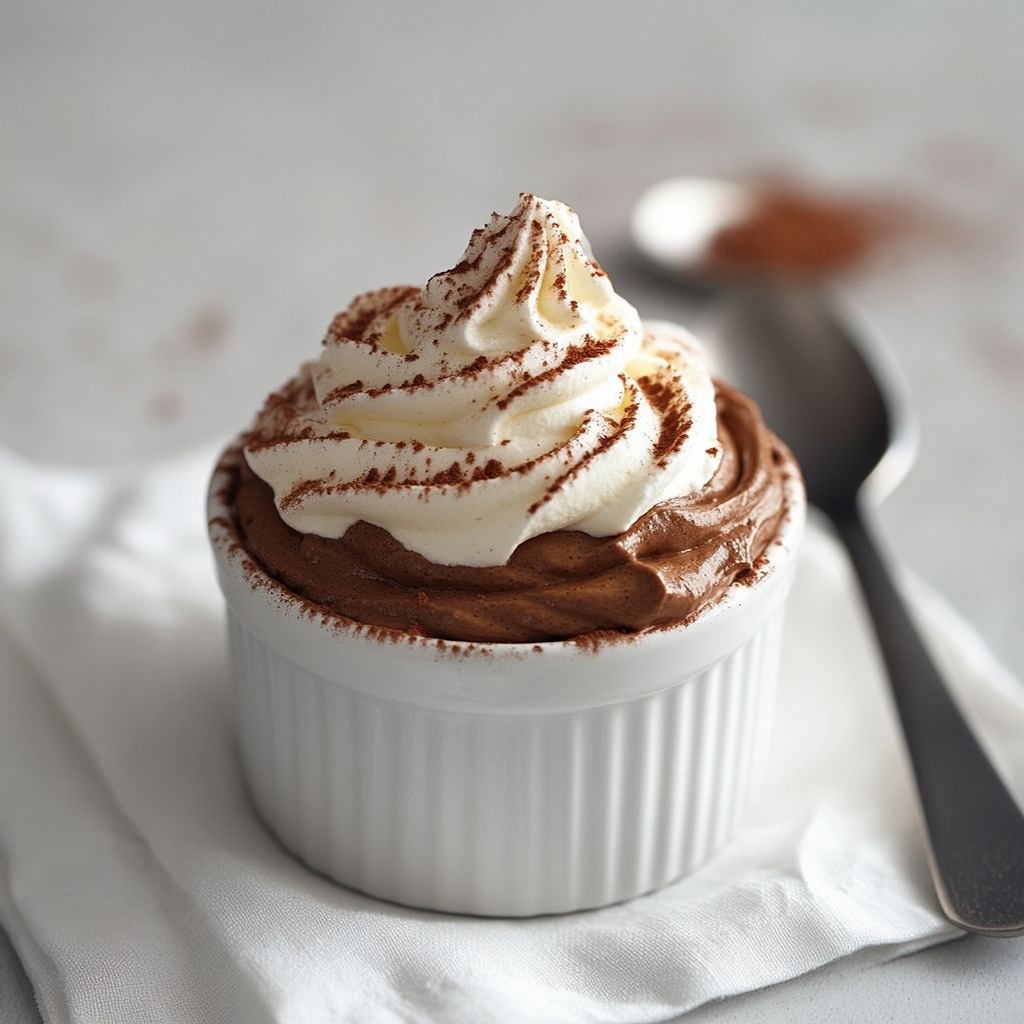
Close your eyes and imagine the first kiss of a velvet night—silky, dark, and unapologetically luxurious. Chocolate cream is that memory you can taste in every spoonful: a whisper of cocoa that settles on the palate with the hush of silk silkiness, a warm melt of sweetness that lengthens on the tongue, and a fragrance that wraps the kitchen in a comforting, almost nostalgic spell. This isn’t merely a dessert; it’s a timeless ritual of comfort, a intimate moment you gift to yourself and to those you hold dear. Whether you’re celebrating a quiet victory, chasing after a rainy-day mood, or simply inviting a moment of indulgence into an ordinary afternoon, chocolate cream has a way of turning simple ingredients into something that feels ceremonial, ceremonial into everyday joy. In every silky swirl, there’s a story: of cocoa beans carried across oceans, of kitchens where laughter rose with steam, and of families gathered around a bowl that’s almost too beautiful to share. If you’ve ever longed for something that reads as luxury yet feels as easy as a cozy hug, this chocolate cream will become a pantry favorite, a go-to comfort that you’ll crave, time and again. Let’s set aside the ordinary and lean into a dessert that promises shimmer, depth, and a memory that lingers long after the last spoonful has disappeared.
The Story Behind the Dish
Chocolate has traveled a remarkable path from cocoa forests to the glossy, glossy comfort of a spoonful you find at the end of a long day. The idea of a cream-based chocolate dessert has roots that reach into European kitchens of the 18th and 19th centuries, where custards, pots de crème, and delicate puddings were celebrated as both art and science. The word “cream” in dessert terms often signals a certain pliancy—a texture that holds a gentle set, a gravity-defying softness that makes each bite feel almost airborne. Chocolate, in its many guises, became the perfect partner for this texture: it lends depth, a velvet darkness, and a lush, lingering finish that begs another taste. But beyond its history, chocolate cream is very much a reflection of home. It’s the dessert grandma might pull from a forgotten tin, the indulgence a student would savor after exam week, the treat that says: a little sweetness can make the world feel a touch more forgiving. In different cultures, you’ll find variations—pot de crème in France with its refined calm, chocolate mousse in Spain and Italy that leans lighter and airier, and regional twists that use local flavors like coffee, vanilla, or spices to shape the experience. What ties all these versions together is the same core intention: to cradle the senses with a glossy, rich, and undeniably comforting chocolate experience. This particular rendition of chocolate cream embraces that lineage while offering a certain modern ease: a custard-like silkiness that can be served cold, at room temperature, or gently warmed, depending on your mood and moment. It’s a dessert that can be dressed up for a special occasion or kept velvety and simple for a weeknight treat. The beauty lies in its adaptability—the way you can tilt it toward decadence or dial it back for everyday elegance, all while preserving that quintessential chocolate charm that makes a dessert feel almost like a warm hug in a bowl.
Why You’ll Love This Recipe
- Luxuriously smooth and glossy texture that glides across the tongue, leaving a lasting, chocolatey kiss on the palate.
- Relatively quick and approachable to make, with a focus on technique that yields a refined finish without fuss.
- Versatile base that adapts to different dietary needs and flavor tweaks, making it suitable for a variety of gatherings and preferences.
- Perfect balance of richness and sweetness; enough depth to feel indulgent, without tipping into heaviness.
- Pairs beautifully with a wide range of accompaniments—berries, coffee, crisp cookies, or a flutter of whipped topping—allowing you to tailor the mood to the moment.
- Make-ahead friendly: you can prepare this dessert in advance, letting flavors mingle and textures set for a more profound chocolate experience.
Flavor Profile & Texture
The signature of chocolate cream is its dual personality: it appears light at first glance, yet reveals a profound depth upon tasting. The aroma is a bouquet of roasted cacao with subtle notes of vanilla, cream, and a whisper of pastry-like sweetness. On the palate, you’ll notice a velvety, nearly satin-like mouthfeel that coats the tongue without being cloying. The chocolate flavor is rich but not overwhelming, a well-balanced dark sweetness that dances between bitter and sweet with nuance—think a fine ganache that has been taught to speak softly. There’s often a gentle undercurrent of dairy or a plant-based alternative that adds a touch of dairy-like creaminess, rounding out the richness and lending a luxurious, lingering finish. The texture holds a delicate set that offers a bit of spoonable structure but melts almost instantly with warmth, making each bite feel as if it’s dissolving into pure cocoa reverie. The finish tends to linger, with a clean aftertaste that invites the next bite without fatigue. If you savor accents, you’ll find that a hint of vanilla or a sprinkle of a bright acidity from berries can illuminate the chocolate’s sweetness, creating a chorus of flavors rather than a solo performance. This balance—richness without heaviness, silkiness without limpness, and sweetness with restraint—defines chocolate cream and is why it remains a beloved star on dessert menus and at family tables alike.
Occasions & Pairings
Chocolate cream shines in a spectrum of moments, from intimate nights to celebratory feasts. It’s a dream for weeknights when you want something special without a mountain of effort, yet it’s elegant enough for dinner parties and holiday menus. Here are some situations where this dessert truly shines:
- Weeknights of self-care: a comforting, quick treat after a long day that feels deeply rewarding.
- Romantic dinners: a refined ending that pairs beautifully with a glass of dessert wine, a bold coffee, or a smoky espresso.
- Family gatherings and potlucks: a crowd-pleasing finish that can be served in individual portions for easy serving.
- Special occasions: a chocolate finale that can be dressed with luxurious toppings or a dusting of cocoa, gold leaf, or finely chopped nuts for a festive touch.
- Breakfast or brunch indulgence: in small portions, it can become a velvety accent served alongside fruit and pastry for a decadent weekend treat.
Pairings matter with any chocolate dessert. Consider these options to complement and elevate the chocolate cream:
- Fresh berries or citrus segments to cut the richness and add a bright contrast.
- Crunchy textures such as biscotti, almond cookies, or a crisp tuile to provide an exciting counterpoint to the creaminess.
- Strong coffee, espresso, or a dark roast to mirror the chocolate’s depth and create a harmonious ending to the meal.
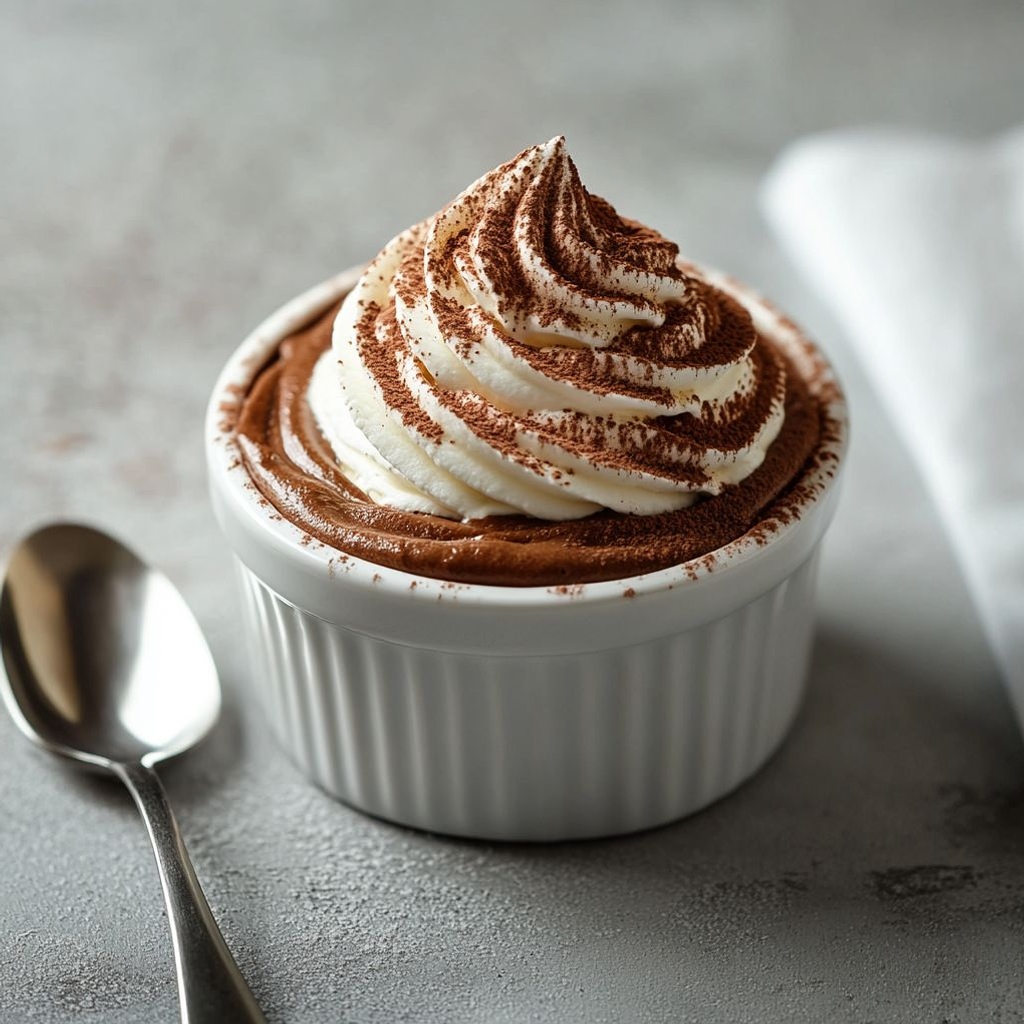
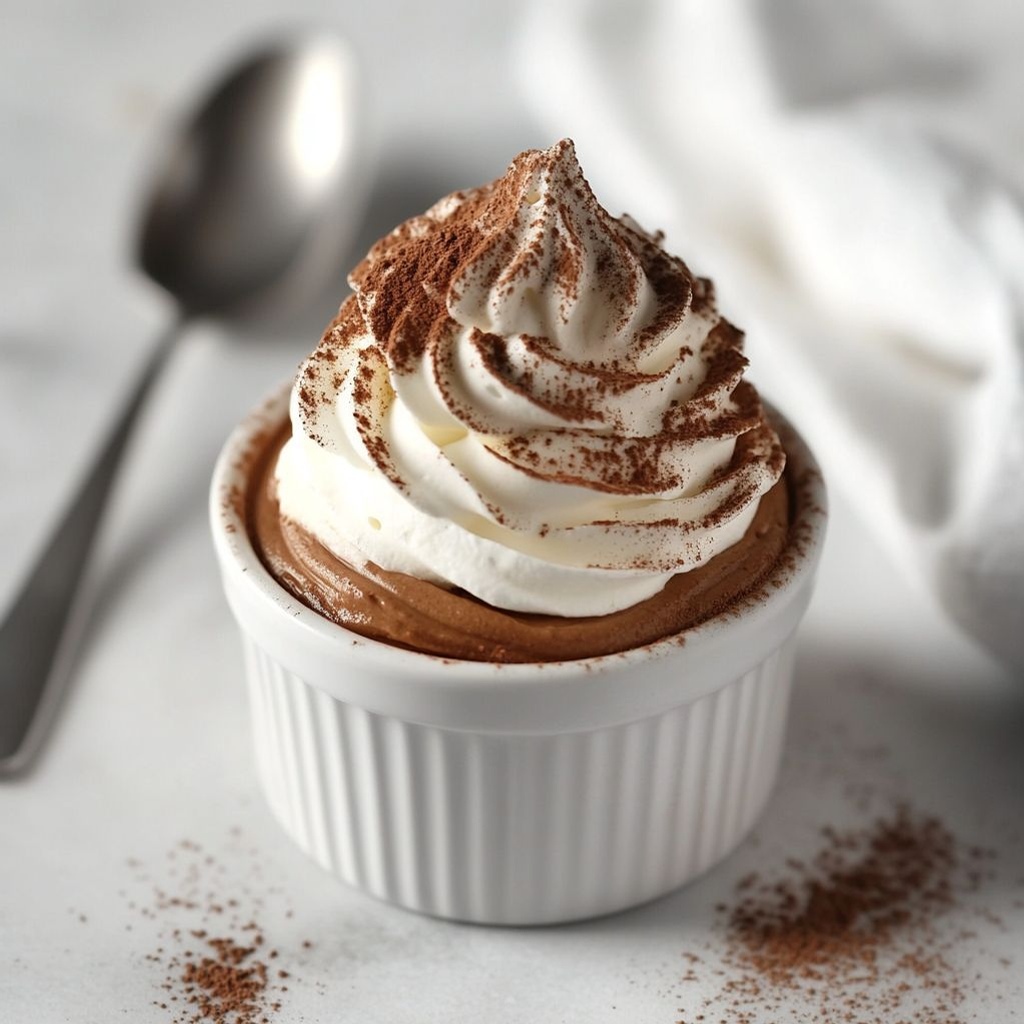
- Whipped cream or a dollop of vanilla crème for extra cloud-like lightness and an inviting crest on top.
- Silky liqueurs or coffee lusions for adults, adding a gentle warmth that enhances the dessert’s cocoa notes.
Tips, Variations & Substitutions
One of the joys of a dessert like chocolate cream is its adaptability. You can shape it to suit your pantry, your guests, and your dietary preferences without losing the essence of the dish. Here are ideas to consider as you plan your version:
- Vegan or dairy-free: use a plant-based milk and a dairy-free substitute that provides richness. A good approach is to rely on a velvety plant cream to achieve that smooth texture, and to choose a high-quality dairy-free chocolate to maintain depth of flavor.
- Gluten-free considerations: this dessert typically doesn’t rely on gluten-containing ingredients, but if you’re serving it with accompaniments, choose gluten-free cookies, biscuits, or crackers to keep the whole experience accessible for gluten-sensitive guests.
- Low-sugar or sugar-free options: opt for high-percentage chocolate or cocoa that brings intensity with less sweetness, and use a sweetener that suits your preference. You can also rely on vanilla and a pinch of salt to heighten flavors without adding sugar.
- Flavor twists: a touch of espresso, a hint of chili, or a whisper of cinnamon can transform the chocolate profile, giving a warm, inviting edge to the cream without overpowering the core themes.
- Texture variations: for a lighter, mousse-like version, fold in a softly whipped plant-based cream just before serving. For a firmer custard-style cream, let it set longer and chill thoroughly before portioning.
- Regional twists: incorporate pantry staples like orange zest for a bright twist, almond extract for a nutty aroma, or a splash of liqueur that suits your crowd to create a customized identity for the dish.
- Make-ahead variations: this dessert often benefits from resting in the fridge, which helps flavors mellow and textures settle into a cohesive, luscious finish. You can prepare the base ahead and finish with toppings or accompaniments just before serving.
Storage & Make-Ahead Ideas
Chocolate cream is particularly well-suited to planning ahead. Here are practical guidelines to ensure it maintains its charm from the moment you make it to the moment you serve it:
- Refrigeration: cover the dessert tightly and store in the refrigerator. It will typically stay fresh for 2–4 days, depending on the exact ingredients and the creaminess of the texture you achieve.
- Freezing considerations: freezing can affect texture, especially if using dairy. If you anticipate freezing, consider setting up a version designed for freezing or plan to freeze a portion that will be served cold, then thaw slowly in the fridge before serving to recapture as much silkiness as possible.
- Make-ahead strategy: prepare the chocolate cream base in advance and chill thoroughly. When ready to serve, portion into individual vessels or a serving dish, and add toppings or accompaniments to keep the experience fresh and inviting.
- Reheating tips: if the texture allows, a gentle reheat can revive a slightly stiff set, but know that some smooth custard-like textures may not respond well to heat. If you reheat, do so slowly and with a protective swirl of cream to preserve silkiness.
- Storage conditions for toppings: add delicate toppings just before serving to maintain their texture. If you’re including crunchy garnishes or fresh fruit, arrange them at service to keep contrast intact.
Fun Facts & Trivia
Delightful trivia can add a spark to your presentation and conversation. Here are a few morsels you can share with guests or simply keep for your own curiosity:
- Chocolate has a storied history that spans ancient Mesoamerican civilizations and modern chocolate artistry. The journey from cacao beans to a glossy dessert is a remarkable tale of tradition, science, and flavor.
- The word “chocolate” has origins in the ancient Nahuatl language, with terms related to “warm” and “bitter” that hint at the early experiences of tasting this prized ingredient.
- Chocolate cream desserts often balance richness with lightness—an achievement that mirrors the aging of chocolate itself as it evolves from dark, intense notes to a more refined, velvet finish when tempered and combined with dairy or plant-based creams.
- Many cultures have their own variations of chocolate desserts that center on a creamy, custard-like texture, reflecting a shared love for the comfort of a smooth, luxurious mouthfeel.
- In modern kitchens, chocolate cream is a playground for chefs and home cooks alike, inviting small, personal experiments with flavors, textures, and presentation while honoring a timeless cocoa romance.
Conclusion & Final Thoughts
Chocolate cream stands as a testament to the power of simple ingredients elevated through technique, patience, and a dash of imagination. It invites you to slow down, savor the scent of cocoa as it unfurls through the room, and allow a silky, glossy dessert to become the centerpiece of a small ritual—one that turns an ordinary moment into something memorable. Whether you’re crafting a quiet end to a weeknight dinner or presenting a show-stopping finish for a special occasion, this chocolate cream delivers on the promises of luxury, comfort, and a touch of whimsy. It’s the kind of dessert that invites conversation, sparks smiles, and earns a cherished place in your dessert repertoire. May each spoonful remind you that the best joys in life often arrive wrapped in velvet chocolate, whispered sweetness, and the comforting glow of a kitchen well loved.
Ingredients
- – 2 cups whole milk
→ The custard base uses whole milk for maximum creaminess and body. It supplies the moisture and fat that create a smooth, luscious chocolate cream. If you substitute with lighter milk, expect a thinner texture and compensate with a touch more cornstarch or egg yolks. - – 1/2 cup heavy cream
→ Adds richness and a velvety mouthfeel to the final custard. Stir it into the hot mixture off the heat to prevent curdling and to achieve a glossy finish. For a lighter version, you can reduce this to 1/4 cup, but the texture will be less silky. - – 1/2 cup granulated sugar
→ Provides sweetness, depth, and helps with a smooth mouthfeel as the custard cooks. Whisk the sugar with cocoa powder and the yolks to ensure it dissolves evenly. If you prefer a less sweet dessert, reduce by 2–4 tablespoons, keeping in mind the balance with cocoa and vanilla. - – 1/3 cup unsweetened cocoa powder, sifted
→ Delivers the classic chocolate flavor and color. Sifting eliminates clumps for a smoother mix, and whisking it with warm milk prevents graininess. Use Dutch-processed for a mellower, richer chocolate, or natural cocoa for brighter acidity. - – 3 tablespoons cornstarch
→ Thickens the custard into a creamy, spoonable chocolate cream. To prevent lumps, whisk the cornstarch with a small amount of cold milk to make a slurry before adding to the hot mixture. If you desire a firmer set, you can increase to 4 tablespoons; for a softer result, use 2 1/2 tablespoons. - – 4 large egg yolks
→ Primary thickening and richening agents. Temper the yolks by whisking a ladle of the hot milk into them first, then gradually whisk the warmed yolk mixture back into the pot. This prevents scrambling and yields a silkier custard. - – 2 tablespoons unsalted butter, cut into pieces
→ Finishes the custard with a glossy sheen and extra richness. Stir in off the heat until fully melted and incorporated. Butter also contributes to a smooth, luxurious mouthfeel; avoid boiling after addition. - – 1 teaspoon vanilla extract
→ Enhances chocolate depth and aroma. Use pure vanilla extract for the most vibrant flavor; for an extra layer, you can add 1/2 teaspoon vanilla bean paste in addition to the extract. - – Pinch of salt
→ Intensifies chocolate flavor and balances sweetness. If you use salted butter, adjust to avoid an overly salty finish—start with a small pinch and taste as you go.
- – 1/2 teaspoon instant espresso powder
→ Deepens chocolate flavor by enhancing the cocoa bitterness. Dissolve in a teaspoon of hot water before whisking into the milk for even distribution. Omit if you prefer a purely classic chocolate profile. - – 1/4 cup semisweet chocolate chips or chopped dark chocolate
→ Adds extra pockets of melted chocolate and a richer texture. Stir in chips at the end or fold chopped chocolate into the warm custard off the heat so they melt just enough for ripples. - – 1/4 teaspoon ground cinnamon or a pinch of chili powder (optional)
→ A subtle spice can add warmth and dimension to the chocolate. Use sparingly; a little goes a long way—start with 1/8 teaspoon and adjust to taste. - – 1/2 teaspoon almond extract (optional)
→ Provides a delicate nutty note that complements chocolate nicely. Use sparingly, as too much can overpower the chocolate; pair with toasted almonds if desired.
- – Fresh berries (strawberries, raspberries, or blueberries)
→ Bright, tart notes provide a refreshing contrast to the rich chocolate cream. Rinse and pat dry; scatter over the surface just before serving for color and balance. - – Whipped cream (optional topping)
→ Lightens the dish and adds a classic dessert feel. To prepare, whip cold heavy cream with 1–2 tablespoons sugar and 1/2 teaspoon vanilla until soft peaks form. Dollop atop cooled chocolate cream for serving. - – Dark chocolate shavings or curls
→ An elegant finish that enhances aroma and chocolate intensity. Use a sharp knife or peeler to shave from a cold chocolate bar; sprinkle over the top just before serving. - – Cocoa powder dusting (optional)
→ A light dusting adds a finishing aroma and a touch of bitterness that complements sweetness. Sift a small amount over the surface for presentation and a subtle bite.
Instructions
- Gather and arrange all ingredients and equipment on the counter before you start, including a heavy-bottom saucepan, a whisk, a heatproof bowl, a fine-mesh sieve, and serving dishes, so you can move efficiently and maintain proper temperatures.
- Sift the unsweetened cocoa powder into a small bowl to remove any clumps, then whisk it with the granulated sugar until evenly combined, so the chocolate flavor distributes smoothly through the custard.
- Whisk the 3 tablespoons cornstarch with 2–3 tablespoons cold milk in a separate small bowl to form a smooth slurry, ensuring there are no lumps that could cause streaks in the finished custard.
- Whisk the 4 large egg yolks with the 1/2 cup granulated sugar in a medium bowl until pale, thick, and slightly ribbon-like, which helps create a luxuriously rich custard texture.
- In a heavy-bottom saucepan, combine the 2 cups whole milk and 1/2 cup heavy cream with a pinch of salt and the vanilla extract, then heat over medium heat until the mixture is steaming and small bubbles gather at the edges but do not boil.
- Whisk the cocoa-sugar mixture into the steaming dairy until completely smooth and incorporated, then maintain a gentle simmer while you proceed, ensuring the color is deep and uniform.
- Very slowly temper the yolks by whisking a ladleful of the hot cocoa-dairy mixture into the yolk-sugar bowl, then whisk the warmed yolk mixture back into the pot to combine without scrambling the eggs.
- Stir in the cornstarch slurry into the pot and continue cooking over medium heat, whisking constantly, until the custard thickens to a coating consistency that leaves a clear path on the surface of the spoon.
- Continue cooking until the custard reaches a light simmer and coats the back of a spoon, then remove from heat to finish the flavoring steps.
- Add the 2 tablespoons of unsalted butter—one piece at a time—stirring gently off the heat until fully melted and the surface is glossy, which enriches mouthfeel and creates a velvety finish.
- Stir in the teaspoon vanilla extract and taste for salt, adding a tiny pinch more salt if needed to balance sweetness and deepen chocolate depth.
- If using optional espresso powder, dissolve 1/2 teaspoon in 1 teaspoon hot water and whisk into the custard off the heat to deepen chocolate notes without muting sweetness.
- If adding optional chocolate chips or chopped chocolate, fold 1/4 cup into the warm custard off the heat so they melt just enough to ripple without seizing the mixture.
- Strain the custard through a fine-mesh sieve into a clean bowl to remove any trace of lumps or cooked egg bits, ensuring ultra-smooth chocolate cream.
- Cover the surface of the custard with plastic wrap directly on the surface to prevent a skin from forming, then refrigerate until fully set and chilled, at least 2 hours or up to overnight.
- Prepare optional toppings: whip cold heavy cream with 1–2 tablespoons sugar and 1/2 teaspoon vanilla until soft peaks form, for a light, airy contrast to the dense chocolate cream.
- Before serving, shave dark chocolate with a sharp knife or vegetable peeler into curls and dust lightly with cocoa powder for an elegant finish, then arrange fresh berries or other toppings as desired.
→ This ensures you have everything within reach and reduces the risk of missing ingredients mid-cook, which can lead to uneven texture or premature cooling of components.
→ Sifting prevents gritty specks and whisking with the sugar helps the cocoa dissolve evenly when it meets the warm dairy.
→ A well-made slurry activates the starch evenly and prevents lumps during heating for a creamy, spoonable texture.
→ Whipping yolks with sugar warms and aerates them slightly, which aids emulsification and contributes to a smooth finish when heated with dairy.
→ Heating gently activates the dairy’s flavors and creates a warm base that will dissolve the cocoa and sugar evenly; avoid boiling to prevent scorching and loss of sheen.
→ Integrating the cocoa at this stage ensures a rich chocolate base and prevents raw cocoa flavors from remaining.
→ Tempering gradually brings the yolks up to temperature, preventing curdling and achieving a silkier custard.
→ The slurry activates the thickening power of the starch; constant whisking prevents lumps and ensures an even, glossy texture.
→ A proper coat-and-sheet test indicates the custard has reached the right thickness before adding butter and off-heat refinements.
→ Butter emulsifies into the hot custard, increasing silkiness; adding off the heat prevents separation.
→ Vanilla enhances aroma and flavor, while salt sharpens the chocolate and reduces perceived sweetness.
→ Espresso boosts the cocoa bitterness subtly and adds a professional depth to the chocolate profile.
→ Melting chips in residual warmth creates pockets of melted chocolate for texture and flavor contrast.
→ Straining yields a velvety, restaurant-quality texture free of specks or curdling residues.
→ Direct contact with wrap prevents skin and chilling helps stabilize flavor and texture for serving.
→ Whipped cream adds a creamy, airy counterpoint and enhances presentation.
→ Finishing touches elevate aroma, texture, and color, making the dessert visually appealing and balanced in flavor.
Notes
These Chocolate Cream notes guide you to a silky, chocolate-rich custard with a glossy finish that sets into a luxurious dessert when chilled.
Start by whisking a cold-milk cornstarch slurry to prevent lumps, then gently heat the milk and cream with the sugar and sifted cocoa until just steaming. In a separate bowl whisk the egg yolks, then temper them with a ladle of the hot milk before returning the yolk mixture to the pot; cook over low heat, whisking constantly, until the custard thickens and coats the back of a spoon—do not let it boil.
Off the heat, whisk in the butter and vanilla until smooth and glossy, and strain if you want extra silkiness. For a deeper chocolate profile, whisk in espresso powder dissolved in hot water, or fold in chopped chocolate at the end so it melts into ribbons. Optional spices like cinnamon or a pinch of chili can add warmth, and a little almond extract can complement the chocolate; adjust to taste.
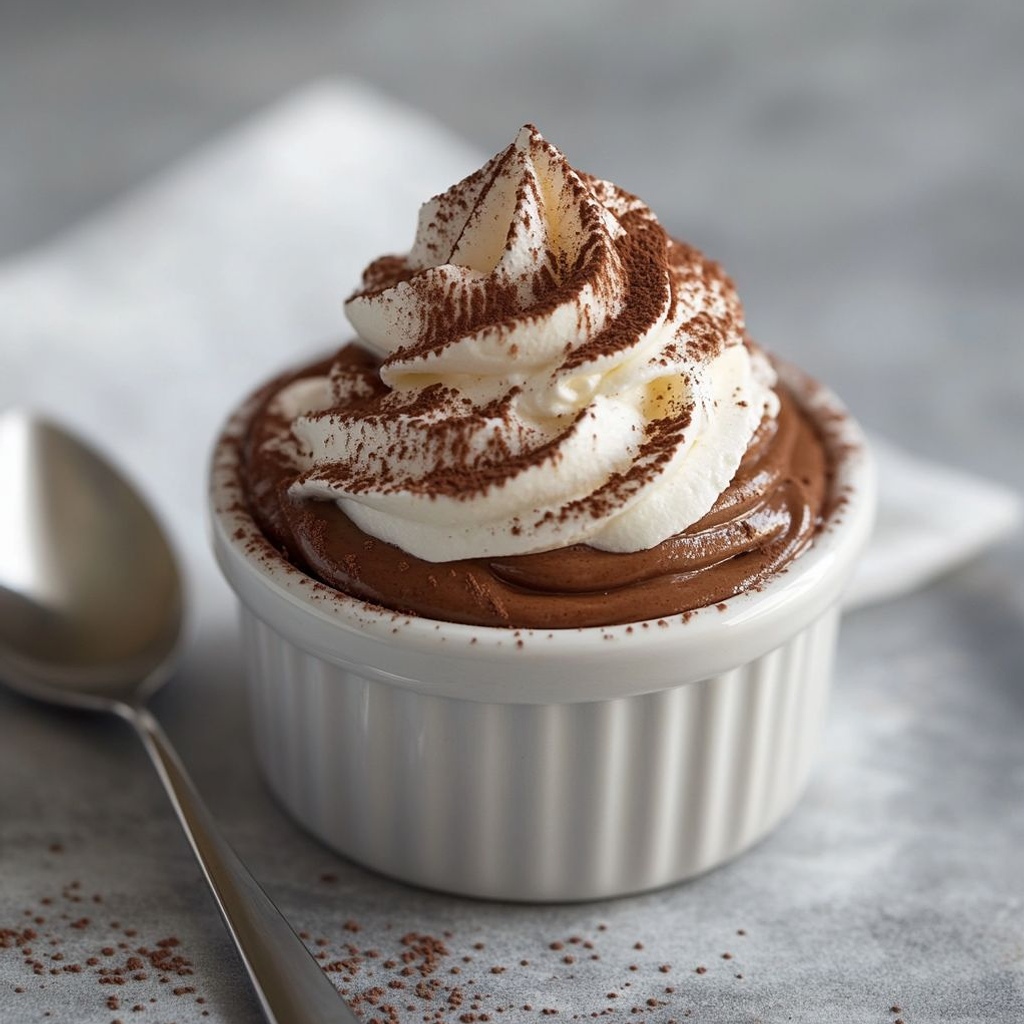
Chill the custard for at least 2 hours to set, then serve with fresh berries, a dollop of whipped cream, and shaved chocolate. Leftovers can be refrigerated for 2–3 days; whisk gently before serving if needed. To maintain the best texture, avoid boiling after the yolks are added and store in a covered container to prevent a skin from forming.
Tips
Tips for Perfect Chocolate Cream
- Whisk the cocoa with a small amount of warm milk to form a smooth paste before adding to the pot. This helps prevent lumps and ensures even color.
- Make the cornstarch slurry with cold milk (or a little of the whole milk) to avoid clumps, then whisk into the hot mixture gradually to prevent lumps.
- Warm the milk gradually with the sifted cocoa and sugar so the base blends smoothly and foams less as it thickens.
- Temper the egg yolks: whisk a ladle of the hot milk into the yolks, then return warmed yolk mixture to the pot. This keeps the custard silky and prevents scrambling.
- Cook over medium-low heat, stirring constantly with a silicone spatula, scraping the bottom and sides to prevent scorching and promote even thickening.
- Don’t boil after adding the yolks and cornstarch; once the mixture thickens to a nappe that coats the back of the spoon, remove from heat.
- Finish with the butter off the heat. Swirl until melted and glossy—this adds shine and a luxurious mouthfeel.
- For extra smoothness, strain the custard through a fine-mesh sieve into a clean bowl before chilling.
- Add vanilla and a pinch of salt at the end; if using vanilla bean paste, add with the extract for a deeper aroma.
- If you want a richer flavor, stir in a teaspoon of espresso powder dissolved in a teaspoon hot water, or a small bit of extra melted chocolate off heat.
- To adjust texture: if the custard seems too thick after chilling, whisk in a small splash of warm milk; if too thin, whisk in a bit more cornstarch slurry and heat gently until it thickens again.
Make-ahead and storage
- Chocolate cream can be made a day ahead; cover tightly and refrigerate. Re-whisk and warm gently before serving to restore silkiness.
- Store in a glass jar or covered bowl; this helps preserve aroma and prevents crust from forming on the surface.
Optional add-ins and flavor balance
- Instant espresso powder enhances the chocolate depth; dissolve in hot water before whisking into the milk for even distribution.
- Stir in 1/4 cup semisweet chocolate chips off the heat for ribbons of melted chocolate, or fold in chopped dark chocolate to finish the custard just before serving.
- A pinch of cinnamon or chili powder can add warmth—start with 1/8 teaspoon and taste, then adjust.
- Almond extract provides a subtle nutty note; use sparingly (1/8 teaspoon) and consider pairing with toasted almonds as a topping.
Serving and presentation tips
- Serve slightly chilled or at room temperature; a cooler center contrasts nicely with a warm, rich spoonful. Refrigerate for a firmer set if desired.
- Keep toppings separate until serving; fresh berries brighten the dish, and a dollop of whipped cream adds lightness.
- For a polished finish, dust with cocoa powder just before serving or shave dark chocolate on top for aroma and texture.
FAQ
What is Chocolate Cream?
Chocolate Cream is a rich, silky dessert made by gently heating dairy with chocolate and a thickener. It can be enjoyed on its own as a pudding or used as a filling or frosting for cakes, tarts, pastries, and more.
What ingredients do I need?
Common ingredients for a classic chocolate cream include:
- Milk or a combination of milk and cream (about 2 cups / 480 ml)
- Chocolate, chopped (4 oz / 115 g, dark or semisweet)
- Sugar (1/3 to 1/2 cup / 65–120 g), adjust to taste
- Thickener: egg yolks (2–3) for a custard, or cornstarch (2–3 Tbsp) for an eggless version
- Vanilla extract (1 tsp)
- Salt (a pinch)
- Butter (1 Tbsp, optional) for shine and richness
Is this recipe dairy-free or vegan?
Yes, with substitutions. Use plant-based milk (almond, soy, or coconut) and vegan chocolate. If using cornstarch as the thickener, you can omit dairy completely. For a vegan finish, replace butter with a neutral oil or coconut oil and add a splash of vanilla for richness.
How do I make Chocolate Cream on the stove?
Two common methods:
- Custard method (with eggs): Whisk yolks with sugar. Heat milk until steaming. Temper the yolks by slowly whisking in hot milk, then return to the pot and cook gently until thickened. Remove from heat, stir in chopped chocolate until melted, then whisk in butter (if using) and vanilla. Chill with plastic wrap directly on the surface to prevent skin.
- Eggless method (with cornstarch): Whisk cornstarch with a little milk to form a slurry. Heat the rest of the milk with sugar and vanilla to just below a simmer. Whisk in the cornstarch slurry and cook until thick, then whisk in melted chocolate and butter (if using). Chill as above.
How long does it take to set and chill?
Chill in the refrigerator for about 2–4 hours, or overnight for a very thick, spreadable cream. If you’re in a rush, you can chill briefly in the freezer for 15–20 minutes, but be careful not to freeze it solid.
How should I store Chocolate Cream?
Store in an airtight container in the refrigerator. Use within 3–4 days. For longer storage, you can freeze the eggless version for up to 1–2 months; note that texture may change after freezing and thawing. If you freeze, thaw in the fridge and whisk to smooth before using.
What are common uses for Chocolate Cream?
Use it as:
- Filling for layered cakes, tarts, eclairs, or cream puffs
- Frosting or glaze for cupcakes and cookies
- Layering in trifles or parfaits topped with whipped cream
- A simple chocolate pudding served with berries or whipped cream
How can I fix lumps or a grainy texture?
Tips:
- If using eggs, ensure you don’t overheat: cook until just thickened, then remove from heat.
- If you see lumps, strain the cream through a fine-mesh sieve while it’s warm.
- For eggless versions, whisk more vigorously as it cooks and whisk in melted chocolate gradually.
- Warm a small amount of liquid separately and whisk into the mixture to smooth it.
Can I flavor or customize Chocolate Cream?
Yes. Try:
- Adding a teaspoon of espresso powder for a mocha flavor
- Vanilla bean seeds or vanilla paste for extra aroma
- Orange zest or a pinch of cinnamon for a twist
- Liquors such as rum, Grand Marnier, or Kahlua (add after removing from heat)
- Salted chocolate version with a pinch of flaked salt on top
Can I use different types of chocolate?
Yes. Dark, semisweet, milk, or white chocolate all work. Adjust sugar accordingly, since white chocolate is sweeter and has less bitterness. For a deeper flavor, use a higher percentage dark chocolate and consider adding a pinch of salt.