
Introduction / Hook
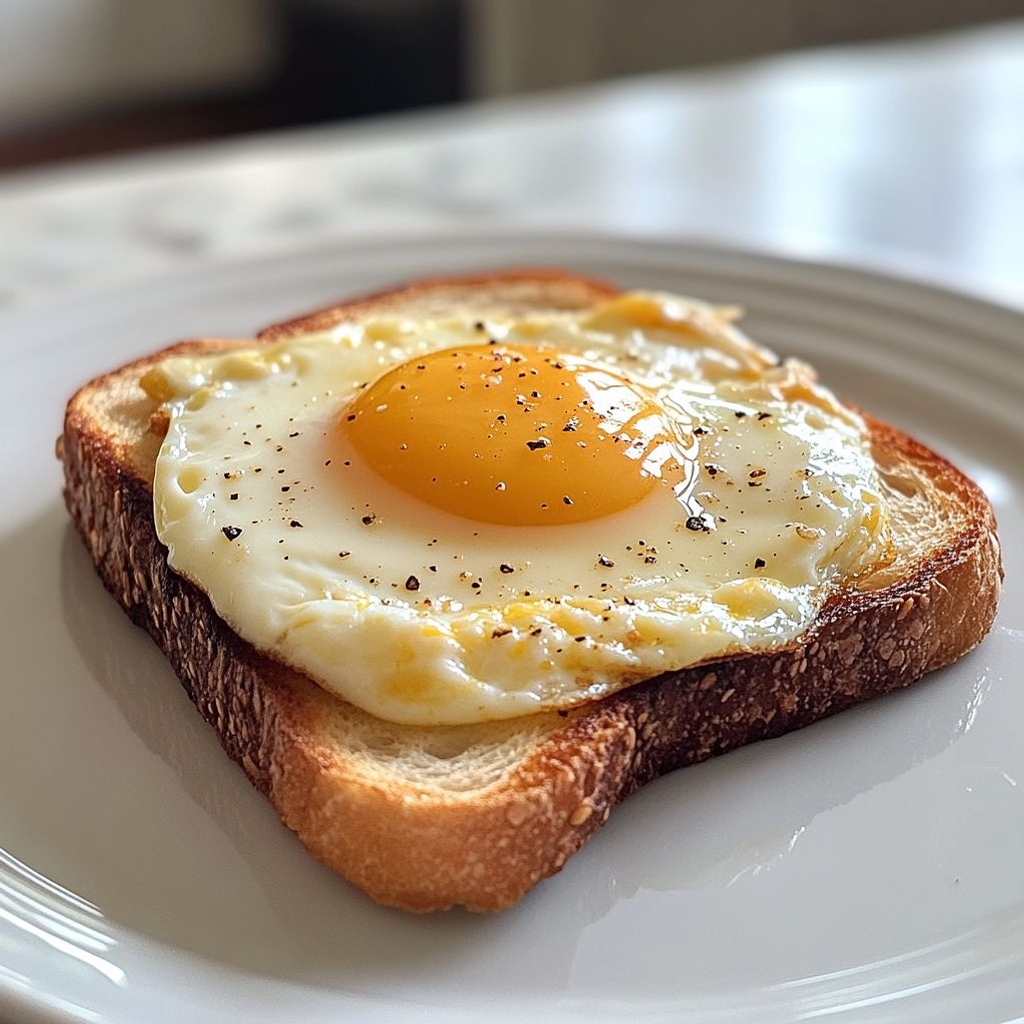
Imagine a morning ritual that feels like a warm hug for your senses: the bread crackles softly as it meets a sizzling skillet, a cascade of melted cheese threads through the air, and a glossy egg settles on top with a silky, runny yolk just begging to be pierced. Egg and cheese toast isn’t merely a dish to start the day; it’s a small celebration that takes everyday ingredients and elevates them into something comforting, indulgent, and incredibly satisfying. The magic lies in the contrast—the crisp, toasty edges giving way to the creamy, savory melt of cheese, and a yolk that streams like liquid sunshine when you cut into it. It’s fast enough for busy mornings, yet luxurious enough to feel like a treat you’ve earned, even on a weekday. Each bite brings a gentle sizzle, a toasty aroma, and a satisfying warmth that lingers long after the plate is cleaned. Welcome to a humble toast that wears its happiness on its crust.
The Story Behind the Dish
Egg and cheese toast sits at a crossroad of comfort foods that have traveled with people from breakfast tables to late-night kitchens across decades and continents. Its lineage is a charming collage of two timeless ideas: bread that’s been coaxed into golden crispness and eggs that embody breakfast simplicity at its most honest. The concept of dipping or pairing bread with a runny yolk has echoes in “eggs on toast” traditions found in many cultures, where a soft egg is perched atop a slice of bread, inviting you to pierce the yolk and let it mingle with the toasty crust. The cheese element is a more modern riff—a nod to the universally adored allure of melted cheese as a binding, flavor-boosting agent that makes every bite feel luxurious without turning it into a fuss. In many kitchens, this combination emerges as a spontaneous weekday staple, a dish that proves you don’t need a long shopping list or elaborate techniques to conjure something memorable. It’s the kind of recipe that turns a simple breakfast into a moment of pride, a tiny celebration before the day unfolds. The harmony of textures and flavors makes it a favorite not only for solo mornings but for brunch tables, sleepy weekends, and even comforting late-night suppers when you crave something familiar and nourishing.
Why You’ll Love This Recipe
- Quick and unfussy: A satisfying meal that comes together in moments, perfect for busy mornings or a speedy weekend brunch.
- Versatile and forgiving: Works with a wide range of breads, cheeses, and add-ins, so you can tailor it to what you have on hand.
- Comforting and indulgent without being heavy: The crisp toast contrasts with oozy cheese and a silky egg for a balanced bite.
- Kid-friendly and crowd-pleasing: Simple flavors that appeal to little palates while still exciting adult taste buds.
- Budget-friendly: Uses everyday pantry staples, making it a economical choice for daily breakfasts or casual entertaining.
- Make-ahead friendly in spirit: You can pre-toast the bread or pre-shave a few cheese shreds, reducing dawn-time prep.
- Adaptable to dietary needs: With thoughtful substitutions, it can align with vegan, gluten-free, or dairy-free preferences.
Flavor Profile & Texture
Egg and cheese toast is a study in delicious contrasts. The bread provides a sturdy, crisp foundation—think of a golden crust that offers a satisfying bite, a gentle chew, and a hint of nutty warmth from the toasting process. The cheese, melted into a luscious blanket, adds a savory, umami-rich depth with a hint of meltiness that stretches between bites. The egg—whether you opt for a runny yolk that spills like liquid gold or a perfectly set white with a velvety interior—delivers richness and silkiness that ties the whole dish together. As you cut through, the yolk mingles with the cheese, creating a velvety sauce that seeps into the bread, while the crisp surfaces provide a textural counterpoint that keeps each bite exciting. Depending on the cheese you choose, you’ll also encounter a spectrum of flavors—from sharp and tangy to mellow, buttery, or even sweet-savory if you lean into a cheese with a touch of caramelization. When finished with a few bright touches—herbs, a kiss of black pepper, a whisper of chili heat—the dish goes from comforting to irresistible, like a warm memory in edible form.
Beyond the primary trio, the optional toppings and add-ins offer a chorus of flavors that can elevate the experience. A slice of tomato can add a juicy brightness; avocado can contribute creaminess and richness; a handful of fresh herbs—parsley, chives, or dill—can lift the dish with their fresh aroma. A pinch of red pepper flakes or a drizzle of chili oil introduces a welcome spark of heat. Even the saltiness of a touch of miso butter or a smear of pesto can harmonize with the cheese to pull the flavors in new directions without overpowering the core character of the dish.
Occasions & Pairings
This versatile toast shines in many moments. It’s ideal for a leisurely weekend brunch that invites lingering conversations over coffee. It also makes a comforting, speedy weekday breakfast when time is tight but you still crave something satisfying. It can anchor a light lunch, served with a bright salad or a bowl of soup, or be a savory partner to a fruit plate for a balanced, well-rounded morning meal. For special occasions, pair with a sparkling beverage or a crisp white wine if you’re enjoying a relaxed brunch spread with friends.
- Pairings: A simple side salad with a lemony vinaigrette, fresh tomato slices, or a handful of arugula can provide a fresh counterpoint. A cup of coffee, a glass of orange juice, or a lightly sparkling beverage works beautifully alongside.
- Occasion ideas: Weekday breakfasts, weekend brunch, after-work suppers, or a cozy, casual entertaining menu where guests can customize their own toppings.
Tips, Variations & Substitutions
While the core of the dish is wonderfully simple, a few thoughtful tweaks can unlock new flavors and textures, and accommodate various dietary needs or preferences.
- Bread varieties: Sourdough adds a robust, tangy note with a sturdy bite; country loaf or rustic bakery bread delivers a hearty, satisfying base; whole-grain or multigrain bread adds extra texture and nutty flavor. For a lighter option, use a classic white loaf or baguette slices. To keep it gluten-free, choose a sturdy gluten-free bread that toasts well and doesn’t crumble under the egg and cheese.
- Cheese choices: A sharp cheddar gives a bold punch, while Gruyère, Emmental, or Swiss melts deliver a luxurious creaminess. A melty mozzarella-based blend provides a stringy richness, and a pepper jack can add a gentle heat. For a tangy twist, try a bit of blue cheese with milder bread, balancing the bite with a sweeter element from the bread itself.
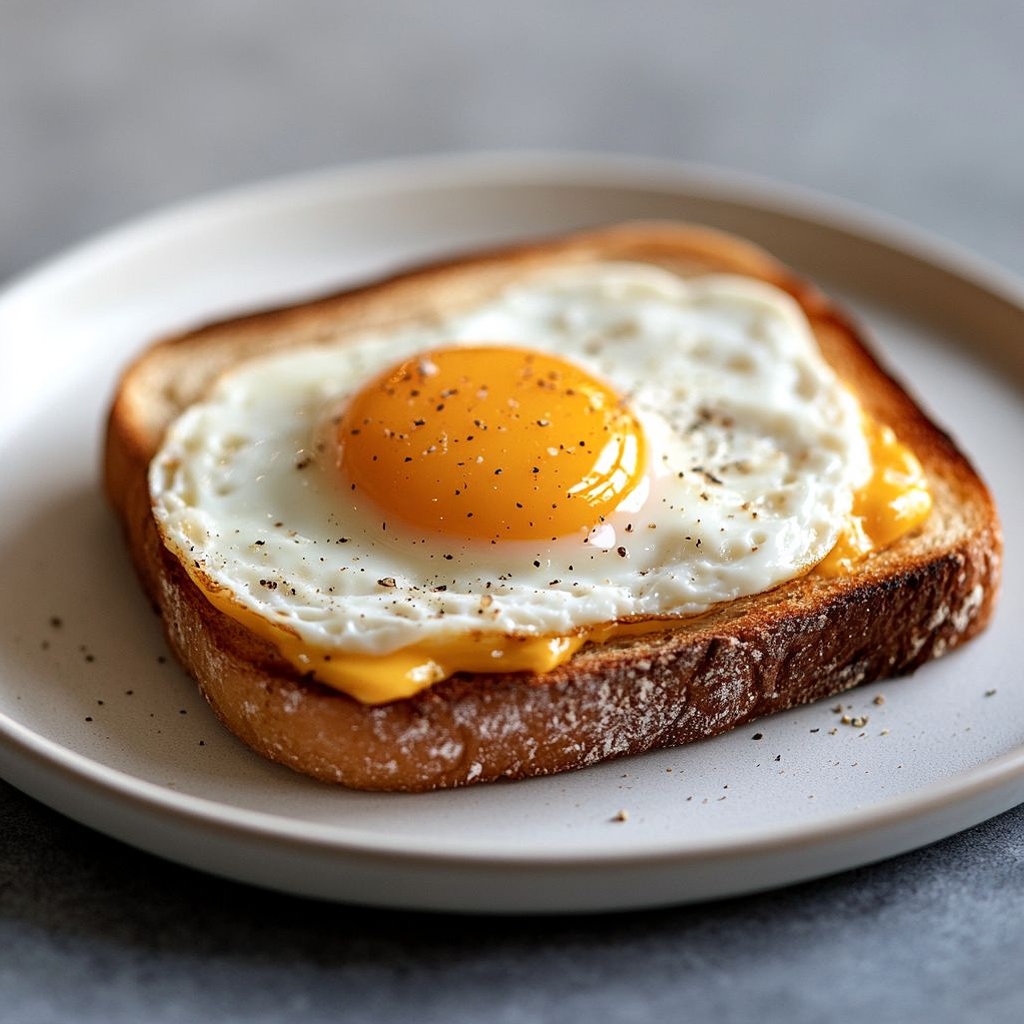
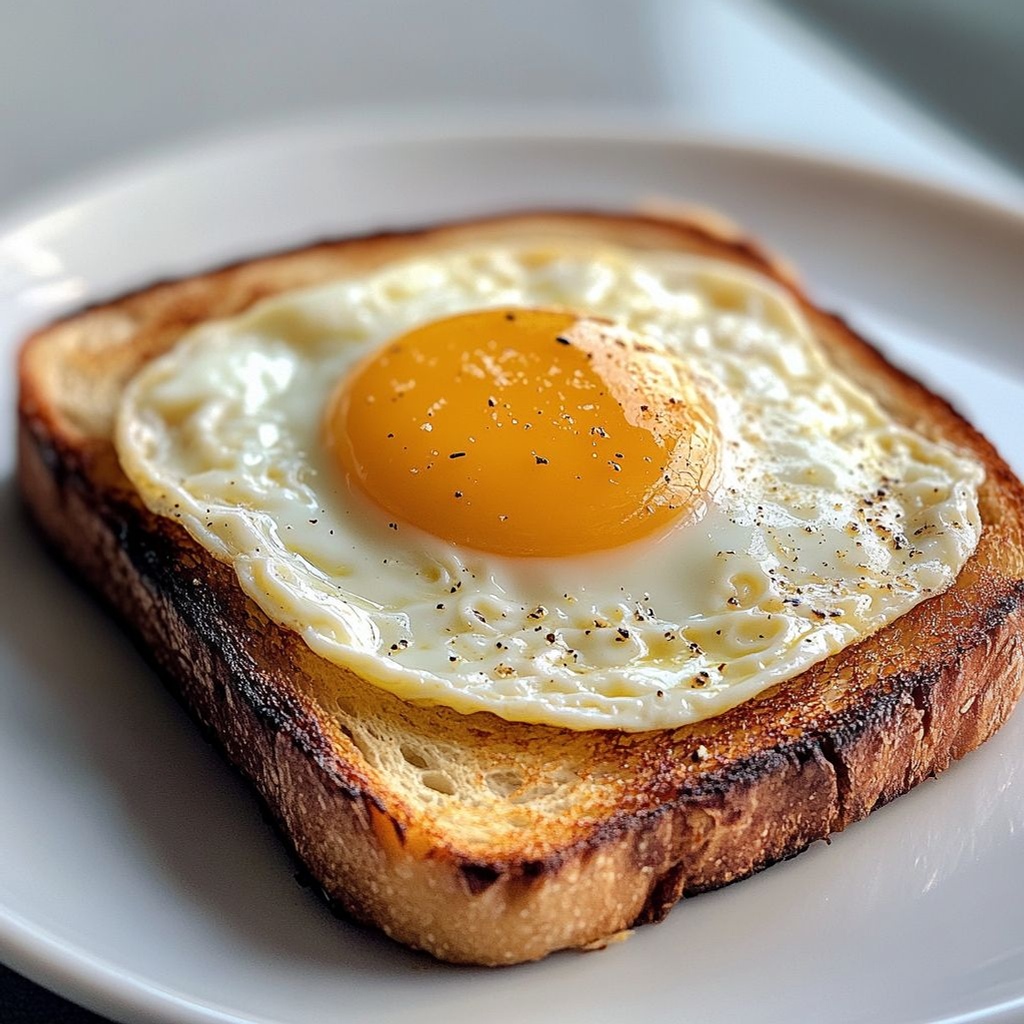
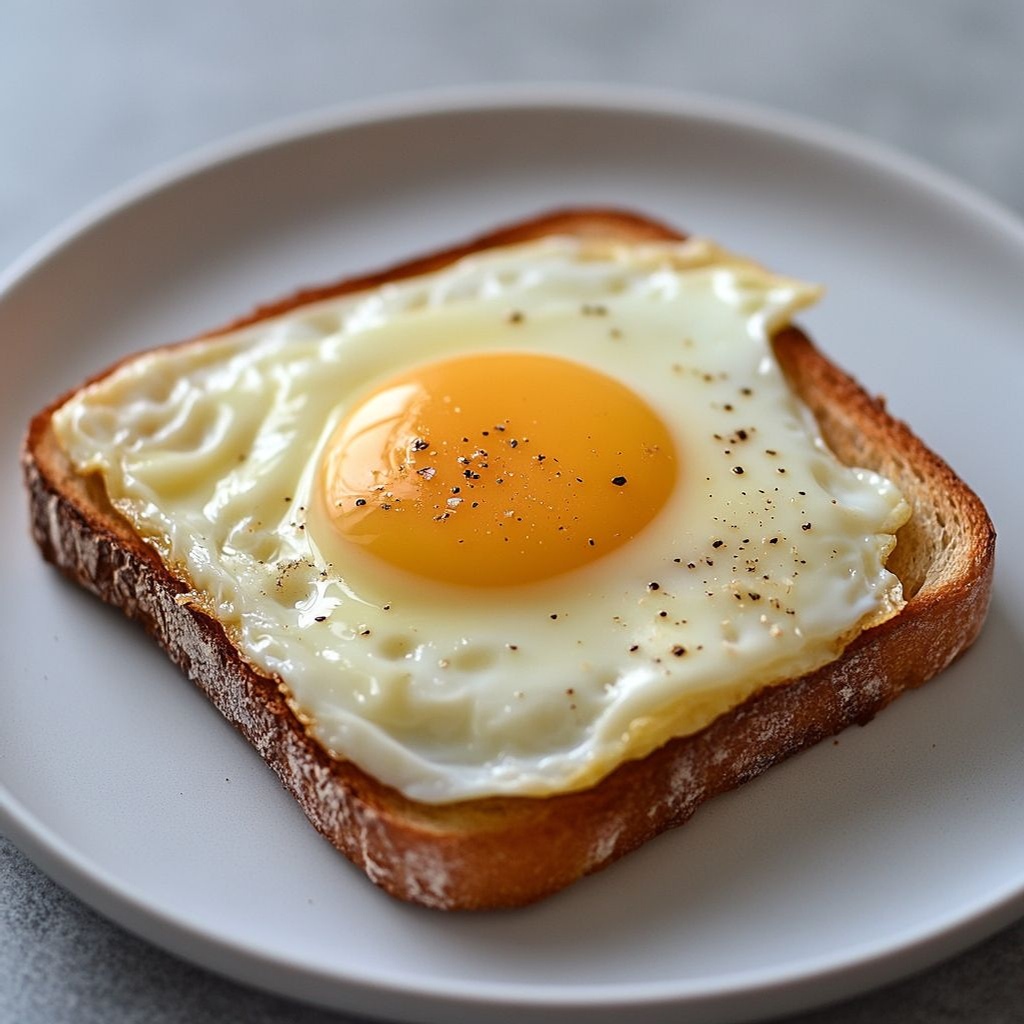
- Egg preparation options: Sunny-side up keeps the yolk center-stage and creates a dramatic, decadent look. An over-easy or over-medium approach yields a slightly firmer yolk that’s easier to spread. If you prefer a fully set egg, scramble the eggs lightly with a pinch of salt and pepper and spoon over the cheese for a brunch-friendly variant.
- Add-ins and toppings: Fresh herbs (chives, parsley, dill) brighten the dish. Sautéed mushrooms or wilted spinach add depth and earthiness. A slice of tomato or roasted peppers introduces acidity that cuts through the richness. A light dusting of smoked paprika, chili flakes, or a drizzle of hot honey can push the flavor profile toward smoky, spicy, or sweet-savory territory.
- Dairy-free and vegan options: Use an egg-free alternative like a chickpea flour omelet or a tofu scramble layered on dairy-free cheese that melts well. Choose a sturdy gluten-free bread and a vegan cheese that melts smoothly for a satisfying plant-based version. For oil-based or butter substitutes, use olive oil or a dairy-free butter substitute to achieve the same crisp texture.
- Make it your own: This dish thrives on personalization. Don’t hesitate to mix and match cheeses, experiment with herbs, or introduce a cultural twist—think adding a touch of sun-dried tomato and oregano for a Mediterranean vibe, or a drizzle of pesto for a bright, herby note.
Storage & Make-Ahead Ideas
Egg and cheese toast is best enjoyed fresh, when the toast is crisp and the cheese is perfectly melted. However, there are sensible ways to plan ahead so you can still savor the dish with minimal effort when time is scarce.
- Toasting ahead: You can pre-toast slices of bread and store them in an airtight container or zip-top bag. When you’re ready to serve, reheat the slices briefly to restore their crispness before adding the cheese and eggs.
- Cheese prep: Shred or grate cheese in advance and keep it in the refrigerator. It will melt quickly when layered over hot bread, saving you a moment at the stove.
- Egg considerations: If you’re making this for a future meal, you can scramble eggs in advance and keep them refrigerated. When it’s time to serve, reheat the scrambled eggs gently in a skillet and fold in the cheese just long enough for it to melt before piling on the toast.
- Storage of leftovers: If you do have leftovers, store the toast assembled with cheese and egg separately from the bread, and reheat in a toaster oven or skillet to re-crisp the bread. The yolk can thicken when reheated, so consider using the egg as a topping rather than pre-cooked if you anticipate leftovers.
- Make-ahead brunch concept: Prepare a tray of toasted bread slices and a small cheese-and-egg topping station. Allow guests to build their own egg and cheese toasts, customizing with herbs, tomatoes, or peppers they prefer. It becomes a relaxed, interactive brunch moment rather than a rigid recipe.
Fun Facts & Trivia (Optional)
Did you know that eggs and toast have a long-standing cultural role across many cuisines? The concept of dipping bread into runny yolk is celebrated in some traditions as a symbol of unity and nourishment, while melted cheese on warm bread is a timeless favorite in many parts of the world. The combination is a reminder of the power of simplicity—how a handful of familiar ingredients, thoughtfully prepared, can create a moment that feels both heartwarming and special. Cheese has a way of binding flavors and elevating even the most basic breakfast into something memorable, and when paired with the comforting, toasty bread and a perfectly cooked egg, it becomes a small ritual of daily joy. Some kitchens even boast regional riffs—adding a sprinkle of paprika for a smoky edge in one locale, or finishing with a squeeze of lemon juice in another for a bright contrast. The enduring appeal lies in the dish’s adaptability and the universal appeal of a well-executed, hot, melty bite.
Ingredients
- Toast Base
- 2 slices sturdy bread (such as sourdough or whole grain)
→ These slices provide the foundation of the dish, offering structure and texture that can hold the egg and cheese without becoming soggy. Choose thick-cut slices for best results, and toast until the crust is lightly crisp to create a sturdy surface for topping. - 1 teaspoon unsalted butter, melted or 1 teaspoon olive oil for toasting
→ Adds richness and assists browning. Butter gives a mellow, toasty flavor, while olive oil keeps the dish dairy-free. Apply to the bread before toasting or toast first and brush while hot for best color and aroma. - Eggs
- 2 large eggs
→ The eggs are the protein backbone and binding element for the toast. How you cook them determines the final texture: sunny-side up for a bright, runny yolk; over-easy for a slightly set yolk; or scrambled if you prefer a softer, evenly distributed egg layer. Use fresh eggs for best flavor and ensure even cooking. - 1–2 tablespoons milk or water (optional, for scrambled eggs)
→ If you plan to scramble, whisk the eggs with a splash of milk or water to create a softer, fluffier texture. Use cold milk or water to avoid thinning the mixture too much; adjust to achieve your preferred scramble consistency. - Cheese
- 2 slices cheddar cheese (or 1/2 cup shredded cheddar, or a melt-friendly alternative like mozzarella or Gruyère)
→ Cheese provides creaminess and helps seal the egg to the toast as it melts. Choose a cheese that melts smoothly and pairs well with the bread; shredded varieties distribute more evenly and create a gooier texture than single slices. - Seasonings
- Salt to taste
→ Enhances the overall flavor and heightens the eggs’ savoriness. Start with a light pinch, then adjust after assembling the toast to avoid oversalting the final dish. - Freshly ground black pepper to taste
→ Adds a hint of warmth and aroma; grind right before serving for maximum aroma and bite. If using flaky sea salt, sprinkle sparingly to avoid overpowering the cheese. - Optional Add-ins
- Tomato slices (optional)
→ Fresh tomato adds brightness, juiciness, and a slight acidity that balances the richness. If using, pat the slices dry to reduce moisture and prevent soggy toast. Layer on the bread before the cheese for even heating. - Fresh herbs (e.g., chives or parsley) (optional)
→ Adds color and a fresh, delicate aroma. Finely chop and sprinkle on top after assembly to preserve their brightness; heat will dull their color if added too early. - Red pepper flakes (optional)
→ For a gentle heat kick; sprinkle sparingly if you like some warmth. Add at serving if you prefer a milder result, or mix into the eggs for a uniform subtle spice.
Instructions
- Warm a nonstick skillet over medium heat and lightly oil or wipe with a bit of butter to create a seasoned surface for toasting.
→ A preheated, lightly oiled pan ensures the bread toasts evenly without sticking and develops a desirable crust. - Brush both sides of each bread slice with a thin coat of melted unsalted butter or olive oil to promote browning and flavor.
→ Butter adds richness and helps achieve a crisp, golden exterior, while olive oil keeps the toast dairy-free if desired. - Place the bread slices in the hot skillet and toast until the crust is lightly crisp and the surfaces are golden, about 2 to 3 minutes per side, flipping once.
→ Proper toasting gives a sturdy base that resists sogginess from the eggs and cheese and enhances aroma. - In a small bowl, crack 2 large eggs and, if you plan to scramble, add 1–2 tablespoons milk or water and whisk until the mixture is pale and evenly combined.
→ Whisking with a splash of dairy or water introduces air and yields fluffy, evenly cooked scrambled eggs; omit the milk if you prefer firmer texture, in which case beat just until combined. - Return to the skillet with a touch of butter or oil on medium-low heat and cook the eggs, stirring gently with a silicone spatula, until they are just set and creamy, removing from heat before they fully overcook.
→ Cooking eggs off the heat prevents dryness; residual heat finishes cooking while remaining soft and custardy. - Lay one slice of toast on a plate and arrange the cheddar cheese on top in an even layer, using slices or shredded cheese to create a uniform melt.
→ A even cheese layer ensures all parts of the toast receive melt and creaminess, and shredded cheese distributes more evenly than a single slice. - If using tomato, pat slices dry with a paper towel to remove surface moisture and layer them atop the cheese before adding the eggs.
→ Patting dry prevents soggy bread and helps tomatoes heat through without making the toast watery. - Spread the scrambled eggs over the cheese-covered toast in a smooth, even layer, leaving a small margin at the edges to prevent overflow.
→ A uniform layer of eggs ensures every bite has egg and cheese, and keeping edges helps the cheese melt toward the surface. - Top the eggs with the remaining cheese, or scrape additional cheese on top to crown the mixture, then cover the skillet with a lid or slide under the broiler for 1–2 minutes to melt and unite the layers.
→ A gentle finish melts the cheese evenly without browning too much, creating a glossy, cohesive surface. - Season with a light pinch of salt and freshly ground black pepper to taste, and sprinkle fresh herbs such as chives or parsley over the top for color and aroma.
→ Finishing with salt, pepper, and herbs heightens flavor and provides a fresh contrast to the richness of the eggs and cheese. - Serve the egg and cheese toast immediately while hot, cut in half if desired for easier handling, and enjoy the contrast between crisp bread, creamy eggs, and melted cheese.
→ Warm, just-made toast delivers the optimal texture and flavor, whereas cooling can dull the cheese’s gloss and soften the crust.
Notes
This egg and cheese toast is a quick, comforting option for breakfast, brunch, or a speedy weeknight meal. Start with sturdy bread that can hold up to the toppings; toast until the crust is lightly crisp to give the base structure and prevent sogginess. For a dairy-free version, brush the bread with olive oil and use a melting dairy-free cheese.
Eggs form the protein backbone and determine the final texture. Choose your preferred method: sunny-side up for a bright, runny yolk; over-easy for a softly set yolk; or scrambled if you prefer a soft, evenly distributed layer. If scrambling, whisk with a splash of milk or water to keep them light and fluffy, and cook just until set.
Cheese brings creamy richness and helps bind the egg to the toast as it melts. Traditional cheddar works beautifully, but mozzarella, Gruyère, or a melt-friendly blend are also delicious. Use enough cheese to create a gooey layer that melts smoothly over the egg without overpowering the toast.
Season lightly with salt and freshly ground black pepper. Optional add-ins can elevate the dish: a few tomato slices for brightness; chopped fresh herbs like chives or parsley for color and aroma; and a pinch of red pepper flakes for gentle heat. If using tomatoes, pat them dry to reduce moisture and prevent sogginess; add herbs after assembling to preserve their brightness.
To assemble: toast the bread, place a slice (or a layer) of cheese on each slice, add the cooked egg (or scrambled eggs), and top with the second slice. If you like, finish briefly in a hot skillet or under a broiler to melt the cheese and tighten the toast. Serve immediately for best texture and flavor. Leftover components can be stored separately and reheated, but the texture is best when fresh.
Tips
Tips for Perfect Egg and Cheese Toast
Toasting the bread
- Use sturdy, thick-cut slices (such as sourdough or whole grain) to create a solid base that won’t sog when the egg and cheese melt on top.
- Toast until the crust is lightly crisp and browned to add structure and help support the toppings.
- Brush the bread with melted butter or olive oil before toasting to enhance browning and flavor. If you’re keeping things dairy-free, olive oil is a great alternative.
- If toasting in a skillet, toast in a dry pan over medium heat, then brush with butter or oil while hot for optimal color and aroma.
Cooking the eggs
- Fresh eggs taste best; decide texture before cooking: sunny-side up for a runny yolk, over-easy for a softly set yolk, or scrambled for a creamy, evenly distributed layer.
- For scrambled eggs, whisk with 1–2 tablespoons milk or water to achieve a fluffier texture. Use cold milk or water and whisk just until combined.
- Cook eggs in a lightly oiled or buttered non-stick skillet over medium-low heat to avoid browning and ensure even cooking.
- If you want to add the egg on top of the toast, you can fry the egg first and then transfer it onto the toast, or scramble the eggs and spoon them onto the toast while they’re still warm to help melt the cheese.
Melted cheese tips
- Choose melt-friendly cheeses: cheddar, mozzarella, or Gruyère work well. Shredded cheddar distributes heat more evenly and can yield a gooier texture than slices alone.
- Place cheese on the bread first, then add the eggs on top; the cheese will melt and help seal the egg to the toast as it heats.
- If using only slices, cover the pan for 1–2 minutes to trap heat and melt cheese quickly without overcooking the eggs.
- For extra melty cheese, finish with a brief under-the-broiler or toaster oven (watch closely to prevent burning).
Seasoning and add-ins
- Season lightly with salt and pepper; cheese already adds salt, so start with a small pinch and adjust after assembling.
- Tomato slices add brightness and juiciness. Pat them dry to reduce moisture and prevent sogginess; layer tomatoes on the bread before the cheese for even heating.
- Fresh herbs (such as chives or parsley) add color and aroma. Chop finely and sprinkle on top after assembly to preserve brightness.
- Red pepper flakes provide a gentle heat. Sprinkle sparingly if you like a kick, or mix into the eggs for even distribution.
Assembly, serving, and storage
- Let the cheese melt completely before serving for a cohesive bite. If needed, a quick 1–2 minute finish under the broiler helps.
- Assemble while the toast is hot so the cheese melts rapidly and binds to the bread.
- Serve immediately for the best texture and flavor. If making ahead, reheat gently: re-toast the bread and rewarm the eggs in a pan, then reassemble with fresh cheese if desired.
- Leftovers can be stored separately (toast, eggs, and cheese) and recombined and reheated for a quick redo.
FAQ
Egg and cheese toast – FAQ
What is egg and cheese toast?
A quick open-faced breakfast: toasted bread topped with cooked eggs and melted cheese. It’s simple, comforting, and highly customizable.
What ingredients do I need?
Basic ingredients:
- 2 slices of bread
- 1–2 eggs
- 1–2 slices of cheese (cheddar, American, Swiss, or your favorite)
- Butter or oil for cooking
- Salt and pepper to taste
Optional extras: a splash of milk or cream for fluffier eggs, hot sauce, herbs, tomato slices, avocado, and cooked bacon or sausage.
What are common variations?
Classic open-faced toast with a fried or scrambled egg and melted cheese. Variations include:
- Scrambled eggs layered with cheese on toast
- Fried egg on cheese-melted toast for a runny yolk
- Top with tomato, spinach, avocado, or herbs
- Use different breads like sourdough, rye, or gluten-free bread
Should I scramble or fry the eggs?
Both work well. Scrambled eggs melt into the cheese nicely and cook quickly. A fried egg gives a runny or soft yolk; cover briefly to help melt the cheese if needed.
How do I cook it step by step?
- Toast the bread until golden.
- Cook the egg in a lightly oiled or buttered skillet. For scrambled eggs: whisk with a splash of milk and cook gently, stirring. For fried eggs: crack into the pan and cook sunny-side up or over-easy.
- Place cheese on the hot toast so it starts to melt.
- Top with the cooked egg and let the cheese finish melting if needed.
- Season with salt and pepper and add any optional toppings. Serve hot.
How can I customize it for different diets?
Vegetarian: keep eggs and dairy. Vegan: use plant-based cheese and a tofu or chickpea “egg” substitute. Gluten-free: use gluten-free bread. Dairy-free: use dairy-free cheese and oil instead of butter.
How do I prevent soggy toast?
Use sturdy bread and toast it well. Cook the egg until just set and melt the cheese on hot toast. Assemble immediately and avoid adding wet toppings until after the toast is heated through.
How long do leftovers last and how do I reheat?
Store leftovers in the fridge for up to 1 day. Reheat in a toaster oven or skillet until heated through and the cheese is melty again. Note textures may change slightly after refrigeration.
Can I frozen or meal-prep this?
Best enjoyed fresh, but you can prep components ahead. Scrambled eggs can be made in advance and reheated; to reuse toast, re-toast for crispness. Freezing assembled tostadas is not recommended as texture may suffer.
What makes this recipe quick and budget-friendly?
Eggs, cheese, and bread are inexpensive and pantry-friendly. With a few minutes, you can have a warm, satisfying meal in 5–7 minutes.