
Introduction / Hook
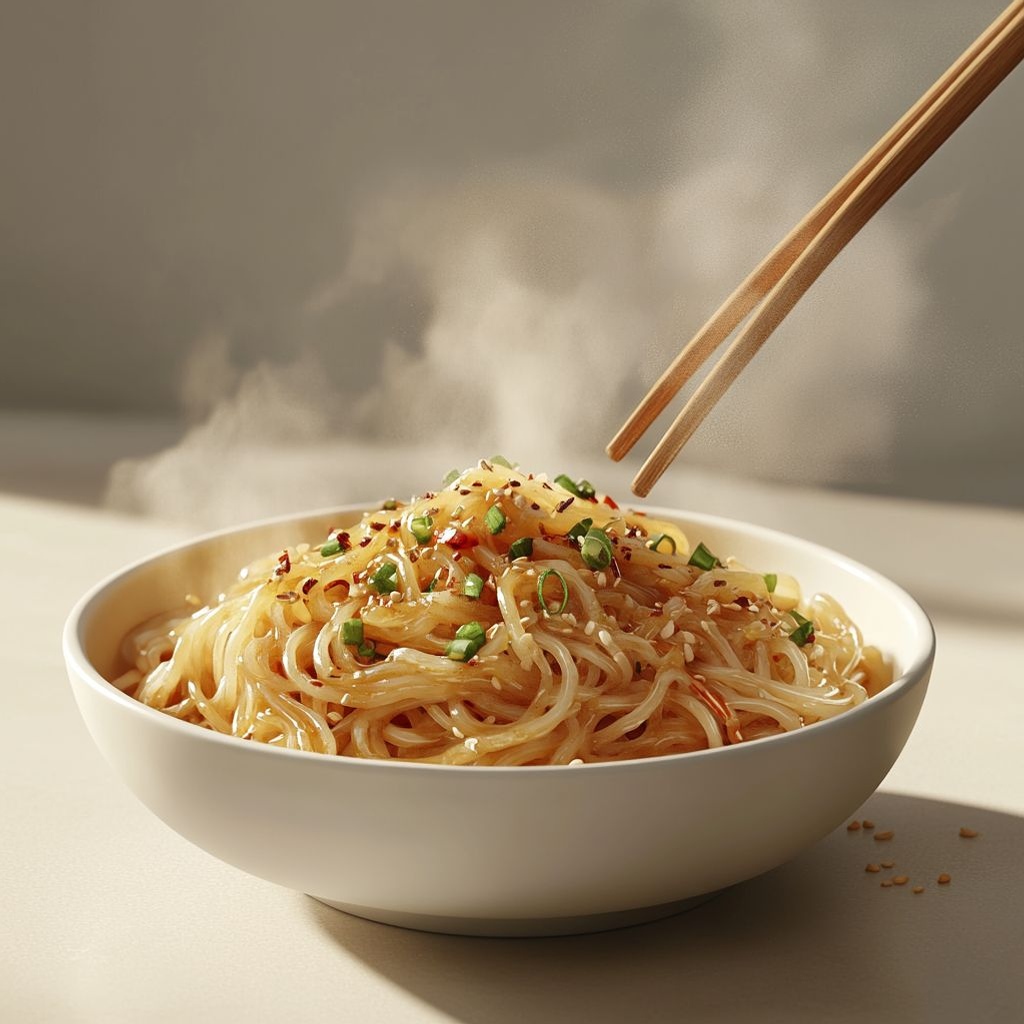
Imagine a plate of noodles that arrives at your table as if kissed by sunshine and garlic at the same time. The strands gleam with a lacquered butter-tinged sheen, each bite delivering a triumphant bite of savory, slightly sweet depth, and a whisper of sesame that lingers on the palate. Garlic noodles are a bright, comforting hug for any day—quick enough for a weeknight, elegant enough for a casual dinner party, and always ready to adapt to your mood. The sizzle of garlic meeting hot oil, the way steam escapes as you twirl the noodles around your fork or chopsticks, the aroma that fills the room and draws everyone to the table—this is the sensory moment that makes garlic noodles an instant childhood memory for many and a reliable adult favorite for countless households. It’s not just a dish; it’s a ceremony of simple ingredients transformed into something bright, soulful, and irresistibly satisfying.
What makes garlic noodles especially appealing is their forgiving nature and their ability to take on personality. They can be crisp and punchy with a dark, almost caramelly garlic note; they can be silky and luxurious with a hint of butter glistening on every strand; they can even bend to a bolder spicy or lemony twist without losing their essential character. In a world of meticulous recipes with long ingredients lists, garlic noodles offer a liberating joy: you begin with a few pantry stalwarts, you heat, you toss, you taste, and you arrive at a dish that feels both familiar and excitingly new every single time.
As the kitchen fills with the aroma of garlic and toasty notes from the pan, there’s a sense of possibility. This dish invites customization without losing its core identity: a platform for your favorite flavors—umami, citrus, chili, sesame, butter, and soy—arranged with the confidence that simplicity can feel transformative. Whether you’re cooking for one, a family, or a group of friends gathering around a lazy weekend meal, garlic noodles offer a quick, comforting anchor that encourages lingering at the table, swapping stories, and savoring the moment of good food and good company.
The Story Behind the Dish
Garlic noodles sit at an intersection of tradition and globalization, a dish born from the everyday creativity of cooks who want something deeply satisfying that also comes together in a hurry. The noodles themselves harken to classic East Asian noodle techniques: quick-high heat, glossy sauces, and a balance of salty umami and aromatic aromatics. Yet garlic noodles, in their most beloved modern incarnations, have become a toast to fusion cuisine—the art of taking humble pantry ingredients and coaxing them into something that feels both comforting and cosmopolitan at once.
There isn’t one single origin story for garlic noodles, and that is part of their charm. In many households and kitchens around the world, the recipe evolves in the same way a good family tale does—through little tweaks, personal preferences, and the influence of what’s on hand. Some cooks lean into a peanut or sesame note for a nutty accent; others adore a bright citrus finish that cuts through the richness. A few households insist on butter, a few on olive oil, and others seamlessly blend both, letting the fats carry the garlic’s perfume across the plate. What remains constant is the hunger for something quick, glossy, and deeply satisfying—an indulgence that doesn’t demand a long shopping list or hours at the stove.
In the grand tapestry of Asian-inspired cooking that has traveled across oceans and neighborhoods, garlic noodles emerge as a unifying thread. They celebrate the universal language of comfort food: a bowl that invites you to slow down, savor, and share. The dish embraces the smoky, toasted essence of garlic and the gentle kiss of soy and sesame, a melody that can be as simple as a pantry staple or as inventive as a chef’s signature twist. In many kitchens, garlic noodles are the go-to when life feels busy but the appetite still longs for something soulful. They remind us that elegance doesn’t require complexity; sometimes the most remarkable meals are built on a few faithful ingredients, treated with care and respect, and presented with warmth and generosity at the table.
Beyond the flavors, garlic noodles carry a sense of communal dining. They are a dish that encourages conversation—about how you like your garlic roasted or mellowed, whether you prefer a hint of chili heat, and how you might finish the plate with a scatter of herbs, a squeeze of lime, or a dusting of toasted sesame seeds. They are ideal for weeknights when you crave something you can steal bites from between meetings, as well as for relaxed gatherings when everyone wants something delicious yet unfussy. This is not merely a plate of pasta or noodles; it is a canvas for shared meals, for the joy of plating, and for the simple magic that happens when garlic meets heat and the two begin to sing.
Why You’ll Love This Recipe
- Speed and simplicity: a satisfying, full-flavored dish that comes together in minutes, making weeknights feel special without the stress.
- Universal appeal: a crowd-pleasing option that works for meat lovers, vegetarians, and anyone in between when you tailor the finishing touches.
- Adaptable to your pantry: the core idea—garlic, fat, soy, and a touch of sweet or savory balance—lends itself to substitutions and embellishments based on what you have.
- Comforting richness with brightness: the dish offers a silkiness from fat and the depth of garlic and soy, counterbalanced by a tangy, fresh finish when you add citrus or herbs.
- Textural play: glossy, perfectly coated noodles contrasted with a slight bite from al dente pasta or chewy noodles, and optional toppings for crunch and aroma.
- Great for leftovers and make-ahead ideas: even when reheated, the flavors often deepen and mellow, creating a new delicious version of the same dish.
- Versatile pairings: pairs beautifully with vegetables, seafood, chicken, or tofu, making it adaptable for different diets and occasions.
Flavor Profile & Texture
The hallmark of garlic noodles is a harmonious balance of flavors and textures that makes each bite a little celebration. At the core, there’s the garlic—a robust, aromatic ally that can range from soft and mellow when gently toasted to boldly punchy when sautéed a touch longer. The fat, whether butter, oil, or a blend, carries the garlic’s perfume, carrying it through the sauce and coating each strand with a velvet sheen. Soy sauce adds a quiet, umami-driven saltiness that anchors the dish, while a dash of sweetness (or a touch of heat, depending on your preference) brightens the palate and prevents the flavors from becoming too one-note.
The texture is part of the magic. The noodles should be perfectly cooked—plenty of bite, not mushy, with enough surface area to catch the glossy sauce. When the sauce clings to each strand, you get that satisfying, almost creamy feel on the tongue, even though the dish may rely on a modest amount of fat for its silkiness. If you choose to finish with sesame oil, sesame seeds, or a drizzle of citrus, you introduce a nutty, toasty, almost citrusy perfume that makes the aroma as inviting as the taste. The result is a dish that feels indulgent but not heavy, a crowd-pleasing staple that can be dressed up or pared back with ease.
Garlic noodles also lend themselves to a spectrum of moods. A deeper, more caramelized garlic note gives the dish a comforting, soulful quality that’s perfect for chilly evenings. A lighter, almost lemony finish can make it feel breezier and more summery. A whisper of chili oil or crushed red pepper introduces a gentle heat that lingers teasingly after the last swallow. In short, the flavor profile is a canvas, and your palate is the artist—ready to improvise with the same core elements across countless variations.
Occasions & Pairings
- Weeknight dinners: quick, comforting, and satisfying without requiring a long shopping list or many steps.
- Potlucks and casual gatherings: a dish that travels well on a crowded table and satisfies a variety of tastes.
- Date nights at home: elegant simplicity that feels thoughtful and restaurant-worthy without the fuss.
- Meal prep days: excellent for make-ahead lunches or dinners, reheating well with a splash of liquid to re-emulsify the sauce.
Pairings bring the whole meal together. Consider these ideas to complete the plate without overshadowing the garlic noodles:
- Protein options: sautéed shrimp, seared chicken, crispy tofu, or roasted pork—each adds a satisfying contrast to the noodles.
- Vegetable sides: quickly blanched broccoli, sautéed bok choy, roasted mushrooms, or a crunchy Asian slaw for texture and color.
- Finishers and accents: a squeeze of lime or lemon juice, a scattering of sliced scallions, sesame seeds, chili threads, or a drizzle of toasted sesame oil.
- Drinks: a light, crisp white wine like Riesling or Sauvignon Blanc, a cold beer with a refreshing hop bite, or a sparkling water with a splash of citrus.
The beauty of garlic noodles is in their adaptability. You can dress them up with luxe ingredients for a celebratory dinner or keep them straightforward for a cozy weeknight. Either way, the dish remains an anchor—comforting, flavorful, and reliably satisfying.
Tips, Variations & Substitutions
- Make it vegetarian or vegan: use olive oil or a neutral oil as the fat base and substitute dairy butter with a plant-based butter or purely oil-based finish. If you miss the body that dairy butter provides, a touch of tahini or cashew cream can add richness without dairy.
- Gluten-free options: choose gluten-free noodles and ensure your soy sauce or tamari used is gluten-free. The rest of the technique remains the same, ensuring a glossy, satisfying finish.
- Spice and heat: for a bit of kick, whisk in a small amount of chili oil or crushed red pepper flakes. For a smoky note, add a touch of toasted sesame oil at the end.
- Herbaceous brightness: finish with chopped chives, cilantro, or green onions to introduce fresh color and aroma that cuts through the richness.
- Citrus lift: a light squeeze of lime or lemon juice just before serving can elevate the garlic and soy balance, giving a clean, refreshing finish.
- Nutty depth: sesame seeds, toasted almonds, or crushed peanuts can add a pleasant crunch and a deeper, roasted aroma that complements the garlic.
- Texture twists: for a crunchy contrast, toss in lightly sautéed mushrooms or blistered cherry tomatoes at the end, creating layers of texture with minimal extra effort.
- Regional twists: a touch of miso paste can deepen the umami; a splash of fish sauce can add a savory umami complexity for non-vegetarian palates, while a miso-sesame version stays vegetarian and gentle on salt balance.
- Protein-forward variations: serve alongside lightly seasoned grilled shrimp or chicken to transform the dish into a complete meal with a balanced protein component.
Storage & Make-Ahead Ideas
Garlic noodles store nicely in the refrigerator for up to 3 days when kept in an airtight container. If you anticipate leftovers, consider these practical tips to keep the dish tasty and vibrant:
- Storage: cool the noodles to room temperature before sealing them in an airtight container. Store with a light surface of oil to prevent sticking.
- Reheating: reheat gently on the stovetop with a splash of water or broth to loosen the sauce and restore a glossy coating. Avoid high heat that could dull the sheen of the sauce or cause the garlic to become overpowering.
- Make-ahead strategy: cook the noodles al dente a few minutes shy of complete doneness, toss with the oil, and refrigerate. When you’re ready to serve, warm them with the sauce components, finishing with any additional seasonings to taste. This approach helps preserve texture and sauce appeal even after chilling.
- Freezing: freezing is less ideal for garlic noodles because the texture of noodles and the emulsion of the sauce may change upon thawing. If you must freeze, flash-freeze portions on a tray and store them in a freezer-safe bag, then reheat with a little extra liquid and adjust seasonings after thawing.
Fun Facts & Trivia
Here are a few tidbits that add flavor to your understanding of garlic noodles and their place in the broader culinary conversation:
- Garlic’s aroma is released when its compounds are sliced or crushed, a reaction that intensifies with heat and creates the enticing smell that defines garlic-forward dishes everywhere.
- Sesame oil’s nutty aroma comes from toasted sesame seeds; a small drizzle at the end can dramatically brighten and elevate the dish’s overall scent and taste.
- Butter-based sauces, when paired with high-heat cooking, can develop a delicious browning effect on garlic, lending a deep, toasty flavor profile that many find comforting and luxurious.
- The balance of salty, sweet, and umami in garlic noodles makes them a natural carrier for additional flavors like citrus and chili, which is why they lend themselves so well to personal tweaks and regional twists.
- In many cultures, garlicky sauces and oils have been used for centuries to preserve, perfume, and enrich simple starch dishes—garlic noodles are a modern, accessible expression of that timeless culinary technique.
- Even without a fixed origin story, garlic noodles embody a shared culinary spirit: fast, satisfying, and adaptable to countless tastes and occasions, reflecting how food travels and evolves with people.
Ingredients
Garlic Noodles
Noodles Base
- 8 oz (225 g) spaghetti or fresh Chinese egg noodles, cooked to al dente
→ Cooking the noodles al dente gives the dish its desirable bite and prevents them from becoming mushy when tossed with hot sauce. If using fresh noodles, cook according to package instructions and drain thoroughly to remove excess starch that can make the sauce tacky. - 2 tablespoons neutral oil (vegetable, canola, or peanut) for cooking garlic and coating the noodles
→ The oil acts as the medium to carry garlic flavor into every strand and prevents sticking during tossing. Heat until just shimmering before adding garlic; reserve a little to finish the dish if desired for extra gloss and aroma.
Aromatics & Sauce
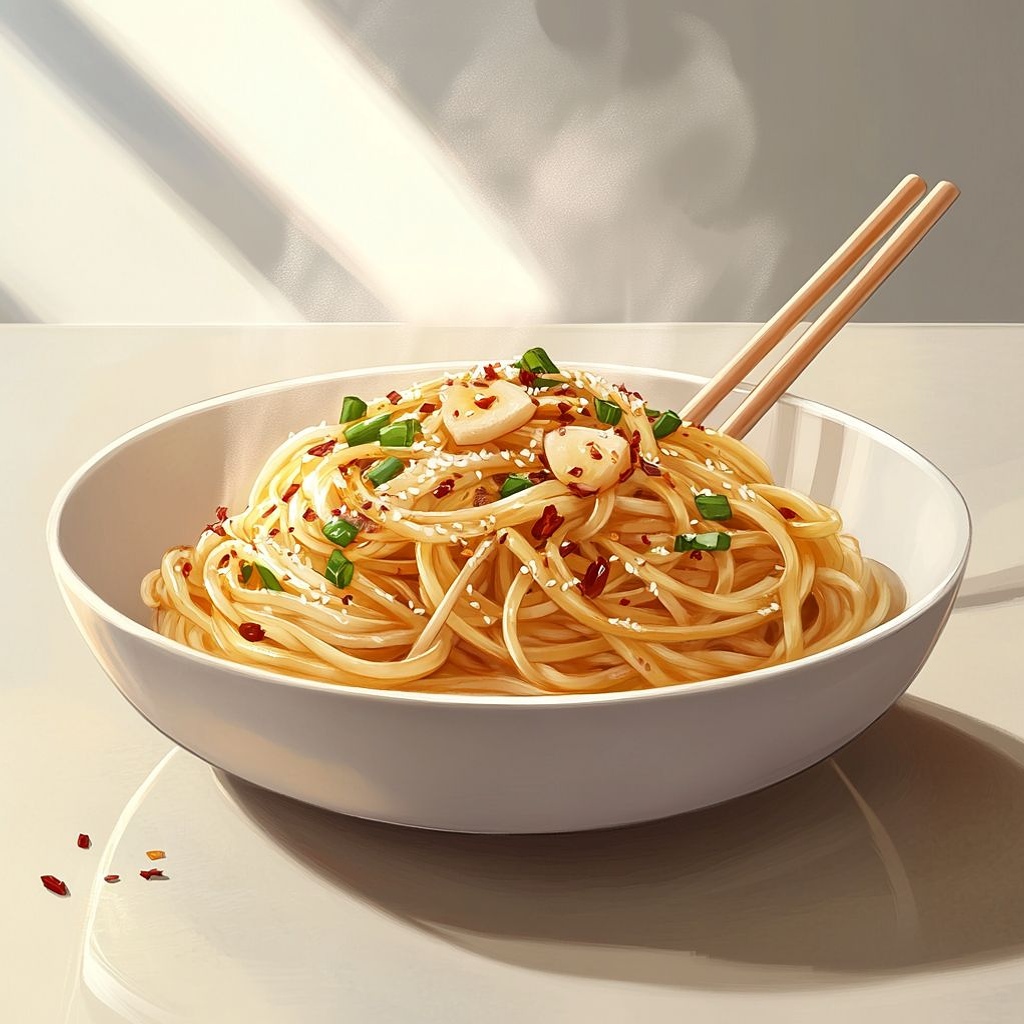
- 4-6 garlic cloves, finely minced
→ Garlic is the defining flavor in garlic noodles. Finely mincing ensures fast, even flavor release. Sauté in oil over medium heat until fragrant and just lightly golden; avoid browning too deeply, which can introduce bitterness. - 2 tablespoons soy sauce (or tamari for gluten-free)
→ Provides salt and rich umami that defines the dish’s savoriness. Use low-sodium soy or tamari to control saltiness; if using regular soy, taste and adjust later with a splash of water or a touch of sugar. - 1 tablespoon oyster sauce (or vegetarian mushroom sauce)
→ Adds sweetness, depth, and a glossy sheen to the sauce. For a vegan version, substitute with mushroom-based oyster sauce or a plant-based umami sauce. If omitting, compensate with a bit of extra soy and a touch of mushroom broth. - 1 teaspoon Shaoxing wine or dry sherry (optional)
→ Introduces a subtle fruity aroma and complexity. If not available, omit; the dish will still be flavorful from the garlic and sauces, but you may lose a hint of depth. - 1 teaspoon granulated sugar (or 1/2 teaspoon brown sugar)
→ Balances saltiness and enhances the sauce’s sheen. Stir sugar into the sauce so it dissolves completely for a smooth coating on the noodles. - 1/4 teaspoon white pepper or black pepper
→ Adds a gentle peppery note that complements garlic without overpowering it. White pepper blends invisibly into light sauces; black pepper gives a bit more bite—choose according to preference. - 1 teaspoon toasted sesame oil (optional)
→ A finishing touch that provides a fragrant, nutty aroma. Drizzle off heat after tossing to preserve aroma; use sparingly to avoid overwhelming other flavors.
Finishing & Garnish
- 2-3 green onions (scallions), sliced thinly
→ Brings brightness and a mild onion kick. Use both white and green parts for color and flavor; toss through just before serving to retain crispness. - 1 tablespoon sesame seeds, toasted
→ Adds a subtle crunch and visual appeal. Toast seeds in a dry skillet over medium heat until they’re lightly golden and fragrant, then scatter over the noodles for texture and aroma. - Salt and pepper to taste
→ Salt may be needed depending on the saltiness of the soy and sauces used. Taste after tossing and adjust gradually to avoid oversalting; finish with cracked black pepper if desired for extra aroma.
Optional Add-ins
- 6 oz (170 g) cooked protein (chicken, shrimp, or tofu), sliced or shredded (optional)
→ Turns garlic noodles into a complete meal. Sear or grill the protein separately until just cooked, then toss with the noodles at the end to coat with the sauce. Pat dry and season lightly to prevent excess liquid. - 1 cup broccoli florets or bok choy, lightly blanched or sautéed (optional)
→ Adds color, crunch, and nutrition. Blanch in salted boiling water briefly or sauté with a touch of garlic to keep greens vibrant and tender-crisp. - 1-2 teaspoons chili crisp, chili oil, or red pepper flakes (optional)
→ For extra heat and texture. Start with a small amount and increase gradually; the chili adds both spice and a contrasting crunch if using chili crisp.
Instructions
- Cook the noodles in a large pot of salted boiling water until al dente; drain well and, if using fresh noodles, rinse briefly to remove surface starch and pat dry so they do not clump when tossed with the sauce.
→ Al dente provides bite and prevents mushiness; rinsing fresh noodles reduces tackiness and helps the sauce cling. - Warm 2 tablespoons neutral oil in a large skillet or wok over medium heat until just shimmering and easily swirled; this oil will carry garlic flavor and prevent sticking as you finish the dish.
→ The oil is the medium for aromatics and helps the noodles glide and coat evenly when tossed. - Add the finely minced garlic to the oil and sauté, stirring constantly, for 30-45 seconds until fragrant and pale golden; adjust the heat to avoid browning or bitterness.
→ Finely minced garlic maximizes surface area for quick flavor release; keep color light to preserve sweetness and avoid bitterness. - Stir in 2 tablespoons soy sauce, 1 tablespoon oyster sauce, 1 teaspoon Shaoxing wine, 1 teaspoon granulated sugar, and 1/4 teaspoon white or black pepper; swirl the pan to combine and let the mixture come together for 20-30 seconds.
→ This builds a balanced, glossy sauce with savory depth and a touch of sweetness to coat every noodle strand. - Add a splash of the reserved pasta cooking water (about 1-2 tablespoons) or plain hot water to loosen the sauce if it seems too thick, and simmer briefly to emulsify with the garlic oil.
→ The starchy water helps the sauce cling to noodles and creates a cohesive emulsion rather than pooling. - Introduce the cooked noodles to the pan and use tongs to toss vigorously, coating every strand with the garlicky sauce; keep the heat moderate and avoid crushing the noodles. Add more water a little at a time if needed to achieve a glossy finish.
→ Proper tossing ensures even distribution of sauce and prevents clumping, while controlled moisture maintains a sleek, lacquered appearance. - Turn off the heat and drizzle 1 teaspoon toasted sesame oil over the noodles, then toss again to distribute; this step finishes the aroma without losing it to high heat.
→ Sesame oil adds a nutty aroma and layers of depth; adding off heat preserves its volatile fragrances. - Fold in 2-3 sliced green onions for brightness and texture, tossing quickly so the white and green parts remain crisp and colorful; reserve a few slices for garnish if desired.
→ Fresh scallions provide crisp brightness and contrast with the velvety sauce, improving overall aroma and balance. - Sprinkle 1 tablespoon toasted sesame seeds over the noodles and toss to distribute; the seeds provide crunch and a nutty contrast to the sauce.
→ Toasted sesame seeds contribute aroma, texture, and visual appeal that enhances the dish’s finish. - Taste and season with salt and additional pepper as needed; adjust in small increments to avoid oversalting since sauces contribute saltiness.
→ Fine-tuning salt ensures the sauce’s savoriness remains balanced and approachable. - For optional add-ins, sear 6 oz cooked protein (chicken, shrimp, or tofu) in a hot skillet until browned and just cooked through, then slice and toss with the noodles at the end to coat with sauce; or blanch 1 cup broccoli or bok choy and fold in just before serving.
→ Searing protein develops flavor and texture; greens add color and nutrition while keeping bite; add chili if desired for heat.
Notes
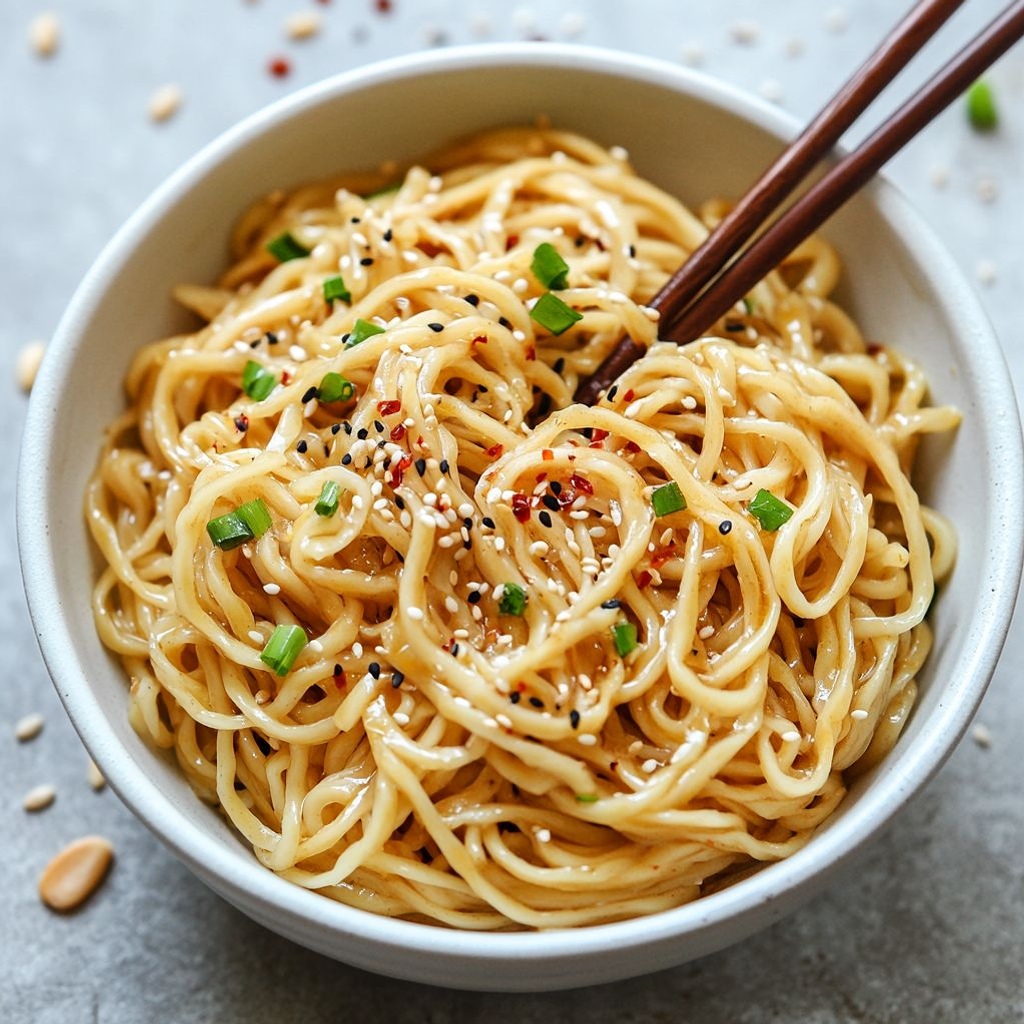
These garlic noodles are best when the noodles are cooked to al dente and tossed with a glossy, garlic-forward sauce. Finely mince garlic and sauté in neutral oil just until fragrant, then whisk in soy (or tamari for gluten-free), oyster or mushroom sauce, Shaoxing wine if using, sugar, and white or black pepper. Remove from heat before adding sesame oil for a fragrant finish, then toss with hot noodles. Garnish with thinly sliced green onions and toasted sesame seeds, and season with salt and pepper to taste, keeping in mind soy and sauces may already add salt. For extra gloss and aroma, reserve a little oil from the pan to drizzle over the noodles at the end. Optional add-ins: cooked protein (chicken, shrimp, or tofu) and greens like broccoli or bok choy; for heat, chili crisp or red pepper flakes. Gluten-free note: use tamari or gluten-free soy, and ensure the oyster sauce is gluten-free or substitute with a vegetarian mushroom sauce. Leftovers refrigerate well and reheat gently with a splash of water to loosen the sauce.
Tips
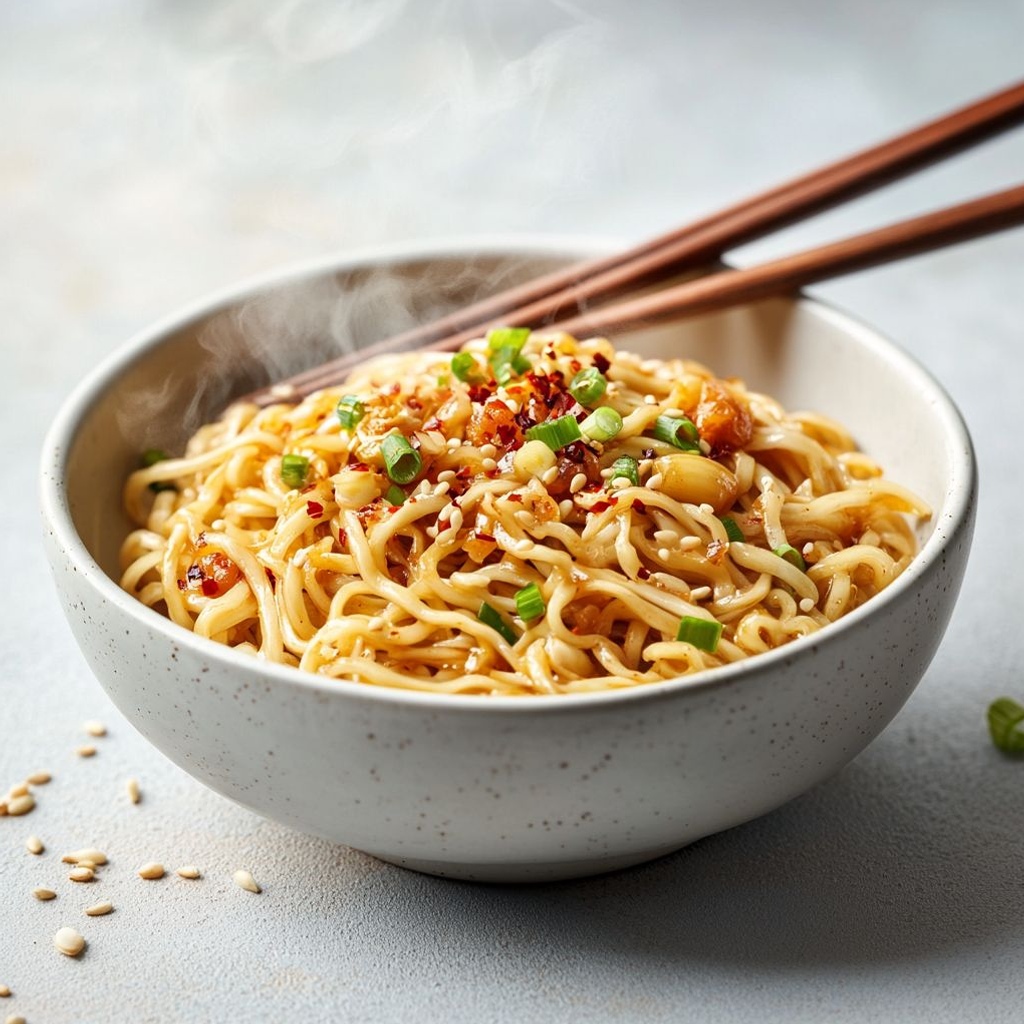
Tips for Perfect Garlic Noodles
- Keep the noodles slightly undercooked if you plan to toss them in a hot sauce; this helps them finish cooking in the wok/skillet without turning mushy.
- Do not rinse cooked noodles. The starch on the surface helps the sauce cling. If the sauce seems too thick, whisk in a small amount of the reserved pasta water rather than adding more sauce.
- Sauté garlic in oil just until fragrant and pale golden. Avoid deep browning, which can turn bitter. If your pan gets too hot, lift it from heat briefly to calm the garlic.
- Whisk the sauce components (soy/tamari, oyster or mushroom sauce, sugar, pepper, Shaoxing) in a small bowl, then add a splash of hot noodle water to create a glossy emulsion before tossing with the noodles.
- Season gradually. Use low-sodium soy if possible and taste after tossing; adjust with a pinch of salt or a splash of water to balance saltiness.
- Finish with a drizzle of toasted sesame oil off the heat to preserve its fragrant aroma; a little goes a long way.
- When tossing, work in batches if your pan is crowded to ensure even coating rather than steaming the noodles together in a clump.
- For protein additions, pat dry and sear separately so the proteins stay crisp and don’t release excess liquid into the sauce.
- Greens like broccoli or bok choy should be blanched or sautéed until vibrant but still crisp to maintain color and texture when mixed with the hot noodles.
- To add heat, start with 1/2 teaspoon chili crisp or red pepper flakes and increase to taste; chili adds both spice and extra texture if using chili crisp.
- Leftovers reheat best with a splash of water and a quick toss to re-emulsify the sauce; reheat gently to avoid drying out the noodles.
FAQ
What are garlic noodles?
Garlic noodles are a quick, comforting noodle dish where al dente noodles are tossed in a garlicky butter- or oil-based sauce, usually boosted with soy sauce, sesame oil, and a touch of sweetness. They’re popular in Chinese-American kitchens and are often finished with scallions and sometimes parmesan. Serves 2–4, depending on portion size.
What ingredients do I need?
Common ingredients include:
- 8 oz (225 g) noodles (spaghetti, linguine, or Chinese egg noodles)
- 2–3 Tbsp unsalted butter or neutral oil (or a mix)
- 4–6 garlic cloves, minced
- 2 Tbsp soy sauce (or tamari for gluten-free)
- 1 tsp sugar or honey
- 1 tsp sesame oil
- Pinch of red pepper flakes or chili oil (optional)
- 1–2 scallions, sliced
- Optional garnish: grated parmesan (or nutritional yeast for vegan), sesame seeds
Can I make this vegan?
Yes. Use vegan butter or olive oil, and replace soy sauce with tamari (gluten-free if needed). Skip parmesan or use nutritional yeast or vegan cheese for a cheesy flavor. The sauce will still be flavorful with garlic, sesame oil, and a touch of sweetness.
Can I use any type of noodle?
Yes. Traditional garlic noodles use Chinese egg noodles, but you can use spaghetti, linguine, or any sturdy noodle. For a gluten-free option, use gluten-free pasta or rice noodles. Al dente works best to prevent mushiness when tossed with the sauce.
How do I make garlic noodles step-by-step?
- Cook the noodles in salted boiling water until just al dente; drain, reserving a splash of cooking water.
- Meanwhile, melt butter (or heat oil) in a large skillet over medium heat. Add minced garlic and sauté gently until fragrant, avoiding browning.
- Stir in soy sauce, sugar, and sesame oil. If you like heat, add red pepper flakes.
- Return the drained noodles to the pan. Toss with the garlic-sauce mixture, adding a splash of reserved pasta water if needed to loosen the sauce.
- Finish with scallions and optional parmesan or nutritional yeast. Serve immediately.
How long do garlic noodles keep in the fridge?
They keep well for up to 3 days in an airtight container. Store the noodles separately from any sauce if possible, or toss to coat before refrigerating to prevent clumping.
How do I reheat leftovers?
Reheat gently to avoid drying out the noodles. Options:
- Stovetop: Reheat in a skillet with a splash of water or oil over low heat, tossing until warmed through.
- Microwave: Warm in short bursts (30–45 seconds), stirring in between, adding a splash of water if they seem dry.
Can I customize with protein or vegetables?
Absolutely. Try:
- Proteins: cooked shrimp, sliced chicken, thinly sliced beef, or cubed tofu.
- Vegetables: broccoli florets, snap peas, bok choy, shredded cabbage, or bell peppers.
Cook the protein/veggies first, set aside, then make the garlic sauce. Toss everything with the noodles at the end.
What flavors pair well with garlic noodles?
The dish is savory, garlicky, and slightly sweet. Pair with light, crisp greens, steamed or sautéed vegetables, and a protein. A simple cucumber salad or sesame-steeped greens work nicely. For extra depth, a squeeze of lime or lemon can brighten the dish.