Introduction / Hook
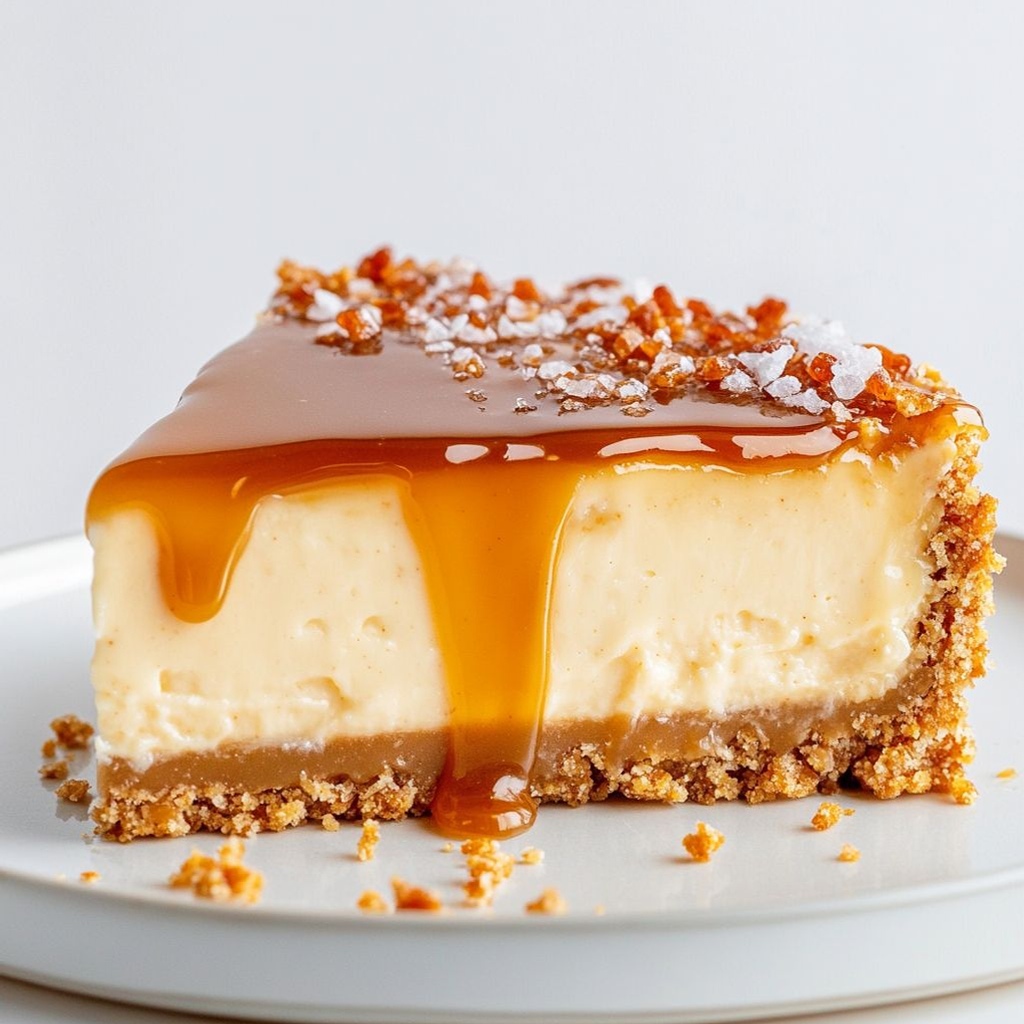
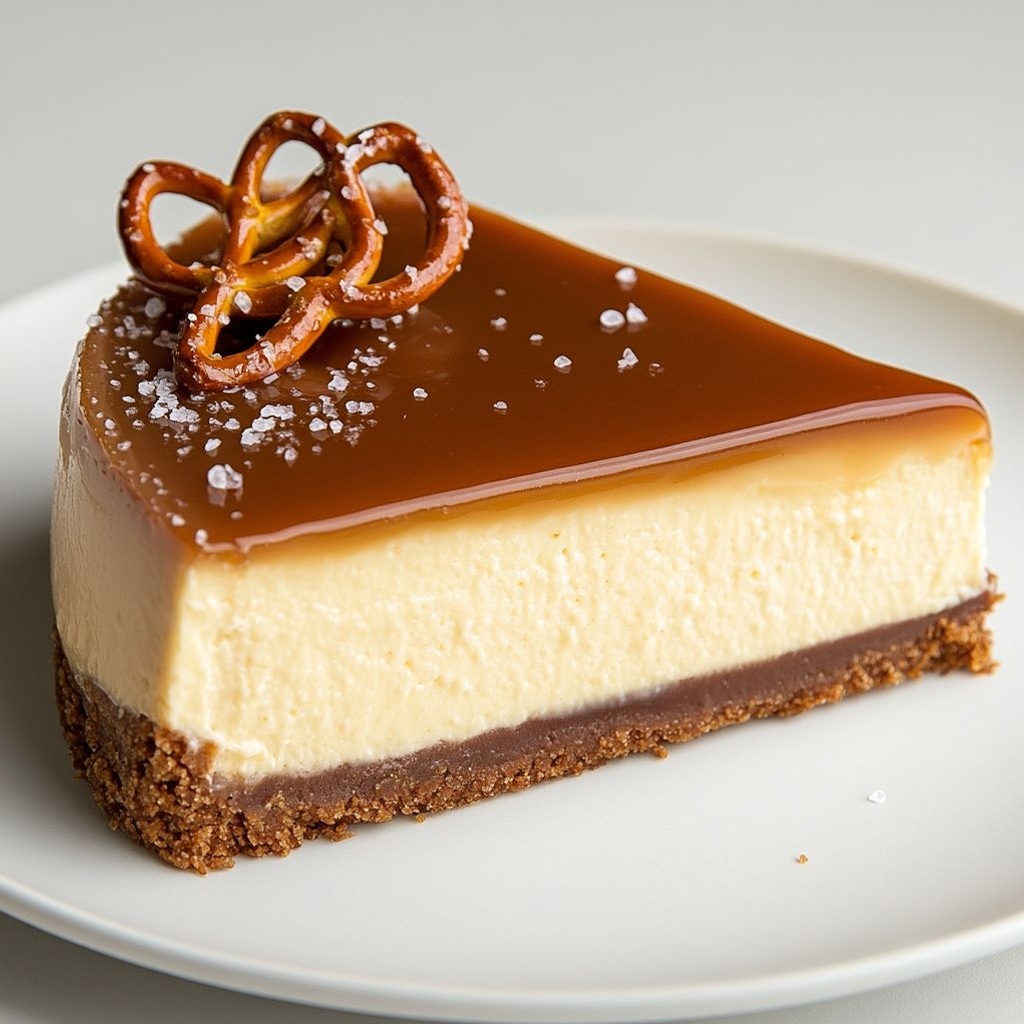
Imagine a dessert that feels like a velvet-sinful secret you share with your most indulgent cravings. A silken cheesecake bathes in ribbons of molten salted caramel, while a brave, crunchy pretzel crust gives you a flirtatious bite that shatters the smoothness with every mouthful. Salted Caramel Cheesecake Pretzel is not just a dessert—it’s a sensory experience that plays on contrasts: cold creaminess and warm caramel, whisper-soft filling and confident crunch, sweetness tempered by a kiss of sea salt. The moment you slice into it, you’ll release a wave of caramel aroma that mingles with vanilla and cream cheese, inviting you to slow down, to savor, to linger at the edge of bliss. It’s the kind of treat that works beautifully at a holiday table, a special birthday celebration, or a carefree weekend gathering when you want to turn a simple moment into something memorable. The allure lies in how all these elements come together without shouting—they sing in harmony and then retreat, leaving you craving just one more bite.
The Story Behind the Dish
Cheesecake has long stood as a timeless crowd-pleaser, a canvas for countless traditions and regional twists. The salted caramel twist, in particular, is a love letter to modern tasting menus and comfort-food nostalgia alike. Caramel itself is a ritual of patience: a small, patient transformation from sugar to amber warmth, a reminder that time and heat can coax astonishing flavor from the simplest ingredients. Salt, that tiny rebel on the palate, elevates sweetness and rounds the edges of a dessert that could otherwise feel too soft or too sugary. Now pair that with pretzels—an ancient snack with a modern swagger—and you’ve got a culinary conversation that travels from old-world bakeries to bustling modern kitchens. Pretzels bring a gentle, toasty saltiness and a satisfying bite; they’re crunchy, they’re chewy, they’re their own kind of magic. The combination of a creamy cheesecake with a pretzel crust and a cascade of salted caramel feels almost inevitable in the best possible way: a dessert that knows its personality and refuses to apologize for it.
Origin stories of pretzels are as fascinating as the flavor they contribute. Legend has it the pretzel was born in medieval European monasteries as a symbolic snack folded into the shape of crossed arms in prayer—a tiny edible blessing. While the road from monastery to modern baker’s counter is long, the pretzel’s core identity remains: a sturdy, comforting bite with a touch of toasty warmth. Salted caramel, on the other hand, is a relatively newer star in the dessert sky, rising to prominence alongside coffee, chocolate, and decadence in the late 20th and early 21st centuries. The fusion of these elements into a cheesecake is a culinary love affair that feels both timeless and contemporary. When you bring these components together—creamy, tangy cheese; caramel’s amber sweetness; and pretzels’ signature crunch—you’re not merely making a dessert; you’re composing a small, edible theater where each performer has its perfect cue.
There’s a personal undercurrent to this dish as well. For me, Salted Caramel Cheesecake Pretzel is often connected to moments of celebration with close friends and family—the kind of gatherings where the kitchen fills with laughter even as the oven hums softly in the background. It’s a dessert that says, “You’re worth a little extra effort,” without being fussy. It invites sharing, but it’s also wonderfully self-contained: a single slice can offer a complete experience, a bite-sized escape that lasts just long enough to become a memory you’ll revisit in future gatherings.
Why You’ll Love This Recipe
There are several reasons this dessert earns a devoted place on your dessert roster. Here are the key advantages you’ll notice from the first bite to the last crumb.
- Perfect balance of flavors. The tang of cream cheese and the sweetness of caramel are tempered by a gentle sea-salt kiss, creating a sophisticated, layered taste profile rather than a single-note sugar rush.
- Textural dream. A crisp, pretzel-crust anchors a luxuriously smooth cheesecake filling, and the warm caramel drizzle adds a glossy, chewy contrast that keeps every bite exciting.
- Make-ahead friendly. This dessert is forgiving and can be prepared ahead of time. The flavors meld beautifully as it rests, making it ideal for dinner parties or holiday gatherings where you want to minimize last-minute cooking stress.
- Impressive without being intimidating. The presentation is show-stopping, yet the technique is approachable. With a few simple steps, you achieve a professional-looking finish that still feels homey and comforting.
- Versatile for occasions. From casual weeknights to special occasions, this dessert adapts to your mood and the season. It pairs just as well with coffee after a cozy dinner as with sparkling wine at a celebration.
- Customizable to dietary preferences. The base concept adapts to gluten-free or vegan options with thoughtful swaps, letting you tailor the dessert to your guests’ needs without losing the essence of the dish.
Flavor Profile & Texture
The Salted Caramel Cheesecake Pretzel dances between contrasts: cool, creamy filling, crisp and salty crust, and a ribbon of silky caramel that gleams like liquid gold. The filling is a symphony of cream cheese, a touch of sour cream or yogurt for silkiness, vanilla, and just enough sugar to coax the flavor without tipping the balance toward cloying sweetness. The tang of the dairy foundation anchors the dessert, while the caramel adds warmth, depth, and a subtle toffee-nut nuance that lingers on the palate.
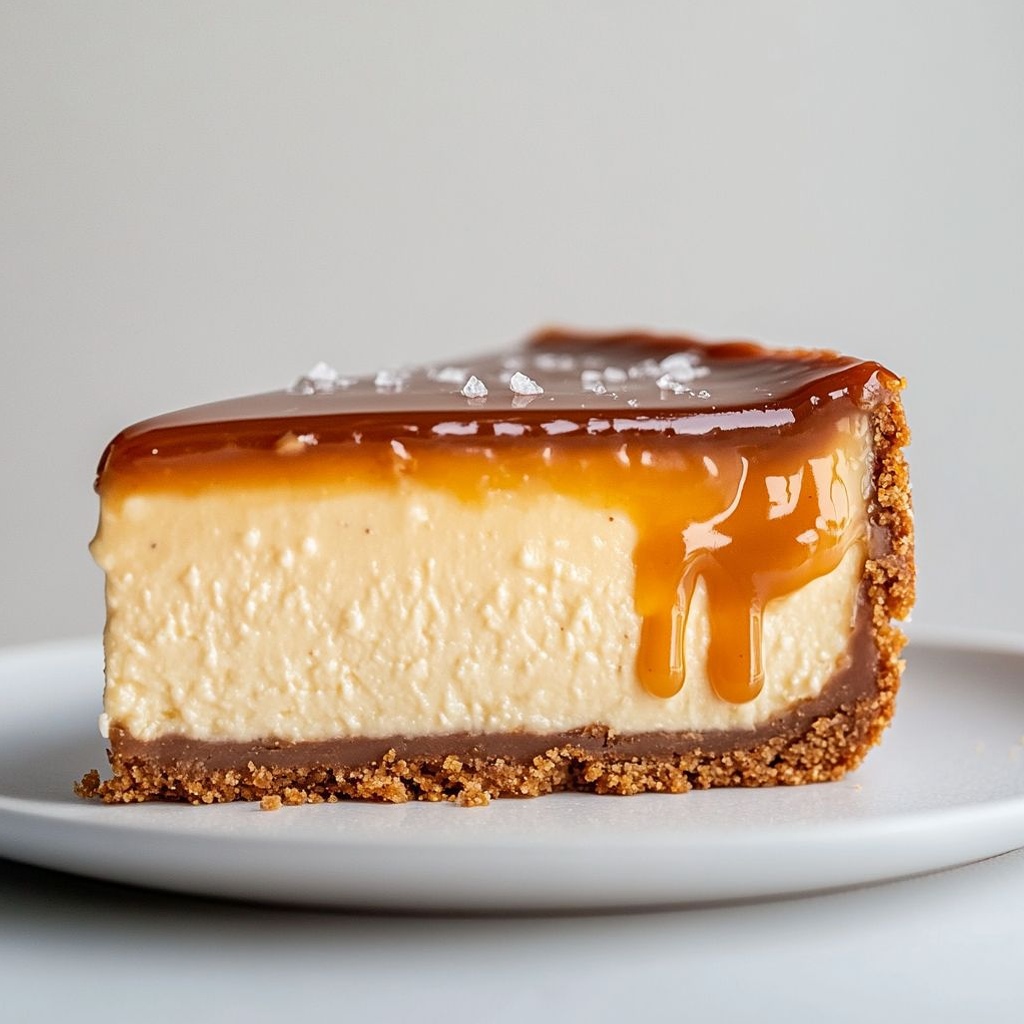
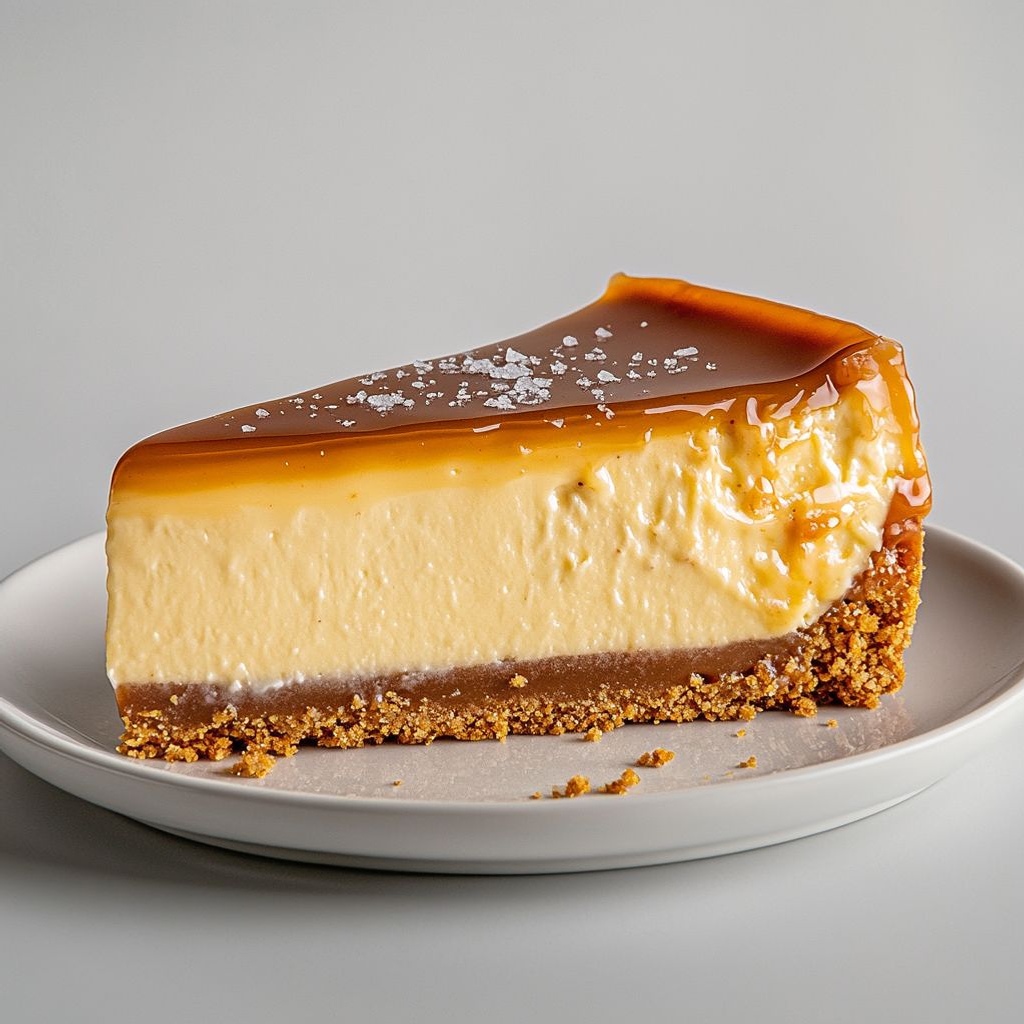
When you bite into it, you first encounter the pretzel crust—a sturdy, lightly salted base that remains crisp after chilling. It provides a satisfying bite that contrasts with the creamy interior, and its toasty notes echo the caramel’s roasted sugar flavors. The crust’s salt crystals linger briefly on the tongue, heightening the sweetness of the filling in the most pleasing way. The caramel swirl or drizzle, depending on how you present it, delivers an oozy silkiness that coats the teeth and coats the palate with a decadent glaze. Salt crystals punctuate the caramel, ensuring each mouthful feels like a mini ceremony of taste: sweet, salty, creamy, and a touch indulgent. It’s a flavor profile that’s both familiar and adventurous—comforting enough for a family dessert, yet refined enough to feel indulgent for a special occasion.
Texture plays a starring role in the overall experience. The crust remains pleasantly crunchy at the edges while offering a gentle give when you press into it. The cheesecake filling is luxuriously smooth, almost velvety, with a light, airy bite that holds its shape when sliced but yields at the first bite. The caramel drizzle introduces a luxurious silkiness that’s slightly viscous and dampens the edges of the slice with warm sweetness. A final whisper of sea salt on top—sprinkled just before serving—delivers a bright mineral note that enhances the flavor spectrum rather than masking it. It’s a choreographed ensemble of textures and sensations that keeps you coming back for another slice, again and again, until the plate is nearly clean.
Occasions & Pairings
This dessert is a versatile guest at many occasions. Here are some ideas for when to serve it and what to pair with it to elevate the experience.
Occasions
- Holiday gatherings and festive dinner parties where you want a show-stopping dessert without resorting to something overly fussy.
- Birthday celebrations that call for a grown-up indulgence with a playful twist.
- Brunch or after-dinner mingles, where a lighter dessert would feel out of place, but you still want something approachable and shareable.
- Special date nights at home, where the elegance of cheesecake with salted caramel matches a cozy, intimate mood.
- Game nights and potlucks, especially when you want a dessert that travels well and slices neatly for easy serving.
Pairings
- Beverages: A well-chilled dessert wine (like Moscato d’Asti or a late-harvest Riesling), a robust coffee or espresso, or a lightly hopped stout can all complement the flavors beautifully.
- Side dishes / toppings: Fresh berries (raspberries or strawberries) echo the tartness of the cream cheese, while a dollop of whipped cream adds lightness. A scattering of chopped toasted nuts can introduce an extra layer of crunch.
- Dessert companions: A plate of dark chocolate squares or a simple biscotti can balance the sweetness for a longer dessert course, especially when served at room temperature with an airy, aromatic cup of tea.
Tips, Variations & Substitutions
The beauty of Salted Caramel Cheesecake Pretzel lies in its adaptability. Here are practical ideas to customize, simplify, or tailor it to dietary needs without losing its essence.
- Crust variations: For a gluten-free version, substitute pretzels with gluten-free pretzels or crushed almond flour mixed with a pinch of sea salt and a touch of melted butter. You could also use a combination of crushed graham crackers and crushed pretzels for a classic cheesecake crust with a pretzel nod.
- Vegan adaptation: Use a full-fat coconut cream or cashew cream cheese in place of dairy cream cheese, and swap to a vegan butter for the crust. Ensure your caramel is dairy-free (you can make a vegan caramel with coconut cream and coconut sugar or maple syrup). The result is rich and indulgent while staying plant-based.
- Flavor twists: Add a hint of espresso powder to the filling for a mocha-inspired version, or fold in finely grated orange zest to bring brightness that pairs beautifully with the caramel. A touch of ground cinnamon or cardamom can introduce a warm, comforting spice note that works surprisingly well with the pretzel crust.
- Texture play: If you love extra crunch, sprinkle toasted pretzel bits on top just before serving, or press a handful of chopped candied pecans into the crust for a praline-like finish.
- Caramel variations: Use a salted caramel sauce with a higher sea-salt content for a more assertive salt bite, or add a teaspoon of bourbon or vanilla to the caramel for a nuanced depth that lingers on the palate.
- Serving style: Serve in neat wedges for a formal presentation, or cut into smaller squares for a casual party vibe. A delicate dusting of cocoa powder or a swirl of extra caramel on the plate can elevate the plating without requiring additional components.
Storage & Make-Ahead Ideas
One of the practical joys of this cheesecake is that it can be prepared ahead of time, which makes hosting easier and more enjoyable. Here are reliable guidelines to ensure your dessert stays fresh and delicious.
After assembly, refrigerate the cheesecake until it is fully set. The chilling period helps the flavors meld and the texture firm up so that slices hold their shape when plated. If you’re planning to serve it later in the week, you can cover it tightly and refrigerate for up to five days. For longer storage, this cheesecake freezes beautifully. Wrap individual slices or the whole cheesecake tightly in plastic wrap, then in foil, and freeze for up to two months. Thaw in the refrigerator overnight before serving for best texture and flavor. If you’ve caramel-draped the top, you may want to add a fresh drizzle of caramel just before serving after thawing to revive that glossy, inviting finish.
Make-ahead ideas to streamline dessert service:
- Prepare the crust and press it into the pan a day in advance, then finish the filling and bake on the day you plan to serve.
- Prepare a caramel sauce ahead of time and refrigerate; warm gently before drizzling over slices just before serving to achieve a luscious, glossy look.
- Have toppings ready in small bowls: extra pretzel shards, sea salt crystals, and a few fresh berries. Plate or platter arrangements can be assembled minutes before guests arrive for a polished presentation.
Fun Facts & Trivia (Optional)
- Salted caramel as a flavor pairing rose to prominence in the gourmet dessert scene around the late 20th century, but the idea of salted sweets traces back to ancient salted confections and has roots in various cultural culinary experiments.
- Pretzels are one of the oldest known snack foods, with a history that travels back to Europe in the early Middle Ages. Their simple shape—two loops crossing in the center—was historically believed to resemble crossed arms in prayer, lending the treat a gentle, symbolic resonance.
- Cheesecake, in its many regional avatars—from New York-style to no-bake versions—has always thrived on the balance between tangy dairy and sweet accents. The salted caramel twist elevates this classic by introducing a modern, sophisticated palate that remains approachable in home kitchens.
- The salt in salted caramel isn’t just for contrast; it enhances the caramel’s aroma and heightens the overall perception of sweetness, making it feel richer without increasing the sugar load.
Ingredients
Pretzel Crust
- 2 cups crushed pretzels (finely crushed, about 170 g)
→ The pretzel crust provides the salty, crunchy base that contrasts with the creamy cheesecake. Crush pretzels into fine crumbs using a food processor, or seal them in a zip-top bag and crush with a rolling pin. Mix with melted butter and sugar until the texture resembles damp sand, then press firmly into the bottom and slightly up the sides of a 9-inch (23 cm) springform pan. For best results, chill the crust 15–20 minutes before filling; you can bake it briefly at 350°F (175°C) for 8–10 minutes to set, or proceed with a no-bake method if your filling is adequately set. - 6 tablespoons unsalted butter, melted
→ Butter binds the crust, adds richness, and helps it hold together. Let the melted butter cool slightly before mixing with the pretzel crumbs to keep the crust from becoming too greasy. If your pretzels are very salty, you may reduce the sugar slightly or rinse the crumbs lightly, but do not skip fat entirely as it’s essential for structure. - 2 tablespoons granulated sugar
→ Sugar sweetens the crust and aids browning, helping to balance the salty pretzels. Mix with the pretzel crumbs before pressing. If using very salty pretzels, you can reduce or omit this sugar to taste.
Cheesecake Filling
- 32 oz (900 g) cream cheese, softened to room temperature
→ The creamy backbone of the cheesecake. Softened cream cheese blends smoothly, preventing lumps and ensuring a luxuriously silky batter. Use full-fat cream cheese for best flavor and texture. Beat on low speed at first to minimize air pockets, then increase speed just enough to achieve a creamy consistency. Avoid overheating or overmixing once eggs are added to prevent cracks. - 1 cup granulated sugar
→ Provides sweetness and helps the filling set with the eggs and dairy. Beat with the cream cheese until light and fluffy, then scrape the bowl and continue. If you prefer a less sweet cheesecake, reduce by 2–3 tablespoons but note it may affect texture slightly. - 1/4 cup sour cream
→ Adds moisture and a mild tang that keeps the filling creamy and prevents it from feeling too dense. Use full-fat sour cream; if unavailable, plain Greek yogurt can be substituted but will alter flavor and consistency. Fold in gently to maintain a smooth batter. - 1 teaspoon vanilla extract
→ Delivers warmth and depth to the filling. Use pure vanilla extract for best aroma; if you have vanilla bean, you can scrape in the seeds for extra flavor. - 4 large eggs, room temperature
→ Eggs set the cheesecake and help it slice cleanly. Add eggs one at a time on low speed to minimize incorporation of air that could cause cracks. Ensure they are at room temperature to blend smoothly with the cheese batter. - 1/4 teaspoon fine salt
→ Enhances overall flavor and balances sweetness. If your cream cheese is salted, adjust or omit this amount to taste. - 2 tablespoons all-purpose flour (or 1/4 cup cornstarch for gluten-free version)
→ A small amount of starch helps stabilize the filling and reduce cracking, yielding a smoother, cleaner slice. If using gluten-free flour, ensure it’s a blend suitable for baking and whisk well with the sugar before adding to the creamed cheese.
Salted Caramel Sauce
- 1 cup granulated sugar
→ The caramel base provides rich, deep sweetness and color. Heat slowly to a deep amber; avoid scorching. Do not rush the browning stage, as this will impart bitter notes. - 6 tablespoons unsalted butter, cut into pieces
→ Butter enriches the caramel, giving a glossy, velvety texture once the sugar has melted. Add the butter off the heat to control splatter and whisk until smooth. If the sauce thickens too much, warm gently and whisk in a bit more cream. - 1/2 teaspoon sea salt
→ Salt heightens the caramel sweetness and complements the pretzel crust. Use a pinch more if you like a stronger contrast, but start with 1/2 teaspoon and adjust to taste. - 1/2 to 2/3 cup heavy cream
→ Cream finishes the sauce, giving it a pourable, luscious consistency. Warm the cream slightly before adding to the hot sugar to avoid clumps; add gradually and whisk until smooth. For a thicker sauce, use less cream; for a pourable drizzle, use more.
Finish / Garnish (optional)
- Flaky sea salt for finishing, optional
→ A light sprinkle of finishing salt enhances the sweet-salty balance and highlights the caramel and pretzel flavors. Dust just before serving to keep texture crisp. - Extra pretzel pieces for topping, optional
→ Adds a crunchy, decorative finish that echoes the crust. Scatter small pieces over the top just before serving for texture and visual appeal.
Instructions
- Preheat your oven to 350°F (175°C) and grease a 9-inch (23 cm) springform pan, then lightly line the bottom with parchment if desired; this preparation prevents sticking and ensures clean removal of the cheesecake.
→ Greasing and parchment help the crust and filling release without tearing, especially important when slicing chilled portions. - Crush 2 cups of pretzels (about 170 g) into fine crumbs using a food processor or by placing them in a sealed bag and pounding with a rolling pin until uniform; aim for a powdery crumb texture with no large chunks.
→ Fine crumbs create an even, cohesive crust that holds together and bites like a cookie rather than gritty pieces. - In a medium bowl, combine the pretzel crumbs with 6 tablespoons melted unsalted butter and 2 tablespoons granulated sugar; stir with a spatula until the mixture resembles damp sand and holds its shape when squeezed.
→ The butter binds the crust so it rings together when pressed, while sugar helps with browning and flavor balance against the saltiness of the pretzels. - Press the pretzel crust firmly into the bottom and slightly up the sides of the 9-inch springform pan using the back of a spoon or the flat bottom of a measuring cup; apply even pressure to form a level, compact foundation. Chill the crust for 15–20 minutes to set before filling.
→ A chilled, compact crust resists crumbling when the soft filling is added and helps maintain a neat edge around the cheesecake. - Optionally bake the crust briefly at 350°F (175°C) for 8–10 minutes to set and toast lightly, then remove to cool completely before adding the filling; this enhances structure and reduces sogginess in a no-bake scenario.
→ A pre-baked crust adds rigidity and helps prevent the crust from absorbing too much moisture from the filling. - In a large mixing bowl, beat 32 oz (900 g) softened cream cheese on low speed until smooth and free of lumps; this initial low-speed mix minimizes air pockets that can cause cracks later.
→ Soft, lump-free cream cheese yields a silky filling and a uniform texture throughout the cheesecake. - Add 1 cup granulated sugar to the cream cheese and beat on medium-low until light and fluffy, stopping to scrape the bowl as needed; this incorporation creates a tender, evenly sweet batter.
→ Aeration from proper mixing improves texture and helps the filling set evenly without graininess. - Beat in 1/4 cup sour cream and 1 teaspoon vanilla extract until just combined; sour cream adds moisture and tang for a creamy, balanced cheesecake.
→ Do not overbeat after this stage to preserve a smooth texture and prevent a cheesecake from becoming runny. - Add 4 large eggs, one at a time, on low speed, mixing just until each is incorporated before adding the next; ensure eggs are at room temperature to blend uniformly with the cheese.
→ Room-temperature eggs emulsify more easily, helping the batter stay smooth and preventing a dense, custard-like texture. - Stir in 1/4 teaspoon fine salt and 2 tablespoons all-purpose flour (or 1/4 cup cornstarch for gluten-free); mix on low until the batter is smooth and uniform.
→ Salt enhances flavor; the starch helps stabilize the filling and reduce cracking during baking and cooling. - Pour the filling over the prepared crust in an even layer, then gently tap the pan on the counter several times to release any trapped air and level the surface with a spatula; this prevents air pockets that can cause cracks.
→ Eliminating air pockets yields a smoother top and easier, cleaner slicing after chilling. - Place the springform pan on a larger shallow pan and, if desired, create a shallow water bath by adding hot water to the outer pan halfway up the sides of the cheesecake pan; this moderates heat and helps prevent cracking.
→ The water bath maintains moisture and a gentler bake, promoting a creamy interior and fewer cracks. - Bake the cheesecake at 325–350°F (165–175°C) until the edges are set and the center still wobbles slightly, about 50–65 minutes; avoid overbaking which leads to a dry interior and cracks. Turn off the oven, crack the door, and let the cheesecake rest in the oven for 60 minutes to gradually cool.
→ A gradual cooling prevents dramatic temperature shifts that can crack the surface and preserve a smooth, creamy center. - Remove the cheesecake from the water bath, run a knife around the inside edge to loosen, and allow to cool completely at room temperature before refrigerating; then chill in the fridge for at least 4 hours or overnight for clean slicing.
→ A full chill firms the filling and makes portions neat and stable for serving. - Prepare the salted caramel sauce by heating 1 cup granulated sugar in a heavy-bottomed saucepan over medium heat, watching closely and swirling gently until it reaches a deep amber color; avoid stirring with a spoon to prevent crystallization.
→ Deep amber color signals the full caramel flavor without burnt bitterness, and gentle motion helps even browning. - Remove the pan from heat and whisk in 6 tablespoons unsalted butter pieces off the heat; the mixture will bubble vigorously—whisk until the butter is fully melted and the caramel is smooth.
→ Off-heat butter addition minimizes splatter and yields a glossy, cohesive sauce. - Sprinkle in 1/2 teaspoon sea salt and gradually whisk in 1/2 to 2/3 cup heavy cream, adding a little at a time until the sauce is smooth and pourable; adjust the cream amount for your preferred thickness.
→ Salt sharpens the caramel flavor and cream finishes the sauce with a luscious texture. - Let the caramel cool slightly to a pourable but not hot state and then drizzle over the cooled cheesecake in a decorative ribbon or base coat; use a spoon or a skewer to create a light swirl if desired.
→ Warm but not hot caramel will weave nicely over the surface without sliding off entirely, creating a beautiful finish. - Optionally finish with a light sprinkle of flaky sea salt and scatter extra pretzel pieces on top just before serving for texture and visual appeal; these finishing touches echo the crust and amplify the sweet-salty balance.
→ Finishing salt enhances flavor complexity, while pretzel shards provide crunch and a cohesive theme with the crust. - Slice and serve chilled, wiping the knife between cuts for clean edges; store any leftovers sealed in the refrigerator for up to 3–4 days.
→ Proper chilling and a clean knife approach yield neater portions and preserve the creamy texture of the filling.
Notes
These salted caramel cheesecake pretzels are rich, creamy, and balanced by a salty pretzel crust and a glossy caramel topping. You can customize them by adding your favorite toppings, such as chopped nuts, chocolate chips, or a drizzle of extra caramel through the filling for swirls. They refrigerate well and can be made ahead; store in an airtight container and slice chilled for clean servings. For an extra boost, dust with flaky sea salt just before serving to heighten contrast and aroma. If you need a gluten-free version, use gluten-free pretzels and cornstarch (or a gluten-free flour blend) and ensure all other ingredients are gluten-free; always check the cream cheese brand for gluten-containing additives.
Tips
Tips for Salted Caramel Cheesecake Pretzel
- Crust texture matters: grind pretzels until they resemble fine crumbs. If you still have a few larger pieces, pass the mixture through a sieve to ensure the crust is cohesive and not crumbly.
- Butter temperature: use melted butter that has cooled slightly before mixing with the crumbs. Butter that’s too hot can make the crust greasy; cool butter helps it hold together without sinking.
- Chill before filling: chilling the crust 15–20 minutes helps it set and prevents shifting when you pour the filling. For extra firmness, a brief bake (8–10 minutes at 350°F/175°C) can help, especially for a no-bake filling.
- Press evenly and up the sides: press the crust firmly with the bottom of a flat measuring cup or the back of a spoon to create an even, compact base. If you want a defined edge, press a touch up the sides but don’t overdo it.
- Use a well-wrapped pan for a water bath: if you plan to bake the cheesecake, wrap the pan in heavy-duty foil to prevent water from seeping in. A water bath helps reduce cracks and gives a smoother top.
- Room-temperature ingredients matter: soften cream cheese to room temperature for a silkier filling. Cold cheese can trap air and cause lumps; warm cheese blends more smoothly.
- Beat sugar with the cream cheese gradually: beat on low at first to reduce air pockets, then increase speed just enough to reach a creamy texture. Avoid overmixing after eggs are added to prevent cracks.
- Gentle folding for dairy additions: fold in sour cream and vanilla gently to preserve a silky batter and prevent curdling or separation.
- Temperature matters for eggs: add eggs one at a time on low speed. Room-temperature eggs blend more evenly and reduce the risk of cracks from sudden temperature changes.
- Starch helps with stability: the small amount of flour (or cornstarch for gluten-free) stabilizes the filling and reduces cracking. Whisk the flour with the sugar before adding to the cheese mixture.
- Caramel with patience: cook the sugar slowly to a deep amber. Rushing this stage can give bitter notes. Keep the heat steady and avoid stirring once it begins browning, until you whisk in the butter away from the heat.
- Butter and salt in caramel: add butter off the heat to control splatter and whisk until smooth. A pinch more salt can be added if you prefer a stronger contrast, but start with 1/2 teaspoon and adjust to taste.
- Cream should be warm for the caramel: warm the heavy cream slightly before adding to the hot sugar to avoid lumps. Add gradually and whisk until the sauce is smooth and pourable.
- Test sauce thickness: for a thicker drizzle, use less cream; for a pourable sauce, use more. If the caramel thickens too much after cooling, rewarm gently and whisk in a splash more cream.
- Finishing salt and toppings: a light sprinkle of flaky sea salt just before serving enhances the sweet-salty balance. Extra pretzel pieces on top add texture and echo the crust.
- Slice like a pro: for clean slices, wipe the knife between cuts and use a hot knife or run it under hot water, then wipe dry. A chilled cheesecake slices best, so refrigerate and slice cold.
- Make ahead and storage: the cheesecake can be made a day ahead and kept refrigerated. Caramel sauce can be prepared in advance and stored in the fridge; rewarm slightly before serving and drizzle.
FAQ
What is Salted Caramel Cheesecake Pretzel?
Salted Caramel Cheesecake Pretzel is a creamy cheesecake nestled on a crunchy pretzel crust, swirled or drizzled with homemade salted caramel, and finished with a light sprinkle of sea salt. It combines a rich filling, a salty-sweet caramel, and a crisp pretzel base for a crave-worthy dessert.
What pan size do I need for this recipe?
Use a 9-inch springform pan for best results. If you only have an 8-inch pan, the crust will be thicker and the filling may bake a bit longer; you may also get a denser slice.
What ingredients do I need for the pretzel crust?
Crust ingredients typically include.
- 2 cups finely crushed pretzels
- 1/4 cup granulated sugar
- 6 tablespoons unsalted butter, melted
You can add a pinch of salt if your pretzels aren’t very salty.
How do I make the pretzel crust?
1) Preheat the oven. 2) Mix crushed pretzels, sugar, and melted butter until evenly moistened. 3) Press the mixture into the bottom and about 1/2 inch up the sides of a 9-inch springform pan. 4) Bake for 8–10 minutes until set and lightly golden, then cool before filling.
What ingredients go into the cheesecake filling?
The filling is typically made with:
- Cream cheese (softened)
- Granulated sugar
- Vanilla extract
- Eggs
- Optional sour cream or heavy cream for extra creaminess
How do I bake the cheesecake to avoid cracks?
For a smooth top, bake using a water bath. Wrap the outside of the springform pan in foil to prevent leaks, place the pan in a larger baking dish with hot water, and bake at a moderate temperature (around 325°F / 165°C) until the center is just slightly jiggle-y. After baking, let it cool gradually to room temperature, then chill overnight in the fridge.
How do I make the salted caramel sauce?
Steps to caramel sauce:
- Heat granulated sugar over medium heat in a heavy saucepan, stirring occasionally until it melts into an amber liquid.
- Whisk in butter until melted and combined.
- Slowly whisk in heavy cream, and simmer for 1–2 minutes until smooth.
- Stir in salt to taste and let cool to room temperature before using.
Can I swirl the caramel into the filling or just drizzle on top?
Yes. You can swirl some of the cooled caramel into the cheesecake batter after pouring half the filling into the crust, then top with the remaining filling and swirl lightly. Alternatively, drizzle the caramel over the cooled cheesecake just before serving for a striking presentation.
How should I chill and store the cheesecake?
Chill the cheesecake in the refrigerator for at least 4 hours, preferably overnight, to let it set fully. Store covered in the fridge for 5–7 days. For longer storage, you can freeze slices or the whole cake (wrap well and freeze for up to 2–3 months); thaw overnight in the fridge before serving.
Can I make mini cheesecakes or adjust this recipe?
Yes. You can bake this as mini cheesecakes in a muffin tin or 4-inch pans; adjust bake time shorter (usually 15–20 minutes for the crust and 18–22 minutes for the filling, depending on size). You can also customize the toppings (more caramel, extra sea salt, or a chocolate drizzle) to suit your taste.
Any tips for variations or substitutions?
Variations and substitutions include:
- Use a mix of pretzels and graham crackers for the crust if you prefer a lighter texture.
- Swap sour cream for heavy cream for a milder tang; adjust sweetness as needed.
- To make it dairy-free, use dairy-free cream cheese, coconut cream, and a dairy-free caramel (with coconut milk).
- Increase the salt on the caramel or finish with flaky sea salt for a more pronounced salty contrast.