Introduction / Hook
Imagine a cheesecake that feels both familiar and distinctly light on the palate—a dessert that wears its indulgence with a smile. Cottage cheesecake invites you into a world where creamy richness meets everyday approachability. The star is simple, wholesome cottage cheese whipped to a velvet-smooth whisper, blended with a kiss of vanilla, a hint of lemon, and a crust that quietly supports rather than overwhelms. The result is a dessert that glides across the tongue with gentle tang, a subtle sweetness, and an aroma that warmly conjures childhood kitchens and grandmother’s bakeware. It’s the kind of cheesecake you reach for after a long week, slice into with a friend, and still feel good about, because it carries a sense of honesty and comfort in every bite. As the oven hums and the kitchen fills with the fragrance of citrus and vanilla, you’ll sense that this is more than a dessert—it’s a ritual of coziness, a small celebration of everyday moments that deserve to taste a little special.
The Story Behind the Dish
Cheesecakes have traveled across continents and centuries, collecting influences the way a well-loved recipe does. The form we call “cottage cheesecake” is a modern nod to a timeless idea: transforming humble, regional dairy into something luscious. Cottage cheese, with its mild tang, weathered by the hands of farmers and home cooks, has long been a pantry staple in many communities. Its texture—soft, slightly grainy when left rustic, impossibly smooth when whipped—offers a canvas for flavors without heaviness. In Eastern Europe and the nearby regions, farmers’ cheeses like tvarog or quark have historically served as the backbone of beloved desserts and pastries. When these traditions crossed into Western kitchens, creative cooks began pairing cottage cheese with the familiar cheesecake concept—creamier, lighter, and more approachable for daily dessert cravings.
The cottage cheesecake you’re about to explore can be seen as a bridge between old-world cottage kitchens and the modern cravings for comfort with a lighter footprint. It’s a recipe that honors the honesty of the ingredients: dairy sourced with care, a touch of sweetness tuned to perfection, and a fragrance profile that nods to vanilla and citrus rather than heaviness. Some early iterations leaned on strained mixtures to achieve silkiness; others blended the curds until they vanished into a cloud of creaminess. Today, bakers around the world adapt the same core idea to suit dietary preferences, cultural palettes, and seasonal produce, proving that a single concept—cottage cheese transformed into cheesecake—can travel far and still feel at home.
Beyond the science of texture, there’s a story of memory. Think of a kitchen where a grandmother stirs a bowl while the clock ticks toward applause-worthy moments, where the oven’s glow turns the room golden, and where the first bite carries a whisper of nostalgia. Cottage cheesecake doesn’t pretend to be a grand, flashy showpiece; it invites you to slow down, savor the moment, and appreciate how simple ingredients, treated with care, can yield something quietly spectacular. In many homes, it also becomes a forgiving canvas for creative twists: a swirl of seasonal fruit from the farmers’ market, a dusting of warm spices for a cozy winter night, or a bright citrus zest to wake up a weekend brunch. The beauty of this dish lies not just in its taste but in its adaptability—the way it becomes a canvas for your memories, mood, and the company you keep at the table.
Why You’ll Love This Recipe
- Lightness without sacrificing creaminess. The cottage cheese provides a bright, tangy underpinning that keeps the cheesecake from feeling dense, especially when the curds are well-whipped or blended to a silky smoothness.
- Approachable flavor that pairs with nearly anything. A gentle vanilla note and a whisper of lemon let the natural dairy flavors shine, making this dessert versatile enough to suit casual family dinners or more refined celebrations.
- Well-suited for a range of diets and preferences. With careful choices, you can tailor this cheesecake to be lower in fat, lactose-friendly, or even vegan-friendly while preserving its characteristic texture and charm.
- Relatively forgiving in technique. Cottage cheese desserts often reward calm, steady handling more than exact science. Whip until smooth, bake gently, and you’ll likely achieve a tender, sliceable result with less risk of cracking than some heavier cheesecakes.
- Great for make-ahead and gatherings. Because this cheesecake benefits from chilling, it’s an excellent candidate for advance preparation, allowing you to pull off a show-stopping finish with minimal last-minute chaos.
- Supports creativity and seasonal accents. The base invites customization—swap in citrus zests, a berry compote, or a chocolate ribbon, depending on the season and mood.
Flavor Profile & Texture
The flavor profile of cottage cheesecake is a study in balance. The dairy-forward core offers a gentle tang that keeps the sweetness from tipping into cloying territory. Vanilla stains the cream with caramel-soft warmth, while lemon zest or juice threads a bright, fragrant note that lifts the entire bite. In the mouth, the texture straddles a fine line between smooth and softly grainy, the result of the cottage cheese’s natural character when not entirely over-processed. If you prefer an ultra-silk finish, a quick pulse with a blender or food processor can render the curds into a more custard-like silk, ensuring an uninterrupted creamy experience. If you enjoy a bit of contrast, a lightly crisp edge around the belt of the crust provides a gentle textural counterpoint to the interior’s tenderness.
Texture can tell a story in itself. A well-made cottage cheesecake delivers a creamy center that holds its shape when plated, yet melts delicately on the tongue. The crust—whatever form you favor, whether crumbly biscuit, nut-based, or a simple shortbread style—should act as a quiet foundation rather than a dominant player. It should invite you to dive into the filling with a confident yet soft bite, then retreat to the next, savoring the interplay of light tang, mellow sweetness, and zesty brightness. The aroma is equally important: vanilla’s comforting warmth meets citrus’s clean lift, with a suggestion of dairy’s comforting perfume lingering in the background. It’s a sensory package that feels both nostalgic and refreshingly contemporary, a dessert that belongs on a cozy weeknight table and a festive weekend spread alike.
Occasions & Pairings
This cottage cheesecake earns its keep across a range of occasions. It shines as a bright finish to a casual family dinner, a comforting after-dinner treat during cooler months, or a light, not-too-sweet dessert at a spring or summer gathering. Its gentle tang makes it especially welcoming for brunches or tea-time stands, where guests can savor a slice alongside berries, a dollop of lightly whipped cream, or a spoonful of seasonal jam.
Pairings to consider—without overwhelming the cheesecake—include fresh berries (strawberries, blueberries, raspberries), a drizzle of fruit coulis, or a spoonful of compote that complements the tang. For beverages, consider a sparkling wine or a light, citrusy sparkling water to echo the zests, or a medium-roast coffee for a comforting, end-of-meal pairing. If you’re serving it as part of a dessert buffet, a contrasting element—like a dollop of whipped cream or a small shard of dark chocolate—can provide a pleasing counterpoint without stealing the show from the delicate filling.
Seasonal takes can be easily imagined. In late spring, a rhubarb-berry glaze can lend a tart-sweet zing that mirrors the changing tones of the garden. In early summer, a lemon-ginger syrup can introduce an aromatic warmth that feels bright and celebratory. In autumn, a slow-cooked apple compote with cinnamon can provide a comforting, homey finish. In winter, a whisper of orange zest and a touch of vanilla can evoke cozy evenings by the fire. The beauty is that the dessert remains true to its character while wearing these accents with grace.
Tips, Variations & Substitutions
The beauty of cottage cheesecake lies in its adaptability. Here are ideas to tailor the dessert to taste, dietary needs, or available ingredients—without turning the process into a tangled project.
Make It Lighter or Richer
For a lighter version, you can experiment with low-fat or lactose-free cottage cheese, provided you blend it until ultra-smooth. If you prefer a richer mouthfeel, a touch of cream cheese or Greek yogurt can be incorporated in small amounts, balancing tang with extra creaminess. The key is to maintain the delicate structure of the filling while preserving its characteristic lift.
Vegan or Dairy-Free Adaptations
To keep the spirit of cottage cheesecake in a dairy-free format, you can blend soaked, soft cashews with a plant-based milk until silky, then add a neutral oil or coconut cream and a hint of lemon and vanilla. A vegan cheesecake can achieve a similar velvety texture and tang with careful adjustment of acidity and fat content. If you want a gluten-free crust, opt for gluten-free cookie crumbs or almond-based crusts that stay crisp while supporting the filling’s tenderness.
Flavor Variations
Add a flavor twist with citrus zest (lemon, orange, or lime), a touch of almond extract, or a ripple of fruit purée swirled through the mixture before baking. You can also fold in small amounts of finely chopped, high-quality dark chocolate for a subtle contrast, or a handful of fresh berries to infuse color and brightness. If you enjoy warmth, a pinch of cinnamon or cardamom can transform the aroma and depth in comforting, seasonal ways.
Texture Tweaks
For a silkier texture, ensure the cottage cheese is thoroughly blended until completely smooth. If you prefer a hint of rustic charm, you can leave a tiny portion—no more than a few tablespoons—unblended and fold gently to create small curd pockets inside the creamy filling. This variation can emphasize the cheese’s character while still delivering a cohesive slice.
Crust Variations
Choose a crust that suits your mood and needs. A classic crumb crust made from crushed biscuits or cookies is traditional and reliable. For a nuttier bite, blend nuts with a touch of butter or a dairy-free fat and press into the pan. If you need a grain-free option, use almond or walnut crusts. The crust should be sturdy enough to support the filling, yet fine-grained and not overly sweet, allowing the filling to carry the flavor story.
Storage & Make-Ahead Ideas
The beauty of a cottage cheesecake is that it benefits from a little patience. Chilled properly, it holds its shape and flavor beautifully, making it ideal for advance planning.
Storage: After cooling completely, cover the cheesecake and refrigerate. It will stay fresh and sliceable for several days, typically 3–5 days depending on your dairy substitutions and crust choice. If you’re using dairy-free options, check the specific product’s storage guidance, as some plant-based ingredients can behave differently in the refrigerator.
Make-ahead: Because this dessert benefits from chilling, you can bake it a day ahead and refrigerate overnight before serving. If you’re preparing in advance for a party, you can even freeze individual slices or portions. Wrap tightly in plastic and seal in an airtight container. When you’re ready to serve, thaw overnight in the fridge and return to room temperature for a few minutes before slicing for the best texture and flavor.
Reheating is not typically necessary for a cheesecake, but if you’re serving with a warm sauce or as part of a dessert buffet, you can gently rewarm sauces so they mingle with the neat slices rather than soaking the cake. The goal is to maintain the cheesecake’s pristine center while offering a comforting contrast with a warm topping.
Fun Facts & Trivia (Optional)
– Cottage cheese has a history tied to preservation and daily sustenance. In many households, it served as a versatile base for desserts where creaminess was prized but excess richness was not desired. This practical, thrifty ingredient lends itself to modern dessert creativity while honoring its humble origins.
– The practice of whipping or blending cottage cheese to a smooth consistency is a technique shared across culture lines. It’s a simple reminder that texture can be altered with a little effort and the right equipment, turning a rustic curd into a refined, dessert-worthy custard-like filling.
– The concept of combining a soft, tangy dairy component with a gentle crust is a universal dessert theme. Whether you call it cottage cheesecake, farmer’s cheesecake, or a variation on a classic, the core idea remains the same: balance creaminess with brightness, and let the dairy do the talking.
Whether you’re revisiting a familiar family favorite or exploring a new seasonal twist, cottage cheesecake offers a welcoming, forgiving path to dessert success. It invites conversation around the table, the sharing of memories, and the joy of tasting something that feels both simple and deeply satisfying. As you prepare to bake, let the soft creaminess, the citrusy lift, and the warm aroma guide you toward a moment of comfort, connection, and pure, dignified delight. This is cake as a hug, a gentle reminder that good things can be made with modest means, patience, and a dash of creativity.

Ingredients
Crust
- 1 1/2 cups graham cracker crumbs (about 150 g)
→ Crust base that provides structure and a hint of sweetness. Use finely ground crumbs to ensure an even, compact crust; mix with melted butter (and optional sugar) and press firmly into a lined 9-inch springform pan. For gluten-free versions, choose gluten-free graham crackers or digestive biscuits. If you bake the crust before filling, bake at 350°F (175°C) for 8–10 minutes and cool completely before adding the filling. - 3 tablespoons unsalted butter, melted
→ Melted butter binds the crust together and helps it hold its shape during baking. Ensure the butter is fully melted for uniform coating of the crumbs; press the mixture evenly into the pan. If avoiding dairy, substitute with melted coconut oil and adjust the crust’s flavor slightly. - 1 tablespoon granulated sugar (optional)
→ Adds a touch of sweetness to the crust and assists with browning. Mix the sugar with the crumbs before adding the melted butter. If using salted crackers or prefer a less sweet crust, you can omit this ingredient.
Filling
- 2 cups small-curd cottage cheese, well-drained and optionally blended until smooth
→ The core of this cottage cheesecake; cottage cheese provides a light, airy texture with less fat than traditional cream cheese. Thoroughly drain to remove whey; for a smoother filling, pulse briefly in a blender or food processor until nearly smooth, but avoid over-processing into a puree to maintain texture. - 8 oz (225 g) cream cheese, softened
→ Adds creaminess and helps the filling set more firmly. Soften to room temperature to prevent lumps and blend smoothly with the cottage cheese. If you prefer a lighter version without cream cheese, you can omit it, but the texture will be looser and more curd-like. - 3/4 cup granulated sugar
→ Sweetens the filling and helps with browning and set. Adjust to taste; for a tangier profile, reduce slightly. If replacing with a natural sweetener, consider the impact on moisture and texture and adjust other liquids accordingly. - 3 large eggs, room temperature
→ Binders that help the filling set as it bakes. Room-temperature eggs mix more evenly and prevent curdling. Add eggs one at a time, beating gently after each addition to maintain a creamy texture and minimize air pockets that could cause cracking. - 1 tablespoon lemon zest
→ Bright citrus aroma that enhances the dairy richness. Use fresh zest from unwaxed lemons; avoid the bitter white pith, and grate finely to distribute evenly. - 2 tablespoons fresh lemon juice
→ Adds acidity to balance sweetness and helps with setting. Use freshly squeezed juice for vibrant flavor; avoid bottled juice which can taste flat. If lemons are small, you can add a touch more, but be mindful of thinning the batter. - 1 teaspoon pure vanilla extract
→ Depth of flavor that rounds out the dairy notes. Use high-quality vanilla for best results. If you have a vanilla bean, scrape half a pod and add the seeds with the extract for a richer vanilla profile. - 2 tablespoons cornstarch (or 3 tablespoons all-purpose flour)
→ Thickener that helps the filling hold its shape as it cools. Cornstarch yields a lighter, silkier texture; flour yields a slightly denser, custard-like finish. For gluten-free versions, use certified gluten-free cornstarch and whisk well to avoid lumps. - 1/2 cup sour cream or plain yogurt or heavy cream (optional)
→ Adds extra moisture, tenderness, and a touch of tang. Sour cream provides tang and moisture; yogurt lowers fat with a slight tang; heavy cream yields a richer, creamier mouthfeel. Whisk in at the end to avoid overmixing the batter. - Pinch of fine sea salt
→ Enhances dairy flavors and balances sweetness. If your cottage cheese is salted, adjust or omit; a small amount goes a long way to elevate the filling’s depth.
Optional Add-ins
- 1 cup fresh berries (blueberries, raspberries, or strawberries) or berry compote
→ Adds color, brightness, and a contrasting tart-sweet note. If folding into the batter, toss the berries with a teaspoon of flour to prevent sinking and fold in gently to keep them intact. For compote, drain excess liquid to avoid a soggy filling and swirl on top before baking for a marbled effect. - 1/4 cup mini chocolate chips
→ Introduces pockets of chocolate that pair nicely with lemon. Toss chips with a small amount of flour to prevent them from sinking; fold in at the end of mixing or sprinkle on top for a decorative finish. Choose chips that complement the desired flavor profile (dark or white chocolate). - 1/4 cup chopped almonds or pistachios, lightly toasted
→ Adds crunch and a nutty aroma. Toast nuts briefly to heighten flavor, then fold into the batter or scatter on top before baking. If nuts are salted, adjust salt in the filling accordingly to avoid oversalting.
Toppings
- Powdered sugar for dusting
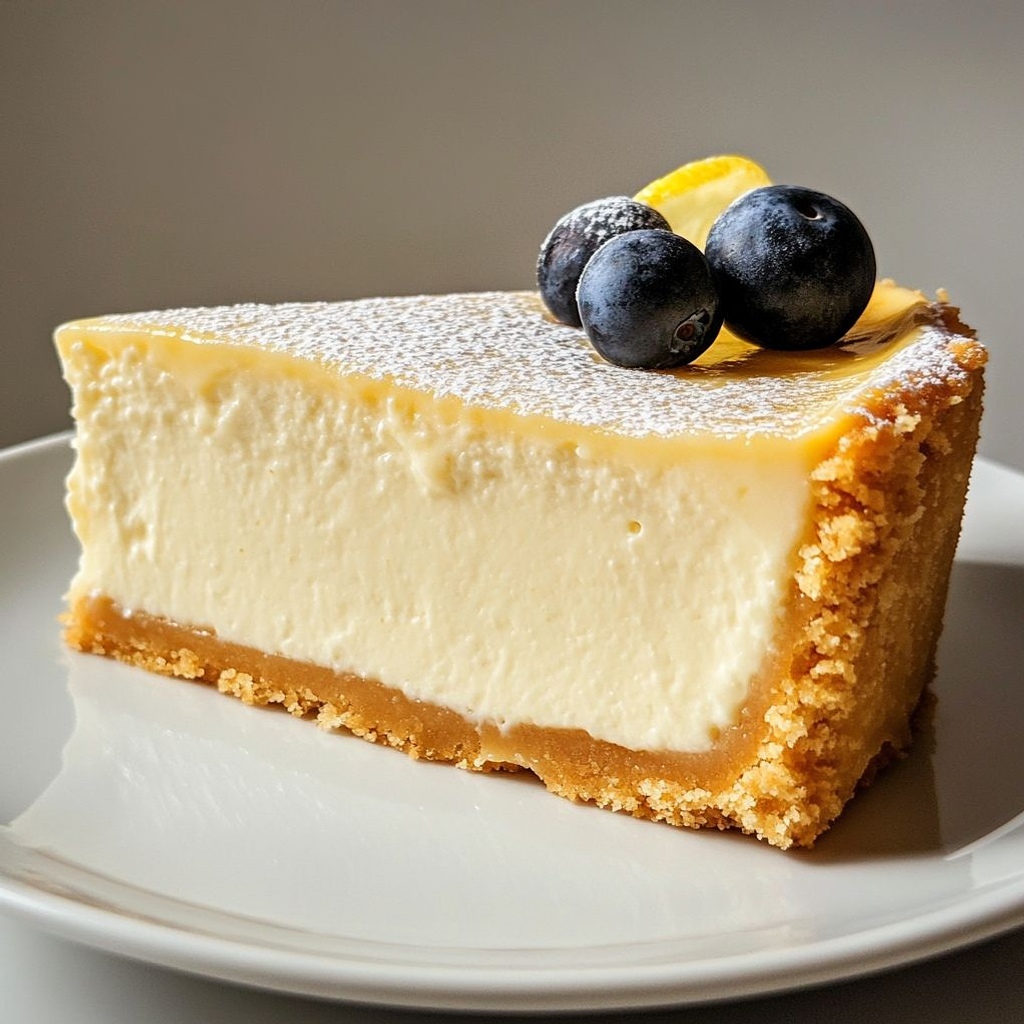
→ Finishing touch that adds a delicate sweetness and a polished look. Dust just before serving to keep the surface pristine; you can also serve with a small dollop of berry compote for color and moisture. - Fresh berries or berry compote for serving
→ Additional color, texture, and flavor contrast at serving time. If using frozen berries, thaw and drain well to avoid watering the cheesecake; serve at room temperature or slightly chilled for best flavor and texture. - Lemon zest ribbons for garnish
→ Extra citrus aroma and a bright finish. Use a microplane to shave thin ribbons and scatter lightly over the top; avoid the white pith to prevent bitterness and maintain a clean presentation.
Instructions
- Preheat your oven to 350°F (175°C) and prepare a 9-inch springform pan by lining the bottom with parchment and generously greasing the sides; this prepares the vessel for easy release and prevents sticking during cutting.
→ A parchment bottom keeps the crust intact when unmolding and greasing the sides prevents the cheesecake from tearing as you slide it out of the pan. - In a medium bowl combine 1 1/2 cups graham cracker crumbs, 1 tablespoon granulated sugar (optional), and 3 tablespoons melted unsalted butter; mix with a fork until the crumbs resemble damp sand and hold together when pinched.
→ The sugar enhances browning and flavor, while the melted butter binds the crumbs into a cohesive crust that supports the filling and keeps its shape during baking. - Transfer the crumb mixture to the prepared pan and press it evenly across the bottom and up the sides to about 1/2 inch (1.25 cm) using the flat bottom of a glass or measuring cup; chill for 15 minutes to set.
→ Chilling firms the fat and creates a stable base that will not crumble when the filling is added. - Bake the crust in the preheated oven for 8–10 minutes until lightly golden; remove from the oven and let cool completely on a rack before filling.
→ Pre-baking dries the crust so it remains crisp beneath the moist cottage cheese filling and prevents sogginess. - Drain 2 cups of small-curd cottage cheese well through a fine sieve or cheesecloth; optionally pulse briefly in a blender or food processor until almost smooth, being careful not to overprocess into a puree.
→ Thorough draining reduces extra moisture that can make the filling weather, while a brief blend lends a smoother texture without sacrificing some crumbly cottage-cheese character. - In a large mixing bowl, beat 8 oz (225 g) softened cream cheese with 3/4 cup granulated sugar on medium speed until light, fluffy, and completely smooth; scrape the bowl halfway to ensure even incorporation.
→ Softened cream cheese emulsifies with sugar to form a creamy base that helps the filling set evenly and avoids lumps. - Add the drained cottage cheese to the creamed mixture and beat on low speed until just combined and smooth, taking care not to overblend which could break down texture and introduce too much air.
→ Gentle incorporation preserves a tender, airy cheesecake texture without creating a gummy mouthfeel from overmixing. - Beat in 3 large eggs, one at a time, on low speed or by folding, until each is fully incorporated before adding the next; avoid vigorous beating to prevent excessive air that can cause cracking.
→ Eggs set the filling and create a stable, cohesive batter; adding them gradually prevents curdling and air pockets. - Stir in 1 tablespoon lemon zest and 2 tablespoons fresh lemon juice with a small whisk; add 1 teaspoon pure vanilla extract and a pinch of fine sea salt to balance sweetness and brighten the dairy flavors.
→ Citrus and vanilla provide aromatic depth and brightness; salt enhances overall flavor without being noticeable. - Whisk in 2 tablespoons cornstarch (or 3 tablespoons all-purpose flour) until the mixture is smooth and lump-free; this thickener helps the filling hold its shape as it cools.
→ Cornstarch yields a silkier texture while flour yields a slightly denser custard; choose based on desired finish and gluten tolerance. - If using dairy additions, whisk in 1/2 cup sour cream or plain yogurt or heavy cream at the end, just until incorporated; this adds extra tenderness and a touch of tang.
→ Incorporating dairy at the end preserves moisture and prevents knives from breaking the emulsion, yielding a creamier mouthfeel. - Optional add-ins: for example, toss 1 cup fresh berries with 1 teaspoon flour and fold gently into the filling, or fold in 1/4 cup mini chocolate chips or 1/4 cup lightly toasted chopped almonds or pistachios; these can be added before pouring the filling to distribute evenly.
→ Dusting berries with flour prevents sinking; nuts and chips distribute flavor and texture without destabilizing the batter during baking. - Pour the filling into the cooled crust, smooth the surface with a spatula, and gently tap the pan on the counter a few times to release any air bubbles.
→ A smooth top and removal of air pockets lead to even baking and a professional-looking slice. - Bake at 350°F (175°C) for 45–60 minutes, or until the edges are set and the center still has a slight jiggle; avoid overbaking to prevent a dry, cracked center.
→ The cheesecake will continue to set as it cools; a faint center wobble indicates a creamy interior without mid-baking dryness. - Turn off the oven and leave the cheesecake inside with the door slightly ajar for 60 minutes to cool gradually and reduce the risk of cracking from sudden temperature change.
→ Slow cooling minimizes thermal shock and helps the surface set evenly for clean slicing. - Remove the cheesecake from the oven and transfer to a rack to cool completely at room temperature, then refrigerate for at least 4 hours or overnight to ensure full set and firm slices.
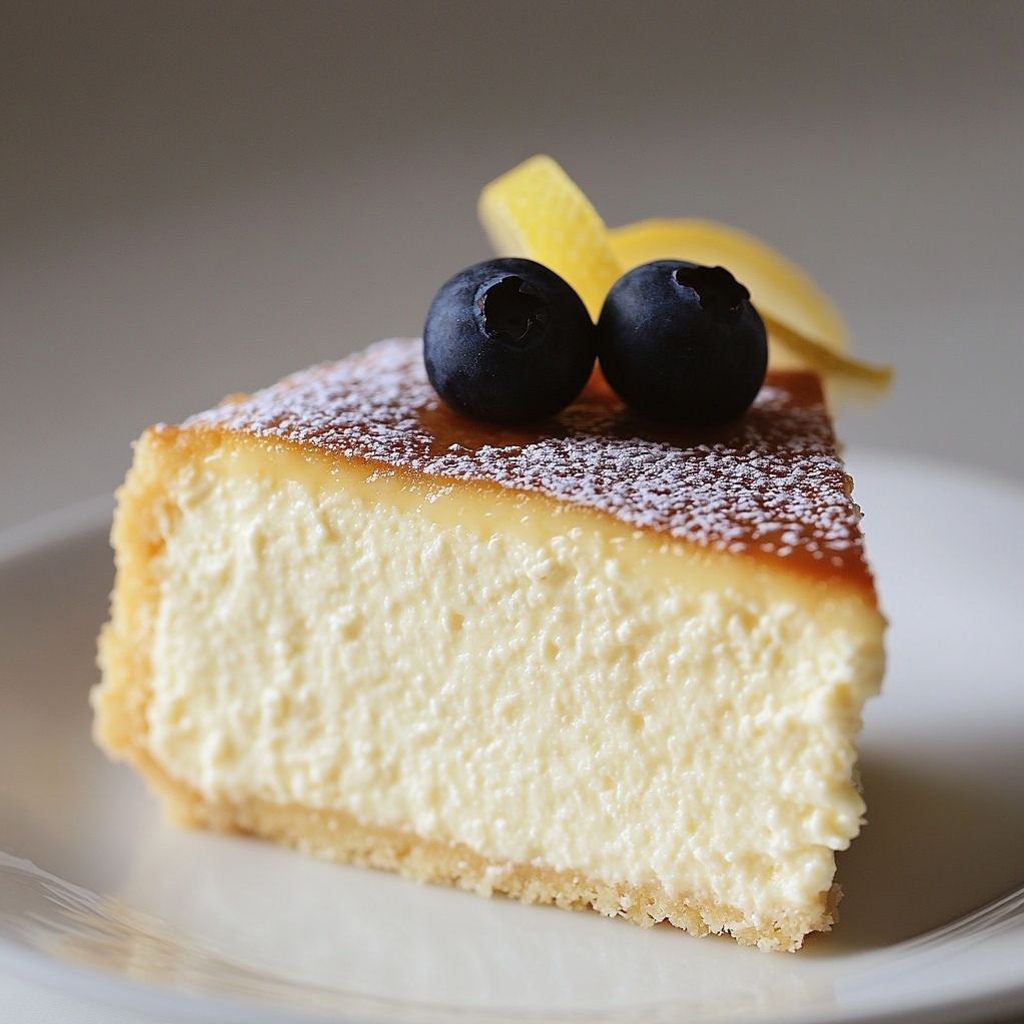
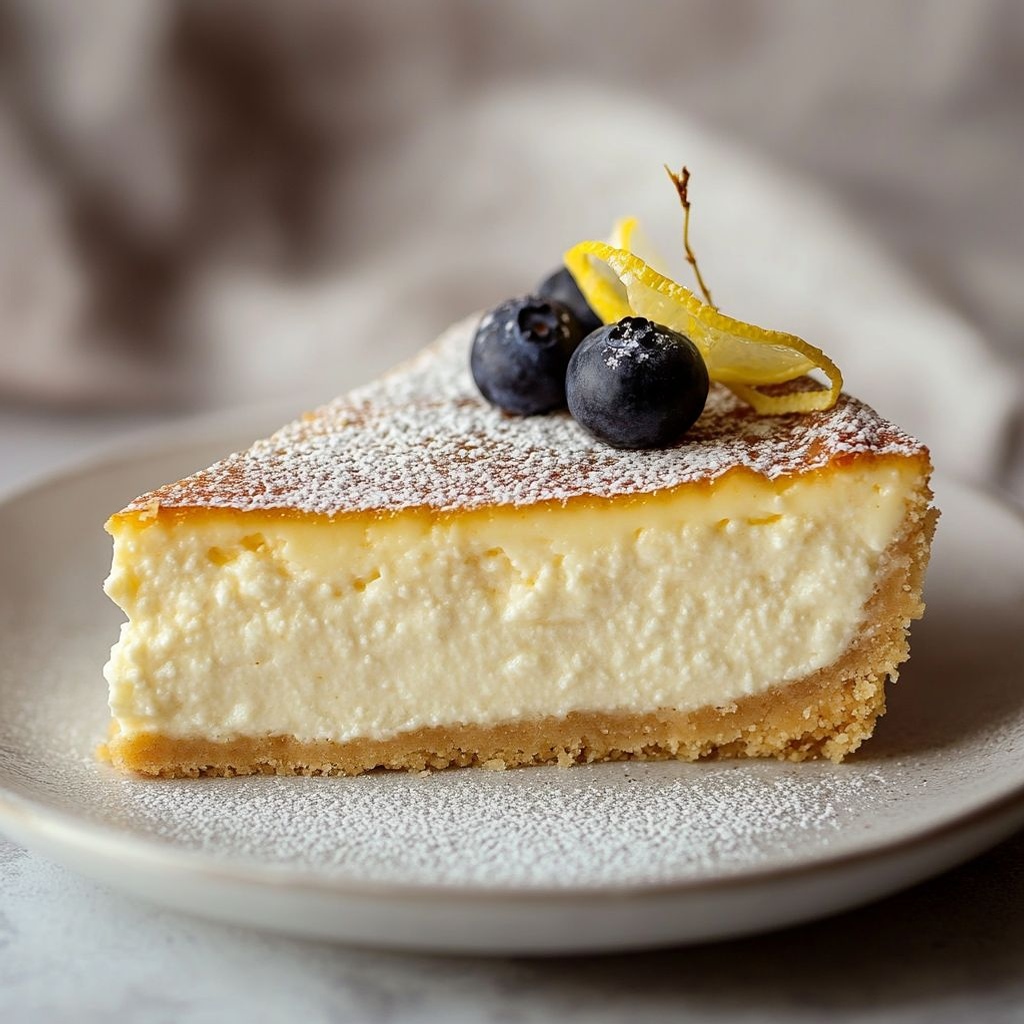
→ Chilling solidifies the structure and makes slicing neat and precise, while maximizing creaminess on the palate. - When ready to serve, dust with powdered sugar and garnish with fresh berries, berry compote, or lemon zest ribbons as desired for color and brightness.
→ Finishing touches enhance presentation and provide a contrast in texture and acidity to complement the creamy filling.
Notes
These cottage cheesecake are a lighter, creamy variant of the classic dessert, built on a crisp crust and a filling made from cottage cheese and cream cheese for balance. To achieve a smooth, airy texture, thoroughly drain the cottage cheese and blend it briefly until nearly smooth, then fold into the cream cheese mixture with the eggs one at a time. Let all dairy come to room temperature before mixing to prevent lumps, and bake the filling until just set with a gentle jiggle. If you want a gluten-free crust, swap in gluten-free graham crackers or digestive biscuits and pre-bake the crust as directed for a firm base. For a richer, tangier profile, keep the lemon zest and lemon juice, and consider adding a tablespoon or two of sour cream or yogurt to the filling. Use cornstarch (or all-purpose flour) as the recipe indicates; if using gluten-free cornstarch, whisk well to avoid lumps. Optional add-ins like fresh berries, lemon zest ribbons, or chopped nuts can be folded in at the end or sprinkled on top. Toppings such as powdered sugar or berry compote finish beautifully. Chill thoroughly—ideally 4 hours or overnight—to allow the filling to set fully and slice cleanly. The dessert freezes well in airtight containers; freeze slices individually and thaw in the fridge when ready to serve. Always ensure any gluten-free ingredients are certified gluten-free if you have gluten intolerance.
Tips
Tips for Making Cottage Cheesecake
Crust tips
- Use finely ground graham crackers (or gluten-free crackers) so the crust compacts evenly. If you can, pulse them in a processor until they resemble fine crumbs for a smoother crust.
- Line the pan and lightly grease the sides so the crust releases neatly after chilling. For extra easy removal, place a parchment round on the bottom of the pan.
- Press the crust firmly into the pan using the flat bottom of a measuring cup or the back of a spoon. A compact, even layer prevents crumbling when you slice later.
- Chill the crust for 15–20 minutes before filling to help it hold its shape. If you’re short on time, a quick 5–10 minute chill in the freezer also helps.
- If pre-baking the crust, bake at 350°F (175°C) for 8–10 minutes and cool completely before adding the filling to prevent a soggy base.
- For a gluten-free crust, ensure all crumbs and butter are GF-certified and avoid cross-contamination with gluten-containing products.
Filling tips
- Drain cottage cheese thoroughly. Press the whey out in a fine sieve or cheesecloth to prevent a watery filling. For a smoother texture, briefly blend the cottage cheese until nearly smooth, but avoid turning it into a puree.
- Softened cream cheese should be at room temperature to blend smoothly with the cottage cheese and prevent lumps.
- When adding eggs, add one at a time and mix gently after each addition to maintain a creamy texture and minimize air pockets that can cause cracking.
- Fresh lemon zest and juice brighten the filling. Use unwaxed lemons and grate zest finely to distribute flavor evenly.
- A small amount of cornstarch (or flour, if not GF) helps the filling set. Whisk the thickener into the mixture thoroughly to avoid lumps.
- Optional dairy add-ins (sour cream, yogurt, or heavy cream) should be whisked in at the end to avoid overmixing. They add moisture and tenderness with a touch of tang.
- A pinch of fine sea salt enhances dairy flavors and balances sweetness. If your cottage cheese is salted, adjust accordingly.
Optional add-ins tips
- When using berries, toss fresh berries with a teaspoon of flour before folding to prevent sinking and to keep them evenly distributed.
- If adding mini chocolate chips, coat them in a little flour to reduce sinking. Fold in at the end or sprinkle on top for a decorative finish.
- To add crunch, toast chopped almonds or pistachios briefly and fold them into the batter or sprinkle on top before baking. If nuts are salted, reduce added salt in the filling.
Baking, cooling and serving tips
- Consider baking the cheesecake in a water bath (wrap the pan in foil to seal and set it in a larger pan filled with hot water) to promote even baking and reduce cracking. This step is especially helpful with cottage cheese fillings.
- Bake until the center still has a slight jiggle; the edges should be set. Avoid overbaking, which can lead to cracks and a dry texture.
- After baking, turn off the oven and let the cake cool with the door ajar for about 30–60 minutes to prevent sudden temperature changes that cause cracks.
- Cool the cheesecake completely on a rack, then refrigerate for at least 4 hours or overnight for best setting and easier slicing.
- Before serving, run a small warm knife around the edge and release the springform ring for clean slices. Wipe the knife between cuts for neat pieces.
Storage and serving ideas
- Store leftovers covered in the refrigerator for up to 4–5 days. For longer storage, wrap well and freeze slices for up to 2–3 months.
- Dust with powdered sugar just before serving, or top with fresh berries or berry compote for color and moisture.
- Serve at room temperature or slightly chilled for the best texture and flavor balance. If frozen, let slices thaw in the fridge for several hours for best texture.
FAQ
What is cottage cheesecake?
Cottage cheesecake is a lighter version of traditional cheesecake made with well-drained cottage cheese blended until smooth, then mixed with eggs, sugar, and vanilla. It yields a creamy, tangy filling with a softer, slightly grainy texture unless the cottage cheese is fully puréed.
Can I use regular cream cheese instead of cottage cheese?
Yes, you can substitute cream cheese for cottage cheese to create a richer, denser cheesecake. The flavor will be closer to a classic cheesecake. If you want a lighter result, combine a portion of cream cheese with blended cottage cheese or add yogurt to regain some moisture.
Should I drain and blend the cottage cheese?
Yes. Drain the cottage cheese to remove excess whey, then blend or process until very smooth to avoid a grainy texture. This step is key for a silky filling. You can also blend with a splash of lemon juice to help emulsify.
Do I need a crust?
A crust is optional. A simple graham cracker or biscuit crumb crust with melted butter adds crunch and helps hold the filling. For a gluten-free option, use gluten-free cookies or almond flour crusts. A crustless version is also possible for a lighter, low-carb result.
What oven temperature and bake time should I use?
Common guidance is 325–350°F (160–180°C) for about 40–60 minutes, until the center is almost set. The outer edges should be slightly puffed. Using a water bath (pan of hot water placed under the cake) helps even moisture and reduces cracks. Adjust time based on your pan size and oven.
How can I prevent cracks in the top?
Tips include baking in a water bath, avoiding overmixing, using room-temperature ingredients, and not overbaking. If cracks appear, you can cover with fruit topping or glaze. Cooling gradually in the oven with the door ajar also helps prevent cracking.
Can I make this as a no-bake cottage cheesecake?
Yes. For a no-bake version, set the filling with gelatin (dissolved in hot water) or use a light agar alternative. Chill until firm. Be aware the texture will be softer and more mousse-like than a baked version.
How long should I chill before serving?
Chill for at least 4 hours, but overnight is best. Chilling helps the filling set fully, improves flavor melding, and makes slicing easier.
How should I store leftovers?
Store refrigerated in an airtight container or covered with plastic wrap for 3–5 days. For longer storage, freeze slices wrapped well for up to 2–3 months. Thaw in the refrigerator overnight before serving.
What toppings and flavor variations work well?
Try fresh berries, berry compotes, lemon zest or juice for brightness, vanilla or almond extract, and a drizzle of honey or caramel. You can also swirl in jam, top with chocolate shavings, or dust with cinnamon for a different twist.