
Introduction / Hook
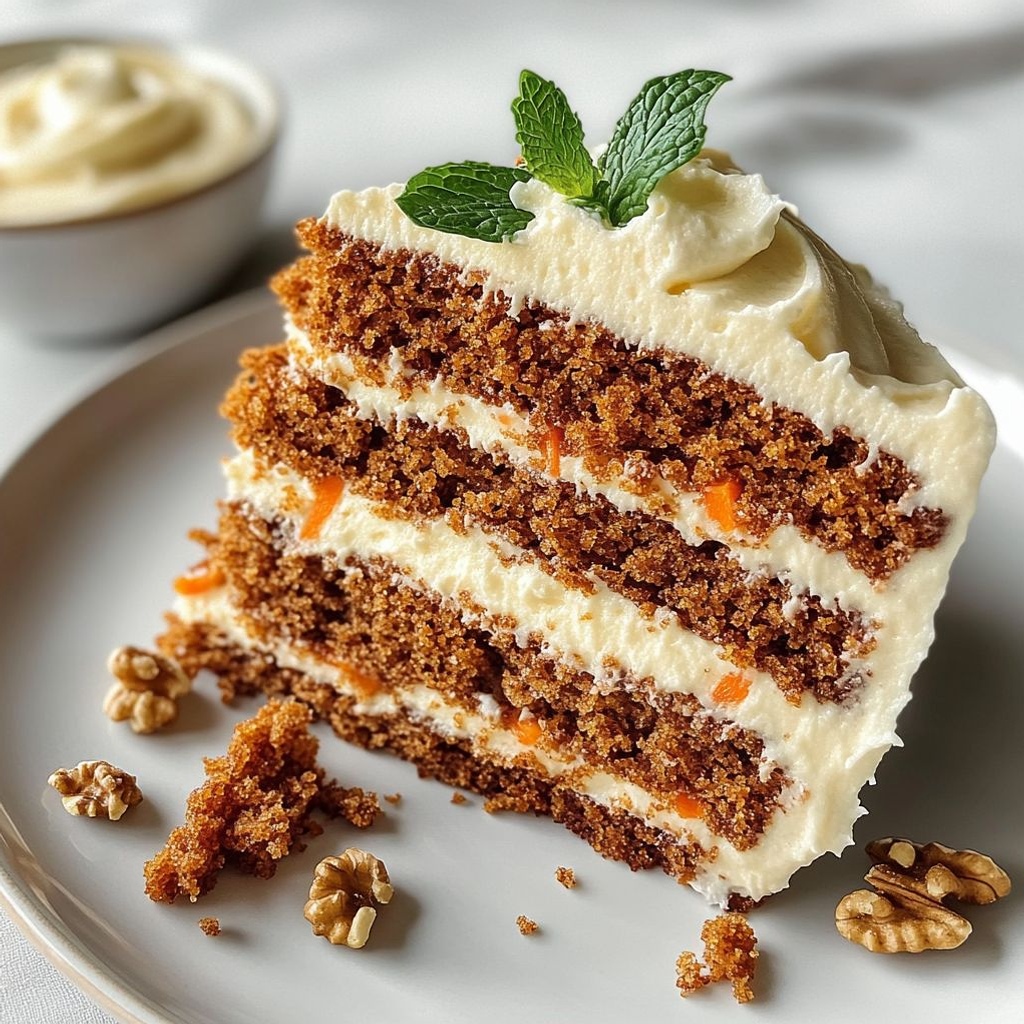
Imagine a slice of carrot cake that tastes decadently indulgent yet feels like a smart choice for your day. The kind of dessert that embraces the warmth of cinnamon, the sunshine brightness of orange zest, and the comforting depth of nutty, toasty flavors—without tipping your balance. This is the essence of a Fit Carrot Cake: a dessert that whispers “t reward” while quietly supporting your everyday wellness goals. In every bite, you should hear the soft crunch of grated carrot, the moist, tender crumb that holds onto sweetness just enough, and a whisper of spice that lingers on the palate like a fond memory. This version is designed for those who crave something comforting after a long day, yet want to stay mindful of portions, ingredients, and energy intake. It’s not about denial; it’s about smart balance, intentional tweaks, and the confidence that dessert can be part of a healthy lifestyle rather than an afterthought or a compromise.
Kick off your kitchen soundtrack with the scent of warm spices wafting through the house—the kind that makes the stovetop feel like a cozy bakery, the kind that invites conversation, not guilt. The aroma is a promise: the cake you’re about to bake is a celebration of texture and aroma, a snack that can power a mid-afternoon slump into a moment of savor. It’s a cake that respects your time, your taste, and your goals. You’ll notice how the batter comes together with a gentle, almost forgiving moisture, how the spices bloom as it bakes, and how the frosting, if you choose to include it, lands softly, adding a tangy silkiness that complements the carrot’s natural sweetness. This is more than a recipe; it’s a small ceremony you can repeat on busy weekdays or lazy weekend mornings—an ode to balance, flavor, and the joy of baking that feels good for the body as well as the soul.
What makes this Fit Carrot Cake stand out is not just the flavor, but the philosophy behind it. It’s designed to deliver a gratifying, snackable dessert that can slide comfortably into a range of diets and preferences. Think of a batter built around wholesome, fiber-rich ingredients, with a gentle touch of natural sweetness that comes from the carrots themselves and a careful pairing of fats and dairy or dairy-free alternatives that keep the crumb moist without heaviness. It’s about avoiding heavy, overly sweet frosting or flour that weighs the bite down. It’s about celebrating texture: a tender crumb with a light, airy lift, a subtle crumb that holds its shape on the plate, and a frosting or glaze that adds just enough creaminess and brightness to finish without overpowering. If you’re someone who loves the nostalgia of a classic carrot cake but wants it to align with a more mindful approach to eating, this Fit Carrot Cake version is your invitation to enjoy dessert with intention and ease.
As you read on, imagine your kitchen filled with the inviting scent of cinnamon, vanilla, and citrus, the soft glow of a Sunday morning or a weekday evening turning into something special. The goal is simple: to offer a carrot cake experience that satisfies the senses, comforts the spirit, and fits into a lifestyle that values nutrition without sacrificing pleasure. Whether you’re baking for a family meal, a brunch gathering, a post-workout treat, or a moment when you simply crave something cozy, this cake is ready to become a staple in your repertoire. You’ll discover not just a recipe, but a philosophy of balance—where taste and wellbeing can harmonize in one delicious slice.
The Story Behind the Dish
Carrot cake carries a rich and sometimes surprising history, one that blends agricultural ingenuity, culinary experimentation, and a sense of comfort that transcends time. The idea of using carrots to make cake isn’t as modern as it might seem. In medieval Europe, as households looked for ways to stretch their ingredients, root vegetables like carrots were valued for their sweetness and availability. Carrots had a long association with preserving moisture and adding natural sweetness when sugar was scarce or expensive. Over centuries, cooks discovered that shredded carrots could contribute moisture and tenderness to baked goods, transforming humble vegetables into beloved treats.
The modern carrot cake, as many of us know it, began to flourish in 20th-century American kitchens. By the mid-1900s, carrot cake gained popularity in North American bakeries and homes, helped along by the rise of home baking magazines, community bake sales, and the general appetite for comforting desserts that felt special. Cream cheese frosting emerged as a signature pairing, offering a tangy, luscious contrast to the sweet, spiced crumb. The frosting’s tanginess beautifully balances the cake’s warmth, and its richness feels luxurious without needing a heavy portion. This marriage of spice, sweetness, and tang became a classic, a symbol of gatherings and celebration.
The story behind a fit or lifestyle-friendly carrot cake extends that tradition into a contemporary space. Modern bakers and home cooks started exploring lighter approaches—substituting part of the oil with applesauce or yogurt, swapping in whole-grain flours, increasing fiber with oats, and dialing back added sugar without sacrificing flavor. The goal wasn’t to pretend cake could be health food, but to acknowledge that dessert can be part of a nutritious pattern when crafted with balanced ingredients and mindful portions. A fit carrot cake carries that heritage forward: it honors the familiar, comforting flavor profile of a traditional carrot cake while embracing smarter substitutions, proportion, and technique that align with everyday wellness.
In many homes, the carrot cake has also become a symbol of hospitality and family tradition. It’s the cake you bring to a birthday brunch, the recipe you pass down with notes about preferred spices, the treat you bake for a friend who’s returning from a long trip or a tough week. The “fit” version simply extends that sense of comfort and sharing to a broader audience—people who want to indulge without sacrificing their daily routines, athletes who need a post-workout reward that won’t derail protein goals, or busy parents seeking a no-fuss, crowd-pleasing dessert. The recipe becomes a bridge between nostalgia and modern sensibility, a reminder that sweetness can be gentle, texture can be exciting, and a cup of tea or a glass of milk can feel like a well-earned pause in a busy day.
Why You’ll Love This Recipe
There are many reasons this Fit Carrot Cake stands out in a crowded dessert landscape. It’s designed to deliver maximum flavor with thoughtful, health-forward choices that don’t shout “diet” from the plate. Here are a few reasons you’ll find yourself reaching for this cake again and again, whether you’re feeding a family, entertaining friends, or treating yourself after a long day.
- Balanced indulgence: A carrot-forward crumb that stays moist and flavorful, balanced by spices and a light touch of natural sweetness, so you feel satisfied without a heavy aftertaste.
- Fiber and whole grains focus: The batter leans on whole-grain or fiber-rich alternatives, which help with fullness and digestion while adding a pleasant, wholesome texture.
- Flexible dairy options: Whether you prefer dairy, Greek yogurt, or a dairy-free alternative, this cake adapts to your dietary choices without compromising taste or crumb structure.
- Versatility in serving: Enjoy it as a breakfast-inspired treat, a mid-afternoon snack, or a dessert at a casual dinner. It’s sturdy enough to slice neatly, yet tender enough to feel celebratory.
- Customizable to taste: The base concept invites tweaks—more texture with nuts, extra fruit with raisins, or a punchy citrus finish with orange or lemon zest—without turning into a burden in the kitchen.
- Less reliance on sugar: By leaning into natural sweetness from carrots and a controlled amount of sweetener, the cake remains approachable for those watching sugar intake while still delivering a candy-like finish on the palate.
- Kid-friendly appeal: The familiar spice profile and the natural sweetness make it a hit with kids, providing an opportunity to introduce whole grains and fiber in a dessert context.
- Make-ahead friendliness: The cake tends to taste even better after a day or two, and leftovers (if there are any) can be enjoyed cold or gently warmed for a comforting bite.
Flavor Profile & Texture
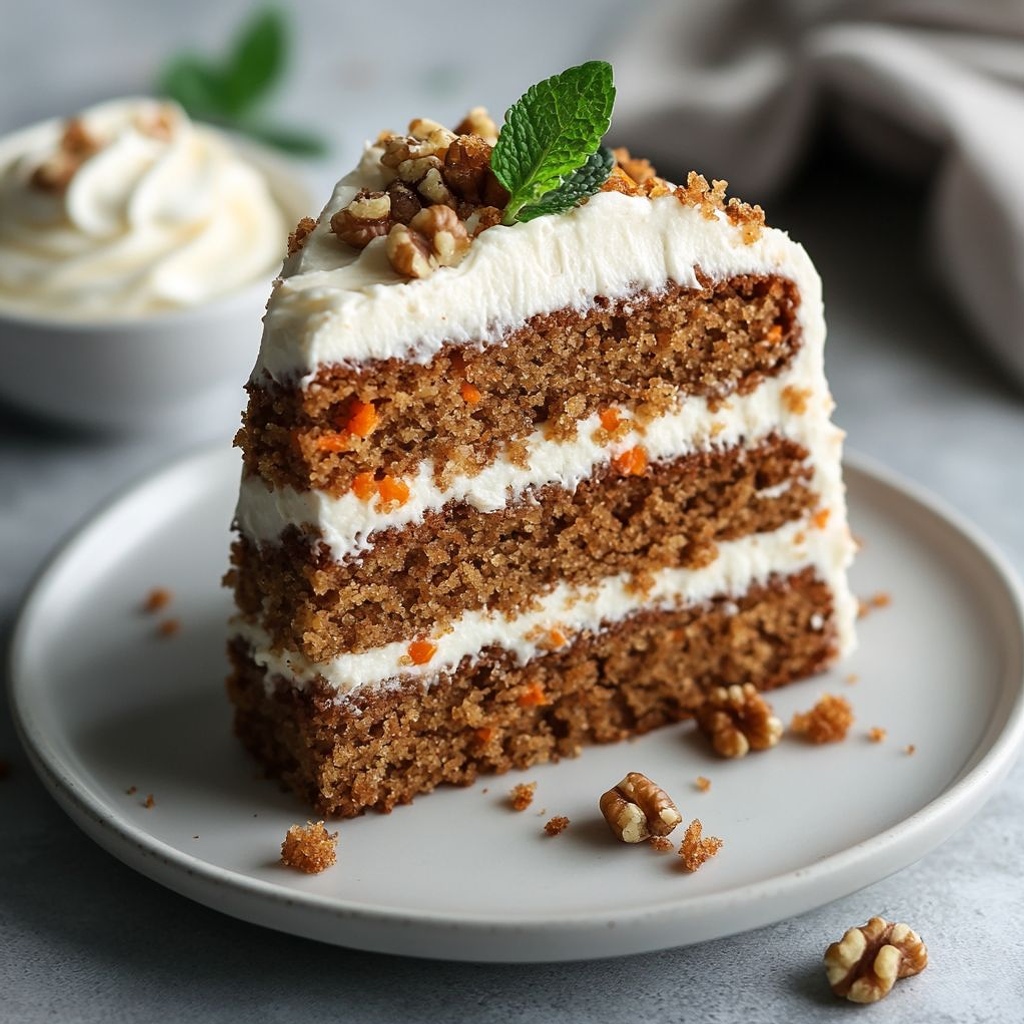
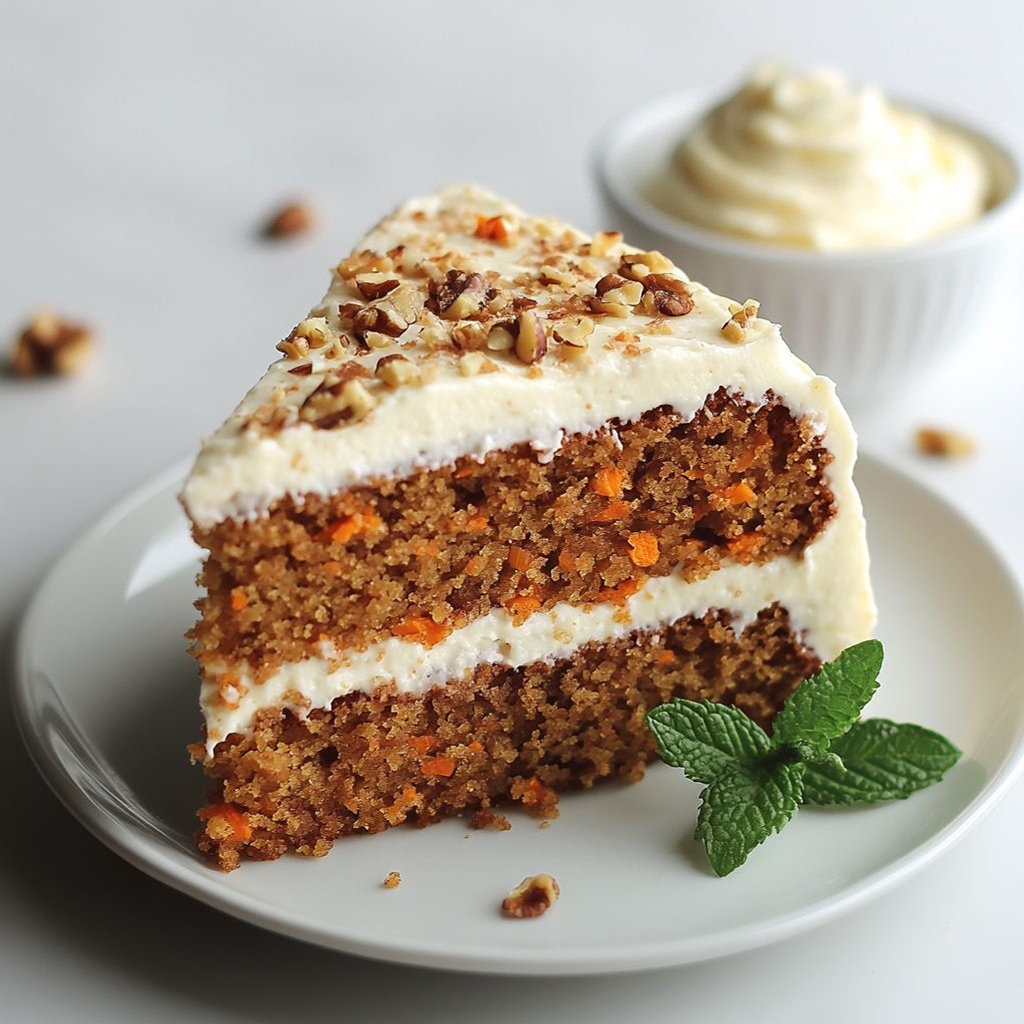
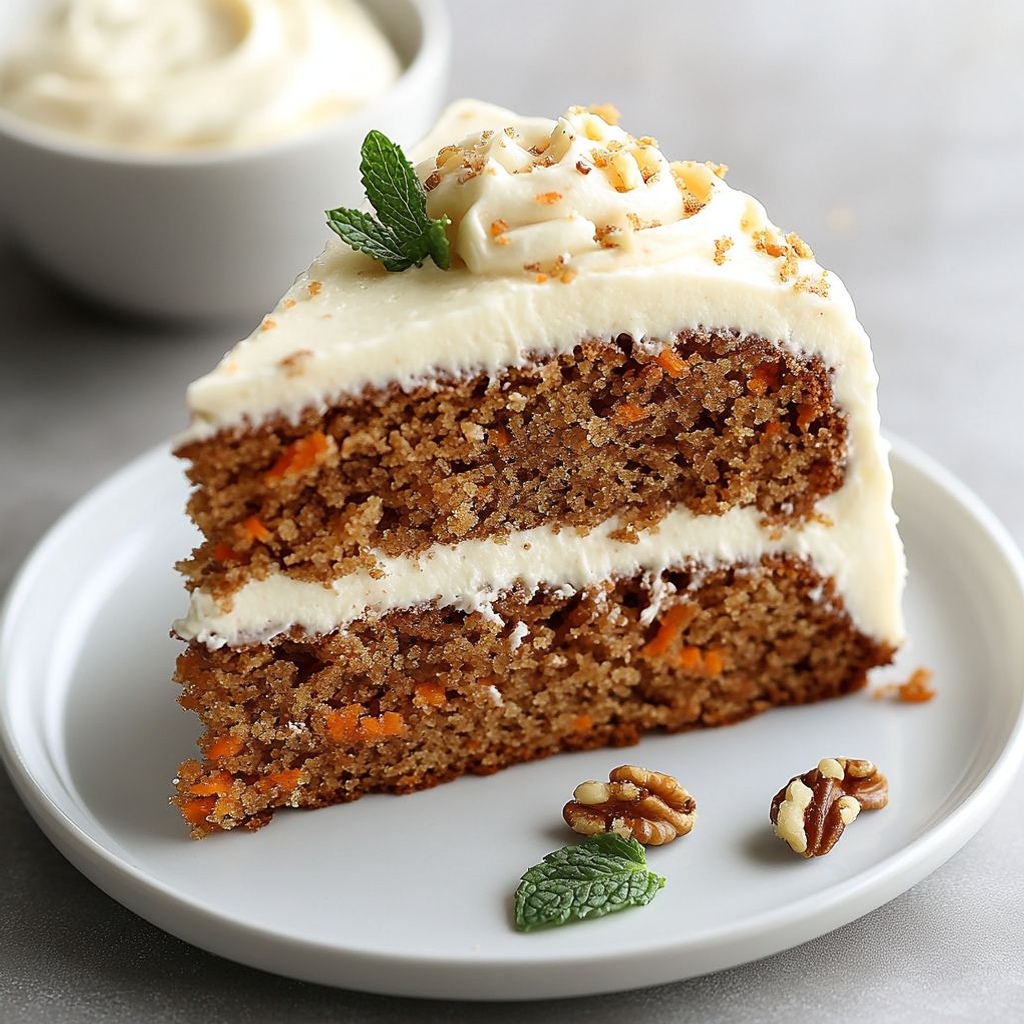
The flavor of this Fit Carrot Cake is built around warmth and brightness. The spices—cinnamon, a whisper of ginger, perhaps a touch of nutmeg—offer a classic, cozy aroma that instantly conjures memories of autumn air and family kitchens. The shredded carrot introduces a delicate sweetness and an earthy depth that pairs beautifully with a tangy creaminess if you choose to glaze or frost lightly. The crumb is typically moist but not dense, with a light lift that makes each slice feel substantial without weighing you down. A well-balanced recipe embraces a gentle crumb that stays tender when cooled, a satisfying bite that isn’t crumbly, and a finish that hints at citrus notes, often sourced from orange zest or a splash of vanilla bean.
Texture-wise, you’ll experience a contrast that keeps the experience engaging. The core cake offers a soft, almost velvety interior—a crumb that yields under gentle pressure but holds its shape with a subtle spring. If you opt for nuts, like walnuts or pecans, you gain a welcome crunch that punctuates the softness, offering a delightful dual sensation. The optional frosting or glaze adds a layer of creamy tang that elevates the dessert, without turning it into an extra-heavy, sugar-overloaded finish. The frosting could be a light cream cheese style or a dairy-free alternative that delivers tang and silkiness with fewer calories while still delivering that signature zing. In all, the cake balances sweetness with spice, moisture with structure, and comfort with a sense of lightness that makes you feel good about dessert.
The transformative power of a carrot cake lies in its ability to be both humble and celebratory. The grated carrot, releasing its moisture and a touch of sweetness during baking, works in concert with a gentle oil or healthy fat choice to keep the crumb luscious. The use of whole grains or oats can amplify the texture, giving you a more substantial mouthfeel that satisfies longer between meals. The citrus zest brightens every bite, helping to cut through the richness and keeping the palate fresh. All these elements combine to deliver a dessert that feels like a special treat without creating a heavy, post-dessert fatigue—an important consideration for everyday enjoyment. If you slice a piece and notice a glistening crumb with a fragrant aroma of cinnamon and vanilla, you’re experiencing the magic of a well-made carrot cake that is both comforting and respectfully mindful of your goals.
Occasions & Pairings
This Fit Carrot Cake shines in a variety of settings, making it a versatile addition to your baking repertoire. It is equally at home on a casual family dessert table as it is on a more refined brunch spread. Here are some occasions and pairing ideas to inspire your next bake:
- Weeknight indulgence: After a long day, a modest slice with a cup of coffee or tea can feel like a gentle reward rather than a cheat.
- Brunch centerpiece: Serve slices with yogurt, fresh fruit, or a dollop of light whipped topping for a celebratory breakfast or late-morning gathering.
- Party-friendly treat: The cake slices can be plated with a few seasonal additions, such as sliced apples or citrus segments, to create an appealing dessert plate.
- Post-workout dessert: If you’re mindful about your post-exercise nutrition, pair a slice with a protein-forward beverage or a small glass of milk to support recovery while still enjoying a sweet treat.
- Gift-worthy: Bake one for a friend or neighbor who appreciates comforting flavors. Wrap slices in parchment and tie with a ribbon for a thoughtful, homemade gift.
- All-ages crowd-pleaser: The familiar carrot cake flavor tends to be a hit with both kids and adults, making it a reliable option for family gatherings and potlucks.
When thinking about pairings, consider balance. A light, unsweetened beverage like black coffee, a floral herbal tea, or a glass of plant-based milk can complement the spice and sweetness without overwhelming the palate. For richer variations, a dollop of Greek yogurt or a small amount of whipped light frosting can add creaminess while keeping the overall meal lighter than a traditional, full-fat frosting would. If you’re hosting a brunch, a bright fruit compote or citrus salad can contrast beautifully with the warm spice of the cake, providing a refreshing palate cleanser between bites.
Tips, Variations & Substitutions
One of the joys of baking is making a recipe your own, and this Fit Carrot Cake is particularly friendly to customization. Below are thoughtful ways to tailor the cake to your preferences, dietary needs, or what you have on hand. Each option preserves the spirit of the cake—moist crumb, warm spice, and a balanced sweetness—while meeting different goals or tastes.
Tips for Success
- Use grated carrots that are finely shredded for the most even distribution and moisture. Excess moisture can affect crumb structure, so pat the grated carrots dry if they seem very wet.
- Don’t overmix the batter. Stir just until the ingredients come together to keep the crumb tender and prevent toughness.
- Allow the cake to cool thoroughly before frosting for a smoother finish if you choose a frosting. A warm cake can cause frosting to slide or run.
- Test doneness with a toothpick or cake tester; it should emerge with a few moist crumbs rather than clean, dry strands, especially if you’re using alternate flours that can vary in bake time.
Substitutions & Diet-Friendly Variations
- Gluten-free: Use a blend of gluten-free flours or finely ground oats (gluten-free) in place of traditional flour. You may need a touch more liquid if the batter seems dry.
- Vegan option: Replace eggs with a flaxseed or chia seed mixture (flax or chia eggs) and use a non-dairy yogurt or applesauce-based moisture system. Choose a vegan frosting or glaze if frosting is desired.
- Higher protein: Incorporate a scoop of plain protein powder into the dry ingredients, keeping moisture in check with a bit more yogurt or unsweetened applesauce. You may need to adjust the fat content slightly.
- Lower sugar: Reduce added sugar further, or replace with a natural sweetener like maple syrup or mashed banana. Keep in mind that fruit sugars can impact the crumb and moisture; adjust liquids accordingly.
- Nutty crunch: Add chopped walnuts or pecans for texture. If you have a nut allergy, skip the nuts or substitute with toasted seeds such as pumpkin or sunflower seeds.
- Fruit-forward variations: Include raisins, diced dried apricots, or crushed pineapple for bursts of sweetness and additional moisture, adjusting liquid if needed.
- Citrus lift: Add a touch of orange or lemon zest to brighten the cake’s profile, balancing the spice with a fresh, zingy aroma.
- Protein-boosted frosting: If you want more protein in the frosting, mix in a small amount of Greek yogurt or a plant-based yogurt until you reach your desired consistency.
Regional Twists & Flavor Tweaks
- Spiced heat: A pinch of cardamom or allspice can add a nuanced warmth that pairs nicely with carrot’s sweetness.
- Golden almonds: Substituting almond flour or finely ground almonds for part of the base can lend a delicate nuttiness and moisture.
- Maple-vanilla finish: Use pure maple syrup in place of part of the sugar and increase vanilla notes to create a cozy, maple-plumed finish.
- Brown butter shift: A touch of browned butter adds a nutty depth that pairs beautifully with orange zest, though this adds slightly more fat and richness.
Storage & Make-Ahead Ideas
A well-made carrot cake tends to improve with a little rest, as the flavors meld and the crumb settles into a satisfying texture. Here are practical tips for storing and planning ahead so you can enjoy the cake at its best, even when life gets busy.
- Short-term storage: Keep the cake covered in the refrigerator for up to 4-5 days. The cool environment helps the flavors settle and the moisture stay balanced. Before serving, bring slices to room temperature for the best texture.
- Make-ahead option: Bake the cake a day or two in advance. Wrap tightly and refrigerate. Frosting can be added the day you plan to serve, or a light glaze can be prepared to keep the top fresh without sogginess.
- Freezing: Slice the cake and freeze individual portions in airtight containers or wrap each slice tightly with plastic wrap and foil. Freeze for up to 2-3 months. Thaw overnight in the refrigerator and bring to room temperature before enjoying; this helps maintain texture and moisture.
- Moisture management after refrigerating: If the cake seems dry after refrigeration, a light drizzle of a dairy or non-dairy glaze and a short rest at room temperature can restore moisture and shine the glaze suggests.
Fun Facts & Trivia (Optional)
Carrot cake has a few delightful tidbits that can add a little sparkle to your next baking session. For example, the tradition of pairing carrot cake with cream cheese frosting is popular in many American bakeries, but it also reflects the mid-20th-century era’s fascination with tangy, creamy contrasts that cut through the sweetness. The frosting itself is a study in balance: the tang from the dairy or dairy-free alternative counters the carrot’s sweetness and the spice’s warmth, creating a harmony that feels both classic and modern. In some cultures, carrot cake is enjoyed with a simple dusting of cinnamon or a light glaze rather than a thick frosting, emphasizing a leaner, more glaze-focused finish that still delivers on flavor and texture. The cake’s ability to be adapted across dietary preferences—gluten-free, dairy-free, vegan, high-protein—speaks to its universal appeal and enduring popularity in kitchens around the world. And of course, the name “fit carrot cake” reflects a contemporary mindset: dessert that doesn’t require apologies, only thoughtful choices and a little kitchen creativity.
If you’re curious about its origin in broader culinary history, you’ll find a wider pattern of root vegetables appearing in desserts across different cultures during periods of rationing or resourcefulness. Carrots offered a naturally available sweetness that bakers could lean on without relying entirely on refined sugar, a practice that echoes today’s interest in mindful sweetness. Carrot cake has become a canvas for chefs and home cooks alike to experiment with flavors, textures, and dietary inclusions, all while keeping the sense of comfort that makes a slice feel like a warm hug. This blend of tradition and modern adaptation is what makes Fit Carrot Cake more than a recipe—it’s a nod to culinary resilience, to the idea that great taste can coexist with thoughtful nutrition, and to the everyday joy of sharing something delicious with the people you care about.
Ingredients
Fit Carrot Cake Base
- 1 1/2 cups whole wheat flour
→ This is the primary structure-building component of the cake. Whole wheat flour adds fiber and a heartier crumb; measure by spooning into the cup and leveling, then whisk with other dry ingredients to ensure even distribution. If you want a lighter texture, substitute up to 1/2 cup with all-purpose flour or use half-and-half with oat flour for a softer crumb. - 1/2 cup rolled oats, finely ground to flour (or use 1/2 cup oat flour)
→ Adds moisture, tenderness, and a touch of wholesome texture; grinding oats into flour helps integrate into the batter like a starch. If you prefer a chewier crumb, you can skip grinding and leave them as oats, but the batter will be coarser. For best results, blend until they resemble a fine flour. - 2 tsp baking powder
→ Leavening agent that helps the cake rise and stay fluffy; evenly distribute by whisking with the dry ingredients. Use fresh baking powder (within 6 months of purchase) for reliable lift. - 1/2 tsp baking soda
→ Works with the acidic components (yogurt, applesauce, optional pineapple) to boost rise and create a lighter crumb. Ensure it’s fully incorporated by sifting into the dry mix. - 1/2 tsp fine sea salt
→ Balances sweetness and enhances overall flavor. Fine salt dissolves quickly for even seasoning throughout the batter. - 1 tsp ground cinnamon
→ Classic warm spice that defines carrot cake; use fresh ground for best aroma. If you love spice, you can add a pinch of ground cardamom or allspice as a variant in small amounts. - 1/4 tsp ground ginger
→ Adds a subtle zing that complements carrot and cinnamon; use freshly ground for maximum brightness. If you’re sensitive to spice, reduce to a pinch or omit. - 1/4 tsp ground nutmeg
→ Adds depth and warmth; a little goes a long way. Freshly grated nutmeg yields the best flavor; store in a cool, dark place to preserve aroma. - 2 large eggs, at room temperature
→ Bind the batter and contribute to structure; room-temperature eggs emulsify better with liquids for a tender crumb. If vegan, substitute 2 flax eggs (2 tbsp ground flaxseed + 6 tbsp water per egg) and mix until gel-like before using. - 1/2 cup unsweetened applesauce
→ Replaces a portion of fat to keep the cake moist and reduce calories; helps maintain a soft crumb. Use unsweetened to avoid extra sweetness; consider using ripe applesauce for richer apple flavor. - 1/2 cup plain Greek yogurt (2% or nonfat)
→ Adds moisture, protein, and tenderness; reacts with baking soda to lift the crumb. For dairy-free versions, use a plain dairy-free yogurt or coconut yogurt with slightly adjusted moisture. - 1/3 cup coconut sugar (or light brown sugar)
→ Natural sweetener with a lower glycemic index than refined sugar; provides moisture and caramel notes. If you prefer, you can substitute with maple syrup (reduce other liquids slightly) or a blend of coconut sugar and a bit of honey. - 1/3 cup extra-virgin olive oil (or melted coconut oil)
→ Provides moisture and richness while keeping fat content moderate; choose a neutral-tasting oil to avoid overpowering flavors. For a lighter version, swap part of the oil for unsweetened applesauce (e.g., 1/4 cup applesauce, 1/4 cup oil). - 2 cups finely grated carrots (about 3–4 medium carrots)
→ The star of carrot cake; finely grating ensures even distribution and moisture throughout the crumb. After grating, pat the carrots dry with a clean towel to remove excess moisture and prevent soggy batter. - 1 tsp vanilla extract
→ Enhances the overall flavor, boosting sweetness without adding sugar. For a richer aroma, use an authentic vanilla bean paste or a combination of paste plus extract. - 1/2 cup crushed pineapple in juice, well drained (optional)
→ Adds extra moisture and a hint of tropical sweetness; be sure to drain thoroughly to avoid a too-wet batter. If using, reduce the yogurt or applesauce by a tablespoon or two to maintain proper batter balance.
Optional Add-ins
- 1/2 cup walnuts, chopped
→ Provides crunchy texture and a nutty contrast to the soft crumb; lightly toast the walnuts in a dry skillet or oven to deepen flavor before folding into the batter. Chop into medium pieces so they distribute evenly without sinking. - 1/3 cup raisins
→ Small bursts of sweetness and chewiness; soak raisins in warm water for 5–10 minutes if they are very dry to keep them plump, then drain well before adding to the batter. If you prefer, substitute with chopped dates for a richer sweetness. - 1/3 cup shredded unsweetened coconut
→ Adds a subtle coconut aroma and texture; toast lightly to release more flavor; ensures even distribution by mixing with dry ingredients before combining with wet.
Cream Cheese Frosting (Light) (Optional)
- 8 oz (226 g) light cream cheese, softened
→ Provides a tangy, creamy frosting that complements the carrot cake; soften to room temperature to ensure smooth, lump-free frosting. For dairy-free versions, substitute with a dairy-free cream cheese alternative or coconut cream blend. - 2 tbsp plain Greek yogurt
→ Adds tang and lightens the frosting; helps achieve a smoother, silkier texture and reduces reliance on sugar alone. If dairy-free, use a dairy-free yogurt alternative instead. - 2–3 tbsp pure maple syrup
→ Natural sweetness and a touch of caramel; adjust to taste. If you prefer a quicker frosting, you can replace with powdered sugar (about 2–3 tbsp) for a firmer finish. - 1 tsp vanilla extract
→ Enhances depth of flavor in the frosting; use real vanilla for the best aroma. For a coconut twist, substitute with 1/2 tsp coconut extract in addition to vanilla. - Pinch of salt
→ Balances sweetness and brightens the frosting flavor; a small amount goes a long way in polishing the finish.
Instructions
- Preheat your oven to 350°F (175°C) and prepare the pan(s) by greasing and lining with parchment or flour so the cake releases cleanly; use two 8-inch round pans or a single 9×13-inch pan for best results.
→ This prevents sticking, promotes even rise, and makes removing the cake easy without breaking the crumb. - Sift or whisk together the dry base ingredients: whole wheat flour, ground oats (or oat flour), baking powder, baking soda, fine sea salt, ground cinnamon, ground ginger, and ground nutmeg, then whisk again to ensure even distribution.
→ Even distribution of leaveners and spices prevents lumps and ensures consistent texture and flavor throughout the cake. - In a large mixing bowl, beat the eggs with the coconut sugar until the mixture is pale, thick, and emulsified, then whisk in the unsweetened applesauce, plain Greek yogurt, and the oil, followed by the vanilla extract and, if using, the well-drained crushed pineapple.
→ Beating the eggs with sugar creates a light, airy structure; the yogurt and applesauce add moisture and tenderness while the oil contributes richness without greasiness. - Fold in the finely grated carrots, ensuring they are evenly distributed through the wet batter; pat the grated carrots dry with a clean towel to remove excess moisture before folding.
→ Finely grated carrots provide even flavor and moisture; drying prevents soggy batter and helps maintain a tender crumb. - Add the dry ingredients to the wet ingredients and fold with a silicone spatula or wooden spoon just until combined, stopping as soon as there are no dry streaks; avoid overmixing to keep the cake light and moist.
→ Overmixing activates gluten, leading to a tougher texture; gentle folding preserves a soft, tender crumb. - Fold in the optional add-ins: chopped walnuts, raisins (drained if soaked), and shredded coconut, distributing them evenly without overworking the batter; if using pineapple, ensure it has already been incorporated in the wet mix.
→ Even distribution of add-ins provides pockets of crunch and sweetness in every bite without sinking to the bottom. - Divide the batter evenly between the prepared pan(s) and smooth the tops with a small offset spatula; tap the pans lightly on the counter to release any air pockets and level the batter for uniform rise.
→ This yields even layers, prevents doming, and ensures a stable surface for frosting if you plan to frost. - Bake at 350°F (175°C) until a toothpick inserted into the center comes out with a few moist crumbs or clean; start checking around 28 minutes for two 8-inch rounds or a 9×13-inch sheet, and rotate the pans halfway through for even browning.
→ The toothpick test confirms doneness without overbaking; rotating ensures even heat exposure and a uniform crumb. - Cool the cake(s) in the pan for 10–15 minutes, then run a knife around the edges and invert onto a wire rack; remove parchment if used and let cool completely before frosting.
→ This prevents tearing and allows the structure to set, making it easier to layer and frost without crumbling. - Prepare the light cream cheese frosting by softening the cream cheese to room temperature, then beating with the Greek yogurt, maple syrup, vanilla extract, and a pinch of salt until smooth, silky, and spreadable; adjust sweetness to taste.
→ Softened cream cheese emulsifies more readily, yielding a glossy, fluffy frosting that complements the carrot cake without heaviness. - If assembling as a layered cake, place one cooled layer on a serving plate, spread an even layer of frosting, add the second layer, and continue frosting the top and sides; garnish with chopped walnuts or shredded coconut if desired.
→ A well-leveled layer and even frosting create a professional finish and a balanced texture between crumb and topping. - Store leftovers, tightly covered, in the refrigerator for 3–4 days; bring to room temperature before slicing to regain tenderness, or freeze well-wrapped slices for up to 1 month.
→ Proper cooling and storage preserve moisture and prevent drying; refrigeration enhances the cake’s tangy frosting and keeps the flavors balanced.
Notes
This Fit Carrot Cake is a wholesome, moist cake base built with whole wheat flour and finely grated carrots, lightly sweetened with coconut sugar, and boosted with yogurt and applesauce for moisture without excess fat. You can customize it by adding nuts, raisins, or shredded coconut for texture, or fold in crushed pineapple for extra juiciness; toast nuts first to deepen their flavor. To keep the crumb tender, whisk the dry ingredients separately and fold them into the wet mixture just until combined; avoid overmixing. For gluten-free diets, substitute the whole wheat flour with a gluten-free flour blend and use gluten-free rolled oats ground to flour along with gluten-free baking powder; ensure all ingredients are certified gluten-free. This cake can be baked as a loaf, sheet cake, or muffins; baking times will vary, so start checking early and use a toothpick to test doneness. If you prefer frosting, whip a light cream cheese frosting with Greek yogurt, maple syrup, vanilla, and a pinch of salt; or skip the frosting for a lighter version. The cake stores well in the fridge for up to 4 days and freezes well for longer keeping; wrap tightly to prevent drying out. For a dairy-free version, swap Greek yogurt and cream cheese frosting for dairy-free yogurt and a coconut cream-based frosting, adjusting moisture as needed.
Tips
Tips for the Fit Carrot Cake Base
- Room-temperature ingredients: Let eggs, yogurt, and applesauce come to room temperature before mixing. This helps emulsification and a smoother batter. If you’re short on time, place eggs in warm water for 5–10 minutes.
- Measure flour correctly: Spoon the whole wheat flour into the cup and level with a knife rather than scooping, to avoid a dense crumb. If you want a lighter texture, substitute up to 1/2 cup with all-purpose flour or mix in oat flour for a softer crumb.
- Moisture management from carrots: After grating the carrots, pat them dry with a clean towel to remove excess moisture. This prevents a soggy batter and helps maintain a tender crumb.
- Grind oats evenly: If using rolled oats ground to flour, blend until they resemble a fine flour. This ensures even distribution and prevents a gritty texture. If you skip grinding, expect a slightly chewier crumb.
- Leavening freshness matters: Use fresh baking powder (within 6 months) and ensure baking soda is fully incorporated by whisking into the dry mix. This guarantees reliable rise and a fluffy crumb.
- Fat and moisture balance: The combination of applesauce, yogurt, and oil provides moisture with a lighter fat profile. If batter seems too thick, add a teaspoon of yogurt or a splash of milk. If too loose, whisk in a little extra flour (a teaspoon at a time).
- Flavor boosters: Fresh vanilla extract or vanilla bean paste amplifies sweetness without adding sugar. For a deeper aroma, pair with a touch of cinnamon and nutmeg; you can even add a pinch of cardamom for a warm twist.
- Batter handling: Mix wet and dry ingredients just until combined. Overmixing can create a tougher crumb. After combining, fold in grated carrots and any add-ins gently to distribute evenly.
- Pineapple option: If using crushed pineapple, drain very well to avoid a soggy batter. If you drain a lot, compensate by slightly reducing yogurt or applesauce to balance moisture.
- Pan prep and bake: Grease a 8×8-inch or 9×9-inch pan and line with parchment for easy removal. Bake at 350°F (175°C) for about 28–34 minutes, or until a toothpick inserted near the center comes out with a few moist crumbs. Let cool in the pan for 10–15 minutes before transferring to a rack.
Tips for Optional Add-ins
- Toasted walnuts: Toast walnuts lightly in a dry skillet or oven to deepen flavor before folding into the batter. Toss them with a little flour to help suspend them and prevent sinking during baking.
- Raisins: If using raisins, soak in warm water 5–10 minutes to plump them; drain well before adding. For a different sweet note, try chopped dates or dried apricots.
- Coconut: Lightly toast shredded coconut to release aroma, then fold in with the dry ingredients for even distribution.
Tips for Cream Cheese Frosting (Light)
- Softening dairy products: Let cream cheese and yogurt come to room temperature for a smooth, lump-free frosting. If time is short, cut the cream cheese into smaller pieces to help it soften faster.
- Sweetness balance: Start with 2 tablespoons maple syrup and adjust to taste. If you prefer a firmer frosting, whisk in a little powdered sugar (start with 1–2 tablespoons).
- Texture tweaks: For a silkier finish, beat frosting on medium speed until light and fluffy. If frosting seems too loose, refrigerate for 15–20 minutes to firm up before spreading.
- Dairy-free option: Use a dairy-free cream cheese alternative or coconut cream blend. Add a splash of lemon juice if you want extra tang that mirrors traditional cream cheese frosting.
- Flavor accents: Add 1/2 teaspoon coconut extract in addition to vanilla for a tropical twist, or mix in a pinch of cinnamon for a cozy spice note that pairs with the cake.
FAQ
What makes Fit Carrot Cake different from a traditional carrot cake?
Fit Carrot Cake swaps in healthier ingredients: uses whole-grain flour, less sugar, and moisture comes from Greek yogurt or applesauce rather than heavy butter. The result is a tender, flavorful cake with fewer calories per slice while keeping a rich carrot flavor.
What are the core ingredients in this recipe?
Common core ingredients include grated carrots, whole-wheat flour (with optional almond flour), baking powder and baking soda, eggs or a flax/chia egg for vegan options, Greek yogurt or dairy-free yogurt, unsweetened applesauce or mashed banana, a small amount of oil, and spices like cinnamon and vanilla. Optional add-ins are nuts, raisins, or shredded coconut.
How many servings does it yield and what are the calories per slice?
The standard version makes about 12 slices. Calories per slice typically range from 180–220 kcal, depending on exact ingredient choices (yogurt vs. dairy-free yogurt, extra nuts, or additional oil will change the count).
How can I reduce sugar further without compromising moisture?
Use unsweetened applesauce and a smaller amount of maple syrup or honey. Increase the carrots a touch for natural sweetness, add a teaspoon of vanilla, and consider a light yogurt topping instead of extra sugar in frosting. You can also use a sugar substitute like a small amount of stevia or monk fruit sweetener, but add it gradually and taste as you go.
Can I make this carrot cake gluten-free?
Yes. Replace all-purpose flour with a gluten-free all-purpose flour blend or a mix of gluten-free flours. If using almond flour, you may need an extra binder like xanthan gum (about 1/4 teaspoon per cup of flour). Ensure your leavening agents are gluten-free as well.
Is it possible to make this dairy-free or vegan?
Definitely. Use non-dairy yogurt (almond, soy, or coconut) and replace eggs with flax or chia eggs (1 tablespoon ground flaxseed or chia seeds mixed with 3 tablespoons water per egg). You can also use applesauce in place of some oil for moisture. Check any add-ins for dairy content as well.
How should I store the cake, and can I freeze it?
Store refrigerated in an airtight container for up to 4 days. For longer storage, wrap slices or the whole cake tightly and freeze for up to 2–3 months. Thaw in the fridge overnight or at room temperature for a couple of hours. If you frost, keep frosting refrigerated.
What tips help keep the cake moist and tender?
Use a combination of yogurt or applesauce and a touch of oil, avoid over-baking, and don’t overmix the batter. Shredded carrots release moisture as they bake, and adding a small amount of crushed pineapple or additional yogurt can help. Let the cake rest for a few minutes before slicing.
Can I customize with add-ins like nuts, raisins, or pineapple?
Yes. Walnuts or pecans add texture and healthy fats. Raisins or shredded coconut enhance sweetness and chewiness. For extra moisture, a few tablespoons of crushed pineapple (well-drained) can be stirred in. If using pineapple, consider slightly reducing other liquids to keep the batter balanced.
How do I bake it and test for doneness?
Bake at 350°F (175°C) for about 28–34 minutes, depending on pan size. The cake is done when a toothpick inserted in the center comes out with a few moist crumbs (not wet batter). If using a loaf pan, start checking closer to the 30-minute mark. Let cool in the pan for 10–15 minutes before transferring to a rack.
Can I use a frosting or glaze, and how to keep it light?
A light yogurt-based frosting or cream cheese alternative works well. Mix yogurt (or dairy-free yogurt) with a bit of powdered sugar or maple glaze, plus a splash of vanilla. For a lighter touch, dust with cinnamon or drizzle a small amount of lemon juice over a glaze made from powdered sugar and water.