Introduction / Hook
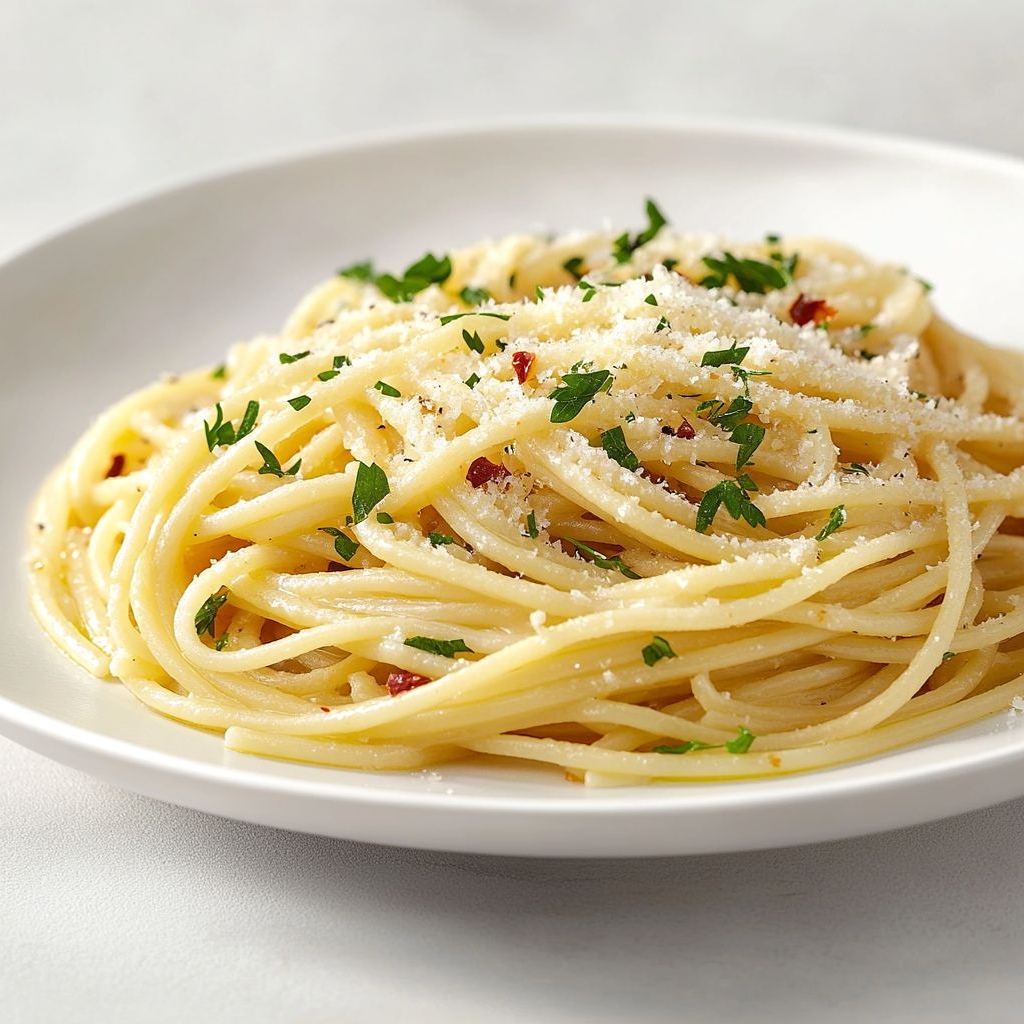
Picture a sunlit kitchen where the clock moves a little slower and the air fills with the scent of warm olive oil, garlic turning amber, and a hint of chili that promises a gentle spark. Spaghetti aglio e olio is not flashy or elaborate; it is the culinary equivalent of a perfectly struck chord: simple, confident, and deeply satisfying. In a single skillet, a handful of pantry essentials come alive, performing a small, glorious miracle: spaghetti strands become coated in a silky, shimmering sauce that clings to every curve, the garlic releases its perfume without ever turning bitter, and the chili lends a rosy heat that lingers on the palate. It’s a dish that respects time-tested instincts—don’t fight the ingredients, let them speak for themselves—and rewards you with a clean, bright, and unforgettable taste experience. There’s something deeply comforting about the way this dish comes together: the way the oil glows, the sizzle that signals “good promise,” the way parsley wakes the flavors with a breath of-green freshness. And yet, there’s a note of adventure tucked in the margins—a reminder that the simplest pleasures often travel the farthest, carrying memories of bustling Italian kitchens, late-night suppers, and the shared joy of a table well-set with little more than a pot, a spoon, and a smile.
The Story Behind the Dish
Spaghetti aglio e olio is a star of cucina povera, the traditional “peasant cuisine” that grew from necessity into beloved culinary identity across Italy. Its essence lies in scarcity turned into generosity: a handful of ingredients that were common in every household—garlic, olive oil, dried red pepper, and pasta—assembled with purpose and pride. The dish is most closely associated with the heart of southern Italy, where olive groves meet sunlit coastlines, and where garlic is a pantry staple rather than a special ingredient. Over the years, the story of aglio e olio has traveled with Italian cooks as they migrated, traded recipes, and settled in new homes around the world. In its simplest form, it’s a ribbon of spaghetti tossed in a golden embrace of garlic-infused oil, a whisper of chili heat, and a flourish of herbs. But the dish isn’t merely a time-saver; it’s a philosophy—one that honors restraint, technique, and the belief that the best flavors come from letting good ingredients speak clearly and honestly. Aglio e olio embodies the soul of Italian cooking: respect for seasonal abundance, trust in the power of a well-made emulsion, and joy in the universal act of sharing something humble that tastes truly extraordinary.
Why You’ll Love This Recipe
- Quick and effortless: ready in the time it takes to boil pasta, making it perfect for weeknights or last-minute dinners.
- Budget-friendly: uses a short list of pantry staples that are almost always on hand.
- Elegant simplicity: minimal ingredients combine to create a deeply satisfying, restaurant-worthy bite.
- Adaptable: a blank canvas for your preferences—adjust heat, aroma, and brightness to suit your mood.
- Versatile for various diets: naturally dairy-free and can be made vegetarian or vegan with simple tweaks.
- Low risk, high payoff: a lesson in technique—emulsification, timing, and heat control—that translates to many other dishes.
- Comforting yet bright: the garlic warmth, olive oil’s fruitiness, and chili’s pop offer both coziness and a lift of energy.
- Perfect for entertaining in a relaxed way: shareable, convivially simple, and visually appealing on the plate.
Flavor Profile & Texture
At its core, this dish is a study in balance. The olive oil provides a lush, fruity backbone—smooth, almost buttery in feel, but still light enough to let the garlic and chili shine. The garlic, when treated with care, releases a sweet, nutty aroma rather than harsh bite; the key is gentleness and patience—lower heat that coaxes flavors forward without browning the garlic too aggressively. The chili flakes add a bright, peppery heat that wakens the palate rather than overpowering it, revealing itself in short, warm bursts as you twirl a strand or two around your fork. Parsley introduces a fresh, verdant note that brightens the dish and helps cut through the oil’s richness, finishing with a clean, almost medicinal green lift that makes the dish feel lighter than its indulgent aroma might hint at. The texture is all about contrast: the slick, glossy coating that clings to each pasta ribbon, the slight resistance of al dente noodles, and the occasional crispness of garlic slices that remain lively rather than soggy. When the sauce and pasta emulsify just so, the result is a cohesive, satin-like sheen that glistens on the plate and delivers a deeply comforting mouthfeel with a final, satisfying finish.
Taste & Aroma
The overall taste is a symphony of simple flavors that feel vivid and complete. You’ll notice a fruity olive oil presence—often described as green and peppery—with a gentle sweetness from toasted garlic. The heat from the chili is both present and restrained, providing a lively warmth that isn’t aggressive. The parsley contributes a hint of herbaceous brightness that lingers on the palate, inviting another bite. If you’ve ever wondered how four or five ingredients could create something so memorable, this is the dish that proves the point: technique and balance, not complexity, define greatness.
Mouthfeel & Finish
The mouthfeel is lush without heaviness. The emulsion creates a glossy, almost satin surface on each strand, so the sauce feels like it’s wrapping itself around every bite rather than sitting on top. The finish is clean, with a lingering kiss of garlic and a whisper of heat that invites another mouthful rather than demanding attention. The parsley’s freshness helps reset your taste buds, so the flavors don’t fatigue. It’s a dish you can eat with the same spoonful enthusiasm from first bite to last, especially when the pasta is perfectly al dente—firm, with a hint of resistance that ensures the sauce has something to cling to.
Occasions & Pairings
Spaghetti aglio e olio shines in a variety of settings, from spontaneous weeknights to more relaxed entertaining. It’s a dish that says you care enough to cook something thoughtful, even when time is short. Here are some occasions and pairing ideas to consider:
- Weeknights that demand speed without sacrificing flavor: a go-to solution when you want comfort without fuss.
- Casual dinner parties: pair with a crisp white wine such as Pinot Grigio, Vermentino, or a youthful Sauvignon Blanc, and serve with a bright green salad and crusty bread.
- Light summer meals: add a squeeze of lemon or a few lemon zest shavings to brighten the dish, and accompany with a chilled aperitif.
- Romantic evenings: the dish’s simplicity can feel intimate and thoughtfully curated, especially when plated with care.
- Family favorite night: a small, shared-bottle moment with the kids—garlic aroma can be a delightful introduction to flavor for younger palates, especially when you adjust heat and portions.
Pairings to consider beyond the plate:
- Vegetable sides: grilled zucchini, roasted cherry tomatoes, or a peppery arugula salad with lemon.
- Protein options: a light grilled seafood such as shrimp or scallops, or a simple baked chicken breast for a heartier meal.
- Bread options: toasted bread or a crusty loaf to mop up the flavorful oil; a splash of good balsamic can also be a delightful accent.
- Desserts: something light and citrusy, like an orange-scented custard or lemon sorbet, to cleanse the palate after the garlic-forward main.
Tips, Variations & Substitutions
While the beauty of this dish lies in its simplicity, there are countless ways to tailor it to your pantry, dietary needs, or mood. Here are practical ideas to expand its reach without losing its essence:
- Quality matters: use good extra-virgin olive oil and fresh garlic. The sauce’s flavor is anchored in these two ingredients, so their quality makes a noticeable difference.
- Heat level: start with a smaller amount of chili and adjust to taste. For a milder version, omit the chili flakes entirely or use a pinch of smoked paprika for a different warmth.
- Herbal brightness: if parsley isn’t available, substitute with basil or chives for a slightly different aroma. For a more pronounced green note, add a dusting of lemon zest at the end.
- Dairy-free and vegan: this dish is naturally dairy-free. Keep it vegan by omitting any cheese or dairy-based finishing touches. A handful of capers or olives can add a tangy, briny contrast if you like.
- Cheese option (optional): traditionalists sometimes finish with grated Pecorino Romano or Parmigiano-Reggiano. If you choose to add cheese, do so at the end and in modest amounts to preserve the sauce’s silkiness.
- Gluten-free and alternative pastas: this dish works beautifully with gluten-free spaghetti, capellini, or other long shapes. The key is to achieve the same al dente bite and ensure the sauce clings well to the pasta.
- Additional aromatics: for a more layered aroma, you can gently toast a few thinly sliced shallots with the garlic, or add a delicate hint of lemon zest or a bay leaf during the hot-oil stage—remove before tossing with the pasta.
- Anchovy lovers: a tiny, well-melted anchovy fillet can deepen the savory note without turning the dish fishy. It’s a subtle enhancement rather than a core component.
- Texture play: for a little extra crunch, finish with a handful of toasted breadcrumbs tossed in olive oil and garlic, similar to a pasta al pizzaiolo garnish.
Storage & Make-Ahead Ideas
This dish is best enjoyed fresh, when the oil and garlic are at their most fragrant and the pasta has just the right texture. However, you can prepare components in advance to streamline weeknight cooking:
- Make-ahead oil base: you can infuse olive oil with garlic (and optional chili) by gently heating and then cooling it, storing in the fridge for a day or two. Reheat gently before combining with pasta.
- Pre-chopped aromatics: mince garlic and chop parsley ahead of time and refrigerate in a small container with a splash of olive oil to prevent browning; this reduces prep time when you’re ready to cook.
- Leftovers: store any leftovers in an airtight container in the fridge for up to 1–2 days. Reheat gently with a splash of pasta water or extra olive oil to refresh the texture; toss with freshly cooked pasta if you’re recreating a quick meal.
- Freezing: the sauce itself can be frozen, but the emulsion may separate upon thawing. If you plan to freeze, re-emulsify with a little hot water or fresh oil when reheating and toss with warm pasta to revive the silkiness.
Fun Facts & Trivia (Optional)
- Spaghetti aglio e olio literally translates to “spaghetti with garlic and oil.”
- The dish is a shining example of cucina povera, where scarcity inspired ingenuity and elegance in equal measure.
- Traditionally, cheese is not part of the core recipe, as many purists insist that cheese masks the delicate balance of oil, garlic, and chili. However, many households around the world enjoy a light dusting of parmesan or pecorino for a different finish.
- The emulsified oil sauce is what transforms the dish from simple to sublime; even a slight misstep in heat or timing can turn the garlic into a bitter note. Patience and control are the secrets.
- In Italian kitchens, the sauce is often finished with a splash of the pasta water to help it cling to the noodles and create that glossy, cohesive texture—a classic technique in many Italian sauces.
- The versatility of the dish has helped it endure as a beloved staple across generations and continents, adapting to local ingredients while preserving its core soul: warmth, balance, and a sense of home.
Ingredients
Spaghetti
-
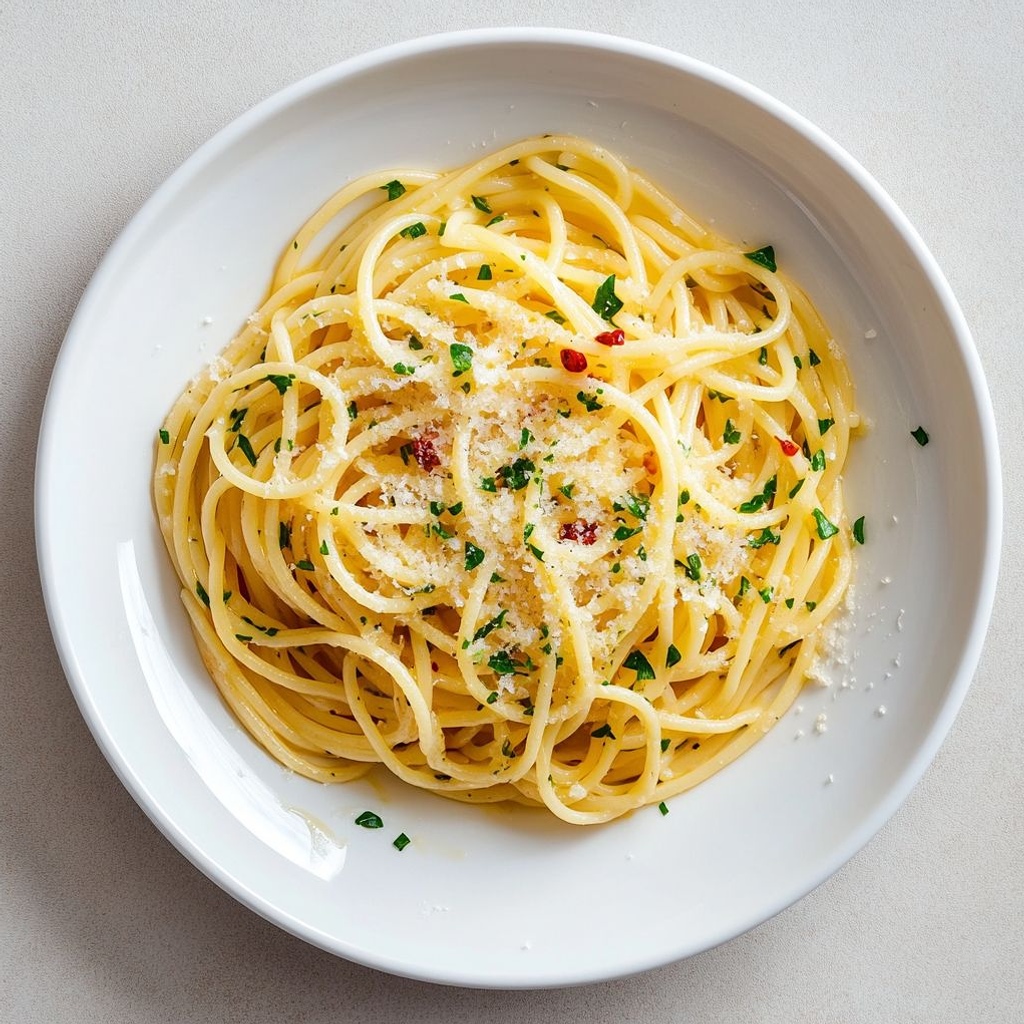
– 400 g dried spaghetti
→ The backbone of the dish; cook in a large pot of heavily salted water until al dente (firm to bite). Do not rinse after draining to keep surface starch available for emulsifying the sauce. Reserve about 1 cup of the starchy pasta water before draining to loosen the sauce if needed and help it cling to every strand. For best texture, cook until just tender and toss immediately with the sauce.
– 1 tablespoon kosher salt for the pasta water
→ Seasons the pasta from within as it cooks, ensuring flavor penetrates the noodles. Use in a large pot (approximately 4–6 quarts of water). Dissolve completely before adding the spaghetti; do not add oil to the water, as it can prevent the sauce from adhering to the pasta.
Aglio e Olio Sauce
-
– 4-6 garlic cloves, peeled and thinly sliced
→ The aromatic heart of the dish; sliced garlic provides quick, even diffusion of flavor when heated in the oil. Thin slicing allows faster extraction and a balanced aroma. Toast gently in the oil, keeping the heat low to avoid browning or bitterness; remove from heat as soon as it becomes fragrant.
– 1/2 cup (120 ml) extra-virgin olive oil
→ The fat that carries garlic and chili, coating the pasta for a glossy, emulsified sauce. Use high-quality EVOO for fruity, peppery notes. Warm the oil until it shimmers, then add garlic; do not let the oil smoke. If the oil is too hot, the garlic may burn and taste bitter.
– 1/2 teaspoon crushed red pepper flakes
→ Provides heat to balance the richness of the oil and garlic. Bloom the flakes briefly in the warm oil to release their flavor; you can adjust to taste by adding more or less. For milder heat, start with 1/4 teaspoon.
– 1/4 cup chopped fresh flat-leaf parsley
→ Adds bright color and a fresh aroma to finish the dish. Wash and dry the parsley thoroughly, then finely chop just before using to preserve vibrant green color. Stir in at the end off the heat so the leaves stay lively and fragrant.
– 1/2 cup finely grated Pecorino Romano or Parmesan cheese (optional)
→ Adds umami, salt, and a touch of creaminess if tossed with the hot pasta. Use freshly grated cheese for best texture and flavor; mix into the pasta off the heat to help emulsify the sauce. If dairy-free, skip or offer on the side.
– Zest of 1/2 lemon (optional)
→ Introduces a bright citrus note that cuts through the richness of the oil. Use a microplane to grate only the yellow zest, avoiding the bitter white pith. Add zest at the end for maximum aroma.
Optional Add-ins
-
– 1 small anchovy fillet, minced (optional)
→ Adds deep, savory umami that enhances the oil and garlic. Finely mince and melt into the warm oil just after the garlic begins to release aroma; cook on very low heat to dissolve completely. If you dislike anchovy, omit entirely and rely on parsley, lemon zest, and cheese for depth.
– Freshly ground black pepper, to taste (optional)
→ A subtle peppery bite that complements garlic and chili. Grind over the finished pasta to taste after tossing with the sauce.
Instructions
- Fill a large pot with 4–6 quarts (3.8–5.7 L) of water and place it on high heat.
→ This ensures the pasta has enough space to move, preventing sticking and promoting even cooking. - Bring the water to a vigorous boil, then add 1 tablespoon kosher salt to the water and stir to dissolve.
→ Salting the pasta water seasons the noodles from within so they taste flavorful without overpowering the sauce; avoid adding oil to the water, as it can prevent the sauce from adhering to the pasta. - Add 400 g dried spaghetti to the boiling water and cook until al dente according to package directions, usually about 8–9 minutes.
→ Al dente yields a firm bite that holds up when tossed with the sauce and better emulsifies with the sauce. - Just before draining, reserve about 1 cup (240 ml) of the starchy pasta water by scooping it with a heatproof measuring cup or ladle and set aside.
→ The starch-rich water loosens the sauce and helps emulsify it so it clings to every strand of spaghetti. - Meanwhile, in a wide skillet, warm 1/2 cup (120 ml) of extra-virgin olive oil over low to medium-low heat until it shimmers lightly, just short of smoking.
→ Gentle heat preserves the oil’s fruity flavor and keeps the garlic from browning, which would introduce bitterness. - Add 4–6 thinly sliced garlic cloves to the warm oil and cook slowly, stirring frequently, until the garlic is fragrant and pale golden, about 2–3 minutes; remove from heat to prevent browning.
→ Slow toasting extracts sweetness and aroma; overheating garlic makes it bitter and acrid. - If using anchovy, add 1 small minced anchovy fillet to the warm oil after the garlic begins to release aroma and stir until melted and integrated; continue to cook on very low heat for 1 minute to dissolve completely.
→ Anchovy adds deep umami; if you don’t want anchovy, omit and proceed with garlic, parsley, and cheese. - Sprinkle in 1/2 teaspoon crushed red pepper flakes and bloom them in the oil for 15–30 seconds, swirling the pan to distribute heat evenly; avoid letting the flakes burn.
→ Blooming releases capsaicin into the oil for even heat and aroma; adjust to taste by varying the amount used in the next steps. - Once pasta has finished cooking, drain it promptly and transfer it directly to the skillet with the garlicky oil; do not rinse.
→ Returning hot pasta to the pan allows the starch on the surface to emulsify with the oil for a glossy, cohesive sauce. - Toss the hot pasta with the oil over low heat, using tongs to lift and turn, until each strand is evenly coated; gradually add the reserved pasta water a tablespoon at a time to loosen and emulsify the sauce if needed.
→ The emulsification creates a silky coating that makes the sauce cling to every strand; add water slowly to avoid watering down flavor. - Remove the pan from heat and stir in 1/4 cup chopped fresh flat-leaf parsley to brighten color and aroma, folding it in so the leaves remain vibrant; if not using parsley, skip.
→ Parsley adds fresh contrast and aroma; heat can dull the herb’s brightness, so fold in after removing from heat. - With the pan off heat, sprinkle in 1/2 cup finely grated Pecorino Romano or Parmesan and toss vigorously to emulsify the cheese into the sauce; add gradually to prevent clumps and achieve a creamy texture.
→ Freshly grated cheese dissolves into the oil and pasta for umami and a slight creaminess; off-heat mixing preserves texture. - If desired, sprinkle zest of 1/2 lemon over the pasta and toss once more to distribute; zest should be added at the end to preserve its aroma.
→ Lemon zest adds a bright citrus note that cuts richness and refreshes the flavor. - Finish with freshly ground black pepper to taste and adjust salt if needed, then plate immediately with extra parsley and cheese if desired; serve hot.
→ Pepper provides a subtle bite to balance the oil and garlic, and serving immediately preserves the glossy emulsified texture.
Notes
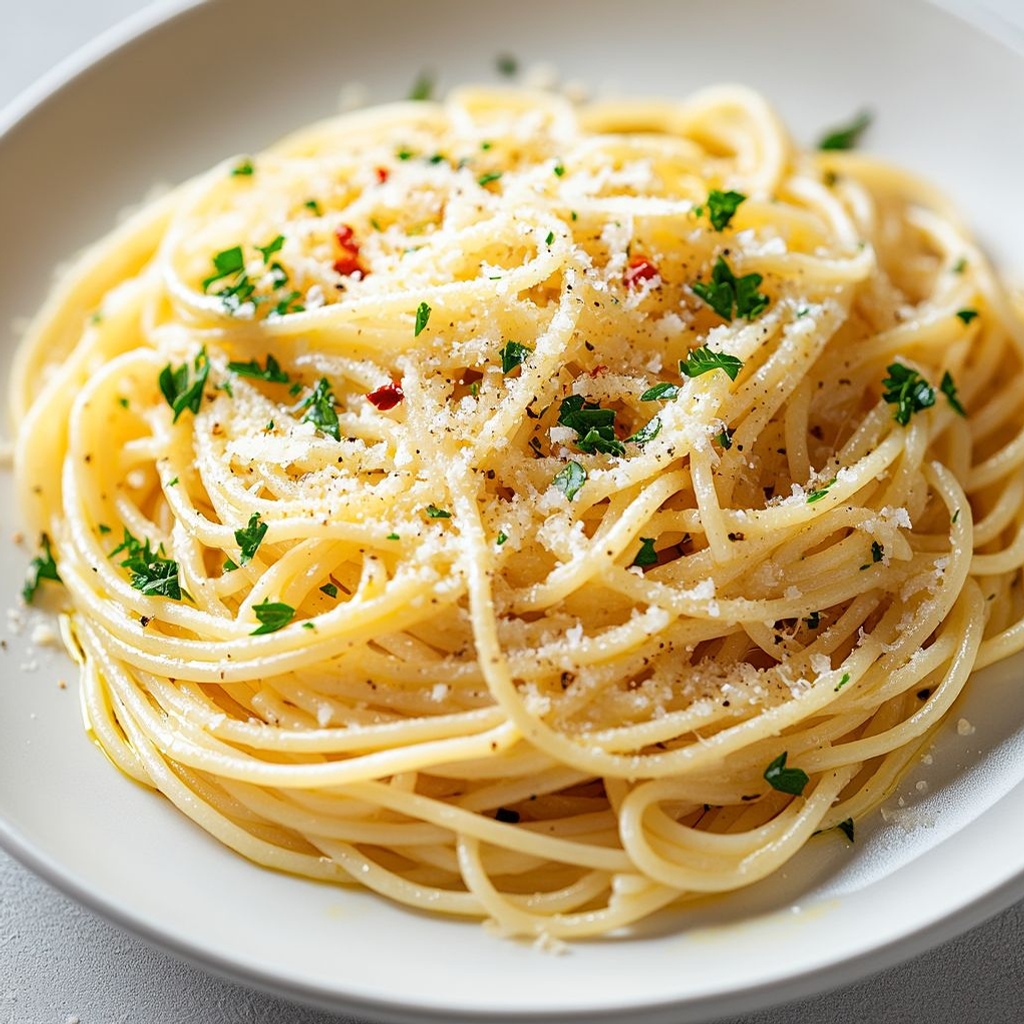
These spaghetti aglio e olio are a fast, pantry-friendly classic built on a short list of ingredients: spaghetti, garlic, olive oil, chili, parsley, and cheese (optional). The secret to the glossy, cohesive sauce is gently infusing finely sliced garlic in extra-virgin olive oil over low heat until fragrant but not browned, then emulsifying the sauce with a ladle of the reserved starchy pasta water. Do not rinse the pasta after draining; the starch helps the sauce cling and thicken as it coats the noodles. Reserve about 1 cup of pasta water before draining; add just enough to loosen the sauce and help it cling to every strand. Finish with chopped parsley for color and brightness, and stir in freshly grated Pecorino Romano or Parmesan off the heat for extra umami and creaminess if you like. A small zest of lemon adds a fresh citrus lift; grate only the yellow zest and add at the end for maximum aroma. Optional anchovy provides deep savory depth if you enjoy it; otherwise, skip. For a touch of heat, adjust the red pepper flakes to taste, starting with 1/4 teaspoon. Salt the pasta water generously at the start so the noodles themselves are seasoned from within. Cook the spaghetti until just al dente and toss with the sauce immediately for maximum gloss; serve promptly. The dish is naturally simple, so taste and adjust salt, pepper, cheese, and lemon before serving; you can also offer extra cheese and pepper at the table for guests to customize.

Tips
Tips for Spaghetti aglio e olio
- Salt the pasta water generously (about 4–6 quarts of water with 1 tablespoon of kosher salt). The water should taste like the sea; this is what seasons the pasta from within and helps the sauce cling later. Do not add oil to the water, as it prevents the sauce from adhering to the pasta.
- Reserve about 1 cup (240 ml) of the starchy pasta water before draining. This water thickens the sauce and helps emulsify the oil so it coats every strand evenly. Add it gradually as you toss the pasta with the sauce.
- Never rinse the pasta after draining. The surface starch is essential for the sauce to cling and emulsify with the olive oil.
- Garlic technique is crucial: thinly slice the cloves and toast them gently in the olive oil over low heat. Remove from heat as soon as the garlic becomes fragrant; overcooked garlic can turn bitter and acrid.
- Use high-quality extra-virgin olive oil (about 1/2 cup). Warm the oil until it shimmers but does not smoke; if the oil is too hot, the garlic will burn quickly and impart bitterness.
- Bloom the red pepper flakes in the warm oil for a minute to release their flavor. Start with 1/4 teaspoon and increase to 1/2 teaspoon or more according to your heat preference.
- Add the chopped fresh parsley at the end, off the heat, to preserve its bright color and fresh aroma. Toss to distribute evenly without wilting the herbs.
- The cheese is optional but highly recommended for extra umami and a touch of creaminess. Finely grate Pecorino Romano or Parmesan and toss with the hot pasta off the heat to help emulsify the sauce. If dairy-free, skip or use a dairy-free cheese alternative.
- Lemon zest is optional and adds a bright citrus note that cuts the richness. Use a microplane to grate only the yellow zest and add it at the very end to preserve aroma; avoid the white pith.
- Optional anchovy: a small minced fillet melted into the warm oil adds deeper umami. If you don’t like anchovy, omit it and rely on parsley, lemon, and cheese for depth.
- Keep the heat low when cooking the garlic and herbs to prevent browning. The goal is fragrant, pale-gold garlic, not browned or burnt.
- Finish with a quick toss off the heat: combine the hot pasta with the oil and aromatics, then add pasta water gradually until the sauce emulsifies into a glossy coating that clings to each strand.
- Leftovers keep well for 2–3 days in the fridge. Reheat gently in a skillet with a splash of pasta water to restore emulsification; avoid reheating in the microwave, which can separate the sauce.
- Variations and substitutions: the technique works with gluten-free spaghetti or dairy-free cheese variations; the core method—emulsified oil, sliced garlic, and a bright finish—remains the same.
FAQ
Spaghetti aglio e olio — Frequently Asked Questions
What is Spaghetti aglio e olio?
Spaghetti aglio e olio is a classic Italian pasta dish from Naples. It features spaghetti tossed in a fragrant olive oil base with thinly sliced garlic and red pepper flakes. It’s quick to make, relies on a few high‑quality ingredients, and is often finished with fresh parsley.
What ingredients do I need?
The core ingredients are simple and pantry-friendly:
- Spaghetti (about 400 g for 4 servings)
- Extra-virgin olive oil
- Garlic cloves, thinly sliced
- Red pepper flakes
- Salt
- Fresh parsley (optional)
- Lemon zest (optional)
- Grated cheese (Parmesan or Pecorino) optional for serving
- Anchovy fillets (optional, for extra depth)
Is it vegan or vegetarian?
The dish is inherently vegan if you skip cheese. Parmesan or Pecorino is optional and adds a salty bite; adding cheese makes it non-vegan. Anchovies are also optional and can be omitted for a strictly vegetarian version.
How spicy should it be and how can I control the heat?
Red pepper flakes provide the heat. Start with ¼ teaspoon and taste. You can increase to ½ teaspoon or more if you like extra spice. Add the flakes after the garlic has flavored the oil, and adjust to your preference.
What type of pasta should I use and how should I cook it?
Traditionally, use spaghetti. Other long pastas like linguine or tagliatelle can work, but spaghetti is classic. Cook until al dente according to the package directions, then reserve a splash of the pasta cooking water before draining.
How do I prevent the garlic from burning?
Render the garlic gently in the olive oil over medium‑low heat. Add the garlic slices and let them simmer slowly until they are fragrant and just lightly golden. Remove the pan from heat if the garlic is browning too quickly to avoid bitterness.
How do I emulsify the sauce with the pasta water?
After draining the pasta, return it to the pot or a warm skillet. Add the warmed olive oil and garlic, then splash in a little reserved pasta water. Toss vigorously to emulsify the oil with the water, creating a glossy coating on the strands.
Can I add other flavorings like parsley, lemon, or anchovies?
Yes. Parsley adds freshness; lemon zest provides brightness; chopped anchovies dissolved in the oil add depth if you like. Other optional additions include capers or a touch of chopped olives. Keep extras light to preserve the dish’s simplicity.
Should I use cheese on this dish?
Traditional Italian versions omit cheese on the plate, relying on the olive oil, garlic, and chili for flavor. You can sprinkle grated Parmesan or Pecorino at the table if desired, but it’s optional and will change the dish’s authenticity.
How should I store and reheat leftovers?
Store leftovers in an airtight container in the refrigerator for up to 1–2 days. Reheat gently in a skillet with a splash of olive oil or a little warm water, tossing to re-emulsify. Avoid overheating to prevent the garlic from overcooking.
Common mistakes and quick tips
Common pitfalls: burning the garlic, overheating the oil, or boiling the pasta longer than al dente. Tips to avoid them: keep heat medium‑low for the garlic, reserve pasta water to emulsify, salt the cooking water well, and toss the pasta with the oil off the heat to preserve sheen.