Introduction / Hook
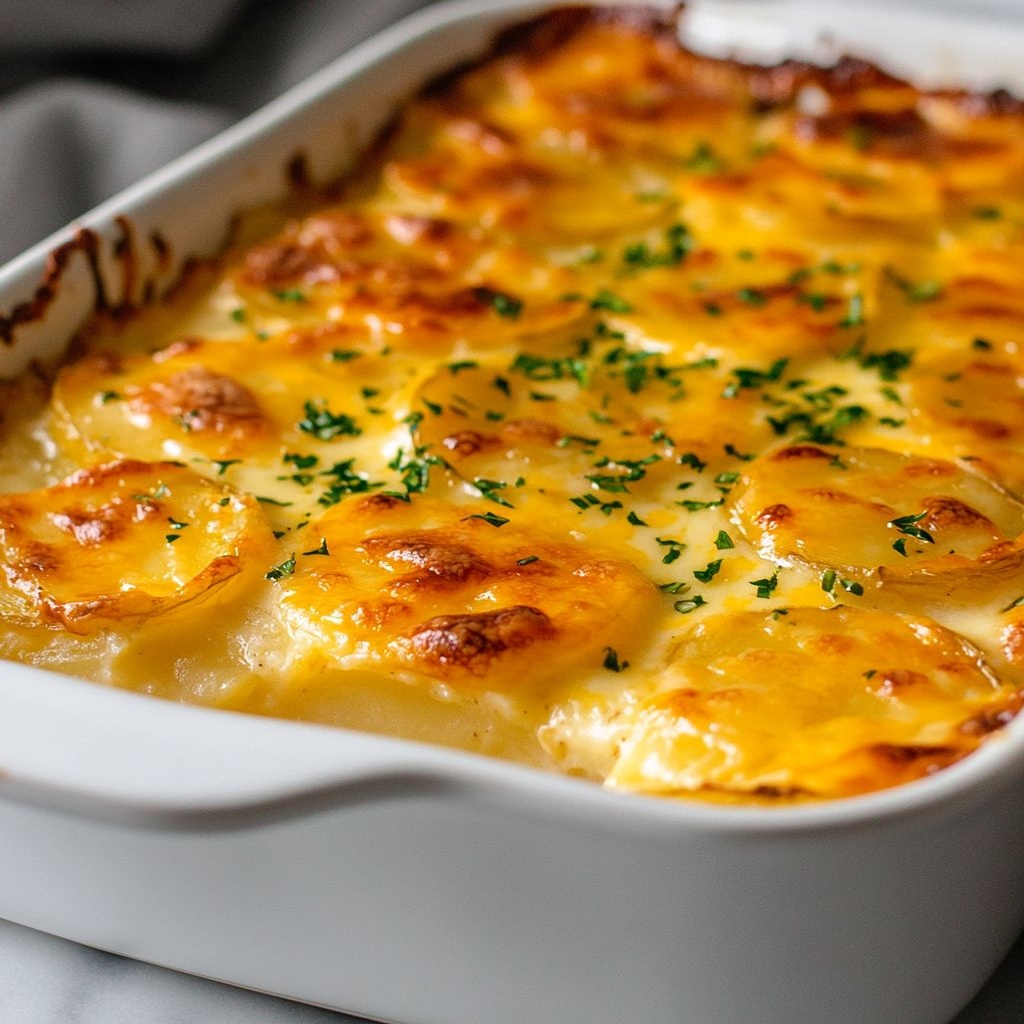
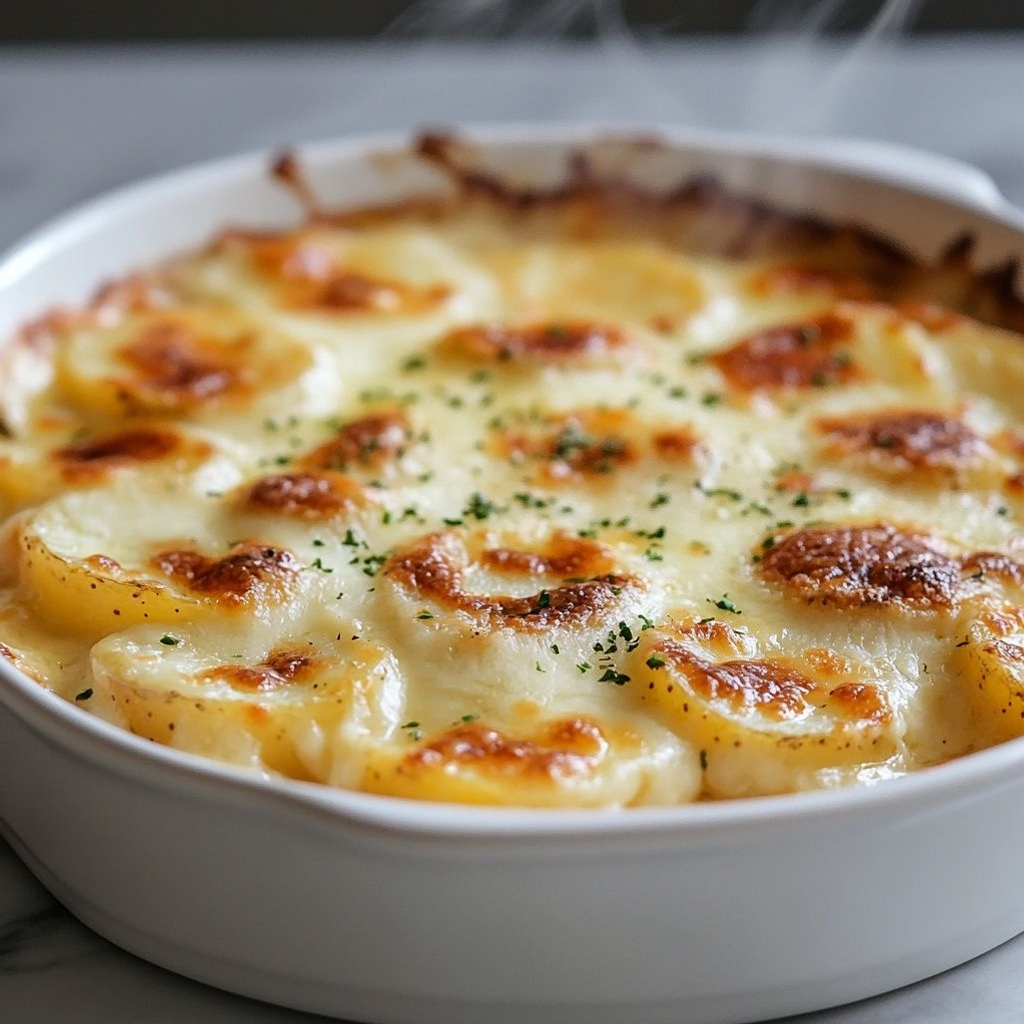
Imagine a golden, bubbling casserole smoke curling through the kitchen air, carrying the comforting fragrance of roasted potatoes, caramelized onions, and molten cheese that stretches in lazy, delicious ribbons with every scoop. The kinds of aromas that make a busy weeknight feel like a cozy Sunday, the kind of dish you crave when you need warmth, familiarity, and a little indulgence all at once. Potato and Cheese Casserole is exactly that kind of recipe: humble ingredients transformed into something generous, hearty, and irresistibly satisfying. Each bite offers a harmonious balance of creamy, velvety potato layers, a kiss of butter and herbs, and a finish that’s crisp at the edges and melty toward the center. It’s not merely food; it’s a memory in a comforting, casserole form—the kind of dish that gathers friends and family around the table without fuss, inviting stories, laughter, and seconds.
In its simplest essence, this casserole celebrates the everyday miracle of potato, the way it takes on flavors with quiet confidence and delivers comforting nourishment in every spoonful. But there’s more to it than sheer coziness. The cheese—whether a sharp cheddar, a nutty Gruyère, or a blend that melts into a silky pool—adds depth and a glossy, inviting sheen. A whisper of garlic, a pinch of salt, a crack of pepper, and perhaps a scattering of herbs or a light breadcrumb topping all work together to create a dish that feels both rustic and timeless. This is the kind of recipe that rewards attention to detail but remains forgiving enough for a weeknight, making it a favorite for potlucks, family dinners, and holiday table extensions alike.
The Story Behind the Dish
Casseroles have long stood as the unsung heroes of home cooking, born from the need to feed a crowd with pantry staples and a little ingenuity. Potato and Cheese Casserole belongs to that lineage—the dish that grew out of farmers’ markets and busy kitchens where potatoes were abundant and cheese was a treasured treat. In many households, this kind of dish was a practical solution: sturdy, satisfying, and able to stretch a modest amount of ingredients into a meal that fed several mouths. Over the years, cooks have layered sliced potatoes with cream or milk, a generous amount of cheese, onions, and seasonings, then baked the mixture until it turned into a creamy mosaic with a bronzed top. The result is a comfort classic that travels well as a side or stands proudly on its own as a main when paired with a bright salad or roasted vegetables.
Across cultures, similar preparations reveal how universally beloved the marriage of starch and dairy can be. From heroically simple potato bakes in European kitchens to creamy American casseroles styled for family suppers, the fundamental appeal remains the same: something grounded, nourishing, and satisfying enough to nourish conversations around the table as much as the body. If you’ve ever watched a crowd gather around a bubbling pan and heard the approving hum of “this is everything,” you’ve seen the heart of this dish in action. The beauty of Potato and Cheese Casserole is that it invites personal touches—the kind of tweaks and twists that tell your own story but still deliver the universal comfort of a well-made bake.
Why You’ll Love This Recipe
- One-dish comfort: everything you need comes together in a single, satisfying bake that minimizes kitchen cleanup.
- Budget-friendly and crowd-pleasing: potatoes are affordable, cheese is indulgent, and the result feels special enough for entertaining or a cozy family dinner.
- Versatile by nature: easily adaptable with your favorite cheeses, herbs, or a crunchy topping to suit your mood or pantry.
- Make-ahead friendly: the casserole can be assembled in advance and baked later, making it ideal for weeknights or gatherings.
- Comforting texture spectrum: crisp edges give way to a creamy, silky interior that feels luxurious without being heavy.
- Vegetable-friendly foundation: it pairs beautifully with greens, roasted vegetables, or a bright tomato salad to balance richness.
- Flexible for dietary needs: with simple substitutions, you can craft vegan, dairy-free, or gluten-free versions without compromising the feel of the dish.
- Perfect for potlucks and gatherings: its generous portions and forgiving nature make it a dependable contributor to any event.
Flavor Profile & Texture
The flavor profile of Potato and Cheese Casserole rests on a core trio: starch, fat, and umami. The potatoes themselves provide a gentle, earthy sweetness that softens as they bake, absorbing the creamy dairy in which they nestle. The cheese adds depth—sharpness or nuttiness depending on your choice—while lending that signature molten silk that invites you to twirl your fork through a comforting, glossy veil. A hint of garlic, a dusting of salt, and a whisper of pepper brighten the palate, ensuring the dish remains flavorful without overwhelming the potatoes’ natural character. If you opt for a cheese blend, you introduce subtle shifts in aroma and mouthfeel: Gruyère might bring a toasty, nutty aroma and a slightly elastic bite, while cheddar offers a more straightforward dairy notes with a touch of bite.
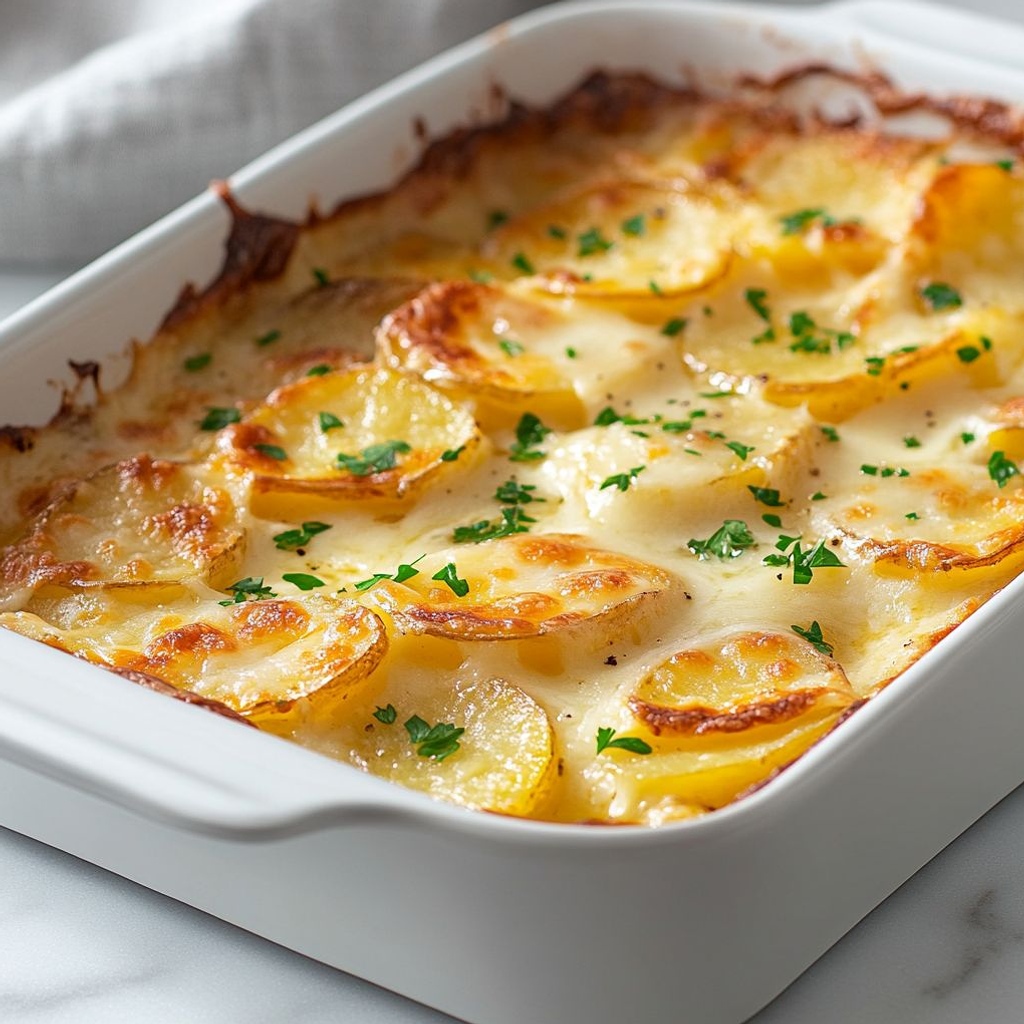
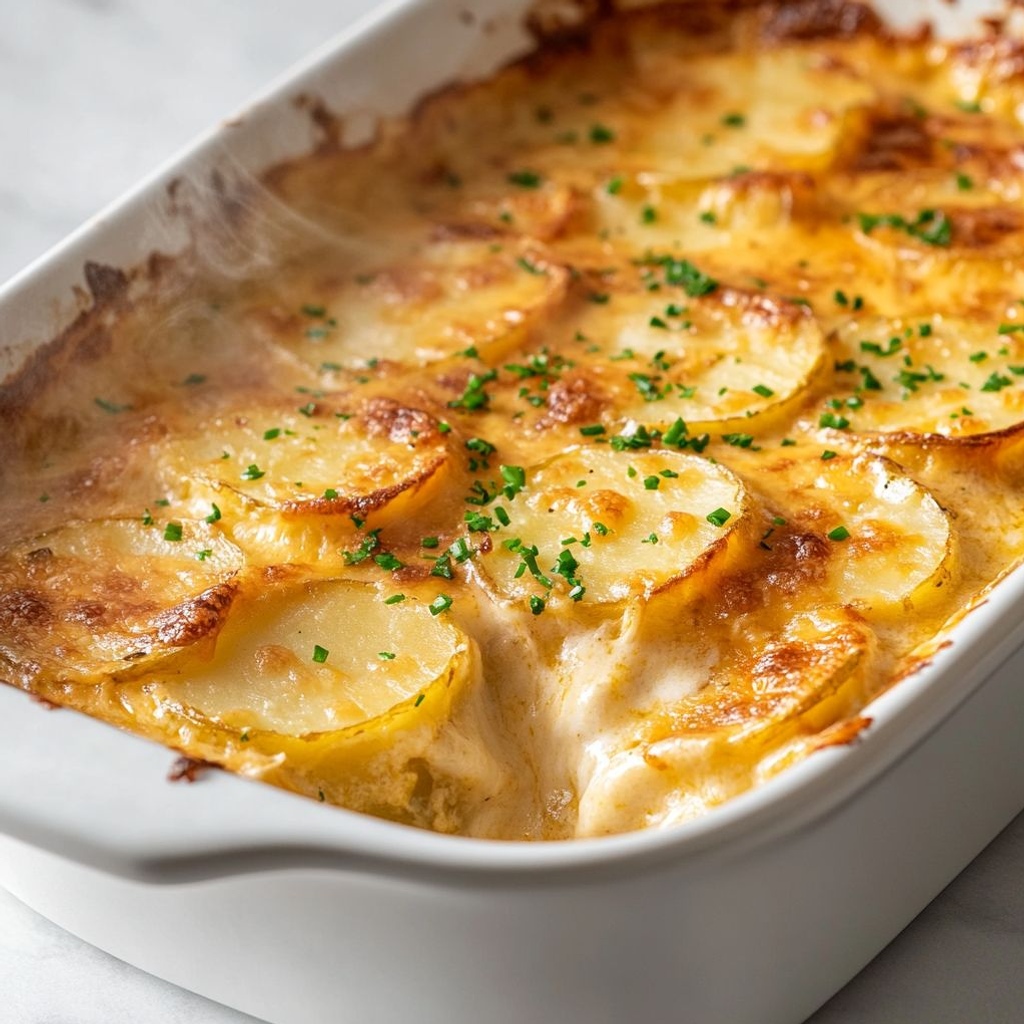
The texture story is equally compelling. The interior is soft, almost custard-like in places where the potatoes have absorbed the creamy sauce. The edges, where the surface meets the pan, become a glorious crust—slightly chewy with a delicate crunch and a caramelized hint from the cheese and any topping you choose. When you slice into it, you’ll hear a gentle resistance followed by a satisfying ooze of cheese and potato. If you add a breadcrumb or cracker topping, you’ll get a crisp, toasty layer that contrasts beautifully with the tender center. The aroma—garlic and onion softened in butter, mingling with melted cheese and baked potatoes—carries a warmth that makes mouths water even before the first bite.
Key Flavor Notes to Look For
- Creamy dairy that envelops each slice without weighing it down.
- Toasted dairy top notes from the cheese and any breadcrumb topping.
- Subtle onion sweetness and a gentle garlic kiss for depth.
- A balance of salty and savory from cheese, seasoning, and optional herbs.
Occasions & Pairings
This casserole shines on a spectrum of occasions, from weeknights that call for cozy nourishment to larger gatherings where a generous side dish can anchor the menu. It makes a natural companion to roasted or sautéed greens, a bright tomato salad, or lightly dressed cabbage and carrot slaws that cut through the richness with acidity and crunch. For holiday tables, it serves as a comforting foil to roasted meats like turkey, chicken, or pork, while still playing nicely with vegetarian mains and festive sides.
When to Serve
- Weeknights when you want something comforting without fuss.
- Holiday meals where a hearty casserole can anchor the spread.
- Potlucks and family gatherings where you need to feed a crowd with minimal stress.
- Casual dinners with friends that feel special without requiring an over-the-top menu.
Suggested Pairings
- Fresh green salads with tangy vinaigrette to brighten each bite.
- Roasted or sautéed vegetables such as broccoli, Brussels sprouts, or green beans.
- A crisp pickle or quick-pickled onions to cut through richness.
- Proteins like roasted chicken, turkey, or a simple ground-meat dish as a heartier plate.
- Drinks: a glass of chilled white wine with a touch of acidity, or a light beer; for non-alcoholic options, sparkling water with lemon or a tangy apple cider works nicely.
- Dessert: something light and fruit-forward, like a citrus sorbet or an apple parfait, to cleanse the palate after the savory richness.
Tips, Variations & Substitutions
Here are ideas to tailor Potato and Cheese Casserole to your taste, pantry, and dietary needs. The beauty of casseroles is their forgiving nature, so feel free to experiment while keeping the core idea intact: tender potatoes baked with a creamy, cheesy layer and a satisfying finish.
Tips for Success
- Slice potatoes evenly to ensure uniform cooking; thinner slices will create a creamier texture, thicker slices will hold their shape more distinctly.
- Parboil or lightly pre-cake the potatoes if you want a head start on tenderness, especially if you’re using very large potatoes.
- Season generously at every layer to build depth; a pinch of nutmeg can be a surprising but delightful accent with potatoes.
- Use a cheese blend that melts well; avoid combinations that separate or become oily when heated, unless you’re aiming for a particular texture.
- Cover the casserole with foil during the early bake to trap moisture, then uncover to develop a golden crust in the final minutes.
Variations
- Herb-forward version: add chopped fresh thyme, chives, or parsley for brightness and aroma.
- Smoked or grilled note: incorporate a small amount of smoked cheese or a pinch of smoked paprika for a subtle smoky finish.
- Garlic-forward boost: sauté extra garlic with the onions or add roasted garlic for a deeper, caramelized sweetness.
- Herbed breadcrumb topping: mix breadcrumbs with melted butter and minced herbs for a crisp, aromatic top.
- Vegan option: use a plant-based cheese that melts well and a dairy-free milk or cream substitute; consider a light vegan butter or olive oil to replace dairy fat.
- Gluten-free approach: ensure breadcrumbs or toppings are gluten-free if you’re using them; you can substitute with crushed gluten-free crackers or a seed-based topping.
- Low-carb variation: shave thickness of potato slices and increase cheese ratio, or substitute thinly sliced turnips or cauliflower for the base while keeping the creamy cheese layer.
Regional Twists
- French-inspired version: swap in Gruyère or Comté, add a splash of cream, and grate a little nutmeg for a classic gratin-like experience.
- American diner-style: fold in bits of crisp bacon or pancetta for a savory, meaty undertone, and finish with a panko breadcrumb topping for crunch.
- Spain-inspired: introduce Manchego and a touch of smoked paprika for a warm, Mediterranean note.
Storage & Make-Ahead Ideas
Potato and Cheese Casserole is well-suited to make-ahead planning, which makes it a wonderful option for busy weeks or entertaining. With a few thoughtful steps, you can assemble, refrigerate, or even freeze portions to be baked later. Proper handling ensures that the texture and flavor stay delightful from fridge to table.
Make-Ahead Strategies
- Assemble and refrigerate: you can assemble the casserole up to 1 day in advance. Cover tightly and refrigerate. When ready to bake, add 15–30 minutes to the baking time, checking for a fully tender center and a golden top.
- Partially bake for faster reheat: bake until the potatoes are just tender and the top is set but not deeply browned; cool, refrigerate, then finish baking when ready to serve to achieve a crisper top.
Storage
- Refrigerate leftovers in an airtight container for up to 3–4 days. Reheat gently in the oven or a covered skillet to preserve the creamy texture and prevent drying.
- Freezing: the texture may shift after freezing due to the dairy content, but it can still be delicious. Freeze baked casserole in individual portions wrapped tightly. Thaw overnight in the refrigerator and reheat in the oven until heated through and the top is lightly crisp.
Fun Facts & Trivia (Optional)
– Potato came to Europe from the Americas and quickly became a staple in many cuisines, valued for its versatility and protein-sparing properties when paired with dairy and seasonings. Casseroles became a practical way to stretch ingredients during times when food resources were limited, and the concept endured as a beloved comfort food.
– The cheese component in casseroles isn’t just for taste; it helps bind the layers together and creates that luscious, cohesive slice that holds its form while still delivering a melt-in-your-mouth experience. The choice of cheese can subtly steer the dish toward a sharper, nuttier, or creamier finish, making the dish highly customizable.
– In many households, a casserole is a sign of hospitality: a generous pan ready to feed a crowd, often found at potlucks, community gatherings, and family celebrations where sharing a comforting, familiar dish is part of the tradition.
Ingredients
Potato Base
- 3 pounds Russet potatoes, peeled and very thinly sliced (about 1/4 inch)
→ The potatoes form the hearty, starchy base of the casserole. Thin, uniform slices ensure even cooking and a creamy, cohesive layering when baked. For best texture, aim for consistent thickness and rinse briefly or pat dry to remove excess surface starch that can make the dish gloopy.
Cream Sauce
- 2 tablespoons all-purpose flour
→ Acts as the thickening agent for a smooth béchamel-style sauce that coats the potatoes. Cooking the flour with fat to form a roux removes raw flour taste and helps the sauce cling to the slices rather than separating. Sift to avoid lumps and whisk steadily as you add liquid. - 1 1/2 cups milk (whole)
→ Provides the majority of the sauce’s body and creaminess. Whole milk yields a richer texture; warm the milk slightly before adding to the roux to prevent curdling and to promote a silky, lump-free sauce. - 1 cup heavy cream (optional)
→ Adds indulgent silkiness and a more luxurious mouthfeel. Use if you want a particularly creamy casserole; if you prefer lighter, substitute with additional milk or omit entirely. - 1/2 teaspoon kosher salt
→ Seasoning base for the sauce and overall dish. Since cheeses can be salty, start with this amount and adjust after cheese is incorporated to avoid oversalting. - 1/4 teaspoon ground white pepper or black pepper
→ Subtle heat and aroma that won’t tint the sauce color. White pepper is traditional for béchamel; use fresh ground pepper for the best aroma. - Pinch of ground nutmeg (optional)
→ Classic warm note in creamy potato dishes. Use sparingly so it complements rather than overpowers the cheese and potato flavors.
Cheese & Dairy
- 2 cups shredded sharp cheddar cheese (divided)
→ Provokes a rich, tangy melt throughout the casserole. Typically stirred into the sauce and reserved portion sprinkled on top to achieve a bubbly, golden crust as it bakes. - 1/2 cup sour cream or Greek yogurt (optional)
→ Adds tanginess and extra creaminess while helping to emulsify the sauce. Temper the dairy by whisking in a little hot sauce or warm milk before folding into the hot roux to prevent curdling. - 1/2 cup grated Parmesan cheese (optional)
→ Introduces deep, savory umami notes. Mix a portion into the sauce for depth and reserve a light dusting for the top to enhance browning and flavor. - 2 tablespoons cream cheese (optional)
→ Enhances silkiness and a lush texture in the sauce. Soften at room temperature and whisk into the warm sauce for a silkier finish. - 1/2 cup shredded mozzarella (optional)
→ Adds a mild, stretchy melt on top, contributing to a gooey, appealing crust when combined with cheddar. Use if you want a more pronounced cheesy pull.
Aromatics & Seasonings
- 1 medium onion, finely chopped
→ Builds the flavor foundation with sweetness and depth. Sauté the onions (and garlic) in a little fat until soft and translucent so their sugars caramelize lightly, enriching the overall casserole. - 2 cloves garlic, minced
→ Provides aromatic bite that balances the richness of the cheese and potatoes. Add to the onions early in cooking to mellow sharpness and release fragrance. - 1/2 teaspoon paprika or smoked paprika (optional)
→ Adds color and a subtle smoky or sweet note. Smoked paprika gives a deeper aroma; adjust to taste to avoid overpowering the cheese. - 1/4 teaspoon dried thyme or dried parsley (optional)
→ Introduces herbal brightness. If using dried, incorporate into the sauce base; if using fresh, add near the end of baking as a garnish for fresh flavor.
Topping
- 1/2 cup breadcrumbs or crushed crackers (panko for extra crunch)
→ Creates a desirable crisp top. Toss with a teaspoon melted butter before baking to promote even browning. Gluten-free breadcrumbs work well if needed. - 1 tablespoon melted butter (for topping)
→ Helps the topping brown and become irresistibly crunchy. Brush or drizzle evenly over the crumbs for a golden, even crust. - 1/2 cup shredded cheese for topping (additional)
→ Finishes with a final layer of molten cheese; choose a cheese that melts well so the top stays gooey and inviting.
Optional Add-ins
- 6 slices bacon, cooked and crumbled (optional)
→ Adds smoky, savory crunch and extra protein. Cook until crisp, crumble finely, and distribute in the casserole for even flavor distribution. Reduce additional salt if using heavily salted bacon. - 1 cup broccoli florets, steamed and chopped (optional)
→ Introduces color, texture, and nutrition. Briefly steam or blanch until just tender to prevent sogginess, then fold evenly through the layers or scatter on top. - 1 cup cooked ham, diced (optional)
→ Extra protein and heartiness; dice uniformly so pieces distribute evenly. Note that ham is salty, so adjust salt in the sauce accordingly.
Garnish
- Chopped fresh parsley or chives for garnish
→ Adds a bright green contrast and fresh aroma just before serving. Sprinkle after baking to preserve color and flavor.
Instructions
- Preheat your oven to 350°F (175°C) and generously grease a 9×13-inch casserole dish with butter or oil to prevent sticking and ensure clean slices when serving.
→ A well-greased dish promotes even browning of the crust and easy release of the casserole after baking. - Prepare the potatoes by peeling, trimming, and slicing Russet potatoes into very thin, uniform discs about 1/4 inch thick to ensure even cooking and cohesive layering.
→ Uniform thickness guarantees all layers cook through at the same rate and prevents some slices from becoming mushy while others stay firm. - Rinse the potato slices briefly to remove surface starch and pat them dry to prevent excess moisture from diluting the sauce and making the layer soggy.
→ Dry slices will absorb sauce more evenly and contribute to a creamy, stable casserole texture. - Whisk 2 tablespoons of all-purpose flour with 1/2 cup of the milk in a small bowl until completely smooth to form a lump-free slurry for thickening the sauce.
→ This slurry prevents lumps when the flour meets hot liquid and helps the sauce achieve a silky nappe that coats the potatoes. - In a medium saucepan, heat the remaining 1 cup of milk and 1/2 cup heavy cream (if using) over medium heat until just steaming, but not boiling.
→ Warming the dairy reduces shocking the flour slurry and helps the sauce thicken evenly without breaking. - Whisk the flour slurry into the warm milk-cream mixture gradually, then simmer while whisking until the sauce thickens to coat the back of a spoon; season with 1/2 teaspoon kosher salt, 1/4 teaspoon pepper, and a pinch of ground nutmeg.
→ Gentle simmering activates the starch and creates a cohesive sauce; proper seasoning ensures the final dish is balanced once the cheese is added. - Stir in 1 cup of shredded cheddar cheese into the hot sauce until melted and smooth; if using sour cream or Greek yogurt, temper it by whisking in a spoonful of hot sauce or warm milk before folding into the sauce to prevent curdling.
→ The melted cheddar enriches the sauce with cheddar depth and helps it cling to the potato layers; tempering dairy prevents separation and a grainy texture. - Set aside the remaining 1 cup of shredded cheddar for topping and, if using Parmesan, whisk in 1/4 cup into the sauce for extra depth; this reserved cheese will concentrate on the crust later.
→ Keeping some cheese back for the top creates a rich, molten crown when baked and enhances browning. - In a skillet, sauté 1 finely chopped onion in a small amount of fat until soft and translucent, about 5–7 minutes, then add 2 cloves minced garlic and cook 30 seconds more; remove from heat.
→ The aromatics deepen the casserole’s savor and sweetness, while garlic brightens the overall fragrance without overpowering the cheese. - Spread a third of the potato slices in the prepared dish in an overlapping layer, then sprinkle a pinch of salt and spoon about a third of the sauce over them to coat; this creates the first creamy bed for the layers.
→ Layering in stages ensures each slice is lightly sauced for even moisture and flavor distribution throughout the bake. - Top the first potato layer with half of the sautéed onion and garlic, and scatter half of the reserved cheddar over the sauce; this builds flavor pockets and a cheese pull as the casserole bakes.
→ Even distribution of onion, garlic, and cheddar prevents clumps and yields a consistent melt across the surface. - Repeat with the remaining potato slices, then spoon over another third of the sauce and add the remaining onion mixture along with optional add-ins (bacon, broccoli, or ham) evenly over this layer if using.
→ The second layer reinforces moisture and ensures the final bake remains creamy; add-ins should be distributed evenly to avoid concentrated bites of salt or heaviness. - Finish with the final potato layer; pour over any remaining sauce, then sprinkle the remaining cheddar (reserve none) and, if desired, a light dusting of Parmesan for extra savor and browning.
→ The final layer seals the casserole and sets up a luscious, uniform top once baked. - Prepare the topping by combining 1/2 cup breadcrumbs or crushed crackers with 1 tablespoon melted butter; sprinkle this mixture evenly over the surface and scatter 1/2 cup shredded cheese to encourage a crisp, cheesy crust.
→ The buttered crumbs crisp up in the oven, contrasting the creamy interior with a satisfying crunch and a golden crust. - Cover the casserole loosely with foil and bake at 350°F (175°C) for about 30 minutes to set the layers; this gentle heat helps the potatoes start to soften without drying the edges.
→ Covering traps steam, ensuring uniform cooking and preventing the top from browning too quickly before the center is tender. - Uncover and continue to bake for 15–25 minutes longer, or until the potatoes are tender when pierced with a knife and the top is deeply golden and bubbling; if the top browns too quickly, tent with foil again.
→ The final bake finishes the texture, fully melts the center, and achieves a visually appealing crust with a toasty aroma. - Remove from the oven and allow the casserole to rest for at least 10 minutes before slicing; this rest period helps the sauce thicken further and the layers to set for clean portions.
→ Resting prevents runny slices and yields neater portions with better structural integrity. - Garnish with chopped fresh parsley or chives just before serving to add a bright note and color contrast that complements the creamy casserole.
→ Fresh herbs lift the dish’s aroma and provide a fresh counterpoint to the rich cheese and potatoes.
Notes
These potato and cheese casserole notes provide practical guidance to help you achieve a creamy, golden, deeply flavorful bake. Start with 1/4-inch-thin Russet potato slices for even layering and a creamy texture; rinse briefly or pat dry to remove surface starch that can dull the sauce. Prepare a smooth béchamel-style sauce by cooking all-purpose flour in fat to form a light roux, then whisk in warm whole milk (and optional heavy cream) until thickened; season with kosher salt, pepper, and a pinch of nutmeg if you like, tasting as you go. Temper dairy to prevent curdling by whisking in a little hot sauce or warm milk before folding into the hot roux, and fold in some of the shredded cheddar to melt throughout the sauce while reserving the rest for layering and topping. Sauté onion (and garlic) until soft to build aromatics, then assemble by layering potatoes with sauce; you can mix in optional add-ins like broccoli, ham, or bacon, but adjust salt accordingly. For topping, mix breadcrumbs or crushed crackers with melted butter and spread over the final layer, finishing with an extra shower of cheese; gluten-free breadcrumbs are a great option. Bake until the potatoes are tender and the sauce is bubbling and the top is deeply golden; if the crust browns too quickly, tent with foil midway. This casserole stores well in the fridge for a few days and can be frozen for longer, and a quick reheat will bring back creamy texture. For a gluten-free version, use gluten-free flour or cornstarch in the roux and choose gluten-free crackers or breadcrumbs; serve with a simple green salad to balance richness, and adjust herbs and spices to taste for a bespoke finish.
Tips
Tips for Making Potato and Cheese Casserole
Potato prep and layering
- Use uniform slices about 1/4 inch thick for even cooking; a mandoline helps achieve consistent thickness.
- Rinse or soak sliced potatoes briefly to remove surface starch, then thoroughly pat dry to prevent a gloopy bottom and to help the sauce cling to each slice.
- Layer evenly and lightly season each layer with a pinch of salt to boost flavor penetration among the potatoes.
Creating a smooth, clingy sauce
- Make a light roux by whisking flour into melted fat and cooking briefly to remove raw flour taste; this helps the sauce thicken without lumps.
- Warm the milk (and cream, if using) before adding to the roux to prevent curdling and ensure a silky, lump-free sauce.
- Simmer until the sauce coats the back of a spoon and thickens enough to cling to the potatoes; if it gets too thick, whisk in a splash more milk.
- Season gradually. Cheese adds salt, so start with a modest amount and adjust after the cheese is stirred in.
- Nutmeg is optional; a tiny pinch enhances the creamy profile without overpowering the dish.
Cheese and dairy handling
- Reserve half the cheddar to sprinkle on top for a bubbly, golden crust; fold the other half into the sauce for integrated melt.
- Sour cream or Greek yogurt adds tang and helps emulsify the sauce; temper with a small amount of hot sauce or warm milk before folding to avoid curdling.
- Let dairy come to room temperature or slightly warm to facilitate smooth incorporation; whisk in soft cream cheese gradually for extra silkiness.
- For extra stretch and creaminess, add mozzarella to the topping or sauce, but balance it with cheddar to prevent overpowering the potato flavor.
Aromatics and seasonings
- Onions provide sweetness and depth; sauté until soft and translucent so their flavors intensify without browning too darkly.
- Garlic adds aromatic bite; add it with the onions to mellow its sharpness.
- Paprika or smoked paprika adds color and a subtle smoky or sweet note; use sparingly so it complements rather than competes with the cheese.
- Thyme or parsley adds herbal brightness; dried herbs go into the sauce, while fresh herbs are best added as a garnish after baking for a fresh aroma.
Topping and texture
- Breadcrumbs or crushed crackers create a desirable crunch; toss with melted butter to promote even browning, and gluten-free options work well if needed.
- Brush topping with melted butter for a golden, crisp crust and even browning.
- Finish with an extra layer of shredded cheese on top for a gooey, pull-worthy finish; choose cheeses that melt well for best results.
Optional add-ins and how to use them
- Bacon: cook until crisp, crumble finely, and distribute evenly; reduce additional salt if using salted bacon.
- Broccoli: steam or blanch briefly to just-tender; drain well and fold through the casserole or scatter on top for color and contrast.
- Ham: dice evenly; its saltiness means you may want to reduce added salt in the sauce.
Make-ahead, baking, and serving tips
- Assemble up to the baking stage and refrigerate; bake longer if starting from cold to ensure potatoes are fully tender.
- Let the casserole rest 10–15 minutes after baking to set before slicing, which helps with clean portions.
- Leftovers keep well in the fridge for 3–4 days; reheat gently and add a splash of milk if the sauce has thickened.
- For freezing, bake until just set (or fully bake then cool) and freeze; reheat covered and add a little extra cheese or milk to rehydrate if needed.
Troubleshooting
- If the sauce is too thick, whisk in more milk a little at a time; if too thin, simmer a few minutes longer to reduce and thicken.
- If the sauce appears to curdle, remove from heat and whisk vigorously with a splash of cold milk; always temper dairy before adding to hot roux.
- If the top browns too quickly, tent with foil during the middle of baking or lower the oven temperature slightly for the initial bake.
FAQ
What is Potato and Cheese Casserole?
A comforting dish made by layering thin-sliced potatoes with a creamy cheese sauce, then baking until tender and golden on top. It serves about 6–8 people and pairs well with a simple salad or steamed vegetables.
What ingredients do I need?
- Potatoes (Russet or Yukon Gold)
- Butter or oil
- Onion (optional)
- Garlic
- All-purpose flour or gluten-free flour (for roux)
- Milk or cream (dairy or non-dairy)
- Cheese (cheddar, mozzarella, or a mix)
- Salt, pepper, paprika or cayenne
- Optional add-ins: bacon, ham, sour cream, chives
How do I make Potato and Cheese Casserole?
1) Preheat the oven to 375°F (190°C) and grease a 9×13-inch dish. 2) Slice potatoes thinly (about 1/8 inch). 3) Make a cheese sauce: melt butter, sauté onion and garlic, whisk in flour to form a roux, gradually whisk in milk/cream until smooth and thickened, then stir in cheese until melted. 4) Layer one-third of the potatoes in the dish, spoon on some sauce, and sprinkle cheese. Repeat layers, finishing with a cheese layer. 5) Cover and bake 45–60 minutes, until potatoes are tender; uncover and bake 15–25 minutes longer until the top is golden.
What oven temperature and timing should I use?
Typically bake at 375°F (190°C) for 60–75 minutes. If you cut the potatoes thicker, bake longer; if you parboiled lids, you can reduce time. If the top browns too quickly, tent with foil.
Can I prepare it ahead of time?
Yes. You can assemble the casserole, cover, and refrigerate for up to 24 hours before baking. Bake as directed, adding a few extra minutes if it starts cold from the fridge. You can also freeze assembled unbaked casserole for up to 2 months (thaw overnight before baking) or bake and freeze leftovers after cooking.
How should I store leftovers?
Allow the casserole to cool, then store in an airtight container in the refrigerator for 3–4 days. Reheat in the oven at 350°F (175°C) for 15–20 minutes, or microwave in short bursts until hot. You can also freeze leftovers for longer storage.
Can I freeze the casserole?
Yes. Freeze unbaked assembled casserole for up to 2 months, or freeze baked casserole for 2–3 months. Freeze in portions, wrap tightly, and thaw in the fridge overnight before reheating. If baking from frozen, add 30–45 minutes and cover with foil as needed.
Is there a dairy-free version?
Absolutely. Use non-dairy milk (almond, soy, or oat), vegan butter or oil, and dairy-free cheese of your choice. For extra cheesiness without dairy, stir in nutritional yeast or a dairy-free cream cheese substitute. Adjust salt as dairy-free products can be milder.
Can I make a gluten-free version?
Yes. Use a gluten-free flour blend or cornstarch for the roux. Ensure any add-ins (like bacon or toppings) are certified gluten-free. Verify cheese and broth are also gluten-free if used.
Can I make a vegan version?
Yes. Use a vegan cheese that melts well, vegan butter, and plant-based milk. You can keep the roux dairy-free with olive oil or vegan butter and consider adding nutritional yeast for a cheesy flavor. Add veggies like spinach or broccoli for extra heft.