
Introduction / Hook
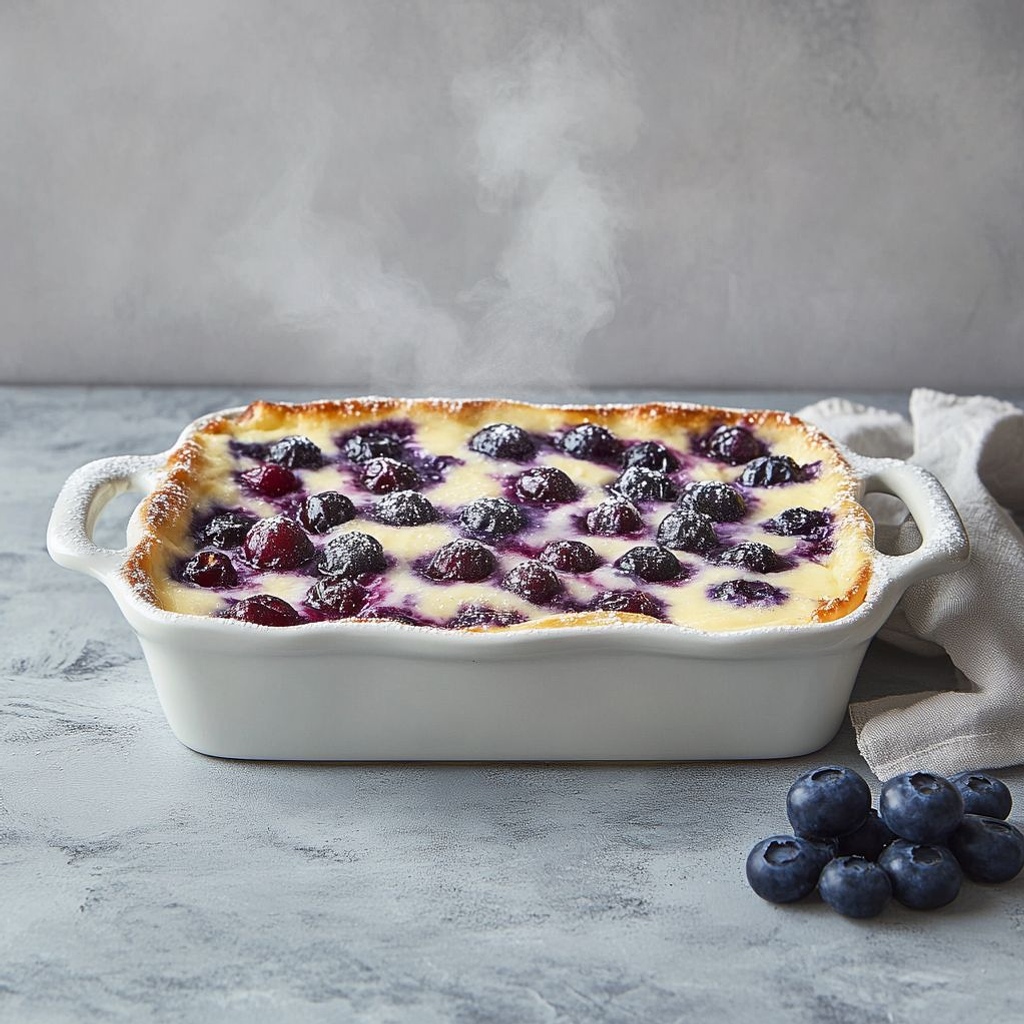
Picture a cozy kitchen on a sunlit morning, the oven softly humming as the air fills with an aroma that feels like a warm hug. You pull out a dish that glows with a faint, inviting sheen—the kind of glow that promises comfort, celebration, and a little bit of magic. Inside, jewel-like pools of sweetness glisten where berries meet cream, and a delicate, tender crust or bed of cake holds them in a gentle, forgiving embrace. This is not just a dessert or a breakfast; it’s a Blueberry and Cream Casserole—a dish that turns everyday moments into something memorable and special. When you slice into it, the top gives with a quiet crackle, the interior stays luxuriously moist, and each bite carries bright fruit notes tempered by velvety dairy richness. It’s the kind of dish that looks effortless, yet feels indulgent enough to serve when guests arrive, when a Sunday morning begs for a little ceremony, or when you simply want to savor the lingering sweetness of summer through the year.
The beauty of this casserole lies in its ability to weave together contrast and harmony: the tart-sweet bite of berries, the silken kiss of cream, and a gentle, comforting texture that isn’t too dense and isn’t too light. It invites you to spoon, savor, and slow down—an invitation to linger at the table, to share stories with family and friends, and to discover how a single pan of softly baked fruit can become the centerpiece of a memory. It’s a recipe that breathes comfort without weighing you down, elegance without fuss, and nostalgia without needing a grand occasion. It’s the kind of dish you reach for when you want something that feels celebratory yet approachable, refined enough for a holiday brunch and comforting enough for a quiet weeknight. In short, it’s the kind of dish that makes you smile before you even take your first bite, and keeps your smile growing with every mouthful thereafter.
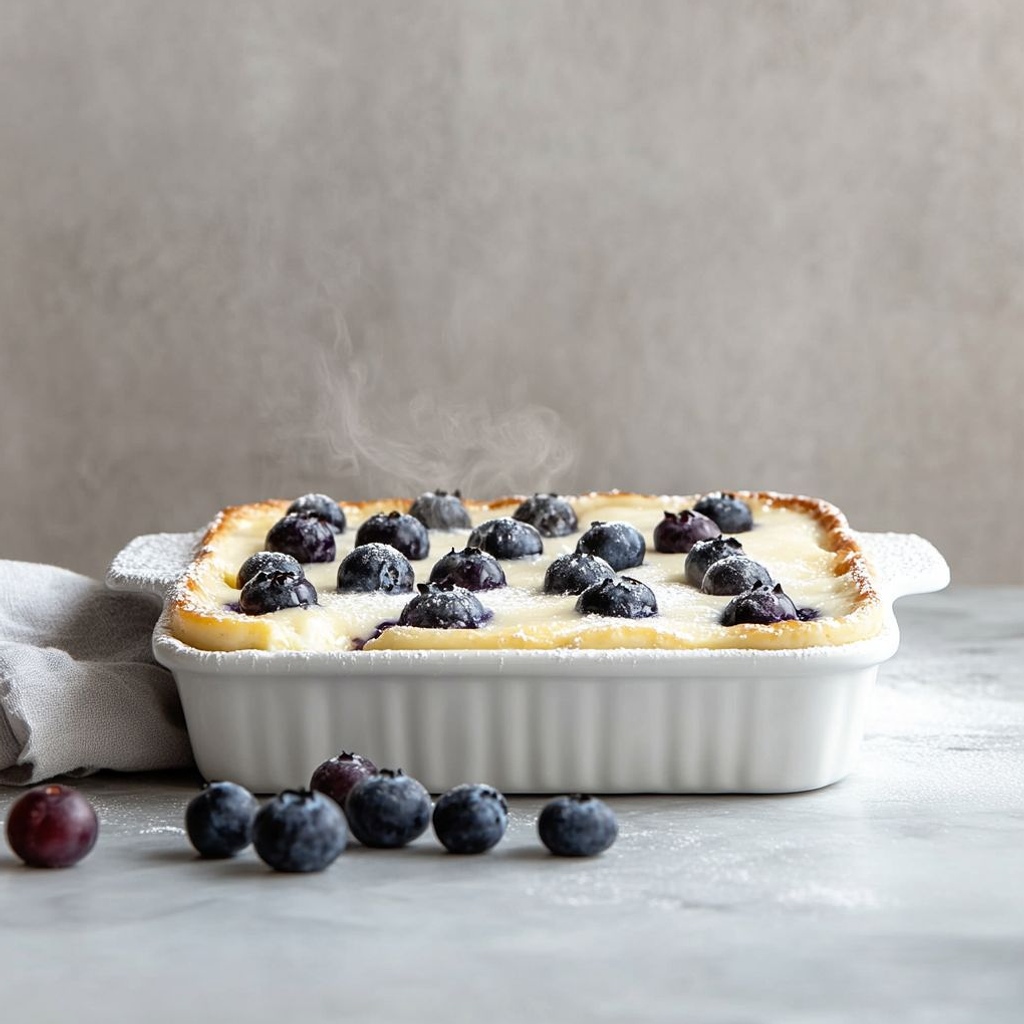
As you prepare to dive into this Blueberry and Cream Casserole, imagine the sensory symphony—the pale, creamy steam rising from the pan, the scent of vanilla and a hint of citrus drifting through the room, the pop of a berry as you cut through a tender, custardy center, and the satisfying contrast between a softly set interior and a light, almost crumbly top. This recipe invites you to play with textures and flavors: to let the fruit speak in bright notes, to let the cream lend a velvet hush, and to let a subtle, buttery crust or cake layer provide structure that keeps everything beautifully together. It’s a celebration of simple ingredients elevated by technique and patience, a reminder that comfort can be elegant, and that the best desserts often arrive not with grandeur but with a quiet, confident finish that lingers on the palate and in the memory.
In a world of flashy trends and one-off treats, this casserole stands as a timeless favorite: versatile, forgiving, and endlessly adaptable. It’s the kind of dish you can tailor to your pantry, your dietary needs, and your mood—whether you crave a vanilla-laced classic, a citrus-kissed brightness, or a dairy-free adaptation that still delivers that luscious creaminess. The experience is not just about the final slice; it’s about the anticipation—the moment you lift the lid and see the glossy surface, the way the room fills with warmth, and the shared excitement around the table as everyone anticipates that first, glorious bite. Welcome to a recipe that feels like home—even when you’re cooking for guests you’ve just met—with a name that promises comfort, charm, and a touch of berry-bright magic.
The Story Behind the Dish
Every family has a story that quietly centers around what gets baked, what drips from a spoon, and what emerges from the oven at the exact moment when everyone’s appetite converges. This Blueberry and Cream Casserole is the convergence of several generations of kitchen memories—the kind of dish that travels from a bustling farmers’ market to a sunlit breakfast nook, gathering a little more character with every rendition. Its lineage is a hybrid of two beloved American dessert traditions: the berry cobbler, with its bubbling fruit and swooping sweetness, and the bread pudding or custard-based center that hugs the fruit with gentle, comforting creaminess. The result is a dish that feels both nostalgic and fresh, a celebration of fruit in season and the dairy that makes every bite smooth and luxurious.
In one of my favorite small-town kitchens, a grandmother would arrive at weekend gatherings with a pan that looked ordinary on the outside but held within it a memory of summers spent wandering through berry patches. She’d tell stories of sun-warmed bushes and the way the berries burst when warmed, of cream from a neighbor’s cow and a pinch of cinnamon that somehow made the flavors feel like a cozy blanket on a chilly morning. The dish she improvised wasn’t a rigid recipe; it was a response to abundance, a practical indulgence that fed a crowd with warmth and generosity. Over time, that improvised bake became a beloved family ritual, adapted to the seasons and the pantry, and then shared with neighbors and friends who would linger at the table, licking the spoon, savoring the balance of tart fruit and creamy richness. That spirit—of abundance shared, of comfort made elegant with care—lives on in this casserole.
From there, the dish traveled with storytellers and cooks who liked to honor tradition while inviting a touch of modern ease. It found new life with the availability of ripe berries year-round and the flexibility of cream or dairy-free alternatives. It’s a dish that travels well between seasons because it doesn’t demand the exact fruit at the exact moment; its heart remains the same—a serene harmony of fruit, cream, and a soft, comforting structure. The name itself invites curiosity: Blueberry and Cream Casserole sounds like a celebration inside a pan, a small festival of color and texture that promises nourishment and delight in equal measure. And when you taste it, you’ll understand why this particular casserole has endured: it feels like a memory you’re tasting anew, a reminder that the simplest combinations—fruit’s brightness and dairy’s velvet—can create something endlessly comforting and surprisingly refined.
Why You’ll Love This Recipe
- Effortless weeknight or weekend treat: a single pan, minimal fuss, maximal comfort.
- Versatile and forgiving: adaptable to your pantry, dietary needs, and flavor preferences.
- Balanced texture: a gentle, custard-soft interior with a light, inviting top that offers just a touch of crunch.
- Bright, uplifting flavor: the natural tartness of fruit softened by creamy richness, with hints of vanilla, citrus, and warmth from a subtle spice or pastry crumb.
- Perfect for crowd-pleasing settings: breakfast gatherings, brunches, potlucks, family dinners, or as a show-stopping dessert after a simple meal.
- Make-ahead friendly: it can be assembled in advance and finished with a bake when you’re ready to serve, simplifying entertaining.
- Comforting as a dessert or a luxurious breakfast: you can savor it in multiple ways, depending on your mood and the occasion.
- Kid-friendly appeal: naturally sweet and creamy, with a bright fruity note that invites little tasters to explore texture and flavor.
Flavor Profile & Texture
The flavor profile of this casserole is a study in balance. The fruit brings a bright, tangy, and slightly tart note that wakes up the senses, while the cream provides a mellow, velvety backbone that rounds the edges and soothes the palate. There’s a whisper of vanilla—a warm, almost toasted sweetness that lingers after each bite—along with a hint of citrus that lifts the dish and keeps it from feeling one-dimensional. Depending on how you adapt it, you can introduce a touch of spice or a crumbly topping that adds a gentle, toasty crust.
Texture-wise, you’re treated to contrasts that delight with every forkful. The interior can feel like a soft custard or a tender, bread-pudding-like cradle that gently embraces the fruit. The top—whether it’s a delicate cake-like layer, a crumb crust, or a thin, lightly crisped finish—offers a subtle bite that breaks through the creaminess. The result is a multi-layered mouthfeel: creamy, fruity, soft, and then a whisper of crunch. When hot, the dish envelops you in steam and fragrance; when cooled slightly, the flavors settle and intensify, allowing the fruit’s brightness to reemerge in a more concentrated way. It’s this dynamic interplay between silk and snap, between warmth and lightness, that makes the casserole feel plush and luxurious without ever feeling heavy.
In scent terms, imagine the kitchen filling with notes of vanilla, a hint of citrus zest, and a gentle sweetness that evokes lemon-curd brightness without being overpowering. The fruit’s aroma—almost berry-sweet with a touch of tartness—meets the creamy backdrop and creates an olfactory invitation that makes the first slice irresistible. The sensory experience—sight, smell, and texture—works together to create a dish that feels both celebratory and intimate, like a well-timed embrace from a trusted friend.
Occasions & Pairings
This casserole shines on a spectrum of occasions, from holiday mornings to casual weekend brunches to comforting weeknight desserts. It’s the kind of dish you might prepare when you want to stand a little taller in the kitchen without spending hours standing by the stove. It’s versatile enough to serve as a dessert after a simple dinner, or as a centerpiece for a more leisurely breakfast or brunch spread. It also travels well for potlucks and family gatherings, because it holds together beautifully in the oven and remains delightful whether served fresh from the oven or later in the day.
Pairing this dish with other foods and drinks can elevate the experience even further. A dollop of whipped cream or a scoop of vanilla ice cream adds a creamy counterpoint that enhances the dish’s indulgent feel. A light dusting of lemon zest or a squeeze of citrus can brighten the overall flavor, making it feel fresher and more vibrant. Pair it with:
- Freshly brewed coffee, especially a smooth medium roast, to balance the creaminess with a gentle roasted note.
- Espresso or a latte for a more luxurious breakfast or brunch setting.
- Vanilla or lightly sweetened whipped cream for extra creaminess and a touch of elegance.
- A sparkling beverage, such as a lightly sweetened soda or a dry sparkling wine, for a celebratory brunch.
- Simple side dishes like a light green salad or a crisp fruit chorus to contrast the richness.
- A wedge of citrus or a citrus-forward dessert to echo the brightness in the dish and cleanse the palate between bites.
For seasonal pairings, let the time of year guide your accompaniments. In berry season, serve with a simple herb-scented yogurt or a dollop of whipped cream to emphasize freshness. In cooler months, pair with a cinnamon-tinged coffee or a warm vanilla custard to echo the creamy core of the dish. The versatility of this casserole makes it a reliable guest-pleaser for nearly any occasion, and its warm, inviting presentation invites guests to linger, chat, and savor the moment together.
Tips, Variations & Substitutions
One of the joys of a well-crafted casserole is its adaptability. Here are ideas to customize this Blueberry and Cream Casserole to suit different tastes, dietary needs, and pantry inventories. Use these as starting points, then trust your senses to guide adjustments.
- Make it dairy-free or vegan: swap traditional cream for a plant-based cream or coconut cream and choose a dairy-free topping or crumb; the result remains luscious and silky, with the fruit shining through.
- Gluten-free option: if you want a crisper topping, consider a gluten-free crumb or almond-flour-based topping that adds a gentle nutty aroma while keeping the interior tender.
- Fruit variations: while blueberries are lovely, this concept works with other berries or stone fruits. Raspberries, blackberries, or diced peaches can bring different brightness and depth; adjust sweetness to balance tartness.
- Flavor boosters: a tiny vanilla pod scrape or a kiss of citrus zest near the end of baking can illuminate the dessert without overpowering the fruit. A pinch of warm spice, such as cinnamon or nutmeg, can offer a comforting, familiar note if you desire.
- Texture play: for a more cake-like interior, lean into a lightly sweetened batter or a soft bread-like layer. For a more custard-like center, reduce sugar slightly and introduce a whipped-egg highlight in the batter (if appropriate for your dietary needs).
- Sweetness level: if you prefer a less sweet version, reduce any added sugar in the base by a small amount and let the fruit’s natural sweetness carry more of the flavor profile.
- Make-ahead tips: you can assemble this casserole the night before and refrigerate; bake the next day for a fresh, warm dish that’s ready to serve with minimal effort. If you bake from chilled, allow a few extra minutes for the center to set fully.
- Portion flexibility: this dish can be scaled up for larger gatherings or scaled down for intimate moments. The proportions are forgiving, making it easy to adjust to your needs.
Storage & Make-Ahead Ideas
Like many comforting desserts and brunch favorites, this casserole benefits from a thoughtful approach to storage and planning. Properly stored, it stays delicious and texturally pleasing for several days, allowing you to enjoy it across multiple meals or as a welcome treat for visitors. If you’re preparing ahead, you’re in luck—the dish lends itself to a make-ahead workflow that preserves its creamy texture and fruit brightness.
Storage directions in general terms:
- Refrigeration: store leftovers in an airtight container or in the original pan covered tightly for up to three days. The flavors often deepen with time, and the texture can become even more cohesive as the pieces rest and rehydrate slightly.
- Reheating: gently reheat portions to just warm through, ideally in a low oven or a microwave at short bursts to avoid drying the edges. If the surface has cooled and firmed, a brief return to warmth can restore softness and moisture to the interior.
- Freezing: you can freeze unbaked or baked portions for later. If freezing, it’s best to wrap well to prevent freezer burn and preserve texture. When ready to enjoy, thaw and bake or reheat until thoroughly warm and the surface is tender and inviting.
- Make-ahead assembly: for a relaxed morning, assemble the core components the night before and store in the refrigerator. In the morning, bake or reheat and finish with any preferred topping right before serving to maintain a fresh, appealing finish.
Fun Facts & Trivia
Here are a few tidbits that highlight the charm and story of this dish and its star ingredients. These little-known details can enrich your appreciation as you prepare and share the casserole with others.
- Blueberries have a long-standing association with summer and harvest time in North America. They are celebrated for their vibrant color, juicy bite, and naturalmente sweet-tart balance that makes them ideal for desserts, breakfast dishes, and sauces alike.
- Cream, in its many forms, has been a culinary staple across cultures for centuries. The way it pairs with fruit in baked desserts is a universal comfort: dairy’s velvety texture softens acidity and lends a luxurious mouthfeel without overloading sweetness.
- The concept of a “casserole” as a comforting, one-dish dish traces back to practical meals designed to feed families with minimal effort while delivering maximum satisfaction—a heritage that this blueberry-focused version honors by combining fruit, cream, and a gentle top in a single pan.
- Fruit-based baked desserts like this casserole can be surprisingly adaptable to seasonal ingredients, making them a reliable bet for week-to-week cooking. The same technique can be used with a spectrum of fruits, ensuring that you can respond to what’s freshest and most affordable in your market.
- In some culinary traditions, berries are celebrated not just for flavor but for color symbolism—blue and white tones can evoke coolness, purity, and serenity, while the warm, creamy tones in this dish bring a sense of comfort and hospitality to the table.
Closing Thoughts
Embrace the gentle luxury of this Blueberry and Cream Casserole as a versatile cornerstone of your culinary repertoire. It’s a dish that invites both quiet, personal indulgence and warm, communal sharing. It speaks to the idea that comfort doesn’t demand complexity; rather, it thrives on a few high-quality elements harmonized with care. Whether you’re hosting a festive brunch, celebrating a small victory, or simply treating yourself after a long day, this casserole offers a gracious, delicious moment that lingers long after the last spoonful. So preheat the oven, let the room fill with those comforting aromas, and prepare to welcome friends, family, and a little bit of berry-bright poetry into your kitchen. The Blueberry and Cream Casserole is ready to make your day a touch brighter, one luscious slice at a time.
Ingredients
Blueberry and Cream Casserole
Cream Layer
-
– 8 oz (225 g) cream cheese, softened
→ This forms the creamy, tangy base for the dessert layer. Soften at room temperature to 60 minutes or until completely pliable, then beat until completely smooth to avoid lumps. When adding eggs, whisk them separately and temper into the mixture to prevent curdling; fold in the cream and a pinch of salt for balance.
– 1/3 cup granulated sugar
→ Sweetens the cream cheese base and helps achieve a silky custard texture when beaten with the other creamy ingredients. If you prefer a less sweet dessert, reduce slightly, but mix well to avoid gritty texture; for smoother results, use superfine sugar.
– 1 teaspoon pure vanilla extract
→ Provides depth and aroma to the creamy layer. Use high-quality pure vanilla for best flavor; if you have vanilla bean paste, you can substitute 1/2 teaspoon for a stronger vanilla note and visible specks.
– 2 large eggs, room temperature
→ Eggs give structure and help the custard set while staying tender. Beat eggs separately and add gradually to the cream cheese mixture to prevent scrambling; temper by whisking in a small amount of the warm mixture before fully incorporating.
– 1 cup heavy cream
→ Adds richness, moisture, and a light, custardy texture to the filling. Use cold cream for easier incorporation; if you want a lighter result, substitute half-and-half, but expect a looser set.
– 1/4 teaspoon fine sea salt
→ Balances the sweetness and enhances the other flavors. Ensure it is evenly dispersed by whisking it into the cream cheese mixture before adding eggs.
Berry Filling
-
– 3 cups fresh blueberries, rinsed and thoroughly dried
→ The star of this casserole. Choose plump, firm berries for the best texture; if using frozen berries, thaw completely and drain excess liquid to prevent a soggy filling. Gently pat dry to keep color bright and prevent bleeding.
– 2 tablespoons granulated sugar
→ Sweetens the berries and helps balance tartness. Adjust to taste depending on the sweetness of your berries; toss with the berries to coat evenly before thickening.
– 2 tablespoons cornstarch
→ Thickening agent that helps set the berry layer as it bakes without making it gummy. Mix cornstarch with a tablespoon cold water or a bit of lemon juice to form a smooth slurry before stirring into the berries to avoid lumps.
– 1 tablespoon fresh lemon juice
→ Brightens the berry flavor and helps the filling hold its color. Use freshly squeezed juice for the best aroma; avoid bottled varieties that can have a flat flavor.
– 1 teaspoon lemon zest (optional)
→ Adds fragrant citrus aroma that complements blueberries. Zest the lemon before juicing to capture essential oils; use a fine grater to avoid bitter pith.
– 1/4 teaspoon fine sea salt
→ Enhances berry flavor and helps balance sweetness. If your berries are very tart, you may increase this by a pinch, but start small and taste as you go.
Crumble Crust
-
– 1 1/2 cups graham cracker crumbs (or gluten-free graham crackers)
→ This forms a crunchy base that supports the creamy layer. If using gluten-free crackers, choose a brand that behaves similarly to traditional graham crackers. You can also substitute digestive biscuits or crushed cookies with a similar sweetness and texture.
– 4 tablespoons unsalted butter, melted
→ Binds the crumbs into a cohesive crust and adds richness. Ensure butter is fully melted and warm but not hot when mixing with the crumbs, so the crust holds together without becoming greasy.
– 2 tablespoons granulated sugar
→ Adds sweetness to the crust and helps with browning. If you’re using a sweeter biscuit crumb, reduce this slightly. Mix into the crumbs evenly before pressing into the pan.
– Pinch of salt
→ Elevates flavor and prevents the crust from tasting flat. Sprinkle over the crumbs and mix to distribute evenly.
Optional Add-ins
-
– 1/3 cup sliced almonds, toasted (optional)
→ Adds a contrasting crunch and nutty flavor. Toast the almonds in a dry skillet until fragrant and lightly browned before stirring into the crumb mixture or scattering on top before baking. Toasting enhances aroma and texture; avoid burning.
– 1/3 cup white chocolate chips (optional)
→ Introduces creamy sweetness that pairs nicely with blueberries. Fold chips into the berry filling just before assembling or sprinkle on top for melty pockets. Use good-quality white chocolate for best flavor. Keep chips evenly distributed so every bite has something special.
Optional Toppings
-
– Powdered sugar for dusting, about 1–2 tablespoons
→ Lightly sweetens the finished dish and adds a delicate decorative touch. Sift over the top after baking once the casserole has cooled a bit to prevent clumping and to keep the presentation tidy.
– Whipped cream, for serving, 1 cup (240 ml)
→ Adds a silky, airy contrast to the dense custard. Whip cold heavy cream with a touch of vanilla and a pinch of sugar until soft peaks form; keep refrigerated until serving. Add a dollop on top or pipe around the edges for a restaurant-style finish.
– Lemon zest for garnish (optional)
→ Enhances aroma and color when sprinkled lightly over the whipped cream or dusted sugar. Use a microplane to obtain fine zest, avoiding the bitter white pith.
Instructions
- Preheat your oven to 350°F (175°C) and grease an 8×8-inch baking dish or line it with parchment paper to prevent sticking and ensure clean removal after chilling.
→ A consistent oven temperature and properly prepared pan are essential for even baking and neat slices. - Make the crumble crust by combining 1 1/2 cups graham cracker crumbs, 2 tablespoons granulated sugar, and a pinch of salt in a bowl, then pour in 4 tablespoons melted unsalted butter and mix until the mixture resembles wet sand that clumps when pinched.
→ This creates a cohesive, crisp base that supports the creamy layer without becoming greasy. - Press the crust mixture evenly into the prepared pan, covering the bottom and lightly up the sides to form a uniform base about 1/4 inch thick; use the flat bottom of a measuring cup to compact firmly and avoid air pockets.
→ Even compression yields a stable foundation that bakes through evenly and slices cleanly. - Bake the crust for 8 minutes in the preheated oven until it is just set and fragrant, then remove from the oven and let it cool on a rack while you prepare the filling.
→ A brief prebake sets the crust so it does not become soggy once the creamy layer is added. - In a large mixer bowl, beat 8 oz (225 g) of softened cream cheese with 1/3 cup granulated sugar and 1 teaspoon pure vanilla extract until completely smooth and lump-free; scrape the bowl to ensure even texture.
→ A smooth base prevents lumps in the final custard and distributes vanilla evenly for balanced flavor. - Add 1/4 teaspoon fine sea salt to the cream cheese mixture, then beat in 2 large eggs one at a time, allowing each to fully incorporate before adding the next to avoid curdling; if the mixture appears glossy but slightly separated, whisk a little more to emulsify.
→ Properly incorporated eggs provide structure and a creamy, custardy set without curdling. - Beat in 1 cup heavy cream until the filling is silky and homogeneous, taking care not to whip it into stiff peaks; the goal is a rich, pourable custard that holds its shape as it bakes.
→ Heavy cream adds moisture and tenderness to the cream layer, contributing to a luscious texture. - Pour the cream cheese custard over the cooled crust and smooth the surface with an offset spatula to ensure an even thickness, aiming for about 1/2 inch depth of filling.
→ A uniform layer promotes even baking and neat slices, avoiding thick or thin spots. - Prepare the berry filling by rinsing 3 cups fresh blueberries, then in a bowl toss them with 2 tablespoons granulated sugar and 1/4 teaspoon fine sea salt; in a separate small bowl, whisk 2 tablespoons cornstarch with 1 tablespoon cold water to make a smooth slurry, then stir the slurry into the berries along with 1 tablespoon fresh lemon juice and, if using, 1 teaspoon lemon zest. Let stand 5–10 minutes.
→ Sugar enhances flavor, salt balances sweetness, and cornstarch thickens the juices so the berries stay glossy and cohesive as they bake. - Optionally, toast 1/3 cup sliced almonds in a dry skillet over medium heat just until fragrant and lightly browned, about 3–5 minutes, then cool; you can fold these into the crumb mixture for extra crunch or sprinkle them over the top before baking.
→ Toasting deepens almond aroma and flavor; it also adds a pleasing crunch when baked. - Optionally, if using white chocolate chips, measure 1/3 cup and set aside to fold into the berry filling just before assembling or scatter on top for pockets of melted sweetness; distribute evenly so each slice contains a bit of chocolate.
→ White chocolate pairs beautifully with blueberries, creating creamy pockets of sweetness within the tart fruit. - Spread the prepared berry filling evenly over the cream cheese layer, taking care not to overload any area and to leave a small border at the edges to prevent overflowing juices during baking.
→ An even berry layer ensures consistent baking and a visually appealing result with harmonious flavors. - Bake the assembled casserole at 350°F (175°C) for 35–45 minutes, until the edges are set and the center yields a gentle wobble; if the top browns too quickly, tent loosely with foil after the first 25 minutes.
→ Gentle, steady heat sets the custard and berries without scorching, and tenting prevents over-browning. - Allow the casserole to cool in the pan on a rack for 20–30 minutes, then refrigerate for at least 2 hours or until thoroughly chilled to improve sliceability and flavor melding.
→ Chilling firms the custard and berry layers, making clean cuts and enhancing the overall texture. - Right before serving, dust with 1–2 tablespoons powdered sugar and dollop whipped cream (about 1 cup) if desired; optionally shave a little lemon zest over the top for bright aroma.
→ The sugar finish adds delicate sweetness, whipped cream provides a light contrast to the dense custard, and lemon zest adds a fresh citrus aroma. - Slice into squares and serve chilled or at room temperature; store any leftovers in an airtight container in the refrigerator for up to 3–4 days.
→ Proper storage maintains texture and prevents the dessert from drying out, keeping flavors intact for later enjoyment.
Notes
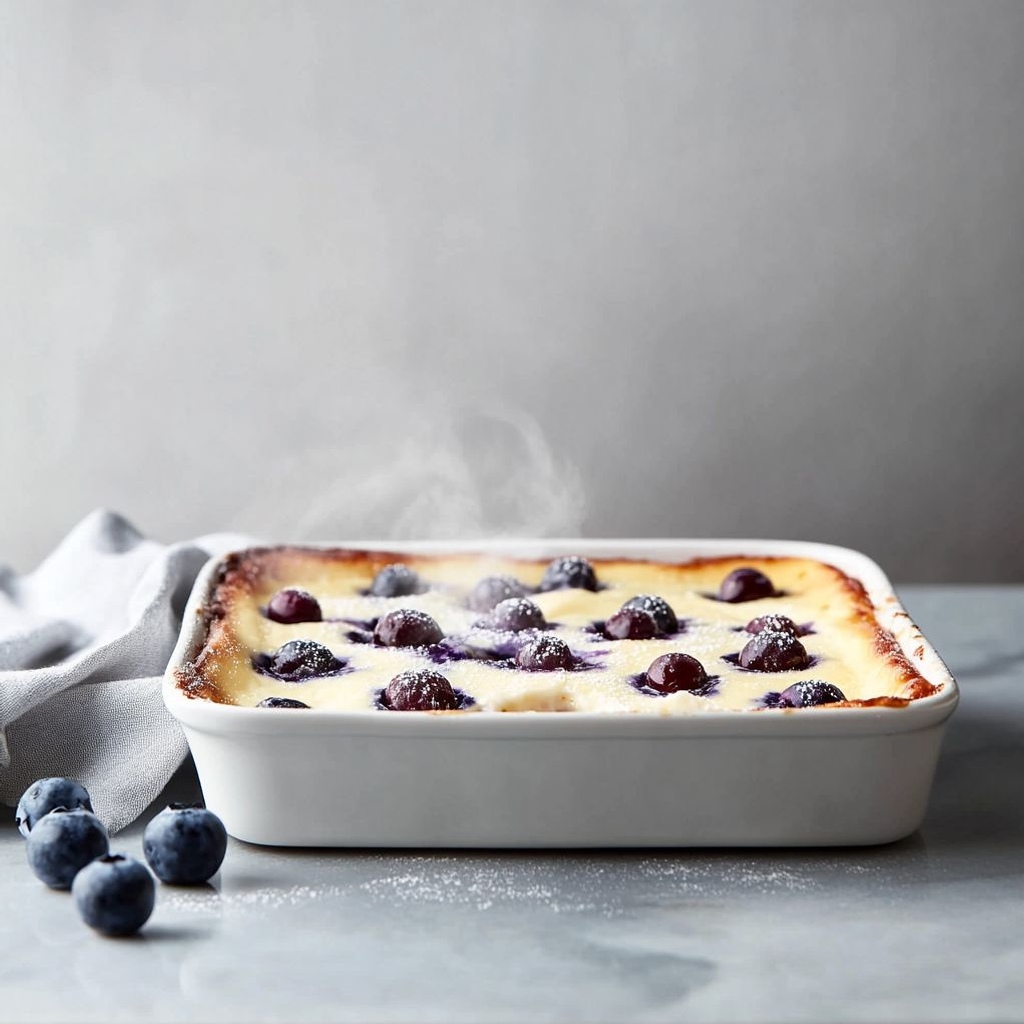
These blueberry and cream casserole notes offer a rich, creamy dessert with a bright blueberry layer and a crumb crust. For best results, soften the cream cheese and eggs to room temperature before mixing to ensure a silky custard without lumps; whisk eggs separately and temper into the cream cheese mixture to prevent curdling, then fold in heavy cream and a pinch of salt. Keep the berry filling vibrant by sprinkling blueberries with the cornstarch mixture, lemon juice, and optional lemon zest; if using frozen berries, thaw completely and pat dry to avoid a soggy middle. Prepare the crust by mixing graham cracker crumbs with melted butter, sugar, and a pinch of salt, then press firmly into the pan and bake briefly if your recipe calls for a par-bake; gluten-free crackers are a fine substitute. To assemble, layer the berry filling over the crust, then pour the prepared cream cheese custard over the top; bake until the center just jiggles, then cool completely and refrigerate to set. Optional add-ins like toasted almonds or white chocolate chips can be folded into the berry layer or sprinkled on top before baking for texture and contrast. Serve chilled or cooled with a dusting of powdered sugar and a dollop of whipped cream; lemon zest on top adds a bright aroma. Storage: refrigerate up to 3–4 days; the dessert can be made a day ahead and kept refrigerated; freeze baked portions for longer storage, defrost overnight in the fridge before serving.
Tips
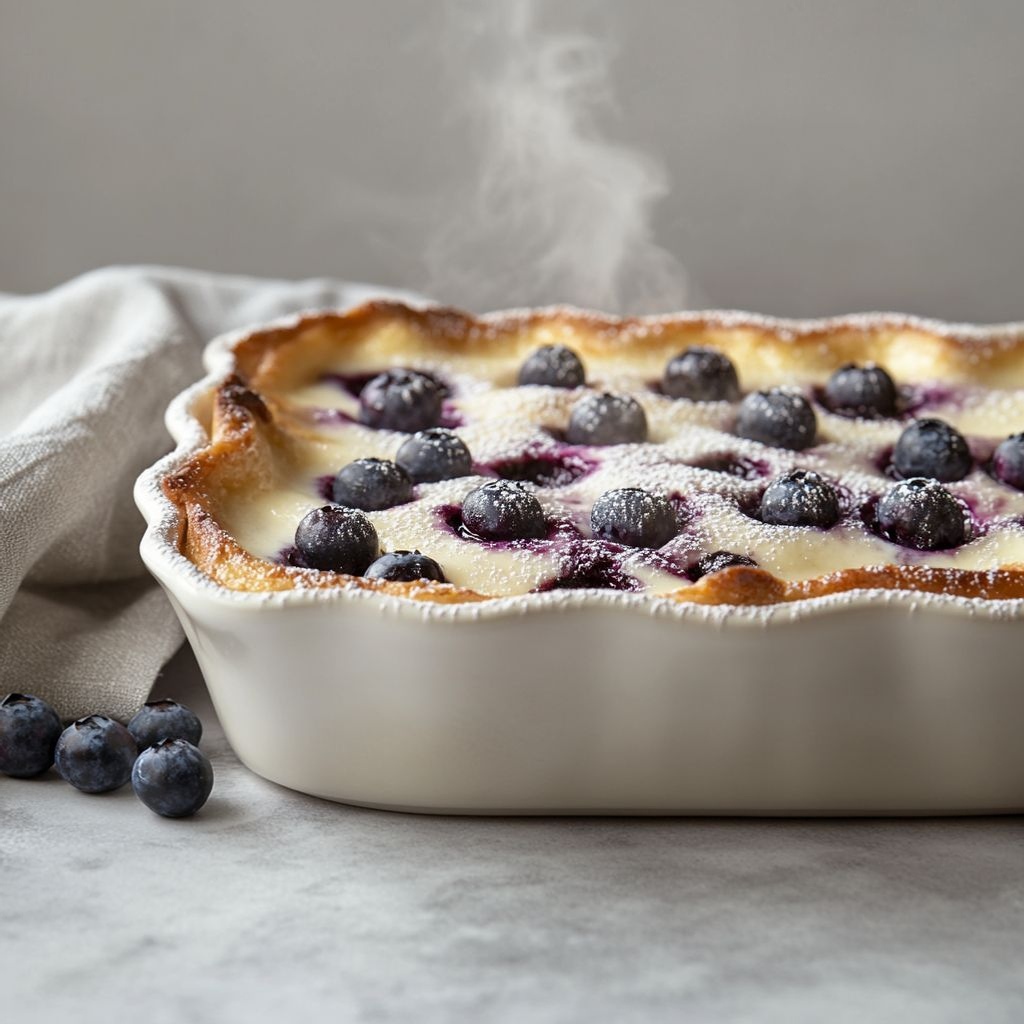
Tips for Making Blueberry and Cream Casserole
- Prep and measure ahead (mise en place): Have the cream cheese softened, eggs at room temperature, blueberries dried, and the butter melted before you start. This helps the custard come together smoothly and prevents lumps.
- Cream layer texture: Beat the cream cheese with sugar, vanilla, and salt until completely smooth before adding the eggs. Add eggs one at a time, fully incorporating after each addition, and temper the eggs by whisking in a little of the warm mixture before folding in the cream to prevent curdling.
- Avoid curdling and air bubbles: For a silkier custard, add eggs in a slow, steady stream and mix on low speed or by hand just until combined. Do not overbeat after the eggs are added, or you may trap air and cause cracks while baking.
- Better flavor from quality ingredients: Use full-fat cream cheese and heavy cream as listed (or half-and-half for a lighter texture). Real vanilla and freshly squeezed lemon juice enhance the flavors; if you have vanilla bean paste, it’s a great substitute.
- Creme balance: The pinch of salt in both layers helps balance sweetness and brighten flavors. If your berries are very tart, a touch more salt in the berry filling can help.
- Berry filling color and texture: Fresh blueberries give the best color and texture. If using frozen berries, thaw completely, drain excess liquid, and pat dry to prevent a soggy filling. When thickening, mix cornstarch with a little cold water to form a slurry to avoid lumps.
- Flavor boosters for the berry layer: Fresh lemon juice brightens the blueberries; lemon zest adds a fragrant aroma. Zest before juicing to capture the oils. If you prefer a subtler citrus, omit the zest.
- Crust tips for a sturdy base: Use graham cracker crumbs with melted butter and a pinch of salt pressed evenly into the pan. If you want a crisper crust, you can prebake it for 8–10 minutes before adding the filling (let it cool completely).
- Optional add-ins: Toasted almonds add crunch and nuttiness; white chocolate chips introduce creamy pockets of sweetness. Fold almonds into the crust or sprinkle on top; distribute chips evenly for bites that pop with flavor.
- Layering for even baking: Spread the berry filling evenly, then spoon or pipe the cream layer on top. Use a spatula to smooth the surface, which helps the crumble bake uniformly.
- Baking and cooling: Bake until the center is just set and the edges are lightly puffed. The center may still wobble slightly when hot; it will firm up as it cools. Allow to cool at room temperature, then refrigerate for at least 2–4 hours for clean slicing.
- Serving and presentation: Just before serving, dust with powdered sugar or add a dollop of whipped cream. A light sprinkle of lemon zest over the whipped cream adds a bright note and attractive contrast.
- Make-ahead and storage: Assemble the casserole a day ahead and refrigerate. Bake as directed or bake from cold with a few extra minutes if needed. Leftovers keep in the fridge for 3–4 days; chill promptly and store in an airtight container.
- Flavor variations: For a different citrus note, try orange zest or a splash of vanilla bean paste. For a gluten-free version, use gluten-free graham crackers or digestive biscuits and verify all ingredients are certified gluten-free.
FAQ
Blueberry and Cream Casserole – FAQ
What is Blueberry and Cream Casserole?
A comforting baked dish that layers juicy blueberries with a rich, creamy custard and a light, tender topping. It’s versatile for breakfast, brunch, or dessert.
What ingredients do I need?
Typical ingredients include:
- Blueberries (fresh or thawed frozen)
- Granulated sugar
- Lemon juice and zest (optional, for brightness)
- Cornstarch (to thicken the berry filling)
- Cream or half-and-half
- Eggs
- Vanilla extract
- All-purpose flour (or gluten-free flour for GF version)
- Unsalted butter, melted
- Milk
- Salt and optional ground cinnamon
Can I make this ahead?
Yes. You can assemble the casserole and refrigerate it unbaked for up to 24 hours. Bake it when you’re ready to serve. You can also bake it, let it cool completely, and refrigerate or freeze for later reheating.
How long and at what temperature should I bake it?
Preheat to 350°F (175°C). Bake for about 45–55 minutes, until the center is set and the top is lightly golden. If the edges brown too quickly, loosely tent with foil.
Can I use frozen blueberries?
Yes. Use thawed and drained blueberries. You may want to increase the bake time by 5–10 minutes to ensure the filling thickens properly and the topping cooks through.
Is this dish gluten-free or can I make it gluten-free?
The traditional version uses flour, but you can make a gluten-free version by using a 1:1 gluten-free flour blend in place of all-purpose flour. Ensure the cornstarch is gluten-free. For the topping, you can also use a gluten-free crumb or oat-free mix.
How many servings does it yield?
About 6–8 servings, depending on how large you cut the portions and whether you serve it as a dessert or a hearty breakfast.
How should I store leftovers?
Store leftovers in an airtight container in the refrigerator for 3–4 days. Reheat in the oven at 325°F (165°C) until warmed through, or use a microwave for quick portions. You can freeze baked portions for up to 2 months; thaw in the fridge before reheating.
Can I make a dairy-free or vegan version?
Yes. To make dairy-free, substitute plant-based milk (almond, soy, or coconut) for the cream, use dairy-free butter, and consider a vegan egg substitute (for example, 1 tablespoon ground flaxseed mixed with 3 tablespoons water per egg). You can also replace eggs with a small amount of cornstarch and an extra teaspoon of vanilla for thickening, but the texture will be slightly different.