Introduction / Hook
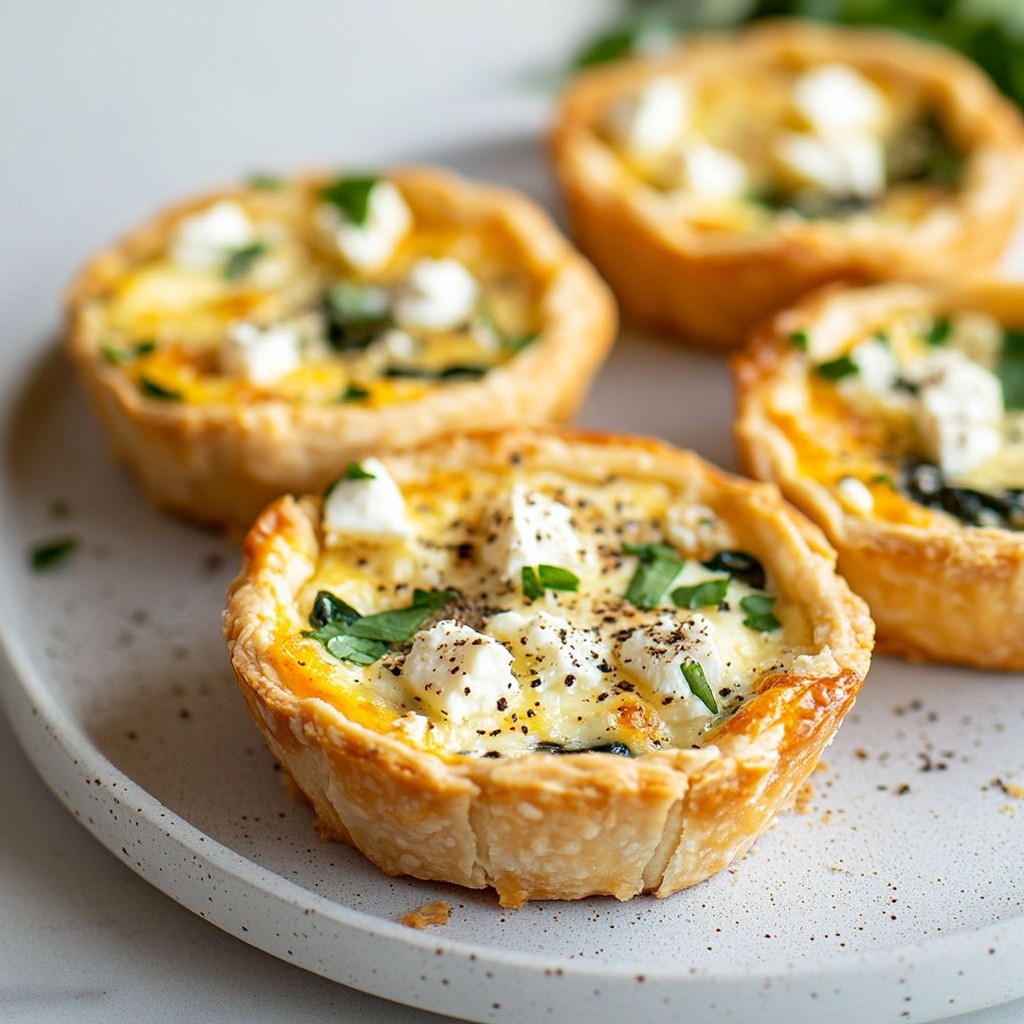
Imagine a bite-sized treasure that fuses comfort with science, a pastry that’s as friendly to your macros as it is to your taste buds. Protein Tarts are the kind of snack that feels like a treat but behaves like a power-up for your day. Picture a delicate, golden crust that gives a satisfying crunch, giving way to a savory, protein-packed filling that sings with personality. They’re portable, elegant enough for a brunch crowd, and sturdy enough to survive a lunchbox or a post-work gym session. This isn’t your typical snack fare; it’s a thoughtful balance of texture, flavor, and nourishment that invites experimentation, customization, and a little bit of culinary mischief. If you’ve ever wished for a quiche that didn’t demand hours of kitchen time, or a tart that could fuel a family dinner or a solo workout, you’ve found a versatile contender in Protein Tarts. They promise versatility—savory or vegetarian, dairy-forward or dairy-free, gluten-free or gluten-inclusive—while keeping the focus squarely on protein power without compromising on flavor or charm.
The Story Behind the Dish
The concept of “tarts” has traveled through centuries of European kitchens, evolving from simple meat pies and custard-filled puffs to modern, portable formats that suit contemporary eating habits. Protein Tarts sit at the crossroads of tradition and nutrition-forward cooking. They borrow the elegance of a classic tart—its fluted edge, its neat, bite-size portioning—while infusing it with the practical twist of extra protein to satisfy hunger and support active lifestyles. The idea often arises in kitchens where busy mornings collide with the desire for a nourishing, shareable meal. Chefs and home cooks alike discovered that a sturdy crust, when paired with a robust filling, could hold its shape, reheat gracefully, and travel well without losing its allure. The name “Protein Tarts” hints at this harmony: you’re not just eating a pastry; you’re savoring a crafted balance of texture, taste, and nutrition.
There’s a story in the ingredients themselves too. Eggs, dairy, legumes, lean meats, fish, and plant-based proteins each contribute their own characters: eggs provide structure and velvety richness; cheese lends depth and savor; legumes and tofu bring earthiness and resilience; and lean proteins like chicken or turkey offer clean, bright flavors that pair beautifully with herbs, citrus, and aromatics. In many homes, these bites become a creative canvas—a place to honor family favorites, dietary needs, or seasonal produce—transformed into tart form so that the goodness is both visible and portable. The beauty of Protein Tarts lies not in rigidity but in invitation: an invitation to swap fillings, to adjust textures, and to tailor them to your kitchen, your crowd, and your constraints. They’re comfort food that travels well, a pantry-friendly project that yields results you can feel good about.
Why You’ll Love This Recipe
- High-Protein, Low-Guilt: Each tart offers a thoughtful protein punch, helping you feel full longer and supporting muscle maintenance after workouts or busy workdays.
- Ultra-Adaptable: The concept works with a spectrum of fillings—from turkey and spinach to mushroom, feta, and herbs, or chickpeas, olives, and roasted peppers for a vegetarian option.
- Make-Ahead Friendly: Tarts bake beautifully in advance and reheat nicely, making them ideal for meal prep, Sunday batches, or party platters.
- Kid-Approved and Adult-Desirable: They strike a balance between familiar flavors and a touch of sophistication, appealing to both little taste buds and grown-ups alike.
- Gluten-Free, Dairy-Free, and Vegan Variations: With a few swaps, you can tailor crusts and fillings to fit many dietary needs without sacrificing flavor or structure.
- Portability: The tart format is perfect for lunches, picnics, road trips, or a post-workout snack on the go, maintaining sturdiness and flavor.
- Flavor-Forward but Simple: While you can go bold with spices and toppings, you’re never required to rely on exotic ingredients—great ingredients, basic technique, and a little imagination go a long way.
Flavor Profile & Texture
Protein Tarts delight the palate with a harmonious contrast of textures. The crust—whether a traditional shortcrust enriched with protein-friendly elements, an almond-flour crust for a nutty, light bite, or a chickpea-based dough with a hint of olive oil—offers a crisp, golden edge that yields to a tender, slightly crumbly interior. The crust is more than a vessel; it’s a carrier of texture and flavor, offering a subtle nuttiness, a whisper of butter or olive oil, and the satisfaction of a well-formed bite.
The filling is where personality takes flight. Savory fillings treat the palate to a balanced mix of protein, herbs, and vegetables. Think tender shards of chicken or turkey mingling with wilted greens, punctuated by tangy feta or goat cheese, bright lemon zest, and peppery arugula. Or imagine a vegetarian option where creamy ricotta or silken tofu meets roasted peppers, sautéed mushrooms, spinach, and a kiss of garlic. The protein acts as the anchor, providing fullness and structure, while aromatics—garlic, shallots, lemon, dill, thyme—lift the dish and carry it through the crust’s richness. A touch of acidity—citrus zest, a splash of vinegar, or a spoon of tangy yogurt—keeps the flavors vibrant and prevents heaviness from dulling the palate. Texture-wise, you’ll enjoy the contrast: the crisp edge yielding to a creamy, almost custard-like interior, interlaced with bits of tender protein and the soft bite of vegetables or legumes. The cheese can melt into a velvety melt, or be lightly crisped on top for a delicate crusty top that crackles when bitten. In short, Protein Tarts offer a carefully choreographed affair of crunch, creaminess, savoriness, and lift—the kind of dish that makes you linger at the table, even as you reach for another tartlet.
Occasions & Pairings
Protein Tarts shine in a variety of settings, each offering its own excuse to celebrate the dish. They are equally at home on a casual weeknight supper table or as an elegant addition to a brunch spread, a baby shower, a health-focused potluck, or a post-workout recovery meal. The portability makes them ideal for lunch boxes, picnics, and flight-friendly snacking. For special occasions, you can present an assortment of fillings to showcase color, texture, and protein variety, turning a simple snack into a centerpiece.
Pairing ideas to complete the experience:
- Light salads with citrus vinaigrettes to cut through richness, such as arugula with shaved fennel, orange segments, and a crisp vinaigrette.
- Fresh herbs and yogurt-based dips as a bright contrast on the side, especially with dairy-forward fillings.
- Steamed or roasted vegetables that echo the tart’s flavors, like asparagus, roasted peppers, or baby greens tossed in olive oil and lemon.
- Crusty bread or a whole-grain toast for those who want a more substantial base to scoop with.
- A sparkling beverage or a light white wine that complements the savory, protein-rich profile without overpowering it.
When it comes to occasions, think broadly: weekend brunches, holiday breakfast buffets, quick weekday dinners, après-gym fuel sessions, and elegant hors d’oeuvres for a cocktail party. They adapt to the vibe you’re aiming for—playful and casual or refined and thoughtful—without sacrificing their nutrition-forward appeal.
Tips, Variations & Substitutions
The beauty of Protein Tarts is that the core principle—a sturdy crust with a protein-rich filling—lends itself to countless interpretations. Here are practical ideas to customize, lighten, or regionalize your tarts while keeping them balanced and delicious.
Crust Options
: A traditional pastry crust with a touch of eggs and cheese to reinforce structure and flavor. Ideal for dairy lovers and those who crave a familiar crust texture. - Almond or nut crust: Ground almonds or a mix of nuts add a toasty flavor and a crisp bite. Naturally gluten-free and friendly for grain-conscious diets.
- Chickpea flour crust: A savory, naturally gluten-free crust with a slight nutty note; adds extra plant-based protein and a hearty structure.
- Vegetable-based crust: For a lighter option, a crust built from grated vegetables like cauliflower or sweet potato with a binding binder can yield a crisp shell with a modern vibe.
Filling Ideas
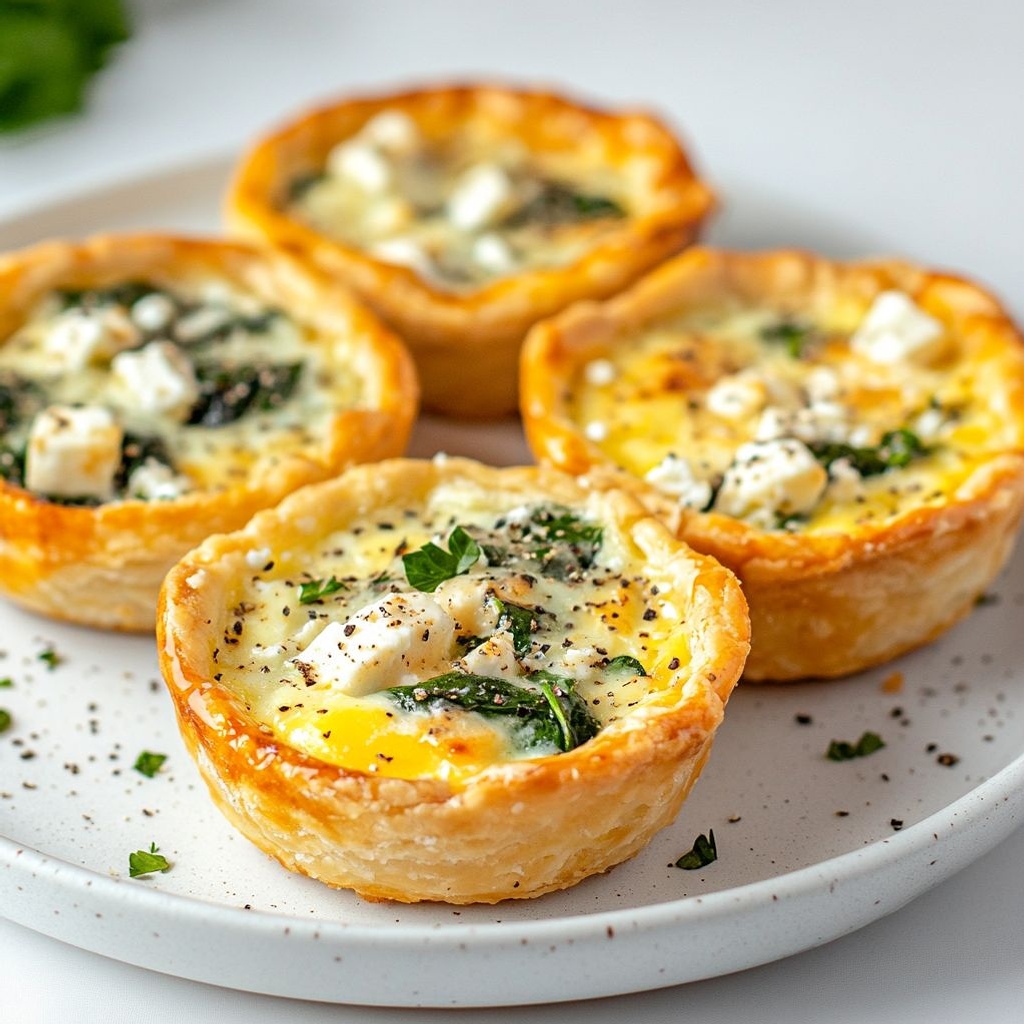
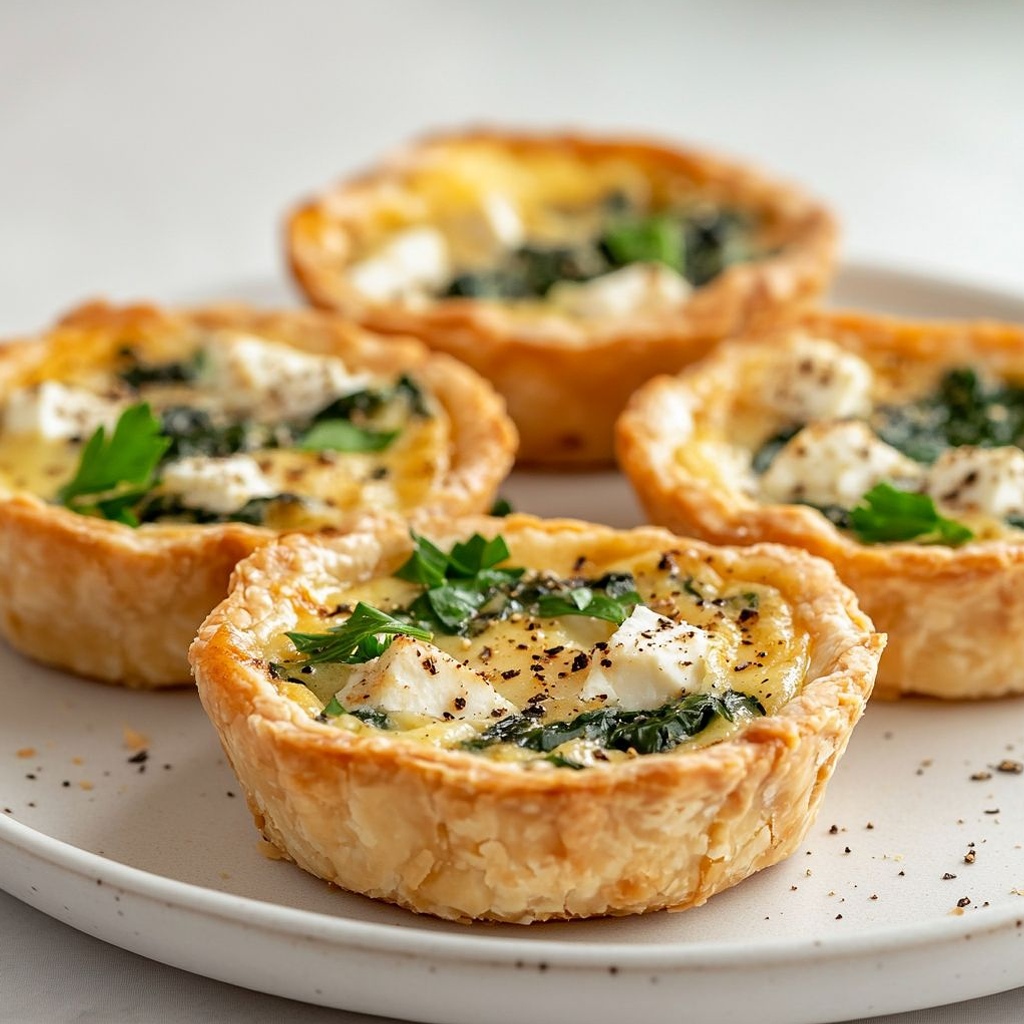
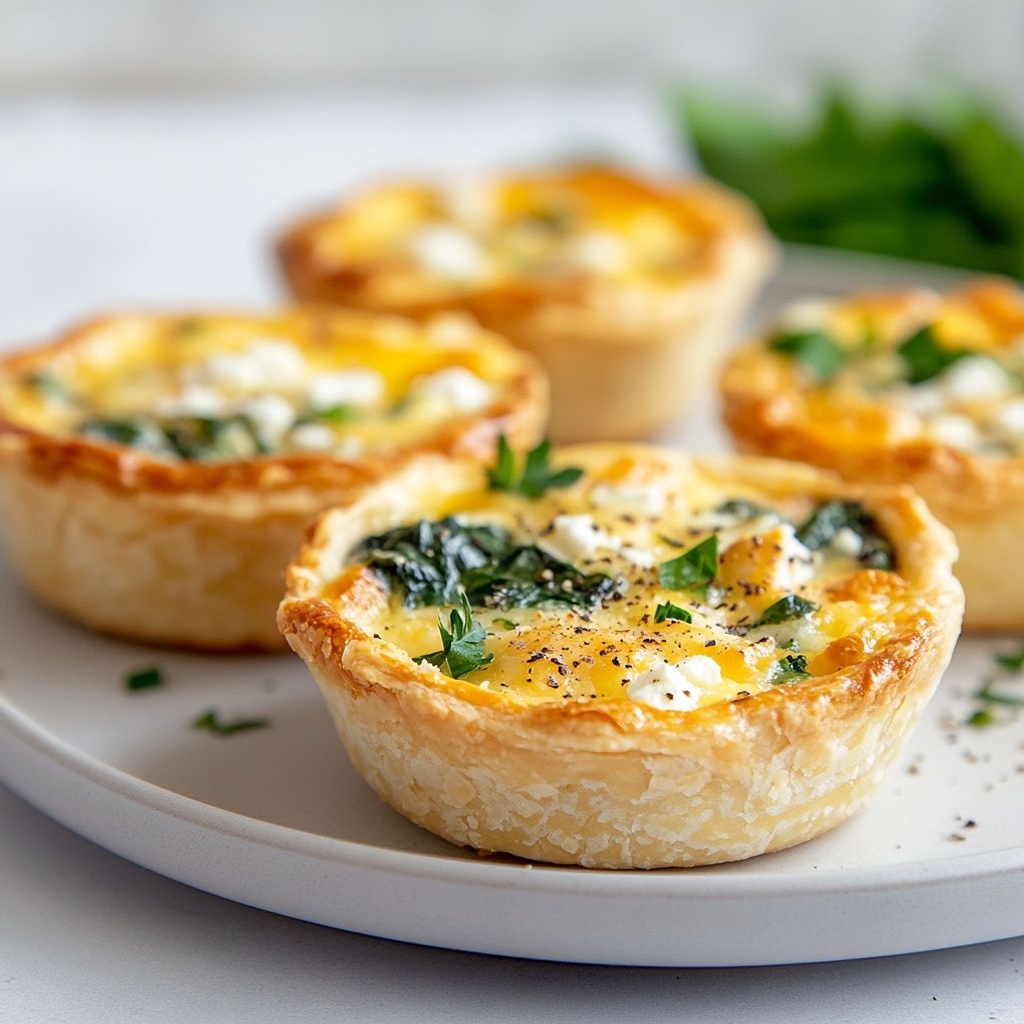
- Chicken, spinach & feta: Classic combination that balances lean protein with briny cheese and greens.
- Smoked salmon, dill & chive: Oceanic brightness, creamy elements, and a delicate saltiness.
- Turkey, mushroom & thyme: Autumnal aroma and comforting meatiness with forest mushrooms.
- Chickpea, roasted pepper & olives (vegan option): A Mediterranean-inspired plant-based blend with a savory, punchy finish.
- Sautéed shrimp, lemon zest & parsley: Fresh and vibrant with a light, ocean-forward profile.
- Tofu, spinach & parmesan (or vegan cheese): A protein-packed, plant-forward take with a creamy texture.
- Roasted vegetable medley with a cheese or dairy-free binding: A colorful, nutrient-dense option that remains satisfying due to the protein element.
Dietary Tweaks
- Gluten-free: Use almond flour or chickpea flour-based crusts; ensure that fillings don’t rely on gluten-rich thickeners.
- Dairy-free: Use dairy-free cheese shreds or omitted cheese entirely; rely on silken tofu or mashed white beans as a creamy binder to maintain richness.
- Keto / low-carb: Favor almond flour crust and fillings with lean proteins and low-carb vegetables; keep portions sensible to maintain macro targets.
- Vegan: Use plant-based cheeses, silken tofu, or chickpea crema as binding; choose a crust that is vegan-friendly.
- Spice-forward: A pinch of smoked paprika, cumin, or coriander can shift the personality of the tart without changing its structural integrity.
Regional Twists
- French-inspired with Gruyère, leeks, and ham; a nod to quiche without the custard emphasis.
- Mediterranean with feta, olives, oregano, and sun-dried tomatoes.
- Southwestern with black beans, corn, cilantro, and cotija cheese for a bright, festive note.
Storage & Make-Ahead Ideas
These tarts are built with practicality in mind. Proper storage and make-ahead strategies keep flavors vibrant and textures intact, whether you’re planning for the week ahead or a special occasion. Here are practical guidelines to help you maximize freshness and minimize kitchen time.
- Refrigeration: Once baked and cooled, store tarts in an airtight container in the refrigerator for up to 3–4 days. Reheat gently in the oven or toaster oven to restore crispness to the crust.
- Freezing: Fully baked tarts can be frozen for up to 1–2 months. Cool completely, wrap individually in plastic or foil, then place in a freezer-safe container. Reheat in a low oven (about 325°F / 165°C) until warmed through.
- Make-ahead crusts: You can prepare crusts and freeze them unbaked. Fill and bake directly from frozen, adding a couple of extra minutes to the bake time. This is especially useful for entertaining or meal-prep Sundays.
- Make-ahead fillings: If your fillings are particularly watery (certain vegetables or citrus-heavy blends), consider lightly sautéing or draining them before filling to maintain a stable texture after reheating.
Fun Facts & Trivia (Optional)
– Eggs, a cornerstone of protein-rich pastries, bring structure to tarts while contributing essential amino acids that support muscle recovery. The proteins in eggs coagulate with heat, creating a cohesive bite that doesn’t crumble when you pick up a tart by its crust.
– Almond flour crusts aren’t just gluten-free; they lend a delightful nutty aroma that can elevate both savory and slightly sweet fillings. The fat content from nuts contributes to a tender, rich texture—just enough to feel indulgent without tipping into heaviness.
– The concept of portable, protein-forward snacks isn’t new; it echoes long-standing culinary traditions of multiple cultures that design bite-sized, savory pastries for travel, festivals, and shared meals. In modern kitchens, Protein Tarts become a practical, elegant reinterpretation that respects time, nutrition, and taste.
Closing Thoughts
Protein Tarts are more than a snack; they’re a philosophy of eating that honors flavor, texture, and nutrition in equal measure. They invite you to experiment—combine different proteins, try new herbs, and tailor fillings to celebrate what’s seasonal and fresh in your pantry. Whether you’re fueling a busy morning, feeding a hungry crowd, or simply craving something comforting with a nutritious backbone, these tarts offer an answer that’s both satisfying and sophisticated. The beauty lies in the balance: a crust that delivers a crisp welcome, a filling that offers generous protein without sacrificing brightness, and a format that makes sharing as easy as taking a bite. So roll up your sleeves, choose your flavorful direction, and let Protein Tarts become a regular star in your culinary repertoire. The next batch you bake could be your new go-to for energy, ease, and a little edible celebration of protein-rich life.
Ingredients
Protein Tarts
Crust
- 1 1/2 cups almond flour (unsalted)
→ Almond flour will form the base of the crust, providing a tender, crumbly texture and gluten-free structure with a nutty flavor. For best results, sift lightly to remove lumps, measure by spooning into the cup and leveling, then press evenly into the tart pan. Chill briefly before baking to prevent shrinking; avoid overworking the dough to keep a light, delicate crust. - 2 tablespoons coconut flour
→ Coconut flour adds light structure and helps absorb moisture, contributing to a firmer crust without relying on gluten. Because it is highly absorbent, the dough may require a bit more fat or liquid if it seems dry. Start with 2 tablespoons and adjust as needed, ensuring the dough holds together when pressed into the pan. - 1 scoop vanilla protein powder (whey or plant-based)
→ Adds additional protein and a touch of resilience for a firmer crust. If using a sweetened protein powder, reduce other sweeteners accordingly. Sift to remove lumps and mix until incorporated; if the dough feels dry, whisk in 1–2 teaspoons water or milk, then rest briefly to hydrate the powder before pressing into the pan. - 2 tablespoons melted unsalted butter or coconut oil
→ Fat provides tenderness and helps bind the crust; use melted and cooled fat to evenly distribute through the dry ingredients. This will create a cohesive, flaky crust. If vegan, substitute with equal amount melted coconut oil. Do not overheat to prevent separation and ensure a smooth dough. - 1 large egg
→ The egg acts as a binder and moisture provider, helping the crust hold together during blind-baking. Use at room temperature for even mixing. For a vegan crust, substitute with 1 tablespoon ground flaxseed + 3 tablespoons water per egg and let it gel before use. - 1-2 tablespoons maple syrup (optional) or honey
→ Adds gentle sweetness and aids browning of the crust. If your protein powder or almond flour blend is already sweetened, start with 1 tablespoon or omit entirely. Adjust to taste after the dough comes together; keep sweetness modest to let the filling flavors shine. - 1/4 teaspoon salt
→ Balances sweetness and enhances the nutty flavors of the almond flour. If using salted butter, slightly reduce this amount to avoid oversalting.
Filling
- 3/4 cup fat-free Greek yogurt (plain)
→ Forms the tangy, protein-rich base of the filling. Greek yogurt adds creaminess with low fat. If very watery, drain for 10–20 minutes or whisk in a pinch of gelatin to thicken; for extra richness, use full-fat yogurt or strained yogurt for silkier texture. - 3/4 cup small-curd cottage cheese, blended until smooth
→ Adds creaminess and high-quality protein. Blending removes visible curds for a custard-like texture. If you prefer a lighter filling, substitute with ricotta (drained) in the same amount, noting texture will differ slightly. - 2 large eggs
→ Set and bind the filling, providing structure to the custard-like center. Use at room temperature for easy incorporation. For a firmer tart, add a third egg; for a looser filling, use one egg with more yogurt. - 1/2 cup unsweetened almond milk (or skim milk)
→ Thin the filling to a pourable custard consistency. Use unsweetened to avoid extra sweetness; adjust amount for desired firmness—more milk for softer center, less for a firmer set. - 1 scoop vanilla protein powder (optional)
→ Extra protein that strengthens the custard. If used, you may need to add a little extra liquid to maintain a smooth texture; sift to remove lumps and whisk thoroughly with the yogurt and cottage cheese. - 2 tablespoons honey or maple syrup (optional)
→ Provides sweetness to balance tang; omit if using sweetened yogurt or protein powder. Taste and adjust after mixing the base filling. - 1/2 teaspoon vanilla extract
→ Intensifies the vanilla aroma; use pure vanilla for best flavor. If you used vanilla protein powder, you may reduce this to 1/4 teaspoon depending on strength of the powder. - Pinch of salt
→ Enhances overall flavor and rounds out sweetness; a small amount helps the filling taste balanced even with yogurt’s tang. - Zest of 1/2 lemon (optional)
→ Adds bright citrus aroma that complements vanilla and yogurt. Zest before juicing to avoid bitterness; fold into the filling just before pouring for maximum freshness.
Optional Toppings
- Fresh berries (blueberries, raspberries, sliced strawberries) 1 cup
→ Provides color, acidity, and a juicy contrast to the creamy filling. Choose ripe yet firm berries; wash gently and pat dry before topping. Add after baking or chilling to prevent soggy crust, or lightly macerate with a small amount of lemon juice if desired for extra brightness. - 1 tablespoon sliced almonds, toasted
→ Adds a satisfying crunch and nutty aroma. Toast almonds lightly in a dry pan or in the oven until golden and fragrant, then scatter over the tart just before serving to preserve crunch. - 1 tablespoon chia seeds or flaxseeds (optional)
→ For extra texture and omega-3s. Seeds can be sprinkled on top before baking or after cooling; if you prefer a softer bite, soak chia seeds in a tablespoon of water for 10 minutes before using.
Instructions
- Preheat your oven to 350°F (175°C) and prepare a round 9-inch tart pan (or equivalent mini tart pans) by greasing with butter or oil or lining with parchment for easy removal; this ensures the crust bakes evenly and releases cleanly.
→ A controlled, nonstick surface prevents the delicate almond-coconut crust from sticking and helps it release intact after baking. - Sift 1 1/2 cups almond flour, 2 tablespoons coconut flour, 1 scoop vanilla protein powder, and 1/4 teaspoon salt into a large bowl to remove lumps and ensure even distribution of dry ingredients.
→ Sifting creates a lighter crust by breaking up clumps and promotes uniform moisture absorption during mixing. - Whisk 2 tablespoons melted unsalted butter (or coconut oil), 1 large egg, and 1–2 tablespoons maple syrup (or honey) in a small bowl until the mixture is smooth and slightly emulsified; this forms a cohesive wet component that binds the crust without overworking it.
→ The fat provides tenderness, the egg binds, and the syrup adds gentle sweetness and helps browning. - Pour the wet mixture into the dry ingredients and mix with a fork or silicone spatula just until the dough begins to come together and pull away from the bowl; resist overmixing to keep the crust light and tender.
→ Overworking gluten-free dough can make it dense; minimal handling preserves a delicate, crumbly texture. - If the dough feels dry or crumbly and does not hold when pressed, whisk in 1 teaspoon at a time water or milk until the dough forms a cohesive mass that you can press into the pan.
→ A touch of moisture helps achieve a cohesive dough without becoming too wet, which could cause a soggy crust. - Shape the dough into a disc, wrap tightly in plastic, and chill in the refrigerator for 15–30 minutes to rest and hydrate the flours, improving cohesion and preventing shrinkage during baking.
→ Chilling relaxes the fats and helps the dough maintain its shape in the hot oven. - Lightly flour a clean surface and press the chilled dough evenly into the tart pan, filling to about 1/4 inch thickness and pressing into the corners; use the flat bottom of a glass to level the bottom for an even bake.
→ Even thickness ensures uniform baking and prevents a thick bare spot or thin edge that may crack. - Dock the crust by pricking all over with a fork to prevent large air pockets and blistering during blind-baking.
→ Docking allows steam to escape, avoiding puffing and uneven texture in the crust. - Chill the crust in the freezer for 10 minutes to help set its shape before blind-baking.
→ Freezing tightens the crust, minimizing shrinkage once it hits the hot oven. - Line the crust with parchment or aluminum foil and fill with pie weights, dried beans, or rice; this is blind-baking to hold the shape and prevent the crust from puffing.
→ Weights keep the crust flat and intact while the edges set, avoiding a soggy bottom. - Bake the crust in the preheated oven for 10–12 minutes until the edges begin to color; carefully remove the weights and parchment.
→ Partial baking sets the structure so the filling can set on top without making the crust soggy. - Return the crust to the oven for 4–5 more minutes until the bottom looks pale golden; remove and cool on a wire rack while you prepare the filling.
→ A brief final bake ensures the bottom is dry and firm enough to support the creamy filling. - In a blender or processor, blend 3/4 cup fat-free Greek yogurt and 3/4 cup small-curd cottage cheese until completely smooth; this creates a creamy, protein-rich base with a custard-like texture.
→ Blending removes visible curds for a silkier filling and ensures uniform texture throughout the tart. - To the blender, add 2 large eggs, 1/2 cup unsweetened almond milk, optional 1 scoop vanilla protein powder, and optional 2 tablespoons honey or maple syrup; blend on low until the mixture is smooth and fully integrated.
→ Eggs provide structure, milk loosens the mixture to a pourable custard, and optional protein powder increases protein density without heavy sweetness. - If desired, zest 1/2 a lemon and fold the zest into the filling (or add during blending if your processor handles citrus well); this brightens the flavor and complements the vanilla and yogurt.
→ Lemon zest adds aromatics and a fresh contrast to the creamy filling. - Add a pinch of salt and 1/2 teaspoon vanilla extract to the filling, then pulse briefly to distribute; this enhances overall flavor and rounds the tang of the yogurt.
→ Salt and vanilla deepen sweetness and balance tanginess in dairy-forward fillings. - Taste the filling and adjust sweetness or tang as needed before pouring; remember that the yogurt and cottage cheese impart tartness that can be softened with honey or maple syrup.
→ Fine-tuning at this stage ensures the final tart aligns with your preferred balance of flavors. - Pour the filling into the cooled crust, smoothing the surface with a spatula and tapping the pan gently to remove any air bubbles for an even set.
→ An even surface ensures uniform cooking and a clean, professional appearance. - Bake the tart at 350°F (175°C) for 25–30 minutes, or until the center is just set and a slight jiggle remains; avoid overbaking to prevent a dry texture.
→ A gentle jiggle indicates a custard-like center that will finish setting as it cools, while overbaking can make it rubbery. - Allow the tart to cool on a rack for 20–30 minutes, then refrigerate for 2–4 hours to fully set and allow flavors to meld; chilling also makes slicing cleaner.
→ Cooling and chilling firm the filling and improve sliceability for neat portions. - Before serving, arrange optional toppings: fresh berries, toasted sliced almonds, and/or chia or flax seeds; add crunchy toppings just before serving to maintain texture and contrast with the creamy filling.
→ Toppings provide color, textures, and extra nutrition while enhancing the tart’s presentation.
Notes
These protein tarts are a gluten-free treat with a tender almond-flour crust and a creamy, high-protein filling. Start by preparing the crust: sift the almond flour, coconut flour, and protein powder to remove lumps, measure accurately, then work in the melted butter (or oil) and egg until the dough holds together; press evenly into a tart pan and chill briefly before blind-baking to prevent shrinking, then bake until the edges are set and lightly golden. For a vegan option, substitute with an equal amount of melted coconut oil and replace the egg with a flax egg (1 tablespoon ground flaxseed mixed with 3 tablespoons water, set and thickened). If your mix seems dry, whisk in 1–2 teaspoons water or plant milk and let rest briefly to hydrate. The filling combines fat-free Greek yogurt, blended cottage cheese, eggs, and almond milk for a custard-like, protein-rich center; drain the yogurt if very watery or whisk in a pinch of gelatin to thicken, blend the cottage cheese until smooth, and whisk in the eggs and milk; add vanilla protein powder if desired, and sweeten with honey or maple syrup to taste after the base comes together; add lemon zest for brightness and a pinch of salt to round flavors. Finish with optional toppings such as fresh berries, toasted sliced almonds, and optional chia or flax seeds for texture and omega-3s; add toppings after baking or chilling to preserve crunch. Chill the assembled tarts for several hours or overnight to allow the filling to firm; they can be stored in the fridge for several days or frozen for longer keeping; always choose fresh, high-quality dairy or plant-based alternatives and verify any protein powder’s sweetness level to avoid over-sweetening.
Tips
Tips for Perfect Protein Tarts
Crust texture and handling
- Lightly sift almond flour to remove lumps, then measure by spooning into the cup and leveling for an even crust. Press the dough into the tart pan with your fingers or the bottom of a glass for uniform thickness.
- Chill the dough briefly before baking to prevent shrinking. If you have more time, chilling the dough overnight helps hydrate the almond flour and coconut flour, improving texture.
- When mixing, keep the dough just cohesive. Overworking strengthens gluten-free doughs less, but overmixing can make the crust dense. If the mixture seems dry, whisk in 1–2 teaspoons water or milk until it holds together.
- Blind-bake guidance: line the crust with parchment or foil and add pie weights or dried beans. Bake until the edges are lightly golden and the center looks set, then remove the weights and finish until evenly colored. This prevents soggy bottoms when you pour in the filling.
- For a lighter, crisper crust, chill the pressed crust in the tart pan for 15–20 minutes before the first bake, then bake as directed. This helps maintain a delicate, crumbly texture rather than a dense bite.
Managing the coconut and almond flours
- Coconut flour is highly absorbent. If the dough seems too dry after adding the fat and egg, add 1 teaspoon at a time of liquid (water, milk, or almond milk) until the dough comes together.
- almond flour provides tenderness and flavor, but its relative moisture can differ by brand. If your almond flour seems very fine and dry, you may need a touch more fat or an extra splash of liquid to keep the crust pliable without becoming greasy.
- Keep the protein powder in the crust optional; if you skip it, you may notice a slightly different texture. If you use the powder, sift it well to avoid lumps and distribute it evenly to prevent pockets of chalky taste.
Protein powder usage
- When adding vanilla protein powder to the crust, ensure the dough remains cohesive; if dry, whisk in 1–2 teaspoons water or milk and rest briefly to hydrate the powder before pressing into the pan.
- In the filling, if you add an additional scoop of protein powder, you may need to adjust the liquid. Start with small increments (1–2 tablespoons) and whisk until the mixture is glossy and pourable.
- Consider flavor balance: if your protein powder is sweetened, reduce honey, maple syrup, or other sweeteners in the filling to avoid an overly sweet tart.
Filling consistency and texture
- For a creamy custard-like center, blend the cottage cheese until ultra-smooth (or strain it after blending). Smooth texture helps the filling fill evenly and set uniformly.
- Use room-temperature eggs to promote uniform mixing and a smoother custard. If a firmer tart is desired, you can add a third egg; for a looser filling, reduce to two eggs and increase yogurt a touch.
- To thin the filling correctly, add almond milk slowly. Too much liquid will make the center too soft or wobbly; too little will yield a stiff, hard set.
- If you’re adding extra vanilla protein powder, you may need a touch more vanilla extract or citrus zest to keep the flavor bright and balanced.
Dairy swapping and richness
- For a richer, silkier filling, substitute full-fat Greek yogurt or strained yogurt for part of the fat-free yogurt. You can also blend in a tablespoon of cream cheese per tart for extra creaminess, if desired.
- Blending the cottage cheese until completely smooth is key to a custard-like texture. If you prefer a lighter bite, substitute ricotta (drained) but expect a slightly grainier texture.
- Vegan option: replace eggs with a vegan egg alternative and use plant-based yogurt and cottage-cheese substitutes (or silken tofu blended until smooth) to mimic creaminess and binding.
Baking and set guidance
- Bake the filling until it is just set at the edges with a slight jiggle in the center. It will continue to set as it cools; avoid overbaking to prevent a dry, crackled center.
- If you notice a runny center after the first bake, return the tarts to the oven for a few minutes more, but monitor closely to avoid overcooking and drying out the texture.
- Let the tarts cool completely on a rack before slicing. This helps the filling firm up and makes clean cuts easier for neat presentation.
Sweetness, citrus, and flavor balance
- Start with the lower end of sweeteners (1 tablespoon maple syrup or honey) and adjust after the filling is blended. The tang from Greek yogurt and cottage cheese pairs well with vanilla; lemon zest adds brightness without overpowering the vanilla aroma.
- When using lemon zest, zest before juicing to avoid bitterness. Fold zest into the filling just before pouring for maximum citrus aroma.
- If your yogurt or protein powder is sweetened, taste the filling before baking and adjust accordingly. You can add a pinch more vanilla or a small squeeze of lemon juice to balance sweetness.
Toppings and assembly
- Fresh berries add color and acidity that contrasts the creamy filling. Add toppings after chilling to prevent soggy crust; if you want a burst of brightness, macerate berries lightly with a tiny squeeze of lemon juice before topping.
- To maintain crunch, toast sliced almonds just before serving and scatter over the tart. The aroma enhances the dessert and provides a satisfying textural contrast.
- Chia seeds or flaxseeds add omega-3s and texture. If you prefer a softer bite, soak chia seeds in a teaspoon of water for 10 minutes before using, or sprinkle them on after baking.
Makes-ahead and storage
- Store baked tarts in the fridge for up to 3–4 days. Cover loosely or keep in an airtight container to prevent the crust from absorbing odors.
- Filling can be prepared a day ahead; assemble and bake just before serving for the freshest texture. If making ahead, cover and chill the assembled tart crusts until ready to fill.
- For freezing, freeze unbaked crusts in the pan, then bake from frozen with an extended baking time. Fully baked tarts can be frozen for up to 1 month; rewarm gently to preserve texture.
Substitutions and variations
- Gluten-free note: this crust is gluten-free as written, thanks to almond and coconut flours. If you like a more snack-like crust, you can experiment with a small amount of finely ground almonds in place of part of the almond flour, keeping track of moisture balance.
- Vary the protein: swap vanilla protein powder with chocolate or berry-flavored protein for a different profile. Adjust sweetness to balance the added flavor notes.
- Nut-free version: omit almond flour and use oat flour or sunflower seed flour in combination with a small amount of psyllium husk for binding, keeping in mind the flavor and texture will shift.
FAQ
Protein Tarts — Frequently Asked Questions
What are Protein Tarts and why bake them?
Protein tarts are mini tartlets designed to include extra protein in a convenient, flavorful form. They’re great for post-workout recovery, meal prep, or a satisfying high-protein snack. The filling typically uses protein powder plus a dairy or dairy-free base to create a custard-like texture.
What ingredients do I need for the crust and filling?
Basic ingredients to get started:
- Crust: 1 cup almond flour, 2 tablespoons melted butter or coconut oil, 1–2 tablespoons sweetener, pinch of salt, optional 1 egg (to bind).
- Filling: 1 scoop protein powder (vanilla or unflavored), 1/2 cup Greek yogurt or dairy-free yogurt, 2 eggs, 1 teaspoon vanilla extract, 1–2 tablespoons milk or water, extra sweetener to taste.
Notes: You can adapt quantities to fit your pan size or dietary needs (e.g., more crust or a crustless version).
Can I make crustless protein tarts?
Yes. For crustless tarts, increase the binding ingredients (eggs or yogurt) slightly and bake in muffin cups or a small baking dish. Expect a softer, custard-like texture. Bake at a similar temperature (about 350°F / 175°C) until set, usually 18–25 minutes depending on size.
Which protein powder works best in the filling?
Most people prefer whey isolate or casein for creamy textures, or a neutral/vanilla plant-based protein powder for dairy-free options. Unflavored powders blend well with yogurt and eggs, while flavored powders add sweetness and aroma. If using plant-based protein, you may need slightly more liquid to keep the texture smooth.
What are the bake times and temperatures?
Preheat to 350°F (175°C). Bake filled tart shells for 18–22 minutes, or until the filling is just set and the edges are lightly golden. If using crustless method or smaller tart molds, start checking at 15 minutes to avoid overbaking.
How can I prevent the tarts from drying out or becoming rubbery?
Tips:
- Don’t overbake; bake until just set, then let them rest in the pan as they finish cooking from residual heat.
- Use a moist base (yogurt or a splash of milk) and enough eggs to provide structure.
- Keep fillings at the proper ratio of protein powder to liquid; adjust with extra yogurt or milk if batch seems too stiff.
Are these gluten-free and dairy-free options available?
Yes. For gluten-free, use almond flour or another gluten-free crust base. For dairy-free, use dairy-free yogurt (unsweetened if possible) and dairy-free butter or oil. Choose a plant-based protein powder to keep dairy-free, and adjust liquids to maintain a smooth filling.
How should I store them and how long do they last?
Store in an airtight container in the refrigerator. They typically last 3–5 days. For longer storage, freeze without toppings in a freezer-safe container for up to 2–3 months. Thaw overnight in the fridge before enjoying.
Can I freeze protein tarts, and how do I thaw them?
Yes. Freeze baked tarts or crustless portions in a single layer, then transfer to a bag or container. Thaw in the fridge overnight or reheat in a low-temperature oven (about 325°F / 165°C) for 10–15 minutes until warmed through.
How can I customize flavors and toppings?
Try these ideas to vary flavor without sacrificing protein:
- Flavor boosts: lemon zest, orange zest, cocoa powder, espresso powder, or cinnamon.
- Fruit toppings: fresh berries, sliced kiwi, or a berry compote added after baking.
- Texture boosts: chopped nuts, dark chocolate chips, shredded coconut, or a swirl of nut butter before baking.
- Higher-protein toppings: a dollop of Greek yogurt or dairy-free yogurt mixed with a bit of vanilla.
How do I estimate the protein per tart?
Protein per tart depends on ingredients and portion size. A rough estimate for a 6-tart batch using typical amounts is:
- Protein powder: ~20 g per scoop
- Yogurt: ~8–10 g per 1/2 cup
- Eggs: ~6 g per large egg (2 eggs used in filling = ~12 g)
- Crust (almond flour): ~6–12 g total for a 1/2 cup portion
Total batch protein ≈ 46–66 g. Per tart (if 6 tarts) ≈ 8–11 g protein each. Exact numbers vary with ingredients; use your label values to calculate precisely.