Introduction
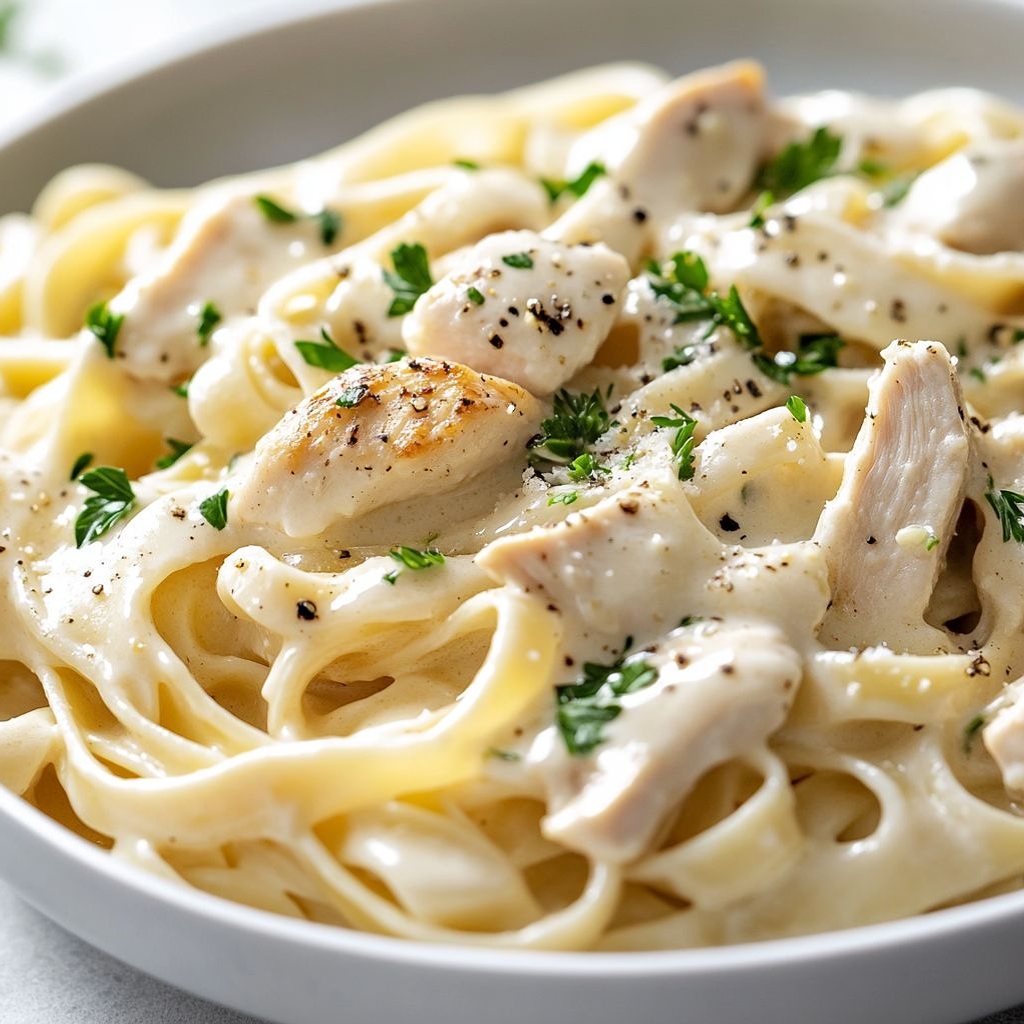
Creamy chicken pasta isn’t just a weeknight saver; it’s the culinary equivalent of a warm embrace after a long day. Imagine a plate where ribbons of pasta glisten with a satin-smooth, velvety sauce that swirls around bite-sized morsels of tender chicken. Steam curls upward, carrying a delicate bouquet of aromatics that tease the senses as the first spoonful arrives. There’s a subtle richness that feels luxurious, yet the dish is deceptively simple—every bite delivering comfort, familiarity, and a touch of elegance. It’s the kind of recipe you crave when you want to feel nourished without fuss, when you want your kitchen to smell like a cozy kitchen from a memory you didn’t know you had. And once you’ve tasted it, you’ll reach for it again and again, not for show, but for the honest satisfaction of a meal that feels both indulgent and approachable.
In this timeless crowd-pleaser, the creamy allure is not about ornate technique; it’s about balance: a glossy, buttery-smooth sauce that clings to each strand of pasta, a gentle brightness that lifts the richness, and pieces of chicken cooked until they’re succulent and juicy without crossing into dryness. It’s the kind of dish that invites conversation—sharing a fork, a smile, and maybe a little extra cheese—while serving as a dependable canvas for your pantry favorites. Whether you’re cooking for family, friends, or yourself, this recipe offers generous flavor without taking itself too seriously. The result is a dish that feels special enough to serve on a special occasion, yet relaxed enough to become a weekly staple.
Beyond the kitchen, creamy chicken pasta carries a sense of place: it’s at once familiar and adaptable, able to slip into different moods and seasons. A dash of citrus zest or a handful of chopped herbs can push it toward brightness in spring, while a pinch of warmth from spices can lean into cozy autumn evenings. It’s a dish that invites interaction—tasting, adjusting, and personalizing until it mirrors your own taste story. If you’re new to cooking or a seasoned home chef, this recipe offers an inviting entry point into building a sauce that feels human and comforting, rather than intimidating and precise. Let it be your canvas for creativity, your reminder that delicious meals can come together with patience, good texture, and a generous spirit.
The Story Behind the Dish
Creations like this creamy chicken pasta have wanderlust in their lineage. They borrow the best of Italian kitchen sensibilities—the love of a simple, high-quality sauce that clings lovingly to every noodle—while embracing the heartiness that home cooks from many cultures prize. This particular incarnation often traces its popularity to the post-war era of comfort foods in American kitchens, where accessibility and speed met the desire for something creamy, satisfying, and family-friendly. The resulting dish became a staple in countless households, evolving with each cook’s pantry and preferences. It’s a culinary chameleon: a basic framework that invites you to add your own notes, from a kiss of garlic on the stove to a whisper of citrus that wakes the palate without overpowering the softness of the sauce.
In households around the world, creamy poultry pastas have served as a reliable approach to weeknight meals and celebratory dinners alike. The beauty of this dish lies in its ability to feel luxurious without demanding an expensive ingredient list or technical mastery. It’s a recipe that teaches restraint—the way the heat should glow, not boil, the way the sauce should coat, not pool, and the way flavors should mingle until they’re inseparable on the tongue. As with many comfort foods, its charm is in the memory it conjures: the kitchen light, the soft clink of forks, the sigh of contentment as a plate clears. The dish becomes a shared story—a reminder that the simplest ingredients, treated with care, can yield something deeply satisfying and universally loved.
For many cooks, creamy chicken pasta is more than dinner; it’s a ritual of turning ingredients into an experience. It celebrates the joy of a quick, satisfying meal that doesn’t compromise on texture or depth. The gentle richness of the sauce is what makes the dish feel special, while the chicken provides sustenance and substance. It’s the kind of recipe that travels well in memory—from a cozy apartment kitchen on a rainy evening to a sunlit table at a weekend gathering. Each outing with this dish has its own small, memorable twist, a personal touch that makes it distinctly yours. And as you prepare it in your own kitchen, you’re not just recreating a familiar favorite—you’re adding a new chapter to a story that’s been simmering in homes for generations: the story of nourishment, of shared meals, and of the simple joy that comes from a plate well-earned after a long day.
Why You’ll Love This Recipe
- Low-effort, high-reward: you’ll hit a comfort-food jackpot without needing complex technique or long ingredient lists.
- Silky, indulgent sauce that embraces each bite without feeling heavy or greasy.
- Versatile foundation you can adapt with pantry staples, herbs, and optional toppings to suit your mood or occasion.
- Family-friendly and crowd-pleasing, making it perfect for weeknights and weekend gatherings alike.
- Balanced textures: tender protein, al dente pasta, and a sauce that glides rather than clings too thickly.
- Room for customization: switch up the herbs, introduce a citrus brightness, or lean into a richer, dairy-forward profile depending on your preferences.
- Comfort with a touch of elegance: it feels special enough for guests while staying approachable for everyday cooking.
- Great leftovers: the flavors often deepen with time, and the dish reheats with creamy consistency.
Flavor Profile & Texture
The flavor landscape of this creamy chicken pasta is built on contrast and harmony. At its core, you experience a luscious, enveloping creaminess that coats every strand of pasta and every tender piece of chicken. The sauce carries a gentle brightness that prevents heaviness from taking over, often achieved through subtle acidity or a hint of fresh herbs. The chicken is cooked to yield succulent, juicy bites that offer a satisfying bite without being chewy, adding a savory backbone to the dish. The overall effect is comforting and luxurious, without feeling indulgent to the point of heaviness.
Texture plays a starring role here. The pasta is meant to be al dente enough to offer a slight bite, giving the sauce something to cling to rather than sliding off in a pool. The sauce itself should feel silkily smooth on the tongue, with a sheen that catches light and invites another swirl of the fork. If you’ve ever savored a perfectly emulsified sauce, you’ll recognize that moment when it clings to the pasta and glides gracefully around each bite. The chicken pieces—tender and bite-sized—provide contrast as you chew, offering a savory counterpoint to the softness of the pasta and the creaminess of the sauce. There’s also room for herbal or citrus brightness to appear in the background, which keeps the palate engaged and prevents the dish from becoming one-note. All told, the experience is a comforting balance of richness and lift, familiar and a touch luxurious all at once.
In a broader sensory sense, consider the aroma—the fragrance of gentle aromatics simmering, the warmth that fills the kitchen, and the ephemeral scent of melted fat and delicate dairy. The aroma alone can be enough to whet the appetite, hinting at a dish that is both familiar and irresistibly inviting. And when that first forkful arrives, you are greeted with the creamy mouthfeel, the satisfying chew of pasta, and the subtle, savory savor of the accompanying protein. It’s a synergy of elements that makes every bite feel like a small celebration of everyday cooking—simple, satisfying, and deeply comforting.
Occasions & Pairings
This creamy chicken pasta is incredibly adaptable for a range of occasions. It shines as a weeknight hero when you want something cozy yet quick enough not to derail your evening. It’s equally well-suited for casual weekend dinners, where family and friends gather around a single pot or pan, sharing stories as they serve themselves from a warm plate. For celebrations or dinner parties, it offers an elegant main course that feels refined without requiring elaborate plating or techniques. Whether you’re serving a duo or a larger crowd, this dish scales beautifully while maintaining its comforting character.
Pairing ideas to elevate the dining experience while staying within the spirit of the dish include light, crisp sides and beverage choices that complement the creaminess. A bright green salad with a tangy vinaigrette can provide a refreshing counterpoint to the richness. A loaf of crusty bread or warm garlic knots is perfect for mopping up the sauce, adding texture and a satisfying crunch. For beverages, consider a light, citrusy white wine or a sparkling option that cleanses the palate between bites. If you’re sharing with non-meat eaters, you can offer a vegetarian version of the dish using plant-based proteins or simply pair with a robust vegetable-forward side that echoes the same flavor philosophy. Desserts should be simple and light to finish the meal on a balanced note, such as a citrusy sorbet or a vanilla-tinged custard that mirrors the dish’s gentle sweetness.
Seasonal variations can further tailor this dish to the calendar. In cooler months, you might lean into richer, warmer notes with a touch of nutmeg or cinnamon in a very restrained way, ensuring the flavors stay harmonious. In spring and summer, you can brighten the sauce with fresh herbs and citrus zest, letting those notes play against the creamy base. The dish’s versatility makes it a dependable anchor for any menu, whether you’re planning a weeknight family dinner or a casual dinner party with friends.
Tips, Variations & Substitutions
Here are ways to customize and adapt this recipe to fit different dietary needs, flavor preferences, and pantry realities—without turning it into a complicated project.
- Herb and citrus lift: Add a burst of freshness with chopped fresh herbs and a light squeeze of lemon or lime zest right before serving to brighten the dish without overpowering the creamy base.
- Protein swaps: If you prefer, you can substitute another protein or add a combination of proteins—such as turkey, shrimp, or a plant-based option—to match your dietary preferences while preserving the dish’s satisfying texture.
- Vegetarian/vegan version: Use a dairy-free cream substitute and a plant-based protein, ensuring the sauce remains velvety and luxurious while keeping it dairy-free.
- Gluten-free option: Choose gluten-free pasta that cups the sauce well, maintaining the same creamy mouthfeel and al dente bite.
- Flavor accents: Consider a pinch of crushed red pepper for a gentle kick, or a splash of white wine or a dab of miso in the sauce to introduce a subtle depth without complicating the overall profile.
- Cheese substitutes: If dairy is a concern, use a dairy-free cheese alternative that melts smoothly, or rely on nutritional yeast for a cheesy hint without dairy.
- Texture play: For added chew, finish with toasted breadcrumbs or toasted pine nuts for contrast against the silkiness of the sauce.
- Make-it-ahead tip: You can prepare the components separately or together in advance (up to a point) and combine just before serving to preserve texture and prevent the sauce from thinning.
Storage & Make-Ahead Ideas
Not all creamy dishes reheat gracefully, but this one is reliably forgiving when stored and reheated with care. Leftovers can be tucked into an airtight container and kept in the refrigerator for up to 3 days. Reheating is best done gently—warm over low to medium heat, adding a splash of liquid if the sauce has thickened too much, and stirring regularly to restore a silky consistency. If you’ve prepared ahead of time and want to maintain texture, consider storing the sauce and pasta separately and combining just before serving. This prevents the pasta from becoming mushy and helps the sauce cling evenly when you reheat.
For a freezer-friendly approach, you can freeze the sauce separately from the pasta, ensuring a barrier between dairy-based components to maintain texture. When ready to enjoy, thaw safely in the refrigerator overnight, then rewarm slowly on the stovetop, adding liquid as needed to regain creaminess. This method works well for quick lunches or when you’re planning meals ahead for busy weeks. If you’re freezing with pasta already mixed in, be mindful that some textures may change slightly after freezing and thawing. In such cases, a gentle re-emulsification on the stovetop with a little extra liquid typically helps restore that luxurious mouthfeel.
Fun Facts & Trivia (Optional)
Did you know that creamy sauces with poultry have a long, storied history across multiple cuisines? While the exact formulation of any one dish varies, the idea of coating tender proteins with a rich, smooth sauce is a universal culinary delight. The combination of dairy or dairy-like elements with starches is a hallmark of comfort foods found in countless cultures, each adding its own local twists—whether through herbs, spices, or the choice of pasta shape. The appeal lies in the way a single, well-balanced sauce can transform a straightforward dish into something memorable. This is a plate that travels well, ties generations together at the table, and serves as a canvas for the small, personal touches that make your home cooking uniquely yours.
In many kitchens, the scent of a creamy sauce softens the atmosphere even before the first bite. The mental association between the kitchen’s warmth, the comfort of a nourishing meal, and the anticipation of gathering around a table is a timeless ritual. Creamy chicken pasta captures that ritual in a single dish: an invitation to slow down, savor, and enjoy the simple pleasure of delicious food shared with loved ones.
Ingredients
Creamy chicken pasta
Mains
-
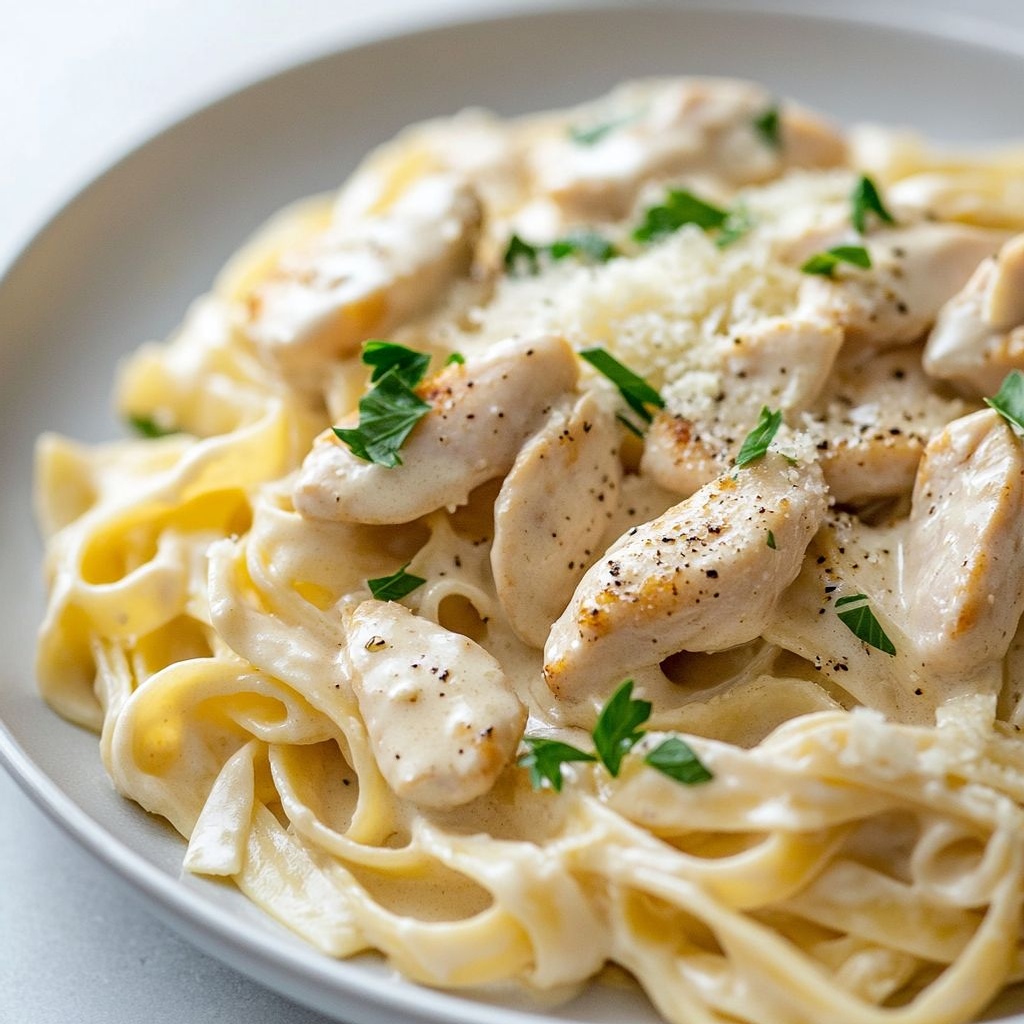
– 1 pound boneless, skinless chicken breasts, cut into bite-sized pieces
→ This provides the lean protein base of the dish. Cutting the chicken into uniform pieces ensures even cooking and better sauce absorption. Pat the pieces dry, season lightly with salt and pepper, and sear in hot oil until golden on all sides to lock in moisture and develop flavor. For juicier chicken, avoid overcrowding the pan and cook in batches if needed. If you prefer darker, more flavorful meat, substitute with boneless chicken thighs and adjust cooking time accordingly.
– 2 tablespoons olive oil
→ Used as the primary fat to sauté the chicken and aromatics, building the foundation of flavor for the sauce. Heat until the oil shimmers before adding chicken to promote a good sear. Choose a good-quality olive oil for its fruity notes, but you can switch to a neutral oil if preferred. If using butter in addition, add it after searing the chicken to prevent burning the fat.
– 1 tablespoon unsalted butter
→ Adds richness and helps finish the sauce with a silky sheen. Butter enhances mouthfeel and blends with the dairy to create a cohesive cream sauce. Add after the aromatics have cooked to avoid browning too aggressively, then swirl into the sauce as it simmers for extra gloss. If avoiding dairy, you can omit or substitute with a tablespoon of olive oil, though the texture will be lighter.
– 3 cloves garlic, minced
→ Aromatic base that infuses the sauce with savory, punchy flavor. Mince evenly so the garlic cooks quickly and doesn’t burn. Add after the oil has heated to medium (or once the onions start to soften) to release its fragrance without scorching. For a milder profile, you can crush the garlic and remove the papery skin before mincing.
– 1 small onion, finely chopped
→ Builds sweetness and depth in the sauce, balancing the richness of the dairy. Finely chopping ensures the onion blends smoothly into the sauce rather than releasing large chunks. Sauté until translucent and just starting to caramelize for extra complexity; avoid browning too darkly to keep the sauce bright.
Sauce
-
– 2 cups heavy cream
→ The main creamy base that coats the pasta and chicken. Simmer gently to thicken without curdling; avoid a vigorous boil which can break emulsions. For a lighter version, substitute with half-and-half or a 1:1 blend of milk and cream, understanding the sauce will be thinner. Warming the cream gradually helps maintain a smooth texture.
– 1 cup chicken broth
→ Adds depth of flavor and helps control the sauce’s thickness while cooking. Use low-sodium broth to keep salt levels in check and adjust seasoning later. Reduce slightly if you prefer a thicker sauce, or add more broth if you want a looser consistency to coat the pasta generously.
– 1/2 cup grated Parmesan cheese
→ Provides sharp, salty notes and helps thicken the sauce as it melts. Freshly grate the cheese for the best flavor and melt it off the heat or on a very low simmer to prevent clumping. If you don’t have Parmesan, you can substitute with pecorino for a stronger bite, though flavors will shift.
– 4 oz cream cheese (optional)
→ Adds extra silkiness and body to the sauce, helping it cling to pasta. Soften to room temperature before whisking into the simmering sauce to prevent lumps. If omitted, the sauce will be slightly looser but still rich and creamy.
– 1 tablespoon Dijon mustard (optional)
→ Brightens the sauce with a subtle tang that cuts through the richness. Whisk it in with the dairy to distribute evenly. Start with a small amount and adjust to taste; avoid adding too much, which can overpower the other flavors.
– 1 teaspoon Italian seasoning (or 1/2 teaspoon oregano + 1/2 teaspoon basil)
→ Adds a savory, herbaceous note typical of Italian flavors. If using dried seasoning, bloom it briefly in the fat before adding dairy to maximize aroma. If you have fresh herbs, add a teaspoon of chopped parsley or basil at the end for brightness.
– Salt to taste
→ Essential for flavor balance; the dairy and broth may carry salt, so season gradually and taste as you go. Aim for a well-rounded savoriness without harsh saltiness. Always adjust after adding Parmesan, which brings its own salt.
– Freshly ground black pepper to taste
→ Adds a gentle heat and rounds out the richness. Pepper should be added gradually and tasted as you go; grinding just before adding releases essential oils for the strongest aroma. If you like a little heat, a pinch of red pepper flakes can be tempting.
Pasta
-
– 12 oz pasta (fettuccine, penne, or your choice)
→ The vehicle for the creamy sauce and chicken. Choose shapes that hold onto sauce well; fettuccine, penne, or rigatoni are excellent options. Cook in generously salted water to al dente, then drain, reserving a splash of cooking water to loosen the sauce if it thickens too much. The starch in the water helps emulsify the sauce for a glossy finish.
Optional Add-ins
-
– 1 cup fresh spinach leaves
→ Adds color, nutrition, and a fresh lift. Spinach wilts quickly, so stir in just before the final simmer to retain brightness and prevent mushiness. For more intensity, add a handful at a time until wilted to your liking.
– 1 cup sliced mushrooms
→ Bring earthy umami and texture to the dish. Sauté with the onions and garlic until browned and moisture has evaporated before adding the cream; cremini or white button mushrooms work well. If you prefer extra depth, deglaze the pan with a splash of white wine after sautéing the mushrooms.
– 1/2 cup sun-dried tomatoes (packed in oil)
→ Contribute a tangy sweetness and vibrant color. Chop and stir into the sauce for bursts of concentrated flavor. If very dry, rehydrate briefly in hot water or oil before chopping; drain excess oil if needed to avoid greasiness.
Garnish
-
– Chopped fresh parsley
→ Finishes the dish with a fresh, verdant note and a hint of brightness. Sprinkle just before serving to preserve color and aroma. If parsley is unavailable, substitute with chopped fresh basil or chives for a different herbaceous finish.
– Extra grated Parmesan cheese for serving
→ Offers a final salty, savory hit at the table and enhances the sauce’s cohesion as it warms on the pasta. Grate or shave Parmesan fresh at the time of serving for best texture and flavor. Store leftovers in the fridge and reheat gently with a splash of pasta water to restore creaminess.
Instructions
- Pat dry the chicken pieces with paper towels and season them lightly with salt and pepper to taste before cooking.
→ Drying the surface promotes a thorough sear, which locks in moisture and creates a flavorful crust; light seasoning at this stage builds depth without oversalting the final sauce. - Heat 1 tablespoon olive oil in a large skillet over medium-high heat until shimmering, then add the chicken pieces in batches and sear until golden on all sides and just cooked through, about 2–3 minutes per side; transfer the seared chicken to a plate and tent loosely with foil.
→ Searing in multiple batches prevents overcrowding, which would steam the chicken rather than brown it, preserving flavor and texture. - In the same skillet, melt 1 tablespoon unsalted butter with the reserved oil over medium heat and add the finely chopped onion (and sliced mushrooms if using); sauté until the onions are translucent and the mushrooms are browned and their moisture has evaporated, about 5–7 minutes.
→ Butter adds richness and helps carry aromatics; evaporating moisture from mushrooms concentrates their flavor and prevents a watery sauce. - Add the minced garlic to the pan and sauté for 30–60 seconds, stirring constantly until fragrant but not browned.
→ Garlic releases its aroma quickly; overcooking can lead to bitterness, so keep the heat moderate and stir to distribute evenly. - Deglaze the pan with a splash of chicken broth, scraping up the brown fond from the bottom of the pan with a wooden spoon, and let it reduce for about 1 minute.
→ The fond is packed with savory flavor; deglazing lifts it into the sauce for a deeper, cohesive finish. - Return the chicken pieces and any accumulated juices to the pan, then add 1 cup chicken broth and 2 cups heavy cream; bring the mixture to a gentle simmer over medium heat.
→ The liquid combination creates a lush emulsified base; simmering slowly prevents curdling and ensures the flavors meld evenly. - Stir in 4 ounces cream cheese (if using) until completely melted and incorporated, then whisk in 1/2 cup grated Parmesan cheese until smooth.
→ Cream cheese adds extra silkiness and body to the sauce, while Parmesan provides a sharp, resonant finish; whisking prevents lumps and yields a glossy texture. - Whisk in 1 tablespoon Dijon mustard (optional) and 1 teaspoon Italian seasoning (or 1/2 teaspoon oregano plus 1/2 teaspoon basil); season with salt and freshly ground black pepper to taste.
→ Mustard brightens the richness and the herbs build a classic Italian flavor profile; adjust salt after the dairy and cheese are incorporated to avoid oversalting. - Simmer the sauce for 5–8 minutes, stirring occasionally, until it thickens slightly and the chicken is cooked through to an internal temperature of 165°F (74°C); taste and adjust seasoning as needed.
→ A gentle simmer thickens the sauce without breaking the emulsion; checking temperature ensures food safety and proper texture. - Meanwhile, cook the pasta in generously salted water according to package directions until al dente; reserve about 1/2 cup of the pasta water, then drain the pasta.
→ Salted water seasons the pasta from the inside, and reserving pasta water provides starchy liquid to loosen the sauce if it becomes too thick. - If using sun-dried tomatoes (packed in oil), chop them and stir into the simmering sauce; if using fresh spinach, add it in now and cook just until wilted, about 1–2 minutes.
→ Suns-dried tomatoes introduce tangy sweetness and color; spinach adds a bright, fresh note and wilts quickly without breaking down. - Gently fold the drained pasta into the sauce, tossing to coat evenly; add a splash of reserved pasta water if the sauce seems too thick and continue tossing until glossy and well emulsified.
→ The starch from the pasta water helps emulsify the sauce for a satin finish that clings to each noodle or strand. - Divide the creamy chicken pasta among bowls or plates and finish with a final dusting of chopped fresh parsley and extra grated Parmesan at the table.
→ Parsley provides a fresh color contrast and aroma; extra Parmesan boosts the umami in each bite as the sauce reheats slightly on contact with warm pasta.
Notes
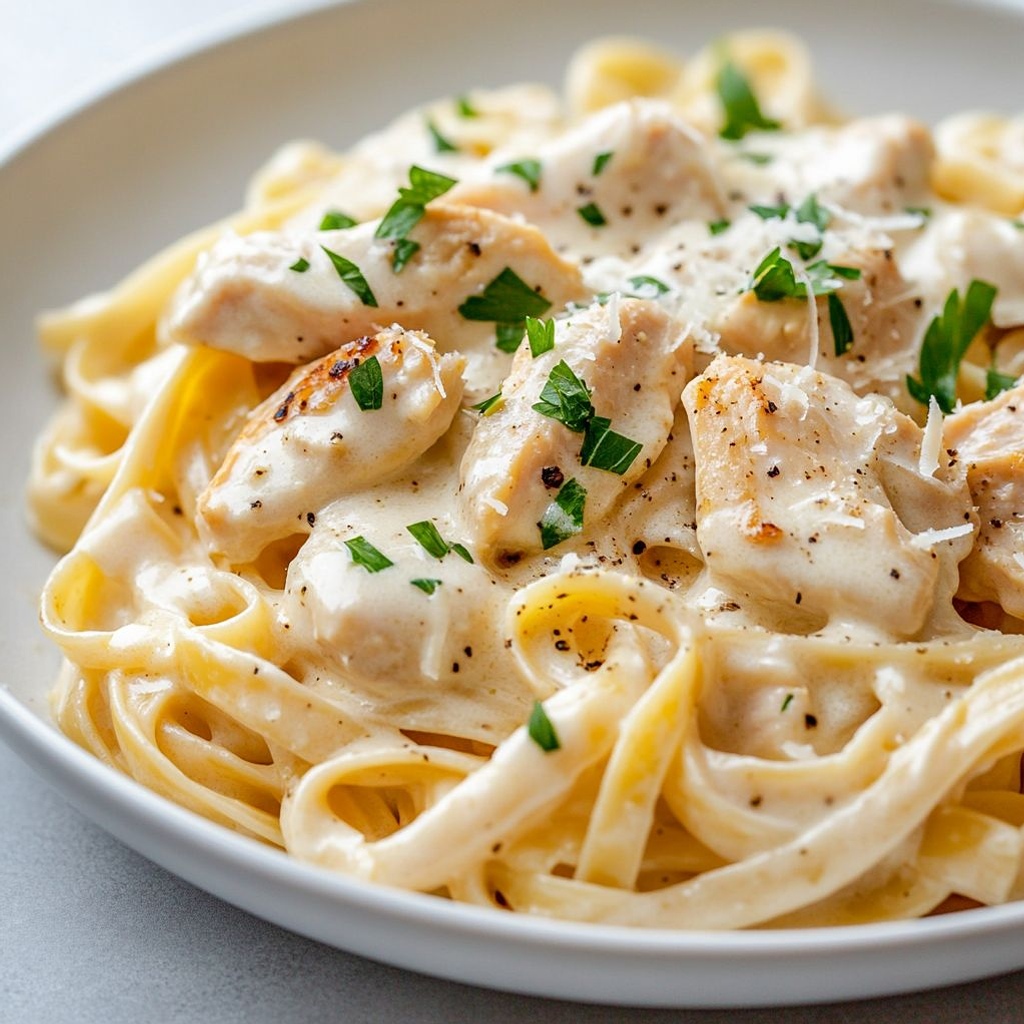
This creamy chicken pasta is a comforting, weeknight-friendly dish that features juicy seared chicken, a velvety Parmesan cream sauce, and your choice of pasta. To keep it lighter, use skinless chicken breast and a lighter dairy option; for a richer finish, add a touch more butter and extra Parmesan off the heat. Sear the chicken in batches to avoid overcrowding and to develop a good crust, then deglaze the pan with a splash of chicken broth or white wine to lift the browned bits and deepen flavor. Simmer the sauce gently after adding dairy to prevent curdling, and season gradually, tasting as you go since Parmesan can bring additional salt. If you prefer a dairy-free version, substitute the cream with coconut milk or a dairy-free cream, and use a dairy-free cheese alternative, understanding the flavor will shift. For gluten-free diners, swap in gluten-free pasta and ensure any broth is certified gluten-free. The sauce will loosen slightly as it rests, so loosen with reserved pasta water if it thickens too much. Add optional vegetables like fresh spinach, mushrooms, or sun-dried tomatoes near the end to boost color and nutrition. Finish with chopped parsley or a squeeze of lemon for brightness, then grate extra Parmesan at the table for a salty finish. Reheat leftovers gently with a little pasta water or broth to restore creaminess, and store in the fridge for 2–3 days or freeze for longer storage, noting that pasta textures can change after freezing. Always taste and adjust seasoning after adding cheese.
Tips
- Keep chicken pieces uniform in size to ensure even cooking and sauce absorption. Pat dry before searing to get a better crust.
- For juicier, more flavorful chicken, sear in batches to avoid crowding the pan. If you use chicken thighs, adjust the cooking time slightly.
- Heat olive oil until shimmering before adding chicken; a hot pan helps develop a golden sear and rich flavor.
- Finish the sauce with butter off the heat or on a very gentle simmer to achieve a glossy, silky texture without greasy separation.
- Minimize scorching by adding garlic after the oil is hot and onions have softened. Stir frequently to prevent burning.
- Sauté onions until translucent and just starting to caramelize for depth, but avoid deep browning to keep the sauce bright.
- Simmer cream gently and avoid a vigorous boil, which can break emulsions. Warm dairy gradually for a smooth, cohesive sauce.
- Use low-sodium broth and adjust salt at the end. Parmesan is salty, so taste before adding more salt.
- Grate Parmesan fresh and melt it gently off the heat or at a very low simmer to prevent clumping and preserve sharp flavor.
- If using cream cheese, soften to room temperature and whisk in gradually for extra body. Without it, the sauce will be lighter but still creamy.
- Optional Dijon mustard adds brightness; start with a small amount and taste as you go to avoid overpowering the sauce.
- Bloom dried Italian seasoning in the fat to maximize aroma; add fresh herbs at the end for a bright finish.
- Cook pasta in generously salted water; reserve a splash of pasta cooking water to loosen the sauce if needed and help emulsify.
- Spinach should be added near the end to wilt quickly; sauté mushrooms first to brown and release moisture for deeper flavor.
- Sun-dried tomatoes contribute tangy sweetness—chop and stir in toward the end, rehydrating if very dry.
- Taste and adjust seasoning before serving. Finish with chopped parsley and extra Parmesan for a fresh, cohesive plate.
- Store leftovers in the fridge and reheat gently with a splash of pasta water to restore creaminess.
FAQ
Creamy chicken pasta – Frequently Asked Questions
What is Creamy chicken pasta?
A comforting skillet dish featuring tender chicken, al dente pasta, and a silky sauce made with garlic, cream, and parmesan. It’s quick to make and cozy for weeknight dinners.
What ingredients do I need?
- Boneless, skinless chicken breasts (or thighs)
- Pasta (fettuccine, penne, or your favorite shape)
- Heavy cream or half-and-half
- Garlic
- Parmesan cheese
- Butter and olive oil
- Chicken broth
- Salt and pepper
- Fresh parsley (optional, for garnish)
Can I make this dairy-free?
Yes. Use a dairy-free cream substitute (such as coconut cream or almond milk thickened with a bit of cornstarch), dairy-free parmesan alternative, and skip the butter or replace with olive oil. You may need to adjust the sauce thickness with extra broth or dairy-free milk.
Can I make this gluten-free?
Absolutely. Use gluten-free pasta. If you thicken the sauce with flour, substitute with a gluten-free thickener (such as cornstarch or a gluten-free all-purpose blend) and cook according to package directions.
How do I keep the sauce from curdling or separating?
Tips: cook the sauce over medium heat, add the cream gradually, and avoid a rolling boil after adding dairy. Stir continuously and add a small amount of hot pasta water or broth to emulsify the sauce if it looks too thick or greasy. Finish with grated parmesan to help blend the sauce smoothly.
How long does it take to make this recipe?
Typically about 25–35 minutes: sear the chicken (about 6–8 minutes), cook the pasta (according to package), and finish the sauce in the same pan for a quick one-pan meal.
How should I store and reheat leftovers?
Cool completely and store in an airtight container in the refrigerator for up to 3–4 days. Reheat gently on the stovetop with a splash of broth or water, or in the microwave in short bursts, stirring in between to re-emulsify the sauce.
Can I use chicken thighs instead of breasts?
Yes. Chicken thighs are juicier and more forgiving. Cook longer to ensure they’re fully cooked through, but keep an eye on moisture so they don’t dry out. Slice before returning to the sauce if using larger pieces.
Can I add vegetables or different proteins?
Yes. Stir in spinach or arugula at the end, add sautéed mushrooms, peas, or sun-dried tomatoes for extra flavor. You can also swap the chicken for shrimp or turkey, keeping cooking times in mind for doneness.
What can I serve this with?
Pair with a simple green salad, garlic bread, or roasted vegetables. A light white wine, such as Pinot Grigio, can complement the creaminess if you enjoy wine with dinner.