Introduction / Hook
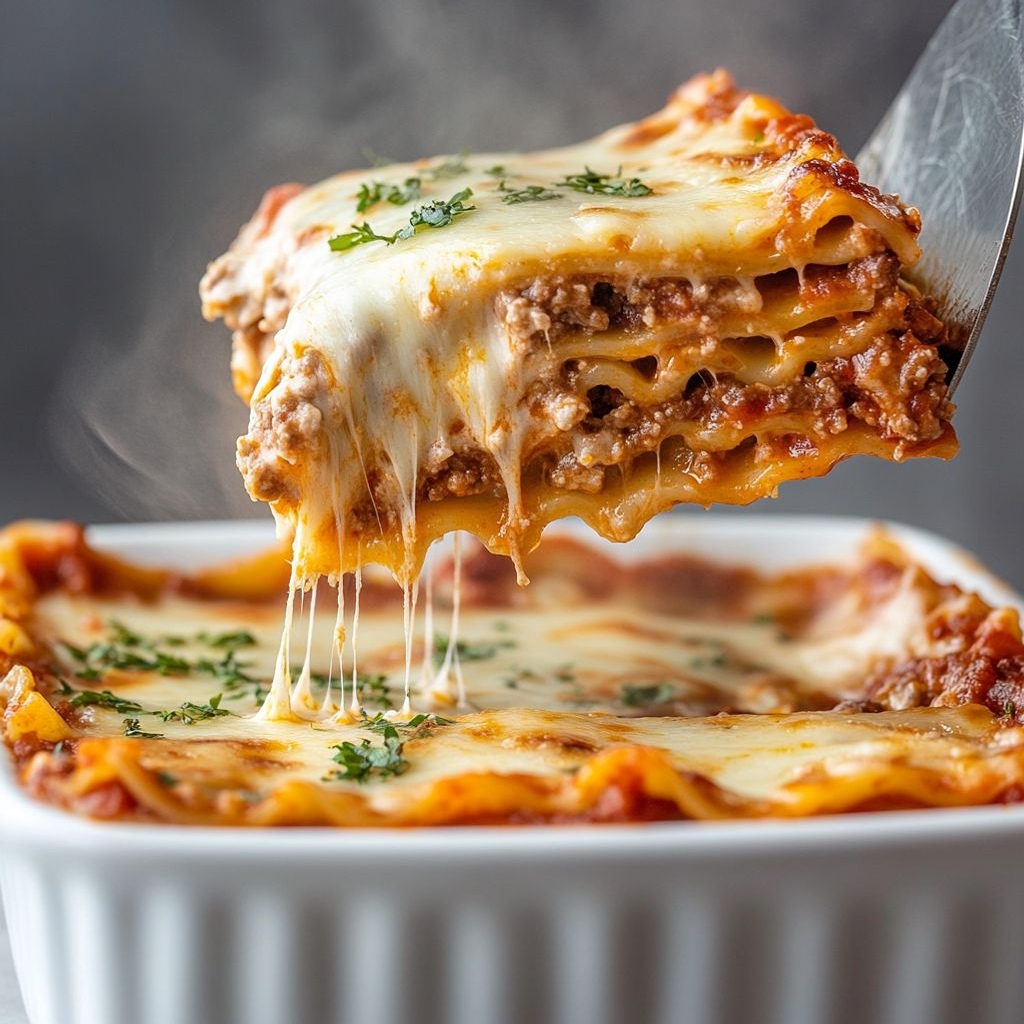
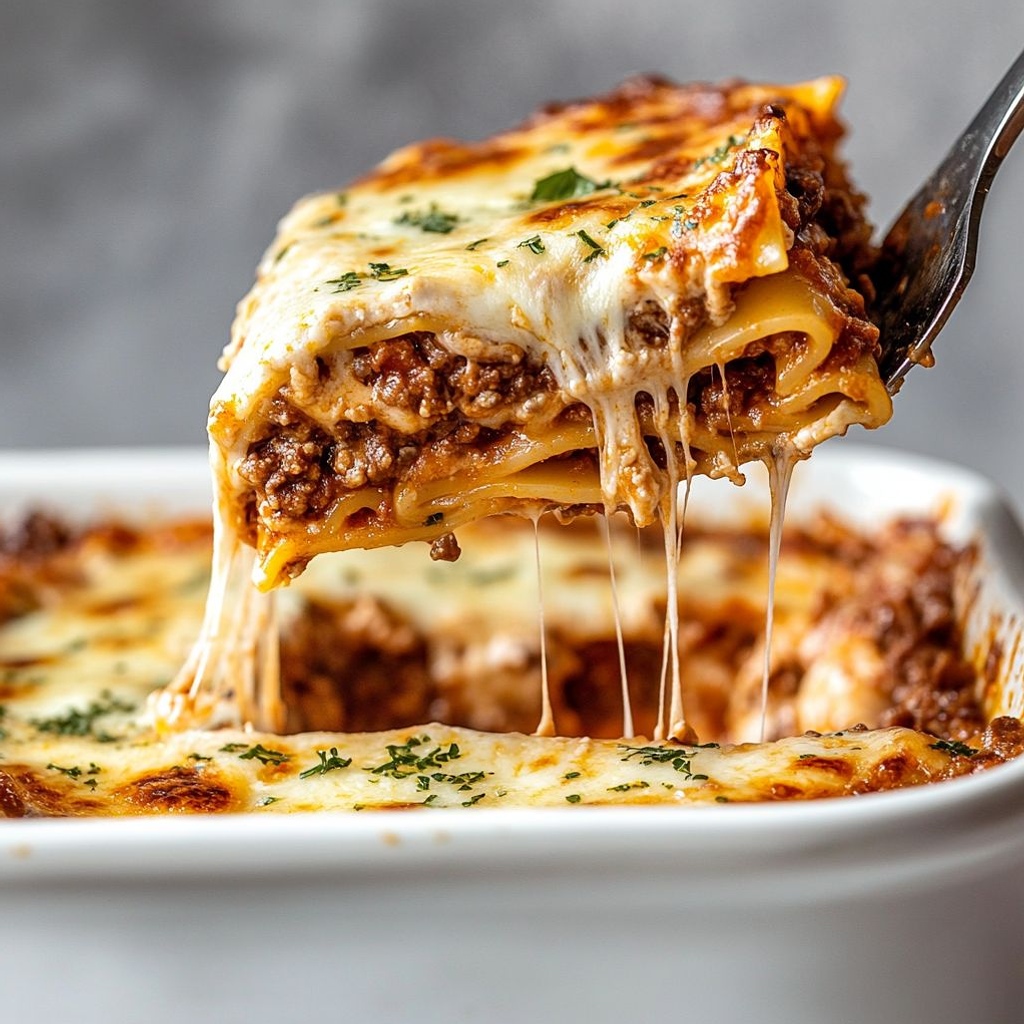
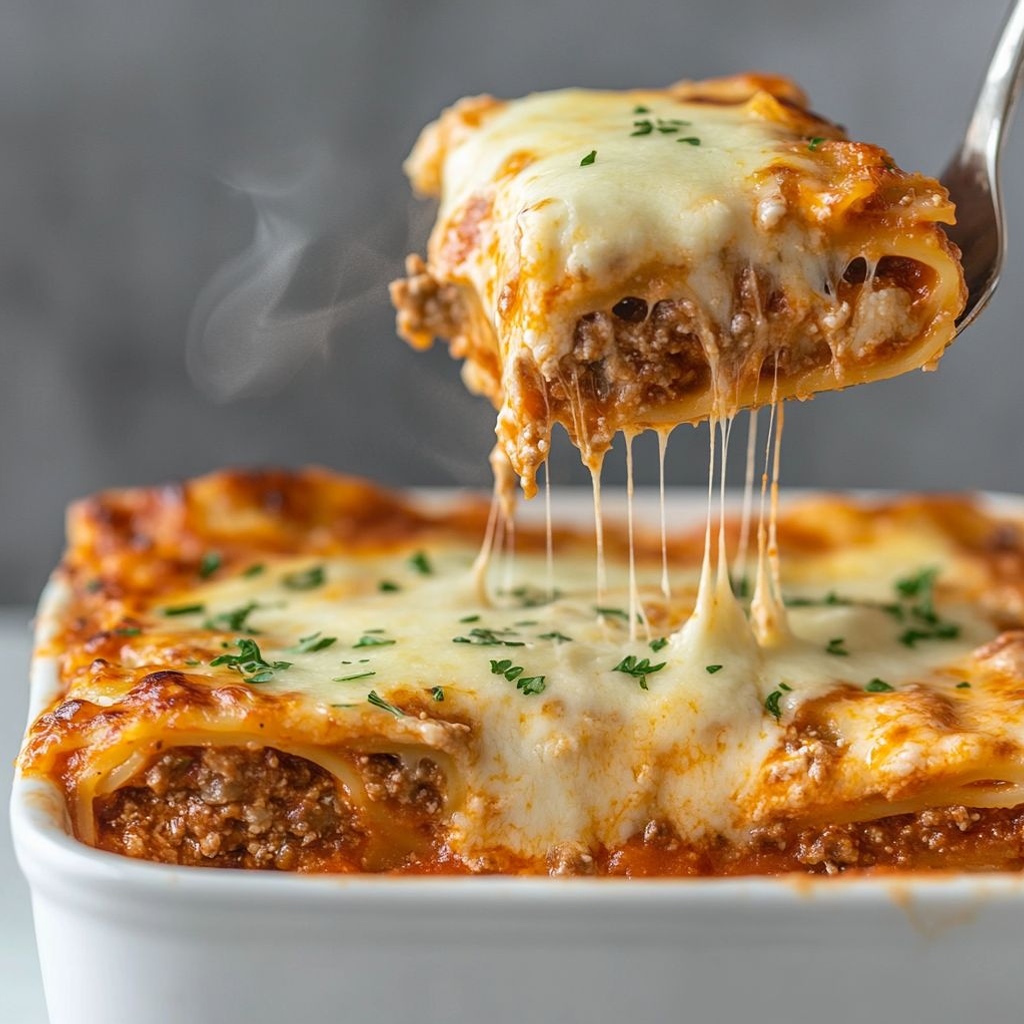
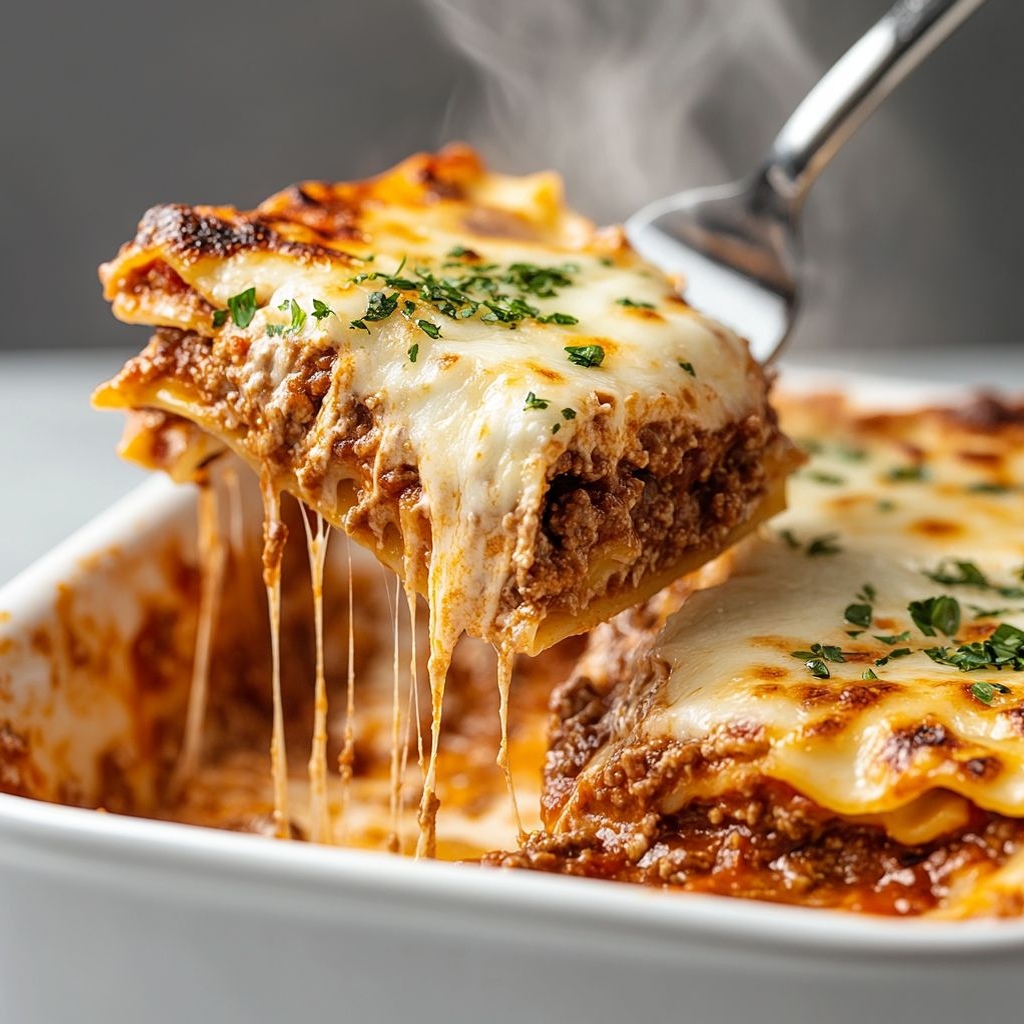
There’s something almost cinematic about Classic lasagna: the way the oven performs magic, transforming simple ingredients into a warm, mysterious revelation. A dish that feels like a family reunion in edible form, lasagna is a tapestry of ribbons of tender pasta, rich ragù that sighs with slow-cooked beef and tomatoes, and velvety layers of béchamel that cradle every bite with creamy warmth. When you slice into a pan of lasagna, steam escapes in fragrant swirls — garlic and sweet onion rising with the scent of caramelized meat, herbs, and cheese. The surface glistens with melted mozzarella and parmesan, and the edges bake to a bronzed, slightly crisp edge that crackles when you lift a forkful. It’s a dish that invites lingering at the table, conversations that wander from childhood memories to new discoveries, and seconds that arrive with a shared smile. Making classic lasagna is an act of hospitality; it says you’ve prepared something special, something that will fill the room with appetite and warmth long after the last bite has vanished.
Imagine a Sunday kitchen glow, a pot simmering with sauce that tastes like Sunday afternoons in every culture that loves robust, comforting food. The aroma tells you a story about tradition, about grandmothers who stirred the pot with a wooden spoon and whispered secrets of patience. Every layer is a quiet testament to balance: the softness of pasta, the savor of meat ragù, the silk of béchamel, and the sharp bite of aged cheese that makes the flavors feel both familiar and exciting. Classic lasagna isn’t just food; it’s a ritual of layering meaning — a culinary canvas where families write new memories across generations with each oven-warmed slice.
Whether you’re feeding a crowd, seeking the kind of meal that satisfies both the heart and the stomach, or simply wanting a dish that tastes like “home” even when you’re far from it, classic lasagna offers a culinary experience that is at once approachable and legendary. It’s a dish that invites experimentation within a beloved framework: you can honor tradition while adding personal touches, you can adjust richness to suit dietary choices, and you can transform leftovers into new adventures. The beauty of lasagna lies in its ability to be both timeless and adaptable, a canvas that holds the echoes of the past while embracing the creativity of the present.
The Story Behind the Dish
Lasagna’s roots wind through the annals of Italian cooking, weaving together regional traditions and centuries of home kitchens. The name itself is a clue: lasagna (singular lasagna) comes from the Greek word lasanon and the Latin lasanum, both referring to a cooking vessel. Over the centuries, the dish found its soul in northern Italy, particularly in Emilia-Romagna and its neighboring regions. The modern classic, with its three iconic components — ragù (a slow-simmered meat sauce), béchamel (a silky white sauce), and sheets of pasta — is often credited to the culinary culture of Bologna and the surrounding countryside. Here, the discipline of the kitchen meets the romance of family meals: hours spent coaxing flavor from simple ingredients, a reverence for texture, and a careful layering that results in a dish both rustic and refined.
In many Italian homes, lasagna is a weekend project, a ritual that grows from the idea that good things require time. The ragù, typically a slow-braising conversation between ground meat, tomatoes, wine, and aromatics, teaches patience. The béchamel, whisper-thin and creamy, provides a soft counterpoint that softens the tang of tomatoes and the savor of meat. The pasta sheets, whether fresh or properly prepared dried sheets, provide the connective tissue that binds everything together. Across Italy, families might weave in regional touches — a kiss of nutmeg in the béchamel, a veil of Parmigiano-Reggiano, a touch of prosciutto or mortadella in the layers — but the essence remains the same: a layered emblem of home, hospitality, and the kind of nourishment that makes guests stay a little longer at the table.
As it traveled beyond Italian borders, lasagna adapted to new tastes while preserving its core identity. In the United States and in many other countries, the dish often becomes a cherished centerpiece of celebratory meals and family gatherings. It’s a dish that invites substitutions and personal touches — a testament to its generous spirit. Some cooks celebrate the tradition with a classic recipe featuring a meat ragù, a veil of béchamel, and generous cheese; others experiment with variations: white sauces, vegetarian fillings, seafood-inspired choices, or gluten-free adaptations. Yet, at its heart, Classic lasagna remains a blueprint for comforting, soul-satisfying dining — a dish that makes ordinary days feel special and ordinary ingredients sing with purpose.
There’s a quiet poetry to lasagna’s layers: the first bite reveals a soft, pasta-friendly pillowy texture; the second warms with the beefy depth of ragù; and the third reveals the nutty, faintly sweet richness of the béchamel and cheese, all weaving together into a harmonious crescendo. For generations, people have returned to this dish as a reliable source of joy and nourishment — proof that some culinary ideas are simply timeless, cultivated with care and passed down with stories that keep the kitchen alive. Classic lasagna tells a story of family, of time honored techniques, of seasonal ingredients meeting the mastery of a patient cook, and of a comforting ritual that feels like a warm embrace as the oven hums and the room fills with the fragrance of home.
Why You’ll Love This Recipe
- Crowd-pleasing comfort: A dish built for sharing, it scales beautifully for gatherings of friends and family.
- Depth of flavor: Slow-simmered ragù grounds the dish with umami, while béchamel adds a luxurious silkiness that balances acidity and richness.
- Make-ahead magic: Assemble once, bake later, or freeze prepared components to savor later without sacrificing flavor.
- Textural harmony: The contrast between the tender pasta, meaty layers, creamy sauces, and lightly crisp edges creates a satisfying bite every time.
- Versatile foundation: The classic formula welcomes adaptations — meat, poultry, or seafood ragùs; vegetarian fillings; or gluten-free and dairy-free variations without losing character.
- Year-round appeal: It fits winter coziness, autumn feasts, and even celebratory meals in spring and summer when served with bright salads and chilled beverages.
- Elegant yet approachable: It looks impressive when plated, yet a well-made lasagna is within reach for home cooks of all levels with the right mindset and a bit of patience.
Flavor Profile & Texture
Classic lasagna delivers a symphony of flavors in each slice. The ragù brings a robust, savory foundation: slow-cooked ground meat caramelized with onions and garlic, bright tomato acidity, and a whiff of wine and herbs that deepen with time. The depth of flavor often benefits from a long, gentle simmer, which allows the meat to mingle with the tomato, absorbing aromatic notes until the sauce becomes a cohesive, velvety partner to the pasta sheets. The béchamel layer contributes a buttery, creamy silk that coats the palate, offering a gentle sweetness and a luxurious mouthfeel that counterbalances the tang of the tomato and the savoriness of the meat. When cheese is added, its role is both flavor and texture: mozzarella melts into a molten, stringy embrace, while parmesan or aged cheeses bring a sharp, nutty bite and a salty finish that punctuates each bite.
The texture is a study in contrast and cohesion. The outer edges emerge with a pleasing crust — slightly crisp, deeply caramelized, and deeply satisfying. The interior remains pillow-soft, with layers that hold together when you slice but break apart gently toward the center. Each layer is a canvas for moisture, ensuring the dish doesn’t feel heavy but remains indulgent. The cheese binding and the béchamel’s creaminess help the lasagna retain its moisture without becoming mushy, while the ragù threads through the layers to ensure bite after bite carries the same balanced flavor profile. In a well-made lasagna, texture is not an afterthought but a central actor — a bridge between the soft, yielding pasta and the savory, aromatic filling that lingers on the palate.
The aroma is equally telling. There’s a comforting, almost universal scent of toasted pasta, simmering tomatoes, garlic, and onion, mingling with the perfume of fresh herbs like bay leaf, oregano, and sometimes basil. As cheese browns and the sauce thickens, the kitchen fills with a warm, inviting fragrance that evokes gatherings and shared stories. The sensory experience extends beyond taste: the sight of glossy, multi-hued layers through a neatly cut slice, the hiss of bubbling edges as it returns to the oven, and the steam that curls upward when the dish lands on the table — all contribute to the expectation that what you’re about to eat will be a memorable, satisfying experience.
Occasions & Pairings
Classic lasagna shines in moments when people come together: weekend family dinners that stretch long into the afternoon, holiday celebrations that demand heartiness, and casual gatherings where a single pan can feed a crowd with leftovers that taste just as good the next day. It’s equally at home on weeknights when you’re cradling a craving for something comforting and substantial but don’t want to spend hours in the kitchen. The dish also adapts gracefully to different dietary preferences with thoughtful substitutions, making it a versatile centerpiece for various tables.
Pairing suggestions to elevate the lasagna experience:
- Side dishes: A bright green salad with a tangy vinaigrette adds a refreshing counterpoint to the richness. Garlic bread or crusty focaccia offers a crunchy contrast that’s perfect for mopping up sauce. Roasted vegetables — such as zucchini, bell peppers, or Brussels sprouts — provide a vegetal balance that lightens the plate.
- Beverages: A glass of medium-bodied red wine with soft tannins, such as Chianti, Sangiovese, or a Merlot, complements the meatiness without overwhelming the acidity of the tomatoes. For non-alcoholic pairings, sparkling water with a squeeze of lemon or a richer grape juice can mirror the dish’s depth without distraction.
- Desserts: Something light and crisp, like citrus sorbet or a simple vanilla panna cotta, can finish the meal without competing with the lasagna’s richness.
- Seasonal and festive twists: A fresh herb salad with lemon, a drizzle of olive oil, and a few capers can offer a bright counterpoint to the heaviness. For holiday feasts, a dollop of lightly spiced tomato relish or a side of roasted garlic cloves can be served to echo the dish’s flavors.
Tips, Variations & Substitutions
One of the joys of Classic lasagna is its adaptability. Here are ways to tailor it to your pantry, dietary needs, or mood for the day, while preserving its celebratory essence.
- Make-ahead strategy: Assemble the lasagna a day in advance, refrigerate, and bake when ready. The resting time in the fridge helps the layers mingle, often resulting in cleaner slices. You can also prepare the ragù and béchamel ahead of time and store them separately until you’re ready to assemble.
- Meat variations: Ground beef is a traditional choice, but you can use a mix of beef and pork, or substitute with turkey, chicken, or a plant-based crumble for lighter or vegetarian versions. If you opt for seafood, a white fish-based ragù can offer a delicate alternative, though the profile shifts away from the classic comfort food feel.
- Vegetarian version: Replace the ragù with a mushroom and spinach medley, or roasted vegetables like zucchini, bell peppers, and eggplant. A fragrant tomato sauce layered with a ricotta, herb, and egg mixture can create a different but equally satisfying depth of flavor.
- Cheese variations: A blend of mozzarella for melt and parmesan or pecorino for sharpness is traditional. For a creamier finish, increase the béchamel ratio or incorporate a light ricotta layer, but be mindful of moisture balance to prevent sogginess.
- Gluten-free and dairy-free options: Use gluten-free lasagna sheets and a dairy-free béchamel made with plant-based milk and a neutral oil or butter substitute. For the ragù, ensure the meat is rendered well and the sauce is thick enough to cling to the sheets; add a dairy-free cheese substitute if desired for a similar mouthfeel in the top layers.
- Regional twists: A hint of nutmeg in the béchamel nods to classic Italian technique, while adding a splash of red wine to the ragù ties back to many regional versions. Some cooks finish with a light drizzle of olive oil and a handful of fresh parsley for brightness.
- Texture play: If you prefer a slightly lighter finish, strike a balance between the sauces so that the top layer isn’t overly heavy. If you want a more indulgent crust, finish with an extra layer of cheese and a final quick bake until the top browns.
Storage & Make-Ahead Ideas
The beauty of lasagna lies in its resilience. Properly stored, it can stretch the life of a meal into multiple days of eating well, and even into future meals with minimal effort. Here are practical guidelines to maximize flavor and texture.
- Refrigeration: Leftover lasagna can be stored in an airtight container for 3 to 5 days. Reheat gently in the oven, covered with foil to prevent drying, or in a microwave if you’re short on time. Oven reheating helps preserve the crusty edges and ensures the layers rehydrate evenly.
- Freezing: Assemble the dish, but do not bake. Freeze the assembled pan or individual portions tightly wrapped. Thaw overnight in the fridge and bake as you would normally. Freezing can intensify flavors as the components meld during freezing and thawing.
- Make-ahead meals: Prepare ragù and béchamel in advance and keep them chilled. When you’re ready, assemble, bake, and serve. This approach is ideal for hosting duties, allowing you to focus on other preparations while the kitchen aromas work their magic.
- Storage for leftovers: If you expect leftovers, consider portioning into single-serving dishes that can be quickly reheated. This method makes it easier to manage serving sizes and ensures even reheating without overcooking any part of the dish.
Fun Facts & Trivia (Optional)
– The term lasagna is often used to refer to both the dish and the individual layers. In Italian, the plural form lasagne is used in some regions, while in English-speaking contexts, lasagna is commonly used for both the dish and the single portion.
– The iconic components — ragù, béchamel, and cheese — reflect a culinary dialogue between the rustic and the refined. Ragù grounds the dish with savory depth; béchamel elevates it with velvety texture; cheese provides a tangy, molten crown that draws the layers together.
– Bologna, a city in Emilia-Romagna, is frequently associated with the modern lasagna due to its celebrated ragù alla Bolognese and the riche culinary heritage of the region. The layering technique and sauces in many traditional recipes echo this influence, though every family might claim a personal touch that has become a signature over generations.
– Some cooks favor no-boil lasagna sheets for convenience, while others insist on boiling the sheets briefly to ensure tenderness. Both approaches have admirers, and the choice often comes down to preferred texture and time constraints. The key is ensuring the sheets absorb moisture and meld with the sauces rather than becoming dry or brittle.
– A well-made lasagna has a sensory power: the bubbling edges, the slight crackle when a slice breaks, the glossy sheen of the top layer, and the aroma that floods the room as it bakes. It is as much a performance as it is a meal, a dish that invites communal tasting and conversation.
Closing Thoughts: A Dish That Feeds the Heart
Classic lasagna is more than a recipe; it’s a shared ritual of nourishment and connection. It invites you to slow down, savor the moment, and approach the kitchen with a sense of purpose and warmth. The layers are a small universe: each sheet of pasta a foundation, each spoonful a memory, each melted cheese string a moment of comfort. It’s the kind of dish that lingers in memory as much as it lingers on the plate, inviting you to recreate the experience again and again for your people, in your own kitchen, with your own personal touches. Whether you’re cooking for a quiet weeknight or a bustling family gathering, Classic lasagna offers a dependable, crowd-pleasing centerpiece that never goes out of style. It’s a timeless invitation to come together, to nourish bodies and spirits alike, and to celebrate the simple, extraordinary joy of good food shared generously.
Ingredients
Lasagna Base
- 12-14 lasagna noodles (regular or no-boil)
→ Purpose: Provide the structural layers that hold the filling and sauce together. Preparation: If using regular noodles, boil in salted water until just al dente per package directions, then drain and lay flat to prevent sticking. If using no-boil noodles, ensure sauce is generous and fairly moist so the sheets hydrate during baking. Tip: Cut sheets to fit your pan and avoid overlapping to ensure even layering. - 2 cups ricotta cheese (whole-milk)
→ Purpose: Creates a creamy, mild filling that balances the tomato sauce and meat with a gentle binding. Preparation: Mix with 1 large beaten egg and 2 tablespoons chopped fresh parsley, plus a pinch of salt until smooth. Tip: If ricotta is very watery, drain in a fine sieve or cheesecloth for 15–20 minutes to prevent watery layers; using full-fat ricotta yields richer flavor. - 2 cups shredded mozzarella cheese (divided between filling and topping)
→ Purpose: Provides melt and a gooey cheese layer between noodles; helps bind layers as it bakes. Preparation: Shred cheese just before use and reserve half for topping. Tip: For best melt, avoid pre-shredded blocks with anti-caking agents; if using store-bought shredded, break apart clumps before layering. - 1 cup grated parmesan cheese (freshly grated)
→ Purpose: Adds sharp, salty bite and aroma; enhances browning and depth in both filling and topping. Preparation: Grate just before use and mix a portion into the ricotta for flavor; reserve some for finishing on top. Tip: Freshly grated parmesan melts and flavors better than pre-grated; store leftovers in the fridge and use within a few days for best taste. - 1 large egg
→ Purpose: Binds the ricotta filling to help it hold together during baking. Preparation: Beat lightly and fold into the ricotta mixture with parsley. Tip: If your ricotta is very wet, you can reduce moisture by using slightly less egg or increasing parmesan for binding; avoid overmixing to keep the filling light.
Bechamel Sauce
- 2 cups whole milk
→ Purpose: Base liquid for the béchamel, providing creaminess and moisture to each lasagna layer. Preparation: Warm gently in a small saucepan before whisking with the roux; add gradually to prevent scorching. Tip: Use room-temperature milk for a smoother sauce; whole milk yields richer texture than skim. - 2 tablespoons unsalted butter
→ Purpose: Creates the roux with flour to thicken the béchamel and add richness. Preparation: Melt over medium heat, then whisk in flour to form a pale roux. Tip: Do not brown the butter; keep it light to maintain a creamy béchamel. - 2 tablespoons all-purpose flour
→ Purpose: Thickens the béchamel sauce and helps achieve a silky texture. Preparation: Whisk into the melted butter until smooth, cooking 1–2 minutes to remove raw flour taste. Tip: Sift flour to prevent lumps; strain if needed after cooking for an ultra-smooth sauce. - Pinch ground nutmeg
→ Purpose: Classic warm note that complements the creamy sauce. Preparation: Add to the milk as it heats or directly into the béchamel; taste and adjust sparingly. Tip: Freshly grated nutmeg has stronger aroma; start with a tiny pinch and add more if desired. - Salt to taste
→ Purpose: Enhances overall flavor and balances richness. Preparation: Add in stages to the bechamel and taste; adjust after assembling the layers. Tip: If using salted butter, start with less salt and adjust gradually to avoid oversalting the dish.
Meat Sauce (Beef)
- 1 pound ground beef (85-90% lean)
→ Purpose: Core protein and savory depth; forms the heart of the meat sauce. Preparation: Brown in a splash of olive oil over medium-high heat until fully cooked and crumbly, breaking up with a spoon. Tip: Drain excess fat after browning to keep the sauce from becoming greasy; for deeper flavor, brown the meat in batches to avoid steaming. - 1/2 pound ground pork (optional)
→ Purpose: Adds richness and moisture to the sauce; blends well with beef for a classic Bolognese texture. Preparation: Brown with the beef or separately until fully cooked; crumble well. Tip: If omitting pork, you can increase beef to 1.5 pounds or add mushrooms for umami depth. - 1 tablespoon olive oil
→ Purpose: Base for sautéing aromatics and encouraging even browning. Preparation: Heat in a large skillet or pot before adding onion and garlic. Tip: Extra-virgin olive oil adds fruity notes; do not overheating to avoid burning the oil. - 1 medium onion, finely chopped
→ Purpose: Introduces sweetness and body to the sauce; dilutes the meat’s density with aromatic moisture. Preparation: Finely dice and sauté until translucent and soft. Tip: Let the onion sweat with a pinch of salt early on to speed softening and reduce bitterness. - 2-3 garlic cloves, minced
→ Purpose: Imparts punchy, savory aroma that enhances the sauce’s depth. Preparation: Mince finely and add toward the end of browning to prevent burning. Tip: If you love garlic, you can grate it for even distribution; avoid overcooking to prevent acrid notes. - 1 can crushed tomatoes (28 oz / 796 ml)
→ Purpose: Provides the tomato foundation and body for the sauce. Preparation: Crushed tomatoes can be simmered with meat and aromatics; blend if you prefer smoother texture. Tip: Choose high-quality tomatoes; adjust acidity with a pinch of sugar if needed. Simmer to deepen flavors. - 2 tablespoons tomato paste
→ Purpose: Intensifies tomato flavor and thickens the sauce. Preparation: Stir into onions and meat after browning; cook 1–2 minutes to bloom. Tip: Tomato paste from a tube is convenient for small amounts and helps keep other paste fresh; it also intensifies flavor more quickly. - 1 teaspoon dried oregano
→ Purpose: Adds Mediterranean herbal notes that complement tomatoes. Preparation: Sprinkle into sauce and simmer. Tip: Crush dried oregano between fingers to release aroma; if using fresh, use a few torn leaves near the end for brightness. - 1 teaspoon dried basil (or a few fresh leaves)
→ Purpose: Contributes classic Italian herb aroma and sweetness. Preparation: If using fresh, chop and add near the end of cooking to preserve flavor; if dried, add early. Tip: Fresh basil is best added after simmering to preserve its fragrant oils; dried basil provides aroma but can taste less vibrant when overcooked. - 1/2 teaspoon sugar (optional)
→ Purpose: Balances acidic tomato flavors and rounds the sauce. Preparation: Add gradually during simmering and taste; adjust to your preference. Tip: Sugar is optional and depends on tomato acidity; use sparingly to avoid overly sweet sauce. - Salt and pepper to taste
→ Purpose: Fundamental seasoning to bring all flavors together. Preparation: Season in stages, tasting as the sauce reduces. Tip: Add salt gradually; remember that parmesan and ricotta also contribute saltiness, so adjust accordingly.
Optional Add-ins
- Fresh basil leaves (optional)
→ Purpose: Finishing aroma and brightness; can be layered between sheets or used as garnish. Preparation: Tear or chiffonade leaves and fold into the sauce toward the end of simmering or sprinkle on top after baking. Tip: Add at the end to preserve vibrant aroma; avoid prolonged exposure to heat which dulls the fresh flavor. - Red pepper flakes (optional)
→ Purpose: Adds gentle heat and a little kick. Preparation: Stir a pinch into the meat sauce during simmering to distribute heat evenly. Tip: Start with 1/4 teaspoon and adjust to taste; too much can overpower delicate tomato flavors. - Chopped fresh parsley (optional)
→ Purpose: Adds color and a fresh, herbaceous note. Preparation: Finely chop and stir into ricotta filling or sprinkle over the finished dish. Tip: Parsley color fades with long cooking; add just before serving for best appearance.
Toppings
- Extra grated parmesan cheese for serving (optional)
→ Purpose: Finishing saltiness and aroma; enhances browning and adds a slight crisp on top. Preparation: Grate finely and sprinkle over the hot lasagna just before serving or serve at the table. Tip: Freshly grated parmesan yields sharper flavor and smoother melt than pre-grated; store in the fridge and grate as needed.
Instructions
- Preheat your oven to 375°F (190°C) and lightly grease a 9×13-inch baking dish with butter or olive oil.
→ Ensures even baking and prevents the lasagna from sticking to the pan, making clean slices and easy transfer from dish to plate. - Prepare the noodles: If using regular lasagna noodles, boil in salted water until just al dente according to package directions, then drain and lay flat to dry; if using no-boil noodles, skip boiling and rely on a generously moist sauce to hydrate them; lay a thin layer of béchamel on the bottom of the dish to prevent sticking.
→ Regular noodles need par cooking to achieve the right bite without turning mushy, while no-boil sheets rely on moisture in the sauce to hydrate; the béchamel on the bottom helps sheets release evenly. - Brown the meat: Heat 1 tablespoon olive oil in a large skillet over medium-high heat; add 1 finely chopped onion and sauté until translucent, about 4–5 minutes; add 2–3 minced garlic cloves and cook 30 seconds until fragrant; add 1 pound ground beef and 1/2 pound ground pork if using, crumbling with a spoon and cooking until fully browned; drain excess fat.
→ Fully browning the meat builds savory depth and removes excess fat that can make the sauce greasy; draining fat prevents a greasy final lasagna. - Season and simmer the meat sauce: Stir in 2 tablespoons tomato paste and cook 1–2 minutes to bloom the flavor; add 1 can crushed tomatoes (28 oz / 796 ml), 1 teaspoon dried oregano, 1 teaspoon dried basil, and 1/2 teaspoon sugar if desired; season with salt and pepper to taste; simmer gently for 20–30 minutes to meld flavors and thicken the sauce.
→ Slow simmering concentrates tomato flavor and softens acidity; the paste thickens the sauce and the herbs provide classic Italian notes. - Prepare the béchamel sauce: Warm 2 cups whole milk until steaming; melt 2 tablespoons unsalted butter in a separate saucepan over medium heat and whisk in 2 tablespoons all-purpose flour to form a pale roux, cooking 1–2 minutes to eliminate raw flour taste; gradually whisk in the warm milk, continuing to whisk until the sauce is smooth and thick enough to coat a spoon; season with salt and a pinch of grated nutmeg.
→ A smooth béchamel adds creamy moisture between layers and helps bind the dish; avoid lumps by whisking continuously and adding milk gradually. - Prepare the ricotta filling: In a mixing bowl, combine 2 cups whole-milk ricotta with 1 large beaten egg and 2 tablespoons chopped fresh parsley and a pinch of salt until smooth; if the ricotta is very watery, drain in a fine sieve for 15–20 minutes before mixing.
→ The egg acts as a binder to help the filling set; draining excess moisture prevents watery layers and potential sogginess. - Shred the mozzarella: Shred 2 cups mozzarella cheese just before assembling and reserve half for topping; keep the other half ready to scatter between layers for even melt; avoid pre-shredded cheese with anti-caking agents for best melt.
→ Freshly shredded mozzarella melts more evenly and yields a creamier texture than pre-shredded varieties. - Optional add-ins to enhance the sauce: If using fresh basil, tear and fold into the meat sauce near the end of simmering; if desired, stir in red pepper flakes for a gentle heat or sprinkle chopped parsley between layers for color; these additions should be added toward the end to preserve brightness and avoid overcooking delicate herbs.
→ Fresh basil and parsley add brightness and aroma; heat can dull delicate herbs, so add near the end for maximum impact. - Assemble the lasagna: Spread a thin layer of béchamel on the bottom of the prepared dish; ladle a layer of meat sauce over it; arrange a layer of noodles; spread an even layer of ricotta filling over the noodles; sprinkle a portion of mozzarella and a light dusting of Parmesan; repeat with sauce, noodles, ricotta, mozzarella, and Parmesan, finishing with a final layer of noodles; top with a final light coat of béchamel and the remaining mozzarella and Parmesan for a golden crust.
→ Layering in this order ensures moisture distribution, even cheese melt, and clean slicing; ending with cheese promotes browning and a flavorful crust. - Bake the lasagna: Cover tightly with foil to seal in moisture and prevent the top from drying; bake in the preheated oven at 375°F (190°C) for 25–30 minutes; uncover and bake 15–20 minutes more until the top is bubbling and golden brown; if the top edges brown too quickly, tent with foil to prevent scorching.
→ Covered baking keeps layers hydrated and allows flavors to meld; finishing uncovered fosters a desirable golden crust and bubbly sauce. - Rest before serving: Remove from oven and let the lasagna rest for 15–20 minutes on a cutting board or cool rack; resting lets the layers set, making clean, rectangular slices and preventing the filling from squishing out.
→ Resting stabilizes the structure so slices hold together when cut and served. - Serve and garnish: Cut into generous squares with a sharp knife, wipe the blade between cuts for neat edges, and dust with extra Parmesan or chopped parsley if desired for extra aroma and color.
→ Finishing touches heighten aroma and appearance; a clean cut improves presentation and portioning.
Notes
This classic lasagna is a comforting, make-ahead favorite built from tender noodles, a savory meat sauce, a creamy ricotta filling, and a silky béchamel. To ensure clean, sliceable portions, let the finished bake rest for 15–20 minutes before slicing. If using regular lasagna noodles, boil until al dente per package directions, drain, and lay flat to prevent sticking; if using no-boil sheets, ensure the sauce is generously moist so the sheets hydrate during baking. For a gluten-free version, use certified gluten-free lasagna sheets and check all ingredients—even sauces and cheeses—are gluten-free. You can customize the meat sauce by adding vegetables like mushrooms, finely chopped spinach, or a mix of beef and pork for deeper flavor. The ricotta filling benefits from a lightly beaten egg, a pinch of salt, and chopped parsley; mix it with some grated parmesan for extra richness. Assemble with a thin layer of béchamel between each noodle layer to keep the stack moist and cohesive, and finish with mozzarella and extra parmesan for a golden top. The béchamel should be cooked just until thickened and whisked in smoothly so it coats the noodles without clumping; avoid browning the roux to keep the sauce silky. This dish freezes well—assemble, wrap tightly, and freeze unbaked for up to 2–3 months, or bake then freeze and reheat until bubbly and hot in the center. For a lighter version, use part-skim mozzarella and ricotta, and balance the richness with more vegetables in the sauce. Serve with a bright green salad and crusty bread to soak up any sauce, and enjoy the flavors that often improve after a night in the fridge.
Tips
Tips for Noodles and Assembly
- Regular lasagna noodles should be boiled until just al dente according to package directions, then drained and laid flat to prevent sticking. No-boil noodles rely on a fairly moist sauce to hydrate during baking, so don’t skimp on sauce in the layers.
- Trim noodle sheets to fit your pan and avoid overlapping. This helps ensure even baking and clean edges for slicing.
- If using no-boil sheets, distribute sauce generously between layers so the noodles hydrate evenly; reserve sufficient sauce for the top to prevent drying during baking.
- To prevent soggy edges, start with a thin layer of sauce on the bottom of the pan and layer noodles, fillings, and sauce in balanced portions.
Ricotta and Filling Tips
- Drain very watery ricotta in a fine sieve or cheesecloth for 15–20 minutes to keep layers firm and prevent watery pockets.
- Mix ricotta with 1 large beaten egg and 2 tablespoons chopped fresh parsley, plus a pinch of salt, until smooth to help binding and flavor.
- For richer flavor, fold a portion of freshly grated parmesan into the ricotta filling. Reserve some parmesan to sprinkle on the top.
- If ricotta seems too loose, add a bit more grated parmesan or a tablespoon of breadcrumbs to help absorb excess moisture; avoid overmixing to keep the filling light and creamy.
Mozzarella and Parmesan Cheese Tips
- Shred mozzarella just before use and reserve half for the topping to maximize melt and ooze between layers.
- Avoid pre-shredded mozzarella with anti-caking agents; if using store-bought shredded cheese, break apart clumps before layering for even distribution.
- Freshly grated parmesan melts and flavors better than pre-grated. Grate a portion into the filling for depth and reserve some to finish on top.
- Pat mozzarella dry with paper towels if it’s very watery to prevent extra moisture from diluting the sauce.
Bechamel (White Sauce) Tips
- Warm the milk before whisking with the roux to prevent lumps. Gradually whisk the milk into the pale roux (butter and flour) to achieve a smooth, silky texture.
- Cook the roux for 1–2 minutes to remove raw flour taste, then slowly incorporate the milk, whisking continuously.
- Use a pinch of ground nutmeg and salt to taste. Freshly grated nutmeg adds warmth; start small and adjust as you go.
- If lumps form, whisk vigorously or strain the sauce to achieve ultra-smoothness. If the sauce thickens too much, whisk in a splash of milk until pourable.
Meat Sauce (Beef and Optional Pork) Tips
- Brown ground beef (and pork, if using) in batches to develop deep flavor and crust; avoid overcrowding the pan to prevent steaming.
- Drain excess fat after browning to keep the sauce from becoming greasy. Sauté onion and garlic in olive oil until translucent and fragrant.
- Stir in tomato paste after browning meat to bloom its sweetness, then add crushed tomatoes. Simmer to concentrate flavors; longer simmer equals richer sauce.
- Season with oregano, basil, sugar (optional), salt, and pepper in stages. Taste as it reduces and adjust. If using pork, ensure it is fully cooked; if omitting pork, you can increase beef or add mushrooms for depth.
- For a deeper flavor boost, deglaze the pan with a splash of red wine after browning the meat and allow it to reduce before adding tomatoes.
Optional Add-ins and Finishing Touches
- Fresh basil leaves add brightness; tear or chiffonade and fold into the sauce toward the end or sprinkle on top after baking. Add near the end to preserve aroma.
- Red pepper flakes provide a gentle heat; start with 1/4 teaspoon and adjust to taste, mixing into the meat sauce during simmering.
- Chopped fresh parsley adds color and a fresh note; stir into ricotta filling or sprinkle over finished dish. Add just before serving to keep color vibrant.
Toppings and Finishing
- Extra grated parmesan for serving enhances finish and aroma; grate finely and sprinkle over hot lasagna just before serving for best melt and flavor.
Make-Ahead, Storage and Reheating Tips
- Assemble up to 24 hours in advance; cover tightly and refrigerate before baking. Bake longer if starting cold from the fridge.
- Leftovers refrigerate well for 3–4 days. Reheat covered in a moderate oven (325–350°F / 160–175°C) until hot, or reheat in the microwave in portions.
- For long-term storage, freeze assembled unbaked lasagna or fully baked lasagna. Thaw overnight in the fridge, then bake as directed. Wrapped properly, frozen lasagna will keep for 2–3 months.
FAQ
Frequently Asked Questions — Classic Lasagna
What is classic lasagna?
Classic lasagna is a hearty casserole made with layered sheets of pasta, a rich meat sauce (ragù), a creamy cheese layer such as ricotta (often with egg), and melted mozzarella and Parmesan. It is baked until bubbly and golden on top.
What ingredients do I need?
Common ingredients include:
- Lasagna noodles (regular or no-boil)
- Ground beef or pork (or a mix) or Italian sausage
- Onion and garlic
- Crushed tomatoes or marinara, and tomato paste
- Olive oil, salt, pepper, dried oregano or Italian seasoning
- Ricotta cheese (mixed with egg and a pinch of salt)
- Egg (to bind the ricotta)
- Mozzarella cheese (shredded)
- Parmesan cheese, grated
- Optional béchamel sauce (milk, butter, flour) for a creamier version
Do I need to boil the lasagna noodles?
You can use either boiled noodles or no-boil sheets. No-boil noodles simply need adequate moisture from the sauce to cook through during baking. If you prefer, boil regular noodles for a few minutes and drain well before layering.
How do you assemble lasagna?
A common assembly method:
- Spread a thin layer of sauce on the bottom of the pan.
- Place a layer of noodles over the sauce.
- Spread the ricotta mixture (ricotta + egg + salt) over the noodles.
- Top with a layer of mozzarella and a spoonful of sauce.
- Repeat layers (sauce, noodles, ricotta, mozzarella) until you reach the top, finishing with sauce and mozzarella/parmesan.
- Let the assembled lasagna rest for 10–20 minutes before baking to help with slicing.
How long and at what temperature do you bake it?
Bake at about 375°F (190°C) for 45–60 minutes, covered with foil for the first part to prevent over-browning. Remove the foil for the last 10–15 minutes to melt and lightly brown the cheese. Let it rest for 15–20 minutes before slicing.
Can I prepare lasagna ahead of time?
Yes. You can assemble the lasagna up to a day ahead and refrigerate (covered). If baking from cold, add 15–20 minutes to the bake time. You can also bake it fully, then refrigerate leftovers for later.
Can I freeze lasagna?
Absolutely. Assemble and freeze unbaked, wrapped tightly, for up to 2–3 months. Or bake it, cool completely, then freeze slices wrapped well. To bake from frozen, thaw overnight in the fridge and bake as directed, or bake covered for longer if cooking from frozen.
How do I reheat leftovers?
Gently reheat in the oven at 325–350°F (165–175°C) until heated through, about 20–30 minutes for a slice or more for a full pan. You can cover with foil to prevent drying. Alternatively, reheat individual portions in the microwave in short bursts, checking frequently.
Can I make a vegetarian or lighter version?
Yes. Omit the meat and use sautéed mushrooms, spinach, zucchini, and/or roasted peppers. You can add lentils or finely chopped walnuts for protein. Consider using extra vegetables and a lighter sauce, and/or using a béchamel or ricotta mixture as the cheese layer.
What size pan should I use and how many servings does it yield?
A standard 9×13 inch (23×33 cm) baking dish is typical and yields about 8–12 servings, depending on portion size. If you need fewer servings, you can scale down to a smaller dish or freeze portions for later.
What are common mistakes to avoid?
Tips to prevent issues:
- Use a proper sauce-to-noodle ratio; too little sauce can dry the lasagna, too much can soggy the layers.
- Drain meat thoroughly to keep sauces from becoming watery.
- Drain ricotta well and avoid overmixing, which can toughen the texture.
- Let the lasagna rest after baking to set the layers for cleaner slices.
- Keep the top layer well covered with cheese to prevent burning, but uncover toward the end for browning.
What are good serving suggestions?
Serve with a simple green salad, garlic bread or crusty bread, and a light red wine such as Chianti or Sangiovese. A side of steamed vegetables also pairs nicely to balance the richness.