Introduction / Hook
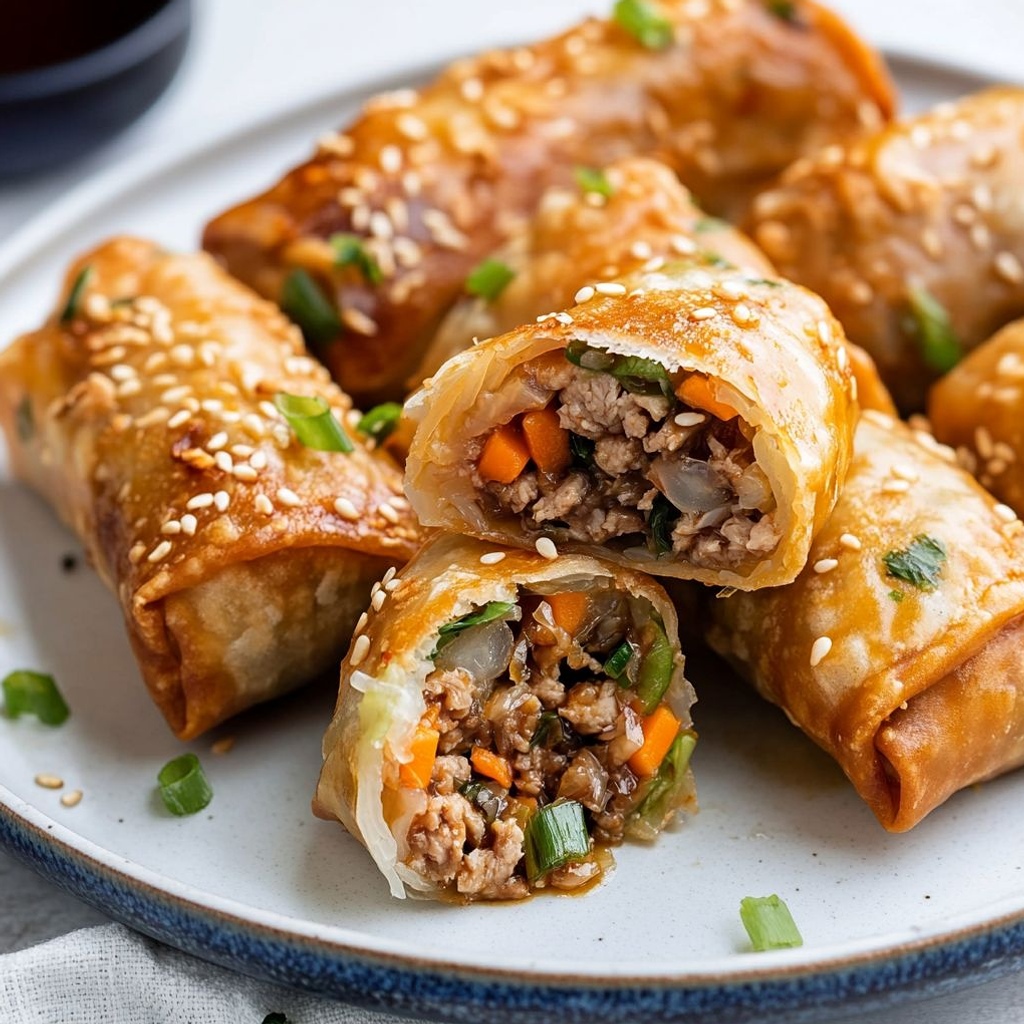
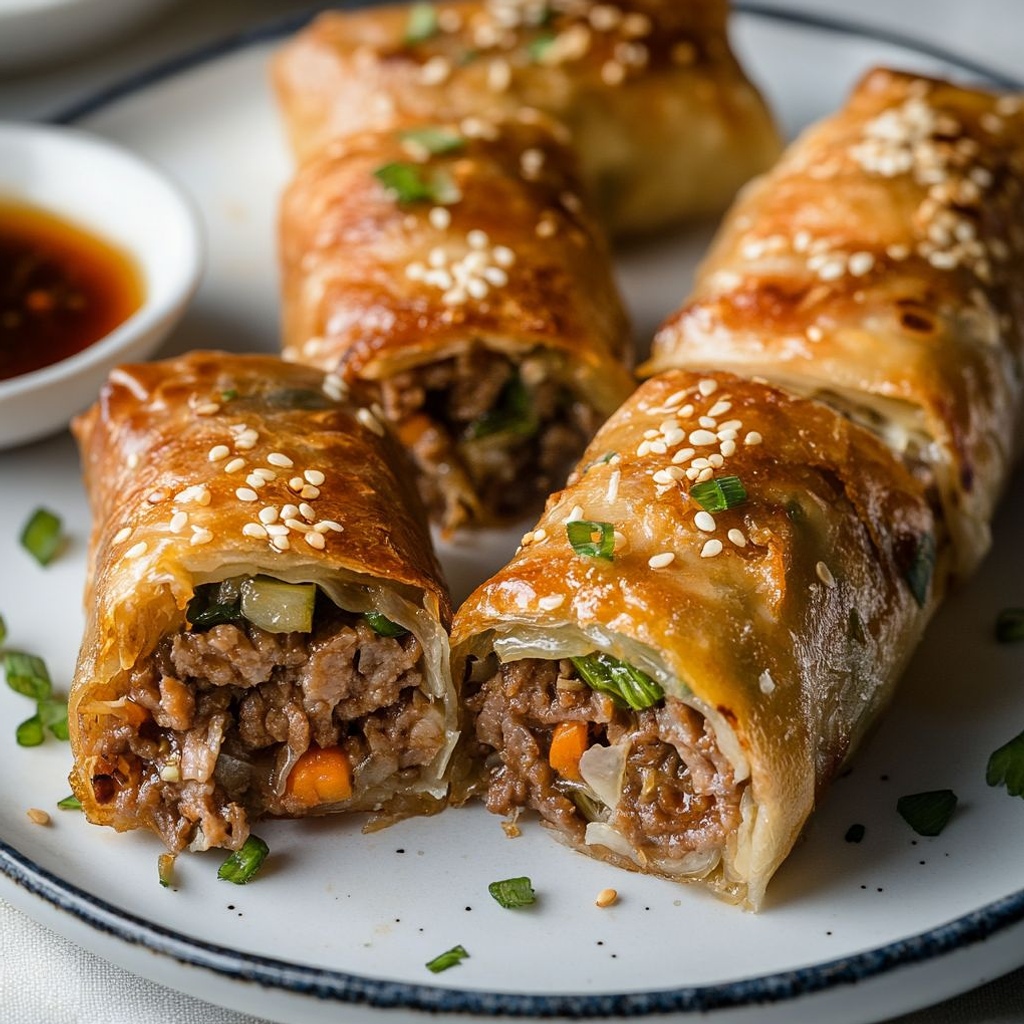
Imagine a plate of plump, glistening meat rolls, each little cylinder a pocket of savory mystery waiting to reveal its secrets with the first cut. The scent swirls through the kitchen like a warm embrace: garlic mellowed to sweetness, onions singing their gentle bite, and herbs that seem to whisper of gardens and late-summer afternoons. The exterior offers a delicate crust—thin and glossy—yielding to a tender, juicy interior that carries the tenderness of well-seasoned meat and the brightness of fresh greens, herbs, or vegetables tucked inside. Meat rolls are the kind of dish that makes a weeknight feel festive and a family gathering feel intimate. They’re comfort food with a touch of sophistication—the kind of recipe you can sling together with pantry staples and a handful of bright accompaniments, then watch as forks pass around the table and smiles widen with every bite.
In a single bite, you can taste the philosophy of home cooking: simple ingredients, treated with care, transformed into something memorable. The beauty of meat rolls lies in their adaptability. They can be hearty and rustic, refined and elegant, or playful and kid-friendly, depending on how you season, wrap, and glaze them. Whether you’re wrapping seasoned ground meat in tender cabbage leaves, rice paper, or a light pastry, the method invites creativity while delivering a consistent, comforting result. And because they’re so versatile, you can tailor each batch to what you have on hand—leftover vegetables, a dash of a favorite spice blend, or a braising liquid that needs a partner. This is a dish that rewards curiosity as much as patience, turning everyday ingredients into something greater than the sum of its parts.
The Story Behind the Dish
Meat rolls, in their many permutations, tell a story of kitchens that speak the language of practicality and celebration at once. Across continents, people have wrapped, rolled, and simmered minced meat with whatever was at hand: a leafy cloak, a pastry envelope, or a crusty bread crust. In Eastern Europe and the Balkans, you’ll hear echoes of sarmale and stuffed cabbage, where rice, meat, and herbs are coaxed into tender cylinders and braised in tomato-laced sauces until the leaves surrender their bite. In the Mediterranean and the Middle East, spices hum under the surface of ground meat, rolled into neat bundles and paraded with bright yogurt sauces or lemony dressings. In East Asia, wrapper techniques and glazes create a contrast between a delicate outer layer and a savory inner heart, sometimes with a hint of sweetness from caramelized onions or sesame. In the hands of home cooks anywhere, meat rolls become a canvas—a way to use what’s in the pantry, to honor seasonal produce, and to bring family and friends together around a table that welcomes stories as warmly as flavors.
My own memory of meat rolls is a collage of small rituals: rinsing cabbage leaves until they gleam, combining minced beef with onion, garlic, paprika, and parsley, coaxing the mixture into a neat bundle, and watching a pan shimmer as brown bits lift from the bottom, leaving behind the first glossy glaze of a long, comforting simmer. It’s the kind of dish that begins as a practical endeavor—more affordable cuts of meat, a way to stretch lean protein—but ends as a celebration of generosity and shared time. In every culture that has a version of this dish, the core idea remains the same: wrap flavor, seal it in a tender envelope, and let it rest together so the juices mingle, no one part overpowering the other, like a chorus of flavors arriving at the same moment.
Because “Meat Rolls” is a broad category, the dish has evolved into a modern favorite that honors tradition while embracing contemporary taste. It’s a bridge between generations: the older relative who remembers a grandmother’s cabbage-wrapped rounds, and the young cook who riffs on these ideas with a fast-casual twist or an elegant, plated presentation. In today’s kitchens, meat rolls can be vegetarianized with mushrooms or lentils, made gluten-free with cauliflower rice or nut-based fillings, or kept classic with a finely balanced blend of ground meats and aromatics. The story is not a single path but a map with many routes—each cook adding their own flavor, texture, and memory to the journey. That is the enduring appeal of meat rolls: they are both timeless and endlessly adaptable, always ready to tell a new story at the dinner table.
Why You’ll Love This Recipe
- Versatile and forgiving: work with ground meat of your choice, or try a vegetarian filling that mimics the texture and savor of traditional meat rolls.
- Comforting yet sophisticated: the dish feels hearty and homey, while the presentation can be as refined as you’d like for a centerpiece or brunch.
- Make-ahead-friendly: assemble rolls in advance, refrigerate, and cook when you’re ready, saving time on busy evenings.
- One-pan or minimal-dish approach: depending on how you wrap and braise, you can keep cleanup quick without sacrificing depth of flavor.
- Great for feeding a crowd: easy to scale up, freeze portions for later, and reheat with little loss of moisture or texture.
- Flavor-forward and customizable: a broad canvas for herbs, spices, and textures—from nutty pine nuts to tangy cheeses to smoky paprika.
- Perfect for a family meal or a dinner party: comforting enough for weeknights, elegant enough for entertaining.
Flavor Profile & Texture
The flavor profile of meat rolls is a harmonious balance of savory, aromatic, and sometimes tangy notes, anchored by the meat’s natural richness. The core filling is usually a blend of ground meat (beef, pork, lamb, or a mix) brightened with onion, garlic, and fresh herbs. Onion sweetness develops with a gentle sauté or a slow braise, layering depth that carries through the final dish. Garlic lends a mellow bite that accents the meat rather than overpowering it, while herbs such as parsley, dill, oregano, or thyme provide a fresh lift that keeps the palate engaged bite after bite.
Seasonings can swing from simple to bold: a pinch of smoked paprika or chili flakes introduces warmth and a hint of spice; coriander or allspice adds a subtle, almost cocoa-like earthiness; citrus zest or a splash of lemon juice brightens without turning the roll sour. When a crust or wrapper is used—be it cabbage leaves, phyllo pastry, or a thin wrap—the exterior adds a textural contrast: crisp-tender edges with a glossy, lacquered finish that gives way to a moist, well-seasoned interior. The texture can be juicy if the filling is well balanced, with just enough fat to carry the flavors; or it can be lighter if you opt for leaner meat and a filler that helps retain moisture, such as grated vegetables, mushrooms, or a binding of egg and breadcrumbs. In all versions, the interplay between a gentle chew from the wrapper and the succulent interior keeps each bite interesting, and the internal flavors mingle so each roll tastes complete even when enjoyed on its own.
Accompaniments—like a tangy tomato glaze, a velvety yogurt-herb sauce, or a citrusy drizzle—echo and elevate the filling notes. A glaze can provide that final sheen and a touch of sweetness or acidity to balance the meat’s savor, while a yogurt-based sauce introduces creaminess and brightness that lightens the palate between bites. The result is a dish that feels cohesive and layered: a single roll delivering a microcosm of flavors, textures, and aromas that invite you to slow down, savor, and discuss with the people at the table.
Occasions & Pairings
Meat rolls shine in a variety of settings, from casual weeknight dinners to more festive gatherings. They are equally at home as a centerpiece on a family dining table or as part of a larger spread for a celebratory meal. Here are some ideas on when to serve and how to pair:
- Weeknight comfort: pair with mashed potatoes, a simple green salad, or roasted root vegetables for a familiar, satisfying plate.
- Weekend gatherings: serve with a chorus of sides—roasted peppers, lemony garlicky greens, and a dollop of yogurt sauce to add brightness.
- Holiday warmth: pair with a rich, spiced tomato or mushroom sauce and a crusty loaf to soak up every bit of goodness.
- Lunch or brunch: slice the rolls into rounds and serve with a light cucumber-dill yogurt sauce and pickled vegetables for contrast.
- Party-friendly option: offer a few different fillings and wrappers, arranged on a platter with dipping sauces and fresh herbs for a visually appealing spread.
Suggested pairings:
- Starches: creamy mashed potatoes, herbed rice, polenta, or crusty artisan bread to soak up sauces.
- Vegetables: roasted carrots and parsnips, sautéed greens, or a bright tomato-cucumber salad.
- Sauces and dressings: a yogurt-herb sauce, a tangy tomato glaze, a lemon-garlic butter, or a smoky paprika mayo.
- Drink pairings: a light red such as Pinot Noir or Grenache, a crisp white like Sauvignon Blanc or a dry Riesling, or a seasonal craft beer with a gentle bitter hop to balance the richness.
Tips, Variations & Substitutions
One of the joys of meat rolls is how forgiving they can be when you improvise with what you have. Here are ideas to customize, broaden, or tailor the dish to dietary needs or regional flavors:
- Meat options: use a 50/50 blend of ground beef and pork for a classic flavor; try lamb with fresh mint for a Mediterranean feel; or use ground turkey or chicken for a leaner version. For a richer mouthfeel, add a small amount of finely chopped bacon or pancetta.
- Wrappers and envelopes: cabbage leaves (blanched to soften), grape or Swiss chard leaves for a lighter, leafy approach; phyllo sheets or puff pastry for a crisp outer crust; or even thin slices of eggplant or zucchini for a low-carb, vegetable-forward version.
- Binders and texture: breadcrumbs or cooked quinoa can help bind, along with a beaten egg to keep the roll cohesive. For a gluten-free version, use almond flour or crushed gluten-free crackers as a binder.
- Herbs and aromatics: parsley, dill, cilantro, mint, oregano, thyme, or a combination creates a vibrant aroma. Add green onions or shallots for extra bite; toss in grated carrot or zucchini for moisture and sweetness.
- Aromatics in the filling: sautéed onions and garlic are classics; roasted garlic, sun-dried tomatoes, or olives bring depth; a pinch of smoked paprika or cumin adds a warm, earthy note.
- Flavor boosters: a kiss of lemon zest or a splash of white wine or stock in the filling boosts brightness and moisture.
- Vegetarian/vegan option: replace meat with finely chopped mushrooms, lentils, crushed ties of walnuts, and finely grated vegetables; use a plant-based binding agent and a soy- or miso-based glaze for umami.
- Regional twists: a Greek-inspired version could use oregano, dill, lemon zest, and feta crumbles; a Turkish-inspired variant might feature paprika, cumin, parsley, and a yogurt-garlic sauce; an Italian-inflected version could incorporate parmesan, spinach, and a light tomato butter.
- Make it lighter: use lean meat or a mixture of lean turkey with grated vegetables to lighten the dish while maintaining moisture through careful wrapping and a gentle simmer.
Storage & Make-Ahead Ideas
Meat rolls are well-suited to make-ahead cooking and smart storage, which makes them a reliable choice for busy days or planned entertaining. Here are practical tips to maximize freshness and flavor:
- Make ahead: you can assemble rolls and refrigerate them for up to 24 hours before cooking. This lets the flavors meld and makes weeknights effortless. If you’re freezing, freeze fully assembled rolls on a tray, then transfer to a freezer bag; they can be cooked from frozen with a longer simmer or bake time.
- Storage after cooking: refrigerate cooked rolls in an airtight container for up to 3–4 days. Reheat gently in a skillet with a splash of water or stock, or cover and microwave in short intervals to retain moisture.
- Freezing tips: for best texture, freeze the rolls before cooking when possible. Bake from frozen on a slightly longer schedule, checking for doneness as you go. If freezing after cooking, reheat with a bit of added moisture to prevent the rolls from drying out.
- Make-ahead sauces: keep sauces or dressings separate until serving. A bright yogurt-based sauce or a tangy glaze can be prepared ahead and stored in the fridge for up to 3 days.
- Refrigeration and safety: ensure rolling wrappers are not overly thick, so moisture can escape during cooking and prevent sogginess. When reheating, add a touch of stock or water to restore moisture.
Fun Facts & Trivia
– The concept of wrapped meat is ancient and cross-cultural; many cultures discovered that enclosing seasoned meat in a protective embrace helps retain moisture during cooking and ensures even heat distribution.
– The term “sarma” in Turkish, “sarmale” in Romanian, and “falafel” in nearby regions reflect a long tradition of folding and wrapping ingredients into edible parcels that become a complete meal when cooked slowly in a flavorful liquid or sauce.
– In some traditions, meat rolls are associated with celebrations and harvests, where teams work together to prepare large batches for gatherings, passing trays around as part of communal dining rituals.
– The visual appeal of neatly rolled cylinders makes them a popular choice for plating and presentation, especially when paired with a glossy glaze or a bright, contrasting sauce that highlights the color and texture of the wrap and filling.
– Modern fusion versions of meat rolls often blend culinary techniques from different regions, creating a tapestry of flavors that reflects global dining trends while still honoring timeless techniques of wrapping and braising.
Whether you’re revisiting a grandmother’s kitchen memory or exploring new culinary frontiers, meat rolls offer a comforting, adaptable canvas that invites you to experiment and share. The best version is the one you make with care, using ingredients you love and a method that feels like a welcome invitation to the table. From the first aromatic breath as you open the pan to the last bite, meat rolls deliver a sense of warmth, generosity, and home that lingers long after the plate is cleared.
Ingredients
Meat Filling
-
– 1 1/2 pounds ground beef (85-90% lean)
→ The main filling base. Use a lean enough beef to keep rolls from greasing out, but not so lean that they dry out. This will be bound with the egg and breadcrumbs to hold shape during baking. Handle gently to keep the texture tender rather than compact.
– 1/2 cup breadcrumbs (regular or gluten-free)
→ Acts as a binder and helps retain moisture within the rolls. Gluten-free breadcrumbs work well; if you don’t have any, substitute with 1/4 cup cooked rice for moisture and cohesion. Do not use too much or mixture may become crumbly.
– 1 large egg
→ Binds the filling and improves structure so the rolls hold together when seam-side down in sauce. For very lean meat, a splash of milk can add extra tenderness; mix just until incorporated to avoid toughness.
– 1 small onion, finely chopped
→ Adds sweetness, depth, and moisture. Sautéing the onion briefly before mixing helps mellow sharpness and prevent raw onion bite in the final dish.
– 2 garlic cloves, minced
→ Provides aromatic richness and depth of flavor. Mince finely so it distributes evenly throughout the filling; press or crush if you want a stronger garlic note.
– 2 tablespoons chopped fresh parsley
→ Bright herbal note that lifts the meat mixture. Finely chop to distribute evenly; if you don’t have parsley, substitute with fresh dill or a pinch of chives for a different aroma.
– 1/2 teaspoon dried oregano
→ Adds Mediterranean-herb character that pairs well with tomato-based sauces. If using Italian seasoning, you can use a pinch less to avoid overpowering the meat.
– 1/2 teaspoon smoked paprika (optional)
→ Subtle smoky warmth that complements tomato sauce and beef. Omit if you prefer a milder, pure beef flavor.
– 1/2 teaspoon salt
→ Essential for seasoning; adjust after tasting the filling when mixing with other ingredients. Be mindful that cabbage leaves may contribute saltiness when rolled with the filling.
– 1/4 teaspoon freshly ground black pepper
→ Adds a gentle peppery kick and depth. Freshly ground pepper has a more vibrant aroma; adjust to taste.
– 1/2 cup shredded mozzarella cheese (optional)
→ Adds gooey richness and helps to bind the filling with a melty texture. If using, fold evenly into the mixture to avoid clumps and ensure every bite has cheesy notes.
– 1 tablespoon milk (optional)
→ Helps keep the filling moist and pliable for rolling. Add a little at a time until the mixture comes together without becoming wet.
Wrapping Leaves
-
– 12-15 large green cabbage leaves, blanched to soften
→ The wrappers for the rolls. Blanching softens the leaves and makes rolling easier; trim any thick veins for a smoother, more uniform roll. Reserve the outer leaves for the biggest rolls if needed.
– 1 tablespoon olive oil (for brushing wrappers)
→ Keeps the leaves from sticking and adds a gloss finish to the finished dish. Use a light brush to avoid soggy wrappers.
Sauce
-
– 2 cups crushed tomatoes (or passata)
→ The base braising sauce that keeps the rolls moist during baking and provides rich tomato flavor. Choose a smooth crushed tomato for a velvety sauce; if very acidic, balance with a pinch of sugar.
– 2 cloves garlic, minced
→ Infuses the sauce with aroma and depth. Mince finely so it distributes evenly and doesn’t bite in large chunks.
– 1 tablespoon tomato paste
→ Intensifies tomato flavor and thickens the sauce to cling to the rolls nicely as they bake.
– 1 teaspoon dried oregano or Italian seasoning
→ Adds herbaceous notes that pair well with beef and tomato. If you have fresh oregano, you can use a small amount finely chopped as a substitute.
– 1/2 teaspoon sugar (optional)
→ Helps balance the acidity of tomatoes. Add only if needed after tasting the sauce; start with a pinch and adjust gradually.
– Salt and freshly ground black pepper to taste
→ Essential for seasoning the sauce; add in stages and taste after simmering briefly to achieve harmony with the filling.
– 1 tablespoon olive oil (optional)
→ A little oil can help carry the garlic and create a silkier sauce; use if your tomatoes seem thick or a bit dry.
Optional Add-ins
-
– 1/2 cup cooked rice or quinoa (optional)
→ Lightens the filling and stretches the meat for more rolls. Ensure grains are cooled before mixing to prevent them from cooking the meat prematurely and to maintain a cohesive texture.
– 1/4 cup chopped fresh dill or extra parsley (optional)
→ Adds a fresh, bright note. Dill pairs nicely with beef in tomato-based dishes; add toward the end of cooking to preserve its scent and flavor.
Finish
-
– 1/4 cup grated Parmesan cheese (for topping)
→ Finishes the dish with a salty, nutty bite. Sprinkle over the rolls to melt slightly during baking or serve as a final garnish for added umami.
– Fresh parsley leaves for garnish (optional)
→ Finishes the dish with a pop of color and fresh aroma. Tear or chop just before serving to retain bright fragrance.
– Red pepper flakes (optional)
→ Adds a hint of heat for those who like a bit of spice. Start with a pinch and adjust to taste, since a small amount goes a long way.
Instructions
- Preheat your oven to 350°F (175°C) and lightly grease a deep baking dish or pan with olive oil to prevent sticking and to help the sauce cling to the rolls as they braise.
→ A well-greased surface ensures easy removal after baking and contributes to an even, glossy finish on the rolls. - Blanch the cabbage leaves: bring a large pot of salted water to a boil, submerge the cabbage leaves until pliable (about 2–3 minutes), then transfer to an ice bath to stop cooking; drain thoroughly and pat dry, trimming thick ribs with kitchen scissors or a small knife to facilitate rolling.
→ Soft leaves roll tightly without tearing, and trimming the ribs prevents bulky seams that can split during baking. - Prepare the meat filling: in a large mixing bowl, combine the ground beef, breadcrumbs, egg, finely chopped onion, minced garlic, chopped parsley, dried oregano, smoked paprika (if using), salt, and pepper; mix gently with a fork or hands just until the ingredients are evenly distributed, then fold in the shredded mozzarella if using and moisten with 1 tablespoon of milk as needed to bind without making the mixture soggy.
→ Gentle mixing creates a cohesive filling that holds together when rolled, while mozzarella adds melty richness and milk prevents dryness in lean beef. - Incorporate optional add-ins: if you are using cooked rice or quinoa, fold in 1/2 cup cooled grains at this stage to stretch the filling and lighten the texture; ensure grains are cool to prevent overcooking the meat and to maintain a firm roll.
→ Grains provide structure and volume, helping you yield more rolls without sacrificing moisture or chew. - Make the sauce: in a medium saucepan, heat 1 tablespoon olive oil over medium heat, add the minced garlic and sauté for 30–45 seconds until fragrant but not browned, then stir in crushed tomatoes, tomato paste, dried oregano or Italian seasoning, and a pinch of sugar if the tomatoes are too acidic; simmer 8–12 minutes, tasting and adjusting salt and pepper.
→ Sufficient simmering blends flavors, reduces raw garlic sharpness, and thickens the sauce to cling to the rolls during baking. - Assemble the rolls: lay a cabbage leaf flat, place 2–3 tablespoons of filling near the bottom edge, fold the sides in, and roll tightly away from you with the seam-side down; repeat with remaining leaves and filling, brushing the outside of each leaf with a light film of olive oil to prevent sticking and promote even browning.
→ A tight roll seals in the filling and creates a neat presentation; oiling the exterior reduces sticking and promotes a glossy finish. - Arrange the rolls in the prepared dish: spoon a thin layer of sauce on the bottom, nestle the rolls seam-side down in a single layer or in two snug layers, and pour the remaining sauce over and around them until they are about halfway covered.
→ Partial braising in sauce keeps the filling moist, while the surface sauce caramelizes slightly for depth of flavor. - Bake the rolls: cover the dish tightly with foil and bake in the preheated oven at 350°F (175°C) for 50–60 minutes; check for doneness by inserting a probe or knife into the center of a roll—the juices should run clear and the filling should reach 160°F (71°C); if needed, bake 5–10 minutes more.
→ Proper temperature ensures beef safety and tenderness; foil traps steam for even cooking. - Finish with cheese and optional browning: remove the foil, sprinkle 1/4 cup grated Parmesan evenly over the rolls, and return to the oven uncovered for 5–8 minutes to melt and lightly brown the cheese, or briefly broil watching carefully to avoid burning.
→ The Parmesan adds a savory crust and extra color, elevating the presentation and flavor. - Let the rolls rest: transfer from oven and allow them to rest 10 minutes on a rack or plate; this rest period lets the juices redistribute and the filling firm up, making slicing neater and preventing runny sauce.
→ Resting improves texture and helps the sauce thicken slightly for serving. - Garnish and serve: scatter fresh parsley leaves over the rolls and offer red pepper flakes on the side for those who want a bright, spicy finish; spoon additional sauce onto the plate for serving and complement with crusty bread or polenta if desired.
→ Fresh herbs provide color and aroma, while optional heat lets guests tailor the dish to their tolerance.
Notes
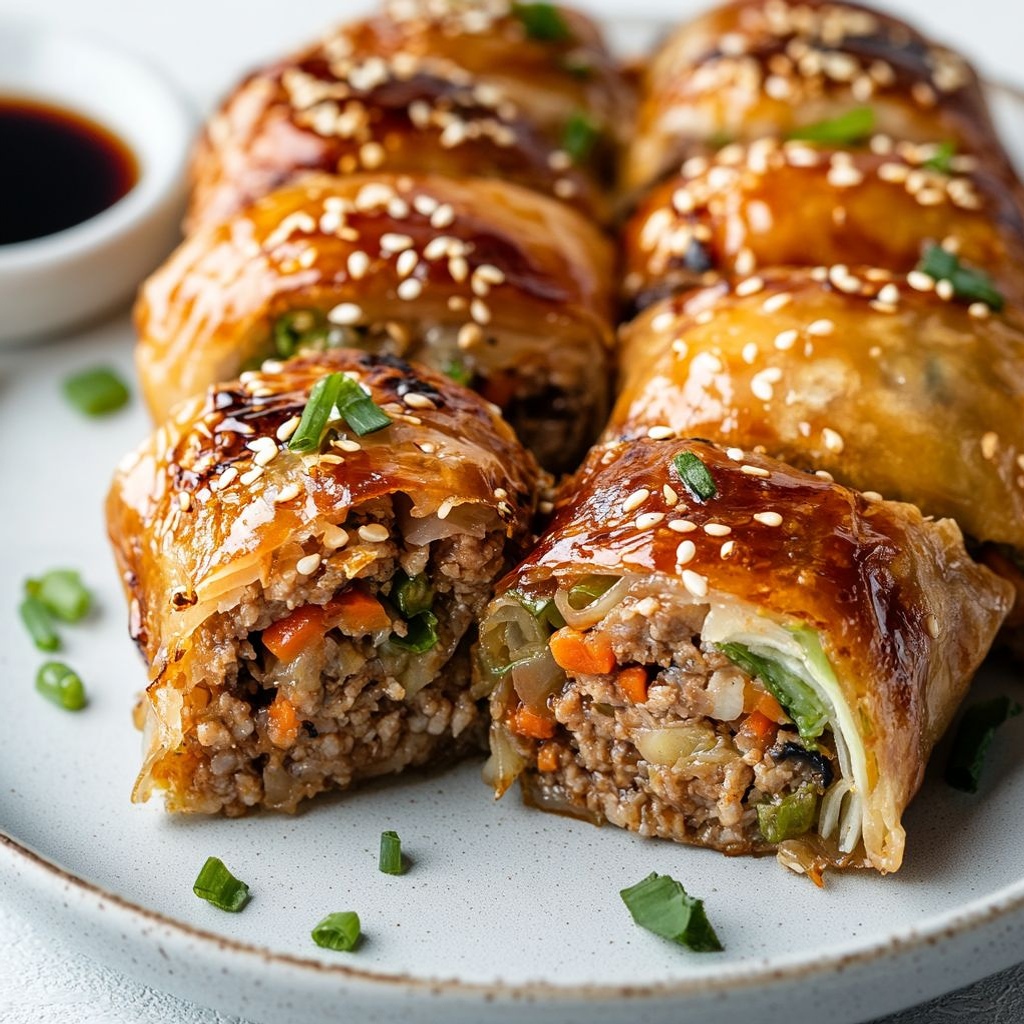
These meat rolls are hearty and comforting, featuring a savory ground beef filling tucked inside blanched cabbage leaves and braised in a rich tomato sauce. To keep the rolls tender, handle the filling gently and avoid overworking the meat; the egg and breadcrumbs act as binders to hold shape when seam-side down in the sauce.
For best texture, blanch the cabbage leaves until pliable, trim the thick veins, and brush lightly with olive oil so they roll without tearing and to prevent sogginess.
For a gluten-free version, use gluten-free breadcrumbs or substitute with 1/4 cup cooked rice or quinoa to bind the filling. If you’re not avoiding gluten, traditional breadcrumbs work fine as well. Optional mozzarella (1/2 cup, shredded) can be folded into the filling for melty richness, or left out for a lighter version.
To maximize flavor, sauté the onion briefly to mellow its sweetness and mince the garlic finely so it distributes evenly through the filling. Fresh parsley adds brightness and oregano provides a Mediterranean touch; adjust salt after tasting since the cabbage and sauce contribute saltiness.
To assemble, lay a cabbage leaf flat, place a generous scoop of filling near the edge, roll seam-side down, and nestle into the sauce. Repeat with remaining leaves. Cover and bake until the beef is cooked through and the sauce is thick and bubbling. If the sauce is too thick, loosen with a splash of water or stock.
These rolls make-ahead friendly and refrigerate well for up to 2 days. They also freeze beautifully—freeze baked rolls in the sauce, or assemble and freeze unbaked rolls and bake from frozen, adding extra bake time as needed.
Finish with grated Parmesan for a salty, nutty bite, a scattering of fresh parsley for color, and a pinch of red pepper flakes if you like a hint of heat. Serve with crusty bread, mashed potatoes, or a simple green salad to complete the meal.
Always taste the sauce and filling as you go, adjusting salt and balancing acidity with a pinch of sugar if needed. If using very lean beef, a splash of milk or a little extra egg can help keep the filling moist and cohesive.
Tips
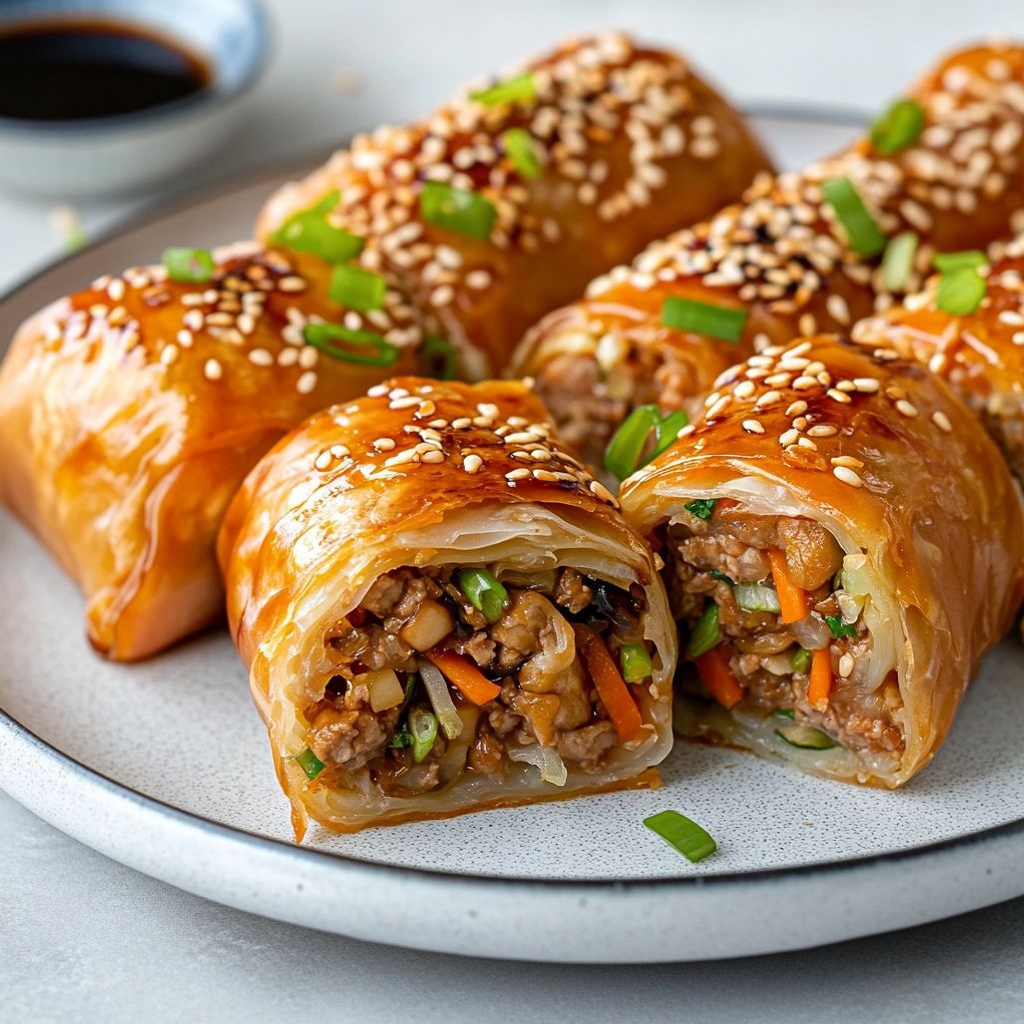
Tips for Perfect Meat Rolls
- Choose the right beef and handle gently: 85–90% lean helps rolls hold their shape and stay moist. Don’t overwork the mix; a light touch yields a tender texture.
- Binder balance: breadcrumbs bind moisture with the egg. If your mixture looks dry, stir in the optional milk a splash at a time; if too wet, add a bit more breadcrumbs. For gluten-free, gluten-free breadcrumbs or cooked rice are good substitutes.
- Prepare the onion and garlic properly: sauté the onion until translucent to mellow its sweetness and avoid raw onion bite. Mince garlic so it’s evenly dispersed; press for a stronger note if desired.
- Herbs and seasonings: fold in the parsley evenly for brightness. Use oregano sparingly—it’s a strong pairing with tomato sauce. If you have Italian seasoning, you can substitute but start with a small amount.
- Cheese in the filling (optional): if you add mozzarella, mix it through evenly so every bite has a gooey note. Do not clump cheese in one spot.
- Salt and pepper: season the filling in stages and taste as you go. Remember that cabbage leaves can contribute saltiness, so adjust accordingly.
- Milk as moisture: if using the optional 1 tablespoon of milk, add gradually to keep filling cohesive without making it soggy.
- Wrappers: blanch cabbage leaves until flexible, and trim the thick veins for easy rolling. Reserve the largest outer leaves for bigger rolls if needed. Pat leaves dry to prevent soggy rolls.
- Rolling technique: lay a cabbage leaf flat, place filling near the bottom edge, roll tightly, and seam-side down to seal. If a leaf tears, reserve it for smaller rolls or trim away the tough part.
- Oil the wrappers lightly: brush leaves with olive oil to prevent sticking and to help a glossy finish; avoid excess oil which can make wrappers greasy.
- Sauce base: begin with crushed tomatoes or passata for a smooth, saucy bake. Add garlic, tomato paste, oregano, and a touch of sugar if needed to balance acidity.
- Taste and adjust sauce: simmer briefly and taste before baking; season with salt and pepper gradually so the sauce harmonizes with the filling.
- Finish and serving: before baking, scatter Parmesan on top for a nutty finish and garnish with fresh parsley after resting. If you like heat, a pinch of red pepper flakes adds a nice kick.
- Make-ahead and storage: assembled rolls can be kept in the fridge for a day before baking. Leftovers refrigerate 2–3 days, and you can freeze assembled rolls in sauce for longer storage (thaw before baking).
FAQ
Meat Rolls – Frequently Asked Questions
What are meat rolls?
Meat rolls are savory logs made by shaping a seasoned ground-meat mixture around a filling (such as cheese, vegetables, or herbs) and cooking until fully set. They can be formed directly, wrapped in bacon or pastry, or rolled inside a thin meat layer.
What ingredients do I need for a basic meat rolls recipe?
For a simple version: 1 lb (450 g) ground meat (beef, pork, turkey, or a mix), 1 small onion (finely chopped), 2 garlic cloves (minced), 1 egg, 1/2 cup breadcrumbs or cooked rice, 1 tsp salt, 1/2 tsp black pepper, and optional herbs (parsley, thyme). For the center filling, choose cheese, sautéed spinach, mushrooms, or cooked vegetables. You can also wrap the rolls in bacon or puff pastry if desired.
What fillings can I use inside meat rolls?
Filling ideas include: cheese and spinach; sautéed mushrooms with herbs; grated carrot and zucchini; feta with olives and herbs; jalapeño and cheddar for a spicy kick; or a creamy filling made from cream cheese and herbs. Mix fillings with a little binding agent if needed for stability.
How do I prevent the filling from leaking out during cooking?
Tips: chill the filling before shaping; avoid overfilling the rolls; use a firm binder (egg or breadcrumbs) to help hold the mixture together; seal edges well with a damp finger or by pinching; if using wrappers (bacon or pastry), wrap securely to lock in the center.
What is the best way to cook meat rolls?
Ways to cook:
- Oven-baked: Bake at 375–400°F (190–200°C) on a lined sheet until cooked through (about 25–40 minutes, depending on size and filling).
- Pan-seared then baked: Sear all sides in a hot skillet, then finish in the oven to ensure even doneness.
- Wrapped in pastry: Bake at 400°F (200°C) until pastry is golden and filling is set.
How long do meat rolls take to cook?
Typical times for 1 lb of meat: bake at 375–400°F (190–200°C) for 25–40 minutes. If wrapped with bacon, add 5–15 minutes. Use a meat thermometer: 160–165°F (71–74°C) for beef/pork; 165°F (74°C) for poultry to ensure safety.
How should I season meat rolls?
Season generously with salt and pepper. Add herbs such as parsley, thyme, oregano, or dill. Enhance umami with garlic powder, onion powder, soy sauce, or Worcestershire as desired. Finish with fresh lemon zest or chopped parsley after baking for brightness.
How can I store and reheat leftovers?
Storage: refrigerate cooked meat rolls within two hours of cooking in an airtight container for 3–4 days. Reheat in the oven at 350°F (175°C) for 10–15 minutes, or briefly in the microwave until heated through (to 165°F/74°C). Add a splash of sauce or keep them moist to avoid drying out.
Can I freeze meat rolls?
Yes. Freeze assembled rolls uncooked (wrap well) for up to 2–3 months, or freeze cooked rolls for 1–2 months. Thaw in the fridge overnight and reheat as described above. If using puff pastry, freezing before baking helps prevent soggy pastry.