Introduction / Hook
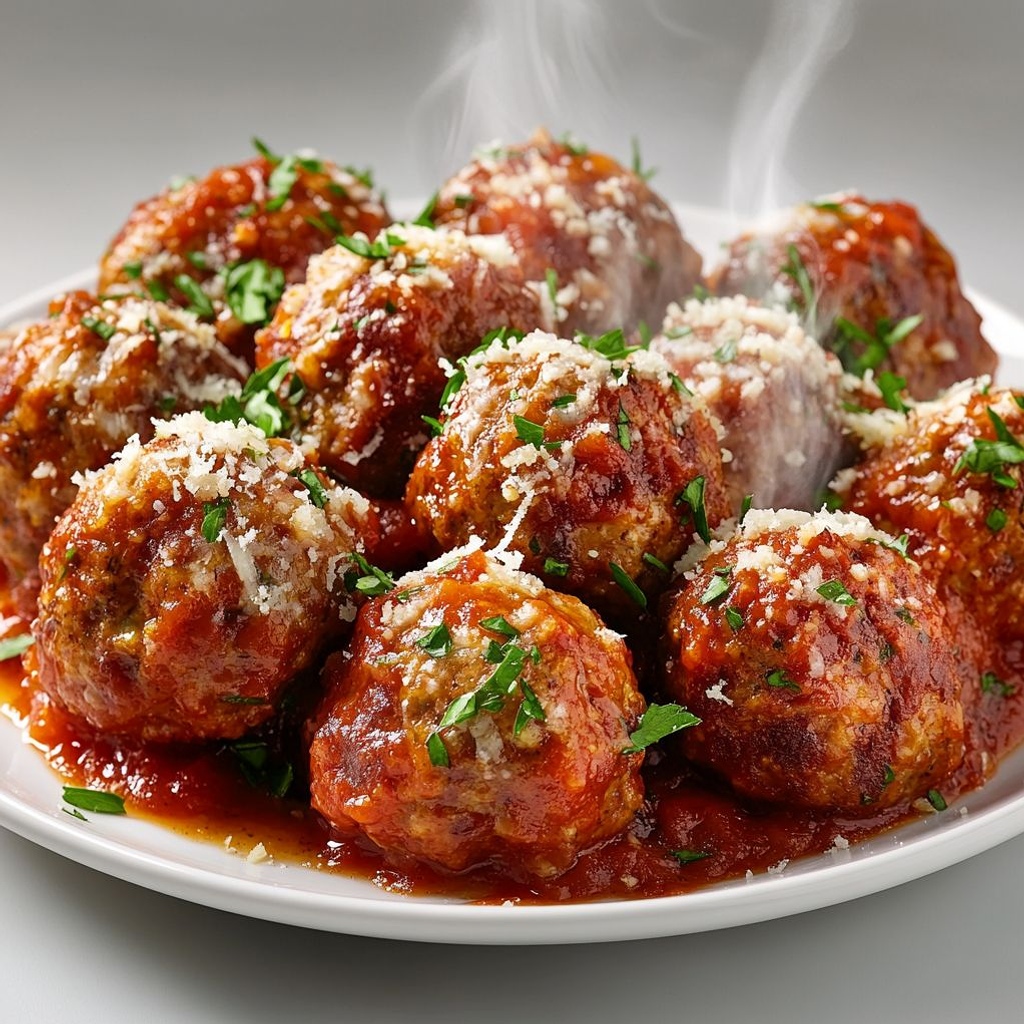
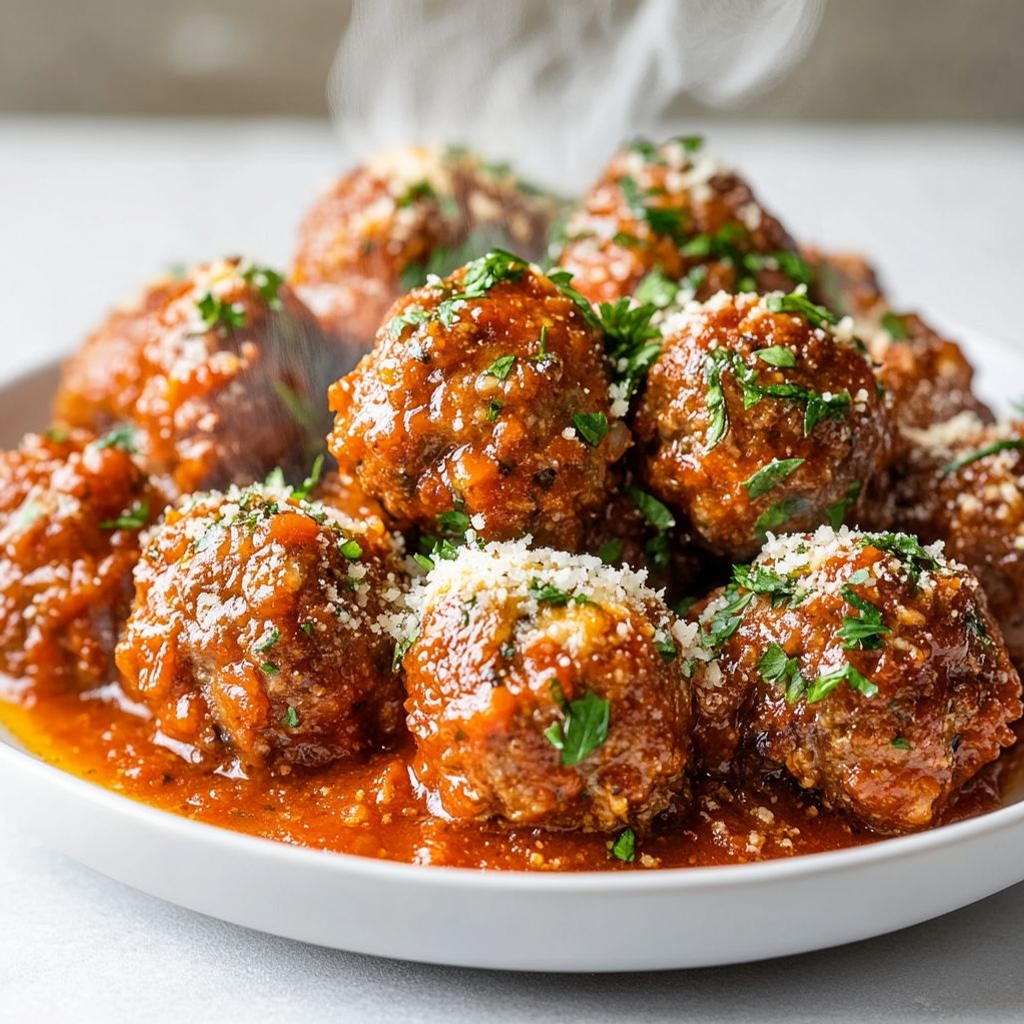
There’s something irresistibly cozy about the moment when a tray of baked meatballs slides from the oven, filling the room with a warm, savory aroma that feels like a hug you can taste. Baked meatballs are not just a dish; they’re a small celebration of home cooking—simple, honest ingredients transformed through heat, patience, and a careful touch. The surface crisps to a delicate bronze, a little crust that gives way to a tender, juicy interior, the flavors mingling in a chorus of garlic, herbs, and a richness that lingers on the palate. Cooking meatballs in the oven is like inviting comfort to your table with less mess and more precision: you get even browning, controlled moisture, and the freedom to focus on the stories you’ll tell while they rest. This is the kind of recipe that travels well—from a weeknight supper that makes everyone devour seconds to a potluck that starts conversations about family traditions and the way meals evoke memory. If you’ve ever wondered whether you can achieve the same restaurant-worthy texture at home without standing over a hot pan, the answer is a resounding yes, and the secret is simple: steady heat, gentle handling, and letting the oven do the heavy lifting.
Imagine a scent that feels like autumn: warm tomato sauce simmering in the distance, a hint of parmesan and oregano floating through the air, and the satisfying crackle of a well-browned edge as you pierce the first bite. Baked meatballs invite you to taste texture as much as flavor—the slightly crisp exterior gives way to a moist, herbaceous interior, with every bite delivering a balanced blend of meat, aromatic vegetables, and a subtle, comforting finish. They’re incredibly versatile, forgiving enough to adapt to your pantry, and sturdy enough to hold their own in a sauce, on pasta, or simply with a side of crusty bread and a crisp green salad. If you’re cooking for a crowd or simply treating yourself to a dependable, crave-worthy staple, baked meatballs are a timeless choice that never disappoints.
The Story Behind the Dish
Meatballs are one of those culinary ideas that appear in countless cultures, each with its own spin on texture, spice, and method. The concept—ground meat shaped into a small patty or ball—appears in kitchens across the globe, from Italy to Sweden, from the Balkans to the Middle East. The baked version you’re about to enjoy embodies a fusion of techniques: the tender, gently seasoned interior found in many traditional meatball recipes, and the oven method that modern cooks gravitate toward for its convenience and even results. The history of meatballs is a tapestry of family recipes passed down through generations, often adapted to what’s available in the pantry and to dietary preferences that shift with time.
In many Italian households, meatballs (polpette) were traditionally served as a hearty starter or as a main when sauce and pasta or polenta were nearby. In other cultural narratives, meatballs were built around the idea of stretching meat with grains or vegetables and then slow-cooking or roasting to achieve a delicate balance between bite and succulence. The baked technique likely emerged from a combination of practicality and curiosity: instead of pan-frying in batches, cooks discovered that a single sheet pan could yield evenly browned meatballs that retained moisture while absorbing the warmth of the oven’s dry heat. This method also aligns beautifully with contemporary kitchen rhythms—the ability to prepare a large batch, let it rest, and reheat for future meals without sacrificing texture or flavor.
Personal stories often attach to these little spheres as well. A grandmother who mixed in finely grated onion and garlic, a parent who learned to control moisture with just the right amount of bread or grain binder, a friend who experimented with regional spices to echo family travels. The result is a dish that carries continuity and comfort; a dish that, when plated, invites conversation as much as it invites appetite. The baked format respects the essence of traditional meatballs while embracing modern practicality—perfect for busy households, casual gatherings, and intimate dinners alike. It’s a small but meaningful bridge between yesterday’s kitchens and today’s streamlined routines, proving that some of the best meals come together with a few humble ingredients, steady heat, and a lot of heart.
Why You’ll Love This Recipe
- Hands-off elegance: once the meatballs are formed and placed on a sheet, the oven does the heavy lifting, giving you time to prepare sides or catch up with family.
- Even browning and moisture retention: baking on a rack or a sheet yields a consistent crust while preserving a juicy interior, avoiding greasy surfaces from pan frying.
- Versatility that fits your mood: these meatballs pair beautifully with tomato-based sauce, creamy gravies, or simply a squeeze of lemon and herbs for a brighter finish.
- Family-friendly and crowd-pleasing: the familiar, comforting flavor profile appeals to both kids and adults, making them a dependable centerpiece for weeknights or gatherings.
- Make-ahead magic: you can cook them in advance, freeze them, and reheat for a quick weeknight dinner—an essential trick for busy schedules.
- Customizable for dietary needs: the base concept adapts to gluten-free, low-carb, dairy-free, or plant-based variations without losing the charm of the dish.
- Economical and versatile: ground meat is forgiving, and when combined with pantry staples like herbs, spices, and a binder, you get rich flavor without costly ingredients.
Flavor Profile & Texture
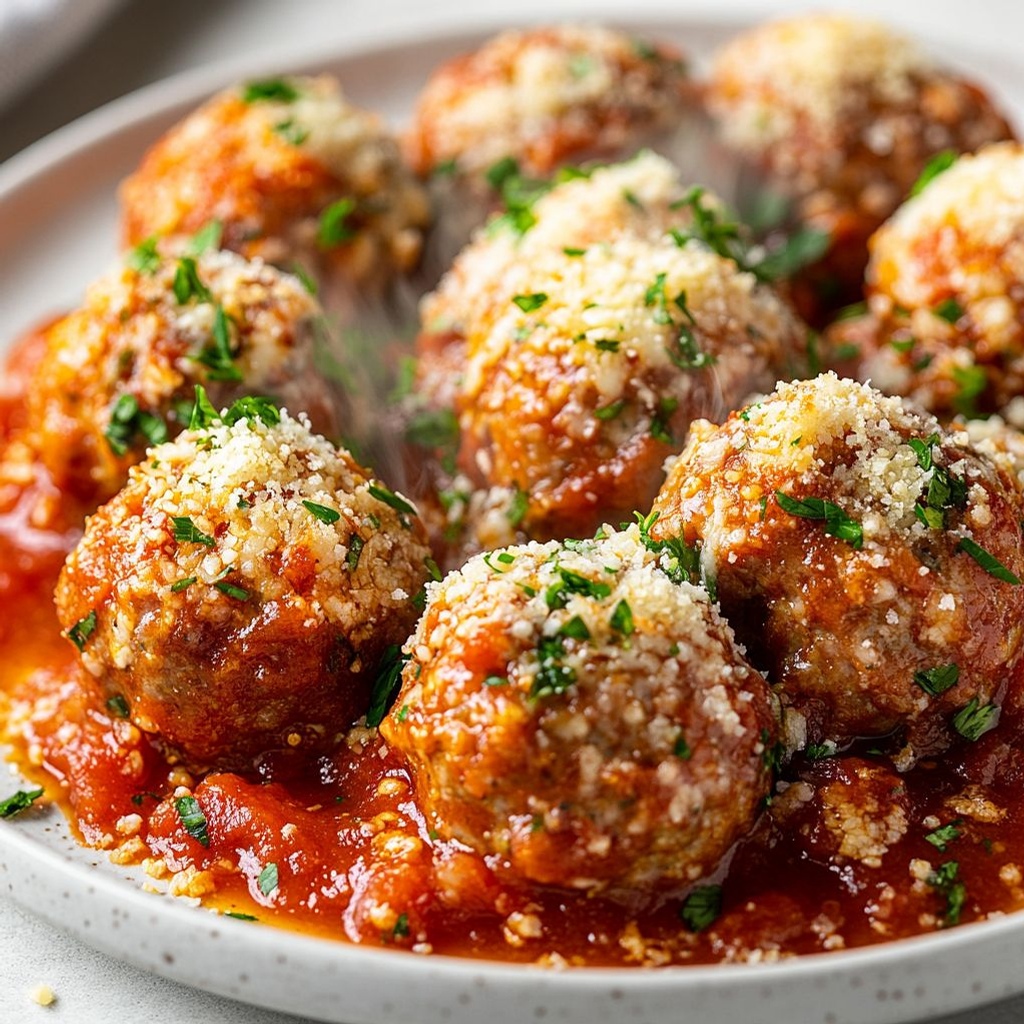
Think of baked meatballs as a balanced symphony of textures and flavors. The exterior offers a delicate, crisp-edged crust that forms as the heat seals in the juices, a pleasing contrast to the soft, almost velvety interior. The interior carries a savory, umami-rich core, where minced onions, garlic, and herbs mingle with the meat’s natural sweetness. The binder—whether it’s breadcrumbs, soaked crumbs, or a pantry stand-in—plays a quiet but crucial role in sustaining moisture and structure without weighing the mixture down. Parmesan or a similar aged cheese, if used, contributes a subtle nuttiness and a touch of salt that brightens the overall profile without becoming overpowering.
Herbs such as parsley, oregano, basil, or thyme bring freshness and lift, while a warming note from garlic and onion anchors the dish in familiar comfort. A simmering tomato sauce or a light, glossy glaze can elevate the meatballs into an overtly saucy, comforting course, yet they’re equally delightful eaten simply with a drizzle of olive oil and a crack of black pepper. The aroma itself—roasted garlic, caramelized onions, and the resinous sting of fresh herbs—creates anticipation before the first bite, an invitation to slow down and savor. Texture-wise, the juiciness is the star: the goal is a meatball that remains cohesive yet yields readily, with every bite delivering a satisfying pop of flavor and a lingering, satisfying finish that invites another bite.
Occasions & Pairings
Baked meatballs are remarkably adaptable for a range of occasions, from casual weeknights to more festive gatherings. Here are some ideas to imagine when planning your menu:
- Weeknight comfort: serve over spaghetti or another pasta with a simple tomato sauce, or tuck into a bowl of warm polenta for a hearty, cozy dinner.
- Potlucks and gatherings: offer as a finger-food option with toothpicks or as a main with a side of herbed quinoa or roasted vegetables.
- Holiday tables: pair with a bright herb salad and a garlic-olive oil drizzle to add a fresh note to a hearty spread.
- Kid-friendly options: pair with a mild marinara and lightly seasoned sides to keep flavors approachable for younger palates.
Pairing ideas to consider include:
- Pasta dishes: classic marinara, creamy cream sauce, or a robust bolognese for a comforting, family-style meal.
- Starches: creamy polenta, mashed potatoes, or a soft barley pilaf provide a comforting base that soaks up sauce beautifully.
- Vegetables: roasted zucchini, bell peppers, or a crisp green salad with a lemon vinaigrette balance the richness with brightness and crunch.
- Drinks: a medium-bodied red like Chianti, Merlot, or Sangiovese; or a sparkling water with a squeeze of lemon for a lighter pairing during warmer months.
- Condiments and sauces: a touch of pesto, a squeeze of fresh lemon, or a dollop of tangy yogurt-dill sauce can lift the flavors in unexpected ways.
Tips, Variations & Substitutions
Here is a toolbox of ideas to tailor baked meatballs to your tastes, dietary needs, and pantry reality. The beauty of this dish is that the fundamentals—good-quality ground meat, gentle handling, and proper binding—remain consistent while the flavors and textures can shift to your liking.
- Meat choices: a classic mix often uses beef, pork, and sometimes a touch of veal for richness. You can also lean lighter with ground turkey or chicken, or go bold with lamb. For vegetarian or vegan options, consider bases built from finely chopped mushrooms, lentils, or a plant-based mince, bound with breadcrumbs or soaked oats and flavored with the same aroma compounds (garlic, onion, herbs).
- Binders and moisture: breadcrumbs are a traditional choice, but you can experiment with rolled oats, crushed crackers, or a bit of cooked quinoa to vary texture. A splash of milk or a beaten egg helps with cohesion; for dairy-free versions, use plant-based milk and an egg substitute such as ground flaxseed mixed with water.
- Herbs and aromatics: parsley, garlic, and onion are classic, but you can tailor to cuisine-specific accents. Try adding chopped mint for a Mediterranean twist, cilantro and cumin for a Middle Eastern or Latino-inspired vibe, or thyme and rosemary for a more rustic, savory profile.
- Cheese options: a little grated Parmesan or Pecorino can bring a savory kick; you can skip cheese for a dairy-free version, or substitute nutritional yeast for a cheesy note without dairy.
- Breadcrumb alternatives: for gluten-free meals, use gluten-free breadcrumbs or finely crushed gluten-free crackers. For lower-carbohydrate options, try almond flour mixed with a small amount of almond milk to achieve binding without adding starch.
- Size and shaping: roll meatballs that are uniform in size to ensure even cooking. A golf-ball size is a popular standard; smaller meatballs cook faster and are ideal for sauce-based plates, while larger ones offer a satisfying bite on their own.
- Oven setup: you can bake directly on a sheet pan or place a wire rack over the pan to allow air to circulate around the meatballs, promoting even browning. A light spray or brushing of oil can encourage a crisp exterior without greasiness.
- Flavor accents: finish with a brush of glaze (like a balsamic reduction or a simple honey-garlic glaze) for a glossy surface and a sweet-savory note that complements savory meat.
- Regional twists: for an Italian-inspired profile, load the mixture with Italian herbs, red pepper flakes, and a touch of grated lemon zest; for a Nordic angle, infuse with allspice and caraway in the meat mixture and serve with a creamy dill sauce on the side.
Storage & Make-Ahead Ideas
One of the greatest advantages of baked meatballs is their excellent make-ahead potential. They reheat beautifully, maintain their texture, and can be repurposed in multiple meals. Here are practical tips to maximize your planning:
- Make-ahead: shape the meatballs and refrigerate them on a parchment-lined tray for up to 24 hours before baking. This helps them set, reduces sticking, and ensures a clean bake.
- Storing cooked meatballs: once baked and cooled, store in an airtight container in the refrigerator for up to 3–4 days. Reheat gently in the oven or in a skillet with a splash of sauce to prevent drying.
- Freezing options: freeze raw meatballs on a tray until firm, then transfer to a freezer bag. They can be baked from frozen; just add a few extra minutes to the bake time. Alternatively, freeze fully cooked meatballs with a light glaze of sauce to refresh during reheating.
- Reheating tips: reheat in a low oven (about 300–325°F / 150–165°C) until warmed through, or reheat in the sauce on the stovetop to re-blend flavors and maintain moisture. If reheating in sauce, they’ll become even more tender and flavorful.
- Make-ahead sauce synergy: if you’re serving with a sauce, you can prepare the sauce in advance and simply combine with the heated meatballs when you’re ready to serve. The flavors will mingle and deepen with time.
Fun Facts & Trivia (Optional)
Meatballs appear in countless cuisines, each with a story worth savoring. A few fun notes you might enjoy:
- The word “meatball” in English has roots that echo ancient practices of shaping minced meat into compact forms for easier cooking and sharing at the table.
- In Italy, polpette have a long tradition of regional variation—coined as a versatile canvas for whatever herbs bring the season into the kitchen.
- In many cultures, meatballs were historically a practical way to stretch meat with bread, grains, or vegetables to feed larger families, turning humble ingredients into a comforting, celebratory dish.
- The oven-baking technique emerged as a food-heritage favorite because it reduces splatter, frees cooks to multitask, and yields a consistent crust that pan-frying sometimes struggles to achieve on a busy weeknight.
- Modern kitchens often see meatballs as a symbol of hospitality—easy to share, easy to reheat, and easy to customize for dietary needs or taste preferences, making them a staple across diverse dining tables.
Closing Thoughts
Baked meatballs are more than a dish; they’re a reliable anchor for meals that feel warm, generous, and accessible. They invite you to adjust, experiment, and tailor them to the moment—whether you’re feeding a crowd, cooking for a family, or treating yourself to a comforting, dependable classic. The beauty of this recipe lies not only in its delicious outcome but also in the simple process that makes it so forgiving: mix, shape, bake, and enjoy. The result is a dish that whispers of home, travels well in conversations about culture and family histories, and always leaves a little room at the table for seconds, perhaps even thirds. When you plate your baked meatballs, you’re not just serving a meal—you’re offering a small ritual of warmth, connection, and delicious possibility that can brighten even the busiest days.
Ingredients
Baked Meatballs
Meat Mixture
- 1 1/2 pounds ground beef (85-90% lean)
→ The main protein that forms the meatball structure. A lean mix reduces excess fat while still delivering juicy meatballs; handling the meat gently and keeping it cold helps prevent dense, compact texture. For best results, refrigerate the mixture for 20-30 minutes before shaping to help it hold together. - 1/2 cup breadcrumbs (plain or gluten-free)
→ Acts as a binder and contributes to the light, cohesive crumb inside the meatball. If your breadcrumbs are dry, lightly hydrate them by soaking in a few tablespoons of the milk listed below for 5-10 minutes to improve moisture retention and binding. - 1/4 cup grated Parmesan cheese
→ Adds umami, saltiness, and helps with browning. Use finely grated cheese to distribute evenly throughout the mixture; if using a very salty cheese, adjust the other seasonings accordingly. - 1/4 cup milk (whole or 2%)
→ Provides moisture and helps hydrate the breadcrumbs, contributing to a tender, juicy interior. Dairy adds richness; for non-dairy, substitute with unsweetened almond or soy milk and consider a touch of olive oil to compensate for fat. - 1 large egg
→ Binds the meat mixture and helps hold its shape during baking. Do not overmix; stir just until combined to keep the texture light and avoid a dense, compact result. - 2 cloves garlic, minced
→ Imparts savory depth and aroma. For a milder flavor, sauté the garlic briefly in a teaspoon of olive oil until fragrant before mixing, then cool before adding to the meat. - 2 tablespoons finely chopped fresh parsley
→ Adds fresh color and a mild herbal note. Fresh parsley yields more vibrant flavor than dried; if using dried, use 1 teaspoon and crush to release the aroma. - 1 teaspoon dried oregano or Italian seasoning
→ Classic Italian flavor that complements tomato sauce and cheese. If you only have dried oregano, you can combine with 1/2 teaspoon dried basil for a similar profile; fresh herbs, if used, should be added at the end for brightness. - 1 teaspoon salt
→ Essential for balanced seasoning; cheese and breadcrumbs contribute salt as well, so start with this amount and adjust after tasting a small cooked piece. If you use salted milk or cheese, reduce if needed. - 1/2 teaspoon black pepper
→ Adds gentle heat and depth. Freshly ground pepper is recommended for a brighter aroma and better texture distribution throughout the meat. - 1/4 cup finely minced onion (optional)
→ Provides sweetness and moisture; for milder flavor, sauté the onion first until translucent and soft, then cool before mixing. Raw onion can intensify the bite, so adjust to taste. - 1 tablespoon olive oil (optional)
→ Adds moisture and helps with browning and tenderness, especially if using very lean beef. If using lean meat, the oil can improve mouthfeel; omit if you prefer a lower-fat version.
Sauce
- 2 cups marinara sauce (store-bought or homemade)
→ Provides the tomato-based cooking medium that flavors and keeps the meatballs moist as they bake. If you make your own sauce, simmer with garlic, olive oil, and herbs for deeper flavor. Use a sauce you enjoy, since the meatballs will absorb its seasoning while cooking. - 1 teaspoon sugar (optional)
→ Helps balance acidity from tomatoes, especially with very acidic canned sauces. Add to taste after blending the sauce; you can omit if your sauce is already balanced. - 2 tablespoons chopped fresh basil (optional) or 1 teaspoon dried basil
→ Fresh basil adds bright, aromatic notes; dried basil provides warmth but less aroma. If using fresh, add toward the end of cooking to preserve its flavor and color.
Toppings (Optional)
- 2 cups shredded mozzarella cheese
→ Melts into a creamy, gooey topping as the meatballs bake; for best results, bake the meatballs until they are nearly cooked, then scatter mozzarella over the sauce and return to the oven just until melted and bubbly. For dairy-free diets, use a plant-based mozzarella substitute. - Fresh basil leaves for garnish (optional)
→ A finishing touch that adds color and a final burst of aroma. Tear or chiffonade the leaves and scatter over the finished dish just before serving for maximum fragrance.
Instructions
- Preheat your oven to 350°F (175°C) and line a 9×13-inch baking dish with parchment paper or lightly grease it with oil or nonstick spray.
→ This ensures the meatballs bake evenly and release cleanly from the surface, preventing sticking and tearing when you spoon them into the sauce later. - Hydrate the breadcrumbs: in a small bowl, combine 1/2 cup breadcrumbs with 2 tablespoons milk from the 1/4 cup listed, and let soak 5–10 minutes until the crumbs are plump and have absorbed the liquid.
→ Hydrated breadcrumbs expand and bind with the meat more effectively, yielding a lighter, more cohesive interior rather than a dense, crumbly texture. - Mix the meatball base gently: in a large mixing bowl, add the ground beef, 1/4 cup grated Parmesan, 1 large egg, 2 minced garlic cloves, 2 tablespoons finely chopped fresh parsley, 1 teaspoon dried oregano or Italian seasoning, 1 teaspoon salt, 1/2 teaspoon black pepper, and 1/4 cup finely minced onion (if using); drizzle in 1 tablespoon olive oil. Fold the mixture together with a light touch until just combined, then fold in the hydrated breadcrumbs and any remaining milk.
→ Do not overwork the meat; gentle folding preserves the tender crumb and avoids a dense, compact texture that can result from heavy mixing. - Chill the meat mixture briefly: cover the bowl and refrigerate for 20–30 minutes to firm up the binding and make shaping easier.
→ Chilled meat holds its shape better during shaping and baking, reducing shrinkage and preventing loose meatballs in the sauce. - Shape uniform meatballs: lightly moisten your hands with water, portion the mixture into roughly 1.5–2-inch balls using a small scoop or rounded tablespoon, and roll them between your palms to smooth surfaces; place them on a parchment-lined sheet or directly into the prepared sauce dish if you will bake them in the sauce.
→ Uniform size ensures even cooking; keeping hands lightly damp prevents sticking and helps create smooth, evenly rounded meatballs that brown consistently. - Prepare the sauce base: pour 2 cups marinara sauce into the bottom of the baking dish or a wide sauté pan; swirl in optionally 1 teaspoon sugar to balance acidity and 2 tablespoons chopped fresh basil if using, reserving the fresh basil to add toward the end of cooking.
→ A balanced sauce improves overall flavor, and adding basil toward the end preserves its brightness and aroma. If you prefer dried basil, use 1 teaspoon. - Nestle the meatballs in the sauce: arrange the meatballs in a single layer, leaving space between them so air can circulate and they brown slightly as they bake; spoon some sauce over their tops to start flavor absorption.
→ Even spacing ensures the heat reaches each meatball for uniform cooking, while spooning sauce over the tops begins the flavor transfer early in baking. - Bake with sauce until nearly cooked: bake uncovered at 350°F (175°C) for 25–30 minutes, or until an instant-read thermometer inserted into the center of a meatball registers 160–165°F (71–74°C).
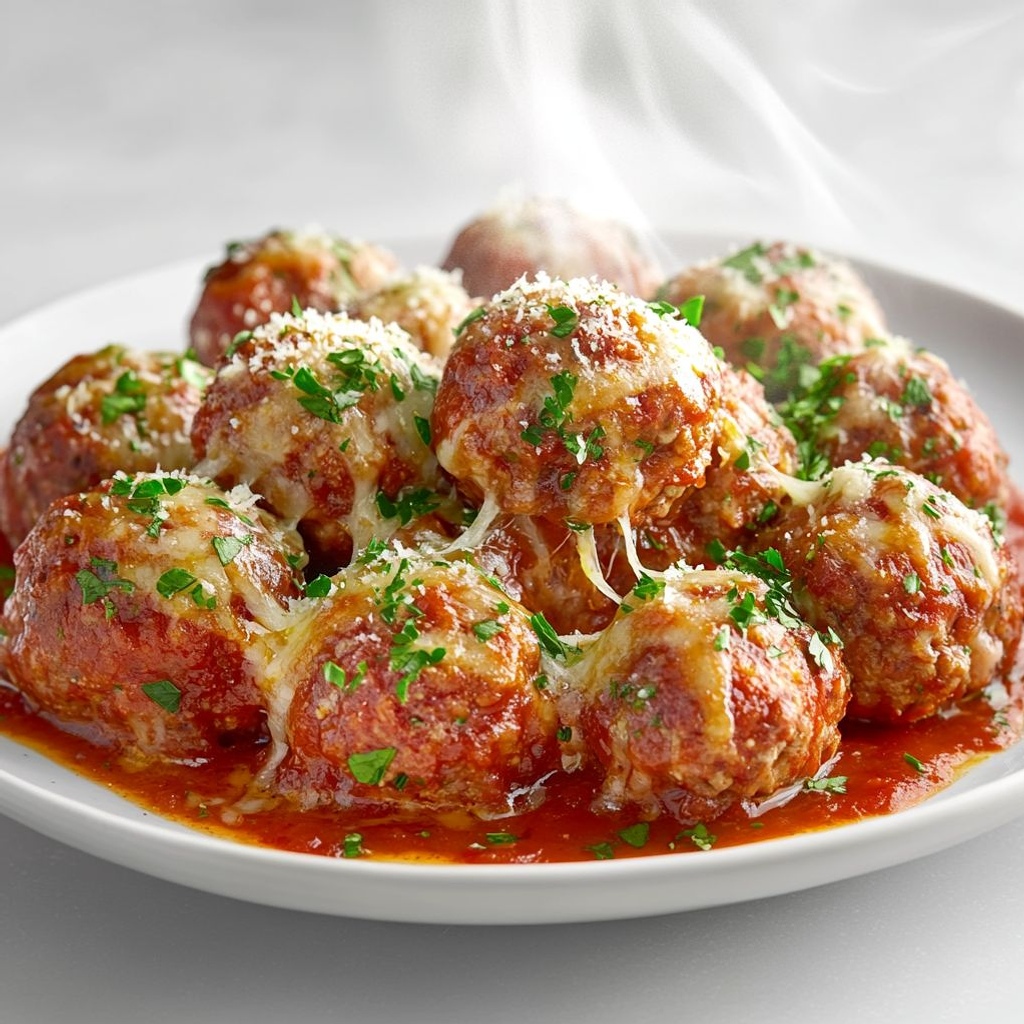
→ This internal temperature confirms safety and yields a juicy interior; avoid overbaking to prevent dryness, especially with lean beef. - Add mozzarella topping and finish baking: remove the dish from the oven, scatter 2 cups shredded mozzarella evenly over the meatballs and sauce, and return to the oven for 5–7 minutes, or until the cheese is melted, bubbly, and just starting to brown; if you like very bubbly edges, run under the broiler for 1–2 minutes, watching closely.
→ The mozzarella creates a creamy, pull-apart top; finishing in the oven allows the cheese to emulsify with the sauce and cling to the meatballs. - Garnish and rest before serving: remove from heat, garnish with fresh basil leaves if desired, and let the dish rest 5–10 minutes to allow the juices to redistribute; this makes serving neater and prevents sauces from splashing when you cut into a meatball.
→ Resting lets moisture redistribute and flavors meld, producing a more cohesive bite when plated. - Serve and pair: offer with hot pasta, crusty bread, or a green salad, and spoon extra sauce over the meatballs for maximum flavor; refrigerate leftovers in an airtight container within 2 hours or freeze for longer storage.
→ The sauce and meatballs taste even better after rests in the sauce, and proper cooling storage preserves texture and safety.
Notes
These baked meatballs are juicy, flavorful, and versatile, made with a lean ground beef mixture bound with breadcrumbs, grated Parmesan, milk, and an egg, then seasoned with garlic, parsley, and oregano and simmered in marinara until tender. For best texture, handle the mixture gently, chill it for 20-30 minutes before shaping, and avoid overmixing to keep the interior light. If the breadcrumbs seem dry, hydrate them in a few tablespoons of milk to improve moisture retention and binding. To keep the dish gluten-free, use plain or gluten-free breadcrumbs and choose a marinara you trust; you can also substitute with crushed gluten-free crackers if desired. For dairy-free versions, replace the milk with unsweetened non-dairy milk and skip the cheese, or use a dairy-free Parmesan substitute. Optional onion adds sweetness; sauté the onion until translucent and cool before mixing for milder flavor. A little olive oil in the meat mixture helps with browning and tenderness, especially with very lean beef. Shape evenly sized meatballs so they cook through at the same rate, then bake them in sauce or briefly bake first on a sheet pan and finish in the sauce to keep them saucy. Taste and adjust salt after a cooked sample, since cheese and sauce contribute salt. The meatballs freeze well—raw for later baking, or cooked and reheated—and they pair beautifully with pasta, zucchini noodles, polenta, or crusty bread. Finish with torn fresh basil or shredded mozzarella for a glossy, flavorful finish.
Tips
Tips for Perfect Baked Meatballs
Make-ahead and prep
- For best texture, refrigerate the meat mixture for 20–30 minutes before shaping. Keeping the mix cold helps it hold together and prevents dense meatballs.
- You can prepare the mixture up to 1 day ahead. If chilling overnight, resist adding salt or herbs that may draw moisture; add fresh herbs just before shaping if desired.
- Gluten-free or dairy-free options: use gluten-free breadcrumbs and dairy-free milk as needed; everything else remains the same.
Mixing, binding, and moisture
- Do not overmix the meat. Use a light folding motion just until the ingredients are combined to keep the interior tender.
- Hydrate breadcrumbs by soaking them briefly in milk (5–10 minutes). This helps bind the mixture and keeps the meatballs moist.
- Freshly grated Parmesan adds flavor and aids browning; if using very salty cheese, slightly reduce the added salt in the recipe.
- If the mixture looks dry, add an extra splash of milk or a teaspoon of olive oil to reach a cohesive, pliable consistency.
Shaping and browning
- Portion into evenly sized balls (about 1.5–2 inches in diameter) using a small scoop or lightly greased hands for uniform cooking.
- Chill formed meatballs on a lined sheet for 10–15 minutes before baking to help them hold their shape.
- Line your baking sheet with parchment or a silicone mat to prevent sticking and encourage even browning.
Cooking in sauce and baking times
- Option A — Bake first, then simmer in sauce: Bake at 400°F (204°C) for 18–22 minutes until browned and just cooked through (to an internal temperature of 160°F/71°C). Add to warm sauce and simmer 10–15 minutes to meld flavors.
- Option B — Bake in sauce: Nestle raw meatballs into simmering sauce and bake or simmer at 350°F (175°C) for 25–30 minutes, turning once, until cooked through.
- Use a meat thermometer to check doneness. Internal temperature should reach 160°F (71°C) for beef.
- Let the meatballs rest for 5 minutes after baking; this helps juices redistribute and keeps them juicy when served.
Sauce and flavor balance
- Sauce flavors intensify during baking; simmer the marinara with garlic, olive oil, and herbs beforehand for deeper flavor if time allows.
- Optional sugar can mellow acidity in very acidic sauces; add a small amount (1 teaspoon) and adjust to taste after the sauce has blended with the meatballs.
- Add fresh basil toward the end of cooking for bright aroma; dried basil can be added earlier to release its flavor.
Variations and substitutions
- Meat: Use a mix of beef and pork for extra flavor, or substitute equal parts turkey or chicken for a lighter version. Adjust fat or breadcrumbs if needed.
- Breadcrumbs: Gluten-free breadcrumbs work well; you can also use panko for extra crunch.
- Herbs and aromatics: If you love heat, add red pepper flakes. For a milder profile, reduce garlic or sauté it first to mellow its bite.
Storage, freezing, and reheating
- Refrigerate raw meatball mixture up to 1 day or bake and refrigerate cooked meatballs for 3–4 days. Reheat gently in sauce to avoid drying out.
- To freeze: shape raw meatballs on a sheet, freeze until solid, then transfer to a freezer bag. Bake straight from frozen, adding 5–10 minutes to the cooking time, or thaw first and bake as directed.
Serving suggestions
- Classic pairing: serve with spaghetti or your favorite pasta, topped with extra sauce and mozzarella if desired.
- For a lighter option, serve over zucchini noodles or with roasted vegetables.
- Finish with fresh basil and a light grating of Parmesan for color and aroma.
FAQ
What ingredients do I need for baked meatballs?
For about 1 lb (450 g) of meat, you typically need ground meat (beef, turkey, pork, or a mixture), ½ cup breadcrumbs, ¼ cup grated Parmesan (optional), 1 large egg, ¼ cup milk, 1 small finely chopped onion, 2 cloves garlic, 2 tablespoons chopped parsley, 1 teaspoon dried oregano, 1 teaspoon salt, and ½ teaspoon black pepper. Optional add-ins: 1–2 tablespoons olive oil or melted butter for extra richness. You can swap in ground turkey or chicken, or add grated zucchini or a splash of cream for moisture.
What temperature and how long should I bake meatballs?
Preheat the oven to 400°F (200°C). Bake on a parchment-lined sheet pan for 18–22 minutes, turning once halfway, until the internal temperature reaches 160°F (71°C) for beef, 165°F (74°C) for poultry (chicken), or 170°F (77°C) for turkey. Rest a few minutes before serving.
Can I make meatballs without eggs or dairy?
Yes. For an egg-free binder, mix 1 tablespoon ground flaxseed or chia with 3 tablespoons water and let thicken, or use mashed potatoes. Use dairy-free milk if needed. Avoid overmixing to keep them tender.
Can I bake meatballs from frozen?
Yes. Bake raw meatballs from frozen, adding about 5–10 minutes to the cook time (total around 25–32 minutes depending on size). Check for doneness with a thermometer (160–170°F depending on meat). If saucing later, you can bake them partially and finish in sauce.
Can I make-ahead or freeze meatballs?
Yes. To freeze raw meatballs, shape and place on a parchment-lined tray until solid, then transfer to a freezer bag. They bake directly from frozen. To freeze cooked meatballs, cool completely, then store in airtight containers for up to 3 months and reheat in sauce or a gentle oven until warmed through.
What sauces pair best with baked meatballs?
Classic marinara or tomato sauce is a staple. Other great options include creamy Swedish-style sauce, barbecue sauce for a smoky finish, or simply garlic olive oil. You can bake the meatballs in sauce or cook them first and toss in sauce after.
How can I make gluten-free baked meatballs?
Use gluten-free breadcrumbs or finely crushed gluten-free crackers/oats. If needed, replace parmesan with a dairy-free cheese substitute and ensure your sauce is gluten-free. Bind with eggs or a flax/chia mixture as above.
Can I use different meats in baked meatballs?
Yes. Beef provides rich flavor, pork adds moisture, turkey/chicken are leaner, and lamb offers a bold taste. A common mix is 75% beef and 25% pork for juiciness. Adjust seasonings to balance the fat content and flavor.
How do I know when the meatballs are cooked through?
Use a meat thermometer: 160°F (71°C) for beef, 165°F (74°C) for poultry, or 170°F (77°C) for turkey. If testing by cut, the center should be no pink and juices should run clear. If baking in sauce, ensure the center is hot before serving.
How should I store and reheat cooked meatballs?
Cool completely, then refrigerate in an airtight container for up to 3–4 days. Reheat gently in sauce on the stove or in a low oven, or briefly in the microwave. For longer storage, freeze cooked meatballs as described above and reheat from frozen.