Introduction / Hook
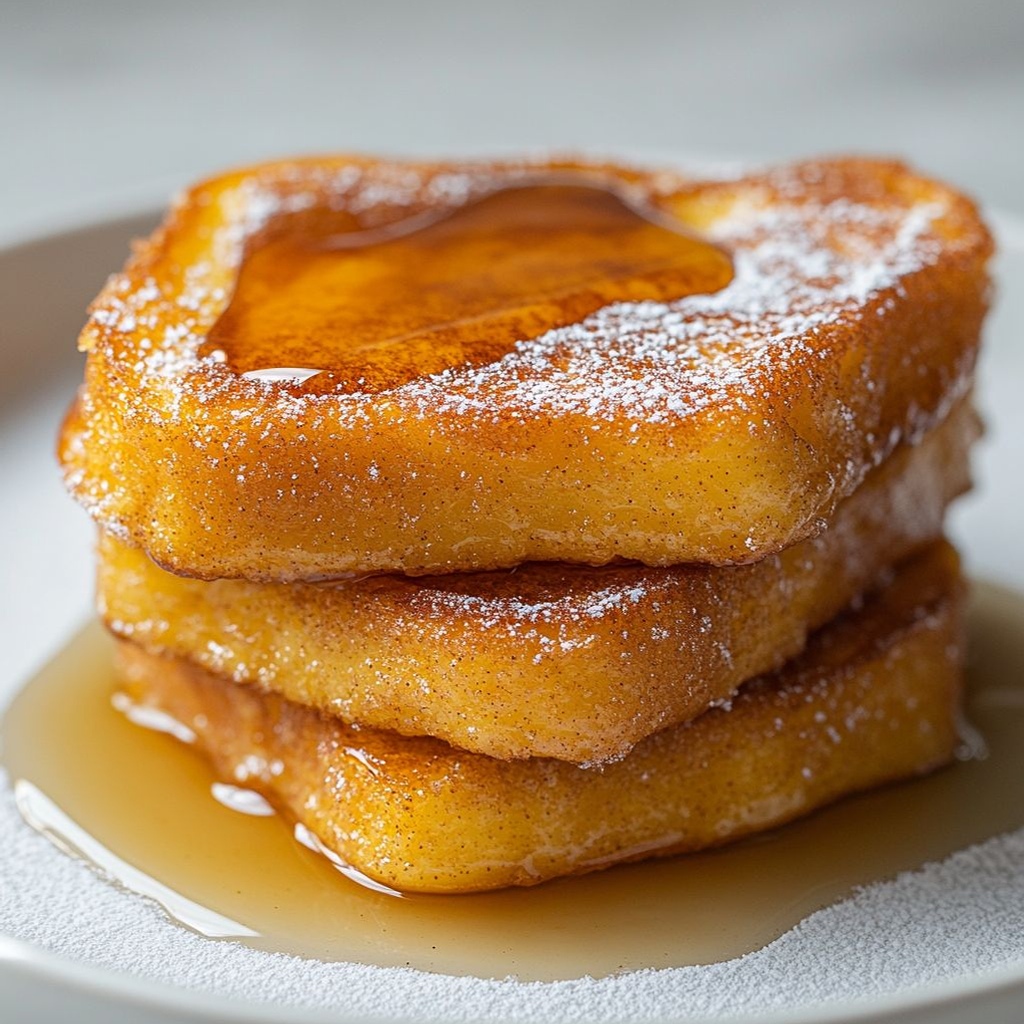
Imagine waking up to the irresistible scent of cinnamon and vanilla drifting through the house, the sizzle of butter meeting a warmly glazed slice of bread, and a crisp, caramel-hued crust that crackles with the first bite. Churro French Toast is the kind of breakfast that feels like a celebration, a cozy hug on a plate, and a playful nod to weekend indulgence—all at once. It’s the sweet, syrupy nostalgia of churros married to the comforting, custardy richness of classic French toast, with a sun-kissed cinnamon-sugar crust that crunches softly against a pillowy interior. This is not just a dish; it’s an experience you’ll want to relive every time your alarm clock goes off on a leisurely Saturday morning. The beauty of this creation lies in its contrast: the exterior is deeply caramelized, honeyed by butter and spice, while the inside remains tender, almost custard-like, carrying a whisper of vanilla and a hint of orange zest or almond that lingers as you savor the last bite. It’s a dish that invites you to slow down, savor the aromas, and start your day with a comforting, celebratory sense of indulgence.
The Story Behind the Dish
Food has a remarkable way of bridging cultures, and churro French toast is a delicious testament to that cross-cultural dialogue. The humble churro—long strips of fried dough rolled in cinnamon sugar—has its roots in Spanish and Portuguese street food, where it was historically enjoyed as a simple, satisfying indulgence on cool mornings or festive fairs. French toast, meanwhile, traces a more storied path through kitchens around the world, a frugal, comforting solution that turns stale bread into something salvaged and special. Combine these two familiar favorites, and you get a dish that feels both familiar and adventurous—like a brunch version of a favorite bedtime story you tell again and again. The idea here isn’t to mimic every churro or every slice of French toast exactly, but to honor their essential pleasures: the toasty, caramelized exterior; the creamy center; the way a little vanilla and spice can brighten a slice of bread into something memorable. Think of it as a culinary conversation across continents, where the sweetness of churro-inspired cinnamon sugar meets the warmth and tenderness of French toast, finished with a drizzle of syrup or a dollop of whipped cream that turns a breakfast into a shared celebration.
Why You’ll Love This Recipe
- Instant brunch magic: transforms everyday bread into something festive and comforting with minimal effort.
- Textural contrast that delights: a crisp, cinnamon-sugar crust surrounding a soft, custardy interior.
- Versatile sweetness: pairs beautifully with maple syrup, chocolate sauce, fresh berries, or a light dusting of powdered sugar.
- Family-friendly appeal: crowd-pleasing flavors that both kids and adults adore.
- Better-for-brunch flexibility: easily adaptable for weeknights with a quicker version or a make-ahead approach for busy mornings.
- One-pan-worthy aroma: fills the kitchen with warm, inviting scents that signal a comforting, satisfying meal ahead.
- Creative foundation for variations: a canvas for spices, citrus notes, or boozy syrup ideas for adults.
Flavor Profile & Texture
The essence of this dish starts with a chorus of spices: cinnamon is the lead, with notes of nutmeg and a whisper of vanilla adding depth. The bread—thickly sliced and ideally day-old or lightly stale—takes on a custardy soak that infuses every crumb with richness without becoming soggy. On the surface, the bread develops a lacquer of caramelized sugar and melted butter that forms a delicate crust. When you bite, you’re met with a gentle crackle, followed by a creamy, airy center that holds the flavors of the batter long after you swallow. The churro-inspired coating brings a crisp, sugar-kissed finish that lightly crunches, echoing the crunchy exterior of a fried churro. If you seek a balance of sweetness, there’s a subtle undercurrent of vanilla, a faint citrus brightness, and a touch of salt that lifts the whole experience rather than weighing it down. The resulting sensation is warm, comforting, and indulgent without feeling heavy—a breakfast that feels like a treat, yet is perfectly suited for a lazy weekend morning.
Occasions & Pairings
Churro French Toast shines in moments that call for a little extra joy. It’s ideal for weekend brunch gatherings with family and friends, celebratory breakfasts (think birthdays, anniversaries, or holidays that call for a sweet start), and leisurely Sunday mornings when the house is alive with conversations and laughter. It also works beautifully as a special-occasion breakfast for Valentine’s Day or Mother’s Day, when you want to treat someone to something both nostalgic and novel. For pairings, consider these ideas to elevate the experience:
- Hot beverages: a robust cup of coffee or a richly brewed espresso, perhaps with a splash of vanilla, pairs perfectly with the cinnamon notes.
- Fruit companions: a bright berry compote, sliced bananas, or sautéed apples offer a fresh contrast to the sweetness and add a welcome tartness.
- Dairy accents: a dollop of whipped cream, a spoonful of yogurt, or a light dusting of powdered sugar enhances the creamy texture and rounds out the flavors.
- Sweet drizzles: maple syrup remains a classic, while chocolate sauce or caramel can take the dish into dessert territory for a brunch-dessert hybrid.
- Savory counterpoint (optional): a few slices of crispy bacon or roasted ham can provide a satisfying saltiness that cuts through the sweetness for a balanced plate.
For occasions, you can build a brunch menu around this dish, pairing it with lighter fare like citrusy yogurt parfaits, a bright green salad, or a savory squash tart. If you’re feeding a crowd, consider topping the table with an assortment of syrups—maple, caramel, and even a berry reduction—so guests can customize their own perfect bite. The dish’s forgiving nature means you can scale up without sacrificing texture or flavor, making it a dependable centerpiece for gatherings large or small.
Tips, Variations & Substitutions
Tips for the best texture
Use sturdy bread that can hold up to soaking without disintegrating. Brioche, challah, or thick-cut sandwich bread are excellent choices because they soak up the custard while maintaining structure. Allow the bread to sit in the batter for a few minutes to absorb the flavors, but avoid oversoaking, which can lead to a soggy exterior. When cooking, use a well-seasoned skillet or a nonstick pan with a moderate heat to ensure the crust caramelizes evenly without burning. A small amount of butter or neutral oil in the pan helps achieve that glossy, crisp surface. Keep an eye on the color—aim for a deep golden-brown with a slight caramel sheen rather than a pale surface that lacks that signature crunch.
Vegan, gluten-free & dietary-friendly options
For a vegan version, substitute dairy milk with almond, soy, or oat milk and use a plant-based butter or coconut oil for the cooking fat. Replace eggs with a flaxseed or chia seed mixture (ground seeds mixed with water to mimic the binding power of eggs), then proceed with the custard-like soak using your chosen plant-based milk. For gluten-free versions, select sturdy gluten-free bread and ensure your cooking fat remains hot enough to achieve a crisp exterior. If you’re avoiding added sugars, you can reduce or omit the cinnamon-sugar coating and rely on a lighter dusting of cinnamon and a drizzle of maple syrup or a fruit-based sauce to finish. You can also experiment with alternative coatings, such as finely crushed nuts or a pinch of cocoa powder for a mocha-inspired twist.
Flavor variations & regional twists
Give this dish a signature twist by incorporating different spices and zests. Try adding a pinch of cardamom and orange zest for a brighter, more citrus-forward profile. A touch of chile powder or smoked paprika can provide a subtle, warmth-infused heat that plays well with the cinnamon. For a chocolate-churro riff, drizzle with warm chocolate sauce or dust with cocoa powder in addition to the cinnamon-sugar coating. A cinnamon-vanilla-caramel glaze can transform the dish into a near-dessert experience without losing its breakfast roots. You can also riff on the churro element by finishing with a light dusting of cinnamon-sugar mixed with a pinch of espresso powder for a mocha-churro vibe.
Regional twists
Bring in regional flavors to reflect your heritage or pantry staples. In a Mexican-inspired version, pair with cajeta (or dulce de leche) and a touch of ancho chili for a subtle heat and caramel sweetness. In a French-country style, add a hint of lavender or orange blossom water to the custard, finishing with a drizzle of orange-scented syrup. An Italian-inspired variation might incorporate a hint of espresso and a dusting of cocoa, pairing beautifully with a light mascarpone cream on the side for a luxurious brunch plate. These twists honor the dish’s caramelized, comforting core while letting you tailor the experience to your mood or menu theme.
Storage & Make-Ahead Ideas
This dish is surprisingly forgiving when it comes to planning ahead. For make-ahead prep, you can assemble the slices on a baking sheet and cover tightly, then refrigerate them for a few hours before cooking, or soak bread slices in the custard overnight in the refrigerator (if you’re comfortable with keep-safe practices). When storing leftovers, cover and refrigerate for up to 2 days. Reheat gently in a skillet over medium-low heat, adding a splash of milk to help restore the custard’s creaminess, or warm in a low oven to re-crisp the crust. If you’d like to freeze this dish, assemble and freeze the coated slices on a sheet pan, then transfer to a bag or container. Thaw in the fridge overnight and cook as usual; expect a slightly longer cooking time due to the chill factor. To keep the exterior crisp after reheating, re-crisp in a hot skillet with a small amount of butter or oil until the crust returns to a crackly finish.
Fun Facts & Trivia (Optional)
Did you know that French toast is sometimes called “poor knights” in some cultures, a playful nod to its humble origins as a way to transform stale bread into a nourishing meal? The concept of soaking bread in a rich custard before cooking exists in many cuisines around the world, which is part of what makes dishes like Churro French Toast feel so universal—comfort and sweetness wrapped in familiar textures. Churros, meanwhile, claimed their fame in Iberian culinary traditions long before crossing oceans, evolving into a street-food staple that inspires countless modern reinterpretations. The union of churro flavors with French toast isn’t just a tasty mash-up; it’s a celebration of how culinary ideas travel, are embraced, and reimagined. If you listen closely while you cook, you might hear the echo of bustling markets abroad and the quiet joy of a kitchen that welcomes both nostalgia and novelty in equal measure.
Ingredients
- Churro French Toast Base
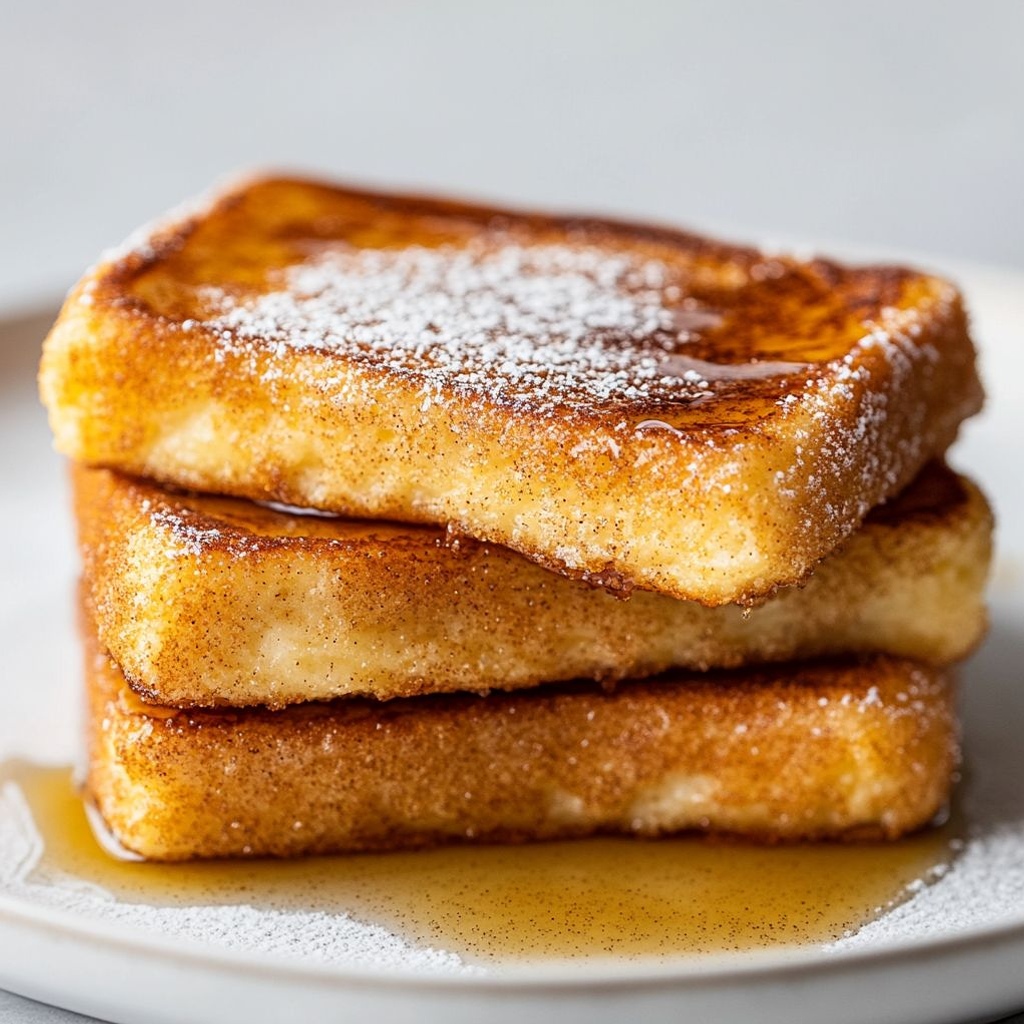
- Bread – 8 slices thick-cut brioche or challah (about 1 inch thick)
→ Purpose: Provides a sturdy, tender base that absorbs the custard while keeping its shape during cooking. Preparation: Use bread that is a day or two old to prevent it from becoming mushy; if using fresh bread, toast lightly to dry out the crumb. Tips: Brioche or challah yields a richer, sweeter French toast; trim crusts if desired, and ensure slices are evenly thick for uniform soaking and cooking. - Eggs – 4 large eggs
→ Purpose: Create the custard binding that coats the bread and sets as it cooks. Preparation: Whisk eggs with milk, cinnamon, sugar, and salt until smooth. Tips: Do not overwhisk; for a richer custard, whisk in 1 tablespoon cream or use more yolks; let mixture rest a moment to marry flavors. - Milk – 1 cup whole milk (or 2/3 cup half-and-half for richer)
→ Purpose: Adds moisture and helps carry the custard flavors. Preparation: Whisk into egg mixture; Tips: Whole milk yields creamier texture; dairy-free option: use full-fat canned coconut milk with a splash of cream substitute; avoid skim for best consistency. - Ground cinnamon – 2 tsp
→ Purpose: Infuses a churro-like spice into custard and will be part of the coating. Preparation: Measure and whisk into custard; Tips: For stronger aroma, bloom cinnamon by rubbing with sugar or briefly warming with liquid before adding to the mixture; fresh ground yields best aroma. - Vanilla extract – 1 tsp pure vanilla extract
→ Purpose: Adds depth and sweetness to the custard. Preparation: Use high-quality pure vanilla; Tips: If you have vanilla bean paste, you can use 1/2 to 1 teaspoon for more intense flavor; avoid imitation vanilla for best aroma. - Granulated sugar – 2 tbsp
→ Purpose: Sweetens the custard to balance cinnamon. Preparation: Dissolve into the mixture; Tips: Adjust to taste; brown sugar can be substituted for a deeper note but may alter color and flavor. - Salt – Pinch of fine sea salt (about 1/4 tsp)
→ Purpose: Enhances overall flavor and balances sweetness. Preparation: Stir into custard; Tips: A small amount goes a long way to brighten flavors.
- Bread – 8 slices thick-cut brioche or challah (about 1 inch thick)
- Churro Coating
- Granulated sugar for coating – 1/2 cup
→ Purpose: Creates the classic churro crust when combined with cinnamon. Preparation: Mix with cinnamon for even coating; Tips: Use a shallow dish for easy dredging; for extra crunch, add a pinch of salt to the coating. - Ground cinnamon – 2 tsp
→ Purpose: Aromatic cinnamon layer in the churro coating. Preparation: Combine with sugar; Tips: Freshly ground cinnamon releases more aroma; after mixing, rest briefly so the aroma blooms. - Melted unsalted butter – 3 tbsp
→ Purpose: Helps the cinnamon-sugar coating adhere to the bread and adds rich flavor. Preparation: Brush onto each slice before coating; Tips: Do not saturate; use warm butter so coating adheres well; rewarm if it solidifies when coating.
- Granulated sugar for coating – 1/2 cup
- Optional Add-ins
- Semisweet chocolate chips – 1/4 cup (optional)
→ Purpose: Adds pockets of melted chocolate for indulgence. Preparation: Sprinkle into the custard or tuck into slices before soaking; Tips: Press chips gently to keep from sinking; don’t overdo to avoid overcrowding. - Chopped pecans or walnuts – 1/4 cup (optional)
→ Purpose: Adds crunch and toasty, nutty flavor. Preparation: Toast nuts in a dry skillet 2-3 minutes to heighten aroma; chop evenly and distribute; Tips: Toasting enhances flavor; store leftovers in an airtight container to maintain crispness.
- Semisweet chocolate chips – 1/4 cup (optional)
- Toppings / Serve
- Pure maple syrup – 1/4 to 1/2 cup (for serving)
→ Purpose: Finishing sweetness and moisture to complement the cinnamon; Preparation: Warm slightly for easier drizzle; Tips: Use 100% pure maple syrup for best flavor; adjust amount to personal preference. - Powdered sugar – 1-2 tbsp (for dusting)
→ Purpose: Light, airy sweetness and decorative finish. Preparation: Dust while toast is warm so it clings; Tips: Sift to avoid clumps and apply a light hand for a subtle effect. - Fresh berries – 1 cup (optional)
→ Purpose: Adds brightness and acidity to balance rich flavors. Preparation: Rinse and pat dry; Tips: Use seasonal berries; serve immediately to keep texture.
- Pure maple syrup – 1/4 to 1/2 cup (for serving)
Instructions
- Preheat a large heavy-bottom skillet or cast-iron pan over medium heat and lightly grease with butter or neutral oil to prevent sticking and promote even browning.
→ A properly heated surface ensures the custard sets quickly without soggy interiors and yields a crisp, bronzed crust on the churro-coated surface. - Whisk the custard base: in a wide mixing bowl, whisk together 4 large eggs, 1 cup whole milk, 2 teaspoons ground cinnamon, 2 tablespoons granulated sugar, 1 teaspoon vanilla extract, and a pinch of fine salt until the mixture is smooth and homogeneous; let it rest 5 to 10 minutes to marry the flavors and relax the proteins so the bread tenderizes rather than toughens.
→ Resting the custard helps the flavors integrate and yields a creamier, more cohesive soak for the bread. - Prepare the churro coating: in a shallow dish, combine 1/2 cup granulated sugar with 2 teaspoons ground cinnamon; place melted unsalted butter (3 tablespoons) in a separate small dish so you can brush it onto the bread before coating; this setup ensures even adherence and a luscious, glossy crust.
→ The cinnamon-sugar coating creates the classic churro flavor while the butter acts as a binding agent for the coating. - Prepare the bread: select 8 slices thick-cut brioche or challah, around 1 inch thick; if the bread is very fresh, toast lightly to dry the crumb; trim crusts if desired for uniform thickness; arrange in a single layer on a tray so each slice soaks evenly.
→ A day-old or lightly stale loaf absorbs custard without turning to mush, while even thickness ensures uniform soaking and cooking. - Dip and soak the bread in custard: one by one, dip each slice into the custard for about 15–25 seconds per side, ensuring the crumb absorbs enough moisture but does not disintegrate; lift and let excess custard drip back into the bowl before proceeding.
→ Proper soaking in the custard yields a custardy interior while the exterior remains firm enough to crisp. - Brush a light coat of melted butter onto the custard-soaked side of each slice before coating; this step helps the cinnamon-sugar adhere and contributes richness to the crust.
→ The butter creates a receptive surface for the sugar-cinnamon mixture and adds depth of flavor through browning. - Coat the bread in the churro mixture: press the buttered side of each soaked slice into the cinnamon-sugar mixture, turning to coat both sides evenly; for best results, press gently to ensure the coating adheres without sliding off.
→ A well-adhered coating yields a crisp, fragrant crust that tastes like a churro with every bite. - Cook the churro-coated toast: in the preheated skillet, add a small amount of butter or oil (about 1–2 tablespoons) and swirl to coat; place 2–4 coated slices in the pan, ensuring they do not crowd; cook until the bottom is deeply golden and crisp, about 2–3 minutes, then flip with tongs and cook the other side 2–3 minutes more, adjusting the heat as needed to maintain a steady sizzle.
→ Crowding lowers the pan temperature and softens the crust; keeping the heat steady ensures an even, bronzed crust and a custardy interior. - Keep the finished churro French toast warm while you cook the remaining slices: transfer cooked pieces to a warm rack or a low-temperature oven (about 200°F/93°C) to avoid sogginess and to ensure all slices stay crisp.
→ Warming in a low oven prevents the crust from softening while maintaining the desired texture for serving all at once. - Optional add-ins: if using semisweet chocolate chips, sprinkle 4–6 chips into the custard or tuck them into the center of slices just before soaking so they stay evenly distributed and melt into pockets; if using chopped pecans or walnuts, toast them lightly in a dry skillet 2–3 minutes to heighten aroma and press onto the crust during the last minute of cooking for added crunch.
→ Chocolate creates indulgent pockets of melt-in-the-mouth contrast, while toasted nuts provide nutty aroma and crunch that complement the churro crust. - Plate and serve: dust hot toast with powdered sugar in a light, even layer; offer pure maple syrup on the side warmed to pourable consistency; garnish with a handful of fresh berries if desired to introduce brightness and balance; present promptly so the crust remains crisp.
→ Powdered sugar adds a delicate finish and the syrup provides moisture and sweetness; berries provide acidity to cut through the richness.
Notes
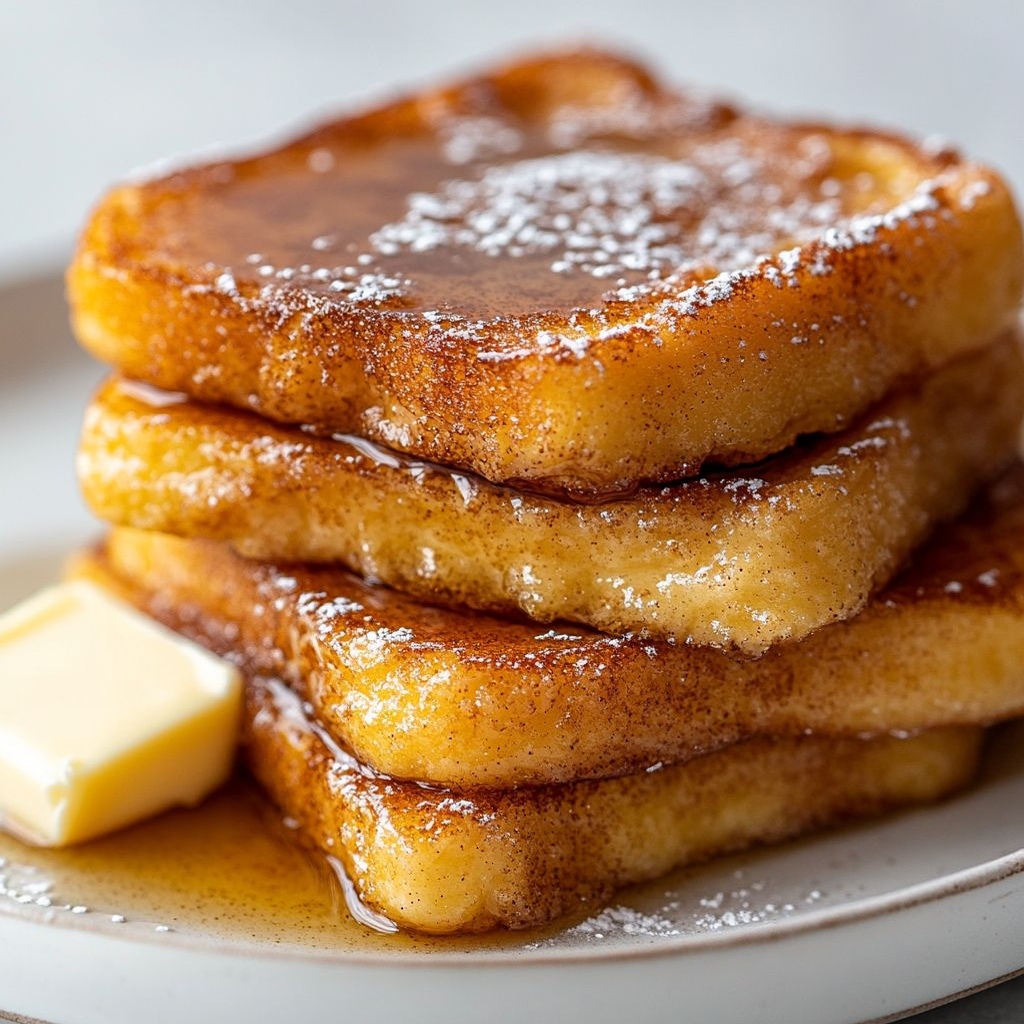
These churro French toast slices are a brunch-friendly indulgence that pair a custardy vanilla-egg soak with a crisp cinnamon-sugar crust. Brioche or challah provide a tender, sturdy base that soaks up the custard without getting mushy, while the churro coating adds a golden, spicy-crunch finish. You can customize them by using different sturdy breads (such as sourdough or French bread), adjusting the cinnamon and sugar ratio, or adding optional add-ins like semisweet chocolate chips or chopped pecans for extra texture. For best results, use bread that’s a day or two old and let the custard rest briefly after whisking to let the flavors meld.
Cook tips: preheat your skillet to medium heat and brush each slice with a little melted butter before coating so the sugar sticks without pooling. Soak the bread slices in the custard just long enough to saturate—about 15-25 minutes total for the batch—then fry until deep golden on both sides, repeating with the remaining slices. Serve warm with warm maple syrup, a dusting of powdered sugar, and fresh berries for brightness. Leftovers can be refrigerated for 1-2 days and reheated in a 350°F (175°C) oven or toaster oven to recapture crispness; to freeze, flash-freeze individual slices and reheat directly from frozen. If you’re keeping this dairy-free or gluten-free, substitute with quality dairy-free bread and milk, and adjust the coating amounts to ensure a crisp finish.
Tips
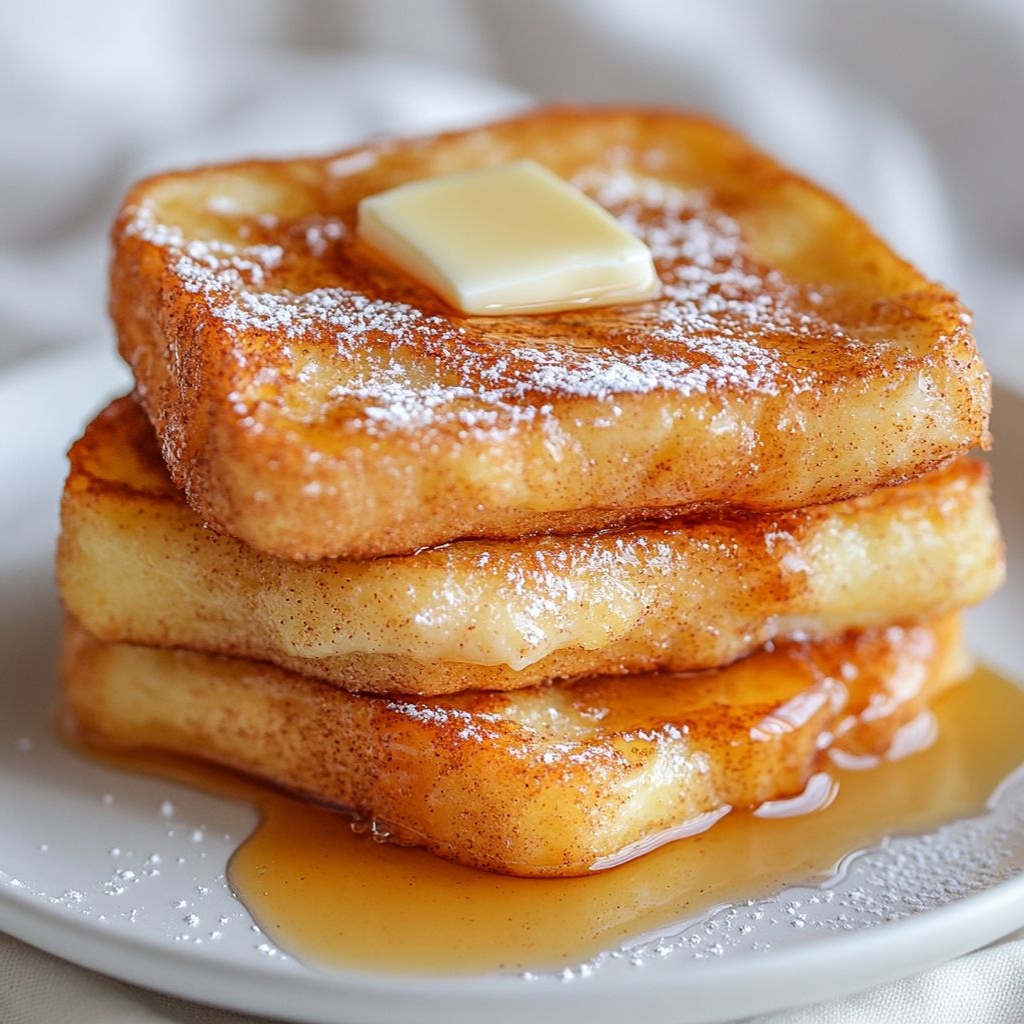
Tips for Perfect Churro French Toast
Bread selection and handling
- Use bread that is a day or two old to maximize structure; fresh bread can be too soft and may become mushy after soaking. If you only have fresh bread, toast slices lightly to dry out the crumb before soaking.
- Thick-cut brioche or challah is ideal for a tender yet sturdy slice. If crusts bother you, trim them before soaking to ensure even absorption.
- For even coating, try to keep slices as uniform in thickness as possible. This helps them cook at the same rate and prevents under- or overcooked edges.
Custard prep and soaking technique
- Whisk eggs with milk, cinnamon, sugar, and salt until smooth, then let the mixture rest for a few minutes to marry flavors. A short rest helps the spices bloom and enhances aroma.
- Do not overbeat after adding the milk; you want air incorporated but not fluffy. If you wish a richer custard, whisk in a tablespoon of cream or another yolk.
- For even cinnamon distribution, sift in the cinnamon before whisking and consider blooming it by rubbing with a small amount of sugar or warming briefly with the liquid.
- Soak time: dip each slice just long enough for it to soak through but not fall apart—about 20–40 seconds per side for 1-inch slices. Thick slices may benefit from a slightly longer soak, but watch closely to avoid soggy bread.
Churro coating tips
- Prepare a shallow dipping dish with the cinnamon-sugar coating. Brushing each slice with melted butter before coating helps with adhesion; do not oversaturate, or the coating will slide off.
- For extra crunch and aroma, toast the cinnamon in the sugar briefly before mixing (lightly warm and stir). This blooms the aroma more than mixing alone.
- Coat slices while they are still warm from the soak; the butter will help the coating cling better to the surface.
Cooking technique and timing
- Cook on a preheated nonstick skillet or griddle over medium heat. Too hot and the coating will burn before the custard sets; too cool and the slices may become soggy.
- Use a small amount of oil or extra butter alongside the butter for coating to prevent sticking and to promote even browning.
- Cook until the underside is golden brown, then flip and finish on the other side. If the custard around the edges looks very fluid, reduce heat a touch and cook a bit longer to set.
- Keep finished slices warm in a low oven (about 200°F / 95°C) while you cook the rest. This helps maintain a cohesive batch without cooling or drying out.
Optional add-ins
- Semisweet chocolate chips: sprinkle into the custard or tuck into the center of each slice before soaking. Press chips gently so they don’t sink to the bottom.
- Chopped pecans or walnuts: toast in a dry skillet 2–3 minutes to heighten aroma, then fold into the coating or sprinkle on top after cooking for added crunch and nutty flavor.
Toppings and serving tips
- Warm pure maple syrup helps the coating cling and adds moisture; stir before serving if separated. For a richer finish, drizzle the maple with a small amount of melted butter.
- Dust with powdered sugar while the toast is still warm to help it cling. A light hand prevents a chalky or clumpy look.
- Fresh berries add brightness and acidity that balance the sweetness. Serve berries immediately to keep their texture and color vibrant.
Make-ahead and storage ideas
- You can prepare the custard and pre-slice the bread in advance; soak the bread shortly before cooking to keep it from turning soggy.
- Leftovers reheat well in a 350°F (175°C) oven for about 6–8 minutes or until warmed through and the coating remains crisp. Reheating in a skillet over medium-low heat can restore some crispness.
FAQ
What is Churro French Toast?
- A churro-inspired take on classic French toast with a warm cinnamon-sugar crust and a fluffy, custard-soaked interior.
- Thick slices are dipped in a vanilla-egg custard, fried until golden, then rolled in cinnamon-sugar and finished with optional chocolate or caramel toppings.
What bread works best for churro French toast?
- Day-old or lightly stale bread soaks up custard without turning mushy.
What are the essential ingredients?
- Bread: 6–8 thick slices
- Custard: 4 large eggs, 1 cup milk (any kind), 1 teaspoon vanilla, 1/2 teaspoon ground cinnamon, pinch of salt
- Cinnamon-sugar coating: 1/2 cup granulated sugar + 2 teaspoons ground cinnamon
- Frying fat: 1–2 tablespoons butter (for frying)
- Toppings (optional): chocolate sauce, dulce de leche, maple syrup, fresh berries, whipped cream
Can I make it dairy-free or gluten-free?
- Dairy-free: use plant-based milk (almond, oat, or soy) and dairy-free butter or oil for frying; cinnamon-sugar remains the same.
- Gluten-free: use gluten-free bread and ensure any toppings are gluten-free.
How do I cook it so it isn’t soggy or undercooked?
- Use medium heat and preheat your skillet with a small amount of butter.
- Dip bread briefy in the custard (a quick soak is enough) and let excess drain before frying.
- Cook 2–3 minutes per side until golden and set in the center; finish in the pan if needed.
- Keep slices warm in a low oven (about 200°F) while finishing the batch to prevent sogginess.
Can I bake this instead of pan-frying?
- Yes. Preheat to 400°F (200°C). Dip slices, place on a parchment-lined sheet, bake 8–10 minutes per side until golden, then toss in cinnamon-sugar while warm or drizzle with toppings after baking.
- For extra crispiness, finish under the broiler for 1–2 minutes per side, watching closely.
How should I handle leftovers or make it ahead?
- Custard-dipped bread can be prepared ahead for up to 1 day in the fridge; soak slices and refrigerate arranged on a tray, then fry or bake when ready.
- leftovers: refrigerate up to 2 days; reheat in a skillet with a little butter to regain crispness, or briefly microwave then crisp in a hot pan.
Do you have tips for dairy-free or gluten-free variations?
- Dairy-free: substitute milk with almond/oat/soy milk and use a dairy-free butter substitute for frying.
- Gluten-free: use your favorite gluten-free bread; cinnamon-sugar coating is naturally gluten-free.
What toppings pair best with Churro French Toast?
- Classic: maple syrup or powdered sugar.
- Mexican-churro vibe: warm chocolate sauce and/or dulce de leche.
- Fresh finish: berries, sliced bananas, whipped cream, or a sprinkle of chopped nuts.
How many servings does this yield, and how do I scale it?
- Typically serves 4 people with 6–8 slices of bread.
- To scale, keep the custard ratio (about 4 eggs per 6–8 slices) and the cinnamon-sugar coating proportionate. For more servings, multiply both the bread and custard quantities by the same factor; adjust to taste.