
Introduction / Hook
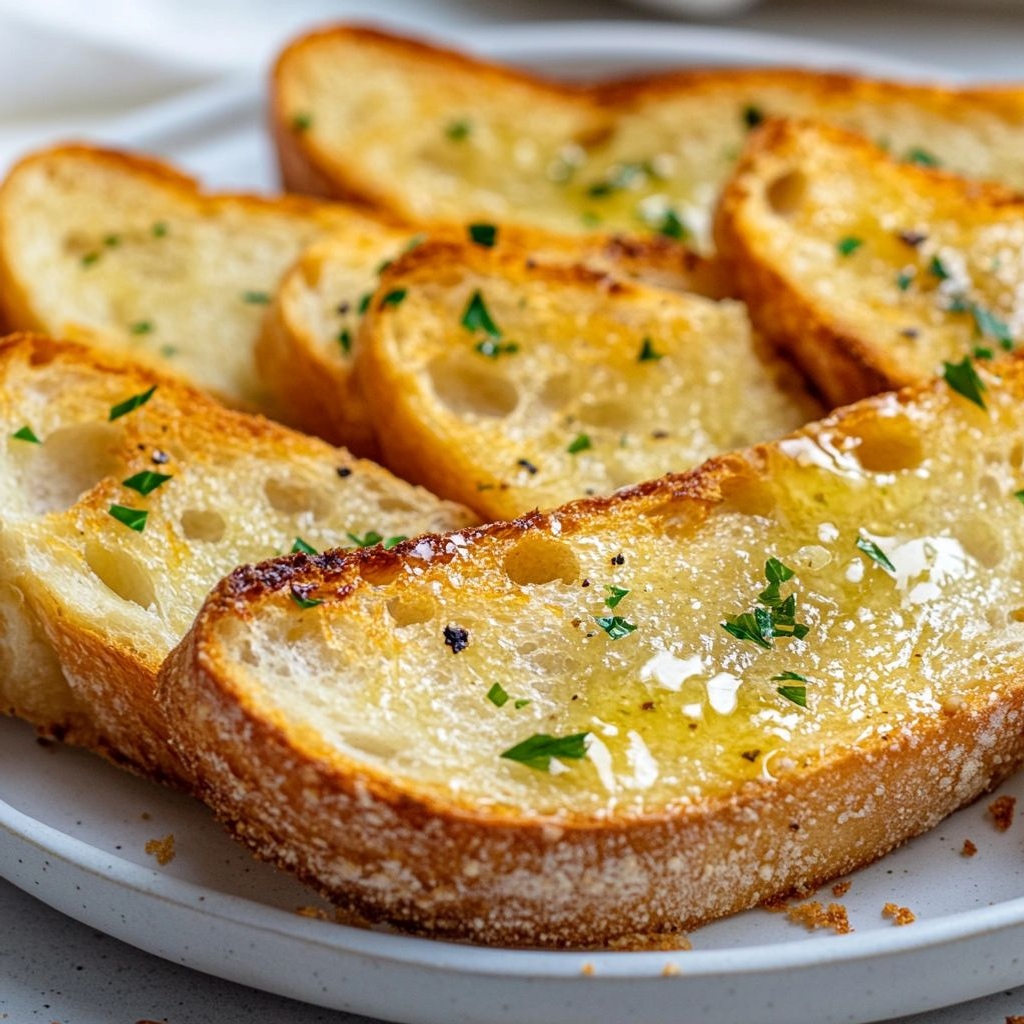
There’s a simple, almost magical alchemy in garlic bread: a humble loaf transformed into a warm, fragrant embrace that makes any meal feel like a celebration. Imagine slices of crusty bread bronzed to a whisper-crisp along the edges, the scent of butter and garlic wafting through the room, a speckled crown of fresh herbs catching the light as cheese (if you choose) melts into silky pools. It’s the kind of dish that invites you to slow down, to break bread with friends and family, and to savor every bite as if savoring a memory in the making. Garlic bread is more than a side—it’s a mood, a comfort, and a universal crowd-pleaser that turns ordinary dinners into cozy gatherings.
The Story Behind the Dish
Garlic bread has a nuanced history that travels far beyond a single kitchen. Its roots are often traced to Europe—where bread, butter, and garlicky seasoning are humble staples—yet the modern, cheese-laden versions most of us love today owe much of their fame to Italian-American eateries and pizza parlors of the mid-20th century. In many Italian households, bread and butter with garlic is a pantry staple—an everyday treat that stretches a simple loaf into something comforting and satisfying. As Italian immigration blended with American dining trends, garlic butter on toasted bread became a signature starter in pizza joints and family-run trattorias alike. The result is a dish that feels both timeless and universally accessible: a shared bite that evokes warmth, hospitality, and the pleasure of good company.
What makes garlic bread particularly charming is its adaptability. Across continents, cooks have riffed on the theme—some prefer a crackly, bare-bones crust with a whisper of garlic, others smear the bread with a rich, herb-laden butter and finish with a scatter of cheese. In some regions, olive oil replaces butter, rendering a lighter, crisper bite. In others, a touch of parmesan, parsley, or chili flakes adds sparks of brightness and heat. The story of garlic bread is, in essence, a testament to how a simple idea—bread plus garlic butter—can be endlessly reimagined to fit culture, taste, and occasion.
Why You’ll Love This Recipe
- Quick and versatile: comes together in minutes with pantry staples, making it an ideal weeknight starter or a make-ahead party bite.
- Comforting and indulgent: the warm, buttery aroma elevates any table, inviting conversation and shared smiles.
- Adaptable to all diets and preferences: you can keep it dairy-free, vegan, gluten-free, or extra cheesy—whatever suits your crowd.
- Perfectly forgiving: you can use leftover bread, stale crusts, or a fresh baguette; the result remains deliciously satisfying.
- Pairing powerhouse: pairs beautifully with pasta, soups, salads, grilled vegetables, or even simple antipasti for a.table-ready starter.
Flavor Profile & Texture
At its core, garlic bread is a study in balance. The garlic should perfume the air without turning harsh or bitter; the butter or olive oil should carry the loaf to a golden, crackly edge while keeping the interior soft and inviting. The scent is where the magic begins—garlic’s sharpness mellowed by fat, herbs releasing their bright, leafy scent, and a whisper of salt tying everything together. If you choose to add cheese, expect a second wave of richness: the cheese melts into the bread, creating a creamy, cohesive bite that contrasts beautifully with the crisp crust.
Texture plays a starring role. A good garlic bread offers a satisfying crunch on the first bite, followed by a tender, almost pillowy crumb inside. The contrast between the crisp exterior and the soft interior makes it irresistibly munchable. The optional herbs—parsley, chives, or oregano—introduce a pop of color and a fresh, grassy note that lightens the dish, preventing the richness from feeling cloying. A touch of lemon zest or a pinch of red pepper flakes can brighten the finish, balancing the fat and garlic with a hint of tang or heat. In every bite, you’ll notice the interplay between heat, salinity, and aromatic brightness—a trifecta that is hard to resist.
Occasions & Pairings
Garlic bread shines in nearly any setting, from casual weeknights to festive gatherings. Here are some ways to think about when and how to serve it:
- Weeknight dinners: a comforting starter alongside a bowl of soup or a hearty pasta dish.
- Family gatherings and potlucks: a crowd-pleasing bite that travels well and reheats nicely.
- Pizza night or Italian-inspired menus: a natural companion to margherita, arrabbiata, or mushroom risotto.
- Holiday feasts: a warm, aromatic accompaniment that fills the kitchen with irresistible aromas.
- Casual entertaining: serve the garlic bread warm with a dipping olive oil, balsamic, or a bright herby oil for added flair.
Pairing ideas to elevate the experience:
- Pastas: spaghetti carbonara, fettuccine alfredo, or a tomato-basil linguine.
- Soups: roasted tomato soup, minestrone, creamy mushroom soup, or a winter squash bisque.
- Salads: a crisp Caesar, an arugula salad with lemony vinaigrette, or a roasted beet and goat cheese salad.
- Proteins: roasted chicken, grilled shrimp, or a hearty meat ragù.
- Drinks and dips: a sparkly lager, a light white wine like Pinot Grigio, or a bright herbaceous olive oil dip for dipping.
Tips, Variations & Substitutions
Garlic bread is a playground for flavor and texture. Here are creative ways to customize it while keeping the essence intact:
Herb and Seasoning Variations
- Classic herb blend: finely chopped parsley and a touch of oregano or thyme for a familiar, comforting aroma.
- Herb-forward: add chives or basil for a fresh, grassy note that pairs beautifully with summer tomatoes.
- Spicy kick: sprinkle red pepper flakes or finely minced jalapeño into the butter for a gentle heat.
- Smoked finish: a pinch of smoked paprika or a few drops of liquid smoke for a subtle campfire essence.
Cheesy vs. Non-Cheesy
- Cheesy: sprinkle grated mozzarella, provolone, or parmesan over the buttered bread, then broil until bubbling and golden.
- Non-cheesy: rely on a buttery-garlic-herb coating for a lighter, crispier bite with a focus on aroma and crunch.
- Combination: a light dusting of parmesan plus a handful of torn mozzarella can create a luxe, melty top without overpowering the bread.
Diet-Friendly Versions
- Vegan: use dairy-free butter or olive oil as the fat base, and skip cheese or substitute with a vegan cheese that melts well.
- Gluten-free: choose a sturdy gluten-free bread that toasts well and holds up to the garlic butter without becoming soggy.
- Low-fat: use a light butter or olive oil with a modest amount of garlic and herbs, focusing on flavor intensity rather than quantity.
- Low-carb: serve the garlic butter over toasted almond flour bread or serve the garlic butter on crisp cucumber rounds for a refreshing alternative.
Regional Twists
- Mediterranean touch: add lemon zest, chopped olives, and a splash of olive oil for a bright, sun-kissed flavor.
- Italian-American classic: finish with grated Parmigiano-Reggiano and chopped flat-leaf parsley for a bright finish.
- Garlic and anchovy: a whisper of anchovy minced into the butter can deepen the savoriness for true umami lovers.
Storage & Make-Ahead Ideas
Garlic bread adapts well to prep-ahead planning, making it ideal for entertaining or busy weeks. Consider these approaches to maximize convenience without compromising flavor:
- Make-ahead basics: prepare the garlic butter mixture, herbs, and optional cheese ahead of time, then store in the fridge until ready to bake. This reduces assembly time when guests arrive or dinnertime hits.
- Storing baked garlic bread: store cooled slices in an airtight container or wrap tightly in foil. Reheat in a hot oven or toaster oven until the crust re-crisps and the interior heats through. Avoid microwaving, which can soften the crust and dull the aroma.
- Freezing options: freeze the ready-to-bake garlic bread on a baking sheet, then transfer to a freezer bag. Bake directly from frozen; add a few extra minutes if needed. Freezing works especially well for the non-cheesy version that preserves crispness.
- Batch testing: for large gatherings, bake in small batches to ensure an even, golden crust and to keep the bread from drying out.
Fun Facts & Trivia (Optional)
Did you know that garlic has a long history of culinary and medicinal uses across many cultures? Beyond its unmistakable aroma, garlic has been revered for centuries for its potential heart-health benefits and its potent flavor profile. Garlic bread, in many ways, is a celebration of the humble garlic clove—transformed with fat and heat into something comforting and irresistible. The bread’s versatility mirrors the hospitality that many cultures associate with sharing a meal, turning a simple loaf into a conversation starter, a memory-maker, and a small ritual of everyday joy.
Ingredients
Garlic Bread Base
-
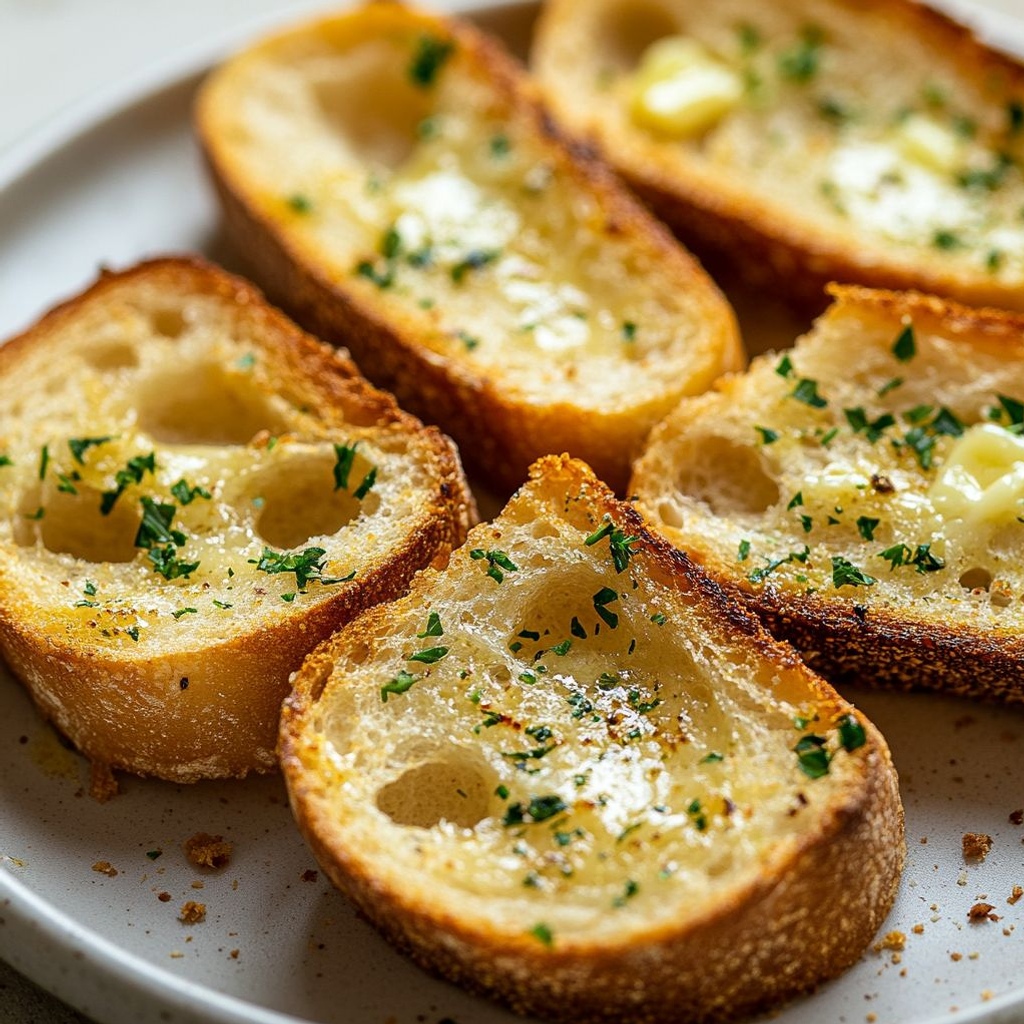
– 1 loaf crusty Italian or French bread (about 12 inches / 30 cm), cut in half lengthwise
→ This forms the sturdy, chewy base that will soak up the garlic butter without falling apart. A fresh, crusty loaf yields the best texture; if your loaf is very soft, toast lightly before applying the butter to avoid sogginess.
– 1/2 cup unsalted butter, softened to room temperature
→ Softened butter provides a smooth, even spread that coats the bread surface and carries the garlic flavor deeply. It also helps create a rich, golden crust as it bakes. If dairy-free, substitute with olive oil or a dairy-free butter substitute, but note that flavor and fat composition will change slightly.
– 3-4 cloves garlic, finely minced or pressed
→ Garlic is the primary flavor for garlic bread. Mince or press to release maximum aroma and distribute evenly across the bread. For a milder profile, you can sauté the minced garlic in a tiny bit of butter for 1–2 minutes to mellow sharpness, then whisk into the rest of the butter.
– 2 tablespoons fresh flat-leaf parsley, finely chopped
→ Parsley adds a fresh, bright note and a pop of green to contrast the rich butter. Use fresh parsley for best fragrance; if using dried, substitute 1 teaspoon and crumble it into the butter to release its flavor. Avoid over-chopping to prevent browning too quickly.
– 1/4 teaspoon fine sea salt, or to taste
→ Salt balances the richness of the butter and garlic, and enhances overall flavor. If your bread is salted, start with less and adjust after mixing the butter and garlic. Always taste a small smear on the bread before baking to ensure seasonings are correct.
– 1/8 teaspoon freshly ground black pepper (optional)
→ A whisper of pepper adds subtle warmth that complements garlic. This is optional and can be omitted if you prefer a milder taste, especially for children.
– 1 tablespoon extra-virgin olive oil (optional, for extra moisture and crispness)
→ Olive oil helps achieve a lighter, crisper edge on the loaf and can improve spreadability if your butter is very soft or slightly skiffy. Use in addition to butter, not as a replacement.
Optional Add-ins
-
– 1/4 cup grated Parmesan cheese (Parmigiano-Reggiano) or Pecorino Romano
→ Adds a sharp, salty, nutty note and a golden, crisp top when baked. Use high-quality aged cheese for the best depth of flavor. Sprinkle on before the final bake or mix into the butter for a more integrated flavor.
– 1/2 cup shredded mozzarella cheese
→ Creates a classic cheesy garlic bread with a gooey, melty layer. Choose low-moisture mozzarella to prevent sogginess; you can sprinkle on top or tuck some into the butter mixture for a more even melt.
– 1/2 teaspoon dried oregano or Italian seasoning
→ Provides a fragrant herbaceous note that pairs well with garlic and cheese. If using dried oregano, crush it between fingers to release the aroma; for a fresher taste, add a few chopped fresh basil leaves after baking as a finish.
– Optional garnish: extra chopped fresh parsley for finish
→ Finishing with a fresh parsley sprinkle brightens the dish and enhances presentation. It also echoes the herbiness inside the butter and adds a fragrant scent just as the bread comes hot from the oven.
Instructions
- Preheat your oven to 350°F (175°C) and line a large baking sheet with parchment paper or a silicone mat to prevent sticking and facilitate easy cleanup; this temperature creates a crisp, golden crust without scorching the butter or bread.
→ This ensures even baking and prevents the butter from scorching while the bread toasts. - In a medium bowl, whisk together the softened butter, finely minced garlic, 2 tablespoons chopped fresh parsley, 1/4 teaspoon salt, 1/8 teaspoon black pepper, and 1 tablespoon extra-virgin olive oil (if using) until the mixture is smooth and uniform; this forms a cohesive garlic butter that distributes flavor evenly across the bread.
→ Whisking emulsifies the fats and aromatics so they spread smoothly and bake into the crust, avoiding grease pockets. - Using a serrated knife, cut the loaf in half lengthwise, keeping the halves connected at the bottom; this creates a spacious surface for even butter distribution and preserves structural integrity during baking.
→ A clean, saw-like cut prevents ragged edges and ensures the butter can cover every crumb evenly. - If the bread feels very fresh or is slightly soft, lightly toast the cut halves on the prepared sheet in the preheated oven for 2–3 minutes to firm the crumb and reduce sogginess; this pre-drying step helps the butter stay on the surface rather than soaking into the bread.
→ A brief bake firms the crust; a drier surface accepts butter more evenly and yields crisper edges later. - Brush or scoop the garlic butter mixture evenly over the cut surfaces of both bread halves, using a spatula to press the butter into any grooves or indentations until the surface looks evenly glossy and fully coated; this ensures every bite carries garlic and fat for flavor and moisture.
→ Even coverage prevents dry patches and guarantees a consistent texture across the loaf. - If you are using Parmesan cheese, sprinkle 1/4 cup evenly over the buttered surfaces or whisk it into the butter before spreading for a more integrated cheesy note; the cheese will melt and form a golden crust as the bread bakes. If you prefer mozzarella on top, reserve 1/2 cup shredded mozzarella to scatter after the initial cheese layer melts.
→ Parmesan adds sharp, nutty depth and helps color the top; mozzarella provides classic gooey pull without overwhelming the garlic butter. - If using dried oregano or Italian seasoning, dust 1/2 teaspoon over the buttered surfaces along with a light pinch more salt if desired; crushing dried oregano between your fingers releases essential oils for more aroma. Alternatively, you can sprinkle fresh chopped basil after baking for a bright finish.
→ Herbs balance garlic richness and contribute aromatic notes that lift the overall flavor profile. - For a cheesy finish, scatter the remaining mozzarella cheese over the buttered loaf halves after applying the parmesan (if using) and let the cheese melt into the butter as the bread bakes; this yields a classic, bubbly cheese crust.
→ The cheese melts into the warm butter and bread, creating an irresistible pull and golden top. - Transfer the prepared bread halves to the oven-centered rack on the sheet and bake at 350°F (175°C) for 10–15 minutes, or until the edges are deeply golden and the butter is bubbling; if you want a crisper top, extend to 3–5 minutes more or broil 1–2 minutes at the end.
→ The high heat activates the butter’s fat and sugar, browning the crust and locking in moisture while melting cheese evenly. - Remove from the oven and let rest for 2–3 minutes to set the butter and cut surfaces and avoid steam scalding when slicing; resting also makes it easier to cut and helps the flavors meld.
→ A brief rest allows the butter to reabsorb slightly and prevents scorching hot steam from escaping and splattering. - Slice the loaf into even strips or soldiers across the grain, taking care not to tear the crust, and return any sliced pieces to the sheet for 1–2 minutes if you want extra crispness on the cut edges.
→ Slicing while warm yields cleaner cuts and maintains a uniform texture; extra crisping adds bite to the edges. - Transfer to a serving platter, sprinkle the remaining chopped fresh parsley on top as a finish, and serve immediately while hot and fragrant; the parsley adds color contrast and a fresh aroma that brightens the rich garlic butter.
→ Fresh parsley accents the dish visually and aromatically, completing the presentation and cutting the richness with brightness.
Notes
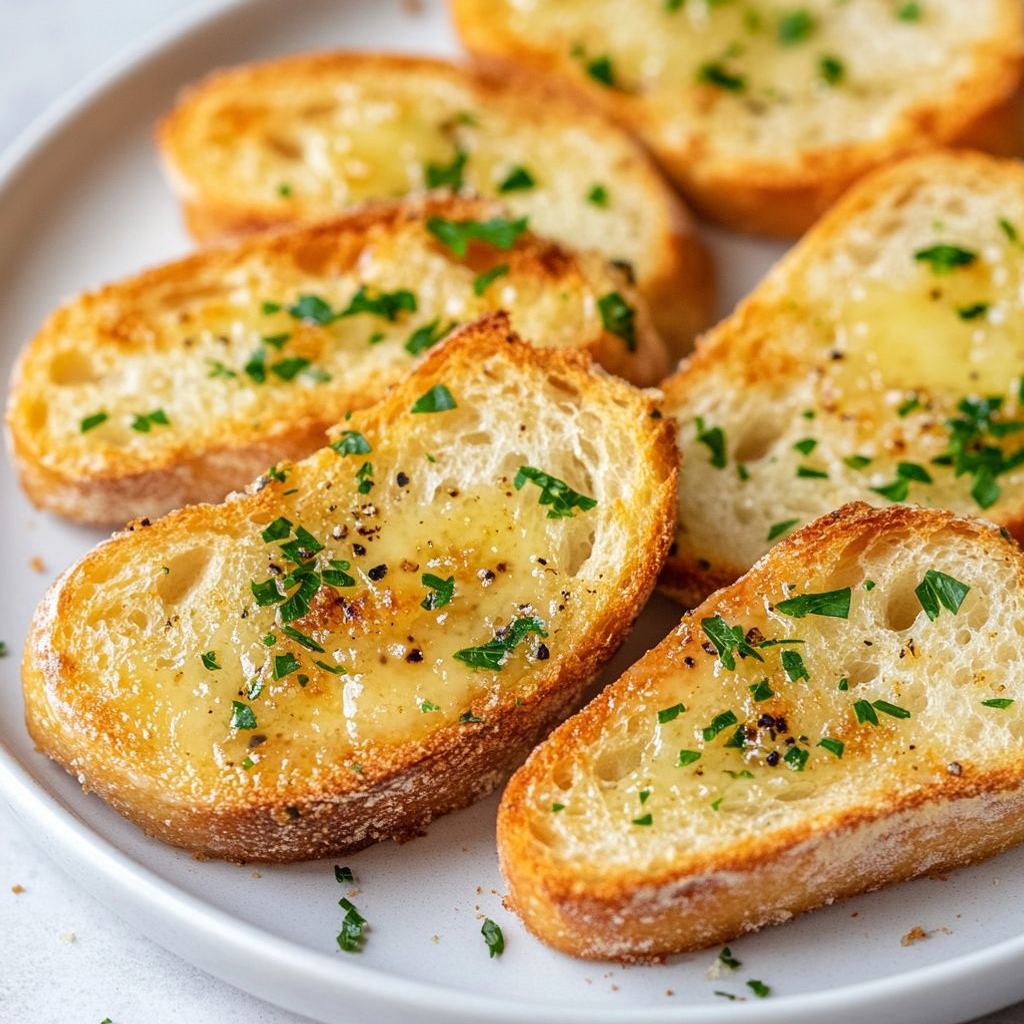
These garlic bread notes help you achieve a perfectly crisp, golden-edged loaf with a deeply garlicky butter finish. A crusty Italian or French loaf yields the best texture, and you can tailor the level of garlic and herbs to suit your crowd. To make dairy-free versions, substitute the butter with olive oil or a dairy-free butter substitute without sacrificing too much flavor.
- Use softened unsalted butter for easy spreading and even flavor distribution across the exposed bread surface. If you want a lighter crumb or crisper crust, whisk in a little olive oil with the butter mixture.
- Finely minced garlic should be evenly dispersed. For a milder profile, sauté the garlic in a small amount of butter for 1–2 minutes to mellow sharpness before mixing into the rest of the butter.
- Fresh parsley adds color and freshness; dried parsley works but is less vibrant. If using dried herbs, use smaller amounts and crumble to release aroma for best flavor.
- Season with salt to taste after mixing the butter and garlic. Remember the bread itself may have salt; start with a small amount and adjust after testing a smear on a slice.
- Optional cheeses like grated Parmesan or shredded mozzarella create a classic cheesy garlic bread. For extra bite, sprinkle cheese on top after spreading butter and/or bake until melted and golden.
- Oregano or Italian seasoning adds depth; crush dried oregano between fingers to release aroma. Finish with a few chopped fresh basil leaves after baking if desired.
Oven technique: preheat to 350°F (175°C). Bake on a parchment-lined sheet until the edges are golden and the butter is bubbling, about 10–12 minutes. If you love a crisper crust and bubbly cheese, finish under the broiler for 1–2 minutes. For extra moisture and crisper edges, drizzle a little olive oil into the butter before mixing.
Make-ahead and storage: you can mix the garlic butter up to 2 days ahead and refrigerate, then spread on cut bread just before baking. Unbaked buttered bread can be wrapped tightly and frozen for up to 1 month; bake from frozen, adding a few extra minutes. Leftovers can be reheated quickly in a hot oven or toaster oven to refresh the crust.
Gluten-free option: if you need gluten-free, use a crusty gluten-free baguette and ensure all added ingredients (cheeses, seasonings) are gluten-free. Gluten-free breads can vary in texture, so you may need to bake a bit longer or use a brief broil to recrisp the exterior.
Tips
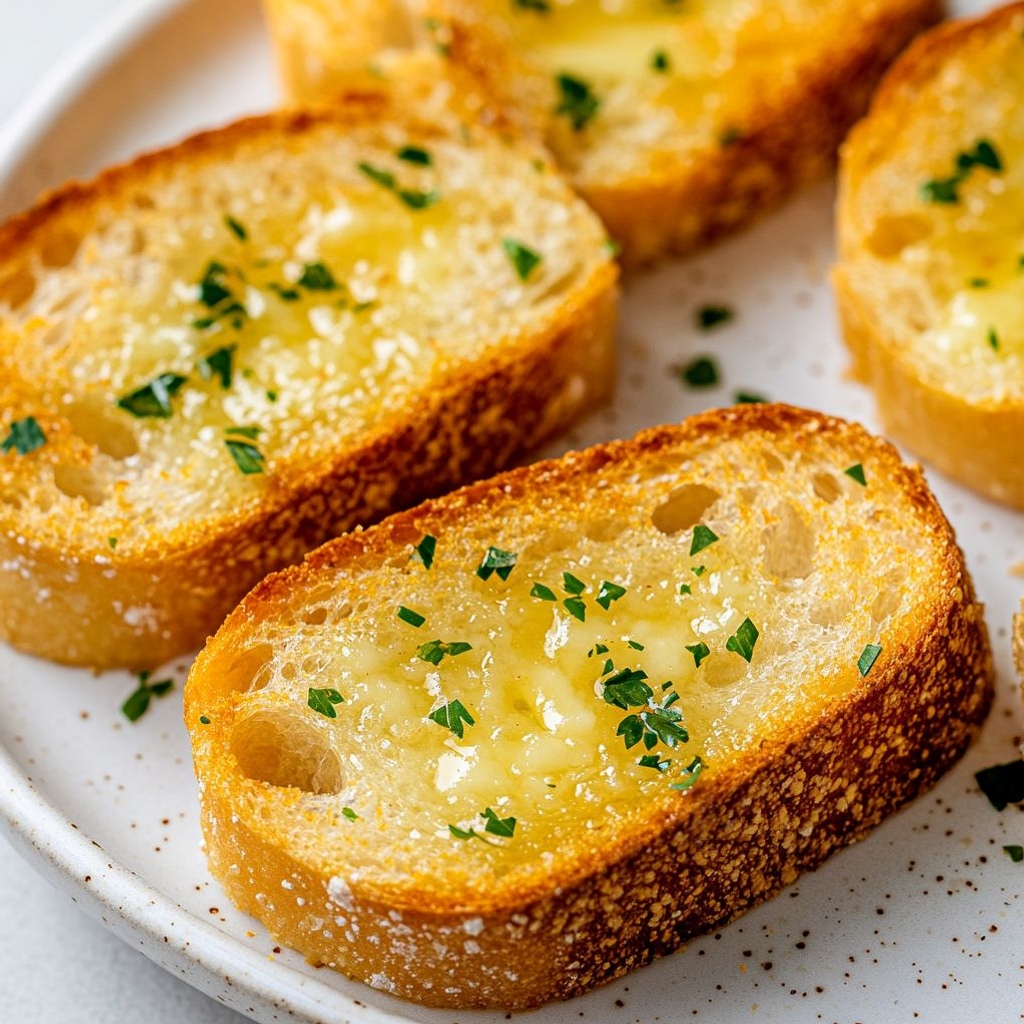
- Bread choice and prep: Use a crusty loaf (Italian or French) for sturdy texture that won’t crumble. If your loaf is very soft, toast lightly before butter to help prevent sogginess, and consider crisping the cut surfaces slightly under the broiler for extra bite.
- Butter temperature and mixing: Let butter soften to room temperature so it spreads evenly. Beat or whisk it with garlic and parsley until smooth for uniform flavor distribution. If you want a dairy-free version, substitute with olive oil but expect a lighter mouthfeel and different aroma.
- Garlic prep for maximum aroma: Mince or press the garlic finely. For a milder profile, you can sauté the minced garlic in a small amount of butter for 1–2 minutes to mellow sharpness, then whisk into the rest of the butter.
- Parsley handling: Use fresh flat-leaf parsley for bright flavor and color. If using dried parsley, crumble it into the butter (about 1 teaspoon) and let it hydrate briefly to release its scent. Don’t over-chop fresh parsley to avoid browning.
- Salt and seasoning: Start with 1/4 teaspoon salt and adjust after mixing. Remember, the bread may already be salted, so taste a small smear on the bread before baking. The optional pepper adds a subtle warmth; omit if you prefer a milder taste.
- Olive oil option: Adding 1 tablespoon of extra-virgin olive oil can improve spreadability and create a crisper edge. Use in addition to butter, not as a complete replacement, to maintain rich flavor.
- Cheese integration: For a cheesy garlic bread, mix 1/4 cup grated Parmesan or Pecorino into the butter or sprinkle on top before baking. If using mozzarella, choose low-moisture varieties to reduce sogginess and spread some into the butter or on top for a gooier melt.
- Herb layering: Dried oregano or Italian seasoning adds aroma; if using dried oregano, crush between your fingers to release flavor. For a fresher finish, add chopped fresh basil after baking as a bright note.
- Garnish and finish: Optional garnish of extra chopped fresh parsley brightens presentation and aroma. Scatter after baking to preserve vibrant color and scent.
- Spreading technique: Spread the garlic butter evenly over the cut sides of the bread using a spatula or the back of a spoon. Aim for a thin, uniform layer that covers every inch to avoid dry edges and soggy centers.
- Baking tips: Place the buttered loaf on a baking sheet. Bake until the edges are golden and the butter is bubbling; for a crisper top, finish under a hot broiler for 1–2 minutes, watching closely to prevent burning.
- Make-ahead and storage: The garlic butter mixture can be made in advance and kept in the fridge for up to 1 day. Bring to room temperature before spreading. Leftovers can be reheated briefly in a hot oven to regain crispness.
- Serving suggestions: Slice after a brief rest (5 minutes) to let flavors meld. Serve immediately while hot for the best gooey texture and aroma.
- Allergen note and substitutions: For dairy-free versions, use olive oil in place of butter or a dairy-free margarine, but note the flavor and texture will differ. If dairy is not an issue, full-fat butter gives the richest flavor and crispest crust.
FAQ
Garlic Bread – FAQ
What is garlic bread?
Garlic bread is slices of bread brushed with a garlic-infused butter or oil and toasted or baked until the exterior is crisp and flavorful. It’s a popular side dish for pasta and soups and can be made plain or with added herbs and cheese.
What ingredients do I need for classic garlic bread?
For a simple version: crusty bread (like a baguette or Italian loaf), softened butter, minced garlic, chopped parsley, and a pinch of salt. Optional additions include grated Parmesan or mozzarella, olive oil, and crushed red pepper flakes for a bit of heat.
Can I make garlic bread with store-bought bread?
Yes. Store-bought or bakery bread works great. Slightly stale bread can actually soak up more of the garlic butter. Slice, spread, and bake as usual for best results.
How do I make garlic butter from scratch?
Whip softened butter with minced garlic, chopped parsley, and a pinch of salt until well combined. For extra aroma, you can whisk in a little olive oil or a squeeze of lemon zest. Let it rest for 10–15 minutes to let flavors meld.
Is garlic bread vegan?
Traditional garlic bread uses dairy butter, so it isn’t vegan. To make a vegan version, use plant-based butter or olive oil, and skip dairy cheese unless you’re using a vegan cheese alternative.
How long and at what temperature should I bake garlic bread?
Preheat your oven to 350–400°F (175–200°C). Bake for about 8–12 minutes, until the bread is toasted and the edges are golden. For a crisper top, you can broil for 1–2 minutes at the end, watching closely.
How can I make garlic bread extra crispy?
Use crusty bread and spread the garlic butter on the cut sides. Bake on a parchment-lined sheet in a hot oven until the edges become deeply golden. For extra crunch, toast the bread on a lower rack or finish under the broiler for a minute or two.
Can I make garlic bread ahead of time or freeze it?
You can assemble the bread with the butter mixture and refrigerate up to 24 hours before baking. For longer storage, you can freeze the sliced bread with the butter mix (wrapped well). Bake from frozen, adding a few extra minutes to the bake time.
How should I store leftovers and reheat?
Store leftovers in an airtight container in the fridge for 2–3 days. Reheat in a toaster oven or conventional oven at 350°F (175°C) for 5–7 minutes until hot and crispy. Avoid microwaving if you want to keep the crust crisp.
What variations can I try?
Popular twists include:
- Cheesy garlic bread: add mozzarella or Parmesan on top before baking.
- Herb garlic bread: mix in oregano, thyme, or chopped basil.
- Roasted garlic garlic bread: blend roasted garlic paste with the butter for a mellow, sweet garlic flavor.
- Spicy garlic bread: sprinkle red pepper flakes into the butter or drizzle with a chili oil.