
Introduction / Hook
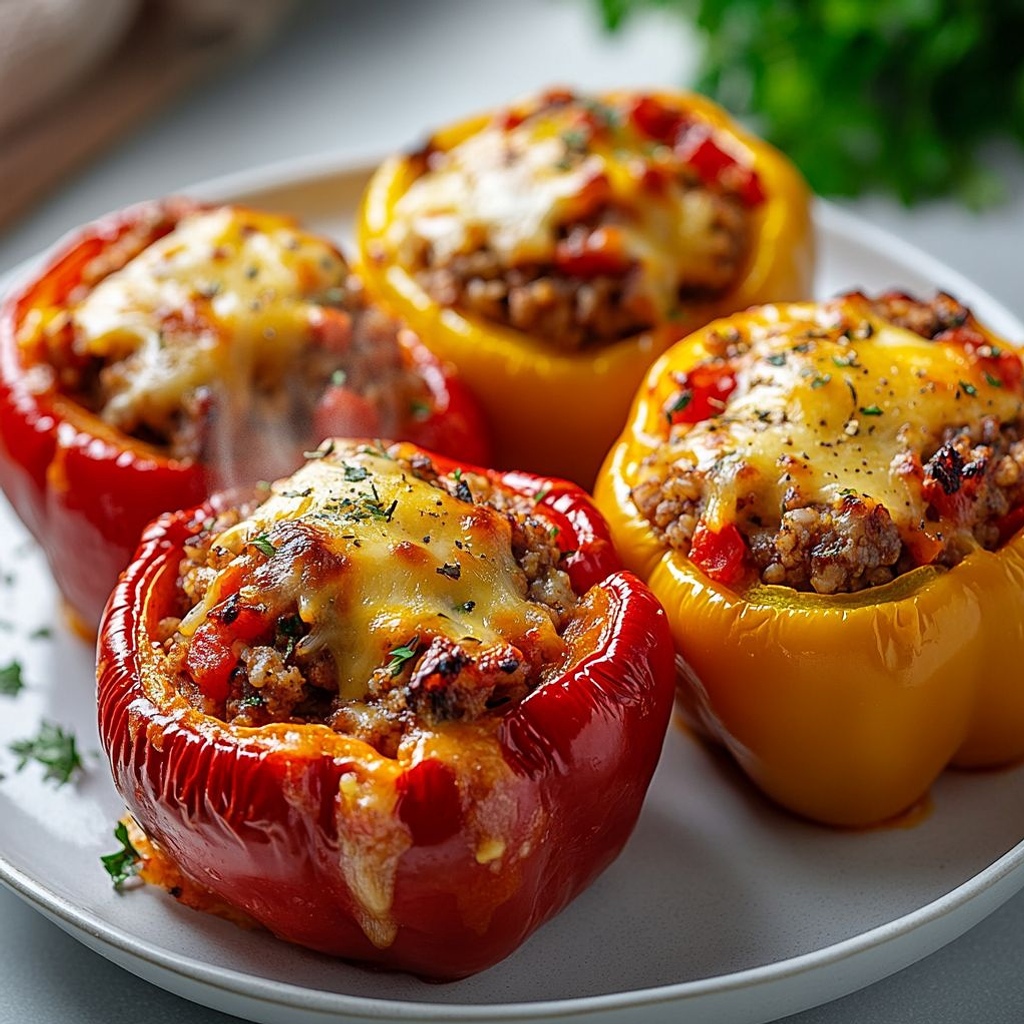
In a sunlit kitchen, bell peppers glow like tiny harvest lanterns, their glossy skins catching the light and their edges lightly charred from the oven’s kiss. When you crack the first pepper open, a sigh of steam rises, carrying a symphony of garlic, herbs, and roasted sweetness that makes the room feel warm with memories. This isn’t just a dish; it’s an invitation to slower Sunday afternoons, to the comfort of a home-cooked meal that feeds the body and lifts the spirit. Stuffed peppers are the kind of timeless classic that fits on every table—stunning in its simplicity, generous in heart, and endlessly adaptable to your mood, your pantry, and your crowd. Each pepper becomes a little edible bowl, cradling a savory reunion of textures and flavors that unfold with every bite: a crisp-sweet crack of the pepper giving way to a tender, richly seasoned interior, all bathed in a gentle kiss of herbs and sunlight. If you’ve ever wanted a dish that looks impressive yet feels homey, that delivers warmth without fuss, and that makes a weeknight feel like a celebration, you’ve found it in stuffed peppers.
As the peppers roast and soften, their aroma drifts through the kitchen like a welcome breeze from a Mediterranean clime—garlic, onions, and a whisper of herbs mingling with a comforting, hearty filling. The experience is multisensory: the vibrant colors that brighten the plate, the sizzling crackle as the peppers blister at the edges, the way the filling yields steam and steam carries a faint kiss of citrus or tomato, depending on the season. It’s a dish built for sharing, whether you’re cooking for a family gathering, a weeknight dinner that earns applause, or a casual meal with friends who come for the conversation as much as the food. And because it’s incredibly forgiving, it invites experimentation—swap in grains for a lighter bite, switch meats for a vegetarian feast, or weave in regional flavors that tell your own culinary story.
The Story Behind the Dish
Origins and global echoes
Stuffed peppers arrive at the table with a passport full of destinations. Across the Balkans, the Eastern Mediterranean, and the Middle East, variations of this dish appear under many names and with different fillings, all sharing a core idea: hollowed peppers embraced by a savory interior. In Turkey, you’ll hear stories of dolma and stuffed peppers that honor seasonal vegetables and pantry staples alike. In Greece, gemista is a beloved spring and summer ritual, where peppers and tomatoes cradle a fragrant mixture that often features rice, herbs, and sometimes meat. In Spain, pimientos rellenos take on bold, peppery personalities, sometimes with seafood or meat-based fillings that celebrate regional ingredients. In the Caucasus, in the former Ottoman lands, or in the Levant, the concept morphs into tiny, delicate dolmaki or larger, heartier renditions, each telling a family’s history in its spices and textures.
Whether you’re drawn to the comforting familiarity of a home kitchen or the playful thrill of a global pantry, stuffed peppers offer a bridge between cultures. They remind us that a simple mound of rice or grains, legumes, and herbs can be turned into a celebratory dish when wrapped inside a pepper—the edible bowl becoming a vessel for memory, tradition, and shared meals. In many households, this dish has traveled through generations, with grandmothers tweaking fillings to honor what’s fresh at the market or what’s left in the fridge. The result is a culinary tapestry that respects local produce while inviting personal twists—a recipe that is at once universal and personal.
Why You’ll Love This Recipe
- Versatility: The filling can be tailored to your preferences—meat, poultry, seafood, grains, or a fully plant-based version—and still deliver a satisfying, cohesive dish.
- Color and presentation: The peppers’ vibrant hues—green, red, yellow, orange—make a striking, balanced plate that instantly elevates weeknight dinners and special occasions alike.
- Make-ahead friendliness: You can prepare stuffed peppers in advance, refrigerate them, and finish them off when you’re ready to serve, making weeknights easier without sacrificing flavor.
- One-dish comfort with breadth: A single dish that delivers the comfort of a complete meal—protein, starch, and vegetables—without needing extensive sides.
- Adaptable for dietary needs: Whether you’re seeking gluten-free, dairy-free, vegetarian, or low-carb options, the concept accommodates a wide range of dietary preferences without losing its soul.
- Economical and resourceful: Peppers are often affordable, especially when in season, and the filling can be built from pantry staples, reducing waste and maximizing flavor.
Flavor Profile & Texture
What makes stuffed peppers so irresistibly satisfying is how the flavors and textures interplay from bite to bite. The pepper itself provides a crisp-to-tender bite that remains pleasantly structured even after baking, lending a refreshing counterpoint to the softer interior. When roasted, peppers intensify in sweetness, lifting the filling with a natural, almost caramelized depth. The interior is where the magic happens: grains or legumes absorb aromatic fats, herbs, and minerals, becoming tender but substantial—almost dreamy in their cohesion. Depending on the chosen filling, you might encounter the warm savor of cooked onions and garlic melting into the grains, the fennel-like lift of dried herbs, or a smoky, savory richness from a browned surface on any meat component. If cheese is involved, it can add a gilded, creamy layer that binds the filling and bubbles lightly against the pepper’s rim, adding a gentle, melt-in-your-mouth finish. The overall flavor profile tends toward comforting yet bright: the natural sweetness of the peppers balanced by earthier notes from grains or legumes, a savory seasoning backbone, and a finishing whisper of citrus, herbs like parsley or dill, and a touch of acidity to keep the palate lively. Texture-wise, imagine a tender bite with a slight chew from the grains, followed by a soft, yielding interior, all wrapped in a velvet-soft pepper that carries its own subtle snap when cut. It’s a harmony of contrasts—the crisp edge of a blistered skin, the yielding interior, the aromatic lift of herbs, and the satisfying, comforting finish that lingers after the last bite.
Occasions & Pairings
Stuffed peppers shine in a variety of moments, from everyday weeknights to celebratory gatherings. They are equally at home as a centerpiece for a family dinner, a cheerful dish at casual potlucks, or a vibrant starter to a more elaborate menu. Their colorful appearance instantly signals a special touch, even when the preparation is simple. For weeknights, they offer a one-dish solution that feels like a treat—protein, grains, and vegetables all in one elegant package. For weekend gatherings, they lend themselves to a shared, serve-from-the-pan presentation that invites guests to cut and serve at the table, creating a sense of communal warmth.
Pairing ideas to consider:
- Drinks: A light, crisp white wine (such as Sauvignon Blanc or Pinot Grigio) complements the brightness of peppers; for a heartier meal, a medium-bodied red with gentle acidity can pair nicely. Non-alcoholic options like sparkling lemonade or a cucumber-mint mocktail echo the fresh, herbaceous notes of the dish.
- Sides: A bright green salad with tangy vinaigrette, garlicky sautéed greens, or a simple, citrusy yogurt sauce can lift the richness of the filling. Crusty bread or warm flatbreads are perfect for scooping up any leftover stuffing.
- Desserts: A light fruit-based dessert, such as citrus sorbet or baked peaches with a touch of honey, provides a refreshing counterpoint to the savory dish.
- Seasonal twists: In warmer months, incorporate fresh herbs and lighter grains; in autumn and winter, add heartier elements like mushrooms, toasted nuts, or a touch of smoked paprika for depth.
Flavor Profile & Texture (Continued)
The interplay of textures is key to that lasting impression after the meal is over. A well-made stuffed pepper offers a continuum: the upfront tactile snap of the pepper’s skin, the tender, almost creamy interior holding the grains or legumes, and the occasional bite of a piece of softened vegetable or a melted cheese layer that glistens under the oven light. Aromatics—garlic, onion, fresh herbs—permeate the dish with warm, inviting scents that waft from the serving dish to the dining area, establishing mood and appetite before the first bite is even taken. The finishing touches, whether a squeeze of lemon, a sprinkle of chopped parsley, or a dusting of pepper flakes, can introduce a bright brightness or a whisper of heat that lingers pleasantly on the palate. In short, stuffed peppers deliver a balanced, satisfying mouthfeel: crisp-tender peppers surrounding a plush, savory core that delights with every mouthful and leaves room for conversation, laughter, and lingering at the table.
Tips, Variations & Substitutions
Flexibility is the heartbeat of stuffed peppers. Here are ideas to customize, adapt, and reinvent this dish while keeping its soul intact:
- Make it meatless: Use a mixture of cooked lentils, quinoa, brown rice, or bulgur as the base, then fold in finely chopped vegetables and herbs for texture and depth.
- Protein options: Ground beef, turkey, chicken, lamb, or a mixture can be used. For seafood lovers, consider a stuffing with chopped shrimp or crab integrated into a light tomato-herb sauce.
- Grain alternatives: Try barley, farro, or freekeh to add a chewy bite and nutty flavor that beautifully complements the peppers.
- Vegetarian-friendly cheeses: If you want a dairy-free version, skip cheese entirely or use a dairy-free melt that browns nicely on top.
- Herb and spice notes: Fresh parsley, dill, mint, cilantro, or a pinch of dried oregano, marjoram, or smoked paprika can steer the dish toward different cultural flavors. A touch of lemon zest brightens the filling; a teaspoon of tomato paste intensifies the savory depth.
- Regional twists: Add roasted eggplant cubes for a baba ghanoush-like dimension, or fold in crumbled feta for a Greek-inspired finish. For a Mexican-inspired version, incorporate corn, black beans, cumin, and cilantro, and top with a light cheese.
- Gluten-free considerations: Ensure any grains used are naturally gluten-free (like quinoa or rice) or gluten-free certified products if needed.
- Spice level: Adjust heat with fresh or dried chilies, red pepper flakes, or a splash of harissa for a North African flair.
Storage & Make-Ahead Ideas
Stuffed peppers store beautifully, which makes them perfect for meal planning. Here are practical tips to keep the dish at its best when you’re ready to enjoy it again:
- Refrigeration: Refrigerate unbaked or baked stuffed peppers in an airtight container for up to 3-4 days. If you plan to bake later, you can assemble them in a dish, cover tightly, and refrigerate until you’re ready to bake.
- Freezing: For longer storage, freeze baked or unbaked stuffed peppers. If freezing after assembly, consider placing them in a single layer on a tray to pre-freeze, then transfer to a freezer-safe container. They’ll keep for up to 2-3 months. Note: if freezing before baking, you may want to reduce baking time slightly when reheating, as the peppers will be starting from frozen.
- Reheating: Reheat gently in a covered pan over low heat or in a moderate oven (around 325°F / 165°C) until heated through. If you’ve added cheese, you can give a quick broil at the end to re-melt and re-brown the top for a fresh look.
- Make-ahead ideas: Prepare the filling and the peppers separately, then stuff and bake when ready. Alternatively, bake the stuffed peppers, then reheat when needed; the flavors often deepen with a little time in the fridge.
Fun Facts & Trivia (Optional)
Did you know that stuffed peppers are a name that travels across languages and kitchens, from dolma in Turkey and Armenia to gemista in Greece and pimientos rellenos in Spain? The idea of using a hollow vegetable or fruit as a vessel has ancient roots in Mediterranean and Middle Eastern cuisines, where seasonal produce was celebrated and preserved in creative ways. The word dolma itself means “to be filled” or “stuffed” in Turkish, reflecting a practical culinary tradition: make use of what’s on hand, combine flavors, and transform simple ingredients into a dish that feels festive. Stuffed peppers, in all their regional incarnations, illustrate a universal truth about cooking: turning humble ingredients into a comforting, shareable treasure is one of the most enduring pleasures of the kitchen. In many households, the ritual of preparing stuffed peppers becomes a seasonal memory—peppers lined up on a cutting board, the aroma drifting through the house, grandchildren watching as the peppers go into the oven, and the resounding chorus of “Delicious!” at the table. The dish’s adaptability is a small culinary rebellion against rigid recipes: it invites you to trust your senses, to test a combination, to appreciate the color and aroma, and to savor the moment of eating something that feels both nourishing and joyful.
Ingredients
Stuffed Peppers
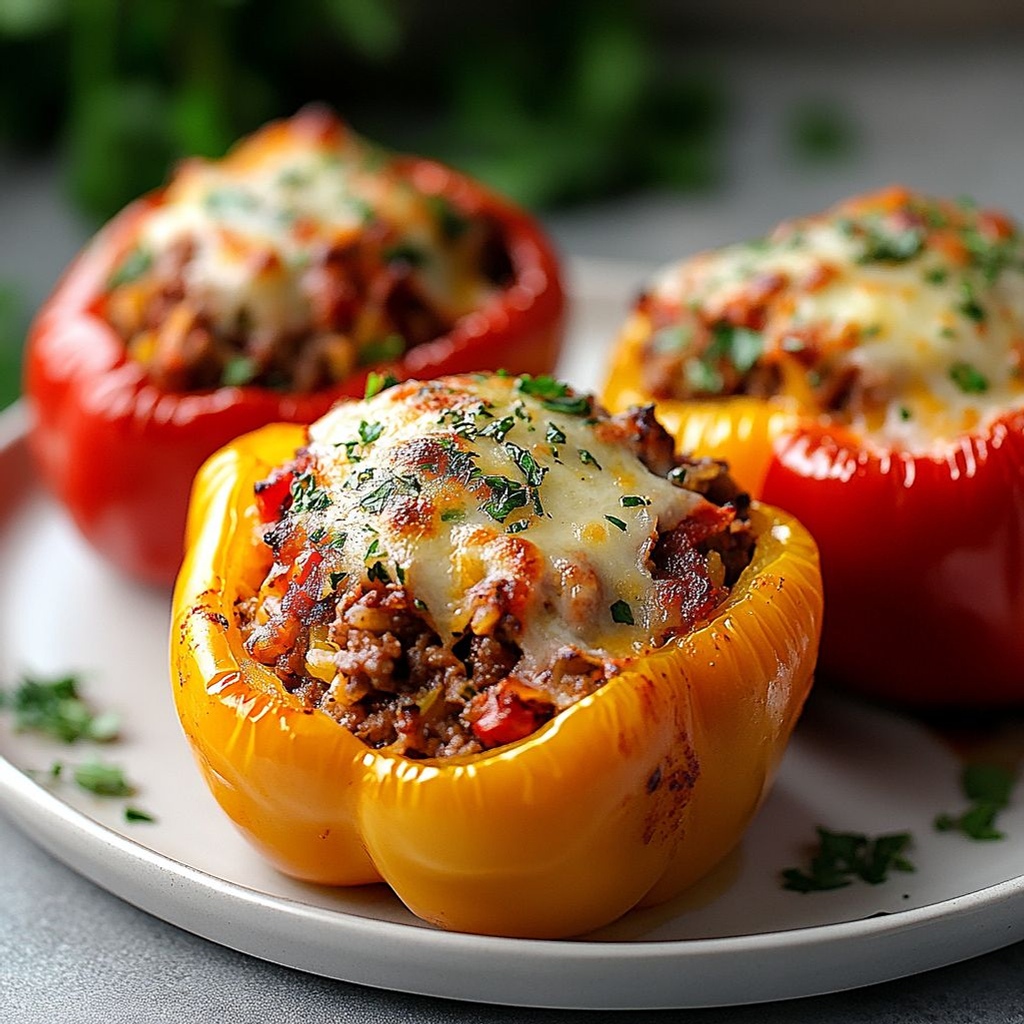
- 4 large bell peppers (red, yellow, or green) with tops cut off and seeds removed, membranes scraped clean; these peppers act as natural vessels for the filling and contribute color and crunch to the dish. Choose peppers that are firm, evenly sized, and free of bruises; if they don’t stand upright, trim a tiny bit from the bottom to level them (being careful not to create a hole) and pat the insides dry before stuffing.
→ The peppers serve as vessels for the filling, providing sweetness and texture. To prep, wash and dry, remove tops and seeds, and scrub away any remaining membranes. Level the bottoms if needed so they stand steady on the baking dish. For a softer bite, you can pre-roast the peppers for 5–7 minutes before filling. - 1 tablespoon olive oil for cooking the filling (plus optional light brushing of pepper skins)
→ Olive oil carries and enhances the aroma of sautéed aromatics like onion and garlic, adding moisture to the filling and helping it come together. Use extra-virgin olive oil for best flavor. Brush the insides of the peppers lightly with oil before stuffing to prevent sticking and to promote even roasting. - 1 small onion, finely chopped
→ Onion provides foundational sweetness and moisture to the filling, acting as a bulk ingredient that helps bind the meat with the rice. Chop finely so it cooks evenly and blends into the filling rather than sinking to the bottom. Sauté in the olive oil until translucent and just starting to caramelize for deeper flavor. - 2 cloves garlic, minced
→ Garlic adds sharp, bright aroma and depth of flavor to the filling. Mince finely to distribute evenly and add after the onions begin to soften to prevent burning; this ensures a smooth, cohesive filling rather than a garlicky aftertaste. - 1 pound ground beef, turkey, or plant-based crumbles (choose one)
→ This is the primary source of protein and texture in the dish. Lean varieties keep the filling lighter; if using plant-based crumbles, cook according to package directions and crumble finely so the texture melds with rice and vegetables. Drain any excess fat or moisture after cooking to prevent a watery filling. - 1 cup cooked long-grain white rice (or cooked quinoa for a gluten-free, higher-protein option)
→ Rice or quinoa provides bulk, texture, and helps bind the filling together. Make sure whatever you use is fully cooked and cooled slightly to prevent mush. If you prefer more bite, use half rice and half quinoa. - 1 cup canned crushed tomatoes
→ Crushed tomatoes contribute moisture, acidity, and a cohesive sauce that helps meld the filling. Choose low-sodium varieties if possible to better control the overall salt level. Simmer the tomatoes briefly with the tomato paste before mixing with the filling to deepen the flavor. - 2 tablespoons tomato paste
→ Tomato paste intensifies tomato flavor and helps thicken the filling so it clings to the rice and meat. Stir it into the onion-garlic mixture for even distribution, then add crushed tomatoes. Once opened, store refrigerated for up to a week. - 1 teaspoon dried oregano
→ Oregano adds classic Italian-herb brightness and pairs perfectly with tomatoes and peppers. If using fresh oregano, use 1 tablespoon chopped and add toward the end of cooking to preserve its aroma. Blooming dried oregano with the onion and garlic helps release its oils for a more pronounced flavor. - 1/2 teaspoon ground cumin (optional)
→ Cumin adds warm, earthy notes that complement the savory filling and pair nicely with any beans or corn you might add. Omit if you prefer a purer, simpler tomato flavor. - 1/2 teaspoon smoked paprika (optional)
→ Smoked paprika introduces a gentle smokiness that elevates the dish without needing a grill. If you don’t have smoked paprika, regular paprika plus a pinch of chili powder works well. - Salt and black pepper to taste
→ Essential for balancing sweetness of the peppers and tomatoes. Salt gradually, tasting the filling before stuffing; remember that the cheese topping will add saltiness, so adjust accordingly. Freshly ground pepper is preferred for the best aroma. - 1/2 cup shredded cheese (mozzarella, cheddar, or a plant-based alternative)
→ Cheese provides a creamy, gooey topping that melts beautifully over the peppers. If using dairy-free cheese, choose a meltable variety and sprinkle evenly. Reserve a portion for the final 5–10 minutes of baking to avoid over-melting. - 1/2 cup tomato sauce (to drizzle in the baking dish or mix into the filling)
→ Tomato sauce adds extra moisture and helps prevent the filling from drying out during baking. Pour a thin layer on the bottom of the baking dish to prevent sticking and to create a saucy base for serving.
Optional Add-ins
- 1/2 cup corn kernels
→ Adds sweet crunch and color; if using frozen corn, thaw and pat dry to remove excess moisture before adding to the filling. - 1/2 cup black beans, rinsed and drained
→ Boosts protein and fiber while adding a creamy texture when slightly mashed. Rinse well to reduce sodium; you can mash half of them for cohesion or leave whole for bite. - 1/2 cup chopped mushrooms
→ Mushrooms contribute umami and moisture, helping to make the filling feel meatier. Sauté them with the onion to release moisture and lightly brown for extra depth. - 1 jalapeño pepper, finely diced (optional)
→ Adds a bright, fresh heat. Remove seeds and membranes to tame the heat, or leave them for a spicier kick. Adjust to taste. - 2 tablespoons chopped fresh parsley or cilantro (optional)
→ Fresh herbs brighten the dish just before serving and add a pop of color. Stir into the filling after cooking or sprinkle on top as a garnish.
Instructions
- Preheat your oven to 375°F (190°C) and lightly grease a baking dish with olive oil or line it with a thin layer of tomato sauce. This ensures the peppers cook evenly, the filling remains moist, and the peppers do not stick to the dish during baking.
→ Starting with a hot oven and a well-greased or sauced dish promotes even heat transfer and prevents the filling from sticking, which makes spooning it out later much easier. - Prepare the peppers by washing, removing the tops, and scraping out seeds and membranes; pat the insides dry and trim a tiny bit from the bottoms if needed so they stand upright without creating a hollow hole. This creates stable vessels for the filling and prevents wobbly peppers during baking.
→ Clearing seeds and membranes reduces bitterness and excess moisture, while drying prevents soggy filling and helps the peppers roast evenly. - Lightly brush the inside of each pepper with 1 teaspoon of olive oil and season the insides with a pinch of salt; this protects the flesh from drying out and helps the skins bronse and flavor char slightly during roasting.
→ Oil conducts heat evenly inside the pepper and adds a glossy surface that browns nicely, enhancing texture and aroma. - Cook the 1 cup of long-grain white rice (or quinoa for a gluten-free option) until just tender, then spread it on a plate to cool slightly so it firms up and holds shape when mixed with the filling. This provides structure and bulk to the stuffing without becoming mushy.
→ Cool rice or quinoa prevents the filling from becoming paste-like and helps it bind with the meat and vegetables during baking. - Heat 1 tablespoon olive oil in a large skillet over medium heat; add the finely chopped onion and sauté until translucent and just beginning to caramelize, about 5–7 minutes, to develop sweetness and depth.
→ Proper sautéing builds flavor foundations; stirring occasionally prevents scorching and ensures even browning. - Add the minced garlic to the onions and sauté 30–60 seconds until fragrant, then season with a pinch of salt; this ensures garlic releases its aroma without burning, avoiding bitter notes in the filling.
→ Garlic cooks quickly and can burn; adding it after the onion reduces the risk and distributes flavor evenly. - Push the onion and garlic to the side, add the ground meat (beef, turkey, or plant-based crumble) to the skillet, and cook until fully browned with crumbles separate; drain excess fat to keep the filling from becoming greasy.
→ Browning meat develops Maillard flavor and a cohesive texture; draining fat prevents a greasy filling and helps the sauce cling better to the ingredients. - Stir 1 tablespoon tomato paste into the meat and onions, letting it cook for 1–2 minutes to bloom its flavor before adding crushed tomatoes; this intensifies tomato flavor and thickens the mixture.
→ Blooming tomato paste releases concentrated umami and integrates deeply with the meat for a richer filling. - Pour in 1 cup crushed tomatoes and 1/2 cup tomato sauce; simmer briefly to meld flavors, then season with 1 teaspoon dried oregano, 1/2 teaspoon ground cumin (optional), 1/2 teaspoon smoked paprika (optional), and salt and black pepper to taste. This creates a cohesive, savory base for the filling.
→ Simmering concentrates acidity and sweetness, while the spices balance the filling and echo the peppers’ sweetness. - Fold the cooled rice (or quinoa) into the meat mixture until evenly distributed; check seasoning and adjust salt if needed, recognizing that cheese on top will add some saltiness later.
→ Proper mixing ensures every bite contains a balanced ratio of grain, meat, and sauce, and prevents separate pockets of filling from forming. - If using optional add-ins (corn, black beans, mushrooms, jalapeño, and herbs), fold them in now or sauté mushrooms with onions beforehand for extra depth; ensure any canned beans are rinsed and drained to remove excess sodium.
→ Optional ingredients boost texture, color, and nutrition, while proper preparation (rinsing beans, browning mushrooms) prevents watery or mushy results. - Spoon the filling into each prepared pepper, packing it gently so it holds its shape without tearing the flesh; leave a small headspace at the top to accommodate expansion during baking.
→ Gentle packing helps the filling stay intact when the peppers are moved and ensures even baking without squeezing out filling. - Place the stuffed peppers upright in the prepared baking dish; spoon a thin layer of tomato sauce over the bottom of the dish to create a saucy base that prevents sticking and adds moisture. Then divide the remaining 1/2 cup of cheese among the tops of the peppers.
→ A saucy base reduces risk of scorching and enhances juiciness, while cheese on top provides a melty, golden crust that binds flavors together. - Cover the dish tightly with aluminum foil and bake in the preheated oven for 30–40 minutes, or until the peppers are tender and the filling is heated through; this gentle steaming method preserves texture and prevents drying.
→ Covered baking traps steam and heat, cooking the peppers evenly and letting flavors meld without drying out the interior. - Remove the foil, continue baking for an additional 5–10 minutes to melt and lightly brown the cheese topping; watch closely to prevent scorching and remove when cheese is fully melted and bubbling.
→ Finishing with uncovered baking creates a glossy, appetizing crust of cheese and ensures the filling reaches a cohesive, cohesive finish. - Let the peppers rest for 5–10 minutes before serving to allow the filling to set slightly, making them easier to slice and helping flavors settle; garnish with chopped fresh parsley or cilantro if desired.
→ Resting helps the filling reabsorb juices and hold its shape when plated, while herbs provide a fresh aromatic lift just before serving.
Notes
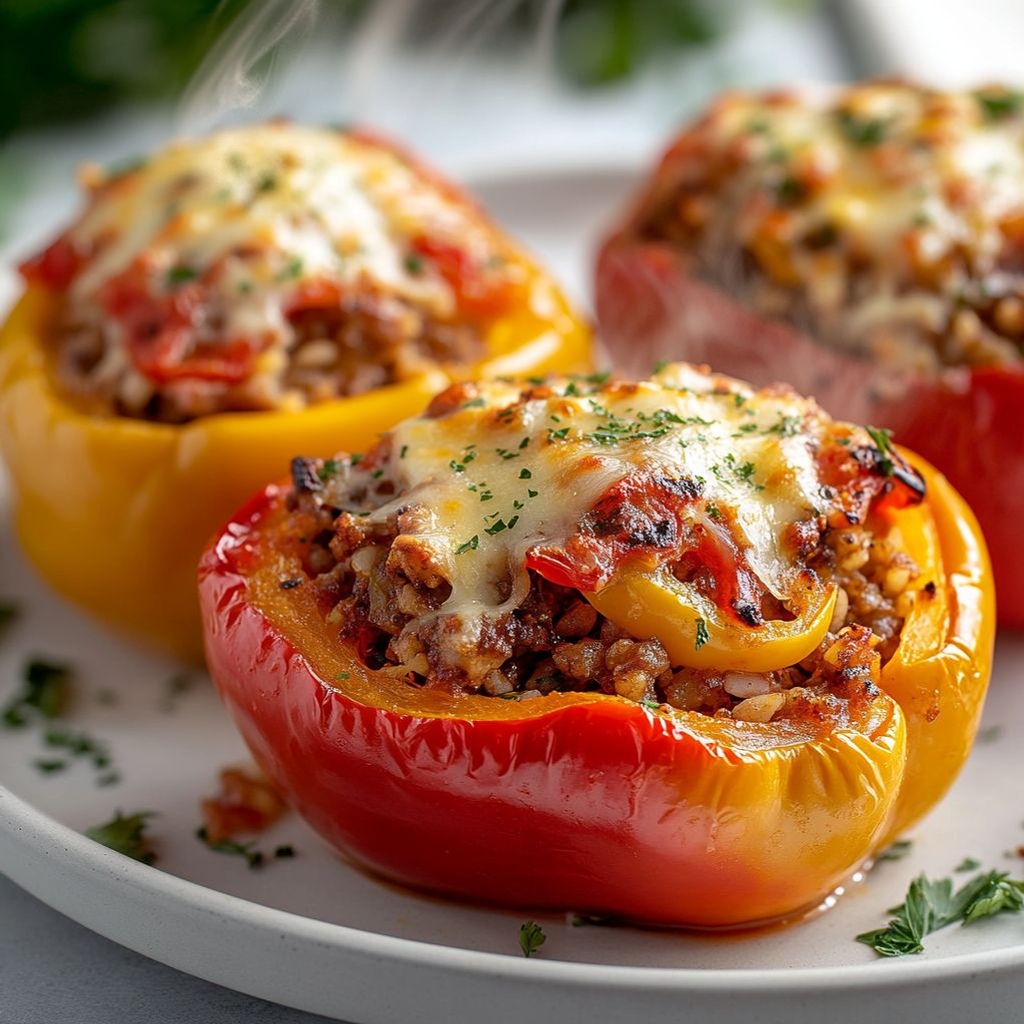
These stuffed peppers are a colorful, satisfying dish that can be made gluten-free by using rice or quinoa instead of any breadcrumbs and choosing gluten-free tomato products. You can customize the filling by choosing ground beef, turkey, or plant-based crumbles, and by adding optional add-ins like corn, black beans, mushrooms, or jalapeño for extra texture, color, and heat. For best flavor, sauté onion and garlic in olive oil until translucent and golden, brown the meat if using, then stir in cooked rice or quinoa, crushed tomatoes, tomato paste, oregano, and any spices; taste and adjust salt and pepper before filling. To bake, stand the peppers upright in a shallow baking dish with a thin layer of tomato sauce on the bottom to prevent sticking, fill with the mixture, top with cheese, and bake covered for 30–35 minutes, then uncover for 5–10 minutes to melt the cheese and finish cooking. If you prefer softer skins or deeper sweetness, pre-roast the peppers for 5–7 minutes before stuffing. This dish freezes well; assemble and freeze unbaked peppers, then bake from frozen, adding extra 20 minutes. Serve with fresh herbs like parsley or cilantro and a dollop of yogurt or sour cream for brightness. Always taste the filling and adjust salt, pepper, and acidity (from the crushed tomatoes) before stuffing, since cheese will add saltiness; and if using canned ingredients, ensure they are gluten-free if needed.
Tips
Tips for Perfect Stuffed Peppers
- Choosing and prepping peppers: Pick peppers that are firm, evenly sized, and free of bruises. If peppers don’t stand upright, trim a tiny bit from the bottom to level them—careful not to create a hole. Pat the insides dry before stuffing to prevent soggy filling.
- Improve roasting and prevent sticking: Lightly brush the insides (and optionally the skins) of the peppers with olive oil before filling. This helps them roast evenly, reduces sticking, and enhances flavor.
- Build flavor in the filling: Sauté onions in olive oil until translucent, then add garlic. This sequence prevents garlic from burning and ensures a smooth, aromatic base for the filling.
- Cook meat properly and drain: Brown the meat (or plant-based crumble) until it develops good color and flavor, then drain excess fat or moisture to keep the filling from becoming watery.
- Make sure ingredients stay cohesive: Use fully cooked and cooled rice (or quinoa) so the filling doesn’t become mushy. A cooler grain blends better with meat and veggies and holds its shape when stuffed.
- Deepen tomato flavor: Briefly simmer crushed tomatoes with tomato paste to concentrate their sweetness and acidity. This reduces blandness and helps the filling cling to the grains.
- Season with balance: Taste and adjust salt after you’ve combined the filling, keeping in mind that cheese and canned tomatoes can add salt. Freshly ground pepper boosts aroma; bloom dried oregano in the fat for a brighter, more integrated herb note.
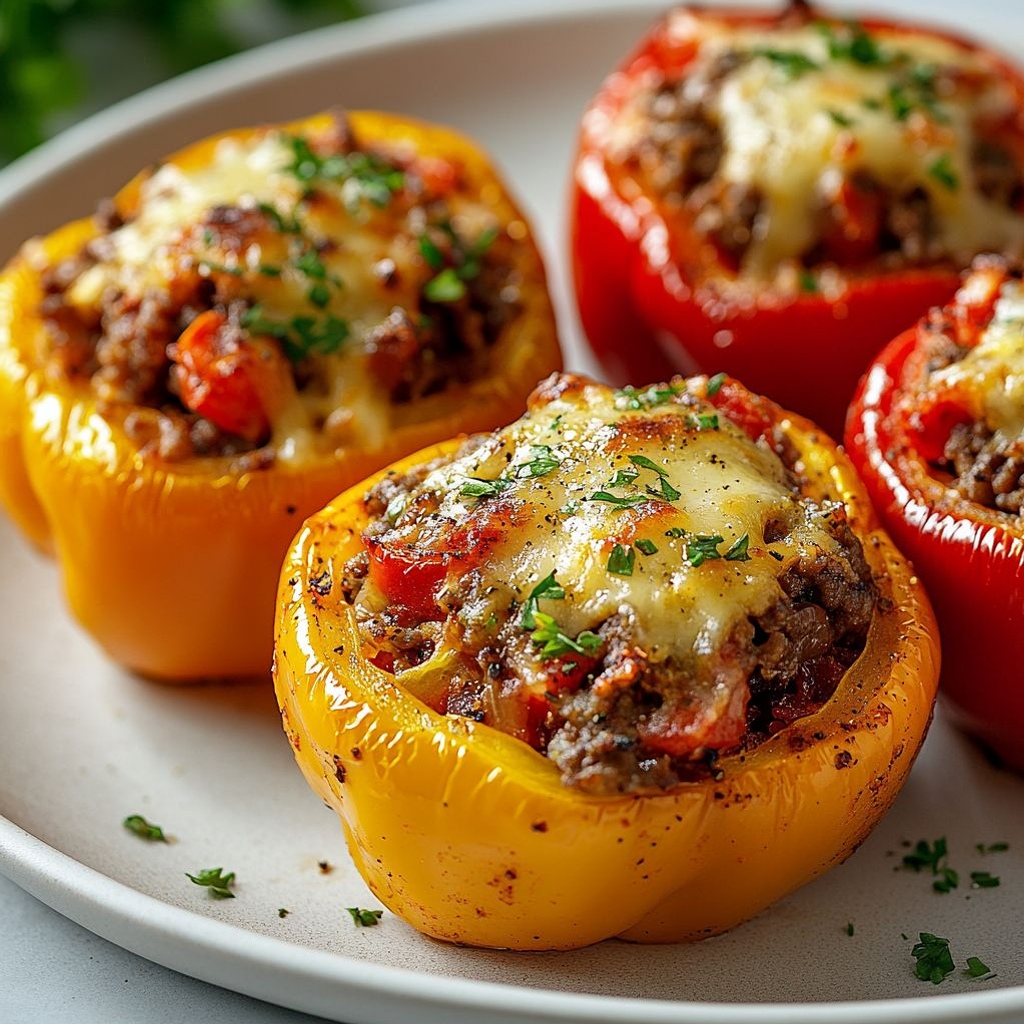
- Cheese strategy: Use a meltable cheese and reserve a portion to sprinkle on top during the last 5–10 minutes of baking. This ensures a gooey topping without over-melting.
- Keep the filling moist without sogginess: Include some tomato sauce in the filling or drizzle a thin layer of sauce in the baking dish. This helps create a cohesive, saucy bite and prevents the filling from drying out.
- Assembly and baking technique: Place stuffed peppers upright in a baking dish with a light sauce or tomato layer on the bottom. Fill each pepper to the top, then drizzle a little sauce over the filling. Cover with foil to trap steam, and uncover toward the end to melt the cheese and lightly brown the tops.
- Make-ahead options: Filling can be prepared ahead and refrigerated up to 1–2 days. Assemble peppers unfilled and refrigerate, then bake when ready. If starting from cold, add 10–15 minutes to the baking time.
- Variations and add-ins: Corn, beans, mushrooms, or jalapeño can boost texture and heat. If using mushrooms, sauté with the onion to release moisture and deepen flavor. For a fresher finish, stir chopped parsley or cilantro into the filling after cooking or sprinkle on top before serving.
- Storage and reheating: Leftovers keep well in the fridge for 3–4 days or in the freezer for up to 2 months. Reheat gently covered to avoid drying out, and add a splash of sauce if needed to refresh the moisture.
FAQ
What peppers are best for stuffed peppers?
Choose firm bell peppers in any color—green, red, yellow, or orange. They should be medium to large with sturdy walls and intact stems. For a milder taste, green peppers work well; for sweeter filling, red or yellow peppers are great. Cut the tops off and remove seeds and membranes. If needed, trim a tiny bit from the bottom so they sit flat, but be careful not to create a hole.
Do I need to precook the rice?
Yes. Use partially cooked (par-cooked) rice or boil the rice for 5–8 minutes and drain well. This ensures the rice finishes cooking inside the peppers as they bake. You can also substitute with quinoa or couscous, but adjust liquids and cooking time accordingly.
What can I put in the filling?
Classic filling includes browned ground meat (beef, turkey, or chicken), onion, garlic, tomato sauce or canned tomatoes, cooked rice or quinoa, and herbs (parsley, oregano, thyme). For variety or lighter dishes, try plant-based crumbles, sautéed mushrooms, corn, black beans, spinach, or shredded cheese. Use your preferred cheeses (mozzarella, cheddar, Parmesan) or dairy-free cheese if desired.
Is stuffed peppers gluten-free?
Generally yes. Peppers, rice, meat, tomato sauce, and most herbs are gluten-free. Just check any added sauces, sauces, or seasonings for hidden gluten and opt for gluten-free tomato products if needed.
How long and at what temperature should I bake them?
Preheat to 375°F (190°C). Bake for about 40–50 minutes until the peppers are tender and the filling is hot and cooked through. If using raw rice or a thicker filling, bake up to 60 minutes. For cheese-topped peppers, add the cheese in the last 5–7 minutes to melt.
How do I prevent soggy peppers or undercooked filling?
Par-roast or blanch the peppers for 6–12 minutes before filling to soften the walls. Drain any excess moisture from canned tomatoes or fillings, and avoid overly watery sauces. Let the filling cool slightly before stuffing, pack it firmly, and bake on a rack to promote even heat circulation.
Can I freeze stuffed peppers?
Yes. You can freeze them before baking or after cooking. For best texture, assemble and fill the peppers, then freeze on a sheet until solid and wrap individually. To bake from frozen, cook at 350°F (180°C) for 60–75 minutes (plus additional time if filling contains raw rice). Alternatively, freeze fully baked peppers and reheat covered at 350°F (180°C) for 20–30 minutes until heated through.
How do I reheat leftovers?
Refrigerate leftovers within 2 hours and use within 3–4 days. Reheat in the microwave for 2–4 minutes per pepper, or bake at 350°F (180°C) for 15–25 minutes until hot. If you like melted cheese, add a topping and return to the oven for a few minutes to re-melt.
Can I make this dairy-free or vegan?
Absolutely. Omit cheese or use a dairy-free cheese substitute. You can also skip meat and use a plant-based crumble or lentils as the main protein. Ensure any sauce or seasoning is dairy-free, and you can add extra veggies to boost flavor and texture.
What are good side dishes or toppings?
Serve with a fresh green salad, crusty bread, or roasted vegetables. Garnish with chopped parsley or cilantro. Optional toppings include a dollop of sour cream or a dairy-free yogurt, avocado crema, or a squeeze of lime for brightness. A light sprinkle of chili flakes adds a nice kick if you like heat.