
Introduction / Hook
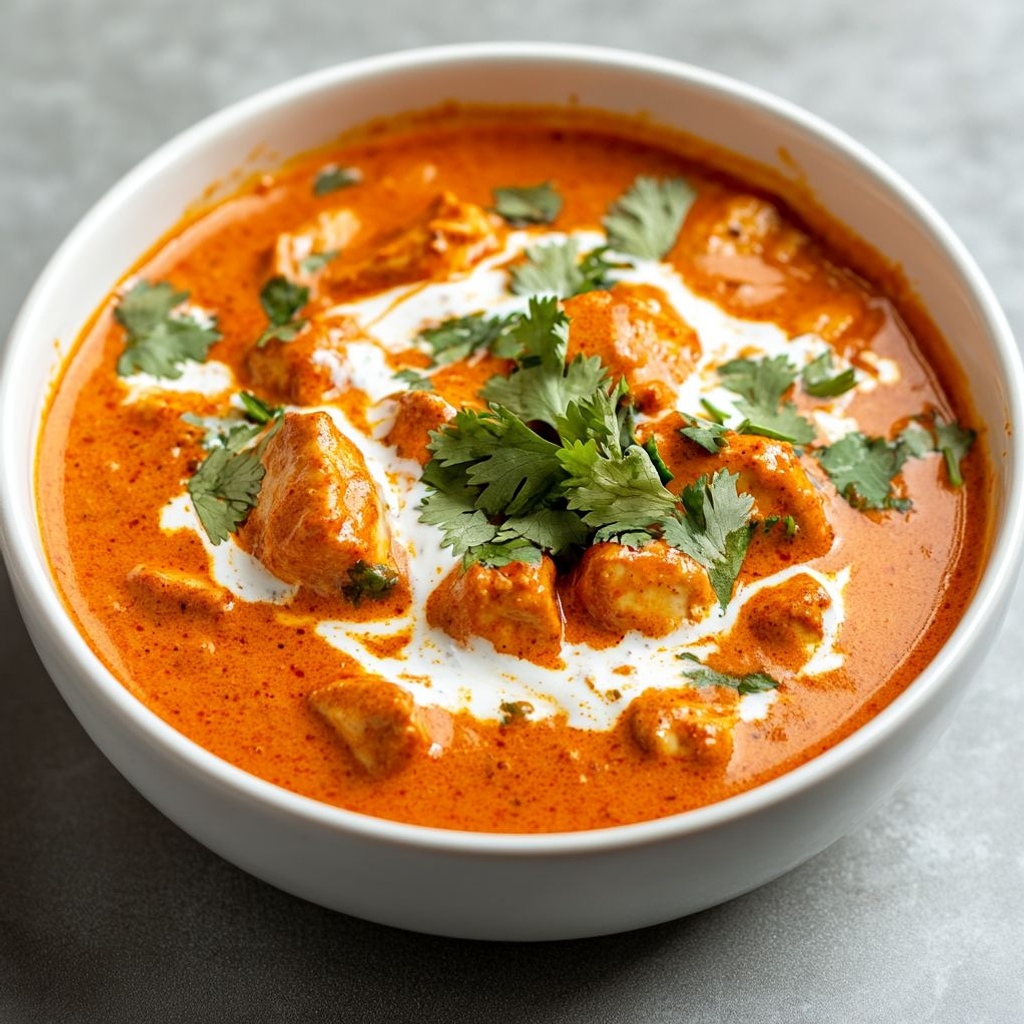
Imagine a velvet-smooth sauce that clings to each piece of chicken like a warm embrace, a glow of orange-red that hints at sunlit spices and comforting indulgence. Creamy Butter Chicken is one of those dishes that turns an ordinary weeknight into a festival of aroma and satisfaction. From the first swirl of the spoon, you’ll hear the soft hiss of butter meeting hot pan, the garlic and ginger releasing their perfume, and the gentle clink of cream coating the surface in a glossy sheen. It’s a dish that feels luxurious without demanding days of prep, and each bite delivers a balance of tangy tomato, rich dairy, and a whisper of warm spices that lingers pleasantly on the palate. If you’ve ever wished for a curry that feels cozy enough to curl up with on the couch, yet elegant enough to serve to guests, Creamy Butter Chicken delivers that dream in a single, shimmering bowl.
What makes this dish truly special is how it marries depth and brightness. The sauce carries the sweetness of tomatoes and the mild sweetness of butter, tempered by garlic, ginger, garam masala, and fenugreek. It’s indulgent, yes, but not cloying; it’s creamy without being heavy, and it harmonizes with a handful of simple accompaniments to create a complete, satisfying meal. Beyond the taste, there’s the memory of sharing a plate with loved ones—hands reaching for a warm naan, steam rising, conversations unfolding—as if the kitchen itself had become a stage for comfort and celebration. Creamy Butter Chicken invites you to slow down a little, savor the moment, and savor each bite with a smile.
In this description, you’ll discover not just how to recreate the dish but why it has captured the hearts of home cooks and restaurant menus around the world. You’ll explore the story of its origins, the textures that make the sauce cling and caress, and the simple tweaks that let you tailor the dish to your own spice tolerance, dietary preferences, and mood. Whether you’re cooking for a busy family weeknight or planning a dinner that feels like a warm hug after a long day, this creamy, savory celebration of chicken and butter will become a staple in your kitchen repertoire. Read on to explore the layers of flavor, the thoughtful techniques, and the ways to adapt this dish for your table—no matter your culinary style.
The Story Behind the Dish
Murgh Makhani, better known in many households as Creamy Butter Chicken, has a history as rich as its sauce. The dish is widely believed to have originated in Delhi, at the legendary Moti Mahal restaurant, in the mid-20th century. According to popular lore, it was born somewhat out of kitchen improvisation: tandoori chicken—roasted in a blazing clay oven and deeply smoky—was transformed into a luxurious curry when chefs tossed the meat into a celestial, velvety tomato-based sauce enriched with butter and cream. The result was a dish that balanced charred, smoky notes with a lush, dairy-forward finish, creating something utterly new and endlessly comforting.
The creators of this iconic dish embraced contrast: the heat of the spices tempered by the cool, creamy sauce; the brightness of tomatoes softened by fat and dairy; the smoky undertones of tandoori chicken mingling with the sweetness of onion and garlic. Over time, Butter Chicken traveled far beyond Delhi, adapting to regional tastes and the global palate. In many places, cooks perfected the balance by adjusting the tomato base, the level of dairy richness, and the spice blend, all while keeping the essence intact: a dish that feels luxurious yet approachable, and deeply satisfying with every bite.
What often captivates home cooks is the sense that Butter Chicken is both a doorway into Indian cooking and a confident, stand-alone classic. It’s a dish that invites generosity—creaminess that doesn’t overwhelm, butter that lends gloss and depth, and spices that illuminate rather than scorch. Because the dish centers on gently simmered sauce and tender chicken, it also becomes a convenient canvas for personal touches: a touch of heat for those who crave it, a whisper of acidity to sharpen the palate, or a vegan-friendly adaptation that preserves the saucy, comforting character. In many homes around the world, Butter Chicken has become a symbol of hospitality, a dish you pull out for celebrations or when you simply crave a little culinary luxury.
Today, Creamy Butter Chicken sits at a delicious crossroads: it remains faithful to its Indian roots while inviting global flavors and modern dietary preferences. The technique is approachable, the results spectacular, and the experience—sharing a spoonful with someone you care about—unmistakably universal. The story behind the dish is as much about people and kitchens as it is about tomatoes and cream: a legacy of improvisation, hospitality, and a willingness to dream big with familiar ingredients.
Why You’ll Love This Recipe
- Comfort in a bowl: a luxurious, silky sauce that feels indulgent without being heavy, perfect for cozy evenings or special occasions.
- Versatile and forgiving: a forgiving base that adapts to your pantry, spice tolerance, and dietary needs without losing its soul.
- Family-friendly flavor: balanced spices with creamy richness that appeals to both kids and adults, encouraging everyone to try something new.
- Fast enough for weeknights: with smart prep and simple pantry staples, you can have a restaurant-worthy dinner on the table in a fraction of the time.
- Make-ahead potential: sauce can be prepared in advance and finished quickly, which makes it ideal for meal planning and entertaining.
- Great for entertaining: a dramatic, crowd-pleasing centerpiece that pairs beautifully with a variety of sides and drinks.
Flavor Profile & Texture
The defining characteristic of Creamy Butter Chicken is its sauce: a glossy, lacquered finish that clings to every piece of chicken. The flavor profile is a harmonious blend of sweet, tangy, and savory notes. Tomatoes provide a natural brightness and a gentle acidity that cuts through the richness of butter and cream. The dairy component—whether butter, cream, or a combination—adds a velvety mouthfeel and a subtle sweetness that rounds out the spices rather than overpowers them.
Within the spice blend, garam masala introduces warmth with hints of nutmeg, cinnamon, and cardamom; cumin adds earthiness; and paprika or Kashmiri chili offer color and a mild to moderate heat that builds gradually. Ginger and garlic contribute a sharp, aromatic backbone that wakes the palate, while fenugreek leaves (kasuri methi) impart a delicate, almost herbaceous finish that lingers on the tongue. The texture is a study in contrasts: the tender, juicy chicken absorbs the sauce while remaining succulent, and the sauce itself—silky, smooth, and rich—provides a counterpoint to the slight bite of the aromatics and the softness of the starch you choose to accompany it.
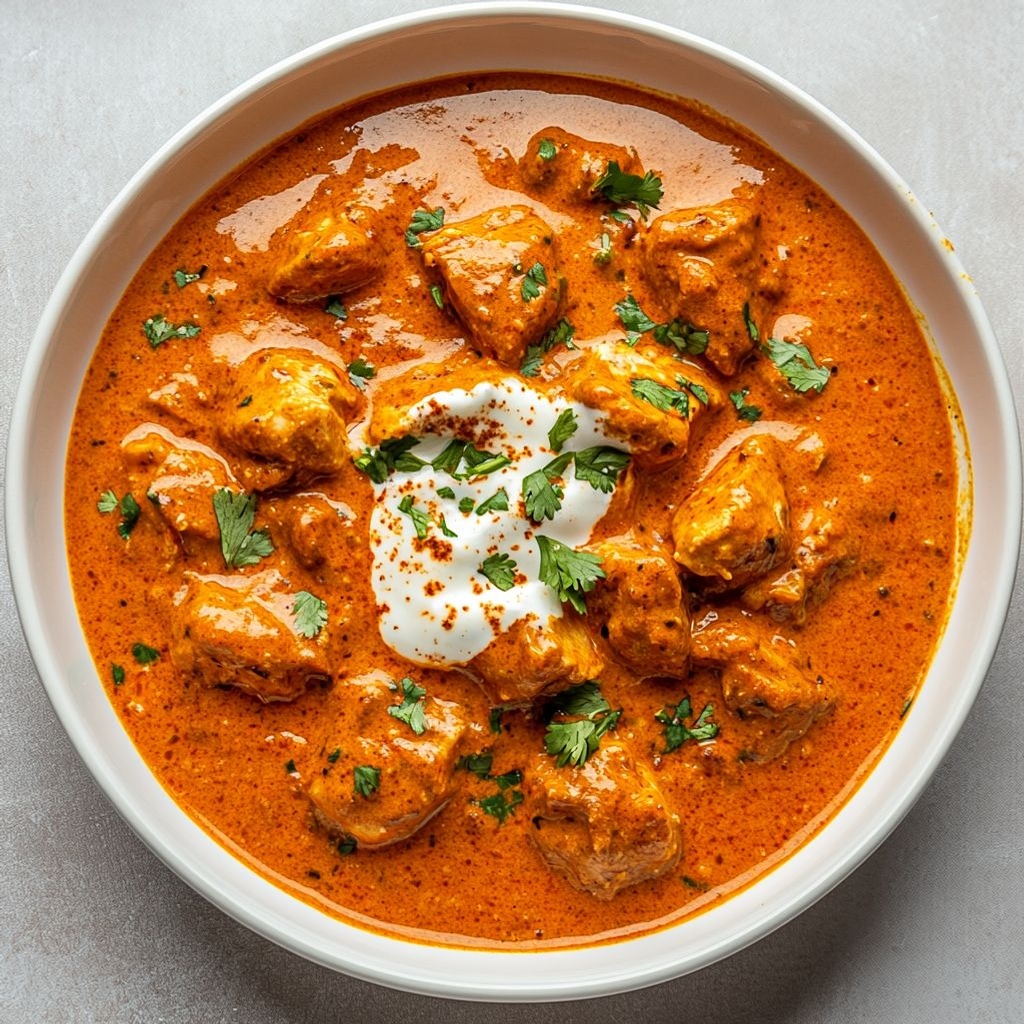
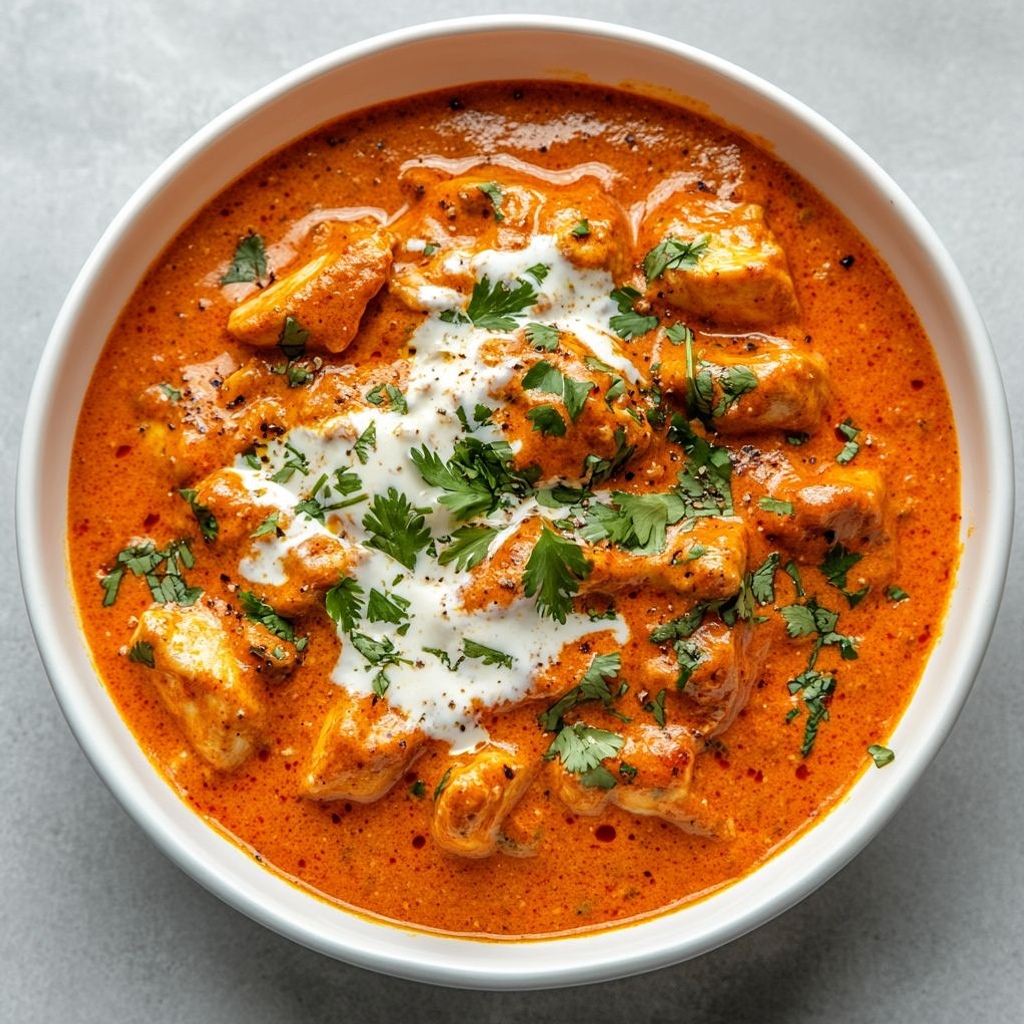
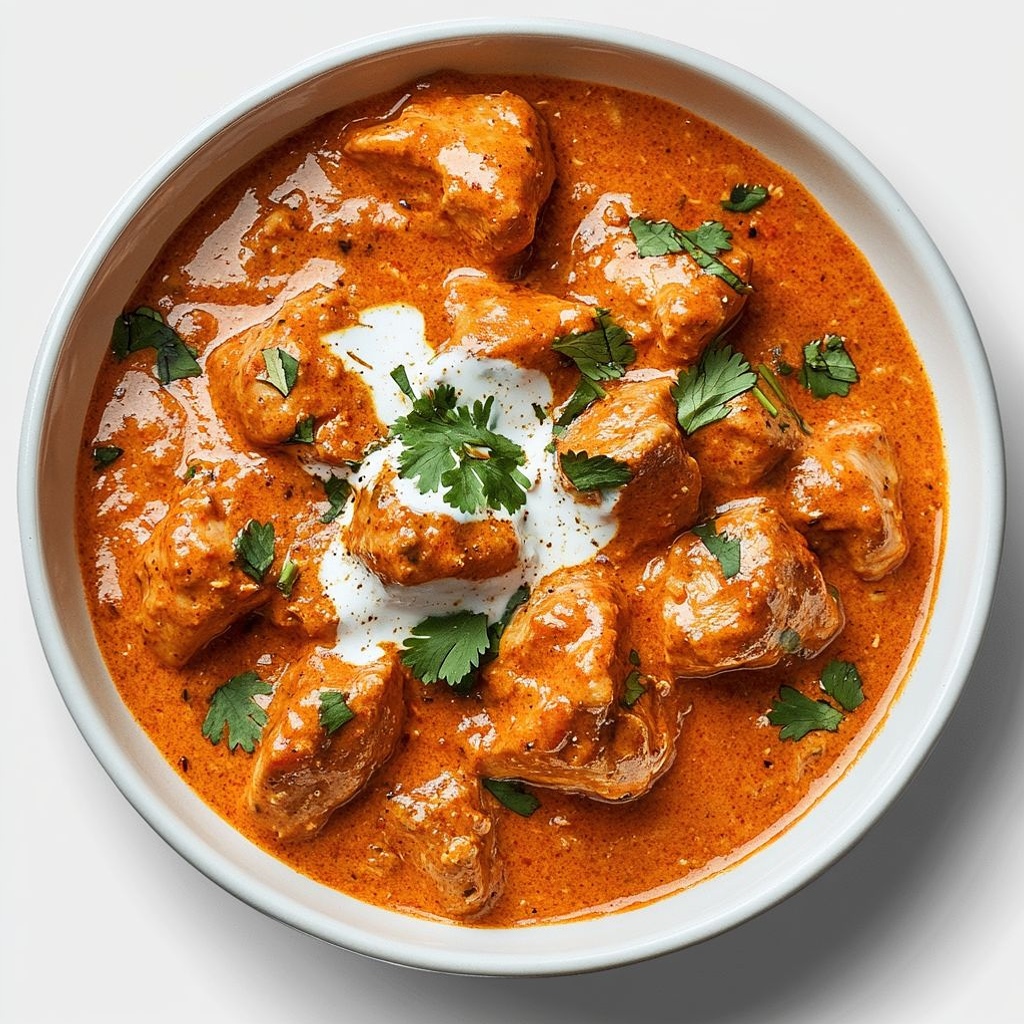
When you plate Creamy Butter Chicken, you’ll notice a vibrant hue—bright enough to be inviting but not so bold as to feel artificial. The surface sheen is glossy and inviting, hinting at the luxurious mouthfeel to come. A final sprinkle of fresh cilantro and a swirl of cream or yogurt on top can elevate the dish with a touch of brightness and a contrasting cool note that refreshes the palate after each richly flavored mouthful.
Occasions & Pairings
This dish shines in many settings. On weeknights, it’s a comforting dinner that feels special without requiring hours in the kitchen. For weekends or gatherings, it becomes a centerpiece that invites conversation and shared enjoyment. It also adapts gracefully to celebrations or intimate dinners, where its universal appeal can be enjoyed by guests with varied spice preferences.
Suggested pairings to complete the experience:
- Starches: basmati rice (plain or saffron), steamed jeera rice, or warm, fluffy naan and roti to soak up the sauce.
- Cool accompaniments: cucumber raita or a tangy onion-yogurt salad to balance the richness.
- Vegetable sides: roasted cauliflower, sautéed spinach, or a simple guild of peas and carrots to add color and texture.
- Drinks: a crisp lager, a softly fruity white wine like Sauvignon Blanc, or a lassi (sweet or salted) for a traditional touch.
- Desserts: a light, citrusy dessert such as kulfi, mango sorbet, or a yogurt-based cheesecake to round out the meal.
Tips, Variations & Substitutions
Whether you’re dairy-free, vegetarian, or chasing a spicier version, there are many ways to tailor Creamy Butter Chicken to your needs without losing its essence.
Dairy-friendly and vegan-friendly options
- Make it dairy-light: substitute a portion of the cream with full-fat coconut milk or almond milk, and use a dairy-free butter or neutral oil for cooking. The sauce will be lighter but still luscious.
- Vegan variation: use paneer or chickpeas as the protein, and replace dairy with cashew cream (soaked cashews blended with water) to achieve a similar luxurious texture.
- Butter alternative: olive oil or ghee can be used, with ghee giving a deeper, more traditional aroma if you’re not avoiding dairy.
Protein and texture tweaks
- Protein swaps: chicken thighs stay juicier and more forgiving than breasts; you can also use turkey or paneer for a different texture.
- To keep chicken extra tender, consider marinating briefly in yogurt and a pinch of salt before cooking (the description here preserves the idea of tender meat without detailing long steps).
- For a lighter version, simmer the sauce with less cream and a touch of yogurt added at the end for brightness.
Flavor variations
- Spice level: adjust with Kashmiri chili for color and mild heat, or increase with green chilies or crushed red pepper for more punch.
- Herbal lift: finish with a scatter of kasuri methi crushed in the palm for a fragrant, slightly bitter finish that enhances the dairy richness.
- Smoky notes: a small amount of smoked paprika or a dash of charred tomato can add depth for those who love a deeper, rustic flavor.
- Herby brightness: a squeeze of lemon or a splash of amchoor (dried mango powder) at the end can brighten the dish and add a subtle tang.
Regional twists
- Mumbai-style butter chicken: a touch sweeter and more velvety, with a hint of tamarind or pomegranate molasses offering a gentle tang.
- Punjabi influence: a bit more garlic and a touch of onion powder in the base can echo the heartier, rural-restaurant versions.
- South Asian fusion: pair with spiced lentil dal or chickpea curries to create a colorful, multi-constituent platter.
Storage & Make-Ahead Ideas
Creamy Butter Chicken is as friendly to the planner as it is to the spontaneous cook. With a few smart steps, you can have leftovers that taste as vibrant as the day you made them.
- Make-ahead: prepare the sauce up to the point of finishing the dish and refrigerate for 1–2 days. Reheat gently and add a splash of water or stock to restore the sauce’s looseness before finishing with a final swirl of dairy.
- Make-ahead proteins: cook the chicken and store it separately from the sauce. When ready to serve, rewarm the chicken in the sauce to reabsorb flavors and glaze the pieces with the glossy finish.
- Storage: keep leftovers in an airtight container in the refrigerator for up to 3–4 days. For longer storage, freeze the sauce (without adding dairy), and store the cooked chicken separately. Thaw and reheat slowly, then combine with sauce and finish with a touch of cream or butter if desired.
- Reheating tips: reheat gently on the stovetop over low heat, stirring often to prevent separation. If the sauce thickens too much, whisk in a little water or stock to reach the desired consistency.
Fun Facts & Trivia (Optional)
– The word makhani translates to “buttered” or “buttery,” a perfect descriptor for the dish’s silky texture and luxurious finish.
– Butter Chicken occupies a special place in global Indian cuisine: it is a bridge dish—recognizable to many who have never traveled to India, yet deeply rooted in Indian culinary traditions.
– The dish is often cited as a celebrated example of fusion within Indian cooking, where tandoor authenticity meets the comfort of a creamy sauce and a plump, juicy chicken piece.
– In many Indian restaurants around the world, Butter Chicken is a gateway dish that introduces diners to the flavors of garam masala, fenugreek, and the balance of tomato and dairy that defines much of North Indian curries.
– Variations exist across regions, but the core idea remains the same: a luxurious, creamy, tomato-based sauce enveloping tender chicken, with a gentle spice kick and a glossy finish that makes every bite feel festive.
Ingredients
- – 1.5 pounds boneless skinless chicken thighs, cut into 1-inch pieces
→ Purpose: The chicken provides protein and becomes tender when marinated; Preparation: Cut into uniform pieces for even browning and sauce coating; marinate with yogurt and spices to impart flavor and moisture. Tips: Thighs stay juicy; for a leaner option use chicken breast but monitor cooking time; marinate 30 minutes to 4 hours for best results; ensure the chicken is dry before searing to get a good crust. - – 1 cup plain yogurt (full-fat)
→ Purpose: Tenderizes and adds tang; Preparation: Whisk into the marinade with lemon juice; If yogurt is very runny, strain or label as thick; Tips: Use thick yogurt for better cling; avoid adding watery yogurt to marinade as it can make sauce thin. - – 1 tablespoon lemon juice
→ Purpose: Acidity to brighten; Preparation: Freshly squeeze; Add to marinade; Tips: Balance with sugar if needed; adjust salt later; fresh juice is best. - – 4 cloves garlic, minced
→ Purpose: Aromatics to flavor the marinade; Preparation: Mince finely; mix into marinade. Tips: Crushing and resting garlic for 5–10 minutes increases aroma. - – 1 tablespoon grated fresh ginger
→ Purpose: Aromatics; Preparation: Peel and finely grate; mix into marinade. Tips: Fresh ginger gives best flavor; avoid using dried ground ginger at this stage. - – 1 teaspoon ground cumin
→ Purpose: Earthy warmth; Preparation: Use ground cumin; bloom in oil for deeper aroma if desired. Tips: Freshly ground offers stronger fragrance; toast briefly if you like. - – 1 teaspoon ground coriander
→ Purpose: Citrus-like brightness; Preparation: Use ground coriander; mix evenly in marinade. Tips: If using whole seeds, crush before grinding. - – 1/2 teaspoon turmeric
→ Purpose: Color and earthy note; Preparation: Stir into marinade; Tips: Use sparingly to avoid bitterness; color will intensify in sauce. - – 1/2 teaspoon Kashmiri chili powder or paprika
→ Purpose: Color and mild heat; Preparation: Add to marinade to impart color; Tips: For more heat, adjust with an additional pinch of red chili powder. - – 2 teaspoons garam masala, divided (1 teaspoon for marinade; 1 teaspoon for finishing sauce)
→ Purpose: Classic spice blend unifies flavors; Preparation: Mix 1 teaspoon into marinade and reserve 1 teaspoon to stir into sauce near the end. Tips: Freshly toasted garam masala has more aroma; store airtight. - – 1/2 teaspoon salt
→ Purpose: Seasoning base for marinade; Preparation: Stir into marinade and taste before cooking; Tips: Yogurt and tomatoes add salt so adjust later. - – 1 tablespoon vegetable oil (neutral) or ghee for marinade and cooking
→ Purpose: Fat to carry spices and help sear; Preparation: Mix into marinade and use to sear chicken pieces. Tips: Ghee adds richer flavor; oil helps prevent dairy from separating.
- – 1 large onion, finely chopped
→ Purpose: Base for the sauce; Preparation: Sweat in butter/oil until translucent and lightly golden to develop sweetness. Tips: Slow cooking yields deeper caramelization; adjust salt later to balance. - – 2 tablespoons butter
→ Purpose: Adds richness and helps create a creamy emulsified sauce; Preparation: Melt with onion before adding other ingredients; Tips: Do not brown too deeply to avoid burnt flavor; use unsalted butter for controlled salt. - – 1 can crushed tomatoes (14 oz / 400 g) or 1.5 cups tomato puree
→ Purpose: Tomato base for acidity and body; Preparation: Simmer to reduce and concentrate; if you prefer a smooth sauce, blend after simmering. Tips: Canned crushed tomatoes provide texture; passata yields a smoother texture. - – 1 cup heavy cream
→ Purpose: Creates silky, rich sauce; Preparation: Add toward the end and simmer briefly to thicken; Tips: For lighter version, substitute with half-and-half or coconut cream; avoid boiling after adding cream to prevent separation. - – 1/2 cup water or chicken stock
→ Purpose: Adjusts thickness; Preparation: Add gradually until sauce reaches desired consistency; Tips: Stock adds savoriness; water keeps the dish lighter. - – 1 teaspoon kasuri methi (fenugreek leaves), crushed between fingers
→ Purpose: Signature aroma; Preparation: Crush leaves between fingers to release oils; sprinkle toward the end of cooking. Tips: If unavailable, omit or substitute with a pinch of dried oregano for a different aroma. - – 1 teaspoon sugar or honey (optional)
→ Purpose: Balances acidity from tomatoes; Preparation: Stir in little by little, tasting as you go. Tips: Start with 1 teaspoon; adjust to preferred sweetness; skip if tomatoes are already sweet. - – 1/2 teaspoon salt
→ Purpose: Seasoning for sauce; Preparation: Season gradually during simmer and taste before serving. Tips: Use kosher salt for even distribution; adjust after adding cream. - – 1 tablespoon tomato paste (optional)
→ Purpose: Deepens tomato flavor and adds body; Preparation: Stir in after onions soften to bloom; Tips: Optional but adds depth if you want a richer sauce.
- – 1 tablespoon chopped fresh cilantro leaves (for garnish)
→ Purpose: Fresh, bright finishing aroma and color; Preparation: Roughly chop and sprinkle over the dish just before serving. Tips: If you dislike cilantro, substitute with parsley or skip garnish. - – 2 tablespoons extra butter or ghee for finishing (optional)
→ Purpose: Finishes the sauce with a glossy, luxurious finish; Preparation: Remove from heat and whisk in off the heat to emulsify; Tips: Use unsalted to control salt and adjust at the end; avoid adding while boiling to prevent separation.
Instructions
- Marinate the chicken: In a large bowl, whisk together 1 cup plain yogurt (thick if possible), 1 tablespoon lemon juice, 4 cloves garlic minced, 1 tablespoon grated fresh ginger, 1 teaspoon ground cumin, 1 teaspoon ground coriander, 1/2 teaspoon turmeric, 1/2 teaspoon Kashmiri chili powder or paprika, 1 teaspoon garam masala, 1/2 teaspoon salt, and 1 tablespoon vegetable oil; add the 1.5 pounds boneless skinless chicken thighs cut into 1-inch pieces and toss to coat evenly; cover and refrigerate for 30 minutes to 4 hours to allow the yogurt to penetrate and tenderize while flavoring every piece.
→ This step infuses the chicken with aromatics, tenderizes the meat, and ensures an even coating for the sear and the sauce; use thick yogurt for better adhesion and pat the chicken dry before cooking to promote browning. - Pat dry the marinated chicken: Remove the chicken from the marinade and pat each piece dry with paper towels to remove excess surface liquid; drying prevents steaming and helps achieve a crisp, browned crust during searing.
→ Excess marinade moisture can inhibit browning and dilute the sauce; drying ensures a proper sear that locks in juices and develops flavor through Maillard reactions. - Prepare the sauce base: In a wide, heavy skillet, melt 2 tablespoons butter over medium heat; add the finely chopped onion and sweat slowly until translucent and lightly golden, about 8–10 minutes, stirring occasionally to prevent scorching and to develop sweetness.
→ Slow sautéing draws out natural sugars in the onion, building a rich foundation for the sauce and balancing the acidity of tomatoes. - Bloom spices and introduce the tomato component: If using tomato paste, add it to the onions and cook for 1 minute to bloom their flavor in the fat; then stir in 1 can crushed tomatoes (14 oz) or 1.5 cups tomato puree and bring to a gentle simmer to concentrate their flavor, 8–12 minutes.
→ Blooming the paste and reducing the tomatoes thickens the sauce and deepens the tomato-forward tang that underpins butter chicken. - Season the sauce and balance acidity: Stir in 1 teaspoon garam masala (reserve the remaining 1 teaspoon for finishing later), 1/2 teaspoon salt, and 1 teaspoon sugar or honey if the tomatoes taste sharp; simmer a few minutes so the flavors meld and the salt integrates without oversalting.
→ Salt and a touch of sweetness balance tangy tomatoes; adding garam masala now layers warmth into the base before the chicken finishes cooking. - Cook the chicken in batches to brown: In a separate heavy skillet, heat 1 tablespoon oil or ghee over medium-high heat; add the marinated chicken in batches without crowding and sear until browned on all sides, about 2–3 minutes per side; do not cook through completely, then transfer to a plate.
→ Browning in a hot, dry pan builds flavor and color that intensifies the final sauce; crowding cools the pan and prevents proper sear, so work in batches. - Combine the chicken with the sauce and simmer: Return the browned chicken (and any juices) to the tomato-onion base; simmer uncovered over medium-low heat until the chicken is cooked through (internal temperature 165°F / 74°C) and the sauce thickens to coat the pieces, about 8–12 minutes; stir occasionally to ensure even cooking and prevent sticking.
→ Gentle simmering allows the yogurt-based marinade to meld with the cream and tomatoes, finishing the chicken without turning it dry. - Finish the sauce with cream and remaining spice: Stir in the remaining 1 teaspoon garam masala and pour in 1 cup heavy cream; simmer gently 3–5 minutes to emulsify the sauce and achieve a luxurious texture; gradually add up to 1/2 cup water or chicken stock to reach your desired consistency, avoiding a thin sauce.
→ Cream heightens richness and creates the signature buttery, smooth sauce; avoid a hard boil after cream addition to prevent separation. - Finish and glaze for gloss: Remove from heat and whisk in 2 tablespoons extra butter or ghee (optional) to melt through the sauce; this step tightens the emulsion for a glossy finish and silken mouthfeel; sprinkle with 1 tablespoon chopped fresh cilantro just before serving.
→ Finishing with butter adds a satin sheen and rounds the fat-soluble flavors; cilantro provides a fresh contrast and aroma that brightens the dish. - Taste and adjust final seasoning: After the sauce has legged a moment, test for salt and acidity; if needed, add a splash more lemon juice or a pinch more salt in small increments and mix well; keep warm until ready to plate.
→ Balancing salt and brightness at the end ensures the dish tastes cohesive with the richness of cream and yogurt. - Plate and serve: Spoon the creamy butter chicken over steamed basmati rice or alongside warm naan; garnish with a final scatter of cilantro and a pat of butter if desired; serve immediately to enjoy the sauce at its freshest.
→ The dish shines when served hot, with the rice or bread soaking up the luscious sauce and carrying the spices to every bite.
Notes
These gluten-free creamy butter chicken notes describe a rich, yogurt-tenderized chicken simmered in a silky tomato-cream sauce with warming spices. Marinating the chicken in plain yogurt, lemon juice, and spices helps tenderize the meat and infuse depth of flavor, while browning the pieces in a hot pan adds color and complexity before they simmer in the sauce.
- Marinate the chicken thighs (boneless, skinless, 1.5 pounds) with plain yogurt, lemon juice, minced garlic, grated ginger, cumin, coriander, turmeric, Kashmiri chili powder or paprika, a portion of garam masala (1 teaspoon for marinade), salt, and oil for 30 minutes to 4 hours for best tenderness and flavor.
- Pat the chicken dry before searing to ensure a good crust; sear in batches on medium-high heat with a little oil or ghee, then set aside.
- In the same pan, sweat the onion in butter until translucent and lightly golden to develop sweetness; this creates the flavor base for the sauce.
- Bloom remaining spices (cumin, coriander, and garam masala) in the fat for 30–60 seconds to awaken their aromas, being careful not to burn them.
- Add crushed tomatoes or tomato puree and simmer to reduce and concentrate their acidity and body; blend if you prefer a smoother sauce.
- Pour in heavy cream toward the end and simmer briefly to thicken; keep the heat gentle to prevent curdling, and consider tempering the cream by adding a splash of the hot sauce before fully incorporating it.
- Finish with kasuri methi crushed between fingers for aroma, and stir in the remaining teaspoon of garam masala off the heat for a cohesive finish.
- If the sauce tastes too acidic, balance with a touch of sugar or honey added gradually; adjust salt after adding cream.
- Garnish with chopped cilantro and a final pat of butter or ghee if desired for a glossy, luxurious finish.
Make-ahead, storage, and substitutions: The marinated chicken can be prepared up to 4 hours ahead, and the sauce can be made a day in advance and gently reheated, adding cream at the end. Refrigerate leftovers in an airtight container for 3–4 days or freeze portions for 2–3 months. This dish is gluten-free as written; verify that spice blends, tomato paste, and stock are certified gluten-free if you have gluten intolerance, and serve with gluten-free rice or bread. For dairy-free or lighter versions, substitute coconut cream and dairy-free yogurt, and omit the butter; the texture will be creamier with careful reheating on low heat.
Serving notes: Pair with basmati rice or gluten-free naan, and adjust salt to taste before serving. For extra richness, finish with an additional knob of butter off the heat and let it emulsify into the sauce. If you prefer milder heat, reduce the Kashmiri chili powder or paprika; for more heat, add a pinch of red chili powder to taste.
Tips
Tips for Creamy Butter Chicken
Marinade and chicken prep
Searing and building flavor
Sauce construction and texture
Finishing and optional tweaks
- Serve with basmati rice or warm naan to soak up the sauce; a squeeze of lemon at plating brightens the dish just before serving.
Storage, reheating and troubleshooting
- If the sauce splits, whisk in a little warm water or cream off the heat to re-emulsify; a small amount of tomato paste can help restore body.
- The sauce and chicken freeze well; thaw in the fridge overnight and reheat slowly, adding a touch of stock to adjust thickness.
FAQ
Creamy Butter Chicken – FAQ
What is Creamy Butter Chicken?
Creamy Butter Chicken is a mild, tomato-based curry featuring tender chicken simmered in a rich, velvety sauce made with butter and cream. It’s inspired by North Indian flavors and is typically less spicy, with a luxurious, silky texture.
What ingredients do I need?
Common ingredients include:
- Boneless, skinless chicken thighs (or breasts), cut into bite-sized pieces
- Plain yogurt for marinating
- Lemon juice and garlic-ginger paste
- Spices: garam masala, ground cumin, coriander, paprika, chili powder
- Tomato puree or crushed tomatoes
- Butter and cream (or dairy-free alternatives)
- Salt and pepper
- Optional: kasuri methi (den.) or fenugreek leaves, fresh cilantro for garnish
Can I make it ahead or freeze it?
Yes. You can marinate the chicken up to 1 day in advance. Sauce can be prepared and cooled, then stored in the fridge for up to 2–3 days. For freezing, freeze the sauce (without cream) for up to 2–3 months. Thaw in the fridge and reheat gently, adding cream or dairy-free milk at the end to restore creaminess.
How do I adjust the spice level?
To tone it down, reduce chili powder or skip fresh chilies. To increase heat, add a pinch of red pepper flakes or chopped green chilies. You can also control spiciness by balancing with a touch of sugar or yogurt in the marinade, and serving with mild sides like rice or naan.
Is this recipe gluten-free?
Yes, the core recipe is gluten-free if you use gluten-free spices and avoid any tomato paste or sauces containing gluten. Check labels on garam masala and tomato products, and use gluten-free stock if included in the recipe.
Can I make a dairy-free or vegan version?
Absolutely. Use coconut cream or almond cream instead of dairy cream, and dairy-free butter or oil. For protein, use paneer alternatives or chickpeas if you prefer a vegetarian option. Some people also blend coconut yogurt for tanginess, but adjust sweetness and acidity accordingly.
How do I reheat leftovers without breaking the sauce?
Reheat gently over low heat, stirring often. If the sauce thickens, loosen with a splash of water or a little more cream/coconut milk. Avoid boiling, which can separate dairy-based sauces.
What should I serve Creamy Butter Chicken with?
Popular accompaniments include basmati rice, naan, or roti. A side of cucumber raita or a simple salad adds freshness, while chopped cilantro and a squeeze of lemon brighten the dish.
Common mistakes to avoid?
Tips to prevent issues:
- Overcooking the chicken—cook just until sealed and tender, then simmer in sauce.
- Adding too much tomato or not balancing acidity—taste and adjust with a little sugar or cream.
- Letting the sauce boil after adding dairy—keep heat gentle to preserve creaminess.
- Not marinating long enough—marination helps tenderize chicken and deepen flavor.
How long does it take to cook?
Total time is typically 40–50 minutes, including marinating (optional) and cooking. Active cooking usually takes 25–35 minutes: marinate if you like, sauté aromatics, add tomato and spices, simmer until chicken is cooked through, then finish with butter and cream.