Introduction / Hook
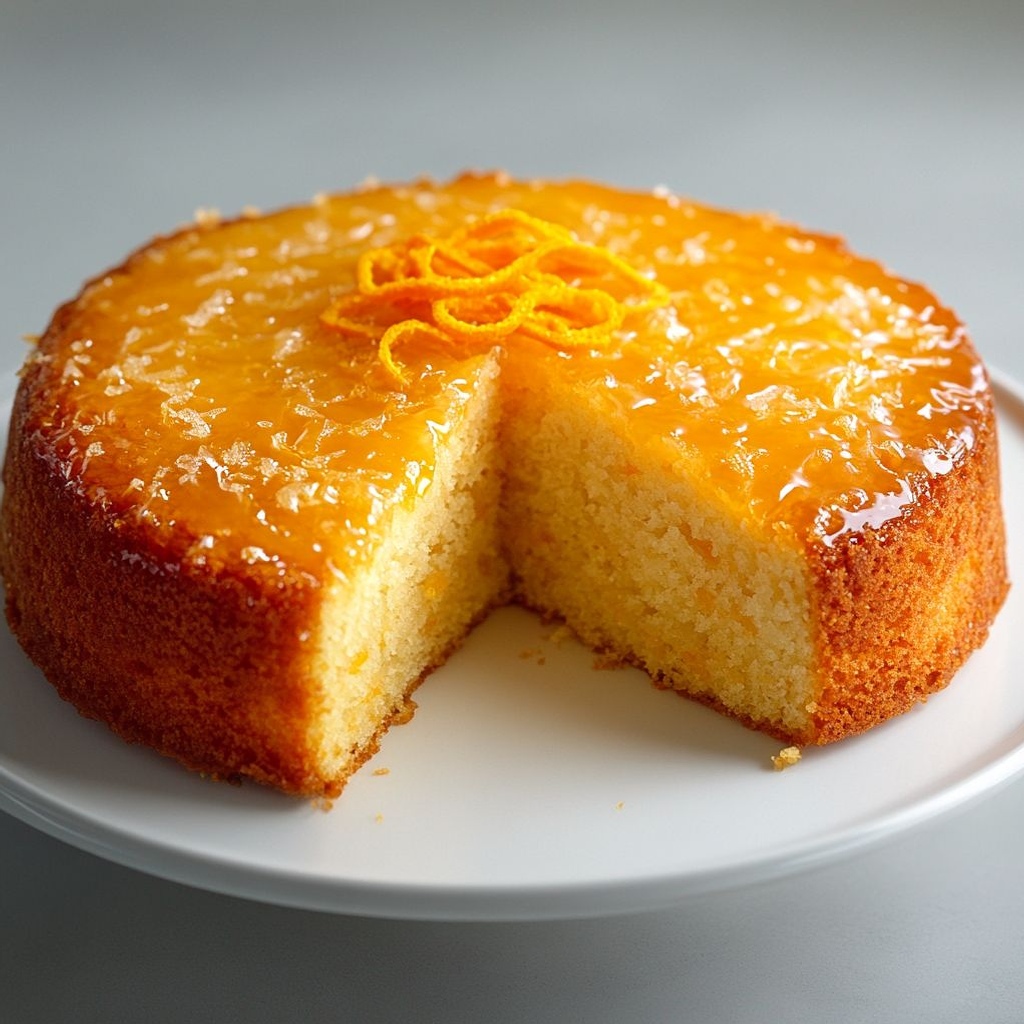
Picture a sunlit Sicilian afternoon: the air is perfumed with sweet citrus, the sea sighs against the rocks, and a cake sits on the table, gleaming with a pale orange glow. Torta siciliana all’arancia is more than a dessert; it is a luminous embrace of the island’s glorious citrus heritage. Each bite carries the brightness of Valencia and Seville-born oranges, the whisper of almond and olive oil, and a tenderness that feels almost shy at first, then increasingly confident as the flavors bloom on your palate. This cake is a memory you can taste—the kind of sweet that lingers in your senses, tugging you back to a warm kitchen, to breezy terraces, to laughter around a table with friends and family. It’s a celebration of simplicity elevated by citrus sunshine, and it invites you to slow down, savor the moment, and let the aroma carry you to a sun-drenched Sicilian afternoon, even if you’re miles away from the island itself.
What makes Torta all’arancia especially magnetic is its balance: a tender crumb that remains moist and ethereal, a crisp edge that crackles softly when cut, and a fragrance that feels almost like a spell of summer. The orange isn’t merely a flavor; it’s a mood. It’s the memory of morning markets stacked with crates of bright fruit, the gentle bitterness that awakens the sweetness, and the way citrus oils cling to the air long after the last crumb has vanished. This cake doesn’t shout its presence; it speaks in warm, sun-kissed whispers. It’s the kind of dessert that pairs beautifully with a cup of coffee in the morning, a glass of dessert wine after dinner, or a stolen slice as the late-afternoon light drapes the room in gold. If you crave a dessert that feels vibrant yet comforting—sophisticated enough for guests, friendly enough for a weeknight—this is your go-to.
Beyond its irresistible taste, the cake embodies a philosophy of Sicilian baking: let the fruit do the talking, rely on high-quality pantry elements, and treat the oven as a trusted ally. There is elegance in restraint here—the citrus provides color and character, the fat source (often olive oil) provides moisture and depth, and every bite leaves a gentle, lingering brightness that invites another slice. The result is not merely a treat but a small ceremony: the moment you slice into the cake, the room fills with a clean citrus fragrance, a quiet cheer that says, “Slow down, enjoy this, and share it.”
The Story Behind the Dish
Sicily has long been a crossroads of cultures, weathered by the interference and influence of many peoples who traversed the Mediterranean. The island’s citrus trees—oranges, lemons, bergamots—have thrived for centuries in the sun-drenched soils, their fragrant oils perfuming the air and coloring the regional desserts with a distinctive brightness. The practice of baking with citrus in Sicily is not merely a culinary gimmick; it is a reflection of a landscape where fruit and sea mingle, where pastry tradition embraces fruit-forward recipes, and where sweetness is often balanced by a touch of tang and a whisper of oiliness that keeps things moist and honest.
The exact origins of Torta all’arancia are as layered as the cake itself. In many Sicilian kitchens, citrus-based desserts emerged as a practical use of seasonal abundance—juiced and zested fruits transformed into cakes, syrups, and delicate pastries during the harvest season and into celebratory offerings during local feasts. Over centuries, the recipe absorbed influences from Arab, Greek, and Spanish culinary currents that crisscrossed the island, each leaving its own nuance: almond textures from the east, citrus-forward brightness from Mediterranean trade routes, and a love for olive oil as a panacea that keeps the crumb tender. The result is a dessert that feels both local and cosmopolitan—a cake that could be served after a simple family dinner or at a grand festa with equal grace.
In the modern kitchen, Torta all’arancia has evolved into a beloved staple that travels well beyond Sicily’s borders. Home bakers around the world discover that a few simple ingredients, treated with respect and patience, can produce a cake that tastes of sunshine, of quiet afternoons, and of shared moments. The citrus’s aromatic oils—released by zest and a gentle squeeze of juice—work in harmony with a smooth, tender crumb that responds beautifully to warm spices, a hint of vanilla, or a nutty accent if you wish to add it on top or within the batter. The dish’s storytelling is less about a fixed, rigid recipe and more about a mood: a citrus-forward, comforting, everyday delight that can be dressed up for a celebration or kept pared back for a cozy family supper. Its history mirrors Sicily itself—a mosaic of land and sea, of tradition and innovation, of the unassuming cake that becomes a memory you want to recreate time after time.
Why You’ll Love This Recipe
- Bright, uplifting citrus flavor loops through every bite, lifting the palate with natural sweetness and a touch of tartness.
- The crumb remains exceptionally moist and tender, thanks to the citrus juice and the oil-based batter, which yields a cake that stays fresh for days.
- Simple, pantry-friendly approach: you don’t need elaborate equipment or hard-to-find ingredients to achieve a bakery-like finish at home.
- Versatile for multiple occasions—weeknights, special occasions, brunches, and summer picnics—because citrus is universally celebratory and gently sophisticated.
- Perfect for make-ahead planning: this cake often tastes even better the next day as the flavors settle and deepen.
- Pairs beautifully with a range of accompaniments, from coffee and tea to light liqueurs or a glass of dessert wine, making it a flexible choice for different menus.
- Adaptable to various dietary preferences with thoughtful substitutions or variations, without compromising the signature citrus character.
- A charming introduction to Sicilian baking for curious cooks: it is approachable, comforting, and deeply rooted in a sense of place.
Flavor Profile & Texture
The flavor of Torta all’arancia is a study in citrus brightness tempered by a mellow, comforting backbone. The orange contributes a lively fragrance—think zest that awakens the senses and a gentle sweetness that lingers without cloying. The cake’s crumb is light and springy, yet substantial enough to hold a forkful of joy without collapsing. The fat, often rendered olive oil in traditional preparations, lends a subtle fruity note and a moist, almost velvet-like mouthfeel that sticks with you rather than drying out. Depending on the optional add-ins you might encounter in traditional or modern versions—such as a whisper of vanilla, a touch of almond, or a delicate glaze—the citrus once again takes center stage, while the added elements harmonize rather than overwhelm.
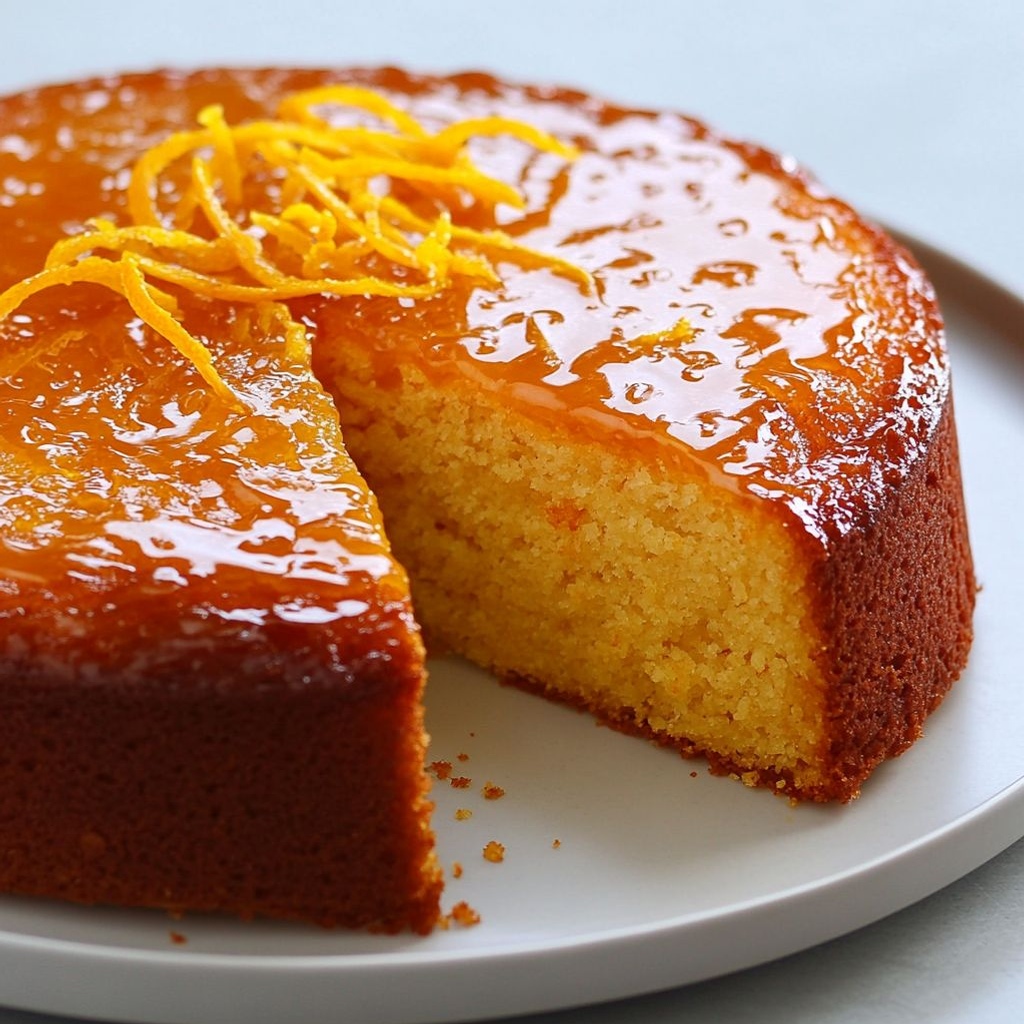
In the mouth, you might notice a delicate balance of sweet and mildly tart flavors. The orange’s natural acidity helps cut through the richness of the cake, creating a round flavor profile that is neither too sharp nor too flat. When a glaze or dusting of sugar is present, it provides a gentle gloss and a final gleam that makes the surface look almost sunlit. The texture often invites a gentle, satisfying chew with a soft crumb that collapses beautifully at the edges, giving way to a moist interior that continues to release citrus oils on the palate with lingering warmth. The finish is clean, with a hint of zest’s bitter notes if zest is used generously, which helps to keep the sweetness bright rather than heavy.
This cake can subtly reflect regional preferences. Some kitchens may invite a whisper of almond, nodding to Sicily’s almond traditions; others may welcome a drop of vanilla to mimic a more familiar Western dessert profile. In all cases, the dominant impression remains the same: a cake that tastes like sun, like a citrus grove after a gentle rain, and like a shared moment that makes a simple slice feel meaningful.
Occasions & Pairings
Where does Torta all’arancia shine best? In many settings, the answer is everywhere. It is equally comfortable as a quiet breakfast companion, a mid-afternoon treat, or a refined finish to a festive dinner. Here are some ideas for presenting this citrus beauty in various atmospheres:
- Weeknights: serve with a cup of coffee or tea for a comforting end to the day. The citrus lifts the mood without overpowering the senses.
- Brunches and gatherings: pair with a light yogurt or a dollop of fresh cream, allowing the citrus to tilt the balance toward brightness while the toppings add a touch of indulgence.
- Holidays and celebrations: layer with a light citrus glaze or dust with powdered sugar and a sprinkle of bright zest to create a festive, glossy finish that photographs beautifully.
- Outdoor occasions: a slice alongside a chilled sparkling beverage or a crisp white wine can feel effortlessly elegant and refreshing on a warm day.
Suggested pairings vary from the casual to the festive. For beverages, a strong espresso or a bold black tea offers a pleasing counterpoint to the cake’s sweetness. If you want something more indulgent, a small glass of dessert wine or Moscato could heighten the citrus’s perfume and provide a complementary sweetness. For accompaniments beyond drinks, consider a light ricotta or mascarpone dollop, a scatter of chopped pistachios for a crunchy contrast, or a spoonful of tangy fresh fruit to cut through the cake’s richness. You can also balance with a contrasting texture, such as a delicate, creamy topping or a faintly salty finish that makes the citrus sing even louder.
Tips, Variations & Substitutions
Vegan & Dairy-Free Options
You can enjoy this cake with plant-based fats and binders without losing its signature citrus charm. When making a vegan version, consider using a neutral-tavored oil as the base and adjusting the liquid balance to maintain moisture. You can also explore vegan-friendly binders or emulsifiers that preserve tenderness while keeping the texture light.
Gluten-Free & Alternative Flours
Gluten-free bakers can achieve a tender crumb by selecting reputable gluten-free flours or a blend designed for cakes. The key is to maintain moisture and structure without overworking the batter. Some blends incorporate ground nuts or rice flour to mimic the delicate crumb of a wheat-based cake while preserving the aroma of orange and the overall soft texture.
Flavor Variations
- Almond accents: a subtle almond note can complement the orange beautifully, often achieved by a modest amount of ground almonds or almond extract in compatible recipes.
- Vanilla or zest combinations: a touch of vanilla can deepen sweetness, while additional citrus zest (like lemon or lime) can broaden the aroma profile and introduce a playful tang.
- Herbal twists: a hint of fresh thyme or rosemary can surprise the palate with an aromatic counterpoint to the citrus, especially when served with a light drizzle of citrus honey.
Regional Twists
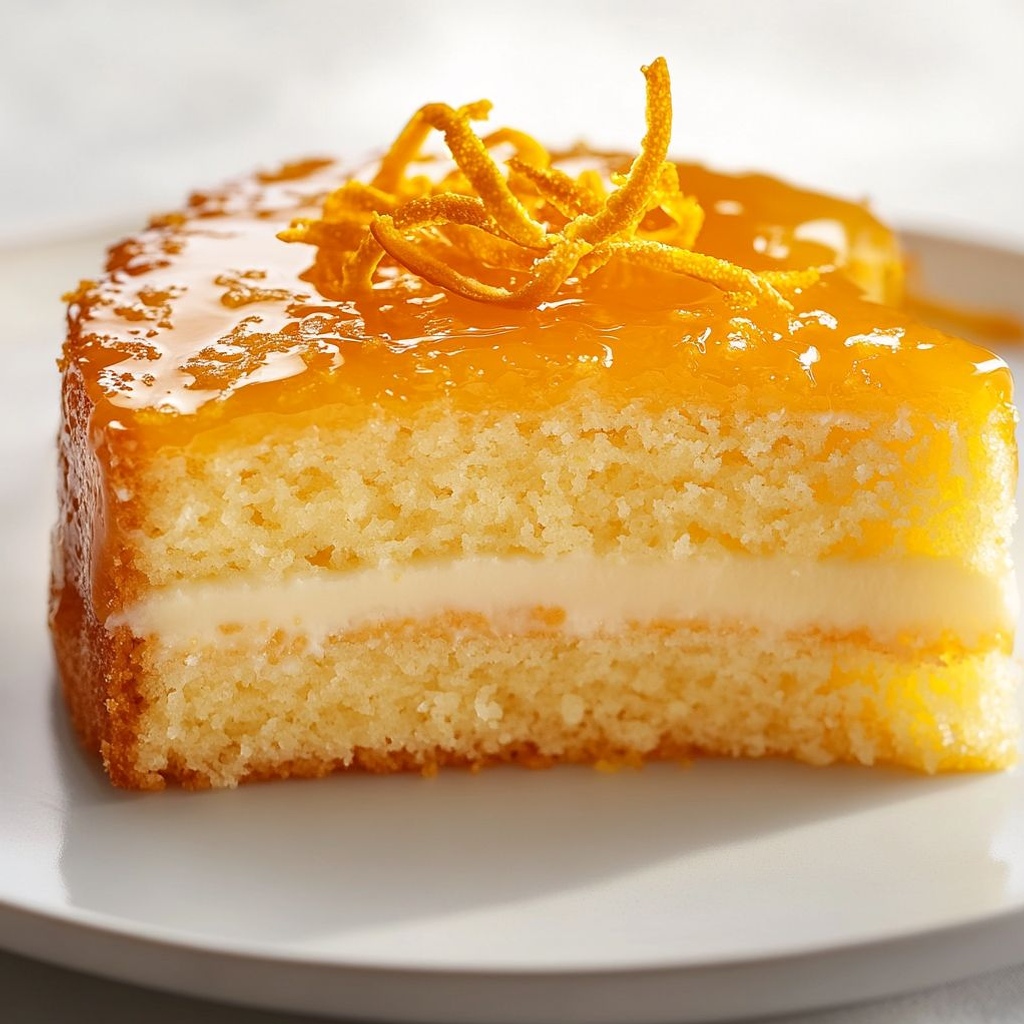
In Sicily and beyond, bakers may tailor the cake with local ingredients or regional techniques. Some versions might finish with a delicate glaze that intensifies the citrus sheen, while others tuck a thin layer of fruit preserves between layers or on top for a glossy fruit note. A light dusting of powdered sugar and a few citrus zest ribbons on the surface can elevate presentation while respecting the cake’s restrained elegance.
Storage & Make-Ahead Ideas
The beauty of this cake lies in its ability to mature gracefully. It often benefits from a repose of a few hours or overnight, during which the citrus oils mingle with the moist crumb, producing an even more pronounced aroma and a richer, cohesive texture. Here are practical tips to keep your Torta all’arancia at its best:
- Room-temperature freshness: in a cool, dry place or under a light cover, the cake can stay fresh for a couple of days, with flavor deepening as the days pass. Avoid exposing it to heat or direct sunlight, which can dry the crumb or cause the glaze to melt.
- Refrigeration: if you prefer longer storage, wrap slices or the whole cake tightly and refrigerate. Bring slices back to room temperature for maximum aroma and tenderness before serving.
- Make-ahead: bake in advance and freeze in airtight containers or wrapped slices. Thaw overnight in the refrigerator or at room temperature, then refresh with a gentle warm-up to revive the citrus scent.
- Glaze and toppings: if you plan to glaze, consider applying it only when ready to serve, or keep the glaze separate until serving to preserve a glossy finish and a bright, fresh citrus note.
Fun Facts & Trivia (Optional)
– The phrase all’arancia literally translates to “in orange,” a poetic nod to how central the citrus is to the cake’s identity. It’s a reminder that fruits can be the star in a dessert, not just a supplement.
– Sicily’s citrus groves are among the oldest in the Mediterranean, with varieties that have thrived through centuries of trade, conquest, and cultural exchange. The island’s climate, with long, sun-drenched days and mild winters, makes it a natural haven for oranges and lemons, elevating simple baked goods into expressions of terroir.
– Citrus in Italian desserts has a long tradition of balancing sweetness with brightness. The oils released from zest add a perfume that lingers after the last bite, a sensory signature that distinguishes many regional Italian cakes from their counterparts around the world.
– The use of olive oil in cakes is a hallmark of Mediterranean baking. It contributes moisture, a distinctive depth, and a subtle fruitiness that harmonizes particularly well with citrus. This combination—orange and olive oil—is a classic pairing that showcases how modest ingredients can produce extraordinary flavor with patience and care.
– In some Sicilian households, orange blossom water or a tiny pinch of spice may be added to the batter or brushing for an extra layer of aromatic perfume. These delicate touches are a reminder that small nuances can elevate a dessert from good to memorable.
As you prepare to share Torta siciliana all’arancia, you’re inviting more than a dessert—you’re inviting a moment of storytelling, a taste of the Mediterranean climate, and a gentle celebration of sweetness, sunshine, and togetherness. Whether you’re recreating a piece of Sicily at home or simply seeking a citrus-forward cake that feels comforting and refined, this recipe offers a path to warmth, generosity, and a sense of place in every slice.
Closing Thoughts
In the end, Torta siciliana all’arancia invites you to trust the fruit, trust the oven, and trust your senses. The cake’s charm lies not in complexity but in the clarity of its flavors and the grace of its texture. It is the kind of recipe that rewards patient preparation and thoughtful presentation: a slice shared with a friend, a moment of quiet reflection with a cup of coffee, and the possibility of introducing someone to a taste of Sicily they won’t soon forget. When you lift the first forkful to your lips, you’ll understand why citrus-bathed desserts have long held a treasured place in Italian baking—and why this particular Torta, with its sunlit aroma and tender crumb, remains a beloved standard on many Sicilian tables and beyond.
Ingredients
Torta siciliana all’arancia
Torta Base
- 250 g all-purpose flour (sifted)
→ The flour provides the cake’s structure and bulk. Sifting ensures an even distribution with the baking powder for a light, tender crumb. For a gluten-free version, substitute with a 1:1 gluten-free flour blend and add ¼ teaspoon xanthan gum per 100 g flour to mimic elasticity. - 150 g granulated sugar
→ Sugar sweetens the batter and helps with browning and moisture retention. Use standard granulated sugar for a clean sweetness; you can substitute with superfine sugar for quicker dissolution or slightly reduce if you prefer a milder sweetness. - 4 large eggs, at room temperature
→ Eggs provide binding, structure, and moisture. Room-temperature eggs emulsify better with oil and fruit juice, giving a smoother batter. Beat the eggs with sugar until pale and thick before combining with wet ingredients for best volume. - 100 ml extra-virgin olive oil
→ Olive oil yields a moist, tender crumb and a classic Sicilian flavor. Choose a light, mild EVOO so the citrus shines; a strong-flavored oil can overpower the orange notes. If you must, you can use a neutral oil, but the traditional character may be lost. - 200 ml freshly squeezed orange juice
→ The orange juice acts as a citrus-forward liquid to hydrate the batter and contribute bright flavor. Use fresh juice for best aroma; if the juice is very tart, a small additional teaspoon of sugar can balance the acidity. - Zest of 2 oranges, finely grated
→ The zest releases essential citrus oils that intensify aroma and flavor. Avoid the white pith, which is bitter, and grate finely with a microplane to distribute evenly through the batter. - 1 1/2 tsp baking powder (about 6 g)
→ Leavening agent that helps the cake rise and stay moist. Sift with the flour to ensure even dispersion; use fresh baking powder for reliable lift. - 1/4 tsp salt
→ Enhances overall flavor and balances sweetness and citrus. A small amount goes a long way; do not omit if possible. - 1 tsp vanilla extract (optional)
→ Adds depth and a touch of warmth to the citrus flavor. If using, add to the wet ingredients with the orange juice; for a more almond-forward profile, substitute with 1/2 tsp almond extract. - 2 tbsp plain yogurt or ricotta (optional)
→ Adds extra moisture and tenderness to the crumb; yogurt helps emulsify the batter and keep it soft. If using yogurt, whisk smoothly before folding into the batter; if using ricotta, fold in gently to avoid dense pockets.
Optional Add-ins
- 60 g chopped almonds (toasted)
→ Introduce a pleasant crunch and a subtle nutty note that complements citrus. Toast almonds in a dry skillet over medium heat until fragrant, then chop roughly for even distribution. - 50 g candied orange peel (diced)
→ Provides bursts of sweet, chewy citrus; balance the sweetness by rinsing briefly in warm water to remove excess syrup if very sweet, then pat dry before adding to the batter. - 2–3 tbsp orange liqueur (optional)
→ Adds depth and a sophisticated aroma; stir into the wet ingredients or brush a little over the cooled cake. Omit for a non-alcohol version or for serving children.
Glaze (Topping)
- 100 g powdered sugar
→ Forms a simple glaze that seals in a subtle citrus sweetness. Whisk with orange juice until smooth; adjust the thickness by adding more sugar for a thicker glaze or more juice for a thinner glaze. - 2–3 tbsp orange juice
→ Liquid component for the glaze; use freshly squeezed juice from the oranges used in the batter for cohesive flavor. Add gradually to reach desired consistency. - Zest of 1/2 orange (for garnish, optional)
→ Finishing touch that adds a bright aroma and a pop of color after glazing. Sprinkle over the glaze once set for extra fragrance.
Instructions
- Preheat your oven to 350°F (175°C) and grease a 23 cm (9 inch) round cake pan and line the bottom with parchment paper to ensure the cake releases cleanly; this prevents sticking and helps maintain a smooth, even surface for glazing later.
→ A properly preheated oven promotes even rising, and parchment with greasing guarantees the cake can be removed intact without tearing. - Zest the oranges with a microplane until you have about 2 teaspoons of zest, taking care to avoid the white pith which can impart bitterness; finely grate so the oils distribute evenly through the batter for pronounced citrus aroma.
→ Finely grated zest releases essential oils that intensify citrus flavor throughout the cake, and avoiding the pith preserves sweetness and balance. - Juice the oranges to yield about 200 ml of fresh juice, straining if you prefer a smoother batter; use the freshly squeezed juice to keep the citrus flavor bright and authentic.
→ Fresh juice provides peak acidity and aroma, which helps balance sweetness and supports proper leavening with the baking powder. - Sift the 250 g flour, 1 1/2 tsp (about 6 g) baking powder, and 1/4 tsp salt together in a medium bowl to ensure even leavening and a lump-free batter; sifting also aerates the flour for a lighter crumb.
→ Sifting distributes the leavener uniformly and prevents dense pockets that could hamper rise and texture. - In a large bowl, beat 4 eggs with 150 g granulated sugar on medium-high speed until the mixture is pale, thick, and ribbons when the whisk is lifted, which typically takes 4–6 minutes; this emulsification creates volume and a tender crumb.
→ Thorough aeration traps air that expands in the oven, giving the cake a light, moist interior when baked. - With the mixer on a low speed, slowly drizzle 100 ml extra-virgin olive oil into the egg-sugar emulsion, whisking continuously to form a smooth, glossy emulsion that prevents separation and yields a moist crumb.
→ Emulsifying oil into the eggs preserves structure and moisture, while a slow stream prevents the mixture from breaking. - Whisk in 200 ml orange juice and the orange zest, then add 1 tsp vanilla extract (optional) to integrate citrus aroma; mix on low just until combined to avoid deflating the batter.
→ Gentle blending preserves the batter’s air and ensures the citrus flavor is evenly distributed without creating dense pockets. - If using yogurt or ricotta, whisk in 2 tbsp plain yogurt or 1–2 tbsp ricotta until smooth and fully incorporated; this adds moisture and tenderness to the crumb.
→ Yogurt emulsifies with the oil and eggs and helps keep the cake soft and moist during storage. - Fold the dry ingredients into the wet mixture in 2–3 additions using a spatula or on low speed until just combined; stop as soon as there is no visible streak, avoiding over-mixing which can toughen the crumb.
→ Gentle incorporation preserves the cake’s tenderness and prevents gluten overdevelopment. - If using add-ins, fold in 60 g toasted chopped almonds and 50 g diced candied orange peel evenly into the batter to distribute texture and bursts of flavor without sinking. 2–3 tbsp orange liqueur may be stirred in with the wet ingredients if desired.
→ Toasted almonds add crunch and aroma; candied peel adds citrusy sweetness; liqueur deepens aroma without overpowering bright citrus. - Scrape the batter into the prepared pan and smooth the surface with a spatula to ensure even height for uniform baking; tap the pan lightly on the counter to release any trapped air.
→ A level surface promotes even rise and consistent baking across the cake. - Bake in the center of the oven at 350°F (175°C) for about 35–45 minutes, or until a toothpick inserted into the center comes out with only a few moist crumbs; if the top browns too quickly, tent with foil and continue baking.
→ Proper bake time yields a moist, tender crumb and prevents undercooking in the center while avoiding a dry crust. - Remove the cake from the oven and let it rest in the pan for 10–15 minutes on a rack, then invert onto a wire rack to cool completely before glazing; this helps set the structure so it doesn’t crumble when unmolding.
→ Gentle cooling prevents steam from collapsing the cake and ensures a smooth glaze adhesion. - Prepare the glaze by whisking 100 g powdered sugar with 2–3 tbsp orange juice until smooth and glossy, adjusting with more sugar for thickness or more juice for a pourable glaze; the glaze should just coat the back of a spoon.
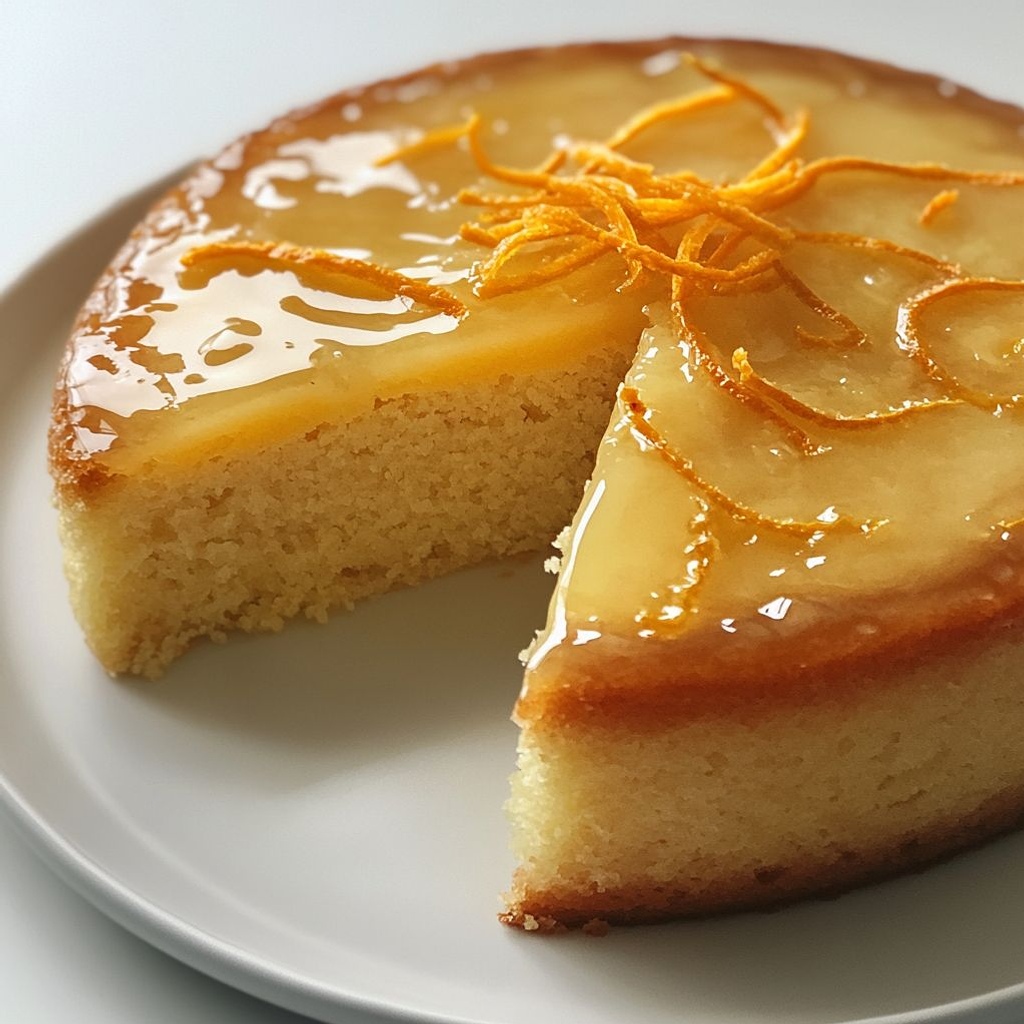
→ A balanced glaze complements the citrus flavors without overpowering the cake, and proper thickness ensures a neat finish. - When the cake is completely cool, drizzle or brush the glaze over the top and sides in a slow, even motion, allowing it to set before slicing; garnish with zest of 1/2 orange if desired for extra fragrance and color.
→ Letting the glaze set ensures a clean slice and a polished presentation, while orange zest adds a final aromatic lift.
Notes
These torta siciliana all’arancia is a citrus-forward cake built around fresh orange juice and zest, yielding a moist crumb with fragrant, sunny notes. To achieve volume and a tender texture, beat eggs with sugar until pale and thick, then whisk in orange juice, zest and olive oil before folding in the sifted flour with baking powder and salt. Use the best flavor by choosing a light extra-virgin olive oil and freshly squeezed juice.
You can customize it by adding toasted almonds (60 g), diced candied orange peel (50 g), or a hint of orange liqueur (2–3 tbsp). Toast almonds in a dry skillet until fragrant, then chop roughly for even distribution; if using candied peel, rinse briefly to remove excess syrup and pat dry; add liqueur to the wet ingredients or brush on cooled cake.
Glaze: whisk 100 g powdered sugar with 2–3 tbsp orange juice to form a smooth glaze; adjust thickness by adding more sugar or juice. A final zest of half an orange makes a bright garnish after glazing.
Storage and serving: the cake keeps well covered at room temperature for several days and slices can be frozen wrapped tightly for longer storage. Serve plain, or with a dollop of whipped cream, a spoonful of ricotta, or a light dusting of additional orange zest for extra brightness.
Notes on preparation and substitutions: For a gluten-free version, substitute the 250 g all-purpose flour with a 1:1 gluten-free flour blend and add ¼ teaspoon xanthan gum per 100 g flour to mimic elasticity. Use fresh-brewed orange juice and grate the zest finely to maximize aroma; avoid the white pith; sift dry ingredients to ensure an even rise. If you prefer a milder aroma, you can reduce sugar slightly or omit the optional liqueur. Always make sure your baking powder is fresh for reliable lift.
Tips
Consigli utili per la Torta Siciliana all’Arancia
- Uova e ingredienti a temperatura ambiente: togli le uova dal frigorifero almeno 30 minuti prima. Per accelerare, immergile in acqua tiepida 5–10 minuti.
- Farina e lievito: setaccia insieme farina e lievito in polvere per distribuire uniformemente l’agente lievitante e ottenere una mollica leggera. Se prepari una versione senza glutine, sostituisci con una miscela 1:1 e aggiungi ¼ cucchiaino di xantano per 100 g di farina.
- Olio extravergine d’oliva: usa un EVOO delicato o leggero in modo che l’aroma d’arancia resti al centro. Un olio dal gusto troppo intenso può coprire la nota agrumata.
- Succhi e scorze d’arancia: spremi succo fresco delle arance e grattugia la scorza con una microplane, evitando la parte bianca (albedo). Per intensificare l’aroma, lascia riposare la scorza grattugiata con un pizzico di zucchero prima di aggiungerla all’impasto.
- Lievito in polvere: usa 1 1/2 cucchiaini (circa 6 g) e amalgamalo con la farina. Controlla la validità della lievitazione se la confezione è vecchia.
- Sale: 1/4 cucchiaino, utile per bilanciare la dolcezza e valorizzare l’aroma. Se usi burro salato, riduci o ometti il sale.
- Vaniglia: opzionale. Se usi l’estratto di vaniglia, aggiungilo al succo d’arancia; in alternativa, per una nota di mandorla, usa 1/2 cucchiaino di estratto di mandorla.
- Yogurt o ricotta: opzionali. Lo yogurt aggiunge umidità e facilita l’emulsione; se usi ricotta, incorporala delicatamente per evitare grumi. Se la ricotta è molto liquida, scolala leggermente.
- Aggiunte opzionali: mandorle tostate (60 g) per croccantezza, scorza candita d’arancia (50 g) per esplosioni di aroma, e 2–3 cucchiai di liquore all’arancia per profondità di gusto. Se prepari per bambini, ometti l’alcol o sostituisci con succo d’arancia extra.
- Glassa: mescola 100 g di zucchero a velo con 2–3 cucchiai di succo d’arancia. Se la glassa risulta troppo densa, aggiungi poco liquido; se troppo liquida, aggiungi zucchero a velo. Stendi sulla torta raffreddata.
- Finitura: spolvera scorza d’arancia grattugiata (mezzo arancia) per un tocco di colore e profumo extra.
- Cottura e raffreddamento: preriscalda il forno a 180°C. Cuoci finché la superficie è dorata e uno stecchino inserito al centro esce pulito o con poche briciole. Lascia raffreddare completamente prima di glassare per far rapprendere la glassa.
- Conservazione: conserva la torta coperta a temperatura ambiente per 2–3 giorni; in frigorifero si mantiene 4–5 giorni. Se è presente la glassa, lasciare a temperatura ambiente prima di servire per 15–20 minuti per risvegliare l’aroma.
FAQ
Che cos’è la Torta siciliana all’arancia?
È un dolce soffice e profumato tipico della Sicilia, realizzato con scorza e succo d’arancia. Può essere glassata o semplice, ideale per colazione o merenda.
Quali ingredienti servono?
Ingredienti base per una teglia da 24 cm: 200 g zucchero, 3 uova, 120 g burro fuso o 120 ml olio neutro, 250 g farina, 1 bustina di lievito per dolci, scorza grattugiata di 2 arance, succo di 1 arancia (circa 120 ml), 50–80 ml latte, pizzico di sale. Opzioni: olio al posto del burro, latte vegetale.
Posso sostituire il burro con olio?
Sì. Usare circa 120 ml di olio neutro o extravergine di oliva leggero al posto del burro. Il sapore cambia leggermente; l’impasto resta morbido e umido.
Come si presenta l’impasto?
In una ciotola si montano le uova con lo zucchero, finché diventano chiare e spumose. Si aggiunge burro fuso o olio, scorza d’arancia, succo, poi farina setacciata con lievito e infine latte q.b. per ottenere una consistenza morbida ma non liquida.
A quale temperatura e quanto tempo si cuoce?
Cuocere in forno statico preriscaldato a 170–180°C per circa 30–40 minuti. Fare la prova stecchino: se esce asciutto, è pronta. Coprire con carta stagnola se la superficie scurisce troppo.
Come si prepara la glassa all’arancia?
Mescolare zucchero a velo con succo d’arancia quanto basta per ottenere una consistenza liscia e fluida. Spennellare sulla torta tiepida o fredda per una finitura lucida.
Come si conserva?
Conservare a temperatura ambiente in un contenitore ermetico per 2–3 giorni. Può durare fino a 4–5 giorni in frigorifero; è consigliabile chiudere bene per evitare che assorba odori. Può anche essere congelata una fetta o una torta intera porzionata.
È possibile rendere la torta senza glutine?
Sì. Sostituire la farina con una miscela per dolci senza glutine e aggiungere una piccola quantità di amido di mais o tapioca per migliorare la consistenza. Controllare che lievito sia senza glutine.
Quali varianti si possono provare?
Varianti comuni: aggiungere gocce di cioccolato all’impasto, incorporare mandorle o nocciole tritate, usare scorza candita, o glassa al limone. Per un tocco ancora più siciliano, si può aggiungere una punta di cannella o di miele all’impasto.
Quali idee di servizio o abbinamenti?
Ottima con una tazza di caffè o tè, accompagnata da una crema di mascarpone o yogurt, o servita con gelato alla vaniglia. Una spolverata leggera di scorza d’arancia fresca completa il piatto.
Quali utensili sono utili per prepararla?
Teglia da 24 cm imburrata e infarinata, ciotola capiente, fruste elettriche, spatola, setaccio per la farina, grattugia per scorza e spremi arance, stuzzicadenti o stecchino per la prova cottura.