Introduction / Hook
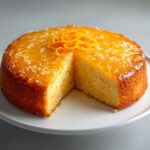
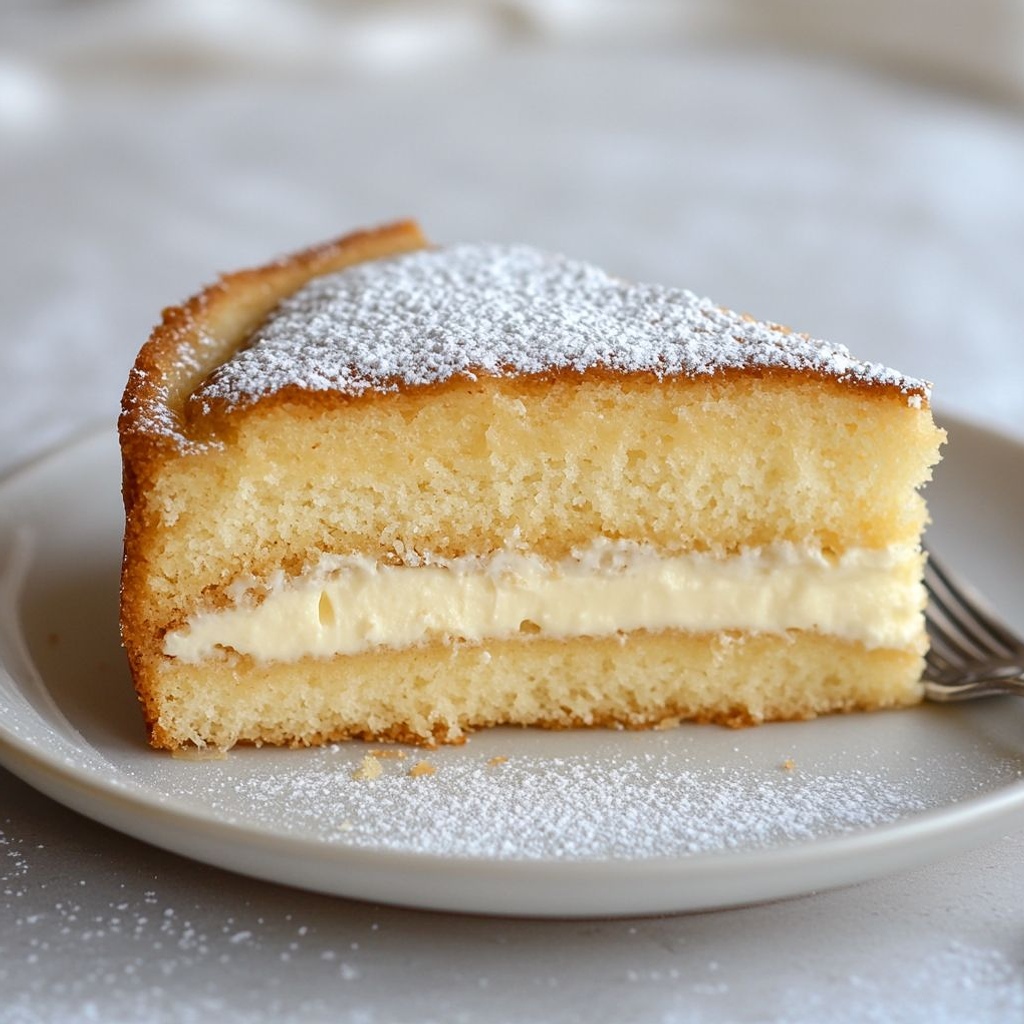
Imagine a slice of cake that feels like a warm embrace from a favorite baker, a delicate cloud of softness that melts on your tongue and leaves a whisper of vanilla and milk on the afternoon air. Torta al latte is that comforting, almost-forgotten classic: a milk-forward cake whose crumb is tender as a sigh and whose aroma invites you to slow down, gather loved ones, and share a moment of simple, lingering sweetness. The moment it bakes, the kitchen becomes a small theater of scent—milk, butter, and vanilla dancing together as a pale golden crust forms a gentle balcony above a creamy, cloudlike interior. It’s a cake that doesn’t shout for attention; it invites you to lean in, take a bite, and discover how something so humble can feel so luxurious. Whether you’re savoring it with a cup of coffee, pairing it with fresh berries, or gifting a homemade loaf to a friend, Torta al latte speaks in soft tones and makes ordinary days feel a touch more special.
The Story Behind the Dish
Milk-based desserts have a long, affectionate tradition in many cultures, and Italy is no exception. The concept of a cake built around milk—its gentle sweetness, its ability to tenderize the crumb—has roots in kitchens where ingredients were cherished and scarcity was rarely an enemy of flavor. In Italian homes, desserts often emerged from intelligent simplicity: pantry staples, fresh dairy, the comforting scent of vanilla or lemon zest, and a handful of eggs coming together into something that could carry a family through celebrations and quiet evenings alike. Torta al latte embodies that spirit. It’s the kind of cake that grandparents might have baked for a child returning home from school, a Sunday treat that lingered in tin boxes for the week, or a quick patisserie-style indulgence that felt like a warm hug after a long day.
The name itself is a little poetry—latte means milk in Italian—suggesting a cake where milk isn’t a mere ingredient but the very heartbeat of the batter. Some families remember learning the recipe out of curiosity, asking for the secret to its so-soft crumb, only to discover that the magic lies in patient mixing, proper rest for the batter, and a respectful balance between dairy and sweetness. Across regions, variations appeared—some with a touch of lemon zest brightening the milk, others with a pinch of almond essence that conjured a faint almond breeze. Yet the essence stays consistent: a cake that celebrates milk as a central element, yielding a slice that feels cozy and timeless, as if it had been handed down through generations in the exact same spirit, ever-evolving with each new family to embrace it.
Why You’ll Love This Recipe
- Ultra-tender crumb: A soft, almost pillowy interior that remains moist and delicate, like a well-kept secret handed from one kitchen to the next.
- comforting aroma: The lingering fragrance of warm milk, gentle vanilla, and a kiss of butter fills the room, inviting slow savoring rather than hurried bites.
- Versatile for any moment: Perfect for breakfast with a cup of coffee, a tea-time treat, or a dessert to crown a meal with a quiet sense of sophistication.
- Everyday luxury: You don’t need a long list of special ingredients or advanced technique—it’s approachable, reliable, and hard to resist.
- Adaptable to your mood: Subtly customizable with citrus zest, a splash of almond extract, or a dusting of powdered sugar for a quick finish.
- Ideal for sharing: A cake that travels well in a kitchen-to-table story, whether you’re baking for family, friends, or a cozy potluck gathering.
Flavor Profile & Texture
The flavor of Torta al latte centers on milk’s gentle sweetness, a creamy undertone that carries a whisper of vanilla and a soft, sweet butter note. The finish is clean and comforting, with no overpowering embellishments—just enough sweetness to evoke fond memories and a sense of home. If citrus is added, lemon or orange zest lightly lightens the profile, offering a bright, fragrant lift that doesn’t compete with the milk-forward base. The texture is the real magic: a fine, tender crumb that seems to melt on the tongue, with a subtle crust that provides a gentle contrast—enough structure to hold a slice neatly, yet not so crisp that it jars the delicate interior.
Think of it as a moist sponge cake that has learned the art of embracing moisture rather than drying out; a cake that remains softly springy rather than cakey, and that holds up to a light dusting of powdered sugar or a thin glaze if you choose to finish it in a simple, rustic way. The richness comes from the dairy and small amounts of fat that temper the sweetness, so every bite feels balanced and inviting rather than heavy. The mouthfeel is almost velvet-like, a comforting blanket of crumb that lingers pleasantly as you follow with a sip of coffee or a bite of fruit. This is the kind of cake that makes you pause, smile, and consider how such a straightforward combination can yield something so deeply satisfying.
Occasions & Pairings
Torta al latte feels at home in a wide range of occasions, from everyday indulgence to quiet celebrations. It’s equally content on a cozy weekend brunch table as it is perched at the center of a dessert plate after a weeknight dinner. Consider these moments when you might reach for a slice:
- Sunday family brunches and relaxed gatherings where something soft and comforting is appreciated as a finale or mid-morning treat.
- Afternoon tea or coffee breaks, where its tenderness pairs beautifully with a robust espresso, a cappuccino, or a creamy chai.
- Celebrations that call for a simple, elegant dessert without fuss—think birthdays, anniversaries, or a grateful “thank you” to someone special.
- Light, bright occasions when you want a cake that doesn’t overwhelm with sweetness; it can be dressed up with a thin glaze, a scattering of citrus zest, or fresh berries for color and contrast.
Pairings to consider for a complete experience:
- Beverages: strong coffee, latte, cappuccino, Earl Grey tea, or a delicate dessert wine that doesn’t overpower the cake’s milk-forward profile.
- Fresh accompaniment: a handful of berries (strawberries, blueberries, or raspberries) to add tart brightness that cuts through the cake’s softness; a dollop of lightly sweetened whipped cream or a spoonful of mascarpone can elevate it if you like.
- Other desserts: a small scoop of vanilla gelato or a light lemon curd on the side to introduce a citrus contrast.
Tips, Variations & Substitutions
While the essence of Torta al latte is elegantly simple, there are many gentle ways to tailor it to your pantry, dietary needs, or mood. Here are ideas to spark your creativity without straying from the cake’s essential soul:
- Flavor boosters: Add a touch of lemon or orange zest, a splash of vanilla extract, or a hint of almond extract to brighten or deepen the aroma. A pinch of fine sea salt can also enhance the perceived sweetness and balance the flavors.
- Dairy variations: If you want to experiment with dairy-free or reduced-dairy options, substitute with a neutral plant milk (like almond or oat) and replace butter with a light neutral oil, keeping the fat content balanced to maintain tenderness. Be mindful that the crumb may shift slightly in texture with vegan milks.
- Gluten-free option: Use a high-quality gluten-free all-purpose flour blend designed for cake baking; you may need to adjust the liquid a touch to keep the batter smooth and evenly hydrated.
- Sweetness levels: For a less sweet cake, reduce sugar slightly or use a natural sweetener that doesn’t alter texture drastically. Conversely, a glaze or light dusting of powdered sugar can add gentle sweetness and a festive finish.
- Texture tweaks: If you prefer an even lighter crumb, consider incorporating a small amount of cornstarch into the dry mix (or using a cake flour substitute) to soften the gluten structure and yield a more tender interior.
- Regional twists: A pinch of ground cinnamon or nutmeg can introduce a warm, comforting note reminiscent of holiday desserts. A drizzle of honey or maple syrup as a finishing touch can also add depth beyond sweetness.
- Make-ahead flavor development: Preparing the batter a little ahead and letting it rest can allow flavors to mingle; a longer resting period can contribute to a more cohesive crumb, though it should not be over-long to avoid overly thick batter.
Storage & Make-Ahead Ideas
Torta al latte keeps well when stored properly, making it a practical option for busy weeks or gatherings where you want slices ready to go. The cake tends to stay moist and tender for several days when kept in a cool, airtight container or tightly wrapped to preserve moisture. If you want to stretch its life, refrigerating the cake is a reliable option, though it may firm the crumb slightly; allow slices to come to room temperature before serving for the best texture and aroma.
Make-ahead ideas include baking the cake the day before an event and finishing with a light finish—powdered sugar, citrus zest, or a thin glaze—just prior to serving to keep the surface fresh. Because the cake is naturally moist, it travels nicely for picnics or potlucks, especially when transported in a sturdy tin or container that protects the delicate crumb. If you’d like to freeze it, wrap slices individually to protect against freezer burn and reheat gently in a low oven or warm in the microwave with a damp paper towel to restore some of the softness.
Fun Facts & Trivia (Optional)
– The simplicity of milk-forward cakes like Torta al latte reflects a broader culinary ethic: celebrate the quality of basic ingredients and the craft of patient technique. A few wholesome components, treated with care, can yield a result that feels luxurious despite its humble origins.
– Milk-based desserts have inspired countless regional variations around the world—from dense, milky loaf cakes to airy, cloud-like sponges. The universal appeal lies in their ability to soothe and delight with a familiar, comforting flavor profile that transcends borders.
– In some Italian homes, desserts are not just sweet finales but a ritual of togetherness. A slice of Torta al latte can become the centerpiece of a shared moment—a conversation starter, a way to connect, and a reminder that some of the best meals are built on tenderness and time spent with people we love.
Conclusion
Torta al latte is more than a dessert; it’s a gentle celebration of dairy, simplicity, and the everyday magic of baking. Its soft crumb, subtle sweetness, and comforting aroma invite you to slow down, savor the moment, and appreciate how a handful of well-chosen ingredients can become something memorable. Whether you’re baking for a quiet afternoon at home or presenting a sweet, thoughtful dish to friends and family, this cake offers a warm invitation to share joy in its purest form. As the slices disappear and the room fills with the quiet contentment of a job well done, you’ll understand why milk-based cakes endure: they are a reminder that sometimes, the most comforting flavors are also the most timeless.
Ingredients
-
Torta al latte
- – 2 cups all-purpose flour, sifted (about 240 g)
→ For a light, tender crumb; sifting aerates the flour and helps distribute the leavening evenly. If you don’t sift, whisk the flour with the sugar to break up any lumps and ensure smooth batter. If you prefer a slightly lighter texture, you can substitute up to 1/4 cup of the flour with cornstarch, whisking well to incorporate. - – 1 cup granulated sugar
→ Provides sweetness and helps with browning and moisture retention during baking. Sugar also aids in tenderizing the crumb by slowing gluten formation. If you want a less sweet cake, reduce to 3/4 cup or replace part with an equal amount of honey or maple syrup for a distinct flavor (note: liquids will slightly alter texture). - – 3 large eggs, at room temperature
→ Offer structure, moisture, and stability to the batter. Room-temperature eggs emulsify better with the liquids, creating a smoother batter and a lighter crumb. Beat the eggs with the sugar until pale and slightly thick to incorporate air for better rise. - – 1 cup whole milk, warmed to just below body temperature
→ Provides moisture and tenderness; warm milk improves emulsification with the eggs and butter. If using dairy-free milk, choose a fortified option (almond, soy, or oat) and be aware that texture may be slightly different; avoid overheating to prevent curdling. - – 1/2 cup unsalted butter, melted and cooled to warm (< 120°F / 49°C)
→ Adds richness and moisture, contributing to a tender, moist crumb. Let the melted butter cool slightly so it won’t cook the eggs when added. Whisk it in gently with the wet ingredients to keep an even emulsion and avoid greasy pockets. - – 1 tablespoon vanilla extract
→ Flavor foundation for a classic milk cake; if possible, use real vanilla bean paste or scrape seeds from a vanilla bean for a deeper aroma. For a different profile, you can add a pinch of citrus zest (lemon or orange) to boost brightness. - – 2 teaspoons baking powder
→ Leavening that helps the cake rise and develop a light, airy crumb. Ensure your baking powder is fresh and evenly distributed by whisking with the flour. Do not overmix after adding the dry to the wet to prevent toughness. - – 1/4 teaspoon fine salt
→ Enhances the overall flavor and helps balance the sweetness; use fine salt so it disperses evenly. If you use salted butter, reduce the added salt accordingly. - – Zest of 1 lemon or orange (optional)
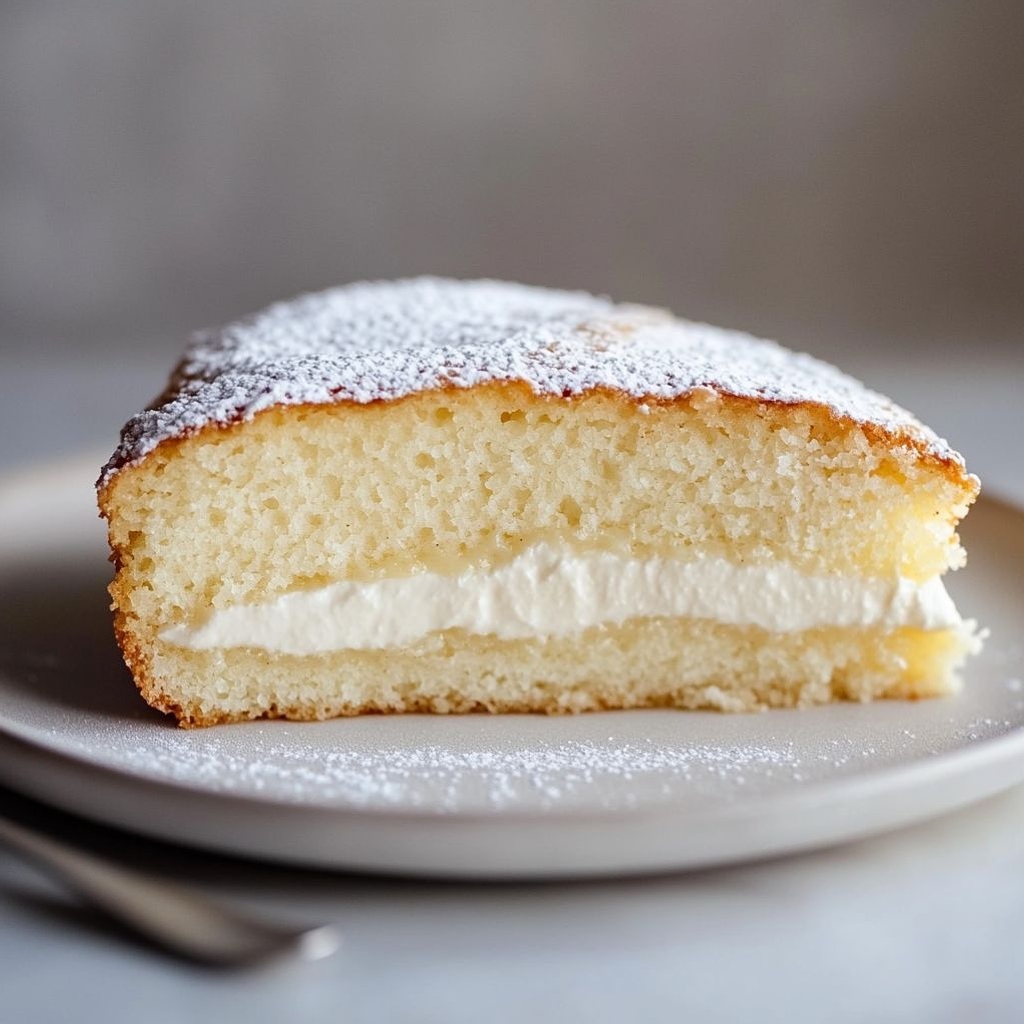
→ Adds a fresh citrus aroma that pairs beautifully with the milk-based batter. Use a microplane to grate only the colorful part of the rind, avoiding the bitter white pith. Fold in zest last to preserve its fragrance. - – 1/2 cup pastry cream (crema pasticcera) or mascarpone (optional)
→ For a layered or filled cake, a thick, cooled filling adds richness and creaminess. Pastry cream should be fully chilled and thickened before spreading; mascarpone can be whisked with a little sugar and vanilla for a lighter, creamier alternative. - – 1/2 cup fruit jam or preserves (optional)
→ Adds fruity contrast and moisture between layers. Choose a thick jam to minimize sogginess; warm slightly to spread smoothly and avoid lumps. Pair with citrus zest for harmony of flavors. - – 1/2 cup powdered sugar (for glaze)
→ Creates a simple glaze or dusting to finish the cake. To make a glaze, whisk with 1–2 tablespoons milk or lemon juice until you reach drizzle-friendly consistency. For a thicker finish, add more powdered sugar; for a thinner glaze, add a touch more liquid.
Optional Fillings
Optional Finish
Instructions
- Preheat your oven to 350°F (175°C) and prepare a 9-inch round cake pan by greasing it thoroughly and lining the bottom with parchment paper.
→ This ensures the cake releases cleanly and prevents sticking, giving you smooth edges and an intact cake when unmolded. - Sift the 2 cups all-purpose flour, 2 teaspoons baking powder, and 1/4 teaspoon fine salt into a medium bowl; whisk to combine and aerate.
→ Sifting aerates the flour, distributes the leavening evenly, and helps create a light, tender crumb. - In a large mixing bowl, beat the 3 large eggs and 1 cup granulated sugar with an electric mixer on medium-high until the mixture is pale, thick, and ribbons form when the beaters are lifted, about 3 to 5 minutes.
→ This aerates the batter, enabling a higher rise and a soft, cake-like texture as the sugar helps stabilize the emulsion. - Warm the 1 cup whole milk in a small saucepan or microwave until it is just below body temperature (about 110–115°F / 43–46°C), then remove from heat.
→ Warm milk improves emulsification with the eggs and butter for a smoother, more cohesive batter and a moister crumb. - Stir the 1/2 cup melted butter into the warm milk until fully emulsified; add 1 tablespoon vanilla extract and, if using, the zest of 1 lemon or orange.
→ Emulsification prevents separation of fat and liquid, while vanilla (and zest) provide depth of aroma; ensure the butter has cooled slightly to avoid cooking the eggs when combined. - Add the dry ingredients to the wet ingredients in three additions, whisking or folding gently after each addition just until no dry streaks remain.
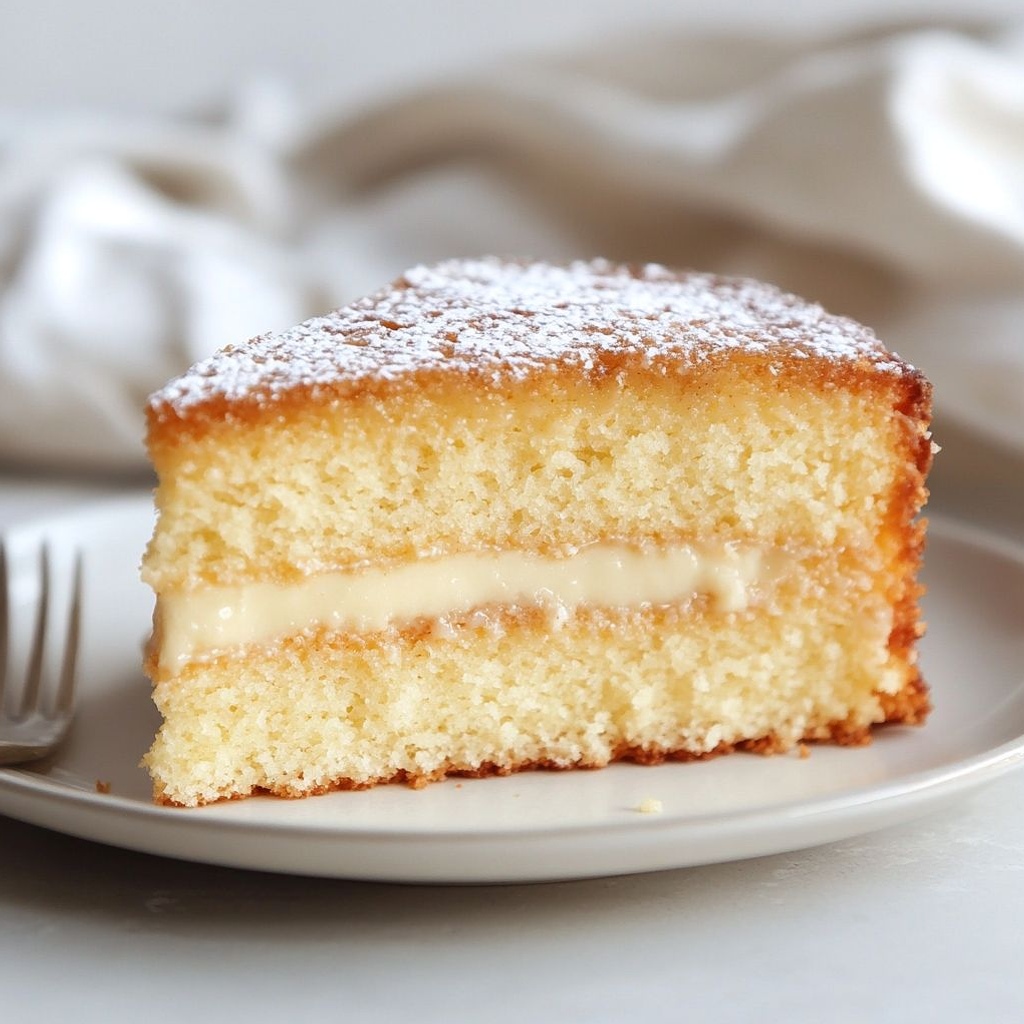
→ Overmixing develops gluten and makes the crumb tough; add flour gradually to maintain a tender, delicate texture. - Pour the batter into the prepared pan and, if using optional fillings, dollop pastry cream or mascarpone in small spoonfuls over the batter and swirl lightly with a skewer or knife, then cover with the remaining batter.
→ Layering or marbling the filling creates a creamy center or ribbons of richness without overpowering the batter’s moisture. - Bake in the center of the oven at 350°F (175°C) for 28–34 minutes, or until the top is golden and a toothpick inserted into the center comes out with a few moist crumbs. Rotate the pan halfway through baking if your oven has hot spots.
→ This range accommodates different pan sizes and oven calibrations; testing with a toothpick confirms doneness without overbaking. - Remove the cake from the oven and allow it to cool in the pan for 10–15 minutes, then run a knife around the edge and invert onto a wire rack to cool completely before slicing.
→ Cooling sets the crumb and makes slicing cleanly possible; transferring to a rack prevents the bottom from becoming soggy. - If you desire a finish, whisk 1/2 cup powdered sugar with 1–2 tablespoons milk or lemon juice until smooth and drizzle evenly over the cooled cake, or dust a light veil of powdered sugar for a classic finish.
→ The glaze adds sweetness and a polished appearance; adjust thickness by adding more sugar or liquid as needed. - Slice and serve; store leftovers in an airtight container at room temperature for up to 2 days or refrigerate for up to 5 days, and let the cake come to room temperature before serving if refrigerated.
→ Proper storage maintains moisture and prevents the cake from drying out; bringing back to room temp enhances aroma and texture.

Notes
This Torta al latte cake is a classic, tender milk cake that relies on warm dairy, melted butter, and a splash of vanilla to build a soft, comforting crumb. You can customize it by adding citrus zest (lemon or orange) for brightness or by layering with a thick pastry cream or mascarpone and fruit jam for a more indulgent dessert. For best texture, sift the flour with the baking powder and salt to ensure even leavening, and whisk the dry ingredients with the sugar before introducing the wet ingredients to help distribute sweetness and air. Avoid overmixing once the dry ingredients meet the wet; mix just until smooth to keep the crumb light and tender. Make sure the eggs are at room temperature and the milk is warmed to just below body temperature to improve emulsification with the butter and milk, producing a smoother batter. Let the melted butter cool to warm before adding to the wet ingredients so it doesn’t seize the eggs or curdle the mixture. If you need a dairy-free version, substitute fortified non-dairy milk and a dairy-free butter alternative; note that texture and flavor may differ slightly but the method remains the same. Fold in the citrus zest at the end to preserve its aroma. For fillings, ensure any pastry cream is fully chilled and thick before spreading; mascarpone can be lightly sweetened with a touch of vanilla for a lighter texture. To finish, whisk together powdered sugar with a little milk or lemon/orange juice to make a glaze, or simply dust the cake with powdered sugar for a quick, elegant touch. The cake stores well for 2–3 days at room temperature in an airtight container or wrapped tightly, and individual slices freeze nicely for a ready-to-serve treat. If you’re baking with gluten-free flour, use a 1:1 gluten-free blend and consider adding 1/4–1/2 teaspoon xanthan gum per cup for better structure. Always preheat the oven and prepare your pan (grease and flour or line with parchment) for an even bake.
Tips
Tips for making Torta al latte
- Prep mise en place: measure and sift the dry ingredients (flour, baking powder, salt) together to ensure even leavening and a tender crumb.
- Temperature matters: keep eggs at room temperature and warm the milk to just below body temperature. This helps emulsification and a smoother batter.
- Aerate the eggs with sugar: beat the eggs and sugar until pale and thick (ribbon stage) to incorporate air for a light, airy crumb.
- Melted butter handling: let the melted butter cool to a warm temperature before whisking it into the wet ingredients to maintain a smooth emulsion and avoid greasy pockets.
- Flavor and zest: if using citrus zest, grate only the colorful part and fold in at the end to preserve aroma and brightness.
- Fresh leavening: check that baking powder is fresh; stale powder yields a dense cake. You can test by mixing a small amount with hot water to see if it foams.
- Mixing technique: add dry ingredients to wet in batches and mix only until just combined to prevent gluten overdevelopment and a tougher crumb.
- Pan preparation: grease and line the bottom of the pan with parchment for easy release; for springform pans, run a knife around the edge after baking before removing the ring.
- Oven setup: bake at 350°F (175°C). If the top browns too quickly, loosely tent with foil and rotate the pan halfway for even browning.
- Doneness test: use a toothpick or skewer—it should come out with a few moist crumbs, not wet batter. Underbaker yields a gummy center; overbake dries the cake.
- Cooling and fillings: cool the cake completely before filling. If using pastry cream, ensure it is fully chilled and thick; mascarpone can be sweetened and whipped for a lighter texture.
- Fruit jam layer: choose a thick jam to minimize sogginess; warm slightly to spread smoothly and pair with a citrus note to complement the milk base.
- Finish and glaze: for a simple glaze, whisk powdered sugar with a little milk or lemon juice until drizzle-friendly; adjust thickness by adding more sugar or liquid as needed. A light dusting of powdered sugar also gives a classic finish.
- Storage: cover and store at room temperature for up to 2 days, or refrigerate up to 4 days; the cake freezes well when well wrapped (1–2 months).
FAQ
Cos’è la Torta al latte?
La Torta al latte è un dolce soffice e semplice, realizzato con latte, uova, zucchero, farina, burro fuso e lievito per dolci. È ideale per colazione o merenda e si presta a diverse varianti.
Quali ingredienti servono?
Ingredienti (stampo 24 cm):
- 250 g di farina 00
- 150 g di zucchero
- 3 uova a temperatura ambiente
- 200 ml di latte intero
- 100 g di burro fuso (oppure 80 ml di olio di semi)
- 1 bustina di lievito per dolci (circa 16 g)
- 1 cucchiaino di estratto di vaniglia (o scorza di limone)
Come si prepara l’impasto?
Procedimento:
- Preriscalda il forno a 180°C e fodera una teglia con carta forno.
- In una ciotola, monta le uova con lo zucchero fino a ottenere composto chiaro e spumoso.
- Aggiungi latte e burro fuso raffreddato, unisci vaniglia.
- In un’altra ciotola setaccia farina e lievito.
- Unisci gli ingredienti secchi al composto liquido, mescolando delicatamente finché è liscio.
- Versa l’impasto nella teglia e livella.
Quali strumenti servono?
Stampo rotondo da 24 cm, carta forno, ciotola capiente, fruste/mixer, spatola, setaccio, cucchiaio dosatore, forno.
Tempo di preparazione e cottura?
Tempo di preparazione: circa 15 minuti. Cottura: 30-35 minuti. Raffreddamento prima di sformare: 10-15 minuti. In totale, contando raffreddamenti, circa 1 ora.
A che temperatura si cuoce?
Cuocere in forno statico preriscaldato a 180°C. Controlla dopo circa 30 minuti: se la superficie è dorata e uno stecchino esce pulito, è pronta. Se necessario, prosegui 5-10 minuti controllando spesso.
Come si conserva?
Lascia raffreddare completamente, poi conserva in contenitore ermetico a temperatura ambiente fino a 2-3 giorni. Per conservarla più a lungo, refrigerala in contenitore ermetico (consuma entro 4-5 giorni). Si congela a fette per 2-3 mesi.
Come si può personalizzare o variare la ricetta?
Varianti:
- Aggiungere gocce di cioccolato o scorza di limone/arancia
- Impostare una versione al cacao: sostituire una parte della farina con cacao amaro
- Farcia con crema al latte o crema chantilly tra due strati
- Versare una glasse o una spolverata di zucchero a velo prima di servire
- Versione senza lattosio: utilizzare latte vegetale e burro o olio vegetale
Posso realizzare la Torta al latte senza lattosio o senza burro?
Sì. Per una versione senza lattosio: usa latte vegetale (mandorla, soia, avena) e burro vegetale o olio di semi al posto del burro. Se necessario, aggiungi un pizzico di limone per bilanciare i sapori. Per una versione senza burro, sostituisci con olio di semi o olio di olio di cocco. Verifica che lievito e altri ingredienti non contengano tracce di lattosio se sei estremamente sensibile.
Come si verifica se è cotta?
Infilza uno stecchino al centro: se esce asciutto o con poche molliche attaccate, è cotta. Se esce bagnato, prosegui la cottura di 3-5 minuti e controlla di nuovo. Evita di aprire spesso il forno durante i primi 25-30 minuti.
Consigli per una torta più soffice?
Spesso, la chiave è montare bene le uova con lo zucchero fino a ottenere volume e colore chiaro, incorporare la farina setacciata delicatamente per non smontare l’aria, utilizzare latte a temperatura ambiente e burro ben raffreddato ma non solidificato, e non aprire il forno nelle prime fasi della cottura.