Introduction / Hook
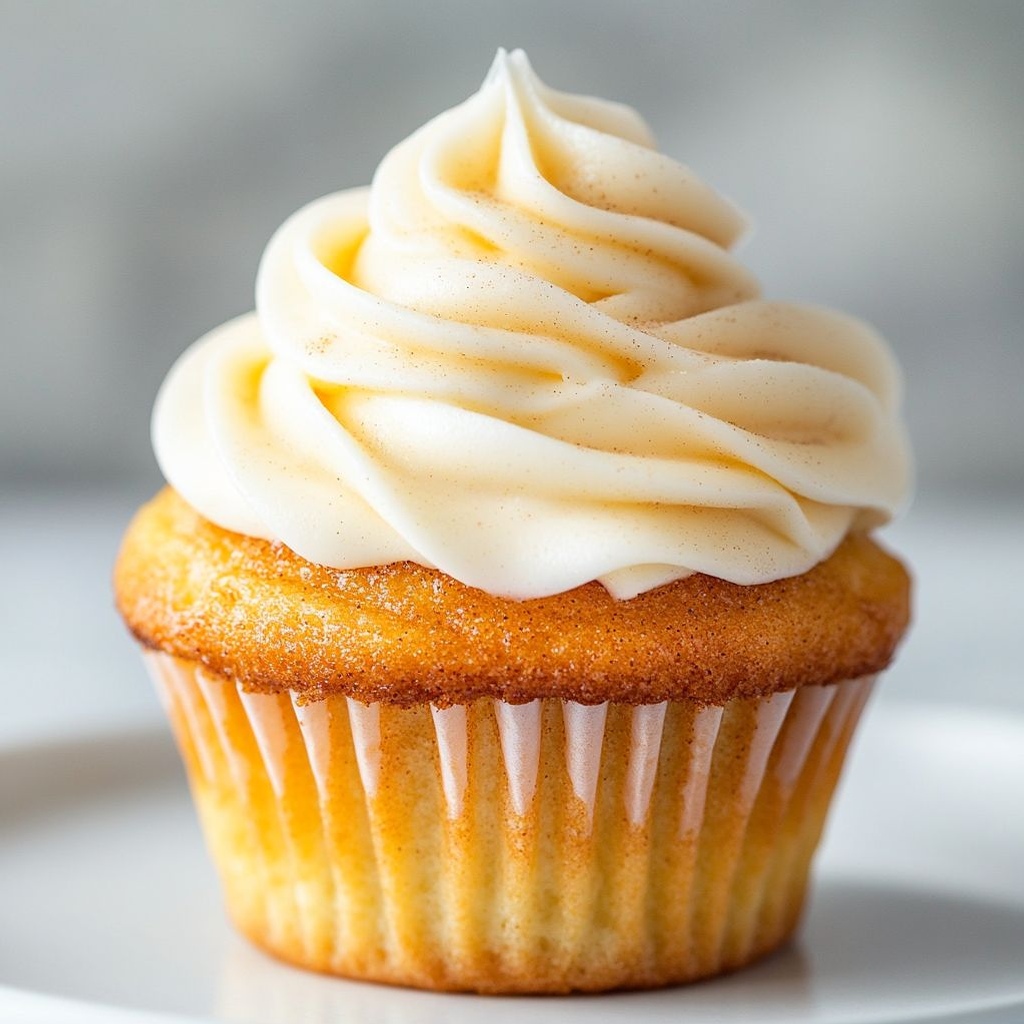
Imagine a warm, inviting bakery scent wafting through your kitchen the moment you slide a tray into the oven. The air hums with butter, vanilla, and cinnamon—a comforting promise of snuggly sweetness on a busy morning or a cozy weekend treat. A cupcake cinnamon roll takes that irresistible cinnamon-roll magic and folds it into a cake-sized bite-sized joy. It’s a dessert that tastes like a snappy, joyful brunch, a playful breakfast in disguise, and a celebratory sweet all rolled into one. The exterior is softly fluffy, the interior reveals a tender spiral of cinnamon-sugar goodness, and the finish is crowned with cream cheese frosting that tangles perfectly with the sweetness. Each bite is a tiny celebration—pillowy texture meeting the unmistakable warmth of cinnamon, with a whisper of vanilla and a glaze that shines just enough to feel special without being cloying. This is not just a dessert; it’s an invitation to slow down, savor small moments, and enjoy the simple pleasure of a bakery-quality treat made at home.
What makes a cupcake cinnamon roll special is the balance: the bright vanilla note that keeps the cake light, the rich, cinnamon-forward swirl that channels the classic roll, and the creamy frosting that ties everything together with a smooth tang. It’s the best of both worlds—the casual comfort of a cupcake and the nostalgic charm of a cinnamon roll—presented in a format that’s easier to share, easier to portion, and just as delightful to present at a table loaded with weekend coffee or a holiday brunch spread.
The Story Behind the Dish
The cinnamon roll has a storied lineage. Its roots trace through Europe and into Scandinavia, where yeast-leavened doughs meet a generous swirl of brown sugar, butter, and cinnamon. In North America, these rolls became a beloved staple—soft, gooey, and punctuated by the spice that sparked many a sweet morning. The idea of translating that iconic comfort into a cupcake form is a natural evolution—two beloved desserts in one dish. Bakers began pairing the light, airy crumb of a vanilla cupcake with the cinnamon-sugar spiral of a roll, then topping it with a cream cheese frosting that mimics the generous glaze of a fresh-out-of-the-oven cinnamon roll. The result is a portable, visually appealing treat that can be display-worthy for a brunch buffet, yet approachable enough for a weekday bake. It’s a celebration of nostalgia with a modern twist, a nod to tradition while embracing the convenience and charm of cupcakes.
Beyond the kitchen, this hybrid dessert speaks to contemporary dessert culture: the rise of “cupcake-forward” menus that keep classic flavors alive in a format that fits today’s social dining scenes. It’s also a reminder that comfort foods can be reimagined—taking a family favorite and presenting it in a new shape with a refined finish. The cupcake cinnamon roll invites memories, conversations, and that irresistible aroma that signals something special is about to be tasted. It’s a dish that travels well—from a cozy weekend morning at home to a brunch party with friends—without losing its comforting core or its celebratory flair.
Why You’ll Love This Recipe
- Impossibly soft crumb: a light base that supports the cinnamon swirl without becoming dense or heavy.
- Perfect harmony of flavors: vanilla sweetness, brown-butter notes in the cinnamon centers, and a tangy cream cheese frosting that brightens every bite.
- Visual appeal: elegant spirals, a glossy frosting crown, and a dessert that practically begs to be photographed for social feeds or a family album.
- Make-ahead friendly: portions can be prepared ahead of time and assembled or frosted closer to serving, reducing last-minute stress.
- Kid-friendly but sophisticated: familiar flavors that appeal to younger tasters while pleasing adults looking for a touch of bakery-style indulgence.
- Versatile for celebrations or everyday joy: a dessert that fits a holiday table, a weekend brunch, or a simple weeknight treat that lifts the mood.
Flavor Profile & Texture
The cupcake cinnamon roll marries a delicate vanilla cake with a cinnamon-sugar ribbon that reveals itself in every bite. The cake crumb is tender, almost velvet-like, with a subtle crumb that carries the sweetness of a well-developed vanilla batter. Swirled through the center is a cinnamon-spice core—think brown sugar, butter, and a kiss of salt—that gives warmth and depth without turning tooth-achingly sweet. When you bite into the cupcake, you encounter the contrast between the soft cake and the slightly chewy, cinnamon-sugary core, a texture dance that echoes the experience of a classic cinnamon roll but in a more approachable, portion-controlled format. The frosting—cream cheese with a touch of vanilla and a whisper of lemon zest or optional citrus—adds a bright tang that cuts through the pastry’s richness, creating a balanced finish that lingers pleasantly on the palate. The glaze or frosting provides a sheen and a creamy mouthfeel, smoothing the edges of sweetness while amplifying the cinnamon’s aroma as it melts on the tongue.
In aroma, the sweet perfume of vanilla mingles with warm cinnamon; in taste, notes of caramelized sugar, melted butter, and a hint of salt create a comforting, bakery-fresh profile. The texture contrast—airy cake vs. luscious frosting, with a cinnamon swirl that offers a chewy bite—keeps every mouthful interesting and satisfying. This is a dessert that doesn’t rely on gimmicks; it relies on balance, quality ingredients, and technique that yields a cupcake that tastes like a cinnamon roll, only in a form that invites you to grab another bite without committing to a full roll’s worth of pastry.
Occasions & Pairings
This dessert shines in many settings. It’s perfect for weekend brunches, where a beauty shot of a plateful of these cupcakes next to steaming coffee becomes a centerpiece of the table. It’s equally at home at holiday gatherings, where its familiar comfort evokes warmth and togetherness. For birthdays, it offers a playful twist on a classic treat—presented as individual portions that can be decorated with edible glitter or small cinnamon sticks for a festive touch. Its versatility makes it a crowd-pleaser at potlucks and offices alike, a reliable showstopper that requires less hands-on time than a large cinnamon roll but delivers a similar vibe of indulgence.
Suggested pairings include:
- Drinks: robust coffee, espresso, cinnamon-spiced lattes, chai tea, or a glass of cold milk.
- Side dishes: fresh berries, citrus segments, or a light yogurt parfait to contrast the sweetness.
- Desserts: a petite fruit tart or a crisp pastry to echo the cinnamon notes without overwhelming the palate.
Tips, Variations & Substitutions
Here are practical ideas to tailor the cupcake cinnamon roll to your pantry, dietary needs, or flavor preferences:
- Vegan option: use plant-based milk, vegan butter, and vegan cream cheese for the frosting. Check labels for thickness and tanginess to emulate the classic cream cheese frost.
- Gluten-free version: substitute with a reliable gluten-free all-purpose flour blend that behaves like wheat flour in quick baking. You may want to increase hydration slightly or add a touch of additional fat to maintain tenderness.
- Low-sugar or lower-sugar approach: reduce the sugar in the batter and in the cinnamon filling; compensate with a pinch more vanilla and a touch of maple or honey to maintain flavor depth. Use a light glaze instead of a thick frosting if desired.
- Alternate spices: swap in cardamom, nutmeg, or a pinch of ground cloves for a deeper, more autumnal aroma. A tiny splash of orange zest will brighten the profile beautifully.
- Texture twist: for a little extra bite, add a sprinkle of finely chopped pecans or walnuts to the cinnamon swirl, but keep the nut amount modest so it doesn’t overwhelm the soft crumb.
- Flavor variations: you can introduce a punch of brown-butter flavor to the cake batter by browning the butter before using it, which adds a toasty nuance that complements the cinnamon.
- Frosting options: if you prefer less tang, blend the cream cheese frosting with a touch of buttercream to soften the tang; or add a light whipped cream cheese topping for a lighter feel.
- Make-ahead frosting: frost the cupcakes the day you plan to serve for the best contrast in texture. If prepping ahead, store unfrosted cupcakes and frost just before serving to maintain softness.
- Make-ahead swirl: you can prepare the cinnamon-sugar swirl in advance and refrigerate it in a parchment-wrapped log. When ready, slice off rounds to swirl into the cupcakes for a precise, even layer.
Storage & Make-Ahead Ideas
These cupcakes store well and can be a practical asset for meal prep or entertaining. Once baked and cooled, store unfrosted cupcakes in an airtight container at room temperature for up to 2 days. If you need to refrigerate, wrap well to prevent the cake from drying out, and bring to room temperature before frosting for the best texture. Frosted cupcakes will keep in an airtight container in the refrigerator for up to 3 days. If you want to freeze them, freeze unfrosted cupcakes in a single layer on a baking sheet, then transfer to a freezer-safe container. Thaw at room temperature, then finish with frosting for the freshest texture. For a make-ahead approach, you can prepare the cinnamon swirl and batter up to a day in advance, refrigerate the batter (and swirl) separately, and bake fresh the next day to maintain optimal fluff and aroma. If you’re frosting ahead, keep the frosting chilled and re-whip briefly to restore a fluffy texture before applying to the cupcakes.
To keep the presentation pristine for parties or brunch buffets, consider piping the frosting with a decorative swirl or employing small, edible toppers like cinnamon dust, sugar pearls, or a light drizzle of caramel to echo the roll’s glaze. If you’re serving a crowd with a mix of dietary needs, you can provide a few gluten-free or vegan cupcakes alongside the standard version, clearly labeled so guests can choose with confidence.
Fun Facts & Trivia
Did you know that cinnamon, one of the star flavors here, was once valued more highly than gold in ancient times? Its warm, spicy aroma has long been associated with hospitality and comfort, making cinnamon-inspired desserts a natural choice for gatherings. The cinnamon roll itself has deep roots in Northern European baking, particularly in Sweden and Finland, where it’s celebrated as a national treasure during seasonal festivities and weekend indulgences. The concept of turning such a roll into a cupcake form is part of a broader modern trend: reimagining classics in a portable, shareable, and visually appealing format without sacrificing the essence of the original. The cream cheese frosting, a staple in many cinnamon-roll-inspired desserts, owes its tangy brightness to dairy cultures that balance sweetness—an approach that appears across many beloved American pastries. In popular culture, these flavor notes—vanilla, cinnamon, cream cheese—are often associated with comfort, family and gatherings, making the cupcake cinnamon roll a familiar, welcoming choice for many tables.
Historically, cinnamon-related desserts have traveled with merchants and travelers along trade routes, becoming beloved across households as a signal of warmth and care. Today, bakers use those same associations to craft treats that feel luxurious yet approachable, often dazzling with a glossy finish and a scent that signals “special occasion” without requiring a full-on celebration. The cupcake cinnamon roll stands at the intersection of nostalgia and modern convenience, offering a familiar flavor with a new, charming presentation that fits contemporary eating habits and hospitality traditions.
Ingredients
Cupcake Cinnamon Roll
Cupcake Base
- 2 1/2 cups all-purpose flour, sifted
→ Provides the primary structure and body for the cupcakes, giving a tender yet sturdy crumb that can support the cinnamon swirl. Sifting helps remove lumps and aerate the flour for more even mixing with leaveners, which promotes a lighter rise. Measure accurately and sift with the dry ingredients before combining with the wet ingredients to prevent dense batter; if you prefer an even lighter texture, you can substitute up to 1/2 cup of the flour with cake flour. - 1 cup granulated sugar
→ Delivers sweetness and assists with browning of the cupcake tops, contributing to flavor balance alongside the butter and vanilla. When melted butter is used in the batter, the sugar won’t cream in with the fat, so whisk it into the wet ingredients until dissolved enough to avoid grittiness. For a lighter crumb, you can slightly reduce sugar and add a pinch more salt to maintain flavor. - 1/2 cup unsalted butter, melted and cooled
→ Adds richness and moisture, helping produce a tender crumb without relying on excessive eggs. Melted butter distributes evenly through the batter, preventing pockets of oil and ensuring a uniform texture. Let the butter cool slightly before adding to the wet ingredients to avoid cooking the eggs; if the batter is very warm, chill it briefly before mixing. - 2 large eggs, room temperature
→ Act as binders and contribute to structure and moisture retention. Room-temperature eggs emulsify more smoothly with the fat and liquids, leading to a uniform, tender crumb. If you’ve stored eggs cold, gently warm them in a bowl of warm water for a few minutes to reach room temperature before using. - 1 cup whole milk, room temperature
→ Provides moisture and helps dissolve sugars, contributing to a soft, moist crumb. Using room-temperature milk ensures better emulsification with the fats and eggs, yielding a more cohesive batter. If you prefer a dairy-free version, choose a fortified plant milk and consider adding an extra tablespoon of melted vegan butter to mimic richness. - 1/2 cup sour cream or Greek yogurt, room temperature
→ Adds tenderness, moisture, and a subtle tang that complements the cinnamon filling. The acidity helps activate the leaveners for a lighter rise and a velvety crumb. Use full-fat for the best texture; if using yogurt, whisk it in with the wet ingredients and ensure it’s well integrated to avoid curdling. - 2 teaspoons vanilla extract
→ Enhances sweetness and depth of flavor, especially when paired with cinnamon. Use pure vanilla extract (not imitation) for a richer aroma; for extra depth, you can scrape the seeds from one vanilla bean and add them along with the extract. Add to the wet ingredients and mix until evenly incorporated. - 2 teaspoons baking powder
→ Primary leavening agent that provides rise and a light cupcake texture. Whisk with the dry ingredients to distribute evenly and avoid gaps in the batter. Check the expiry date of baking powder and replace it if it’s more than a few months old to ensure proper rising. - 1/2 teaspoon baking soda
→ Additional lift and helps with browning and a softer crumb by reacting with the sour cream/yogurt. Use promptly after mixing with acidic components; avoid letting the batter sit too long before portioning into cupcakes to maintain maximum lift. - 1/4 teaspoon salt
→ Balances sweetness and enhances overall flavor, helping the cinnamon and vanilla to pop. Dissolve in the dry mix to ensure even distribution. Do not omit, especially in sweeter recipes, as salt heightens flavor perception.
Cinnamon Swirl Filling
- 1/3 cup light brown sugar, packed
→ Provides a rich, caramel-like sweetness that pairs with the cinnamon to create a classic roll flavor. Packing ensures a consistent level of sweetness throughout the swirl as you bake. For a lighter swirl, substitute with half brown sugar and half granulated sugar; keep the cinnamon ratio the same for flavor balance. - 2 tablespoons granulated sugar
→ Adds additional sweetness and helps balance moister elements in the swirl, contributing to a smooth, spreadable texture. Combine with brown sugar to create a uniform filling that won’t clump when spread over the batter. If the swirl becomes too wet, reduce the brown sugar slightly. - 2 teaspoons ground cinnamon
→ The defining flavor of the cinnamon roll. Use fresh-ground or well-measured ground cinnamon for consistent aroma and spice intensity. Sift with the sugars to avoid cinnamon clumps; spreading evenly across the batter helps achieve a uniform swirl in every bite. - 2 tablespoons unsalted butter, melted
→ Helps the sugar and cinnamon stick together and creates a cohesive, spreadable filling. The butter also adds moisture and a glossy swirl when swirled into the batter. Let it cool slightly if it’s hot to prevent it from liquefying the batter too much when swirled. - Optional pinch of salt
→ If your brown sugar is very sweet, a tiny pinch of salt can enhance the overall balance and bring out the cinnamon flavor. Sprinkle lightly and mix into the filling to ensure even distribution.
Cream Cheese Frosting
- 8 oz cream cheese, softened
→ Forms the tangy, creamy base of the frosting. Softened cream cheese blends smoothly and evenly with butter, yielding a glossy, spreadable finish. If the frosting seems lumpy, beat longer at medium speed until completely smooth and free of lumps. - 1/2 cup unsalted butter, softened
→ Provides richness and helps stabilize the frosting; beating with cream cheese creates a lighter, fluffier texture. Ensure butter is at room temperature to achieve a creamy emulsion; refrigerate briefly after icing if you need firmer set for a cake-like finish. - 2 to 3 cups powdered sugar, sifted
→ Controls sweetness and thickness, allowing you to tailor a spreadable or pipeable frosting. Start with 2 cups and add more gradually until you reach the desired consistency; sift to avoid gritty grains. If you want a thinner glaze-like frosting, add a splash more milk or cream. - 1 teaspoon vanilla extract
→ Adds depth and aroma to the frosting; for the fullest flavor, use pure vanilla and consider scraping a vanilla bean into the frosting for extra fragrance. Mix with the fats before folding in the sugar to ensure even distribution. - Pinch of salt
→ Balances sweetness and enhances the tanginess of the cream cheese. A small amount helps to sharpen the flavor; if you’ve used salted butter, offset slightly by reducing the salt on the recipe. - 1 to 2 tablespoons milk or heavy cream to loosen if needed
→ Adjusts the frosting to your desired spreading or piping consistency. Add a little at a time and mix until smooth; chill briefly if you want a stiffer frosting for piping without running.
Optional Glaze
- 1/2 cup powdered sugar
→ Quick, glossy finish that adds a touch more sweetness and a smooth sheen. Sift to prevent lumps and whisk with liquid until smooth. If you want a thicker glaze, use less liquid; for a runnier glaze, add an extra teaspoon of milk. - 2 tablespoons milk or heavy cream
→ Provides the liquid needed to reach the desired glaze consistency. Use more or less to achieve a drizzle or a pourable glaze, depending on your preference. Use at room temperature for best blending with the sugar. - 1/2 teaspoon vanilla extract
→ Adds aroma and depth to the glaze; use pure vanilla for a richer flavor profile. Mix into the glaze after the sugar is smooth to integrate evenly. - Optional pinch of salt
→ Balances sweetness and helps the glaze to set with a more chocolatey or caramelized finish, depending on other ingredients. Use sparingly to avoid making the glaze taste salty.
Toppings
- 1/2 cup chopped pecans or walnuts, toasted (optional)
→ Adds a contrasting crunch and nutty depth that echoes traditional cinnamon rolls. Toasting enhances flavor and aroma; cool slightly before sprinkling over frosted cupcakes. If you have nut allergies, omit or substitute with toasted coconut or omit entirely for a nut-free version.
Instructions
- Preheat your oven to 350°F (175°C) and line a 12-cup muffin tin with paper liners or grease it well.
→ This ensures the cupcakes bake evenly, release cleanly, and the cinnamon swirl stays contained without sticking to the pan. - Prepare the cinnamon swirl filling by whisking together 1/3 cup light brown sugar, 2 tablespoons granulated sugar, 2 teaspoons ground cinnamon, and a pinch of salt if desired in a small bowl; stir in 2 tablespoons melted unsalted butter until a cohesive, spreadable paste forms.
→ The sugar and cinnamon create a classic cinnamon roll flavor, while the butter helps the filling stay cohesive and spread evenly without clumping during assembly. - Whisk together the dry ingredients: 2 1/2 cups sifted all-purpose flour, 1 cup granulated sugar, 2 teaspoons baking powder, 1/2 teaspoon baking soda, and 1/4 teaspoon salt in a large bowl until uniformly dispersed.
→ Sifting and whisking remove lumps and distribute leaveners so the cupcakes rise evenly and have a tender crumb rather than a dense center. - In a separate bowl, whisk the wet ingredients: 2 large eggs (room temperature), 1 cup whole milk (room temperature), 1/2 cup sour cream or Greek yogurt (room temperature), 2 teaspoons vanilla extract, and 1/2 cup melted and cooled unsalted butter until smooth and fully integrated.
→ Using room-temperature ingredients ensures smooth emulsification and a cohesive batter; add cooled butter to prevent cooking the eggs and to maintain a silky texture. - Pour the wet mixture into the dry ingredients and mix gently with a spatula or wooden spoon just until the batter comes together and there are no streaks of flour; stop as soon as combined.
→ Overmixing develops gluten, making the cupcakes tougher; a few small lumps keep the crumb tender and light. - For each liner, spoon batter to fill about one-third full, dollop about 1 teaspoon of the cinnamon swirl in the center, then top with enough batter to fill to about two-thirds full; use a toothpick or small skewer to gently swirl the filling through the batter in a marbled ribbon.
→ Layering the swirl inside the batter creates a cinnamon-roll effect in every bite; swirling distributes the spice without overpowering the batter’s texture, and keeping the swirl away from the very top prevents overflow during baking. - Bake in the preheated oven at 350°F (175°C) for 18 to 22 minutes, or until a toothpick inserted into the center comes out with a few moist crumbs and the tops are lightly golden.
→ The toothpick test confirms doneness; rotating the pan halfway through ensures even browning and rising across all cups. - Transfer the cupcakes to a wire rack and allow them to cool completely before frosting to prevent the frosting from melting or sliding off.
→ Cooling sets the crumb and stabilizes the surface, giving a smoother foundation for a clean, neat frosting. - Beat 8 oz cream cheese (softened) and 1/2 cup unsalted butter (softened) on medium speed until smooth and light, about 2 to 3 minutes.
→ Properly softened fats emulsify into a creamy base, yielding a glossy frosting that pipes smoothly and holds its shape. - Beat in 2 to 3 cups sifted powdered sugar, 1 teaspoon vanilla extract, and a pinch of salt; gradually add 1 to 2 tablespoons milk or heavy cream to reach a spreadable, pipeable consistency.
→ Adding sugar gradually prevents graininess; adjusting with dairy controls thickness so you can pipe or spread without tearing the frosting. - If the frosting is too soft for piping, refrigerate for 15 to 20 minutes to firm slightly before transferring to a piping bag; otherwise proceed to frosting the cupcakes.
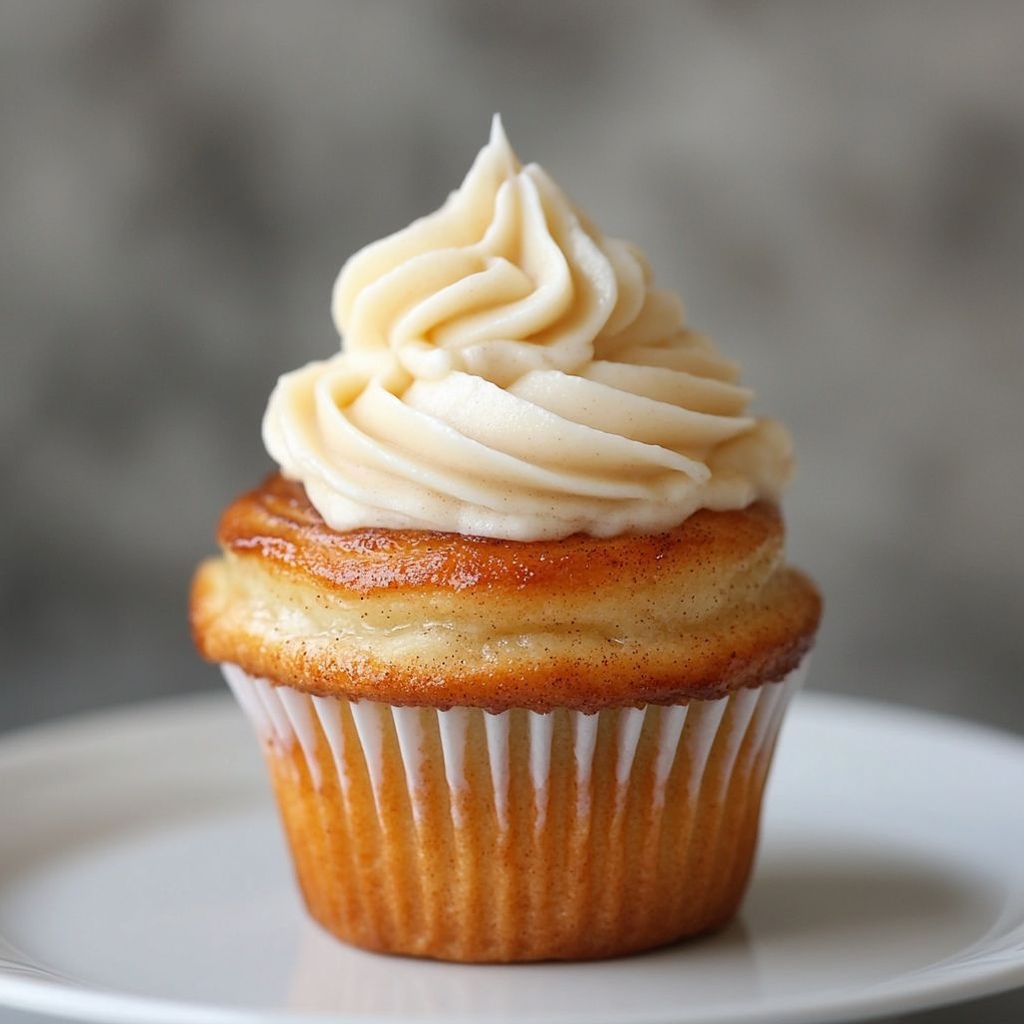
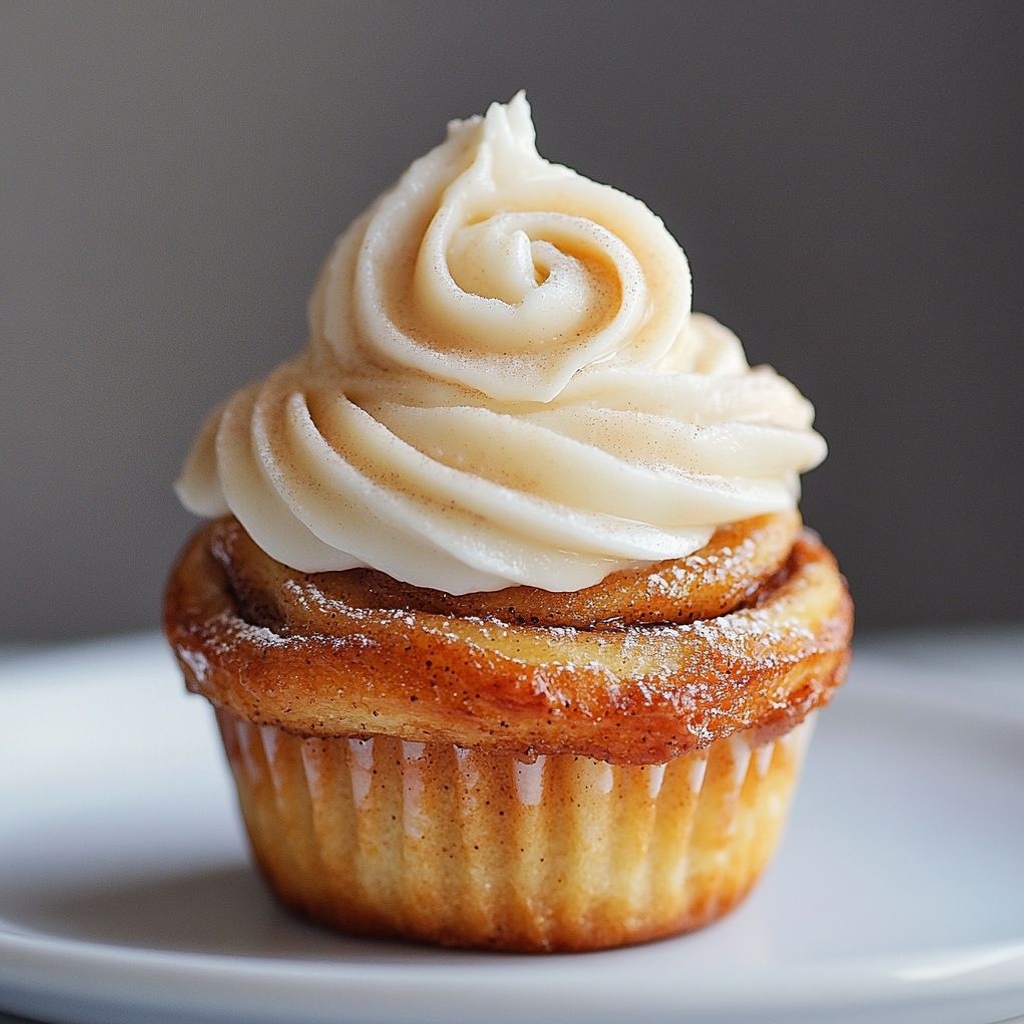
→ A firmer frosting holds its shape on intricate piping and reduces slump in warm kitchens. - When cupcakes are cooled and frosting is set, pipe or spread a generous layer of frosting onto each cupcake using an offset spatula or a decorative tip, aiming for an even crown that mirrors a cinnamon-roll topping.
→ A smooth, even frosting enhances flavor perception and provides a luxurious contrast to the spiced swirl. - Optional glaze: whisk 1/2 cup powdered sugar with 2 tablespoons milk and 1/2 teaspoon vanilla until smooth; drizzle lightly over the frosted cupcakes for a shiny finish.
→ The glaze adds a touch more sweetness and a polished, bakery-like sheen; adjust thickness if you prefer a drizzle or a pourable glaze. - Optional nut topping: toast 1/2 cup chopped pecans or walnuts in a dry skillet over medium heat until fragrant and lightly browned, about 2 to 3 minutes, then cool and sprinkle over the frosting for a textural contrast.
→ Toasting intensifies nut aroma and provides a pleasant crunch that echoes traditional cinnamon rolls; cool completely to prevent smearing the frosting. - Serve the cupcakes at room temperature for optimal flavor and texture, and store any leftovers in an airtight container at room temperature for up to 2 days or refrigerate for up to 5 days; bring to room temperature before serving to restore the full softness of the crumb.
→ Proper storage preserves moisture, flavor, and the integrity of the cream cheese frosting, ensuring each bite remains tender and luscious.
Notes
These cupcake cinnamon roll cupcakes are a decadent treat featuring a tender vanilla cupcake swirled with a cinnamon filling and crowned with tangy cream cheese frosting. The warm cinnamon ribbons bake into every bite, delivering classic roll flavors with the lightness of a cupcake. You can customize them by adding chopped pecans or walnuts to the filling, swirling in a bit of orange zest for brightness, or drizzling caramel over the frosting for extra richness. For best texture, bring ingredients to room temperature before mixing and avoid overmixing the batter to keep a soft, delicate crumb. When swirling the cinnamon filling, spread evenly over the batter and use a gentle sweep of the knife to create ribbons without pushing the filling to the edges. Bake at 350°F (175°C) until a toothpick inserted into the center comes out clean, about 18–22 minutes; let cool completely before frosting.
Storage and serving: refrigerate frosted cupcakes and enjoy within 3–4 days; you can freeze unfrosted cupcakes for up to 1 month and frost after thawing. If you frost and freeze, consider piping a fresh layer of frosting after thawing for the best texture. Let any refrigerated cupcakes come to room temperature for 15–20 minutes before serving to maximize flavor and softness.
Gluten-free option: To make gluten-free cinnamon roll cupcakes, substitute a certified gluten-free all-purpose flour blend and a gluten-free baking powder, and ensure all other ingredients are certified gluten-free. If you have gluten intolerance, always verify labels on ingredients like vanilla extract and sour cream for gluten-containing additives.

Tips
Tips for Cupcake Cinnamon Roll
- Prep and mise en place: Take all ingredients out of the fridge about 30 minutes before you plan to bake to bring dairy and eggs to room temperature. This helps emulsification and a tender crumb.
- Batter handling: Sift dry ingredients with baking powder, baking soda, and salt to ensure even distribution. Whisk wet ingredients separately, then fold dry ingredients in until just combined. Overmixing develops gluten and can make cupcakes dense.
- Measuring flour: Scoop and level the flour for accurate measurements; avoid tapping the cup which can pack flour and create a heavy batter.
- Cupcake portion: Use a 1/4 cup or medium scoop to portion batter into lined muffin cups, filling about 2/3 full for a domed top.
- Cinnamon swirl: Keep the swirl filling cohesive by mixing the sugars, cinnamon, and melted butter until evenly combined. If it seems too loose, let it rest a few minutes or chill slightly so it swirls cleanly into the batter. Dollop a small amount onto each batter portion and swirl with a toothpick to create a ribbon, not a thick layer.
- Texture and lift: Baking powder freshness matters—if it’s old, cupcakes may be dense. If you’re unsure, do a quick fizz test with a pinch of dry mixture in hot water to confirm readiness.
- Masking moisture: Sour cream or yogurt adds tenderness; if you notice cracking top, it’s often from overbaking or overmixing; consider reducing mixing time slightly or baking a minute shorter next time.
Tips for Cream Cheese Frosting
- Softened dairy: Let cream cheese and butter come fully to room temperature for smooth, lump-free frosting. If lumps form, beat longer at medium speed until smooth.
- Sweetness and thickness: Start with 2 cups powdered sugar and add more until you reach your desired thickness. Sift the sugar to avoid gritty texture. If the frosting is too thick, beat in a teaspoon at a time of milk or cream.
- Stability for piping: For a firmer, pipeable frosting, refrigerate the frosting for 15–20 minutes before piping. This helps hold shapes without tearing the cupcakes.
- Flavor depth: Add vanilla extract and a pinch of salt as listed; you can also fold in a tiny splash of lemon juice or zest for brightness if desired, but keep it minimal to avoid curdling.
Tips for Optional Glaze
- Consistency control: Mix glaze until smooth; adjust thickness by adding more powdered sugar for a thicker glaze or more milk for a drizzling glaze. For a glossy finish, whisk until very smooth and free of lumps.
- Application: Drizzle over cooled cupcakes for a light sheen. If you’ve layered frosting, apply glaze after frosting has set slightly for a tidy finish.
Tips for Toppings
- Toasted nuts: Toast chopped pecans or walnuts on a parchment-lined sheet at 350°F (175°C) for 5–7 minutes, shaking halfway, until fragrant and lightly browned. Cool before sprinkling to avoid soggy frosting.
- Nut-free option: If you have nut allergies, omit nuts or substitute with toasted coconut or a sprinkle of flaky sea salt for texture contrast.
Baking, Cooling and Storage
- Oven and timing: Preheat to 350°F (175°C). Bake cupcakes until a toothpick inserted in the center comes out with a few moist crumbs, about 18–22 minutes depending on your oven and size of cups. Do not overbake to avoid a dry crumb.
- Cooling: Let cupcakes cool in the pan for 5 minutes, then transfer to a wire rack to cool completely before frosting to prevent sliding or melting of icing.
- Storage: Fresh cupcakes with frosting can be stored in an airtight container at room temperature for 1–2 days or refrigerated for up to 3–4 days. Bring to room temperature before serving for the best texture and flavor.
- Make-ahead freezing: Freeze unfrosted cupcakes for up to 2–3 months; defrost and frost when ready. Frosted cupcakes can be stored in the fridge for a shorter period, best eaten within 1 month for optimal texture.
FAQ
What is a cupcake cinnamon roll?
A cupcake cinnamon roll is a playful hybrid that bakes a cinnamon-sugar swirl into vanilla cupcakes and tops them with cream cheese frosting. Instead of rolling dough, the cinnamon swirl is folded into the cupcake batter to create ribbons of cinnamon in every bite.
What ingredients do I need for cupcakes cinnamon roll?
You’ll need three parts: the cupcake batter, the cinnamon-sugar swirl, and the cream cheese frosting.
- For the cupcakes: all-purpose flour, granulated sugar, baking powder, salt, unsalted butter, eggs, vanilla extract, and milk.
- For the cinnamon swirl: brown sugar, ground cinnamon, and melted butter.
- For the frosting: cream cheese, unsalted butter, powdered sugar, vanilla extract, and a pinch of salt.
Can I make a dairy-free version?
Yes. Use dairy-free butter or coconut oil in the batter and swirl, and swap in dairy-free cream cheese or a plant-based frosting. Use almond, soy, or oat milk if needed. Check that all mix-ins and frostings are labeled dairy-free.
Can I make a gluten-free version?
Absolutely. Use a gluten-free all-purpose flour blend that includes xanthan gum (or add 1/4 teaspoon xanthan gum per cup of flour if your blend doesn’t include it). The rest of the recipe remains the same, but note that texture may vary slightly.
How do I swirl the cinnamon into the cupcakes?
Prepare the batter and cinnamon-sugar mixture. Line a muffin tin with papers. Fill each liner about 1/3 full with batter, dollop a teaspoon of the cinnamon-sugar swirl, then cover with more batter until 2/3 full. Gently drag a toothpick or skewer through the batter to create a ribbon swirl. Repeat for all cups.
What is the baking temperature and time?
Preheat to 350°F (175°C). Bake for 18–22 minutes, or until a toothpick inserted into the center comes out clean. Ovens vary, so start checking at the 18-minute mark.
What frosting should I use and how do I apply it?
Classic cream cheese frosting works great. Beat together softened cream cheese and butter, then gradually mix in powdered sugar, vanilla, and a pinch of salt until smooth. Once cupcakes are completely cooled, pipe the frosting on top or spread it with a knife. For extra cinnamon, dust with a little ground cinnamon.
How should I store the cupcakes?
Store unfrosted cupcakes in an airtight container at room temperature for up to 2 days. If frosted, refrigerate in an airtight container for up to 4–5 days. Bring to room temperature before serving for best texture and flavor.
Can I freeze these cupcakes?
Yes. Freeze unfrosted cupcakes in an airtight container for up to 1 month. Thaw and then frost. You can also freeze frosted cupcakes for 2–3 weeks; wrap well to prevent freezer burn and thaw in the fridge before serving.
Do you have any tips or common variations?
Tips: – Don’t overfill the liners or the batter may overflow. – Let ingredients come to room temperature for a smoother batter. – Use a light hand with the swirl to avoid dense centers. Variations: swap vanilla for almond extract, add chopped pecans or walnuts to the filling, or drizzle with a maple glaze on top.