Introduction / Hook
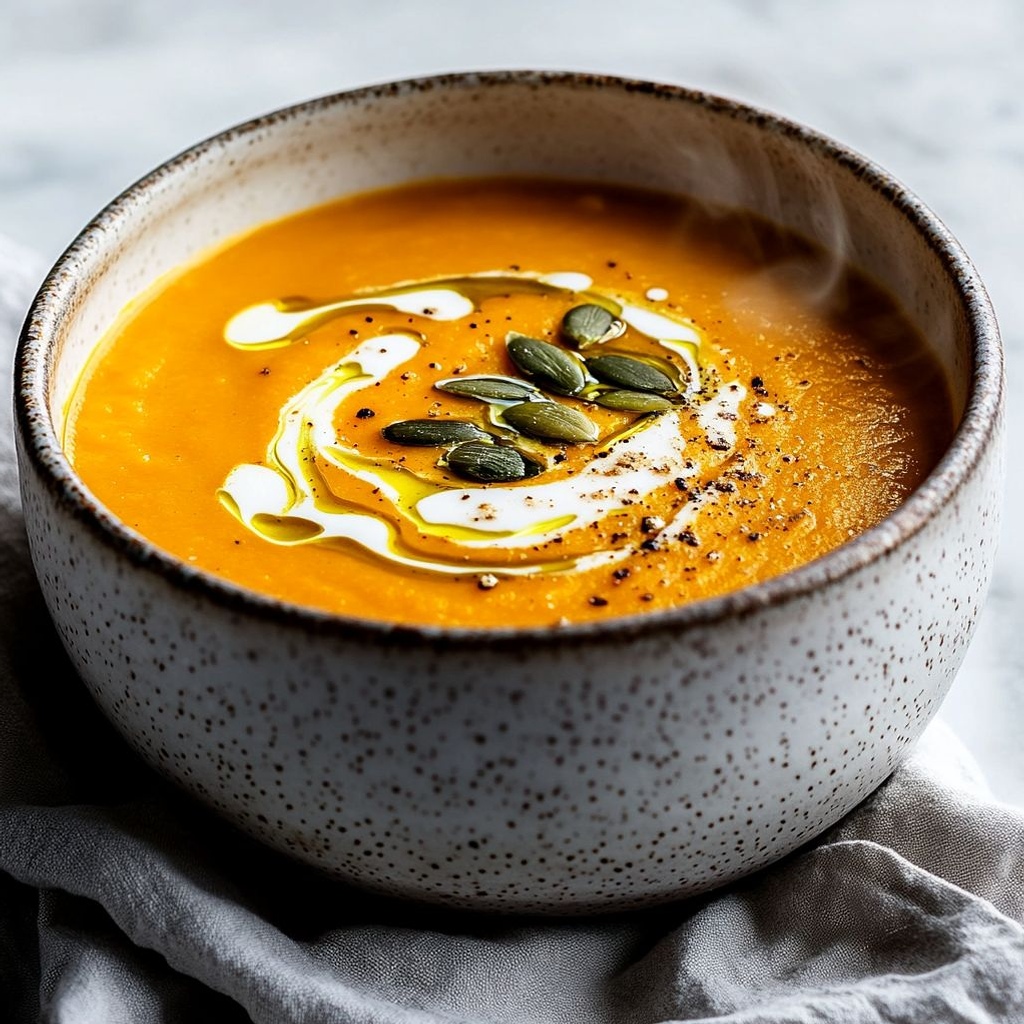
Imagine autumn sunlight pouring through a kitchen window and landing in the warm, orange glow of a bubbling pot. Zuppa di zucca con zenzero is the kind of soup that invites you to slow down, take a deep breath, and let the evening melt around you. It’s a bowl that feels both familiar and wonderfully unexpected—the familiar comfort of roasted squash, the bright zing of ginger, and a silky texture that glides across the tongue. This isn’t just a soup; it’s a small celebration of seasonality, where simple ingredients are treated with care and coaxed into something that tastes like a hug from the inside out. The aroma alone can transport you: pumpkin’s sweet earthiness rising with the citrusy warmth of ginger, a whisper of olive oil, and a hint of just-picked herbs that promises a comforting finish. Whether you’re cooking for a quiet weeknight, a cozy family meal, or a small gathering of friends, this dish offers both ease and elegance in every spoonful.
What makes this soup especially enchanting is how it captures contrast in a single bowl. The sweetness of roasted pumpkin balances the peppery brightness of ginger, while the creamy body keeps things luxurious without feeling heavy. It’s the kind of recipe that rewards low-effort techniques—roasting, simmering, blending—yet delivers big personality. As the steam rises, you’ll notice a fragrance that feels timeless yet novel, rustic and refined at the same time. It’s a dish that invites conversation as much as it invites tasting, turning a simple supper into a small ritual of warmth, gratitude, and delicious curiosity about how two ingredients from different corners of the culinary world can harmonize so beautifully.
In many kitchens, soup is a bridge between seasons, a way to coax the last sweetness from summer’s harvest while eagerly anticipating the comfort of winter. This Zuppa di zucca con zenzero embraces that bridge. It celebrates pumpkins as autumn’s gift—soft, fragrant, and endlessly versatile—while welcoming the lively spark of zenzero to remind us that cooking can be a voyage, not a routine. The result is a bowl that looks as inviting as a sunlit squash patch and tastes as memorable as a warm, lingering conversation after a long day. It’s the kind of recipe you’ll reach for again and again, not because it’s complicated, but because it’s reliably comforting and delightfully adaptable to your mood, your pantry, and your guests.
The Story Behind the Dish
The story of Zuppa di zucca con zenzero begins in the quiet rhythm of autumn markets and memory-filled kitchens. Picture a sun-warmed hillside in Italy, where pumpkins spill from crates in shades of tangerine and amber, and the air is perfumed with the scent of roasting squash. It was here that a simple idea took shape: how could a classic Italian pumpkin soup be brightened with a spice that travels far from home? A traveler’s market stall, a jar of fresh ginger, and a patient simmer transformed a humble bowl into something that felt both rooted and adventurous. The ginger wasn’t traditional in every Italian pantry, but in this dish it acts as a spark—an unexpected note that lifts the sweetness of the pumpkin and lends a lively, lingering finish.
There’s a personal thread as well. In a small family kitchen, a grandmother would gently coax flavors from simple ingredients, turning a modest soup into a center of conversation and comfort. Over time, the recipe evolved as households do—little adjustments here and there, a swap of cream for coconut milk to suit dietary needs, a touch more garlic for grounding, a splash of cultural curiosity. The result is a soup that honors tradition while inviting curiosity: a dish that could sit at a Tuscan table one night and at a cosmopolitan dining room the next. The name itself—Zuppa di zucca con zenzero—reads like a passport stamp, telling you that pumpkin is the canvas and ginger is the spark, and together they tell a story of hospitality, memory, and the joy of sharing a well-prepared bowl with people you love.
Food has a way of traveling through families and communities, gathering flavors as it goes. This soup is a small ode to that journey: a culinary hello from autumn to winter, from a rustic kitchen to a modern home, from local markets to distant spices. It’s a reminder that great comfort food doesn’t have to be heavy, and that warmth can be found not only in a pot’s steam but in the stories we tell while we share it. Each pot you make becomes a page in this ongoing tale—a tale of how two ingredients, when treated with patience and a little curiosity, can become something larger than the sum of their parts. That is the heart of this dish: a simple soup that carries memories forward, while inviting fresh experiences at every serving.
Why You’ll Love This Recipe
- Quick to prepare: hands-on time is short, and the pot does most of the work, making it ideal for busy weeknights.
- Silky, comforting texture: a velvety puree that feels luxurious without heaviness, perfect for cooling evenings or cozy gatherings.
- Warm, balanced flavor: pumpkin’s natural sweetness is elevated by the bright bite of ginger, producing a harmonious, multidimensional taste.
- Versatile for many diets: naturally dairy-free when finished with a splash of olive oil or plant-based milk; easily adapted to vegan, gluten-free, or nut-free needs with simple substitutions.
- Seasonal celebration: a dish that honors autumn produce and can be customized with seasonal herbs and garnishes for a fresh twist every time.
- Comforting with elegance: the soup’s simple base makes it suitable for casual family dinners as well as more polished, intimate occasions.
- Make-ahead friendly: the flavors deepen with a little rest, and it reheats beautifully, making it a superb option for meal prep or entertaining leftovers.
Flavor Profile & Texture
At first glance, Zuppa di zucca con zenzero presents a warm, sunny hue that hints at its comforting nature. When you take a first spoonful, the silky mouthfeel glides smoothly across the palate, like a finely brushed silk scarf wrapping around the senses. The pumpkin provides a gentle sweetness and a rustic earthiness that speaks of harvests and sunsets, yet the ginger slices through with a clean, peppery brightness. This contrast—creamy sweetness tempered by a lively zing—defines the soup’s character and makes each bite feel balanced rather than one-note.
The texture, intentionally smooth, is offset by a soft body that carries a whisper of fiber from the squash, ensuring the soup never feels flat. If you choose to finish with a drizzle of olive oil, a swirl of coconut milk, or a crumb of toasted seeds, you add a second layer of mouthfeel—an opulent sheen, a touch of creaminess, and a satisfying crunch that punctuates the creamy base. Aromatics—perhaps a hint of garlic, a fall-and-herbal note, and a light heat from the ginger—linger on the palate, inviting you to sip again and again. In the aroma department, the soup performs like a warm, inviting kitchen: roasted pumpkin’s caramelized sugars mingling with ginger’s citrusy sharpness and a faint, herbaceous whisper that hints at what’s to come in the next bite.
Texture-wise, expect a comforting quiver of silk with pockets of depth where the squash’s natural oils have concentrated during roasting. The finish is clean and refreshing, with the ginger leaving a friendly glow rather than a harsh bite. It’s the kind of flavor profile that feels timeless, yet it responds beautifully to small adjustments—adding a pinch of cinnamon for a holiday nuance, a squeeze of lemon zest for brightness, or a spoonful of coconut milk for a tropical creaminess. The tasting journey is gentle but expressive, inviting you to reflect on the season’s abundance while savoring a dish that embodies hospitality and a touch of culinary wanderlust.
Occasions & Pairings
This soup shines in many settings, making it a versatile favorite across seasons and occasions. It’s ideal for a casual weeknight supper when you want something nourishing and satisfying with minimal effort. It also has a quietly elegant quality that suits a slow-dawn dinner party or a small autumn gathering where guests linger over conversation and a steaming bowl.
As for pairings, think of textures and contrasts that complement the soup without overpowering it. A crusty loaf or rustic bread for dipping and sopping is a natural partner, as is a simple green salad with a bright vinaigrette to provide a light counterpoint. For drinks, a crisp white wine with gentle fruit notes—such as a Pinot Grigio or Verdicchio—works nicely, as does a light sparkling wine for a celebratory touch. If you prefer non-alcoholic options, a citrusy iced tea or a warm chai-style beverage can echo the spice and lift the flavors.
For holiday menus, this soup acts as a pedestal starter that doesn’t overshadow the main courses. It pairs well with roasted vegetables, a delicate pasta dish, or a roasted poultry centerpiece. If you’re serving it at a casual lunch, consider adding a dollop of yogurt or a swirl of olive oil to introduce a creamy contrast that remains light. In family settings, it’s a crowd-pleaser that can be customized easily according to dietary needs or the preferences of young eaters, without losing its character or heartiness.
Tips, Variations & Substitutions
- Make it vegan or dairy-free: rely on olive oil and a plant-based milk or coconut milk to achieve a creamy texture without dairy.
- Spice it up or dial it back: adjust the amount of fresh ginger to control heat; a pinch of cinnamon or nutmeg adds a seasonal warmth, while a splash of lime juice brightens the finish.
- Regional twists: try a touch of rosemary or sage for an Italian-herbal note, or introduce a Southeast Asian twist with a splash of coconut milk and a squeeze of lime after cooking.
- Texture variations: leave a portion of the pumpkin slightly chunkier for contrast, then blend the rest to a smoother purée for a two-tone texture.
- Stock and flavor base: use vegetable stock for a lighter, cleaner soup, or chicken stock for a richer, deeper body. If you’re avoiding gluten, ensure any stock used is labeled gluten-free.
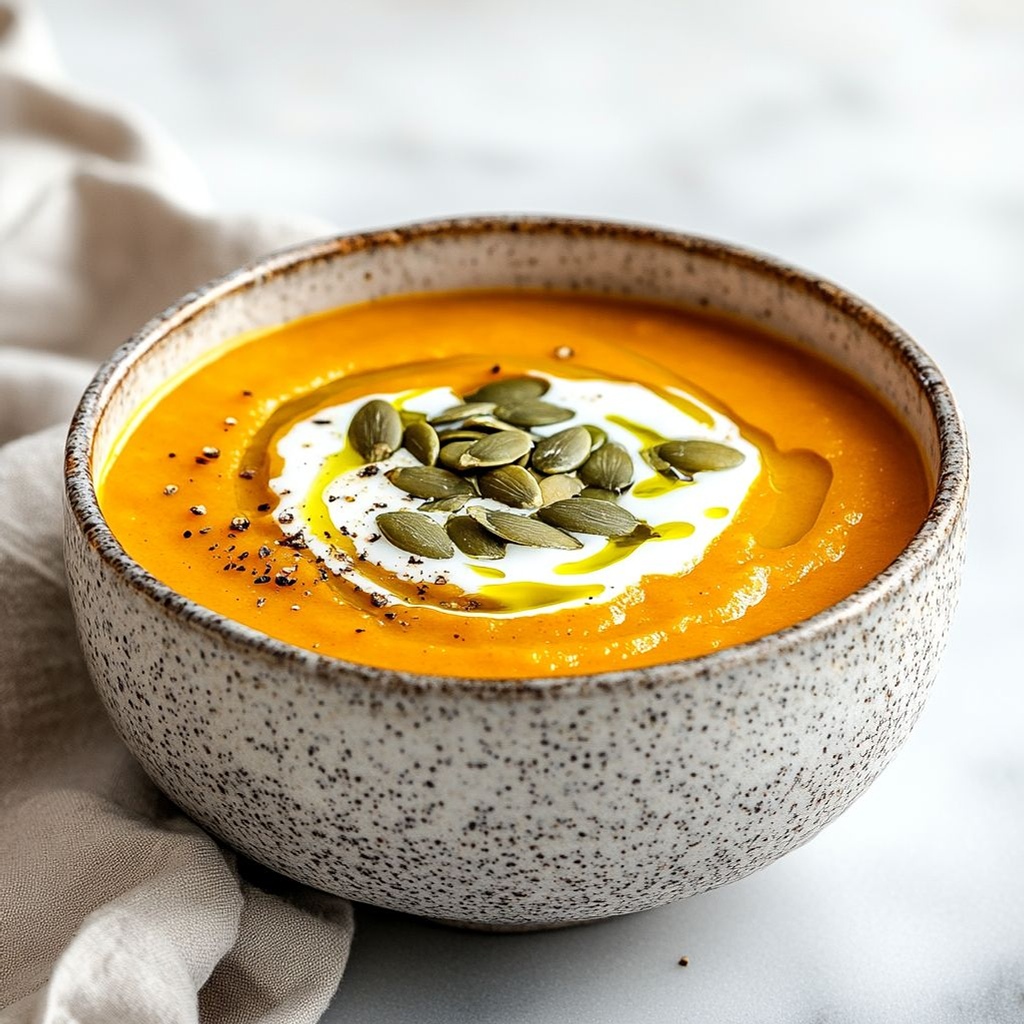
- Garnishes and finish: finish with a drizzle of high-quality olive oil, a dollop of dairy or plant-based yogurt, toasted seeds, or a pinch of flaky sea salt to intensify flavors right before serving.
- Make it ahead: the flavors deepen overnight. Reheat gently on the stove or in a microwave, adding a splash of stock or milk if the soup thickens too much.
- Seasonality note: depending on the sweetness of the pumpkin, you may want to adjust salt or a touch of acid (lemon/lime) to balance the palate.
Storage & Make-Ahead Ideas
Leftovers store beautifully and often taste even better the next day as the flavors have more time to mingle. Refrigerate leftovers in an airtight container for up to 3–4 days. Reheat gently over low to medium heat, stirring occasionally, and adjust the consistency with a small amount of stock, water, or milk if needed to bring back the silky texture. If you’d like to freeze the soup, portion it into freezer-safe containers or bags for up to 2–3 months. Thaw overnight in the refrigerator and reheat slowly, adding liquid as necessary to reach the desired consistency. When freezing, avoid adding delicate dairy toppings until after thawing and reheating to preserve texture and flavor integrity.
For make-ahead planning, consider roasting the pumpkin in advance and storing it in the fridge until you’re ready to simmer. This can shave minutes off the day you plan to serve the soup, making it a friendly option for entertaining or meal-prep Sundays. If you’re entertaining, you can prepare the base ahead, reheat gently, and finish with a fresh finish—oil, herbs, or a quick dairy-free cream—to present a restaurant-quality experience with minimal last-minute effort.
Fun Facts & Trivia (Optional)
• Pumpkins are botanically fruits, though they’re commonly treated like vegetables in the kitchen. They’re a symbol of harvest and autumn in many cultures, and in Italian cooking, zucca appears in both savory and sweet dishes, from soups to tarts. Zuppa di zucca is a staple in many Italian households during the fall and early winter, celebrated for its comforting flavor and versatility.
• Ginger has a long culinary and medicinal history across many traditions, famous for its bright aroma and warming kick. In soups and stews, ginger can brighten the dish without overpowering the other flavors, offering a distinct contrast to the natural sweetness of roasted squash.
• The combination of pumpkin and ginger reflects a broader trend in modern cooking: blending comforting, traditional ingredients with bold, global spices to create layers of aroma and taste. It’s a reminder that great food often arises from curiosity and a willingness to experiment while honoring seasonality and heritage.
• In culinary folklore, a bowl of warm soup is sometimes described as “soul nourishment,” because it’s often shared around the table with friends and family. The simple act of gathering, ladling, and tasting can become a meaningful ritual that transcends the ingredients themselves.
Ingredients
Zuppa di zucca con zenzero
- 1 tablespoon extra-virgin olive oil
→ The oil starts the flavor base by gently heating to release aroma from the onion, garlic, and ginger and to help soften vegetables without sticking. Use a sturdy pan and medium heat to avoid smoking the oil. If you prefer a lower-fat version, you can sweat the aromatics with a splash of water and skip browning. - 1 medium onion, chopped
→ Onion provides natural sweetness and a savory foundation for the soup. Chop roughly so it cooks evenly; sweat in the olive oil until translucent (not browned) to keep the soup bright and silky. For deeper sweetness, cook a little longer until just starting to caramelize. - 2 cloves garlic, minced
→ Garlic adds a sharp, aromatic note that lingers in the soup. Mince finely or crush and then finely chop; add after onions have softened to prevent burning, sautéing just until fragrant (about 30–60 seconds). - 1 kg pumpkin flesh, peeled and cubed
→ Pumpkin provides the body, sweetness, and natural creaminess of the soup. Peel (or halve the skin if using a very tender variety), remove seeds, and cut into roughly 2–3 cm cubes. For an extra depth of flavor, roast the cubes on a sheet pan at 200°C (400°F) for 15–20 minutes before simmering, then proceed with stock; this intensifies sweetness and color. - 1 liter vegetable stock
→ The stock acts as the liquid base that gently cooks the pumpkin and releases flavors into a cohesive soup. Use low-sodium stock to control salt; adjust the thickness by adding more hot water or stock as needed while blending. If you only have water, add a pinch more salt and a dash of miso or soy for umami. - 2 cm fresh ginger, grated
→ Ginger adds a warm, peppery zing that complements the pumpkin and brightens the flavor profile with a hint of spice. Grate finely to distribute evenly; add with the onions and spices so the aroma blooms as the soup simmers. Start with 2 cm and increase if you love a stronger bite. - 1 small carrot, diced (optional)
→ Carrot adds additional sweetness, color, and body to the soup. Dice small so it cooks through evenly; if you skip it, the pumpkin will still deliver most of the sweetness, and you’ll have a quicker simmer. - 1 small potato, peeled and cubed (optional)
→ Potato contributes extra starch, giving the soup a thicker, creamier texture without dairy. Peel and dice evenly; include with the pumpkin so everything cooks at the same pace. If you prefer a looser soup, omit. - 1/2 cup coconut milk or heavy cream (optional)
→ Adds richness and a silky mouthfeel; coconut milk makes the soup dairy-free and adds a subtle tropical sweetness that pairs beautifully with ginger. Stir in near the end after puréeing, and warm gently to avoid splitting if using dairy. For a lighter option, omit or use a small splash instead. - Salt to taste
→ Salt brings out the pumpkin’s natural sweetness and balances the aromatics. Add gradually during simmering and taste before serving; remember that stock often contains salt, so adjust accordingly. - Black pepper to taste
→ Freshly ground black pepper adds a gentle kick that brightens the flavors. Grind just before serving to keep aroma strong, and consider a small pinch of white pepper for a mellower heat if preferred. - Pinch ground nutmeg or cinnamon (optional)
→ A small pinch of nutmeg or cinnamon echoes the autumnal spices in pumpkin dishes. Use sparingly (a pinch or less) so it enhances rather than overpowers the soup’s pumpkin sweetness. - Juice of 1/2 lime (optional)
→ A squeeze of citrus brightens the soup and counters richness. Add after blending to taste; start with a few drops and adjust incrementally to avoid bitterness. - 1/4 teaspoon chili flakes (optional)
→ Chili flakes add a gentle warmth that complements ginger without making the soup spicy. Increase gradually, tasting as you go, to reach your preferred level of heat.
Optional Add-ins
- 1 tablespoon miso paste (optional)
→ Miso adds a deep umami backbone that enriches the soup without needing extra salt. Dissolve the miso in a little hot stock before whisking it back into the pot; use white miso for a milder, sweeter note or red miso for deeper savoriness. - 2 tablespoons chopped fresh cilantro or parsley (optional)
→ Fresh herbs brighten the soup just before serving and add a pop of color. Stir in at the end to preserve flavor and aroma; if you cook them, they’ll lose some brightness. - 1/2 cup roasted pumpkin seeds (pepitas) (optional)
→ Roasted pepitas provide a textural contrast and a toasty, nutty flavor. Toast seeds in a dry skillet until popping and fragrant, then sprinkle over bowls for contrast and crunch.
Toppings and finishing touches
- Drizzle of extra-virgin olive oil (optional)
→ A finishing drizzle adds sheen and a layer of fruity olive oil aroma to the bowl. Use a high-quality oil and drizzle sparingly for best effect. - Dollop of yogurt or coconut cream (optional)
→ A cool contrast to the warm soup; swirl a small amount on top for creaminess and tang. Dairy yogurt pairs well; coconut cream keeps the dish dairy-free.
Instructions
- Roast the pumpkin (optional) to deepen sweetness and color: Preheat your oven to 200°C (400°F). Line a baking sheet with parchment paper and spread the cubed pumpkin in a single layer, without overcrowding. Drizzle with a light coating of extra-virgin olive oil and season with a pinch of salt; roast for 15–20 minutes, turning once, until the edges are caramelized and the flesh is tender when pierced with a fork. This step concentrates natural sugars and yields a richer, velvety texture in the final soup; if you prefer, you can skip roasting and proceed with raw pumpkin in Step 5.
- Place a heavy-bottom pot over medium heat and warm 1 tablespoon of extra-virgin olive oil until it shimmers lightly: This starts the flavor base gently, releasing aroma from the onion and ginger without burning and helps prevent sticking during the long simmer; maintain a steady, moderate heat to avoid smoking the oil.
- Add the chopped onion to the pot and sweat it with a pinch of salt until translucent, about 6–8 minutes: Sweating sweetness draws out moisture and softens the onion’s bite, creating a smooth, mellow foundation for the soup; stir occasionally to prevent sticking and ensure even cooking.
- Stir in the minced garlic and cook for 30–60 seconds until fragrant but not browned: Garlic browns quickly and can turn bitter, so keep the heat moderate and move it around the pot to distribute aroma evenly without scorching.
- Add the grated fresh ginger to the aromatics and sauté for 1–2 minutes to bloom its spicy aroma: Grating ensures maximum surface area for releasing volatile oils; keep stirring to prevent scorching and to blend with onion and garlic for a unified perfume.
- Introduce the pumpkin flesh (roasted or raw) along with the optional carrot and potato, stirring to coat with the aromatics: This coating helps the vegetables start to soften and enhances flavor absorption; if you roasted the pumpkin, add it gently to preserve some of its caramelized surface for depth.
- Pour in 1 liter of vegetable stock and increase the heat to bring the mixture to a gentle boil: The stock provides the simmering liquid that carries flavors into a cohesive purée, while keeping the pumpkin from scalding or sticking to the bottom of the pot; feel free to use low-sodium stock and adjust later with salt.
- Reduce the heat to a simmer and partially cover the pot; simmer until the pumpkin and any root vegetables are tender, about 20–25 minutes (longer if using raw pumpkin): Gentle simmering allows starches to soften evenly and prevents harsh flavors from concentrating; check occasionally and stir to prevent sticking.
- Remove the pot from heat and blend the soup until ultra-smooth using an immersion blender right in the pot, or transfer in batches to a countertop blender: Start on a low speed and gradually increase to high, blending in short pulses to avoid splatter; a velvety texture enhances the soup’s comfort and makes it silkier on the palate.
- Return the blended soup to the pot (if using a countertop blender) and adjust the consistency with additional hot stock or water as needed: A smooth base should coat the ladle with a light cling, not be heavy; add liquid gradually and re-blend if necessary for uniformity.
- Stir in 1/2 cup coconut milk or heavy cream (if using) and warm over low heat, warming gently without boiling: This adds richness and a creamy mouthfeel; coconut milk keeps the dish dairy-free with a gentle sweetness, while cream yields a silkier finish; heat slowly to prevent curdling or separation.
- Season the soup with salt to taste and freshly ground black pepper (adjust after adding stock and dairy): Salt brightens pumpkin’s sweetness and balances aromatics; pepper adds a gentle kick; taste as you go to avoid oversalting.
- Optional aromatic boost: add a pinch of ground nutmeg or cinnamon to echo autumnal notes, stirring in evenly and tasting before serving: Use sparingly so the spices compliment rather than overwhelm the pumpkin’s natural sweetness.
- Optionally brighten with lime juice: whisk in the juice of 1/2 a lime after blending and tasting, adding in small increments until the acidity lifts the flavors without turning bitter: A touch of citrus counteracts richness and enhances the soup’s freshness.
- For a gentle warming of heat, sprinkle in 1/4 teaspoon chili flakes (optional) and stir, tasting as you go to reach your preferred level of spice: This enhances the ginger’s bite without making the soup hot, allowing the pumpkin to remain the star.
- Optional miso umami: dissolve 1 tablespoon miso paste in a small amount of hot stock, then whisk it back into the soup off the heat to preserve its delicate flavors: Miso adds depth and saltiness without needing extra salt; use white miso for a milder sweetness or red miso for deeper savoriness.
- Finish with fresh herbs: stir in 2 tablespoons chopped cilantro or parsley (optional) right before serving to maintain bright, fresh aroma: Heating herbs can dull their flavor, so add at the end to maximize their perfume and color.
- Prepare roasted pumpkin seeds (pepitas) as a crunchy garnish: toast 1/2 cup pepitas in a dry skillet over medium heat until popping and fragrant, about 3–5 minutes, then salt lightly: The seeds provide contrast in texture and a toasty note that complements the creamy soup.
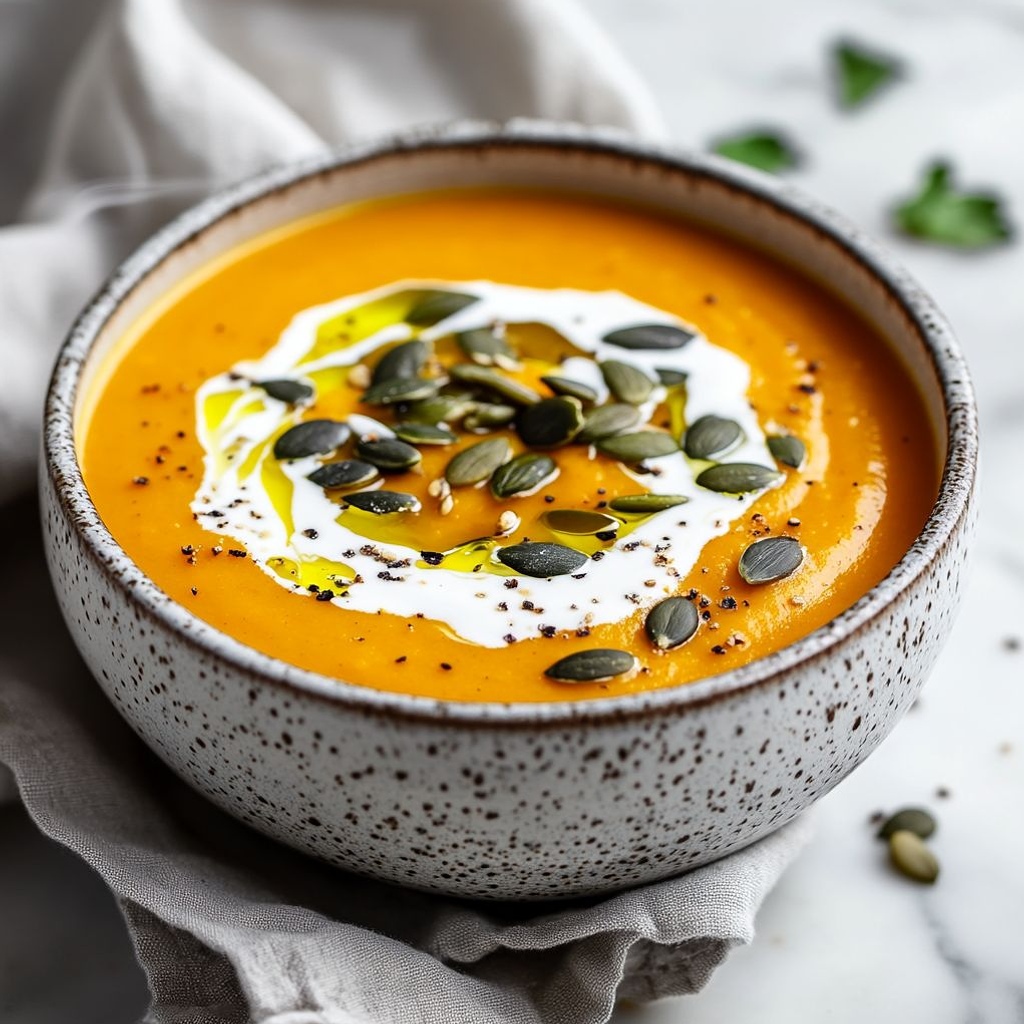
- Serve with finishing toppings: drizzle a small amount of extra-virgin olive oil over the surface and add a dollop of yogurt or coconut cream if desired (optional): The oil adds a sheen and fruity aroma, while the yogurt or coconut cream provides a cool counterpoint to the warmth of the soup.
Notes
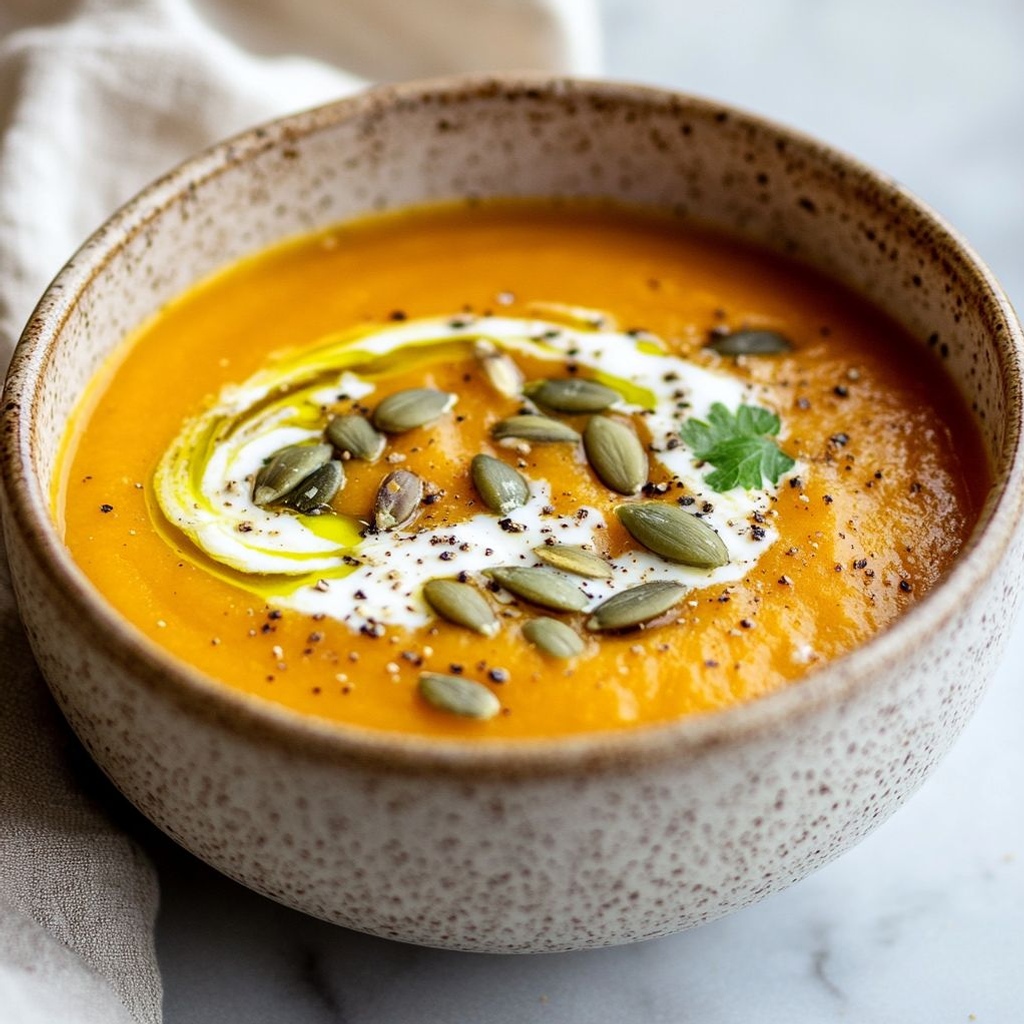
These pumpkin-ginger soup bowls are a cozy, nourishing option that marries the natural sweetness of pumpkin with a warming bite of ginger. For extra depth, roast the pumpkin cubes for 15–20 minutes before simmering to intensify color and sweetness, and sauté the onion, garlic, and ginger in olive oil until fragrant but not browned. You can tailor the texture by adding more stock for a looser soup or blending until completely smooth for a velvety finish; dairy or dairy-free options both work, with coconut milk giving a lighter tropical note. Finish with a drizzle of extra-virgin olive oil, a dollop of yogurt or coconut cream, and a scatter of roasted pumpkin seeds for brightness and crunch. Fresh lime juice brightens the flavor near the end, and a pinch of chili flakes adds gentle warmth if you like a hint of heat. This recipe is naturally gluten-free and easily made vegan by using coconut milk and certified gluten-free stock; store leftovers in the fridge for 3–4 days or freeze for up to 2–3 months. Reheat gently on the stove, stirring to re-emulsify the fats, and adjust seasoning with salt and pepper before serving. For extra umami, whisk in miso toward the end after removing from the heat. Always taste and adjust lime, salt, and pepper to balance brightness and savoriness.
Tips
Base di aromi e cottura
- Scalda l’olio extra-vergine a fuoco medio in una pentola robusta; l’olio deve sfrigolare senza fumare.
- Sofinisci la cipolla finché diventa trasparente e morbida, non dorata, per mantenere la zuppa luminosa e vellutata.
- Aggiungi l’aglio soltanto quando la cipolla è morbida: cuoci 30–60 secondi finché è profumato, così non brucia.
- Gratta finemente lo zenzero e aggiungilo all’inizio per far emergere l’aroma durante la cottura.
Zucca e preparazione
- Taglia la zucca a cubetti di circa 2–3 cm; elimina scorza e semi per una consistenza omogenea.
- Per un sapore più profondo, arrostisci i cubetti a 200°C per 15–20 minuti prima di aggiungerli al brodo; otterrai maggiore dolcezza e colore intenso.
Liquidi e densità
- Usa brodo vegetale a basso contenuto di sodio per controllare il sale; se usi solo acqua, aggiungi un pizzico di sale e un tocco di miso o salsa di soia per l’umami.
- Regola la consistenza aggiungendo brodo o acqua calda durante o dopo la cottura e prima di frullare, finché non ottieni la vellutata desiderata.
Zenzero e spezie
- Gratta lo zenzero fresco finemente e aggiungilo all’inizio per farlo sbocciare durante la cottura; se preferisci un sapore meno piccante, riduci la quantità.
Aggiunte opzionali per corpo e sapore
- Carota e patata aggiungono dolcezza, corpo e una consistenza più cremosa; tagliale in pezzi piccoli per una cottura uniforme.
Latte di cocco o panna
- Aggiungi 1/2 tazza di latte di cocco o panna vicino al finale, a fuoco basso, per una texture ricca; evita di far bollire se usi latte di cocco per prevenire la separazione.
- Per una versione leggera, ometti o usa una piccola quantità.
Sale, pepe e spezie
- Aggiusta il sale gradualmente durante la cottura; ricorda che il brodo può contenere sale già presente.
- Pepe nero fresco macinato al momento aggiunge freschezza; opzionalmente un pizzico di pepe bianco per una nota più delicata.
- Una puntina di noce moscata o cannella richiama le spezie autunnali; usala con parsimonia per non sovrastare la zucca.
- Aggiungi il succo di lime solo a fine cottura; inizia con poche gocce e aumenta lentamente per evitare acidità eccessiva.
- Fiocchi di peperoncino ¼ di cucchiaino per una leggera nota piccante; aumenta gradualmente a tuo gusto.
Aggiunte opzionali
- Miso pasto (1 cucchiaio) per un umami profondo: scioglilo in un po’ di brodo caldo prima di unirlo al tegame.
- Erbe fresche (cilantro o prezzemolo) 2 cucchiai, aggiunte alla fine per aroma e colore; se le cotti, perderanno brillantezza.
- Semi di zucca tostati (pepitas) 1/2 tazza: aggiungili come croccante finale per contrasto di texture.
Guarnizioni e rifiniture
- Un filo d’olio extravergine di oliva a fine cottura per lucidità e aroma fruttato.
- Una cucchiaiata di yogurt o crema di cocco per contrasto cremoso e freschezza; lo yogurt va bene anche in versione greca.
Consigli di servizio e conservazione
- Per una vellutata omogenea, frulla la zuppa a più riprese e aggiungi brodo o acqua fino a ottenere la consistenza desiderata.
- Raffredda rapidamente e conserva in frigorifero fino a 3–4 giorni o congela fino a 2–3 mesi; riaccendi lentamente mescolando spesso.
FAQ
Zuppa di zucca con zenzero — Domande frequenti
Quali ingredienti servono per questa zuppa?
Ingredienti base:
- Zucca a polpa arancione (circa 800 g), tagliata a pezzi
- Cipolla media
- Zenzero fresco grattugiato (2–3 cm, o a piacere)
- Brodo vegetale caldo (circa 750 ml)
- Olio extravergine d’oliva
- Sale e pepe
Opzionali (cremosità o varianti):
- Latte, panna o latte di cocco
- Spezie come cannella o curcuma
- Aglio (facoltativo)
Come si prepara la Zuppa di zucca con zenzero?
Procedimento:
- Soffriggere cipolla e zenzero nell’olio d’oliva finché morbidi.
- Aggiungete la zucca e cuocete per qualche minuto, mescolando.
- Versare il brodo vegetale, portare a ebollizione, poi abbassare la fiamma e cuocere finché la zucca è tenera (circa 15–20 minuti).
- Frullare con un frullatore a immersione fino a crema liscia; se è troppo densa, aggiungere brodo.
- Aggiustare di sale e pepe; se desiderate, aggiungere latte o latte di cocco per cremosità.
- Servire calda, eventualmente guarnita.
Posso usare zucca in scatola o solo fresca?
Sì, è possibile. Se usate zucca in scatola, sciacquatela e scolatela bene, quindi aggiungetela al soffritto e abbondate con poco brodo; potrebbe richiedere tempi di cottura leggermente inferiori.
Come regolare la piccantezza o la nota zenzero?
Aggiustate così:
- Per meno piccantezza: riducete la quantità di zenzero o grattugiatene meno.
- Per un sapore più intenso: aumentate lo zenzero o aggiungete scorza di limone/lime.
- Assaggiate a fine cottura e aggiustate di sale/pepe.
La zuppa è adatta a diete particolari (vegano, gluten-free, ecc.)?
Sì:
- Vegana: sì se si usa brodo vegetale e latte di cocco o crema vegetale.
- Senza glutine: sì se tutti gli ingredienti sono privi di glutine (verificate brodo e spezie).
- Senza latticini: sì usando latte di cocco o crema vegetale al posto di latte o panna.
Come si conserva la zuppa avanzata?
Conservazione:
- In frigorifero: in contenitore ermetico per 3–4 giorni.
- In freezer: si congela bene fino a 2–3 mesi; scongelare e scaldare a fuoco dolce prima di servire.
Come rendere la zuppa cremosa senza latticini?
Opzioni:
- Frullare molto bene fino a crema liscia.
- Aggiungere una patata bollita o ceci cotti per cremosità naturale.
- Utilizzare latte di cocco, latte di soia o crema di noci al posto di latticini.
Quali guarnizioni consigliate?
Idee per presentare la zuppa:
- Semi di zucca tostati e un filo d’olio d’oliva
- Scorza di limone o arancia grattugiata
- Yogurt vegetale o crema di cocco
- Erbe fresche come prezzemolo o coriandolo
Quali varianti di sapore posso provare?
Varianti consigliate:
- Aggiungere cannella, curcuma, cumino o curry per una nota speziata
- Spremere succo di arancia o aggiungere scorza di limone per acidità fresca
- Incorporare patate o carrot per una consistenza diversa
Quante porzioni rende e quanto tempo richiede?
Dimensioni tipiche:
- Porzioni: circa 4–6 porzioni, a seconda delle porzioni servite
- Tempo totale: circa 30–40 minuti (preparazione 5–10 min, cottura 20–30 min)