Introduction / Hook
Imagine waking to a kitchen that smells like a sunlit island morning: warm bread sighing as it meets a velvety, custard-like embrace, butter singing softly in a hot pan, and a kiss of tropical sweetness that hints at sea breezes and palm shadows. French toast hawaiano is more than a breakfast dish; it’s a celebration of contrasts harmonizing in one indulgent bite. The exterior carries a delicate caramelization, a golden crust that yields to a tender, pillow-like center, while subtle tropical notes—think creamy warmth, a whisper of vanilla, and a hint of exotic fruit—transform a familiar favorite into something that feels like a vacation in a bite. It’s the kind of dish that makes weekend mornings feel like a small holiday, a reminder that comfort can arrive with sunshine, laughter, and a little bit of island magic. Every slice is a doorway to memories you have yet to make: the sound of sizzle, the aroma of sweetness mingling with warm spices, the first bite revealing a balance between richness and brightness, and a lingering finish that invites another slice and another story to begin.
The Story Behind the Dish
French toast has long stood as a testament to ingenuity—how a humble stale loaf can become something luxurious with a soak, a bath of warmth, and a quick kiss of heat. Its origins stretch far back, with echoes in kitchen diaries across Europe and beyond, where cooks perfected the art of reviving bread with custardy richness. The Hawaiian version takes that beloved technique and pairs it with the spirit of aloha: a passion for bold, bright flavors and a respect for local ingredients that tell the story of a place where beach sunsets meet lush mountains and volcanic earth yields an abundance of tropical abundance. In Hawaii, breakfast is not merely a meal but a chance to gather, share, and celebrate the day ahead. The island’s bounty—coconut, pineapple, macadamia nuts, and fragrant vanilla—has inspired countless regional twists, each one a nod to both tradition and the adventurous curiosity that defines island life. The result is a dish that respects the classic technique while inviting the sun-soaked flavors of the tropics to take center stage. This Hawaiian-inspired twist on a timeless recipe embodies a culinary bridge: the elegance of European technique meeting the playful, sunny heart of the Pacific. It’s not about reconstructing an ancient recipe; it’s about weaving together memories—travel, family mornings, and the irresistible pull of a kitchen that smells like a vacation—into a single, satisfying plate.
Why You’ll Love This Recipe
- Brunch brilliance: effortlessly impressive without being fussy, making it perfect for lazy weekend gatherings or special occasions.
- All-ages appeal: a comforting, familiar technique presented with vibrant, tropical accents that delight kids and adults alike.
- Quick to assemble, quick to cook: everything comes together with a few simple motions, leaving more time for conversation, laughter, and savoring each bite.
- Make-ahead friendly: the base concept adapts well to prepping ahead, giving you more time to enjoy the moment rather than worry about timing.
- Versatile for diets and preferences: when approached with flexible ingredients, it can be adapted to dairy-free or gluten-free needs without losing its charm.
- Visually enticing: a golden, caramel-scented crust and a creamy interior make plate presentation as appealing as the aroma.
Flavor Profile & Texture
The dish delivers a chorus of textures and flavors that evoke both comfort and wanderlust. The exterior offers a delicate, crisp to light-crunch crust that encases a luscious, soft interior. Each bite presents a gentle sweetness that is well balanced, never cloying, allowing the subtler tropical notes to peek through and brighten the experience. The interior is rich and velvety, with a smooth mouthfeel that coats the palate and carries a whisper of warmth from spices or aromatics used in the batter. The aroma is an essential part of the experience: a comforting embrace of sweetness, a hint of vanilla and spice, and a tropical hush that suggests sunlit mornings and island rainstorms passing over distant peaks. In the Hawaiian rendition, the flavors align like a well-told story—the familiar confidence of a classic dish with the shimmer of island sunshine. The result is a symphony of texture and taste: a soft, custardy center that yields to a crisp, caramelized edge, complemented by gentle tropical brightness and a subtle, comforting warmth that makes the first bite feel like a welcome hug.
Notes on Texture and Sensory Experience
Texture and aroma are not afterthoughts here; they guide the entire experience. A well-balanced slice offers a barely charred edge that snaps just enough to create a satisfying contrast with the tender center. The scent—warm butter, caramel, vanilla, and a whisper of tropical essence—acts like an invitation, drawing you in before the first bite. The tropical elements—subtle hints of fruit sweetness and a touch of nutty depth from roasted or toasted accents—contribute a lively brightness that keeps the dish from tipping into heaviness. The result is a comforting breakfast that feels indulgent yet balanced, with a finish that lingers in a gentle, sunny way rather than washing away quickly. This is the kind of dish that invites slow savoring: a moment to pause, smile, and let the flavors settle into memory as the rest of the day awaits.
Occasions & Pairings
This Hawaiian-inspired French toast shines in a range of settings, from quiet weekend mornings to lively gatherings that feel like a vacation day in disguise. It’s perfectly suited for a sunny brunch on a breezy patio, a festive holiday breakfast with a tropical twist, or a lazy Sunday when the kitchen becomes a warm, inviting place to connect with family and friends. The dish can also anchor a themed breakfast or brunch, offering a star that pairs beautifully with both simple, bright sides and more indulgent accompaniments. For beverages, consider a strong, aromatic coffee to echo the toasty notes of the crust, a glass of fresh fruit juice to echo the tropical brightness, or a light, sparkling beverage that helps cleanse the palate between bites. For dessert-like moments, a dollop of a cool, lightly sweetened accompaniment or a spoonful of a tangy yogurt can provide a pleasing counterpoint to the sweet richness of the toast.
- Ideal for weekend brunches with family and friends, especially when you want something special but not overwhelming.
- Great for tropical-theme gatherings or vacation-inspired menus where you want to keep the vibe joyful and relaxed.
- Flexible enough to adapt to a variety of occasions, from casual breakfasts to celebrations that call for a little drama on the plate.
Tips, Variations & Substitutions
Here are thoughtful ways to tailor the dish to your preferences or dietary needs without losing its essence. The goal is to keep the spirit of the dish—comfort, brightness, and an easygoing charm—while offering practical options you can test in your own kitchen.
- Bread choice and texture: Opt for a sturdy, thick-sliced loaf with some age to it. A bread with a sturdy crumb holds up to soaking and heating, delivering a satisfying bite without becoming mushy. If you need a lighter texture, choose a softer loaf, but beware it may become too fragile for a generous soak.
- Plant-based or dairy-free option: Use plant-based milk and a suitable binding agent to mimic the custard-like soak. A touch of natural sweetener and a hint of vanilla or warm spice helps preserve the comforting profile.
- Gluten-free approach: Choose high-quality gluten-free bread that still has good structure. A well-made gluten-free slice can deliver a satisfying texture when properly toasted and caramelized.
- Spice and aroma variations: A pinch of warm spices such as cinnamon, nutmeg, or allspice can amplify the cozy feeling without overpowering the tropical notes. For a more tropical profile, a tiny amount of citrus zest can brighten the finish.
- Texture boosters: Toasted coconut, chopped roasted nuts, or a light dusting of finely chopped tropical fruit can add a delightful crunch or a pop of color, enhancing the dish’s visual appeal and texture—if you include them, do so as a topping after cooking to keep their texture intact.
- Alcoholic accent (optional): A small amount of rum, dark rum, or orange liqueur can intensify the island vibe. If you’re serving to all ages, skip the alcohol and rely on the natural brightness of vanilla and tropical notes.
- Make-ahead adaptations: The soak can be prepared in advance, or bread slices can be gently pressed into the soaking liquid the day before. This can save you time in the morning and ensure the bread absorbs the flavors evenly.
Storage & Make-Ahead Ideas
When it comes to leftovers or planning ahead, a few simple practices can help you maintain flavor and texture. If you anticipate cooking the dish for a leisurely brunch, you can prepare components ahead of time and assemble just before heating. Leftovers, if any, are best stored sealed in the refrigerator for a short period and reheated gently to preserve the tender interior and prevent drying. If you like to freeze prepared slices, consider freezing them in a single layer on a tray before transferring to a airtight container; reheat them slowly to avoid toughening the crust. A quick reheat on a warm skillet or in a low oven can revive the crust’s crispness while bringing back the creamy interior. For make-ahead ideas, soaking the bread in advance and chilling overnight can intensify the flavors and reduce morning prep time, allowing you to wake up to a ready-to-cook brunch delight. If you’re serving guests, you can also offer a small assortment of tropical toppings or accompaniments to customize each plate without adding complexity to your morning routine.
Fun Facts & Trivia (Optional)
Delightful tidbits and little-known notes can enrich your appreciation for this twist on a classic breakfast.
- Origin of the name: French toast is known by many names across cultures, including pain perdu in French-speaking regions, which translates to “lost bread,” a nod to turning stale bread into something cherished again.
- Hawaii’s bounty: The islands are famous for tropical staples like coconuts and macadamia nuts, both of which have shaped regional desserts and breakfast specialties, including playful, island-inspired twists on familiar favorites.
- Instrumentation of flavor: The concept of infusing a classic dish with local flavors illustrates the broader culinary tradition of fusion—honoring heritage while embracing new ingredients and techniques to spark joy at the table.
- Brunch culture and sunshine: The popularity of brunch in many coastal communities aligns with this recipe’s spirit—a casual yet thoughtful meal that elevates a simple morning into a social, sunlit celebration.
- Texture alchemy: The balance of a tender interior with a crisp, caramelized exterior is a hallmark of well-executed French toast—and the tropical variant amplifies that alchemy with aromatic warmth and bright, fruit-forward notes that linger pleasantly on the palate.
Ingredients
French toast hawaiano
French Toast Base
- 6 thick-sliced brioche or Hawaiian sweet bread (1.5-2 inches thick)
→ The bread should be sturdy enough to soak up the custard without disintegrating. Brioche or Hawaiian sweet bread provides a soft, rich interior that absorbs the flavor without becoming mushy. If bread is fresh, it’s fine; if it’s a touch stale, it soaks more evenly. - 4 large eggs, lightly whisked
→ Eggs form the custard that thickens as it cooks, binding the bread and giving it structure. Whisk until fully incorporated but not overly aerated to avoid a foamy texture. - 1 cup canned coconut milk (full-fat, unsweetened)
→ Adds tropical creaminess and flavor; shake well before measuring. Full-fat coconut milk yields a rich, silky custard. For dairy-free, you can substitute with plant milk plus a bit of extra coconut oil to mimic richness. - 1/2 cup whole milk (or non-dairy alternative)
→ Balances the custard thickness and helps the bread soak evenly. Adjust based on desired custard consistency; less milk for a stiffer custard, more for a looser soak. - 2 tablespoons brown sugar or coconut sugar
→ Sweetens the custard and contributes to browning; adjust to taste. Dark brown sugar adds molasses notes; light brown sugar is milder. - 1 teaspoon vanilla extract
→ Enhances aroma and sweetness. Use pure vanilla for best flavor; if using vanilla bean, scrape seeds into the custard. - 1/2 teaspoon ground cinnamon
→ Classic spice that complements tropical flavors; fresh grind yields stronger aroma. Increase to 3/4 teaspoon if you love warm notes. - 1/4 teaspoon ground nutmeg (optional)
→ Subtle warmth and depth; omit if you prefer a cleaner coconut-pineapple profile. Freshly grate for best aroma. - Pinch of salt
→ Strengthens sweetness and brings cohesion to flavors; do not skip, even a small pinch matters. - 1-2 tablespoons rum or rum extract (optional)
→ Adds tropical depth that pairs with pineapple and coconut. If using real rum, gently simmer the custard to drive off alcohol or add while whisking; adjust to taste if serving to children or avoiding alcohol.
Pineapple & Coconut Add-ins
- 1 cup fresh pineapple chunks, diced (or canned pineapple, drained)
→ Provides bright tropical sweetness and acidity that lightens the custard; if using canned, drain well to avoid soggy toast. For best texture, cut into fairly uniform pieces. - 1/2 cup sweetened shredded coconut, toasted
→ Adds tropical aroma and chewy texture; toast in a dry skillet over medium heat until golden and fragrant, then cool before mixing with the toast. Use unsweetened if you prefer less sugar. - 1/3 cup macadamia nuts, roughly chopped (optional)
→ Rich, buttery crunch that pairs with coconut; toast briefly to sharpen flavor and prevent soggy nuts. If nut-free, omit or substitute with extra pineapple or coconut flakes. - 2 tablespoons brown sugar (optional, for pineapple)
→ Can be sprinkled over pineapple while warming to caramelize and add glaze-like sweetness. Omit if using ripe pineapple with natural sweetness.
Cook & Serve
- 2 tablespoons unsalted butter for cooking (or neutral oil)
→ Provides sear and flavor; butter adds richness but can burn if cooked over high heat. Use combination of butter and oil to get browning without burning, cooking over medium heat. - Maple syrup or honey for serving (optional)
→ Finishing touch that enhances tropical flavors without overpowering them. Stream lightly to avoid soggy bread; combine with extra pineapple juice for a lighter glaze if desired. - Sliced fresh bananas or extra pineapple for serving (optional)
→ Adds freshness, creaminess, and balance to the tropical profile; slice just before serving to prevent browning and moisture loss from contact with hot toast.
Instructions
- Whisk the custard base by cracking the 4 eggs into a large bowl, then whisk in 1 cup canned coconut milk (shake well first), 1 cup whole milk, 2 tablespoons brown sugar, 1 teaspoon vanilla, 1/2 teaspoon ground cinnamon, 1/4 teaspoon ground nutmeg (if using), and a pinch of salt; finally add 1-2 tablespoons rum or rum extract if using and whisk until the mixture is smooth and evenly emulsified.
→ The custard must be cohesive and free of lumps so every bread slice absorbs flavor uniformly; tempering with the liquids ensures the eggs don’t scramble when soaked. - Arrange the 6 thick-sliced brioche or Hawaiian sweet bread on a large tray or plate in a single layer, allowing 1.5-2 inch thickness to remain intact; if the bread is very fresh, let it rest 10 minutes to dry slightly so it soaks without disintegrating.
→ Thick slices hold the custard without becoming mushy, and a touch of dryness helps them soak evenly and brown nicely in the pan. - Dip each bread slice into the prepared custard, allowing both sides to soak for 20-40 seconds depending on thickness, then lift and let excess custard drip back into the bowl; avoid oversoaking all the way through to prevent soggy centers.
→ A balanced soak ensures flavor penetration while maintaining structure during grilling; letting excess custard drip prevents pooling in the pan. - Toast the shredded coconut in a dry skillet over medium heat until golden and fragrant, stirring frequently to prevent scorching; transfer to a cool plate to stop the cooking and preserve aroma.
→ Toasting intensifies coconut’s aroma and adds a pleasing crunch when later combined with the toast. - Roughly chop the macadamia nuts and toast them in the same skillet for 1–2 minutes until fragrant and lightly colored; transfer to a separate plate to cool and stay crisp.
→ Toasted nuts deepen flavor and prevent a raw, grassy note; they also stay crunchier when sprinkled on the finished dish. - Dice the fresh pineapple into uniform 1/2-inch pieces, or drain canned pineapple thoroughly and pat dry to remove excess syrup; this prevents soggy toast and ensures bright tang from the chunks.
→ Evenly sized pieces caramelize more predictably and distribute sweetness and acidity across the dish. - In a skillet, melt 2 tablespoons brown sugar with a small amount of pineapple juice or water over medium heat, then add the pineapple chunks and cook just until they become glossy and lightly caramelized; remove from heat and set aside.
→ Caramelizing pineapple creates a glaze-like sweetness that contrasts with the toasty toast and bright acidity to balance coconut flavors. - Heat a heavy skillet or comal over medium heat and add 2 tablespoons unsalted butter plus a light drizzle of oil; allow the butter to foam and subside while maintaining a steady shimmer to prevent burning.
→ The combination of butter and oil raises the smoke point for a better sear and richer flavor without scorching the butter’s sugars. - Pan-fry the soaked bread slices in batches, cooking 3–4 minutes on the first side until deeply golden and set, then flip and cook another 2–3 minutes until the second side is evenly browned and the custard is fully set in the center.
→ Proper browning adds texture and flavor while ensuring the custard finishes cooking inside the bread; adjust time for thickness and pan heat to avoid burning. - Transfer the cooked French toast to a warmed oven set to 200°F (95°C) to keep it warm while finishing the remaining slices; this prevents cooling and helps maintain a uniform texture across servings.
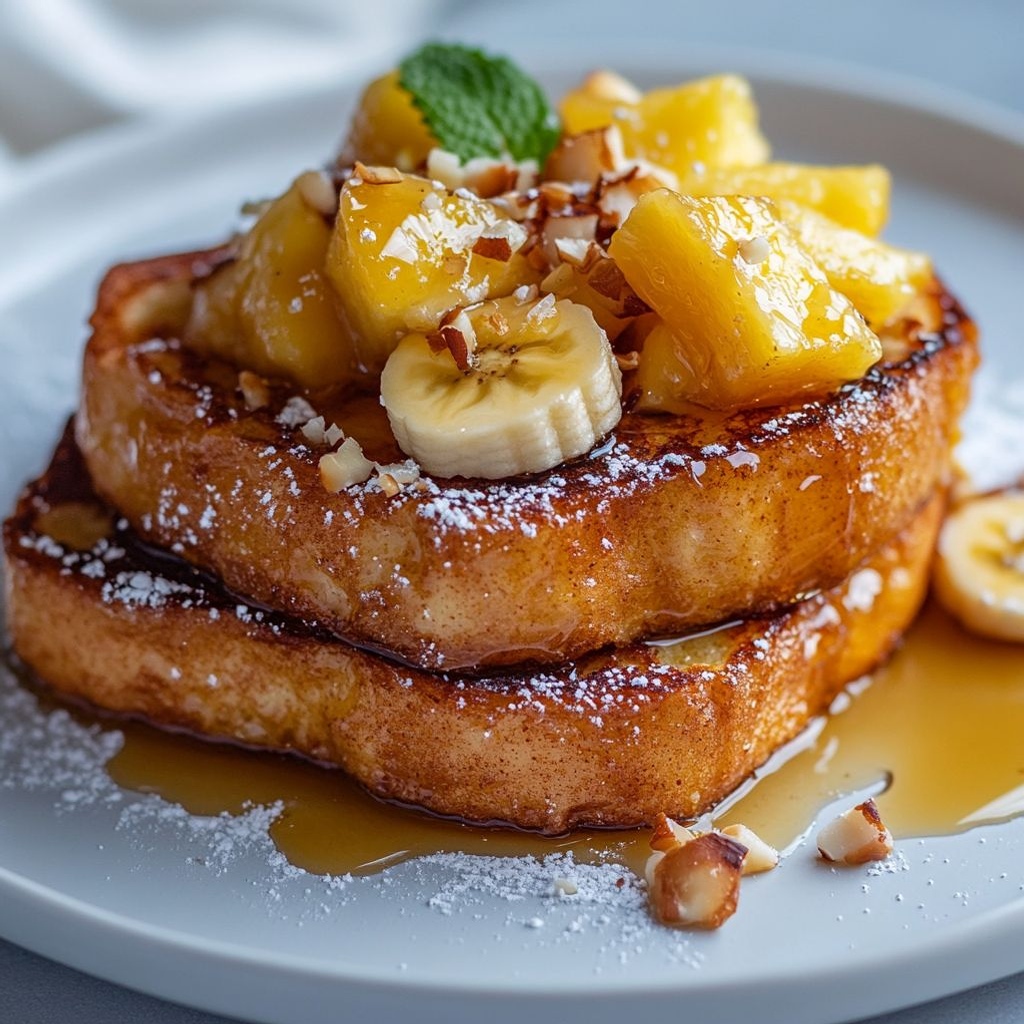
→ Keeping toast warm ensures every bite remains tender and evenly cooked, especially when topping components are being prepared. - To build the tropical toppings, rewarm the caramelized pineapple briefly, then scatter the toasted coconut and macadamia nuts over a serving platter or individual plates; spoon any remaining syrup from the pineapple over the top for a gloss.
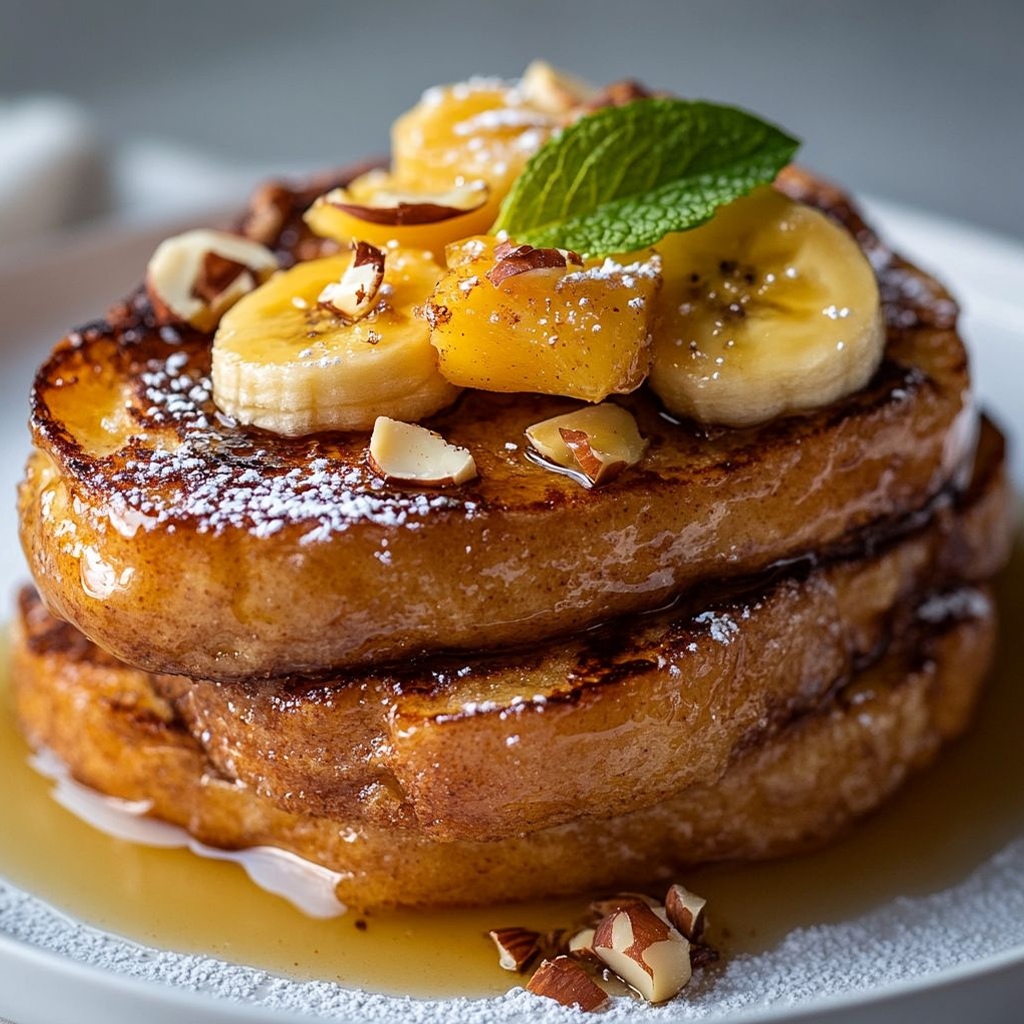
→ Reheating ensures the pineapple’s aroma is released and the toppings adhere nicely to the toast for a cohesive presentation. - Plate each slice of French toast with a portion of the pineapple mixture on or beside it, then drizzle with maple syrup or honey in a light, even stream to avoid sogginess; the syrup should complement but not overwhelm the custard.
→ The finishing drizzle adds sheen and a balanced sweetness that ties tropical flavors together without masking the toast’s richness. - Garnish with slices of fresh banana or extra pineapple if desired, added just before serving to maintain textural contrast and prevent browning; serve immediately while hot.
→ Fresh fruit adds acidity and creaminess, and presenting it promptly preserves color and texture for an inviting plate.
Notes
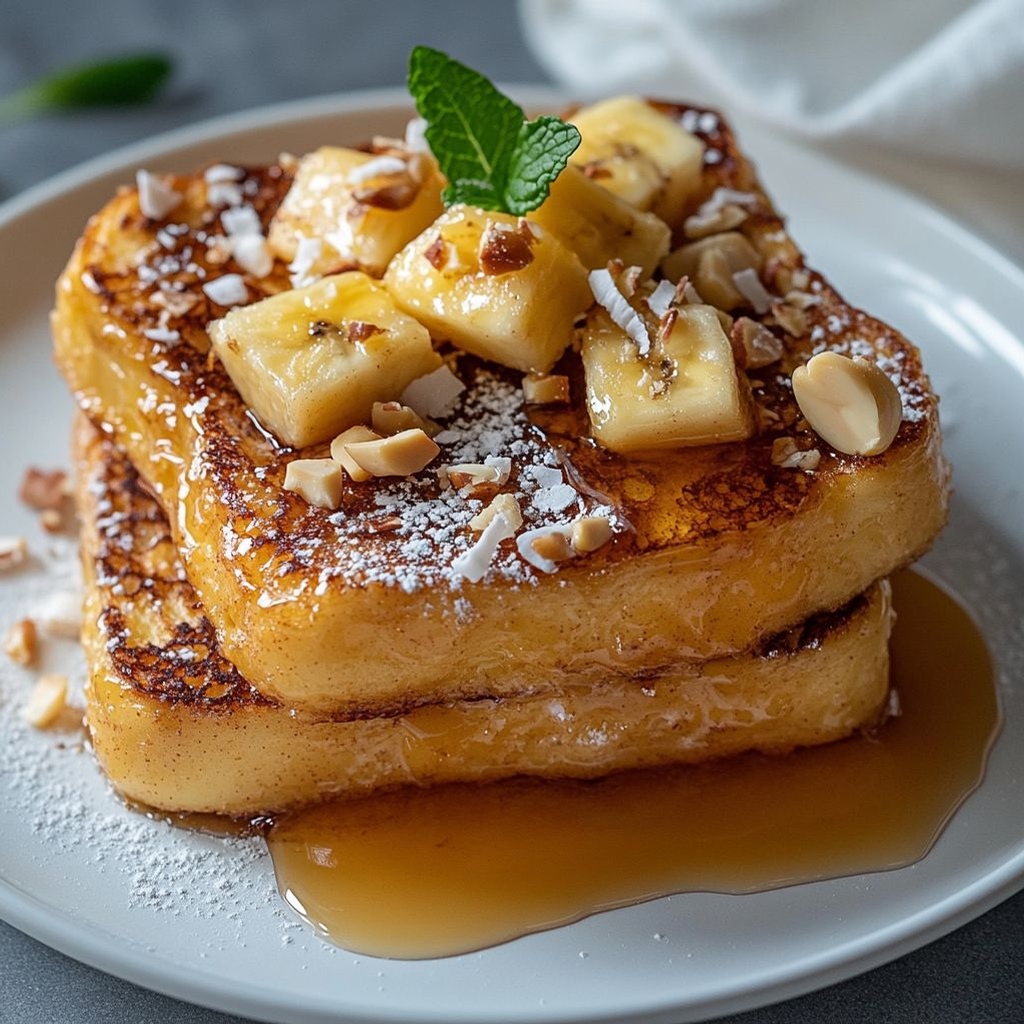
These tropical French toast hawaiano notes walk you through building a creamy coconut custard, soaking sturdy brioche or Hawaiian sweet bread, and layering pineapple and coconut for a brunch-worthy dish. Start with 6 thick-sliced brioche or Hawaiian sweet bread (1.5-2 inches thick) so it soaks without disintegrating; if the bread is a touch stale it will soak more evenly. Whisk 4 large eggs until just combined, then whisk in 1 cup full-fat unsweetened canned coconut milk and 1/2 cup whole milk (or your preferred non-dairy alternative). Sweeten the custard with 2 tablespoons brown sugar or coconut sugar, then add 1 teaspoon vanilla, 1/2 teaspoon ground cinnamon, 1/4 teaspoon ground nutmeg (optional), and a pinch of salt. For tropical depth, stir in 1-2 tablespoons rum or rum extract; if using real rum, simmer the custard briefly to drive off the alcohol or add to the mixture only if serving adults. Dip the bread slices in the custard for 20-40 seconds per side, allowing them to soak but not become soggy, then drain excess before cooking. Pineapple & Coconut Add-ins: 1 cup fresh pineapple chunks (or well-drained canned pineapple), 1/2 cup toasted sweetened coconut, and 1/3 cup roughly chopped macadamia nuts (optional). If desired, sprinkle 2 tablespoons brown sugar over the pineapple while warming to create a light glaze. Cook & Serve: heat 2 tablespoons unsalted butter in a skillet over medium heat and cook the soaked bread until deeply golden and slightly crisp on each side, about 2-3 minutes per side, adjusting heat to prevent burning. Serve with maple syrup or honey, plus sliced fresh bananas or extra pineapple for extra tropical balance. For dairy-free options, use plant-based milk and a touch more coconut oil to mimic richness. Leftovers can be reheated gently in a skillet or oven to preserve texture. If you want extra coconut flavor, finish with a light dusting of toasted coconut and a drizzle of pineapple juice reduction. Enjoy as a show-stopping breakfast or brunch centerpiece with bright tropical vibes.
Tips
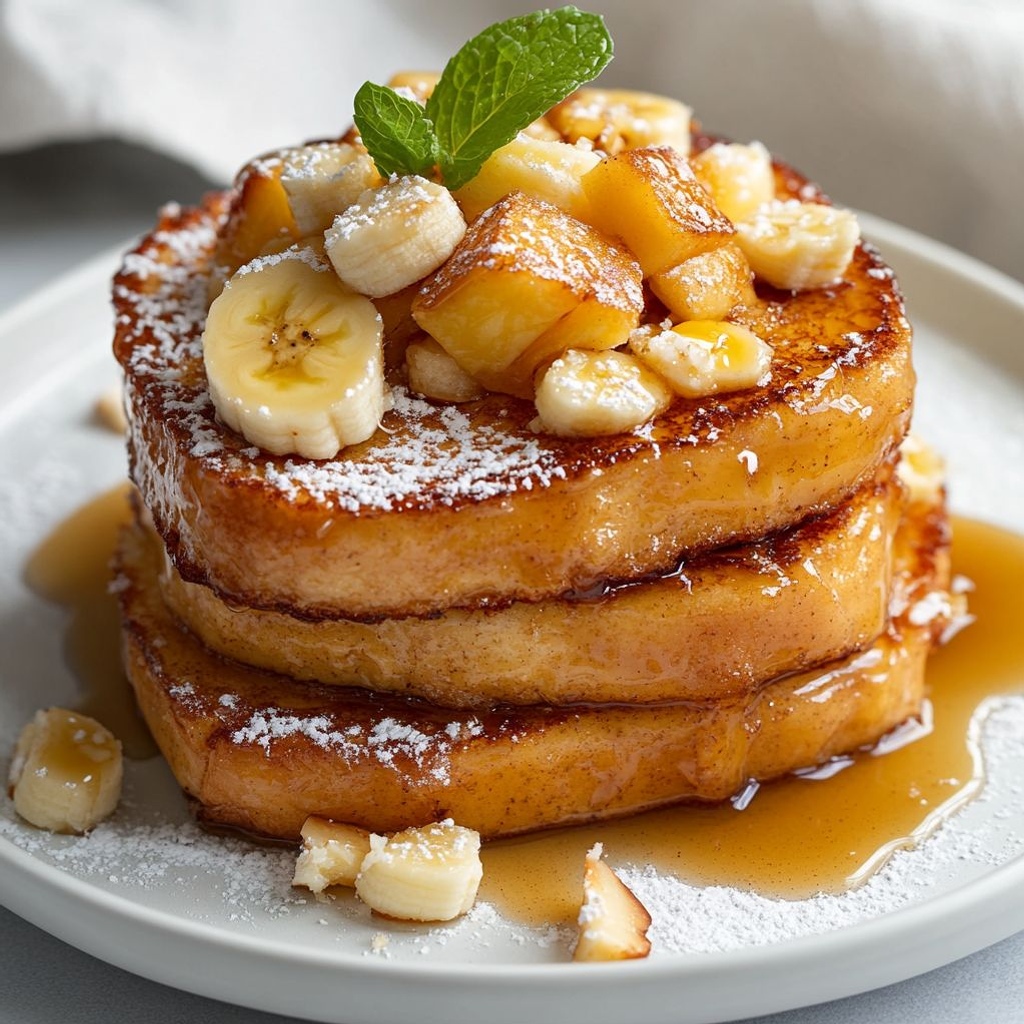
Tips for perfect French toast hawaiano
- Bread selection and prep: Use brioche or Hawaiian sweet bread cut into thick slices (1.5-2 inches). If the loaf is very fresh, it will soak well; a touch of staleness helps the custard soak evenly and prevents the bread from turning mushy. For uniform slices, trim uneven edges so every piece fits your pan.
- Soak time and custard texture: Dip each slice briefly in the custard—about 15-25 seconds per side for thick slices—and let excess drip back into the bowl. Avoid over-soaking, which can make the toast soggy and fall apart when cooked.
- Custard balance: Whisk the eggs with canned coconut milk, whole milk, brown sugar, vanilla, cinnamon, nutmeg (optional), and salt until well combined. Let the mixture rest a few minutes to meld flavors; if you want a firmer set, reduce the milk slightly; for extra richness, add a touch more coconut milk.
- Coconut milk handling: Shake the coconut milk can well before measuring; use full-fat unsweetened coconut milk for a silky custard. For dairy-free variants, substitute with your preferred plant milk and add a little coconut oil to mimic richness.
- Spice and aroma: Freshly ground cinnamon gives a stronger aroma; consider 3/4 teaspoon if you love warm notes. Nutmeg adds subtle warmth—use it sparingly or omit if you prefer a cleaner coconut-pineapple profile.
- Rum option: If using rum or rum extract, add 1-2 tablespoons to the custard. For real rum, you can simmer it briefly with a splash of coconut milk or vanilla to drive off alcohol, then whisk in; adjust to taste if serving to children.
- Pineapple add-ins: Fresh pineapple chunks brighten the dish; if using canned pineapple, drain well to avoid soggy toast. For best texture, dice pineapple evenly and pat dry if very juicy.
- Coconut add-ins: Toasted shredded coconut adds aroma and chew. Toast in a dry skillet over medium heat until golden and fragrant, then cool before mixing with the toast. Use unsweetened coconut if you prefer less sugar.
- Macadamia nuts: Toast roughly chopped macadamias to sharpen flavor; add near the end of cooking to keep them crisp. If nut-free, omit or substitute with extra pineapple or coconut.
- Pineapple caramel: If you like a glaze, sprinkle 2 tablespoons brown sugar over pineapple while warming to create a light caramel glaze; omit if your pineapple is very ripe and sweet.
- Cooking fat and temperature: Use 2 tablespoons unsalted butter for browning, with a splash of neutral oil to prevent burning. Cook over medium heat, ensuring a steady sizzle without smoking the butter. This gives a crisp exterior and tender interior.
- Cook and rest: Work in batches if needed to keep the pan at a consistent temperature. After cooking a slice, keep it warm in a low oven (about 200°F / 90°C) while you finish the rest.
- Finishing touches: Serve with maple syrup or honey for a tropical kiss. Add sliced fresh bananas or extra pineapple just before serving to maintain texture and brightness; avoid letting fruit sit on hot toast for too long, or it will soften.
- Make-ahead and storage: The custard can be prepared ahead and refrigerated for up to 24 hours. Dip bread just before cooking for best texture. Leftovers refrigerate 2-3 days; reheat in a skillet or in the oven, adding a splash of coconut milk or a small pat of butter to refresh creaminess.
- Dietary variations: For dairy-free, rely on full-fat coconut milk and plant milk as needed; adjust sweetness with coconut sugar if desired. If avoiding nuts, omit macadamias and balance with extra pineapple or coconut flakes.
FAQ
What is Hawaiian French toast?
Hawaiian French toast is a tropical twist on the classic breakfast dish. It uses coconut milk or cream, vanilla, and warm spices, often complemented by pineapple, toasted coconut, and macadamia nuts to evoke the flavors of Hawaii.
What ingredients do I need?
Basic soak for the bread and tropical additions. For the soak: eggs, coconut milk (or dairy milk), vanilla extract, ground cinnamon, a pinch of salt, and a bit of sugar (optional). For the tropical elements: thick-sliced bread (brioche or challah recommended), shredded coconut, pineapple chunks or rings, and optionally chopped macadamia nuts. For cooking: butter or oil, and for serving: maple syrup or coconut cream.
- 4 thick slices bread (brioche or challah works best)
- 2 large eggs
- 1 cup coconut milk (or dairy milk)
- 1 teaspoon vanilla extract
- 1/2 teaspoon ground cinnamon
- Pinch of salt
- 2 tablespoons sugar (optional)
- 1/2 cup pineapple chunks
- 2 tablespoons shredded coconut
- 2 tablespoons chopped macadamia nuts (optional)
- Butter or neutral oil for cooking
- Maple syrup or coconut cream for serving
What bread should I use?
Choose thick slices of sturdy bread like brioche or challah. Day-old bread works best because it soaks up the custard without becoming soggy. Avoid very soft sandwich bread unless you toast it first.
How do I prepare the soak?
Whisk together 4 eggs, 1 cup coconut milk, 1 teaspoon vanilla, 1/2 teaspoon cinnamon, a pinch of salt, and 2 tablespoons sugar (if using) until well combined. For extra tropical flavor, you can add 1/4 teaspoon rum extract or coconut extract. If you plan to add pineapple toppings, wait to add them until after cooking.
How do I cook it to perfection?
Dip each bread slice into the custard, letting it soak 15–30 seconds per side. Cook on a skillet over medium heat with a little butter or oil for 2–3 minutes per side, until golden and cooked through. If using pineapple, you can briefly sauté chunks in the pan to caramelize before serving.
What makes it Hawaiian?
The Hawaiian vibe comes from tropical ingredients: coconut milk, shredded coconut, pineapple, and optional macadamia nuts. You can also add a splash of coconut or rum extract for a more pronounced tropical aroma.
Can I make this dairy-free or gluten-free?
Yes. For dairy-free, use full-fat coconut milk and dairy-free butter or oil, and select gluten-free bread. For gluten-free, use a thick, sturdy gluten-free loaf that holds up to soaking. The custard base remains eggs and coconut milk, which works well with these substitutions.
What toppings go well with Hawaiian French toast?
Popular options include toasted shredded coconut, pineapple slices, chopped macadamia nuts, sliced banana or mango, a drizzle of maple syrup, and a dollop of coconut cream or coconut yogurt. Fresh tropical fruit brightens the dish nicely.
How should I serve it and how long does leftovers keep?
Serve immediately for best texture and flavor. Leftovers can be refrigerated in an airtight container for 1–2 days. Reheat gently in a skillet over low heat or in a toaster oven until warmed through. You can also freeze cooked slices and reheat them in the oven for longer storage.